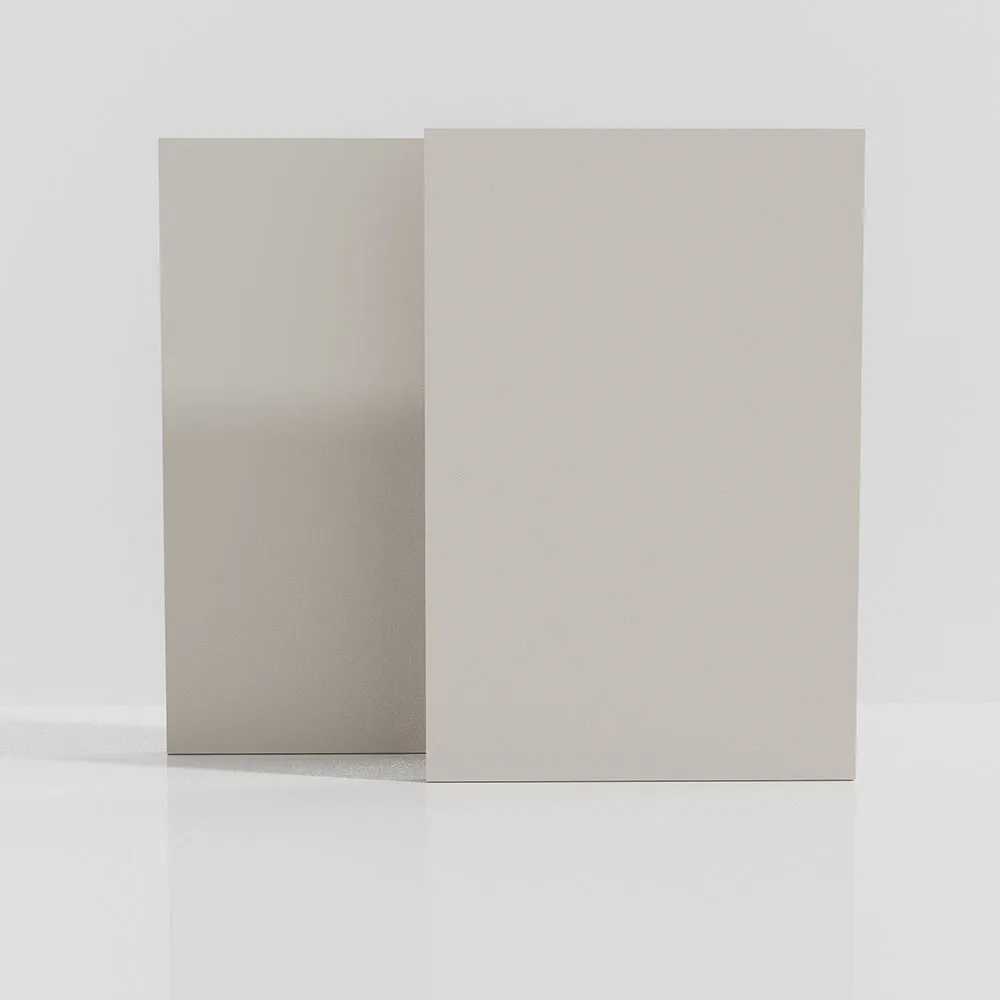
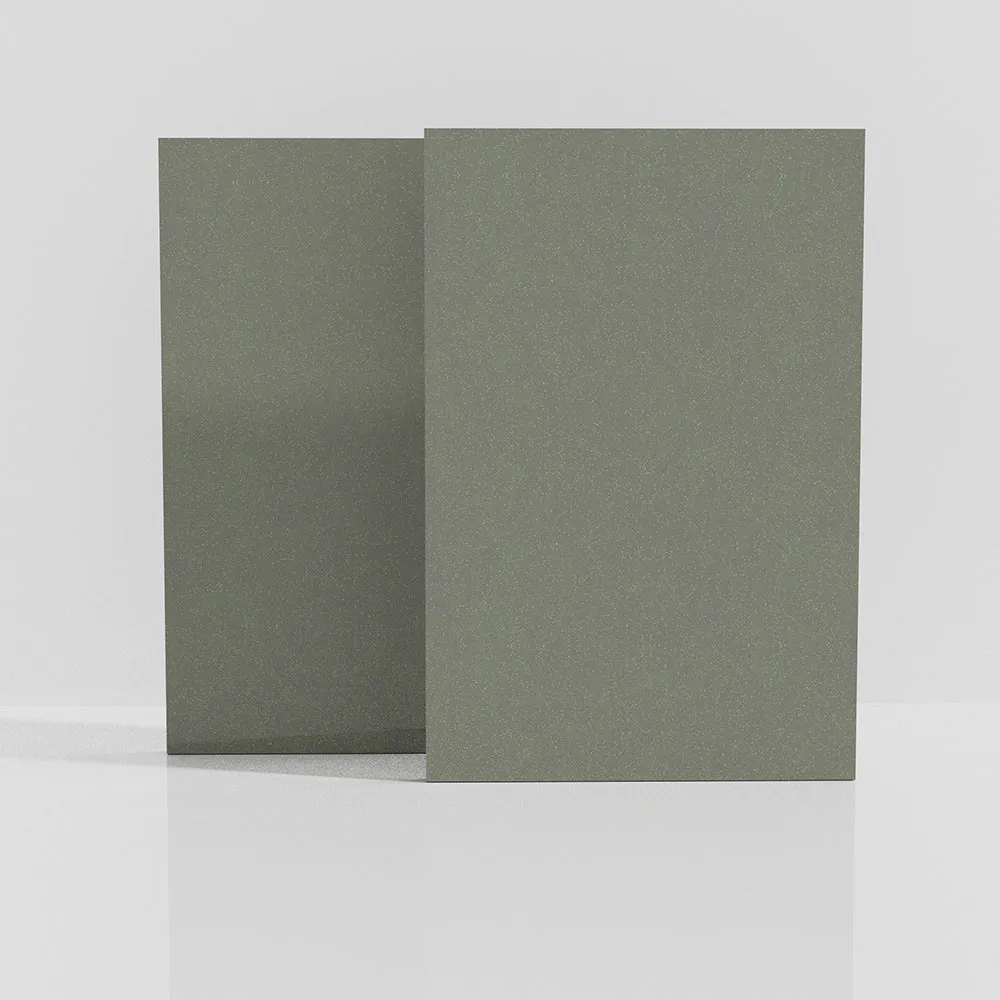
Understanding Thin MDF Board: Why It Matters Worldwide
Thin MDF board, a type of engineered wood product, has quietly revolutionized countless industries—from furniture manufacturing to construction and even humanitarian housing. But why all the fuss about something that seems so simple? Well, in a world increasingly conscious about sustainability, cost-efficiency, and innovative materials, understanding thin MDF board unlocks a world of possibilities. It offers a refined balance: light yet sturdy, affordable yet versatile. Come to think of it, it’s a perfect example of how smart materials quietly drive global progress.
In real terms, knowing the benefits and applications of thin MDF board helps industries optimize product design, reduce waste, and improve lifecycle performance. For governments and NGOs, these boards can mean faster, cheaper housing in disaster-hit zones or durable furniture for refugee centers. Sounds niche, but it’s a big deal on a global scale.
Global Context: The Rising Importance of Thin MDF Board
The global wood-based panel market is forecasted to reach over $130 billion by 2027, driven largely by innovations in products like thin MDF board (source: Global Industry Analysts, Inc., 2023). According to the United Nations Statistics Division, nearly 30% of construction materials worldwide now incorporate engineered wood products due to their eco-friendly profile and performance benefits.1 Yet, the challenge remains: how to produce these boards sustainably without compromising quality or raising costs?
Traditional solid wood is becoming increasingly scarce and costly, with deforestation concerns growing louder. Thin MDF board answers these problems by maximizing wood fiber use, reducing waste, and enabling thinner, lighter panels that don't sacrifice strength.
Mini takeaway: Globally, thin MDF board plays a critical role in sustainable construction and manufacturing, addressing material shortages and environmental concerns.
What Exactly Is Thin MDF Board?
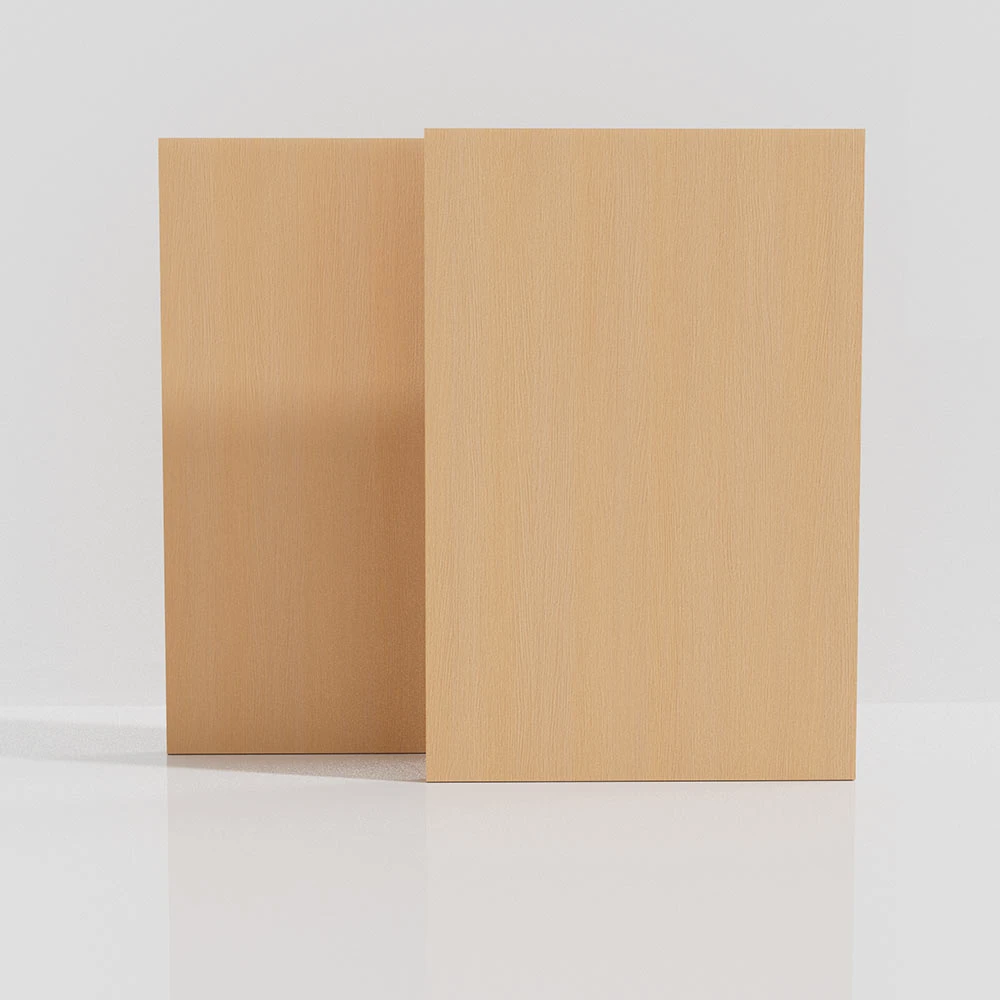
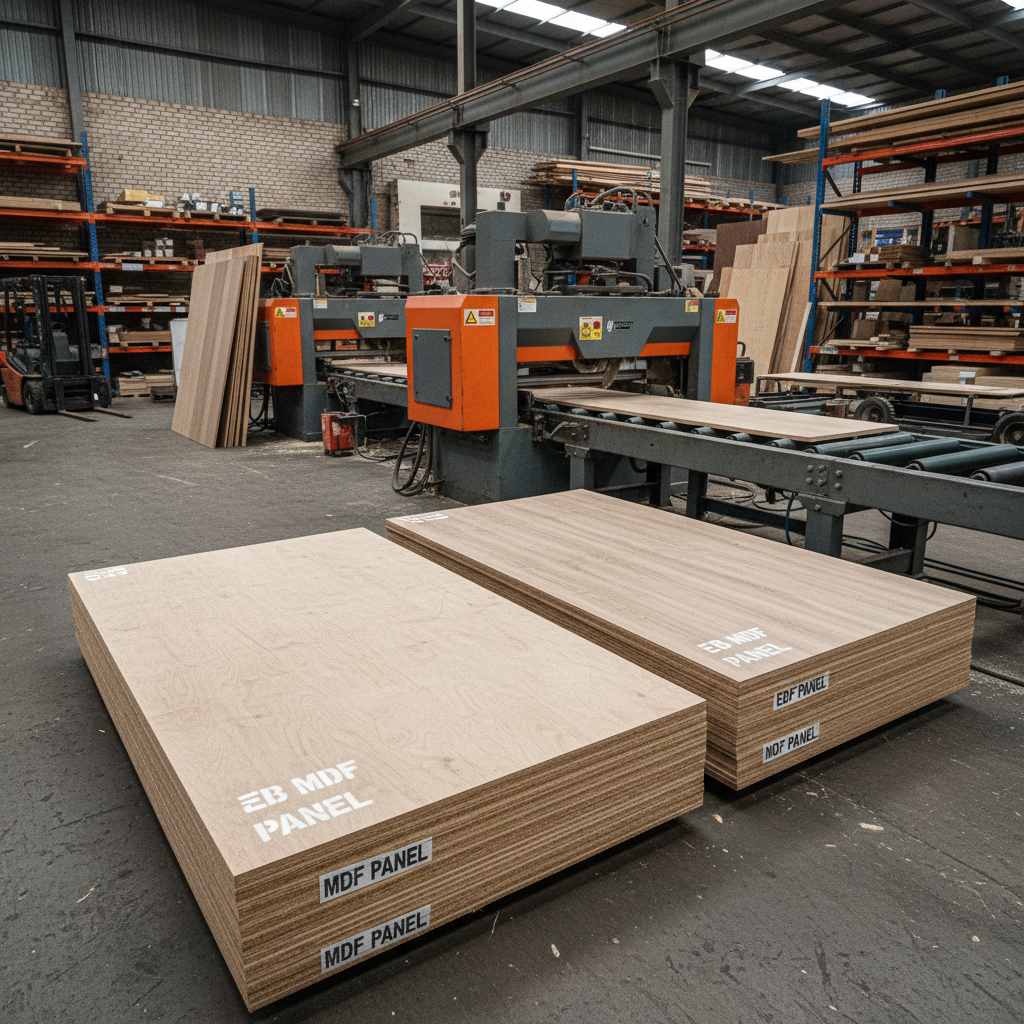
Thin MDF board is a Medium-Density Fiberboard panel crafted using wood fibers bonded under heat and pressure with resin. The 'thin' variant typically refers to boards under 6mm thickness, designed to be lightweight yet rigid enough for applications where traditional MDF would be too bulky or heavy.
Its connection to modern industry is profound: imagine furniture that looks elegant but weighs a fraction of solid wood, or temporary housing that can be quickly assembled with strong, uniform panels. Plus, thin MDF offers a smooth surface quality ideal for painting and laminating, supporting design innovation across many sectors.
Core Features of Thin MDF Board
1. Durability Despite Thinness
Unlike particleboard or plywood, thin MDF maintains impressive durability even when sliced thin. This makes it great for cabinet panels or decorative veneers where strength without thickness is a must.
2. Cost Efficiency
Thin MDF reduces raw material usage, cutting overall costs. It also simplifies production processes due to uniform thickness and fewer imperfections—in turn lowering labor and finishing expenses.
3. Sustainability
With engineered fibers often sourced from wood industry byproducts, these boards minimize waste. Many manufacturers now emphasize formaldehyde-free resins to meet stringent environmental standards.
4. Scalability and Customization
From small DIY projects to large-scale industrial production, thin MDF board scales well. It can be precisely cut, routed, or laminated to suit varying needs.
5. Smooth Surface Quality
The ultra-fine fibers provide an exceptionally smooth finish that paints and veneers love, enhancing aesthetic value for end products.
Mini takeaway: Thin MDF board is a clever balance of durability, sustainability, and cost-effectiveness, with surface qualities that elevate product design.
Global Applications: Where Thin MDF Board Really Shines
Across Asia, Europe, and North America, thin MDF board is a staple in furniture factories focusing on flat-pack designs. Flat-pack furniture companies emphasize lightweight materials without compromising durability—thin MDF fits the bill perfectly.
In regions hit by natural disasters, NGOs incorporate thin MDF panels into modular housing kits due to their portability and ease of assembly. For example, post-typhoon relief in the Philippines saw rapid deployment of temporary shelters built using thin MDF, significantly improving living conditions for displaced families.
Additionally, the automotive sector is integrating thin MDF for interior paneling because of its sound insulation and uniform texture, improving in-cabin comfort.
| Specification |
Details |
| Thickness Range |
2mm – 6mm |
| Density |
600–800 kg/m³ |
| Surface Finish |
Smooth, ready for lamination or painting |
| Moisture Resistance |
Moderate; can be enhanced with coatings |
| Formaldehyde Emission |
Low emission, meets E0/E1 standards |
| Applications |
Furniture, wall paneling, modular housing, automotive interiors |
Advantages and the Long-Term Value of Thin MDF Board
Reflecting on the sheer versatility of thin MDF board, it’s clear why so many product designers and manufacturers prefer it. Its affordability reduces upfront costs, but that’s only half the story. The environmental aspect—efficiency in waste reduction and sustainable raw material sourcing—feels especially important given today’s climate urgency.
Socially, when used in housing and furniture, these boards contribute to safety and dignity—because they hold up better and look nicer than many traditional options. There’s a trust factor too: customers and clients often associate engineered wood products with modernity and responsibility.
Emotionally, it’s a material that promises quiet confidence—like that old friend who always shows up prepared. Plus, for innovators, it offers a playground for new surface treatments, laminates, and even embedded tech.
What’s Next? Future Trends in Thin MDF Board Development
New generations of thin MDF boards are emerging that incorporate bio-based adhesives, making them virtually formaldehyde-free and even biodegradable after disposal. Digital fabrication techniques like CNC routing and laser cutting are being used more routinely, enabling ever more intricate designs on thinner panels.
On the sustainability front, some manufacturers experiment with agricultural byproducts as fiber sources, reducing reliance on forests. Automation in production lines is pushing down costs and improving quality control—meaning better, cheaper products for all.
Interestingly, energy efficiency in buildings also benefits as thin MDF panels get incorporated into insulated wall systems, contributing thermal mass and soundproofing.
Common Challenges and Expert Solutions
No material is perfect. Thin MDF can struggle with moisture if not properly sealed, limiting its outdoor use. Experts recommend specialized coatings or integrating thin MDF in protected structural assemblies to overcome this.
Another challenge is mechanical weakness under excessive load—still, clever layering or hybrid solutions (combining thin MDF with metal frames) have proven effective.
Supply chain variability in fiber quality remains a subtle hurdle, but certifications like FSC and ISO help assure end users of consistency and traceability.
Frequently Asked Questions About Thin MDF Board
- What applications are thin MDF boards best suited for?
Thin MDF boards excel in furniture components, decorative wall panels, lightweight cabinetry, and temporary structures where surface finish and flexibility are important.
- How does thin MDF compare to plywood in durability?
While plywood is stronger under certain conditions, thin MDF offers a smoother finish and better dimensional uniformity, ideal for indoor applications and precise fabrication.
- Is thin MDF board environmentally friendly?
Yes, because it uses wood fibers efficiently, often from recycled sources, and modern boards use low-emission adhesives meeting eco-label standards.
- Can thin MDF boards be used outdoors?
Generally, they require special treatments or coatings to resist moisture; otherwise, they are best kept in dry environments.
- Where can I find reliable thin MDF board manufacturers?
Look for suppliers with ISO 9001 certifications and FSC chain-of-custody labeling, ensuring quality and sustainability.
Vendor Comparison: Leading Thin MDF Board Manufacturers
| Vendor |
Thickness Range (mm) |
Eco Certifications |
Typical Lead Time |
Key Markets Served |
| Tengfei MDF Co. |
2 – 6 |
FSC, CARB Phase 2 |
2 – 4 weeks |
Asia, Europe |
| GreenWood Panels Ltd. |
3 – 5 |
FSC, E0 Emission |
3 – 5 weeks |
North America, Europe |
| EcoBoard Manufacturing |
2 – 6 |
PEFC, Low VOC |
1 – 3 weeks |
Global |
Final Thoughts
Thin MDF board is much more than just an economical alternative to solid wood or thicker panels. It’s a sophisticated material born of necessity, shaped by global trends in sustainability, design, and manufacturing efficiency. In many ways, it quietly propels innovation across diverse industries, from sleek home furnishings to life-saving emergency shelters.
If you’re exploring materials that combine environmental responsibility with performance, thin MDF boards are worth a serious look. To dive deeper into specifications, sourcing, or custom projects, I highly recommend visiting this site—where you’ll find a comprehensive range of quality thin MDF board products, plenty of expert advice, and the latest in material technology.
Sometimes the best building blocks are the ones you can barely see, but once you do, everything else just fits better.
References:
- United Nations Statistics Division: Global Construction Materials
- Wikipedia: Medium-density fibreboard
- ISO 9001 Quality Management Systems