Understanding Thick MDF Board: Why It Matters Globally
If you’re somehow involved in construction, furniture making, or even packaging, there’s a good chance you’ve heard the phrase thick MDF board tossed around. But what makes it more than just a piece of engineered wood? On a global scale, the demand for versatile, durable, and cost-effective materials is sky-high — and thick MDF board ticks many of these boxes. It’s not just about thickness, but what that thickness adds in terms of strength and adaptability.
In an era where sustainability and resource efficiency are climbing agendas, knowing the ins and outs of thick mdf board can help manufacturers, designers, and sustainability advocates make smarter choices. Plus, it plays a subtle but important role in sectors ranging from shipping crates to modular homes—right through to office partitioning.
Mini takeaway: Thick MDF board is more than just wood composites; it’s a globally significant material bridging functional use and sustainability.
Why Thick MDF Board Is a Global Game-Changer
Globally, construction and manufacturing industries are searching for materials that combine durability with cost-efficiency. According to the International Organization for Standardization (ISO), engineered wood products like MDF have grown by roughly 6% annually worldwide. The main driver? Their ability to reduce timber waste and incorporate recycled wood fibers.
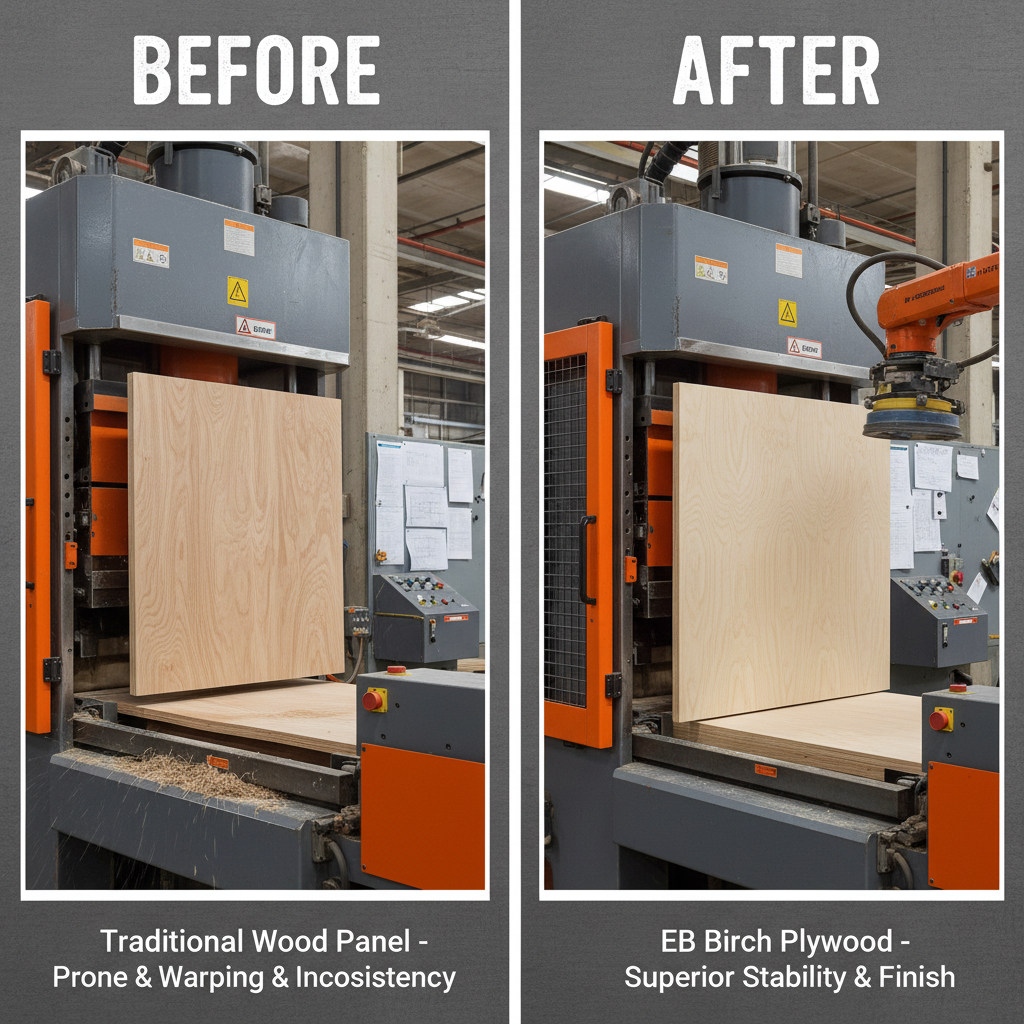
But here’s the kicker: thick MDF board, in particular, solves a key challenge. Traditional wood planks can warp, crack, and degrade unevenly—especially in humid or temperature-variable climates. Thicker MDF boards resist these common wood woes, making them a favorite in tropical regions and cold zones alike.
Yet, despite its benefits, many manufacturers still underestimate the value of proper thickness specs in their projects, sometimes at the cost of durability and long-term performance.
Mini takeaway: The demand for thick MDF board is linked directly to environmental concerns and performance expectations worldwide.
Defining Thick MDF Board: More Than Just Thickness
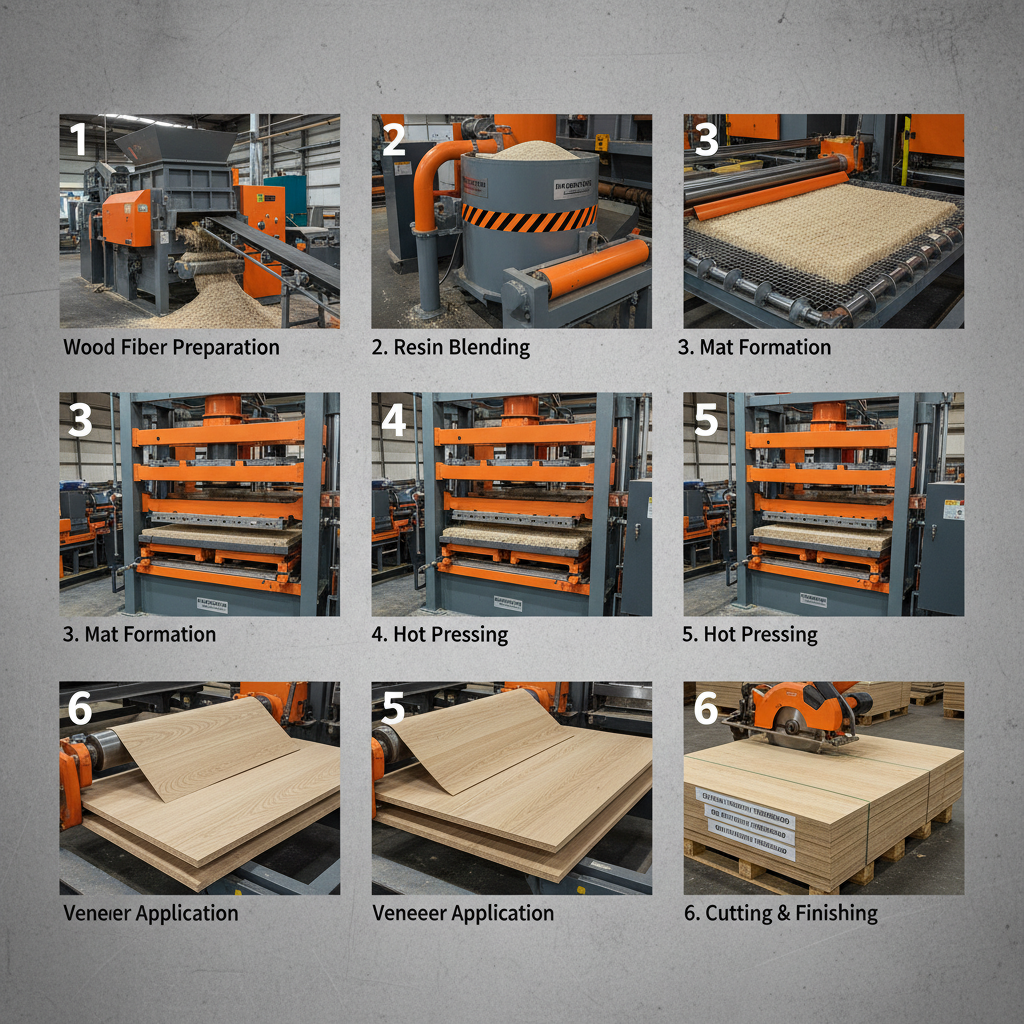
At its core, Medium-Density Fiberboard (MDF) is made by breaking down hardwood or softwood residuals into wood fibers, combining them with wax and resin binders, then applying high temperature and pressure. Thin or thick, the principle stays the same. What separates thick MDF board from its thinner siblings is the sheer mass and density packed into the panel — typically from 18mm up to 40mm or more.
But why does thickness matter so much? It enhances the board’s structural integrity, allowing for robust usage in weight-bearing furniture or industrial packaging. Imagine you’re assembling a sturdy cabinet or staging a trade show booth; thick MDF boards can support far more stress than thinner ones.
Also, in humanitarian applications — think temporary shelters or aids in disaster zones — thick MDF board delivers reliable protection while maintaining affordability. It’s a curious intersection of industry and humanity.
Mini takeaway: Thick MDF board is a dense, engineered wood that combines strength, stability, and versatility.
Key Factors That Make Thick MDF Board Stand Out
Durability
Conventionally, MDF can be vulnerable to moisture, but thicker boards naturally ward off bending and warping under stress. Many engineers say that when the MDF hits 25mm thick, it almost acts like plywood in terms of rigidity (albeit with a smoother surface). This durability makes it ideal for both indoor and some outdoor uses when properly sealed.
Cost Efficiency
While solid wood is the dream for many craftsmen, thick MDF offers a much lower price per volume without major sacrifices in quality. Plus, it’s less prone to defects like knots and grain disparities, which means fewer material losses.
Workability
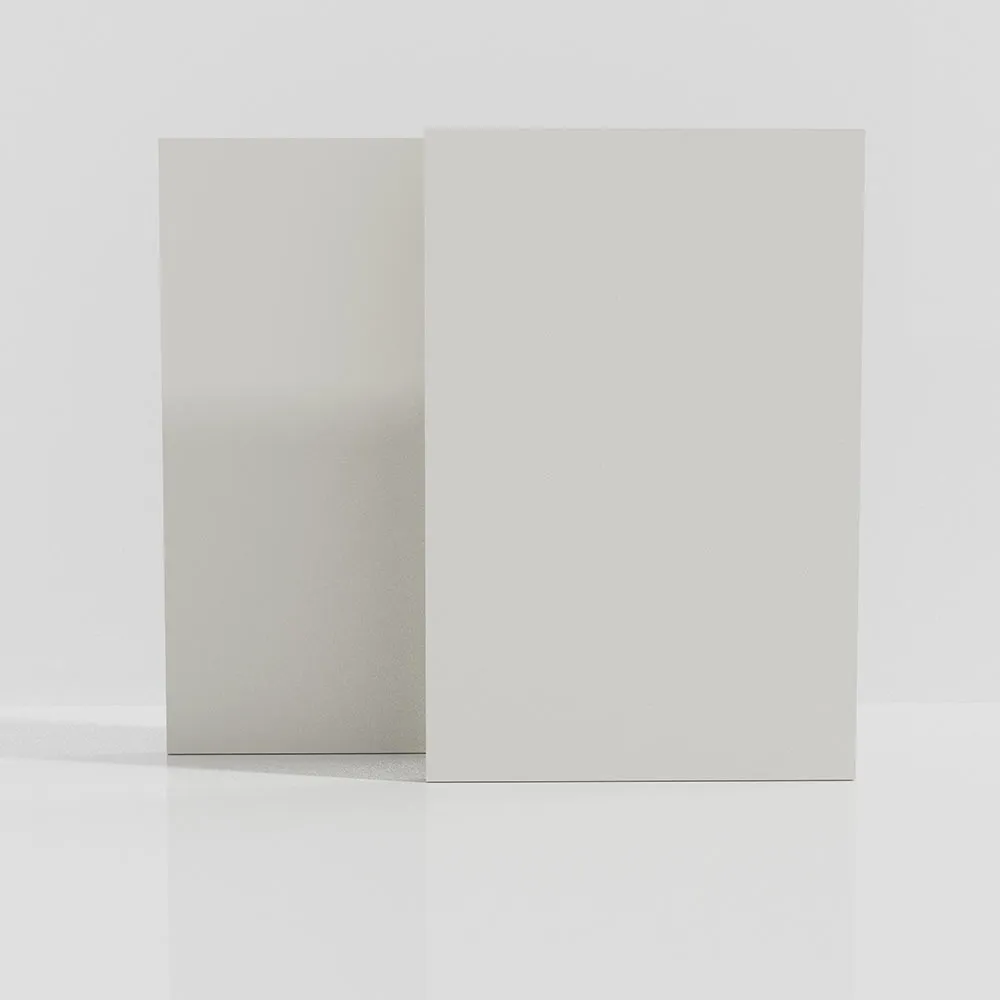
Thick MDF board machines and finishes beautifully — smooth edges, excellent screw-holding capability, and paint or veneer adhesion are surprisingly good. Unlike plywood, it carves easily with standard woodworking tools, removing the usual frustrations.
Sustainability
Many thick MDF manufacturers use recycled wood fibers and environmentally friendly adhesives, reducing reliance on old-growth timber. According to Wikipedia, MDF production can consume less energy than other wood products while being recyclable itself.
Consistency
One thing I noticed in panels thicker than 30mm is how uniformly smooth the surface is, eliminating the need for extra fillers or sanding. That’s a huge time saver in mass production or custom furniture builds.
Mini takeaway: Thick MDF boards balance durability, cost, and eco-friendly traits with reliable, consistent manufacturing quality.
Global Applications: Where Thick MDF Boards Make a Difference
Frankly, the range is vast. In Europe and North America, thick MDF boards frequently underpin kitchen cabinetry and office furnishing. In Asia, their use expands into shipping container interiors and industrial tooling platforms.
- Post-disaster relief: Quick-to-install MDF panels form emergency housing walls that are lightweight, insulating, and easy to repair.
- Remote industrial zones: Thick MDF creates durable workbenches and storage solutions where traditional timber is scarce.
- Commercial retail: Store fixtures and display units use thick MDF for flawless surface finishes and reliable strength.
Among NGOs, these boards are emerging as affordable, scalable building materials that reduce overhead costs while providing lasting structural value.
Mini takeaway: Thick MDF board’s versatility is proving beneficial from urban centers to rural and disaster-affected regions worldwide.
Advantages & Long-Term Value of Thick MDF Board
Why do people keep coming back to thick MDF? First, it’s about money—and making it last longer. You get lower material waste, easier handling, and above all, impressive strength without the heavy burden of solid wood.
But there’s also this emotional factor. Whether you’re a carpenter cherishing smooth board edges or an architect craving consistent panel quality, thick MDF combines safety, dignity, and innovation. For families receiving MDF-made temporary housing, it brings trust and shelter during crises.
Long-term, it reduces the need to replace or repair structures, which saves valuable resources and adds a surprising amount of sustainability points.
Mini takeaway: Thick MDF board offers logical cost savings alongside emotional reassurance in application.
Future Trends & Innovations in Thick MDF Board Production
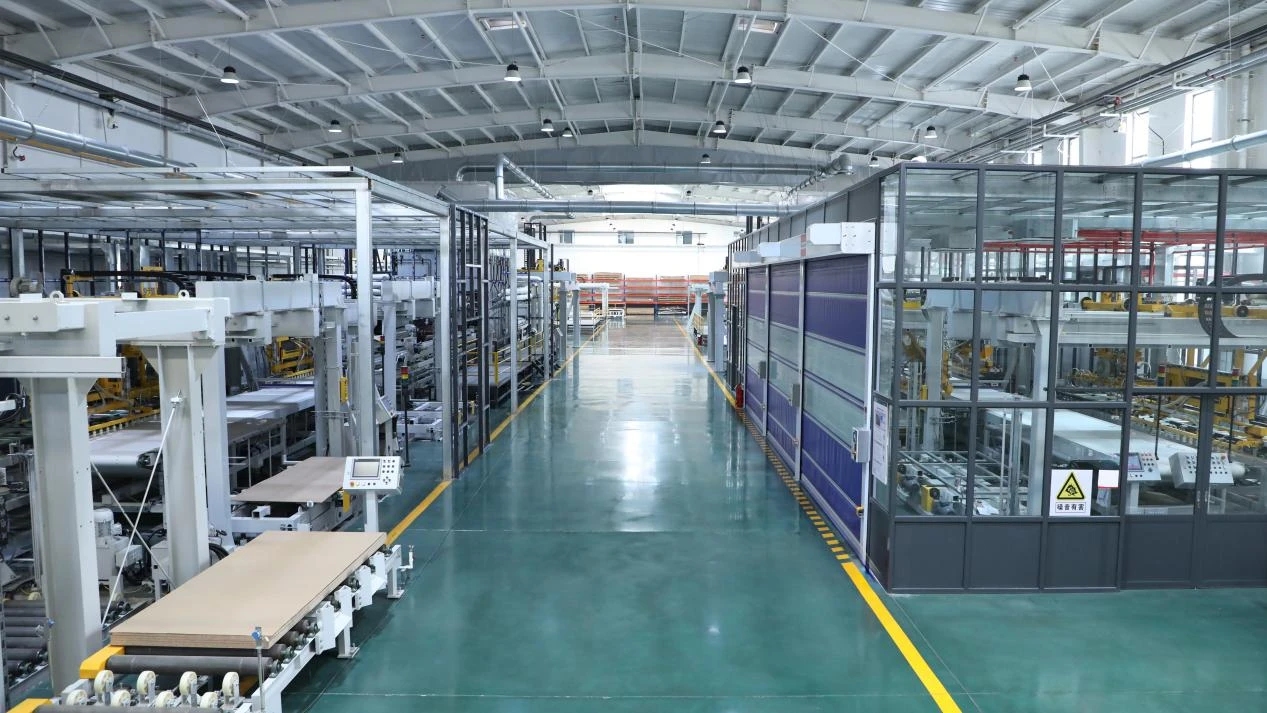
The industry isn’t standing still. We’re seeing biodegradable resins replacing traditional formaldehyde-based adhesives, making thick MDF panels less toxic and more eco-friendly. Automation and digital manufacturing processes also promise tighter tolerances and waste reduction.
Some manufacturers are experimenting with integrating green energy sources like solar or biomass into MDF production, reducing carbon footprints significantly. Innovations in surface treatments are improving water resistance, extending MDF board lifespan in outdoor or humid use cases.
And oddly enough, 3D printing technologies are being tested to create hybrid MDF composites with embedded electronics or sensors—something almost sci-fi just a few years ago.
Mini takeaway: Thick MDF board production is evolving rapidly, blending sustainability with cutting-edge tech.
Challenges Facing Thick MDF Board Use & How to Address Them
One big challenge remains moisture sensitivity—thick MDF can swell if exposed to water too long. This limits some outdoor uses unless sealed expertly. Dust generation during cutting is another workplace health concern.
The solution often lies in product innovation: moisture-resistant MDF variants, better sealants, and dust extraction equipment on saws. Training end users on proper handling helps, too.
Pricing fluctuations based on fiber supply and resin costs can also affect availability. Strategic supplier partnerships and recycling efforts may blunt these variables.
Mini takeaway: The key challenges are manageable with technology, training, and material science advances.
Product Specification Table: Thick MDF Board Essentials
| Specification |
Typical Range |
Importance |
| Thickness |
18mm–40mm |
Structural strength, rigidity |
| Density |
600–800 kg/m³ |
Weight and durability balance |
| Moisture Content |
6%–12% |
Prevents swelling and warping |
| Surface Finish |
Smooth, sanded |
Ease of painting/veneering |
| Formaldehyde Emissions |
Low / E0 & E1 Grades |
Health and safety compliance |
Vendor Comparison: Leading Thick MDF Board Suppliers
| Feature |
Tengfei MDF |
Global MDF Co. |
EcoWood Ltd. |
| Max Thickness Offered |
40 mm |
32 mm |
36 mm |
| Sustainability Certifications |
FSC, ISO 14001 |
PEFC |
FSC |
| Emission Grades |
E0 / Ultra Low |
E1 |
E0 |
| Customization Options |
Thickness and size |
Limited |
Surface finish |
| Price Level |
Competitive |
Medium |
Premium |
FAQ: What You Might Wonder About Thick MDF Board
Q1: How does thick MDF board compare to plywood for heavy-duty applications?
A1: Thick MDF can approach plywood in rigidity when 25mm or thicker, which is great for many furniture or construction uses. However, plywood has a natural grain that offers superior moisture resistance, so MDF requires sealing in humid environments.
Q2: Is thick MDF board eco-friendly?
A2: Generally yes — many manufacturers use recycled fibers and low-emission adhesives. Check for certifications like FSC or E0 emissions to ensure you get an eco-conscious product.
Q3: Can thick MDF board be used outdoors?
A3: Not directly. MDF absorbs moisture and swells unless it's specially treated or sealed thoroughly. There are moisture-resistant variants, but they cost more and should be chosen carefully.
Q4: How customizable are thick MDF boards in size and finish?
A4: Quite customizable. Suppliers often allow varying thickness, panel sizes, and surface treatments like laminates or veneers to meet specific design needs.
Q5: What is the lead time for ordering thick MDF boards in bulk?
A5: Lead times vary by supplier but usually range from one to four weeks, depending on thickness, finishing, and order quantity. Planning ahead is recommended.
Wrapping Up: The Long-Term Benefits of Thick MDF Board
At the end of the day, thick MDF board isn’t just another building material — it’s a smart compromise between strength, cost, and sustainability. The industry is moving fast to improve its eco-credentials, and with innovations in manufacturing, its role only grows more vital.
If you’re looking for a reliable, easy-to-work-with core material for furniture, industrial applications, or even humanitarian relief efforts, thick MDF board deserves serious consideration.
For more detailed info and sourcing options, do check thick mdf board suppliers like Tengfei MDF, where expertise meets quality.
Feel free to dive deeper into the specs, request samples, or talk to an expert — I find those quick chats often reveal the unexpected “good stuff” behind the product.
References
- Wikipedia: Medium-density fibreboard
- International Organization for Standardization (ISO)
- Forest Stewardship Council (FSC)