Why the Square MDF Board Still Matters in a Changing World
If you’ve ever walked through a furniture showroom or peeked into a construction site, chances are you’ve encountered Medium-Density Fiberboard (MDF) in some form. The humble
square MDF board is one of those materials that’s quietly everywhere, yet rarely discussed beyond its functional role. But here’s the thing: understanding this little marvel isn’t just for engineers or carpenters. Its significance transcends industries — it touches global trade, sustainability efforts, and even humanitarian logistics.
Globally, as urbanization accelerates and housing demands soar, materials like the square MDF board help bridge the gap between affordability, quality, and scalability. Plus, with growing pressure to adopt eco-friendlier manufacturing processes, MDF's ability to use recycled wood fibers aligns well with international sustainability goals (check ISO standards on wood-based panels). So, grasping why square MDF boards remain important — beyond just being “that flat wooden board” — flavors the whole construction and manufacturing conversation with a bit more depth.
Mini takeaway: Square MDF boards are crucial components in global construction and manufacturing due to their cost, versatility, and alignment with sustainability efforts.
The Global Value of Square MDF Boards
It’s quite revealing how products like square MDF boards factor into worldwide supply chains. According to UN Economic reports and ISO data on manufactured wood products, global production of engineered wood panels has consistently grown by roughly 4-5% annually over the past decade. This correlates with expanding markets in Asia-Pacific, Europe, and North America, where modern construction is leaning heavily on engineered materials to meet both design and environmental standards.
But here’s an interesting challenge: natural wood resources aren’t infinite, and logging faces mounting restrictions to prevent deforestation. Enter MDF — especially the square, standardized boards — as an efficient means to optimize wood fiber usage. They help reduce waste, and because they are manufactured in controlled environments, their quality consistency is far higher than raw lumber.
Those who’ve dealt with international manufacturing know the headache of inconsistent material dimensions. Standard sizes like the square MDF board make logistics smoother across borders — less waste, less hassle, and frankly, fewer nasty “it doesn’t fit” surprises on site.
Mini takeaway: Square MDF boards hold global relevance because they optimize wood use, support sustainability, and ease international logistics in manufacturing.
So, What Exactly Is a Square MDF Board?
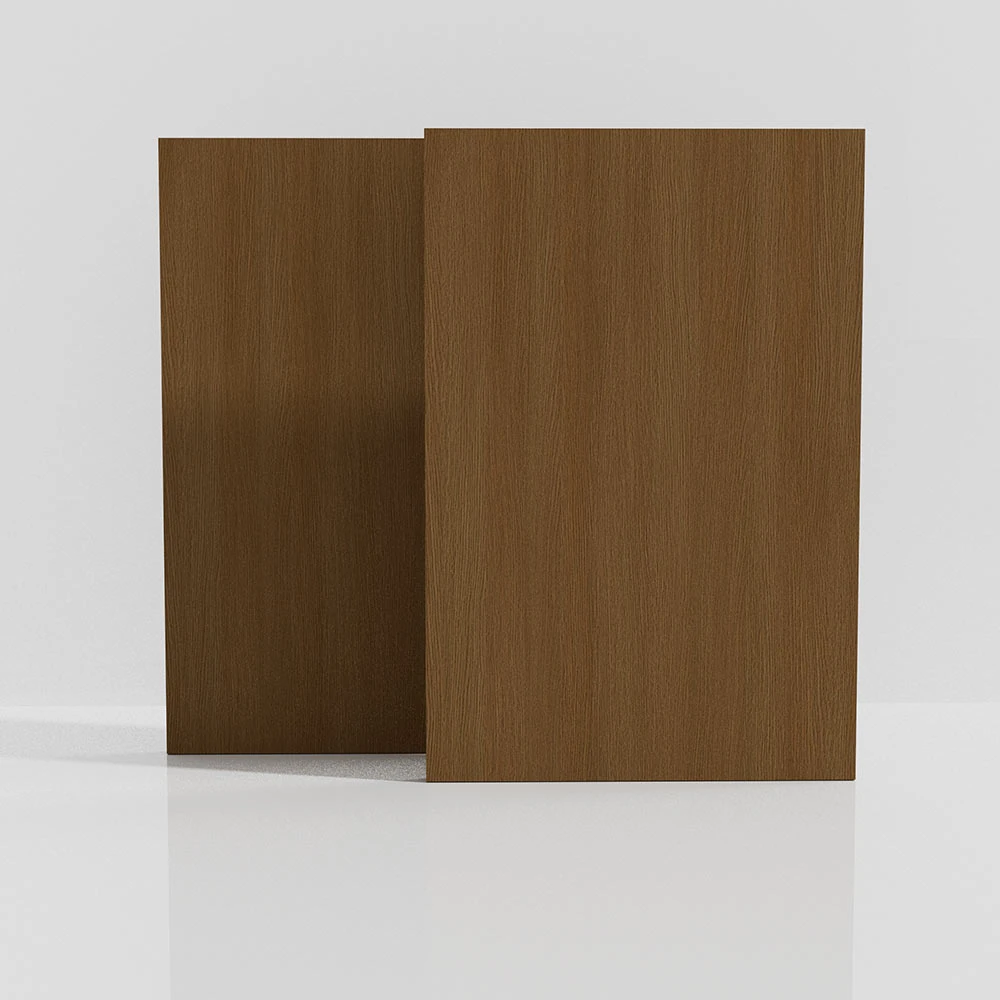
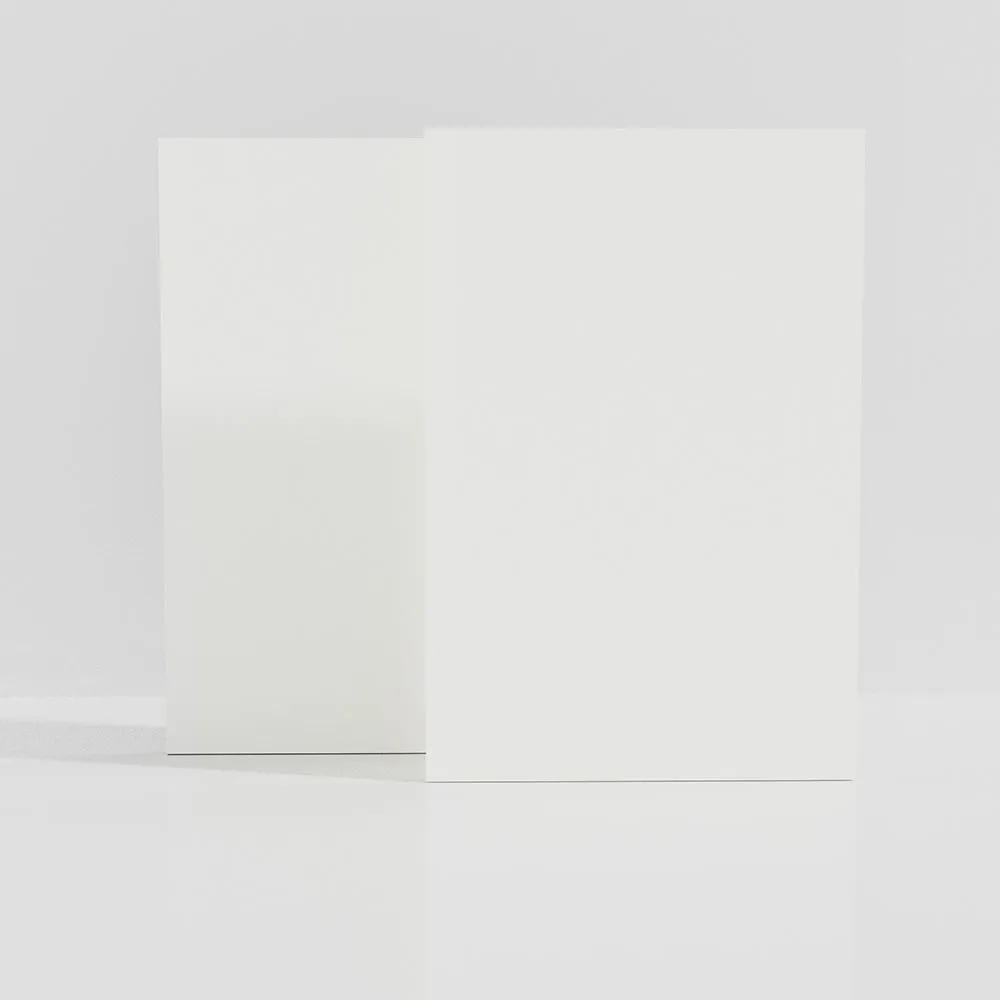
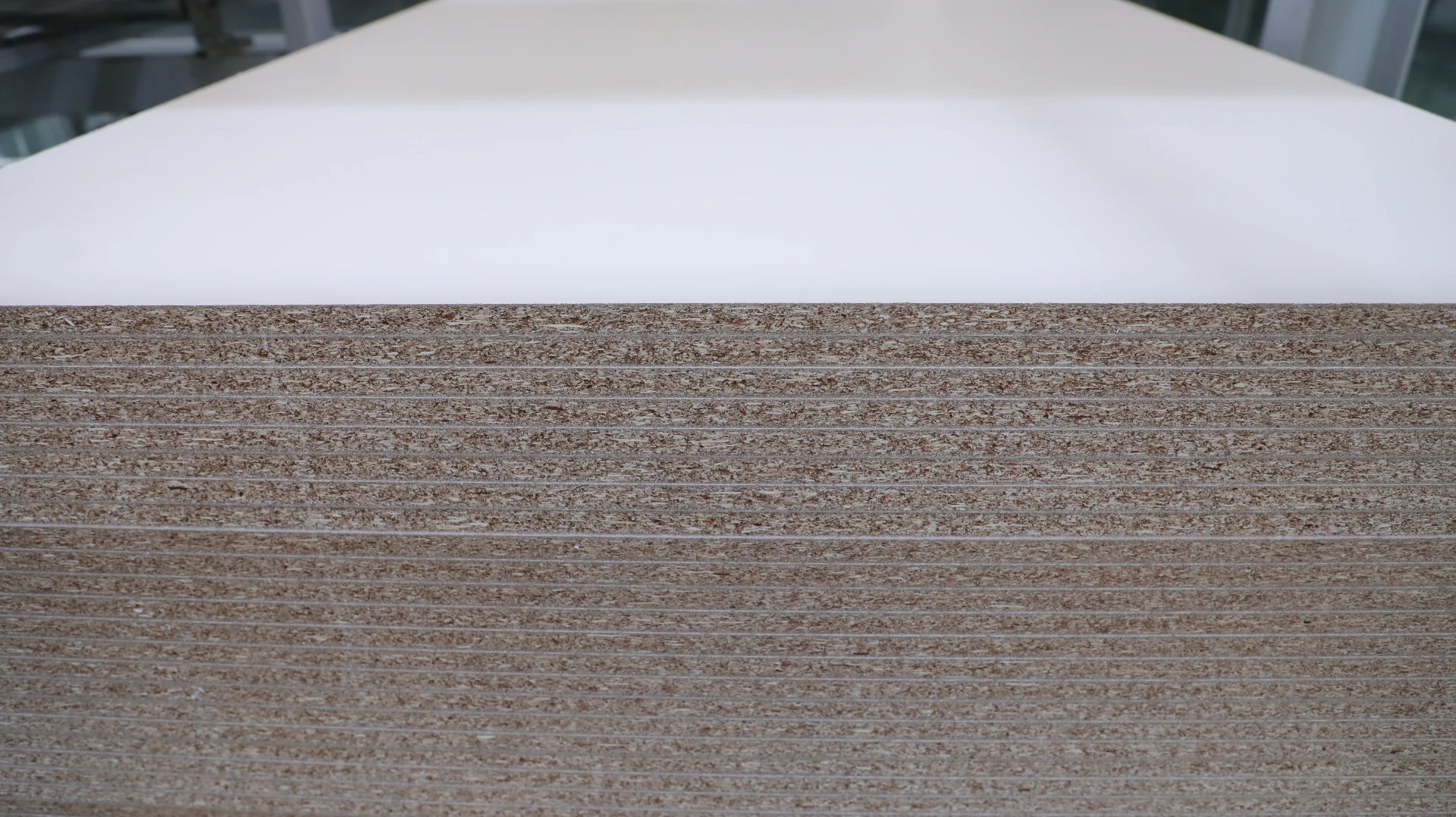
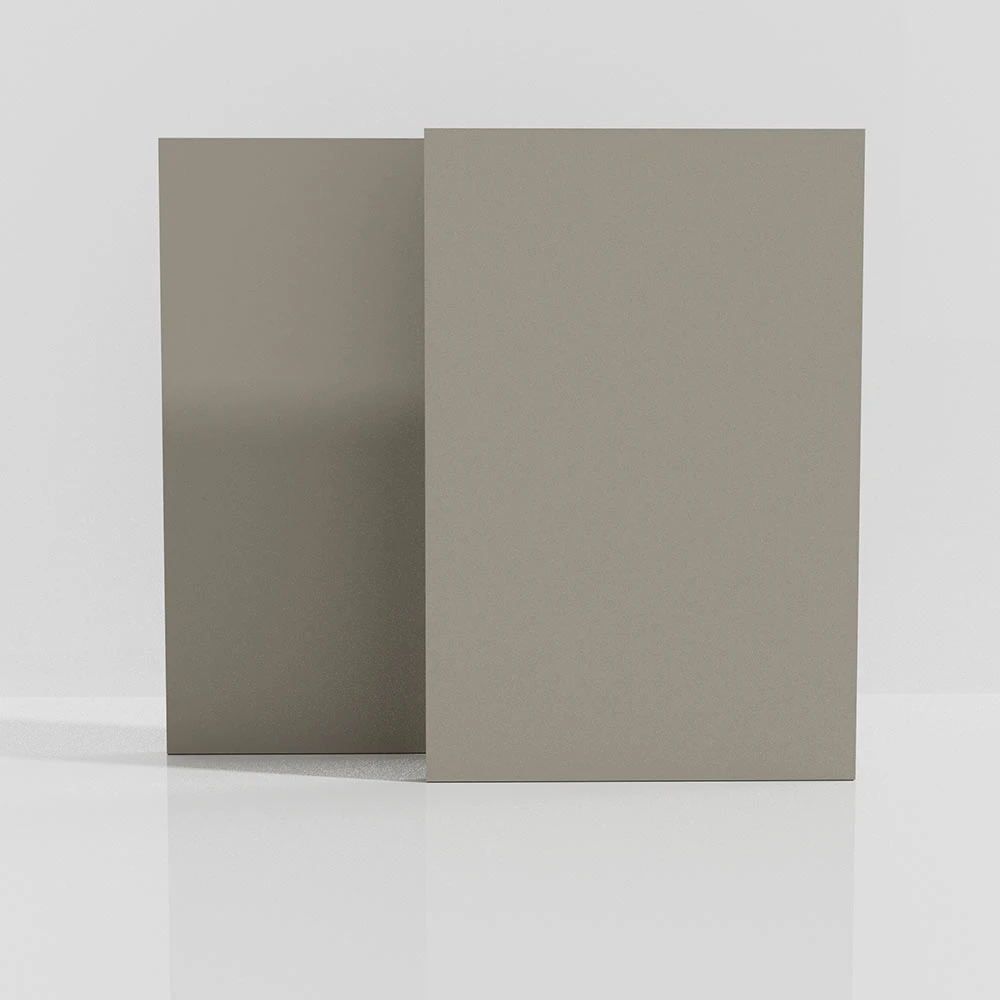
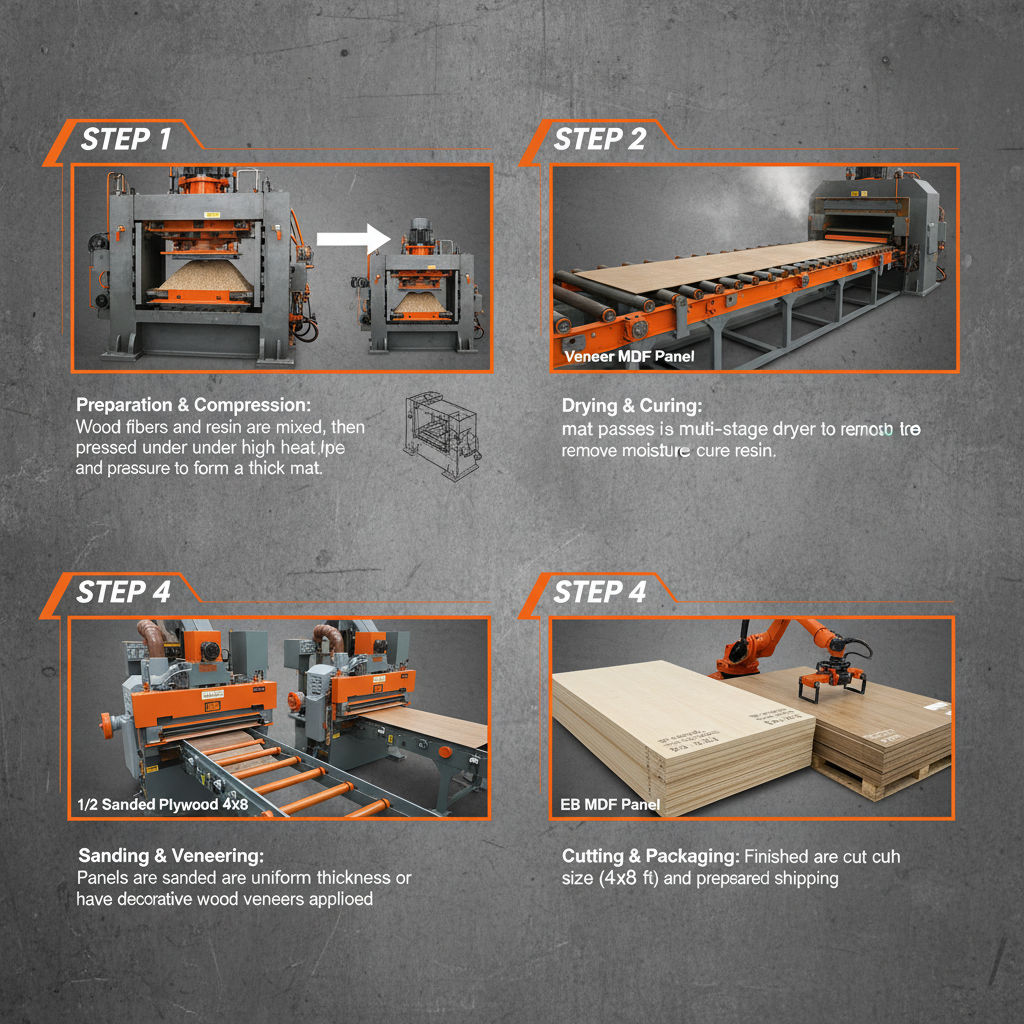
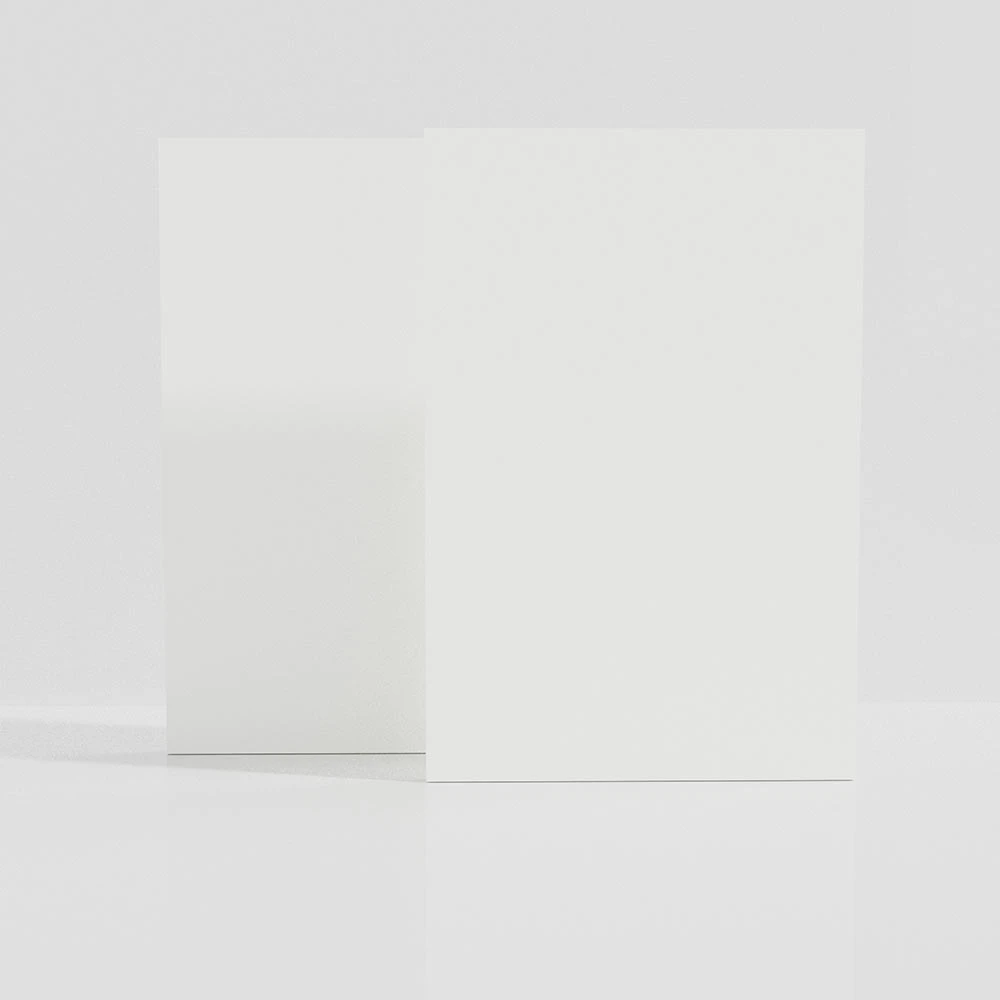
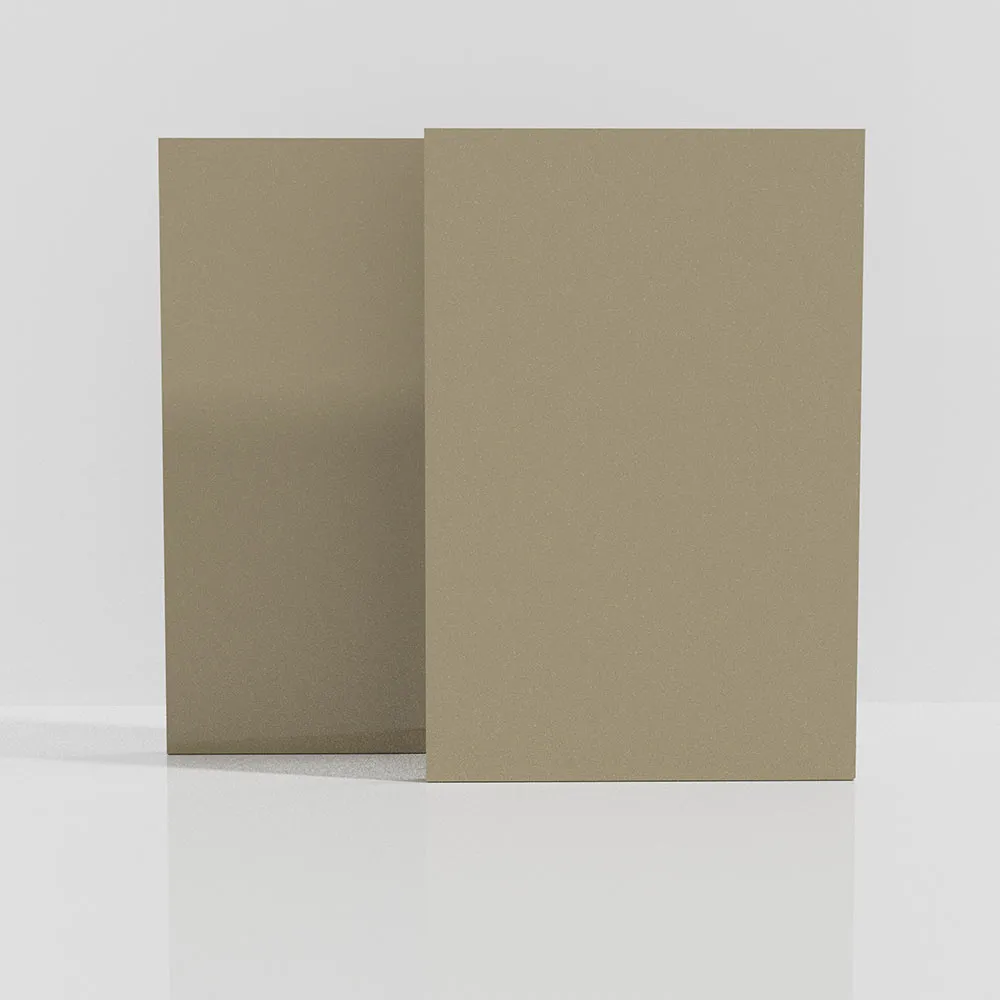
In simplest terms, a square MDF board is a flat panel made of wood fibers glued and pressed under heat and pressure into a dense, uniform sheet. Unlike plywood, MDF doesn’t have distinct wood grain; its homogenous composition lends itself to smooth surfaces and easy machining. When produced in square dimensions — often 4x4 feet or metric equivalents — these boards become a modular building block for countless applications.
Why the fixation on the “square” shape? The square form factor standardizes manufacturing and enables efficient inventory management, cutting optimization, and design simplicity, especially when scaled globally. Imagine having to custom cut every single piece for mass production — not practical at all.
In modern industry, square MDF boards underpin everything from furniture to cabinetry, wall paneling, and even prototype development. In humanitarian contexts, they sometimes serve as rapid-deployment flooring or wall structures for emergency shelters — a neat reuse of consumer-based innovation.
Mini takeaway: A square MDF board is a precisely manufactured wood-fiber panel valued for uniformity and versatility, making it a foundational material in construction and manufacturing.
Core Features That Define Square MDF Boards
1. Durability
Though not as resilient as solid wood for structural loads, MDF boards boast a fine balance of strength and flexibility. Their density resists warping and splitting, especially with modern coatings and treatments that enhance moisture and fire resistance.
2. Scalability
Standard dimensions mean manufacturers or builders can easily scale production without redesign headaches. This is especially vital for mass-produced furniture or prefabricated housing components.
3. Cost Efficiency
Compared to solid hardwood, MDF boards typically cost 30-50% less. This price advantage, combined with minimal waste in cutting, makes them attractive for budget-conscious projects.
4. Machinability
Because MDF has no grain, it’s a dream for precision cutting, routing, or painting. You can route intricate designs that are tough on plywood or chipboard.
5. Environmental Impact
Many MDF manufacturers now comply with E0 and E1 emission standards for formaldehyde, mitigating indoor air quality concerns. Plus, the use of recycled fibers helps reduce deforestation.
Mini takeaway: Durability, scalability, affordability, machinability, and environmental compliance are key pillars that keep square MDF boards in demand.
Real-World Applications for Square MDF Boards
The applications are all over the map:
- Furniture Manufacturing: From cupboards to office desks, the precision and finish of square MDF boards are unbeatable.
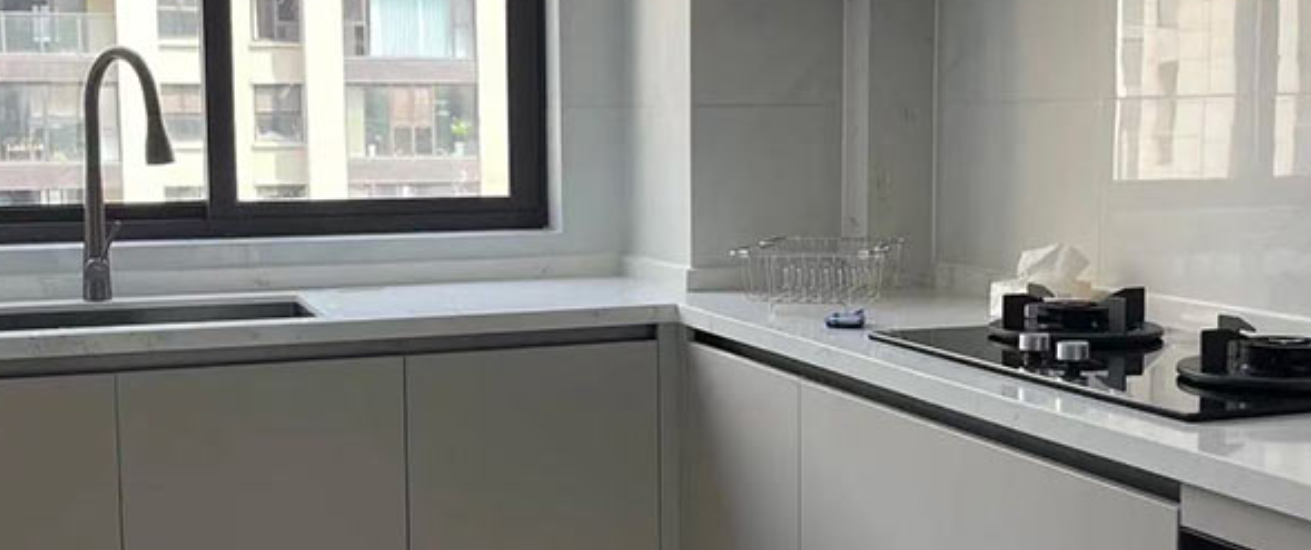
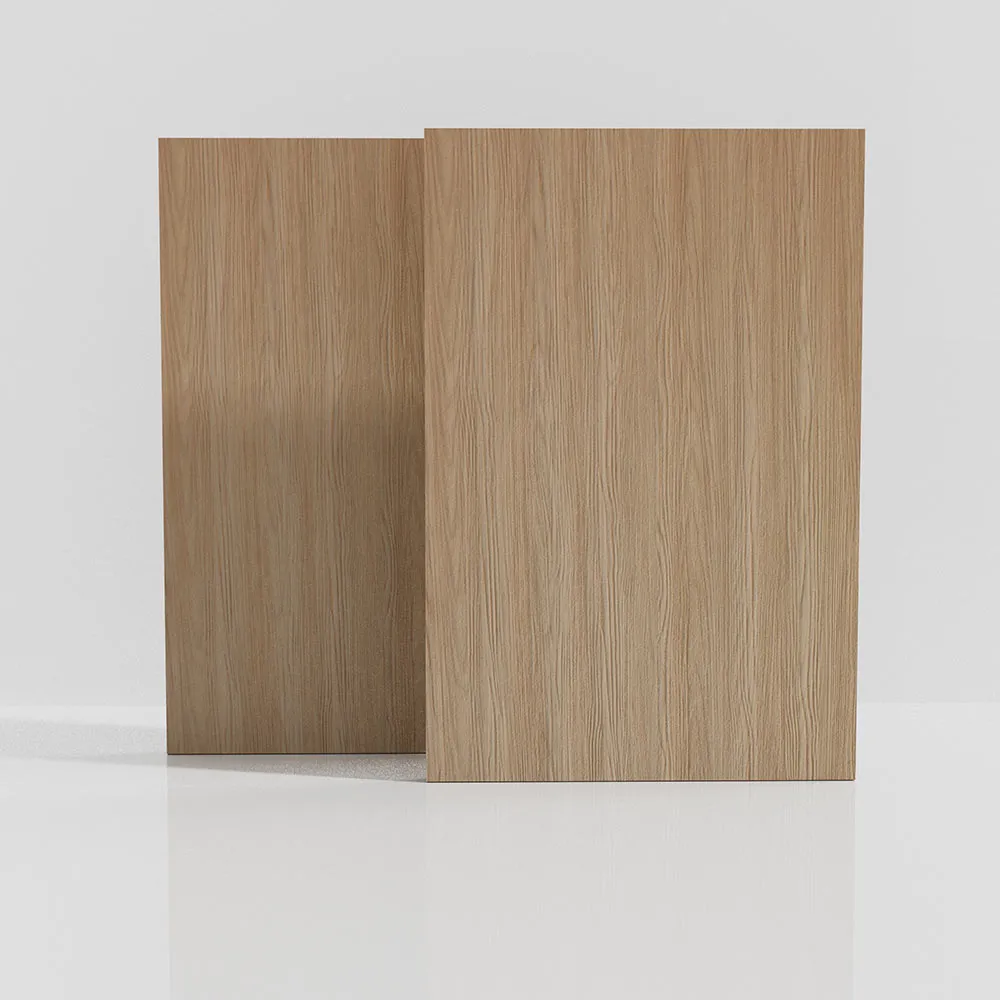
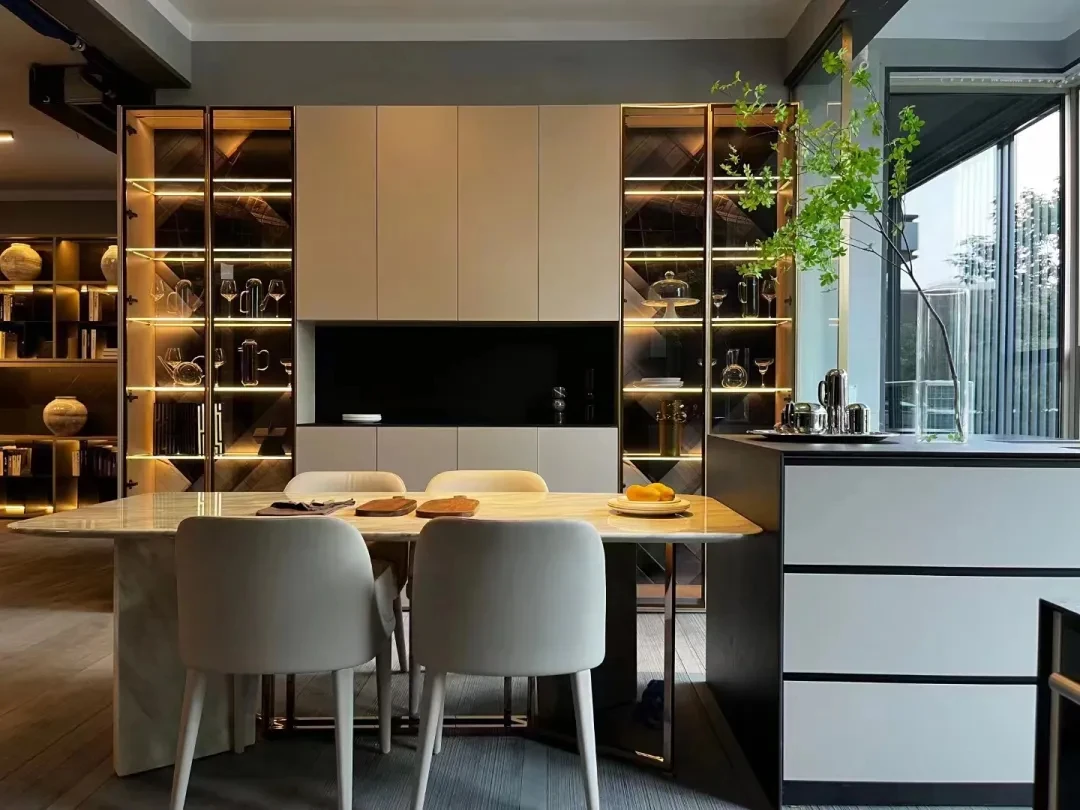
- Interior Paneling & Decorative Elements: Designers love their smooth surfaces and capacity for paint or veneers.
- Modular and Prefab Housing: In regions like Southeast Asia and parts of Europe, prefab houses utilize MDF panels to expedite construction under strict cost and time constraints.
- Post-Disaster Relief: Agencies have experimented with MDF-based modular panels for shelter walls and flooring, thanks to their light weight and ease of transport.
- Retail and Exhibition Stands: Temporary structures benefit from the repeatable size and easy setup.
Oddly enough, remote industrial zones sometimes use MDF boards for workshop interiors or temporary enclosures — a simple solution for harsh weather protection without breaking the bank.
Mini takeaway: Square MDF boards’ practicality shines in diverse fields—from housing and furniture to emergency relief and industrial use cases.
Advantages That Last Beyond the Build
Okay, so you get that they’re affordable and easy to work with — but why do these advantages matter long term?
- Cost Predictability: Projects avoid nasty overruns because material purchasing is simplified.
- Sustainability: Using recycled fibers aligns with global environmental targets, giving projects an eco-friendly boost.
- Safety and Comfort: When treated to reduce emissions and resist fire, MDF panels create better indoor environments.
- Design Freedom: The boards empower architects and builders to innovate without hammering the budget.
- Social Impact: Affordable materials help democratize access to housing and furnish new commercial ventures in developing regions.
It all ties back to trust and innovation. When many engineers and planners rely on square MDF boards, they’re betting on a reliable material that has the balance of performance and price — kind of a “workhorse” of modern engineered wood.
Mini takeaway: The enduring value of square MDF boards lies in their cost, sustainability, safety, and social potential.
Looking Ahead: Trends Shaping the Future of Square MDF Boards
The story doesn’t stop here. New frontiers are emerging:
- Green Manufacturing: Companies are adopting bio-based adhesives and formaldehyde-free resins, improving indoor air quality further and reducing environmental impact.
- Digital Fabrication: CNC machines and automated cutting optimize using precise digital designs; less waste, faster turnaround.
- Recycled Content Increase: Some manufacturers now produce MDF with up to 90% recycled fibers, approaching circular economy ideals.
- Lightweight Innovations: Developing ‘light MDF’ variants to reduce weight for easier shipping and installation.
- Regulatory Standards: Stricter ISO certifications and regional regulations push for better emissions control and product transparency.
So in real terms, the humble square MDF board is becoming smarter, greener, and more perfectly tailored for tomorrow’s demands.
Mini takeaway: Advancements in eco-friendly materials, digital fabrication, and regulatory compliance ensure square MDF boards will remain relevant.
Challenges and How Industry Experts Are Tackling Them
No material is perfect. Despite its versatility, square MDF faces some challenges:
- Moisture Sensitivity: Typical MDF absorbs water and swells, limiting outdoor use.
- Weight: Though dense, MDF can be heavier than alternatives like particleboard.
- Emission Concerns: Older MDF panels sometimes release formaldehyde, a health concern.
- Durability in Harsh Conditions: Without treatments, MDF doesn’t stand up well to extreme weather.
Solutions? Manufacturers improve moisture-resistant variants with hydrophobic resins, and coatings that repel water. Emission regulations (like CARB Phase 2 and E1) have pushed manufacturers toward safer adhesives. For weight, “light MDF” innovations reduce mass without sacrificing integrity. Plus, ongoing R&D looks at biodegradable binding agents.
In sum, the industry listens carefully and innovates, meaning MDF keeps adapting rather than fading out.
Mini takeaway: Challenges with moisture, weight, and emissions are being addressed through material science and regulatory compliance.
Specifications of a Typical Square MDF Board
| Specification |
Typical Value |
Units |
| Dimensions (Standard Square) |
1220 x 1220 |
mm |
| Thickness |
3, 6, 9, 12, 15, 18 |
mm |
| Density |
700-800 |
kg/m³ |
| Modulus of Rupture |
20-32 |
N/mm² |
| Formaldehyde Emission |
E1 or better |
mg/L |
| Water Absorption (24h) |
~12-20% |
wt% |
Comparing Major Square MDF Board Vendors
| Feature |
Tengfei MDF |
Vendor B |
Vendor C |
| Density Range (kg/m³) |
700-780 |
650-750 |
720-800 |
| Eco-Friendly Rating |
E0 / CARB Phase 2 |
E1 |
E1 |
| Moisture Resistant Options |
Yes |
Limited |
Yes |
| Custom Sizing |
Available |
No |
Some |
| Price per Sheet (Typical) |
$12-15 |
$10-14 |
$11-16 |
| Shipping & Delivery |
Global |
Regional only |
Global |
Frequently Asked Questions About Square MDF Boards
- Q: What makes square MDF boards a better choice than plywood for furniture?
- A: MDF offers a much smoother surface and uniform density, which is ideal for painting and intricate designs. Plywood, while stronger for heavy loads, can have knots and grain that complicate finishing.
- Q: How long can square MDF boards last in humid environments?
- A: Standard MDF tends to absorb moisture and swell over time if untreated. However, moisture-resistant MDF varieties with special resin treatments can last 5-10 years or more in humid indoor conditions.
- Q: Are square MDF boards environmentally friendly?
- A: Yes, particularly those certified under E0 or CARB Phase 2 standards using recycled wood fibers and low-formaldehyde adhesives, making them a greener alternative to solid wood.
- Q: Can NGOs import square MDF boards for construction internationally?
- A: Absolutely. Many manufacturers, including Tengfei, provide global shipping and documentation to comply with import regulations for humanitarian or commercial projects.
- Q: Is it possible to customize the size of square MDF boards?
- A: Yes, although the “square” format is standard, most vendors offer custom sizing to accommodate specific project needs, especially for large orders.
Wrapping Up: Why Square MDF Boards Still Deserve Attention
At a cursory glance, square MDF boards might seem like just another commodity product. But beneath their flat surfaces lies a story of innovation, sustainability, and global collaboration. Their standardized size, affordability, and adaptability have carved a niche that’s tough to replace — from mass-market furniture production to smart prefab housing and emergency shelters.
If you’re an architect, engineer, or project manager looking for a reliable, cost-effective, and increasingly green material, square MDF boards deserve a spot on your radar. For more insights, product details, or to place an order, you’ll want to visit
Tengfei’s official site. After all, in the stack of options for wood-based panels, it feels right to bet on the one designed to keep evolving.
---
### References:
1. Medium Density Fiberboard - Wikipedia: https://en.wikipedia.org/wiki/Medium-density_fibreboard
2. ISO Wood-Based Panels Standards: https://www.iso.org/ics/31.060.html
3. UN Environment Programme - Sustainable Resource Use: https://www.unep.org/resources