What Is a Smooth MDF Board and Why Should You Care?
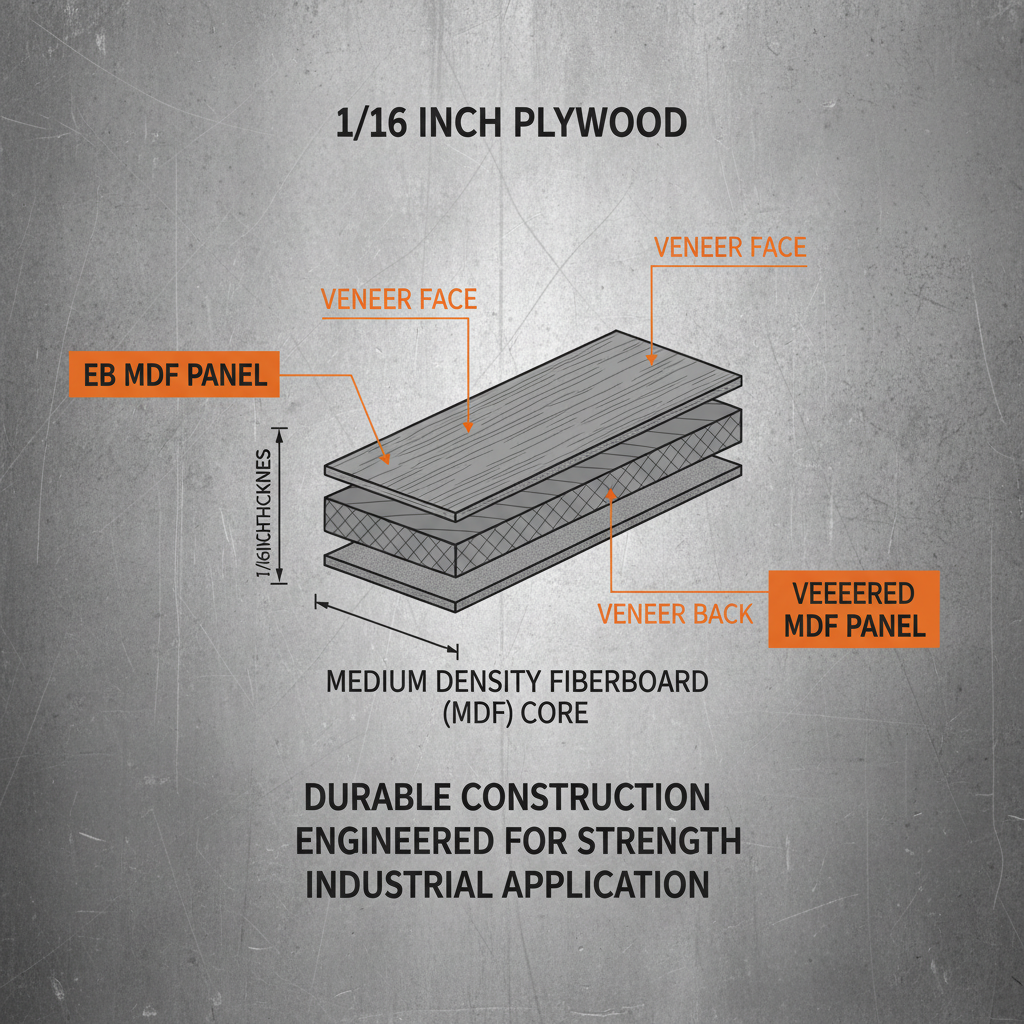
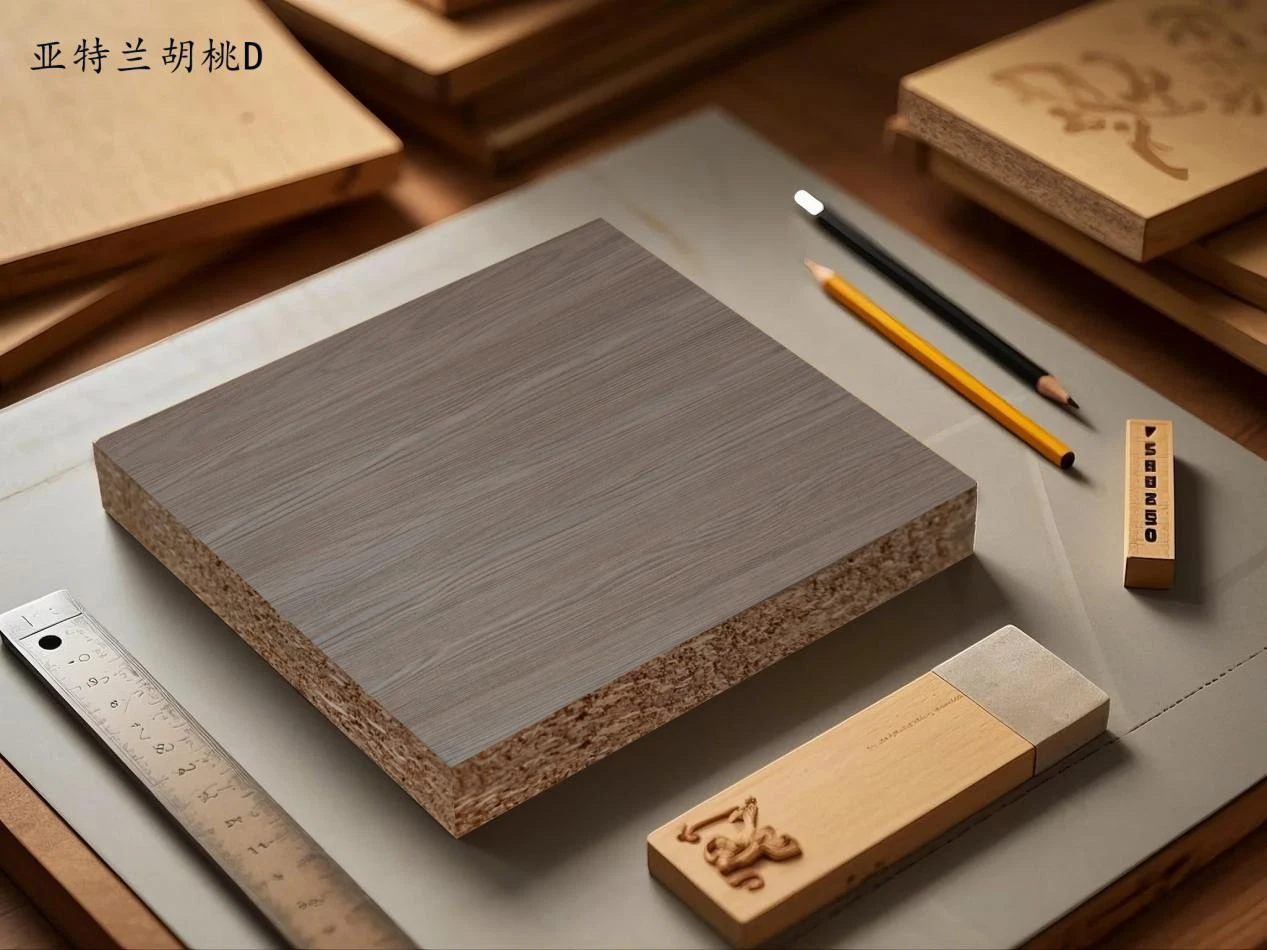
At first glance, a smooth MDF board might just look like a plain piece of engineered wood—but in reality, it’s a quiet champion in global manufacturing, construction, and design. MDF (Medium-Density Fiberboard) is a versatile panel made by breaking down hardwood or softwood residuals into wood fibers, combining them with wax and resin, and forming panels by applying high temperature and pressure. Now, when we talk about a smooth MDF board, we’re highlighting a surface that’s been finely sanded or treated to be extra even, making it ideal for painting, laminating, or veneer applications.
Why does this matter worldwide? Well, the demand for affordable, sustainable, and adaptable building materials has skyrocketed as urbanization surges, environmental regulations tighten, and industries seek cost efficiencies. A smooth MDF board fits right into that puzzle—it’s an essential piece for everything from affordable furniture and cabinetry to factory fittings.
Mini takeaway: Smooth MDF boards aren’t just “wood panels”—they’re a foundational material powering affordable and refined construction and design across the globe.
Global Context: The Rise of Smooth MDF Boards in Industry
Globally, the medium-density fiberboard market was valued at over $13 billion in recent years and is projected to grow steadily. According to a United Nations report on sustainable industrialization, there’s an increasing emphasis on engineered wood products due to their efficient use of forest resources and recyclability. ISO standards even regulate particle size and processing methods to ensure consistent quality in MDF production.
One challenge many regions face is balancing cost, waste management, and durability. Raw timber is often expensive or scarce, so engineered products like smooth MDF boards offer a sustainable alternative. Plus, in large-scale manufacturing—think cabinetry factories in Southeast Asia or furniture hubs in Europe—the ability to have a surface that needs minimal finishing increases productivity and cuts down on waste.
Mini takeaway: With rising demand for eco-friendly, cost-effective materials, smooth MDF boards have become a key player in modern construction and manufacturing worldwide.
Defining Smooth MDF Board in Practical Terms
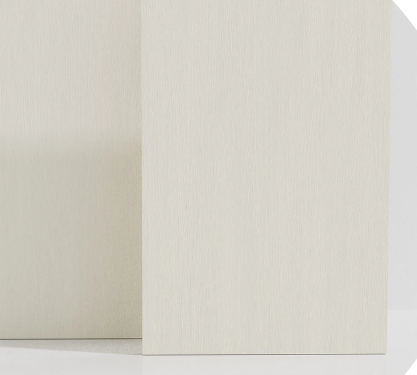
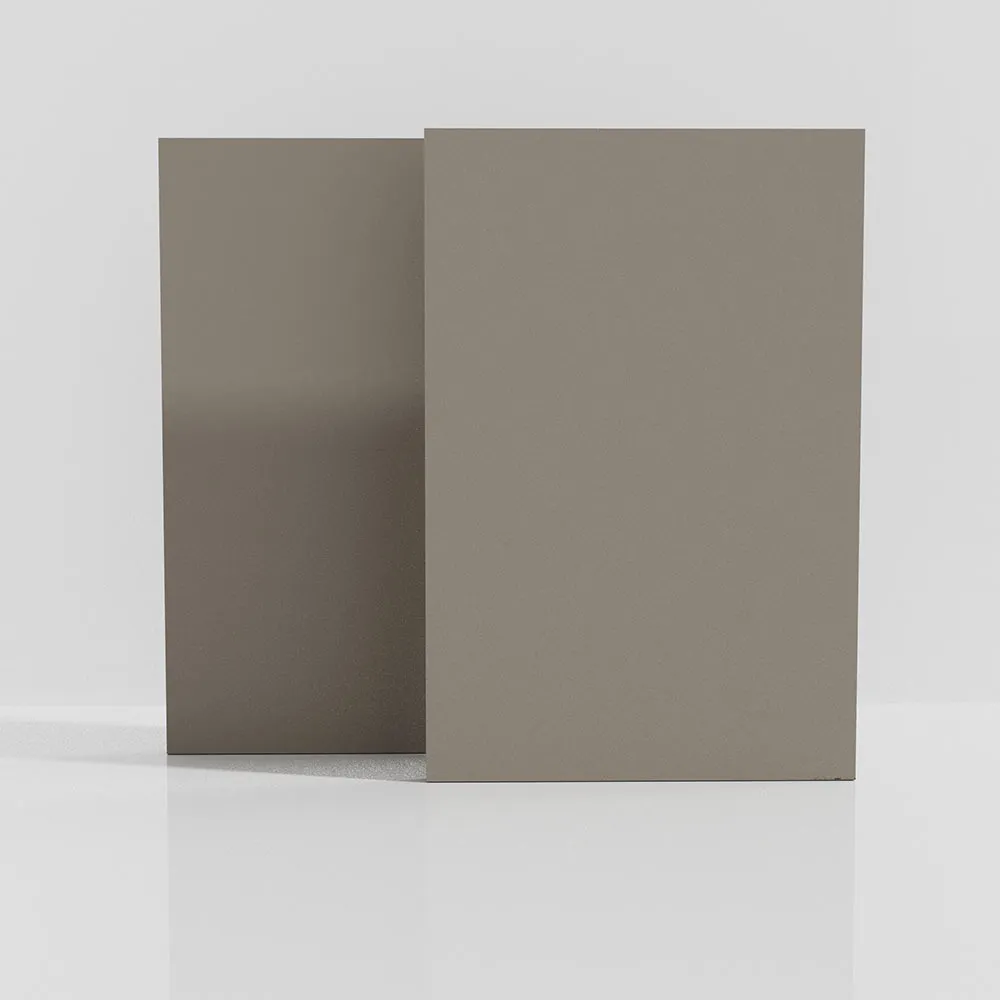
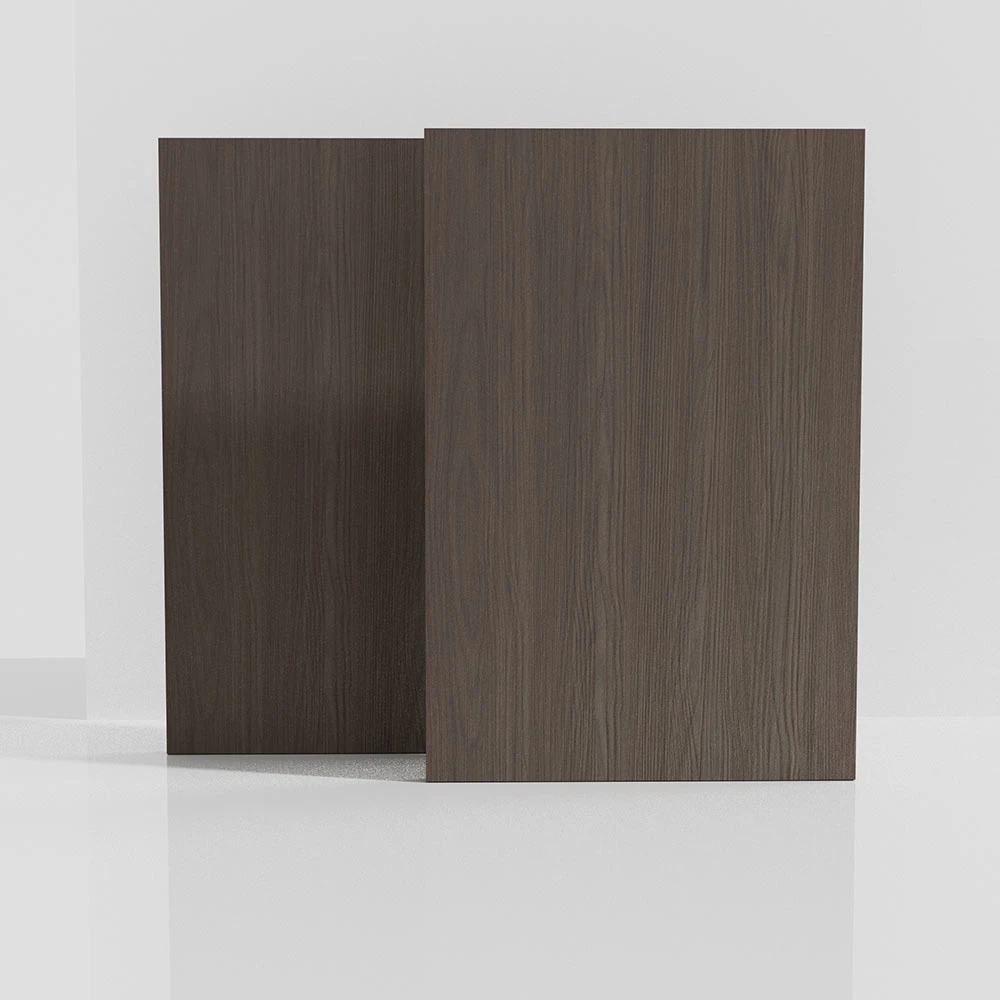
Put simply, a smooth MDF board is a medium-density fiberboard with a surface layer that’s sanded or finished to a very fine texture. It’s ready for further finishing steps—whether painting, laminating, or direct veneering—without the roughness or grain texture you might find on typical MDF boards.
Such a surface is crucial in industries where visual appearance and touch matter—from designer kitchens to retail fixtures and even exhibition stands. The smoothness ensures coatings adhere better, resulting in longer-lasting products with a nicer look.
Interestingly, the rise of automated CNC machining has pushed for smoother MDF boards since rough surfaces can affect cutting precision and tool wear.
Mini takeaway: A smooth MDF board is MDF refined for surface quality, prepping it for modern applications requiring finesse as well as strength.
Core Characteristics of Smooth MDF Boards
1. Durability and Stability
While MDF isn’t as strong as hardwood, its dense fiber composition ensures good dimensional stability—it won’t warp easily with moisture fluctuations. The smooth surface layer adds minimal thickness but ensures consistent application of further coatings, which in turn protects the board.
2. Cost Efficiency
MDF boards in general are cheaper than solid wood, and smooth MDF boards save time in processing since sanding and finishing steps can be shortened. For manufacturers, this translates to better throughput and lower labor costs.
3. Environmental Impact
Made mainly from wood waste and residues, MDF represents a more sustainable use of forestry products. Many producers now offer low formaldehyde or no-added-formaldehyde options to meet stricter environmental and health regulations globally.
4. Versatility in Application
The smooth surface can receive various coatings, from lacquer to melamine, and can be easily machined into detailed parts thanks to the uniform density.
5. Consistency and Quality Control
The manufacturing process is tightly controlled, allowing for standardized board thickness, density, and smoothness—key for large-scale production requiring interchangeable parts.
Mini takeaway: Durability, cost savings, and eco-friendly features make smooth MDF boards a practical choice for a range of demanding projects.
How Smooth MDF Boards Are Used Across the Globe
This material shows up just about everywhere you’d imagine, with some industries standing out.
- Furniture Manufacturing: European and Asian factories churn out cabinets and shelving from smooth MDF boards because it’s easier to paint and finish smoothly.
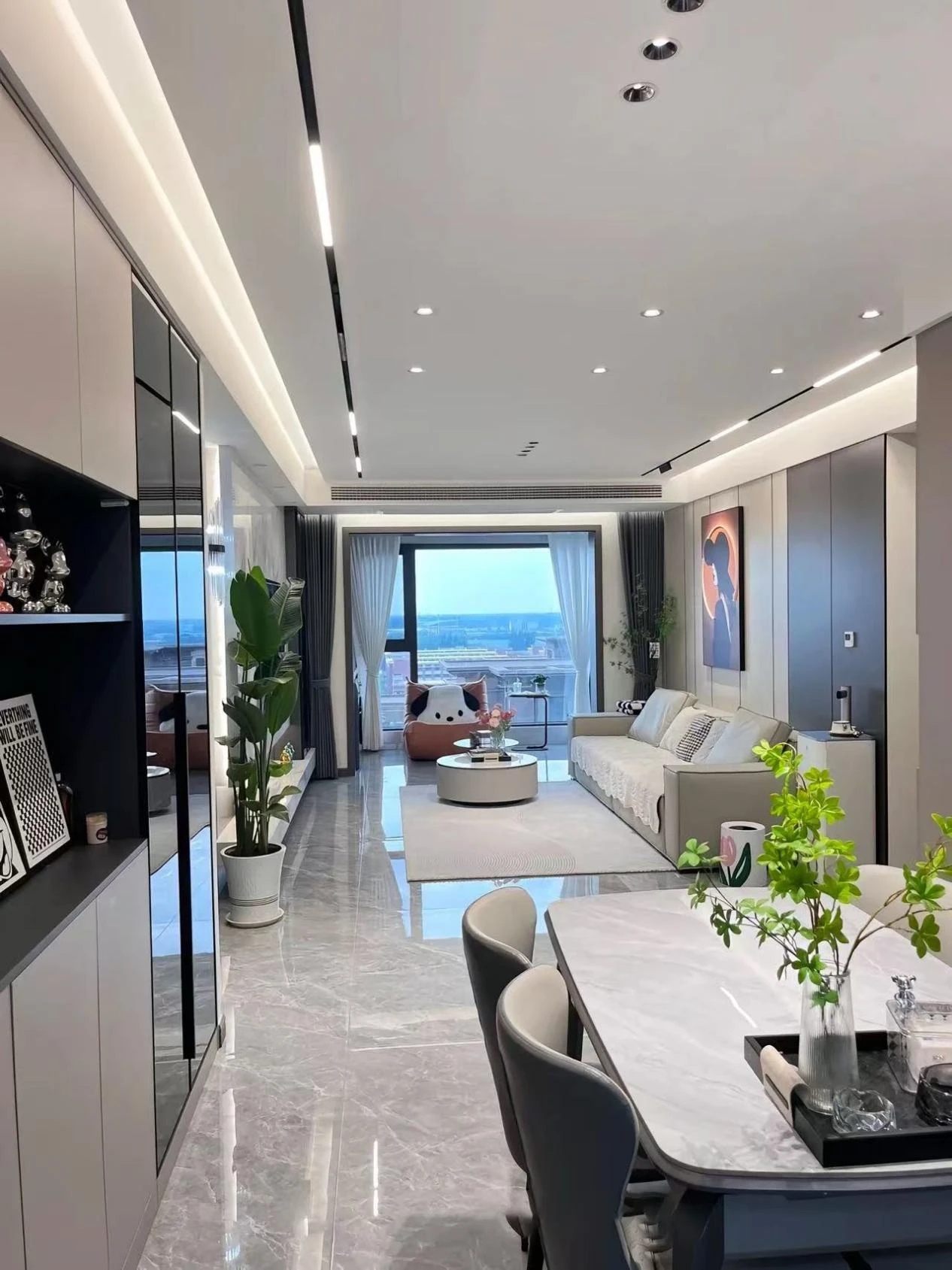
- Interior Design: Mood-setting wall panels and decorative elements in corporate offices often use smooth MDF for a flawless finish.
- Retail and Exhibition: Temporary stands and display units depend on it because it balances cost and aesthetics.
- Post-Disaster Reconstruction: In places rebuilding after natural disasters, smooth MDF boards are used for quick-build shelters and fittings—lightweight, easy to handle, and affordable.
- DIY and Hobbyists: Many home improvement projects favor smooth MDF boards for their workability and finish quality.
For example, a furniture plant in Vietnam recently switched to smoother MDF grades and reported a 20% drop in repaint rework and faster lead times.
Mini takeaway: Smooth MDF boards have practical uses from big factories to disaster relief zones—highlighting their global significance.
Advantages & Long-Term Value of Smooth MDF Boards
Going beyond the obvious affordability and easy finishing, the smooth MDF board offers lasting social and environmental benefits. By efficiently using wood residues, it helps reduce deforestation pressure. Low VOC versions increase indoor air quality—a growing concern modern offices take seriously.
Emotionally speaking, reliable materials mean structures feel solid and safe—an intangible yet critical factor in construction. Trust in the material also encourages innovation: designers dare to craft new shapes knowing the smooth MDF can be machined with precision.
Mini takeaway: Smooth MDF boards deliver not only practical cost and sustainability gains but also contribute to safer, innovative, and more attractive built environments.
Current Trends and Innovations in Smooth MDF Board Production
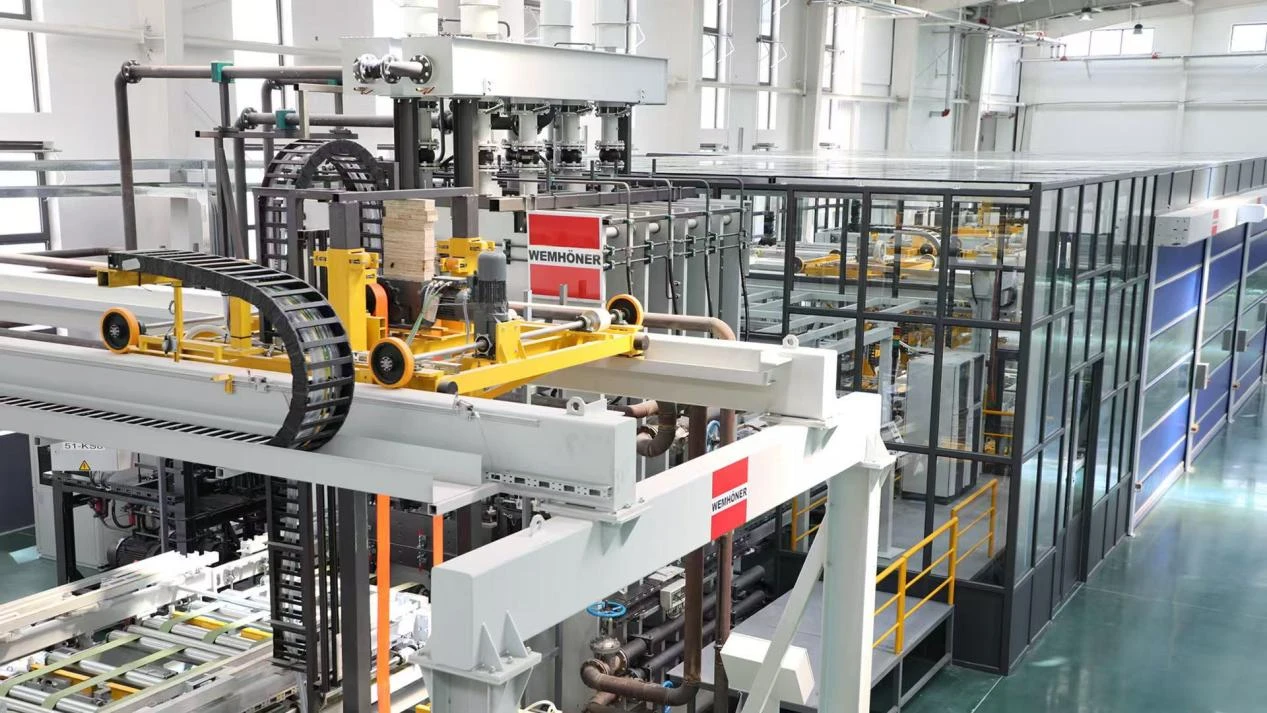
The industry increasingly focuses on green technology, such as formaldehyde-free adhesives and bio-based resins. Some manufacturers are integrating automation in sanding and finishing lines to create ultra-smooth surfaces faster.
Digital Color Printing directly onto smooth MDF is gaining traction, enabling complex patterns without additional layers. Plus, recycling schemes are emerging, aiming to reprocess MDF and reduce landfill waste.
Policy-wise, emerging regulations in the EU and North America push producers toward stricter environmental and health standards, fueling R&D efforts.
Mini takeaway: Expect smoother, greener, and smarter smooth MDF boards ahead as technology and regulation steer innovation.
Common Challenges with Smooth MDF Boards and How to Overcome Them
- Moisture Sensitivity: MDF isn’t naturally water-resistant, so smooth MDF boards must be protected with sealants in humid environments.
- Dust Generation: Sanding or machining creates fine dust, requiring proper extraction systems for worker safety.
- Weight: MDF can be heavier than alternatives like plywood, which needs consideration during design and transport.
- Limited Structural Use: Not ideal for load-bearing parts without reinforcement.
Solutions include improved coatings, workplace air filtration, and hybrid construction systems combining MDF with metal or solid wood. Many experts now recommend specifying use case carefully—don’t shoehorn smooth MDF board where its weaknesses matter most.
Product Specification Table: Example Smooth MDF Board
| Specification |
Details |
| Density |
700-800 kg/m³ |
| Thickness |
3mm to 25mm |
| Surface Smoothness |
Grain-free, sanded to 120 grit or finer |
| Formaldehyde Emissions |
E0 / EPA TSCA compliant (low/no added formaldehyde) |
| Moisture Content |
6-10% (dry) |
| Standard Sizes |
1220 x 2440 mm (4’ x 8’) |
| Finish Options |
Primed, raw, laminated available |
Vendor Comparison: Leading Smooth MDF Board Manufacturers
| Feature |
Tengfei MDF (China) |
Egger Group (Austria) |
Arauco (Chile) |
| Density Range |
700-800 kg/m³ |
680-780 kg/m³ |
700-790 kg/m³ |
| Formaldehyde Standards |
E0 / CARB Phase 2 |
E1 / CARB Phase 2 |
E0 / CARB Phase 2 |
| Surface Finish Options |
Raw, Primed, Laminated |
Raw, Primed |
Raw, Primed, Laminated |
| Customization |
Cut-to-size, CNC profiling |
Limited cut sizes |
Cut-to-size, CNC |
| Global Reach |
Asia, Europe, Americas |
Europe, North America |
Americas, Asia |
| Average Lead Time |
2-3 weeks |
3-4 weeks |
3 weeks |
Frequently Asked Questions About Smooth MDF Board
Q1: What makes smooth MDF board preferable to traditional MDF in furniture making?
A: Smooth MDF features a finely sanded surface that requires less preparation, resulting in better finishes, cleaner coats of paint or laminate, and fewer defects. This saves time and enhances product quality compared to traditional rougher MDF.
Q2: How long can furniture made with smooth MDF board last under normal household conditions?
A: With proper finishing and protection from moisture, smooth MDF furniture typically lasts 10-15 years or more. Wear resistance depends largely on surface coatings and use.
Q3: Is smooth MDF board environmentally friendly?
A: Yes, since it uses wood fibers from leftover timber and sometimes recycled wood, it’s a sustainable alternative to virgin wood. Further eco gains come from low-formaldehyde adhesives now widely used.
Q4: Can smooth MDF boards be used for exterior applications?
A: Generally, MDF, including smooth variants, is not suited for outdoor use unless sealed with waterproof coatings; otherwise, moisture can cause swelling and damage.
Q5: Where can I buy high-quality smooth MDF board suitable for custom projects?
A: Many vendors offer this product with customization options. For a reliable source, check out smooth mdf board suppliers who provide CNC profiling and cutting to size.
Conclusion: The Long-Term Benefit of Choosing Smooth MDF Boards
To wrap this up, smooth MDF boards bring together economic, aesthetic, and environmental benefits in a tidy package that suits a wide range of industries and needs. Their refined surface quality speeds up manufacturing and adds value to final products, while their reliance on recycled wood fibers supports sustainability goals. If you’re in the market for a versatile, dependable material, investing in smooth MDF boards is a sound, forward-thinking choice.
Curious to explore more or place an order? Visit our website: https://www.tengfeiebmdf.com for specs, samples, and expert advice.
References:
- Medium-density fiberboard - Wikipedia
- United Nations Sustainable Development Goals Report 2023
- ISO 16895:2022 (MDF and engineered wood products)