The Rising Relevance of Small MDF Board: A Versatile Material Changing Industries Globally
In a world that's increasingly leaning towards adaptable, sustainable materials, the humble small MDF board has quietly become a staple in manufacturing, construction, and even humanitarian design. You might wonder—why does such a simple engineered wood product matter so much? Well, it’s because it offers a unique blend of cost-efficiency, durability, and ease of use that addresses many challenges across regions ranging from bustling industrial hubs to remote, resource-scarce areas. Understanding this material and its applications unlocks countless opportunities for innovation, sustainability, and practical problem-solving on a global scale.
Simply put, the small MDF board packs quite a punch in its compact size. But more on that soon.
Why Small MDF Board Matters in Today’s Industry Landscape
According to recent ISO reports and data from the UN’s environmental program, engineered wood products like MDF (Medium Density Fiberboard) have witnessed a steady growth due to their resource-efficient production compared to hardwood. The global market for MDF is expected to see a compound annual growth rate (CAGR) of roughly 5.3% through this decade. What’s fascinating is how small MDF boards — often overlooked in favor of larger sheets — provide distinct advantages for applications where flexibility and modularity are key.
One major challenge that small MDF boards pose a solution to is reducing construction waste and logistical complexity, especially in developing countries and disaster relief zones. Because these boards are easy to handle, stack, and cut, they minimize downtime and errors during assembly. Additionally, their smaller footprint eases transport through narrow urban corridors or off-grid locations — something the World Bank highlights as critical for infrastructure resilience in emerging regions.
Mini Takeaway:
Small MDF boards offer a practical answer to global demands for sustainable, adaptable building materials that fit both industrial and humanitarian needs.
What Exactly is a Small MDF Board?
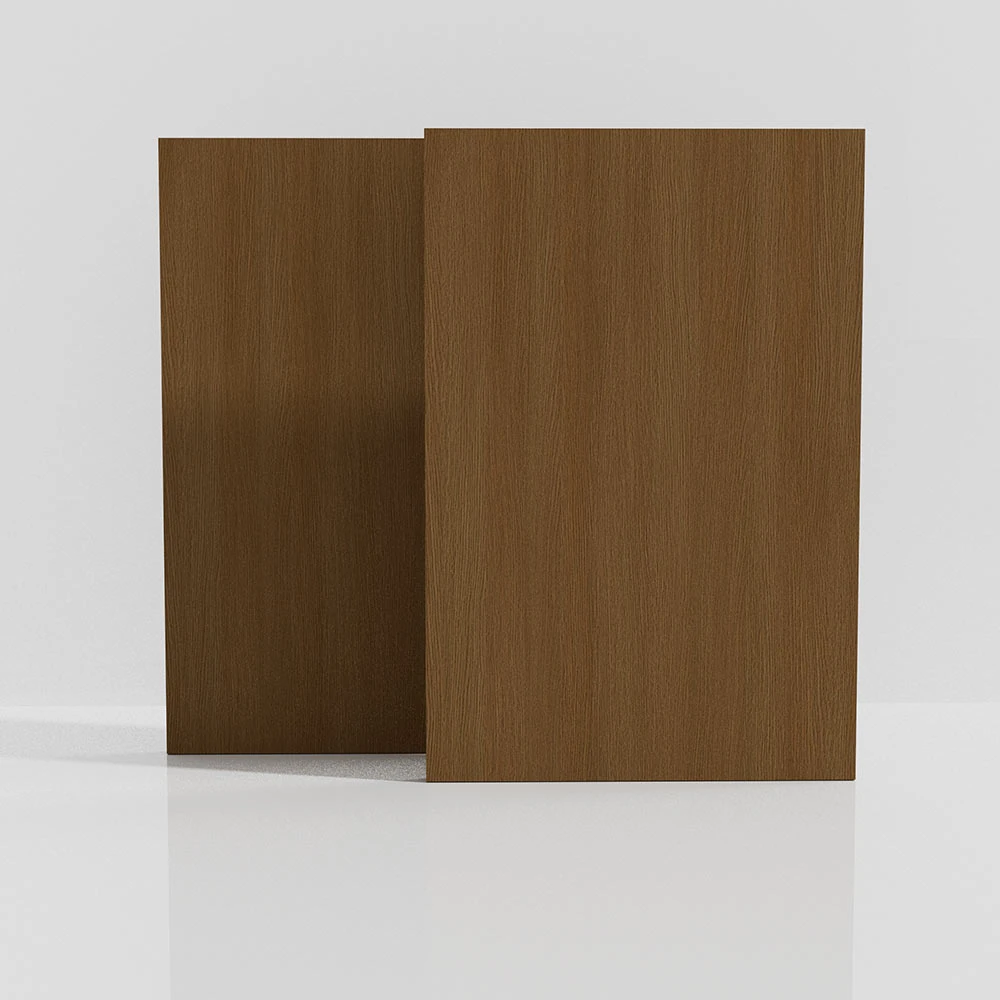
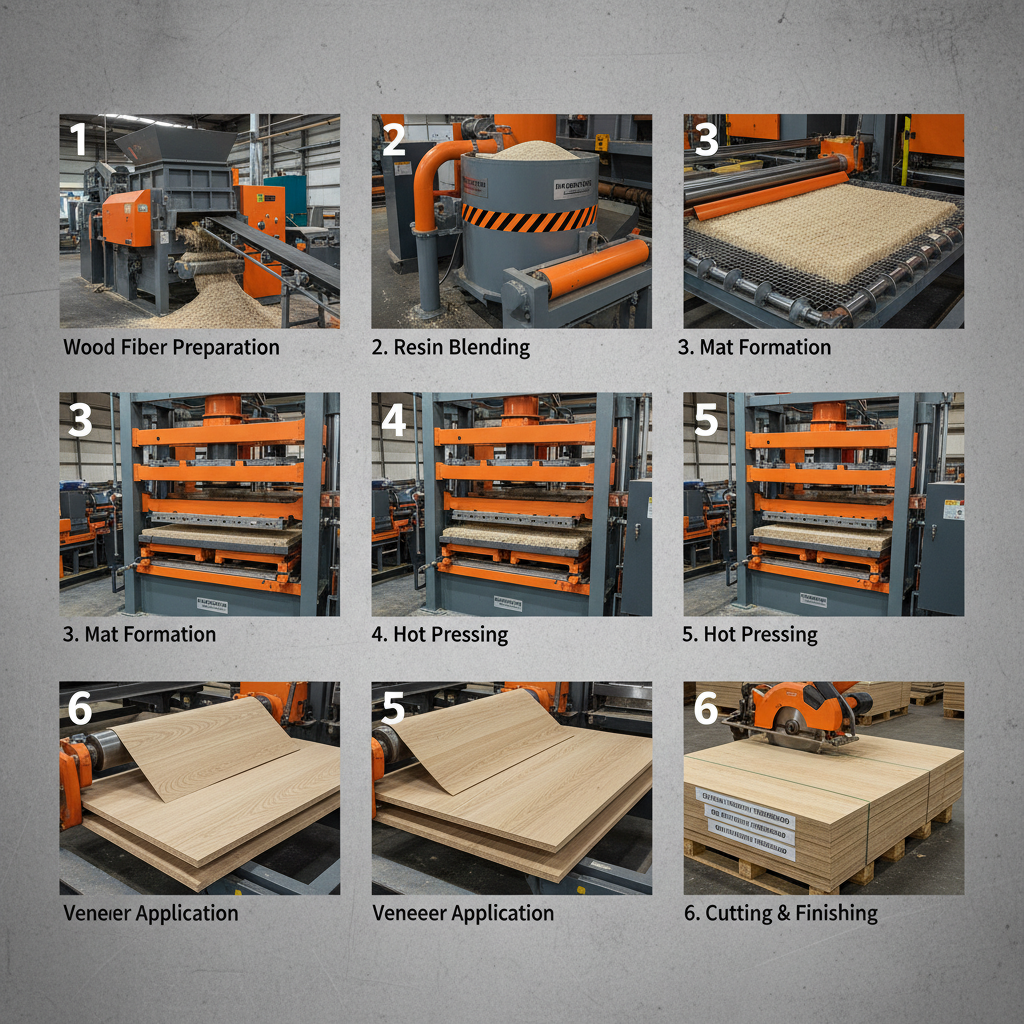
Medium Density Fiberboard (MDF) is an engineered wood product made from wood fibers glued under heat and pressure. Unlike natural wood, MDF boasts a uniform density and surface smoothness, making it ideal for finishes and precision cutting. Now, when we talk about small MDF boards, we're referring to panels generally smaller than the standard 4x8-foot sheets — for instance, 12x12 inches or 24x36 inches — offering greater maneuverability and often tailored to specific niche applications.
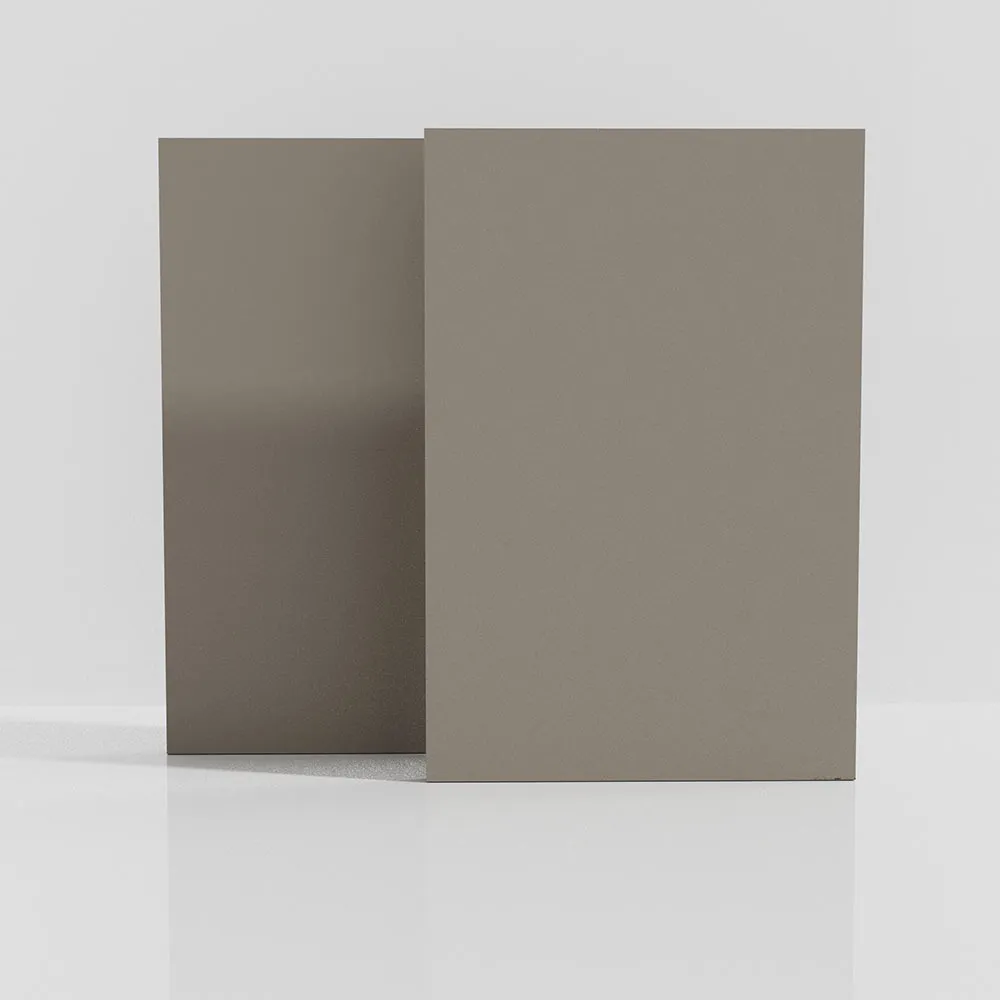
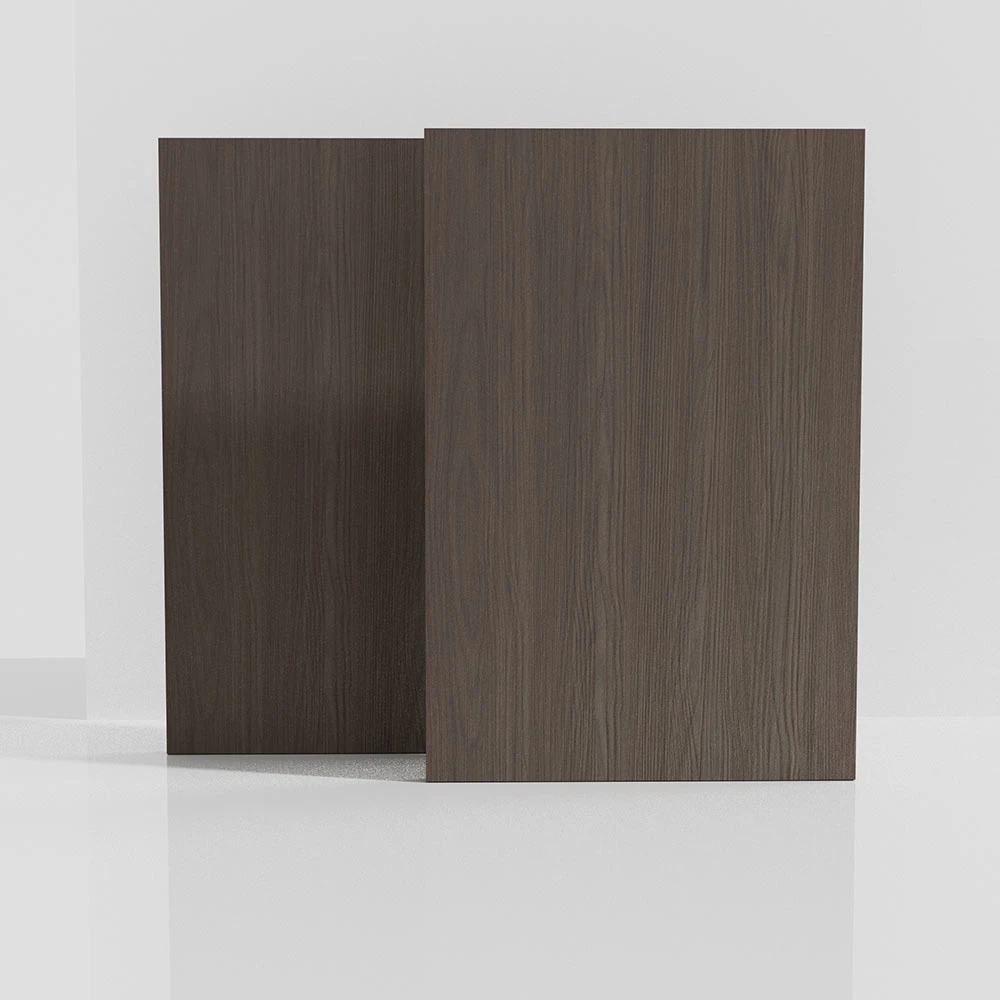
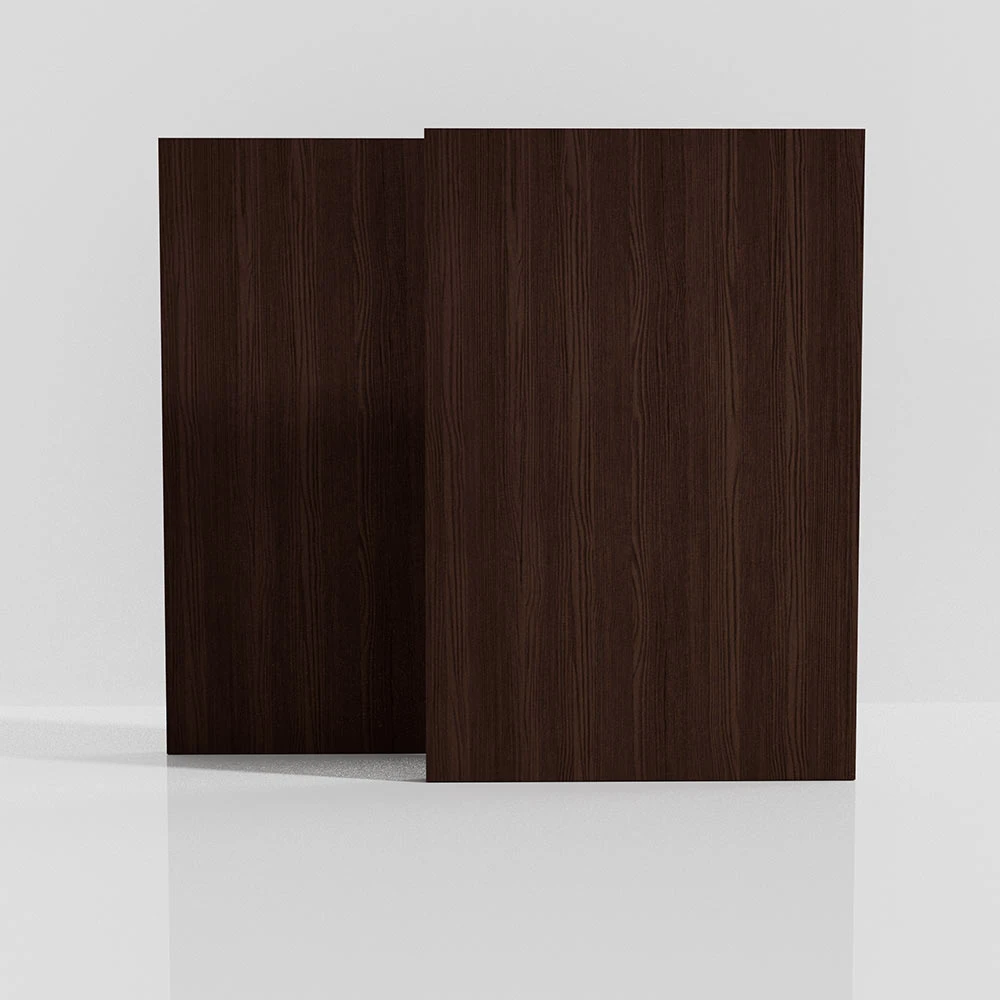
Oddly enough, the "small" in small MDF board is not just about size but the versatility it brings: modern manufacturers supply these with a range of thicknesses, densities, and finishing options, creating a custom palette for designers and engineers alike.
Mini Takeaway:
A small MDF board is basically a compact, engineered wood panel that offers consistent quality and easy handling, perfectly aligned with modern industrial or humanitarian logistics.
Core Features of Small MDF Boards That Matter Most
1. Durability and Stability
One surprising thing I noticed about small MDF boards is how they resist warping and cracking far better than natural wood under fluctuating humidity. This stability makes them particularly effective in climates where timber instability is a known problem.
2. Cost Efficiency
Because MDF is made from wood fibers and resin rather than solid timber, it’s significantly less expensive — roughly 30–50% cheaper compared to conventional plywood. For small-scale projects or mass production, this cost-saving is a huge win.
3. Ease of Customization
The smooth surface of MDF makes it a dream to paint, veneer, or laminate. Plus, its fine fiber texture means cutting intricate patterns or drilling precise holes is straightforward and clean, saving artists and fabricators a lot of headache.
4. Sustainability
MDF uses recycled wood fibers and byproducts, contributing to better forest management compared to virgin hardwood harvesting. Furthermore, small MDF boards generate less waste—once again, useful for low-impact projects.
5. Lightweight and Portable
Being smaller and lighter means these boards reduce transport costs and carbon footprint. They’re easier to carry in batches, which is important for on-site workers moving materials indoors or up staircases.
Mini Takeaway:
Small MDF boards combine durability with affordability, customization, sustainability, and portability—five traits that make them uniquely practical.
Where Small MDF Boards Really Shine: Global Applications & Use Cases
The versatility of small MDF boards means they’re everywhere — sometimes in places you wouldn’t expect.
- Furniture Manufacturing: From cabinet inserts to modular furniture, many factories use small MDF boards for parts that require precision and smooth finishes.
- Post-Disaster Housing: NGOs have started prototyping emergency shelters using small MDF panels in South and Southeast Asia post-typhoon relief, due to their light weight and quick assembly.
- Industrial Tooling: Small MDF boards are used for making jigs and molds in European aerospace component workshops where stable dimensions are crucial.
- Art and Design: Artists and model makers prefer small MDF boards as a clean canvas for sculptures or architectural prototypes.
- Retail Displays: Temporary show booths and shop fittings in busy urban centers often rely on modular MDF pieces to speed setup and teardown.
Mini Takeaway:
Small MDF boards support diverse industries globally, combining function and convenience wherever precision and portability are prized.
Advantages & Long-Term Value of Small MDF Boards
Here’s the thing — the benefits of small MDF boards aren’t just immediate or superficial. Their low cost, combined with durability and sustainability, means projects built with them often last longer and cost less to maintain. For communities, that translates into dignity and safety; for businesses, it means innovation with trust and reliability.
People working in disaster-prone areas told me how having lightweight, sturdy materials allowed for quicker rebuilding phases, sometimes cutting months off recovery timelines. The emotional relief of “seeing your walls go up” can’t be overstated.
Environmentally, the reliance on recycled fibers and ease of recycling MDF at end-of-life stages aligns with global circular economy goals, highlighted by entities like the UN Environmental Programme.
Product Specifications for Typical Small MDF Boards
| Specification |
Details |
| Standard Sizes |
12"x12", 18"x24", 24"x36" |
| Thickness |
3mm to 18mm (custom thickness available) |
| Density |
600–800 kg/m³ |
| Moisture Resistance |
Standard & Moisture Resistant Grades |
| Surface Finish |
Smooth, primed for laminates or painting |
| Typical Weight (24"x36"x12mm) |
~3.5 kg |
How Small MDF Board Vendors Compare
| Vendor |
Specialization |
Typical Lead Time |
Custom Options |
Pricing |
| Tengfei MDF |
Small MDF boards, eco-friendly resin binders |
2 weeks |
Thickness, size, and finish customization |
Competitive |
| GlobalFiber Boards |
Large scale MDF, emphasis on water resistance |
4 weeks |
Limited size customization |
Moderate |
| EcoPanel Industries |
Specialty boards with recycled fibers |
3 weeks |
Custom colors and finishes |
Premium |
Looking Ahead: The Future of Small MDF Board
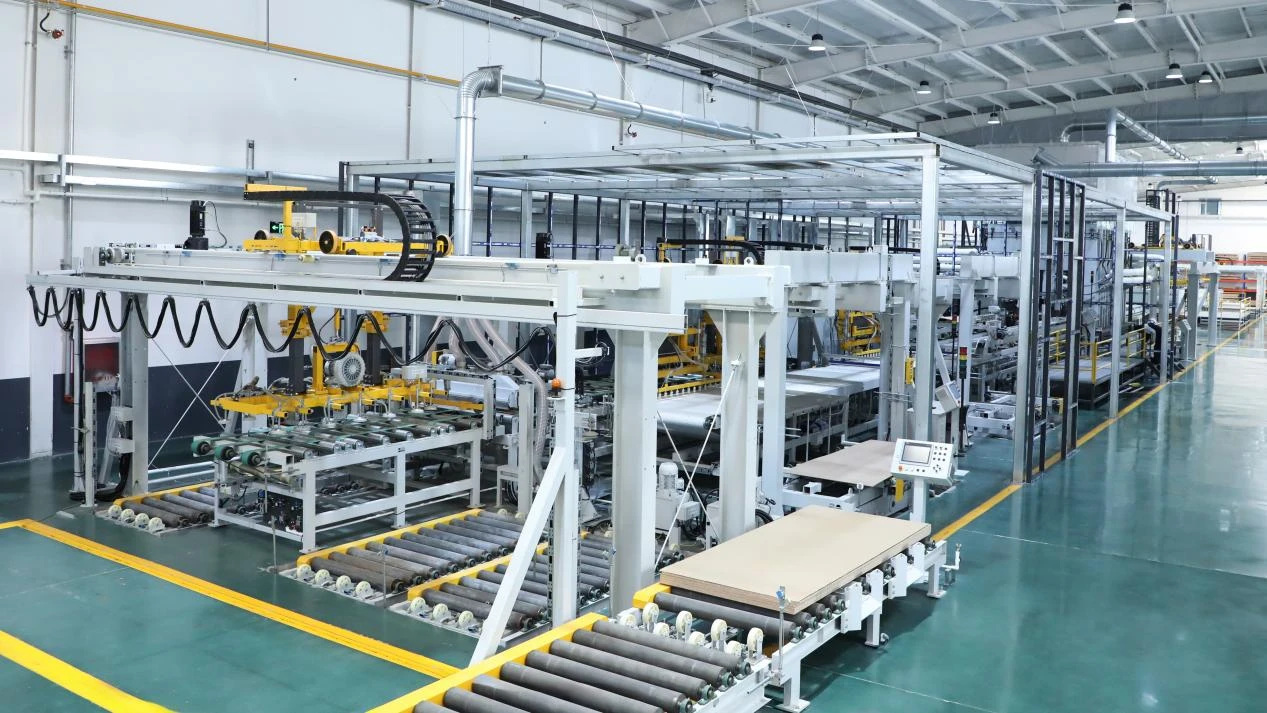
Innovation in this space is pretty exciting — manufacturers are experimenting with bio-based resins that reduce the chemical footprint, even as automation in cutting and shaping small MDF boards becomes more prevalent. Imagine entirely digital workflows where boards are cut by CNC routers with millimeter precision on demand. This means less waste, faster turnaround, and new possibilities for customized projects.
Additionally, with the push toward green energy and sustainability, we’ll see boards made from rapidly renewable fibers or hybrid materials that blend MDF with natural composites. These developments aren’t just wishful thinking; standards like ISO 14001 emphasize responsible production and could shape MDF’s trajectory in the coming decade.
The Common Challenges and How Experts Are Tackling Them
Small MDF boards, while versatile, aren’t perfect. Here are a few typical issues:
- Sensitivity to Moisture: Although moisture-resistant options exist, standard MDF can swell if exposed to water. Best practice involves sealing and using protective coatings.
- Emission of VOCs: Sometimes formaldehyde in adhesives raises health concerns. New formaldehyde-free resins are gaining traction.
- Strength Limits: Small MDF boards are less structurally strong compared to plywood or solid wood, limiting their use in heavy-load applications.
For these problems, industry leaders stress innovation in chemical formulation and coating techniques, plus educating end-users on best maintenance practices.
Frequently Asked Questions About Small MDF Board
- Q: How does a small MDF board compare to plywood in terms of durability?
- A: Small MDF boards are very stable and resistant to warping but generally have lower impact resistance than plywood. They excel in smoothness and finish but aren’t recommended for outdoor load-bearing use without proper sealing.
- Q: Can small MDF boards be used for emergency housing projects?
- A: Absolutely. Many NGOs and relief organizations favor small MDF panels for quick-to-assemble, lightweight housing components due to their portability and cost-effectiveness.
- Q: Are small MDF boards eco-friendly?
- They can be — particularly if made with recycled wood fibers and low-VOC adhesives. Certifications like FSC or ISO standards help identify sustainably produced boards.
- Q: What is the typical lifespan of a small MDF board in indoor applications?
- With proper care—avoiding excessive moisture and impact—small MDF boards can last 10 to 20 years indoors, making them a reliable choice for furniture and cabinetry.
- Q: How can businesses import quality small MDF boards internationally?
- Working with established vendors who comply with international shipping and customs regulations, like small mdf board suppliers, simplifies this process. It often involves specifying customs documentation and adhering to environmental import standards.
Wrapping Up: Why Investing in Small MDF Boards Makes Sense
Summing it all up, small MDF boards strike a rare balance between affordability, sustainability, and functionality. Whether you’re crafting precise furniture components in Europe, building relief shelters in Asia, or outfitting retail spaces in North America, these small engineered wood panels deliver dependable performance and reduce waste. It’s no exaggeration to say their impact quietly spans continents.
So if you’re looking for smart, flexible material solutions that meet modern demands — and frankly, who isn’t? — small mdf board products should definitely be on your radar. There’s a lot to gain from working with manufacturers who understand customization, durability, and environmental responsibility all at once.
Feel free to explore their latest offerings and decide precisely which specs suit your next project.
References:
- Wikipedia — Medium-density fibreboard
- ISO 14001: Environmental Management Systems
- United Nations Environment Programme Resources