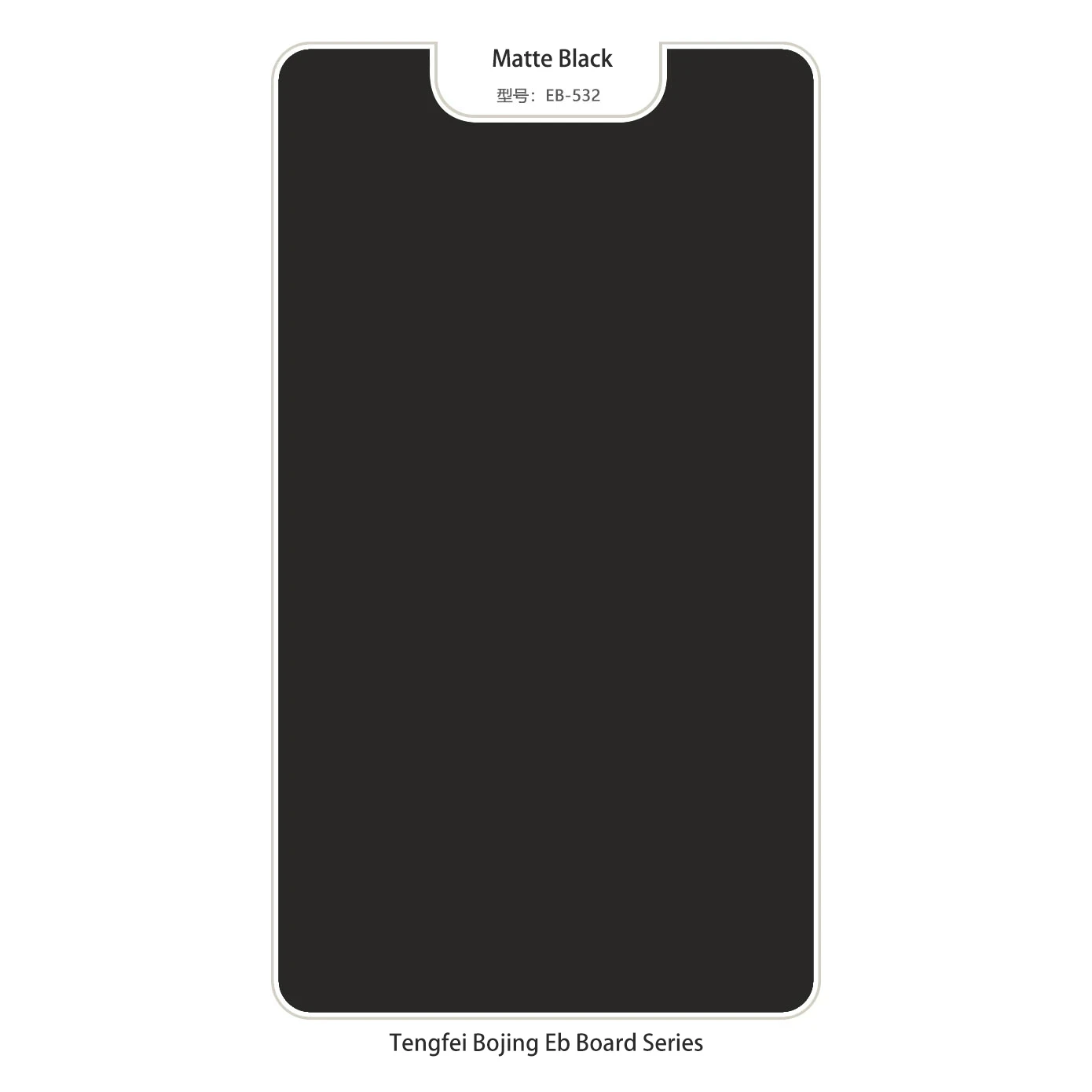
Understanding Shelving MDF Board: Why It Matters Globally
At first glance, a shelving MDF board might just seem like another piece of wood. But peel back the layers — quite literally — and you'll find a surprisingly vital product impacting industries and homes worldwide. With increasing demand for sustainable, affordable shelving solutions and construction materials, understanding shelving MDF board isn’t just about storage; it’s about improving efficiency and sustainability at a global scale.
Think about it: from small businesses in Europe organizing their inventories to large humanitarian organizations building rapid housing structures in disaster zones, the role of high-quality, cost-effective materials like MDF shelving boards is quietly but powerfully rising.
Mini Takeaway: Shelving MDF boards combine affordability and durability, making them a key player in global industrial, commercial, and humanitarian applications.
The Global Context: Why Shelving MDF Boards Are Gaining Momentum
Wood-based panel products like Medium-Density Fiberboard (MDF) aren’t a niche anymore. They’re part of a massive $60 billion global wood panel industry, projected to grow annually by nearly 5% according to ISO reports. A big chunk of this growth? Shelving MDF boards, prized for their smooth surface, uniform density, and ease of fabrication.
On a broader scale, sustainable building materials are a priority highlighted by organizations like the UN and World Bank, especially in regions facing deforestation, housing shortages, and economic challenges. MDF fits a critical niche by allowing manufacturers to use recycled wood fibers — reducing waste while meeting growing demands for efficient storage and modular construction materials.
This is no small issue. With urbanization skyrocketing and industries craving scalable shelving systems, the need for affordable, standardized, and eco-friendly materials is pressing. This challenge is exactly where shelving MDF board finds its purpose.
Mini Takeaway: Shelving MDF boards address global sustainability goals while offering practical solutions to urban and industrial storage demands.
What Exactly Is Shelving MDF Board?
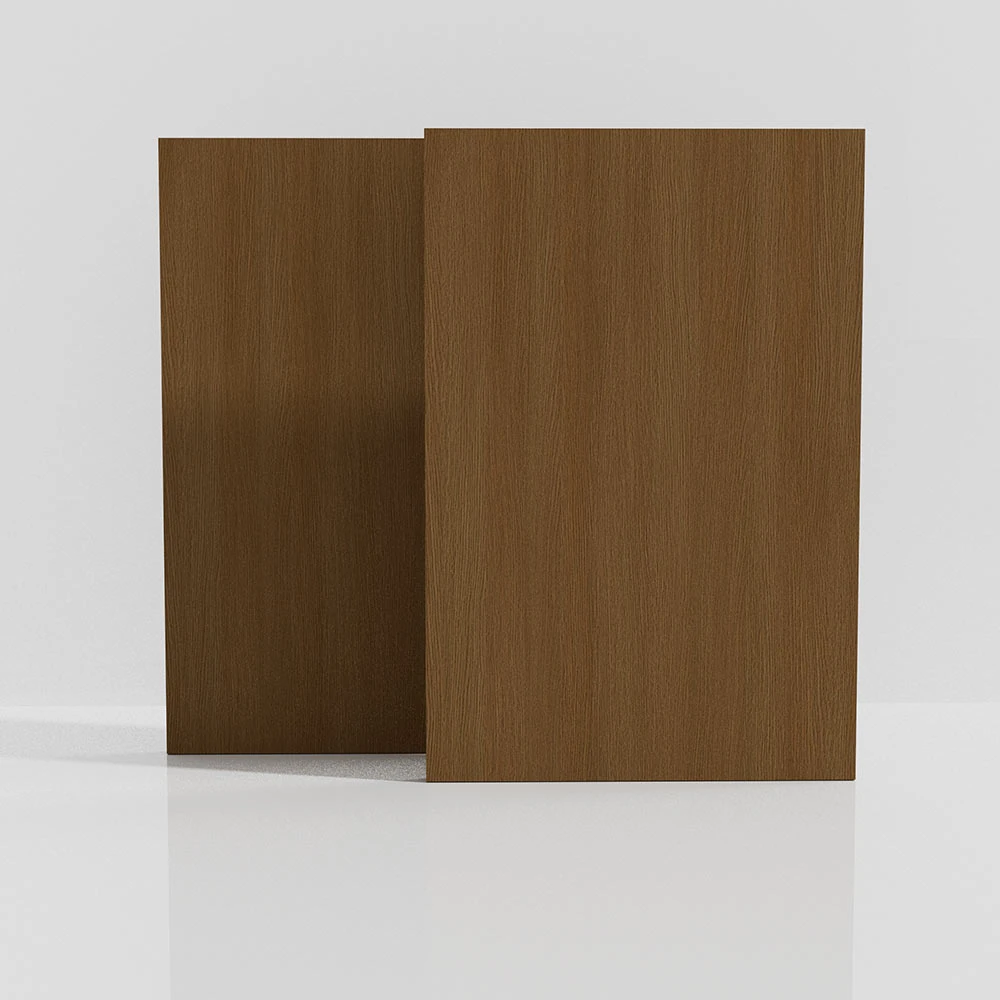
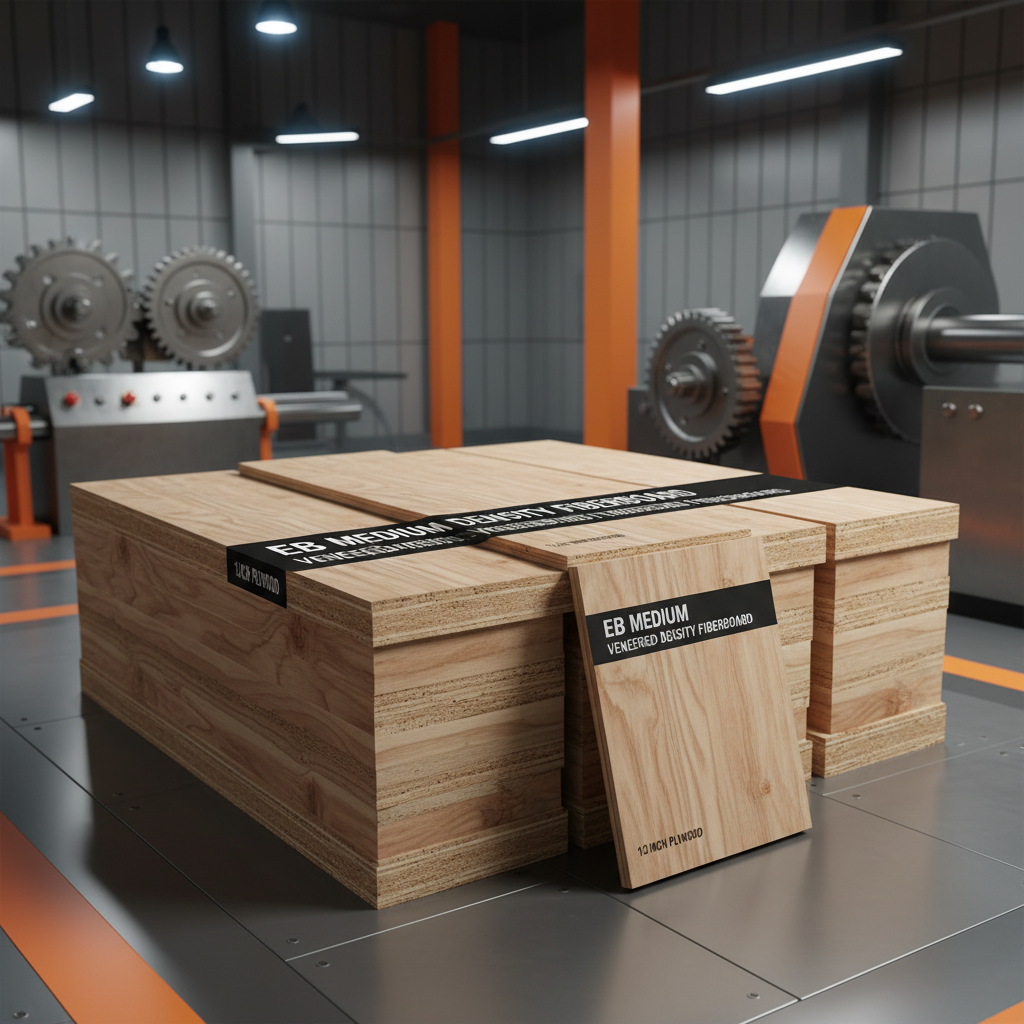
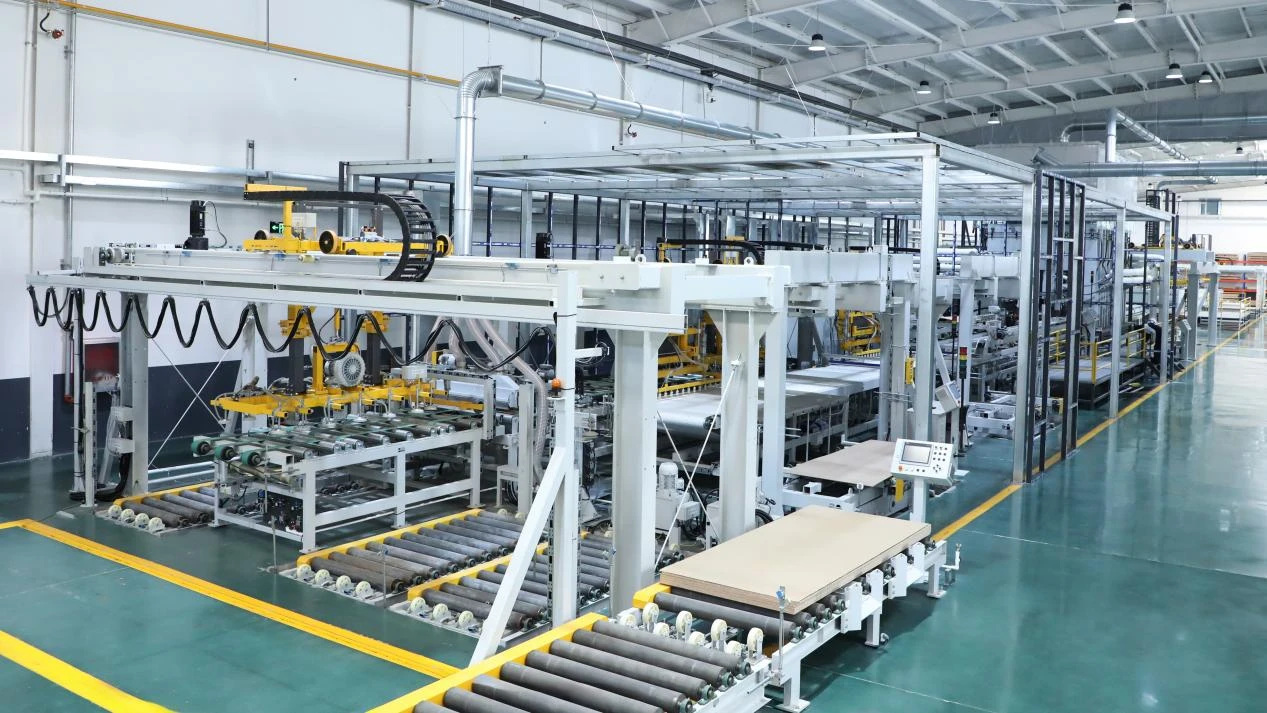
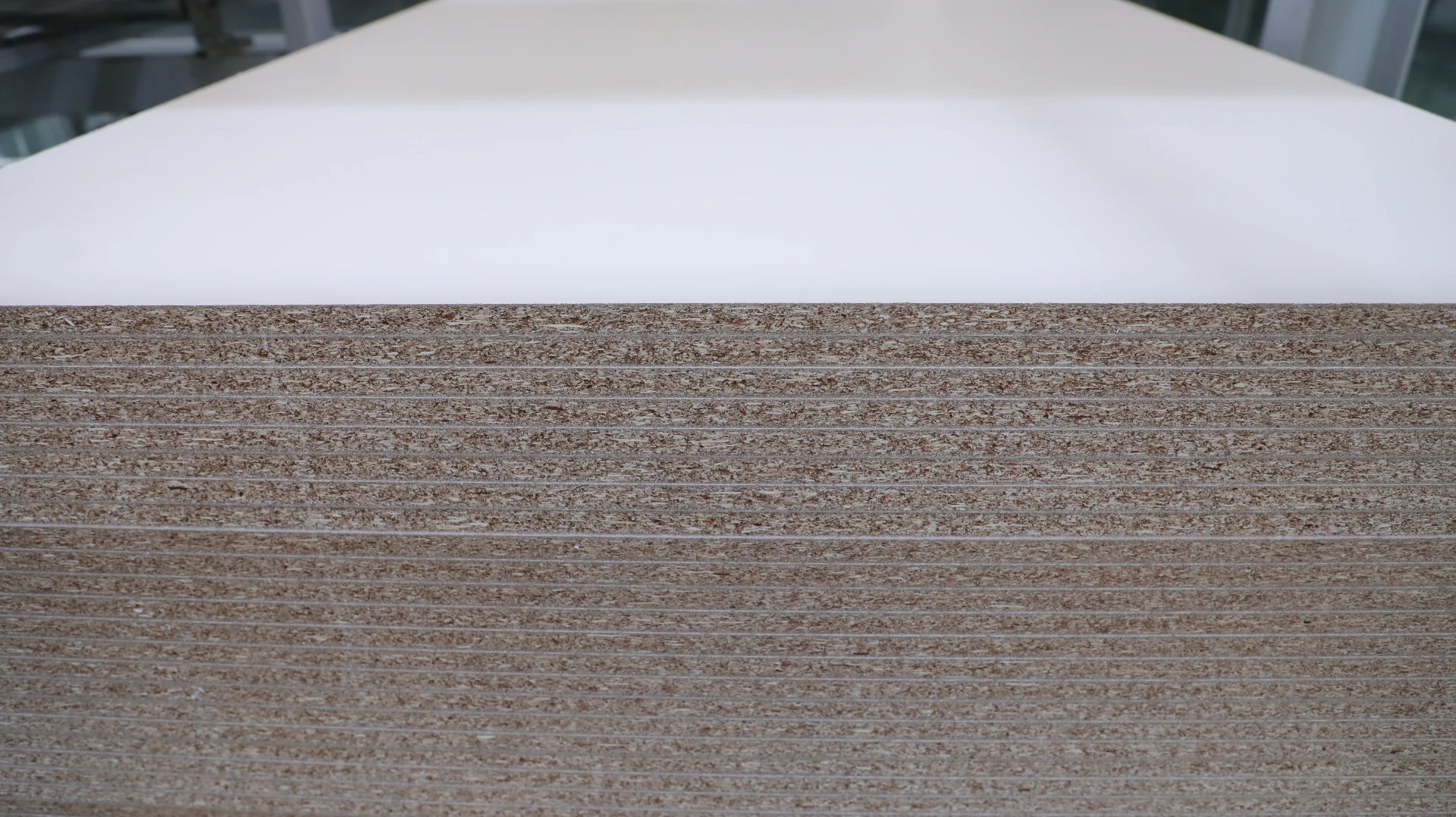
Put simply, shelving MDF board is a medium-density fiberboard panel manufactured primarily for use in shelving systems. MDF itself derives from breaking down hardwood or softwood residuals into fibers, binding them with resin under heat and pressure. The result: dense, smooth boards that hold screws well and can be cut to custom sizes without chipping.
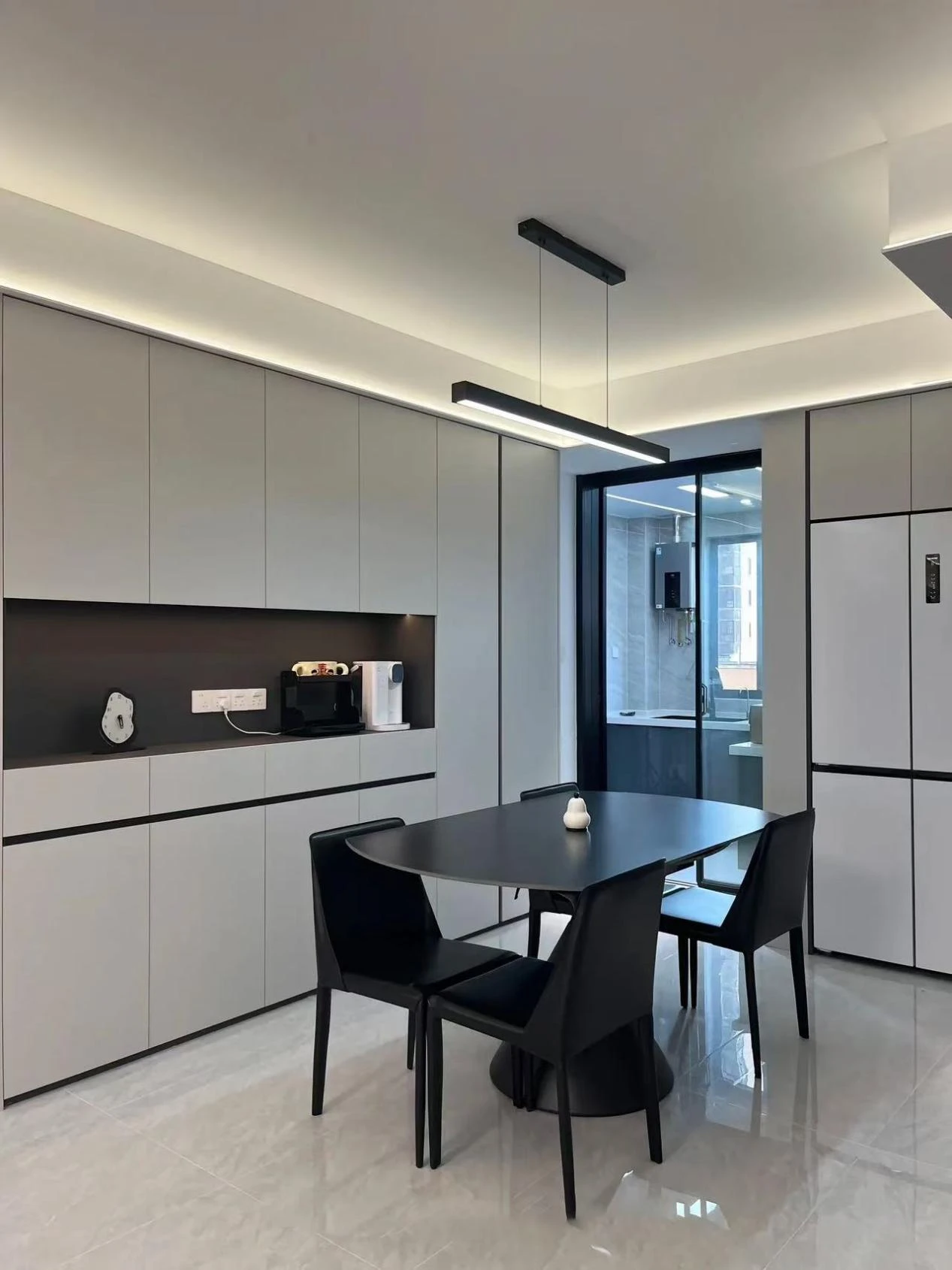
Why does this matter beyond typical carpentry? Because such boards offer more than structural support. They connect to modern industry’s push for modular, lightweight, and reliable materials. It’s no accident that shelving mdf board is popular in modular furniture, retail displays, and even emergency relief housing.
Mini Takeaway: MDF shelving boards are engineered for durability and adaptability, bridging craftsmanship with industrial needs.
Key Aspects of Shelving MDF Board You Should Know
Durability with Lightweight Design
Shelving MDF boards manage to strike a solid balance: they're sturdy enough to hold heavy objects without warping yet light enough to reduce strain during installation. Many engineers swear by MDF's consistent density, which minimizes sag over time compared to particleboard options.
Customisability and Ease of Finishing
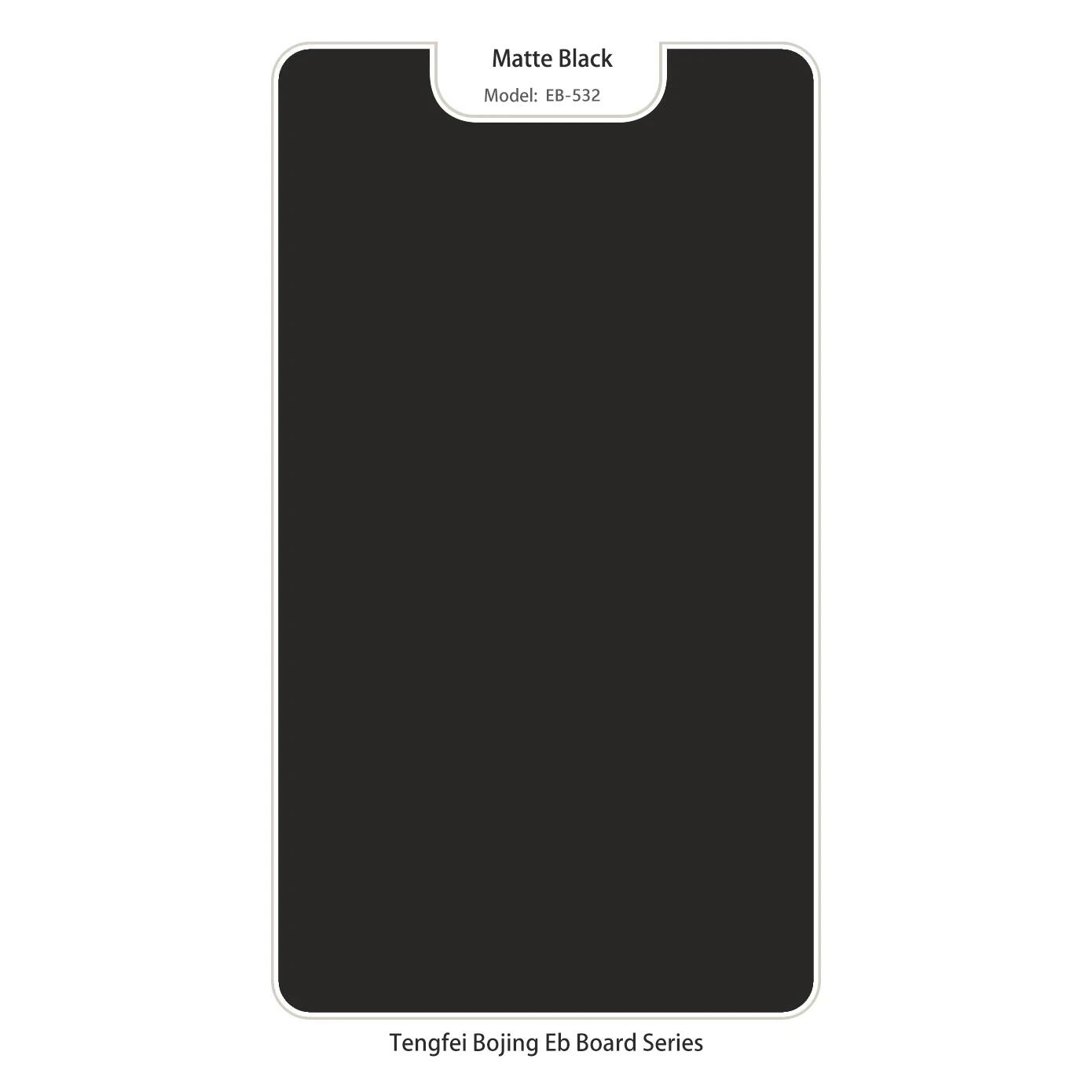
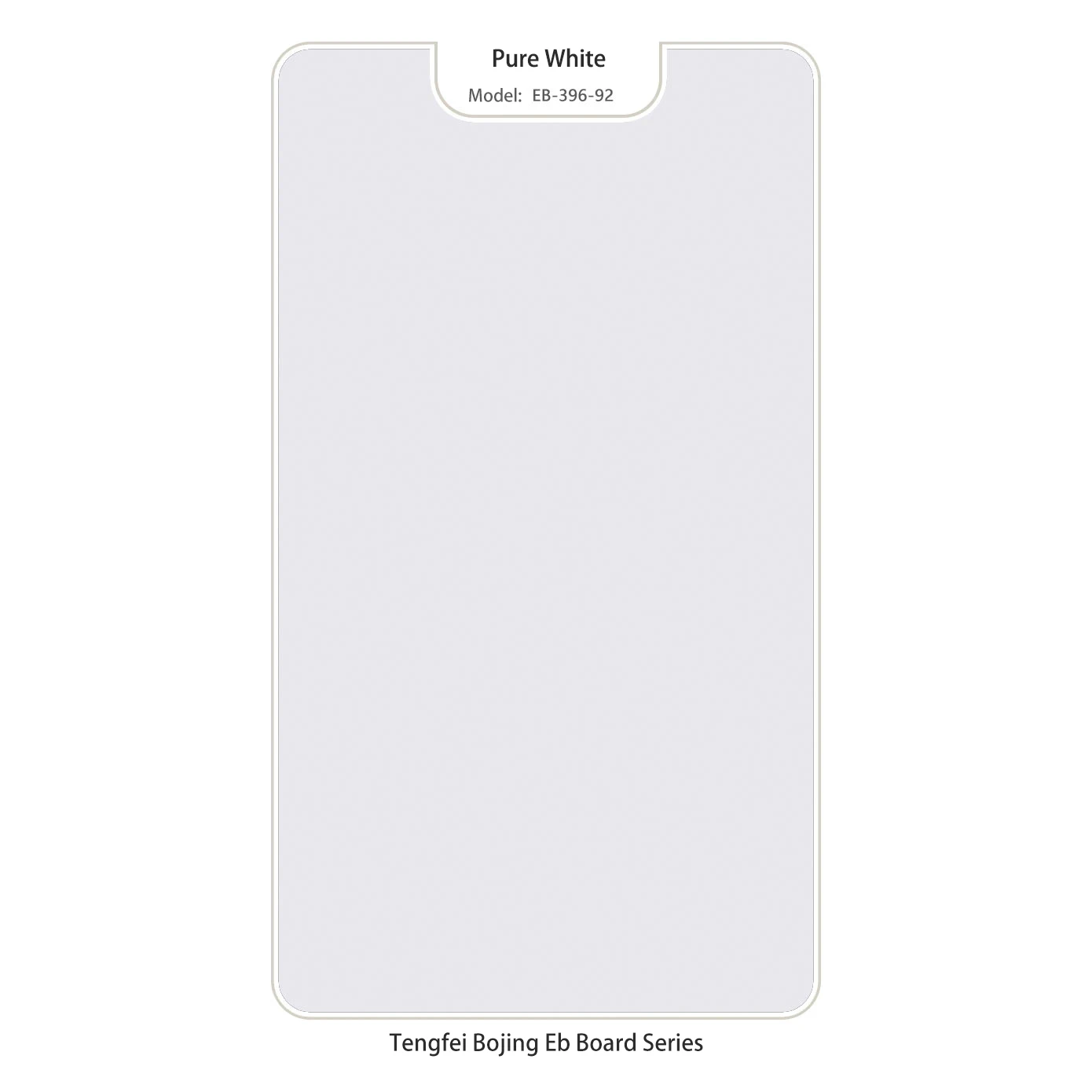
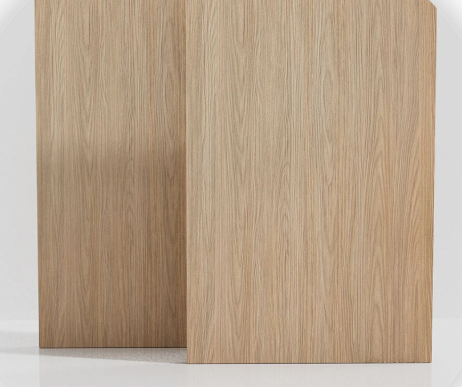
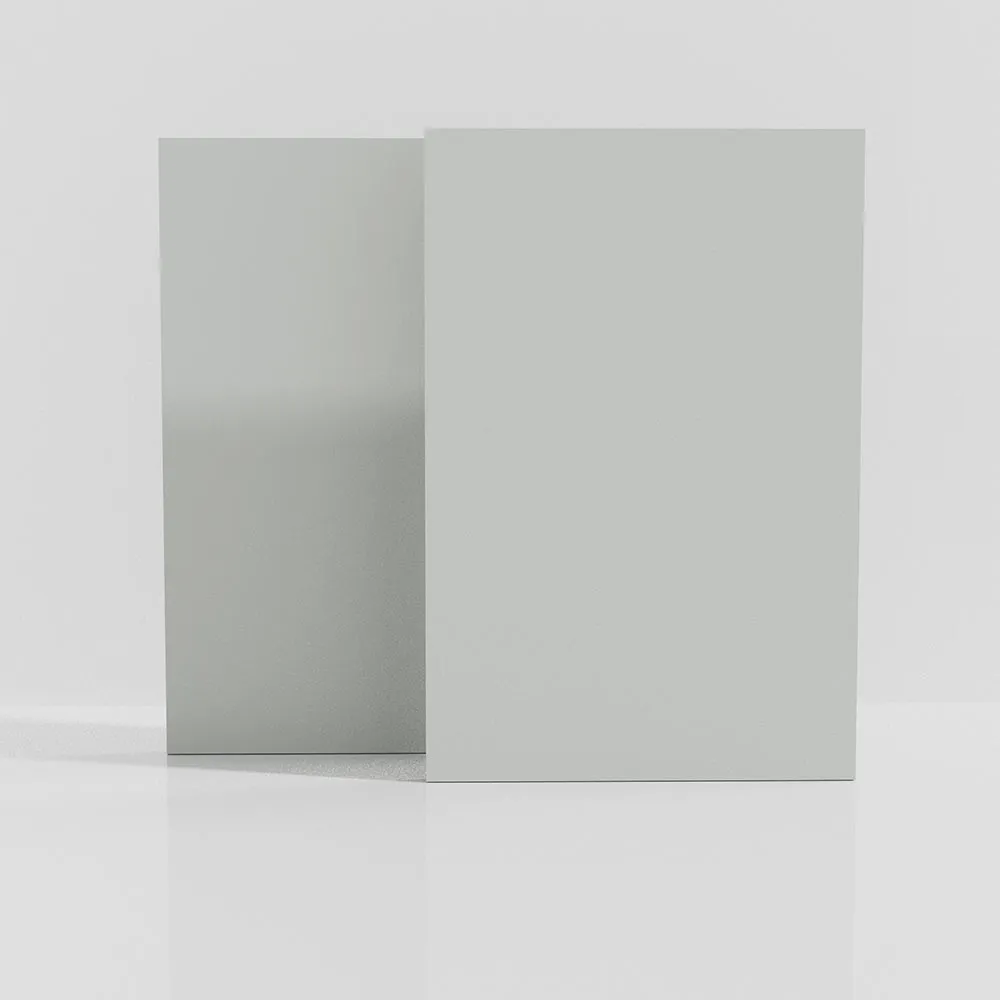
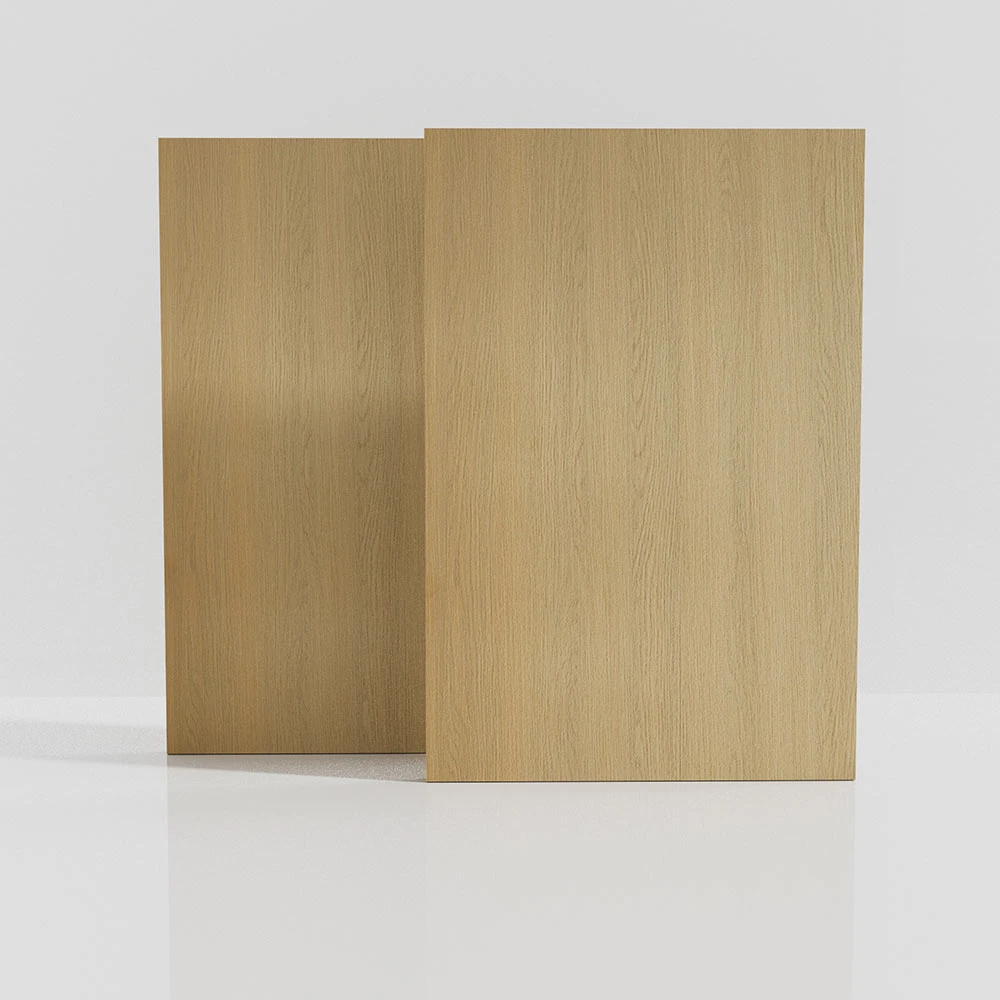
One reason MDF shelving boards are incredibly popular is their ultra-smooth surface. This makes them ideal for painting, veneering, or laminating — allowing businesses to adapt aesthetics without losing functionality. Plus, you can precisely cut them to fit any shelving unit.
Cost Efficiency
Cost-wise, MDF offers solid value. It’s less expensive than solid hardwood, yet often outperforms cheaper alternatives like OSB or particleboard. This sweet spot appeals to manufacturers and DIYers alike, especially in large-scale shelving projects.
Environmental Impact
While made from wood fibers, MDF often incorporates recycled wood waste, giving it a more circular footprint than traditional lumber. Plus, responsible sourcing and modern factory controls have reduced VOC emissions, aligning it with stricter ISO environmental standards.
Moisture Resistance (When Treated)
Standard MDF absorbs moisture, which can be tricky in humid settings. But treated or coated shelving MDF boards can withstand damp environments, expanding their use to kitchens, warehouses, even outdoor-covered spaces.
Mini Takeaway: From strength and aesthetics to eco credentials, shelving MDF boards pack practical benefits for a wide range of uses.
Comprehensive Product Specification of Typical Shelving MDF Board
| Specification |
Details |
| Thickness |
12 mm, 15 mm, 18 mm |
| Density |
700–850 kg/m³ (varies by manufacturer) |
| Dimensions |
2440 mm × 1220 mm standard sheets |
| Surface Finish |
Smooth, suitable for laminates & paint |
| Moisture Resistance |
Standard & moisture-resistant variants available |
| Environmental Certification |
CARB Phase 2, E1 compliant options |
Where Is Shelving MDF Board Most Widely Used?
In real-world terms, shelving MDF board finds itself everywhere from North American retail chains to European flat-pack furniture manufacturers. It’s a staple in warehouses where shelving units need to be both reliable and economical.
Oddly enough, its value extends to humanitarian aid fields as well. For instance, in post-disaster relief operations in Southeast Asia, modular MDF shelving units provide lightweight yet robust storage quickly assembled within temporary housing setups. NGOs and relief organizations benefit from this balance of convenience and performance.
In industrial zones on the African continent, containerized manufacturing plants leverage shelving MDF boards for organizing parts and tools in compact spaces. This not only streamlines workflows but reduces downtime caused by poorly planned storage.
Mini Takeaway: Shelving MDF boards support diverse sectors from retail to emergency response, providing adaptable storage solutions under varied conditions.
Comparing Shelving MDF Board Vendors: What to Look For
| Vendor |
Price per Sheet (USD) |
Moisture Resistance |
Eco Certification |
Lead Time |
| Tengfei MDF |
$22 - $28 |
Yes (treated) |
CARB Phase 2 |
5–7 days |
| WoodWorks Ltd. |
$25 - $30 |
No |
E0 |
7–10 days |
| GreenFiber Panels |
$24 - $29 |
Yes (waterproof) |
FSC Certified |
10–14 days |
Why Invest in Shelving MDF Board: Advantages & Long-Term Value
The value proposition here feels like a mix of practical and emotional reasoning. For businesses, it’s obvious: shelving MDF boards reduce costs without sacrificing quality. With precise engineering, they reduce installation time and allow more inventory to be displayed or stored efficiently.
From a sustainability perspective, many manufacturers are improving environmentally friendly practices, which means every board is part of a larger strategy to combat deforestation and waste. Customers buying shelving MDF boards can feel they’re contributing to a healthier planet.
Then there's the emotional angle — safety and dignity. A sturdy, well-organized shelving system means less risk of accidents in warehouses and retail setups. Plus, in housing or emergency relief, properly constructed shelving units impact dignity and autonomy by giving affected populations control over their limited spaces.
Mini Takeaway: Shelving MDF boards bring cost savings, environmental benefits, and improve social well-being in tangible ways.
Emerging Trends and Innovative Paths Forward
If we look ahead, the industry is buzzing with innovations. Smart shelving units incorporating sensors and IoT tech often start with MDF cores due to its easy customization. There’s also an uptick in bio-resins replacing formaldehyde-based binders, aligning with global emissions targets.
Furthermore, digital manufacturing with CNC routers and 3D printing creates bespoke shelving panels from MDF with unmatched precision. Such tech promises to reduce waste and support mass customization — vital in fast-moving consumer and industrial goods markets.
And let’s not forget sustainability at the forefront: many vendors are sourcing wood fibers from certified plantations or even agricultural waste streams. This future means shelving MDF board will likely become even greener and smarter in the decade ahead.
Challenges with Shelving MDF Board — And How to Overcome Them
Of course, no material is perfect. Classic issues with MDF include susceptibility to moisture damage if untreated, heavier weight compared to plywood, and VOC emissions during manufacturing or cutting. Fortunately, solutions exist.
- Moisture Resistance: Use of sealed or moisture-resistant MDF grades, plus protective coatings.
- Weight Concerns: Innovations in fiber density and hybrid panels can lighten loads.
- VOC Emissions: Adoption of low-emission binders and strict factory controls reduce health hazards—which is critical for indoor shelving applications.
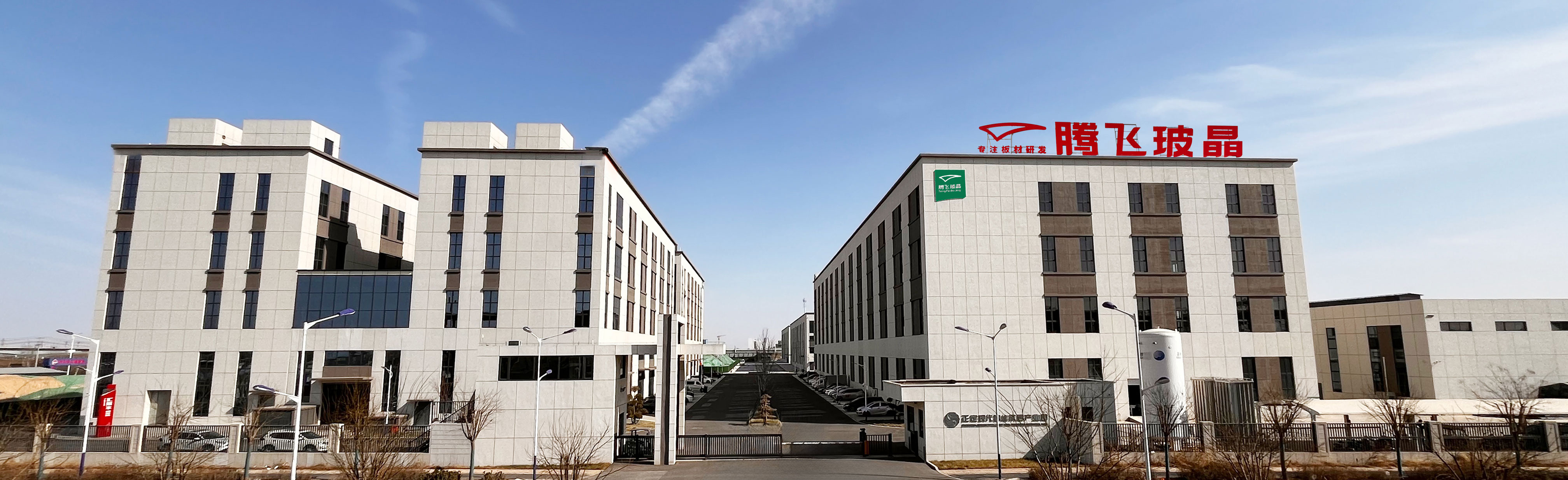
In real terms, choosing the right MDF variant and good factory partners like Tengfei can mitigate these challenges — leading to a product that performs well and aligns with regulatory standards worldwide.
FAQ: Practical Questions About Shelving MDF Board
- Q: How long does shelving MDF board typically last in commercial use?
- A: With proper installation and maintenance, shelving MDF boards can last 10–15 years in commercial settings. Moisture protection and correct load limits are key to durability.
- Q: Is MDF suitable for wet or humid environments?
- A: Standard MDF absorbs moisture easily, but moisture-resistant (MR) variants and surface coatings can protect shelving boards in kitchens, warehouses, or tropical climates.
- Q: Can shelving MDF boards be recycled or reused?
- A: While technically recyclable, MDF recycling infrastructure is limited; however, reuse and responsible disposal are commonly encouraged to reduce environmental impact.
- Q: What’s the best way to finish MDF shelving for durability?
- A: Painting with sealed primers, laminating, or veneering generally offer good protection while improving shelf aesthetics.
- Q: How quickly can I source shelving MDF board for large projects?
- A: Lead times vary but many suppliers deliver within 1-2 weeks depending on quantity and customization. Planning ahead is always recommended.
Wrapping Up: Why Shelving MDF Board Is a Smart Investment
So, what’s the big takeaway? Shelving MDF board isn’t just another material — it’s a finely tuned product balancing cost, sustainability, durability, and versatility. Whether you’re outfitting a retail space, building modular storage in remote locations, or supporting humanitarian projects, this material offers tangible long-term value.
Interested in exploring the possibilities? Visit our website: https://www.tengfeiebmdf.com to see how our shelving MDF board solutions can fit your specific needs and contribute to smarter, greener storage worldwide.
In real terms, materials like MDF are quietly shaping how we organize, build, and sustain our spaces — one smooth-surfaced panel at a time.
References
- Medium-density fibreboard - Wikipedia
- ISO Wood Panel Standards
- United Nations Statistics Division