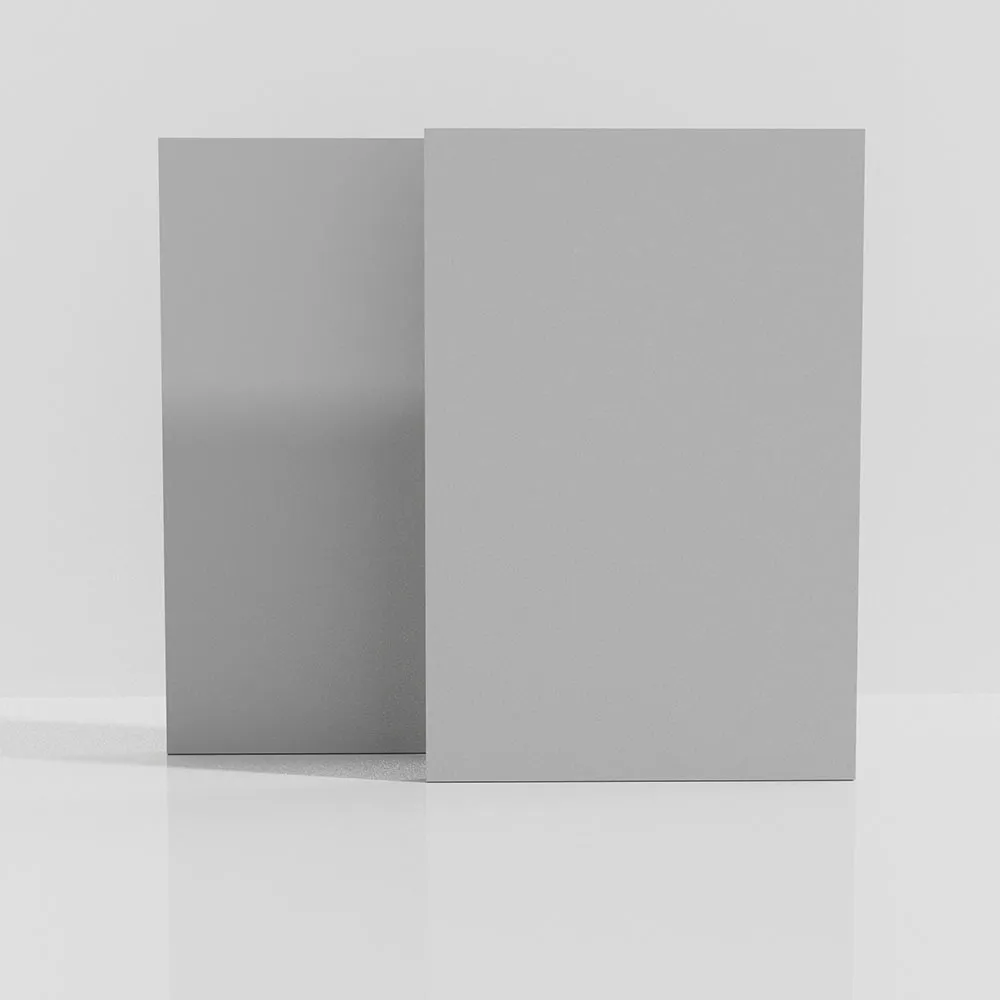
Rectangle MDF Board: The Unsung Hero of Modern Industry
At first glance, a rectangle MDF board might just seem like another piece of wood composite. But, in fact, this humble panel plays a crucial role across numerous industries worldwide — from interior design to manufacturing and even disaster relief logistics. Understanding its importance, applications, and benefits can help businesses and individuals appreciate this versatile material beyond its flat surface.
Introduction: Why Rectangle MDF Board Matters Globally
In today’s fast-paced global economy, materials that are cost-effective, sustainable, and adaptable are becoming increasingly vital. According to the International Organization for Standardization (ISO), medium-density fiberboard (MDF) products, particularly those cut into rectangle shapes, dominate markets because of their efficient use of raw materials and consistent structural qualities.
Globally, the wood composites market is expected to grow by roughly 5.6% annually through 2030, driven by greater demand in construction, furniture, and DIY projects.
However, with a growing emphasis on sustainability and disaster-resilient infrastructure, industries face the challenge of sourcing materials that balance durability with environmental footprint. This is where rectangle MDF boards come in — combining affordable production with flexibility that meets diverse needs.
What Exactly Is a Rectangle MDF Board?
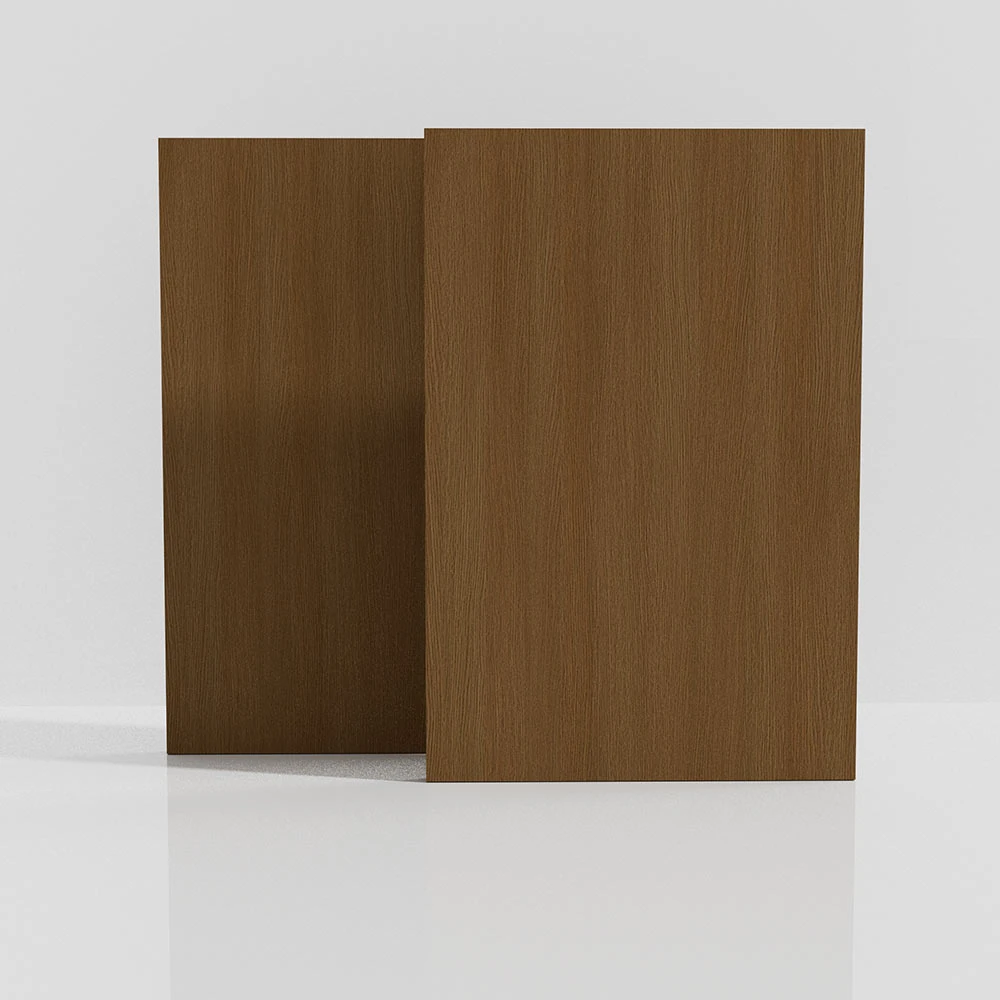
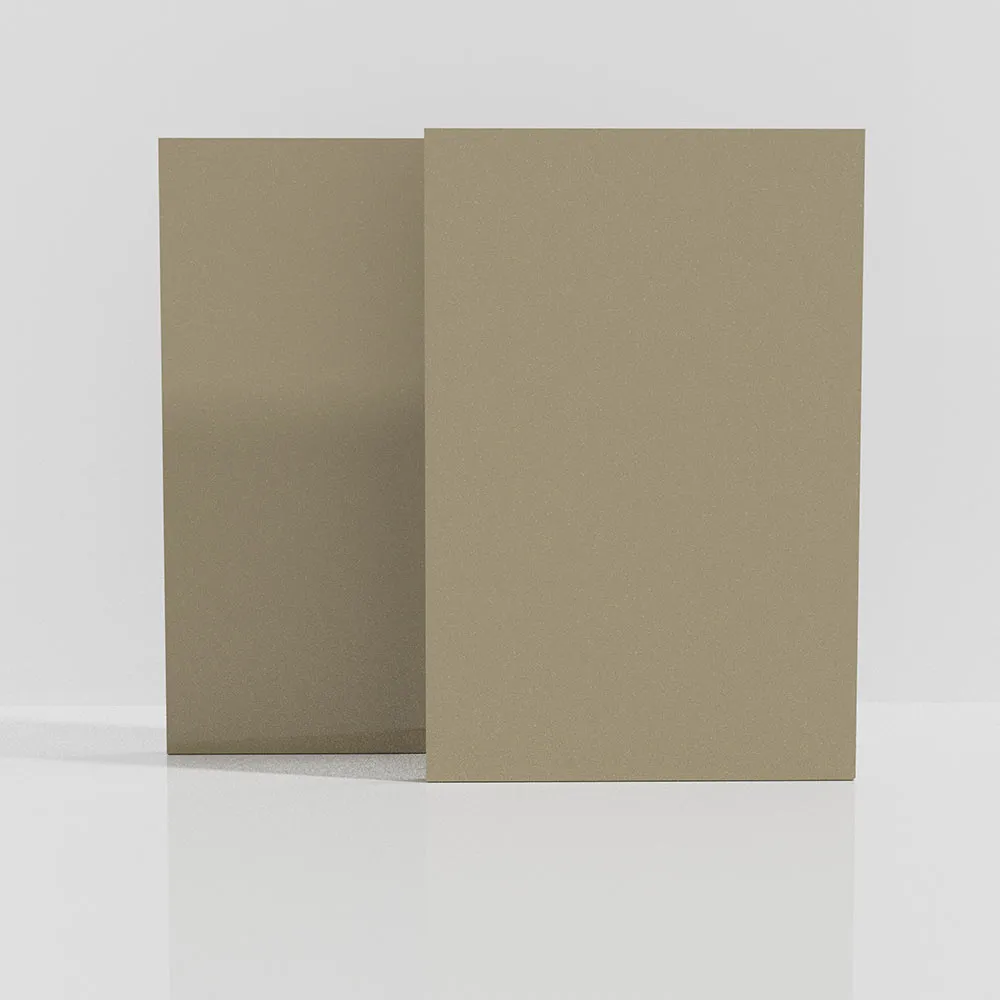
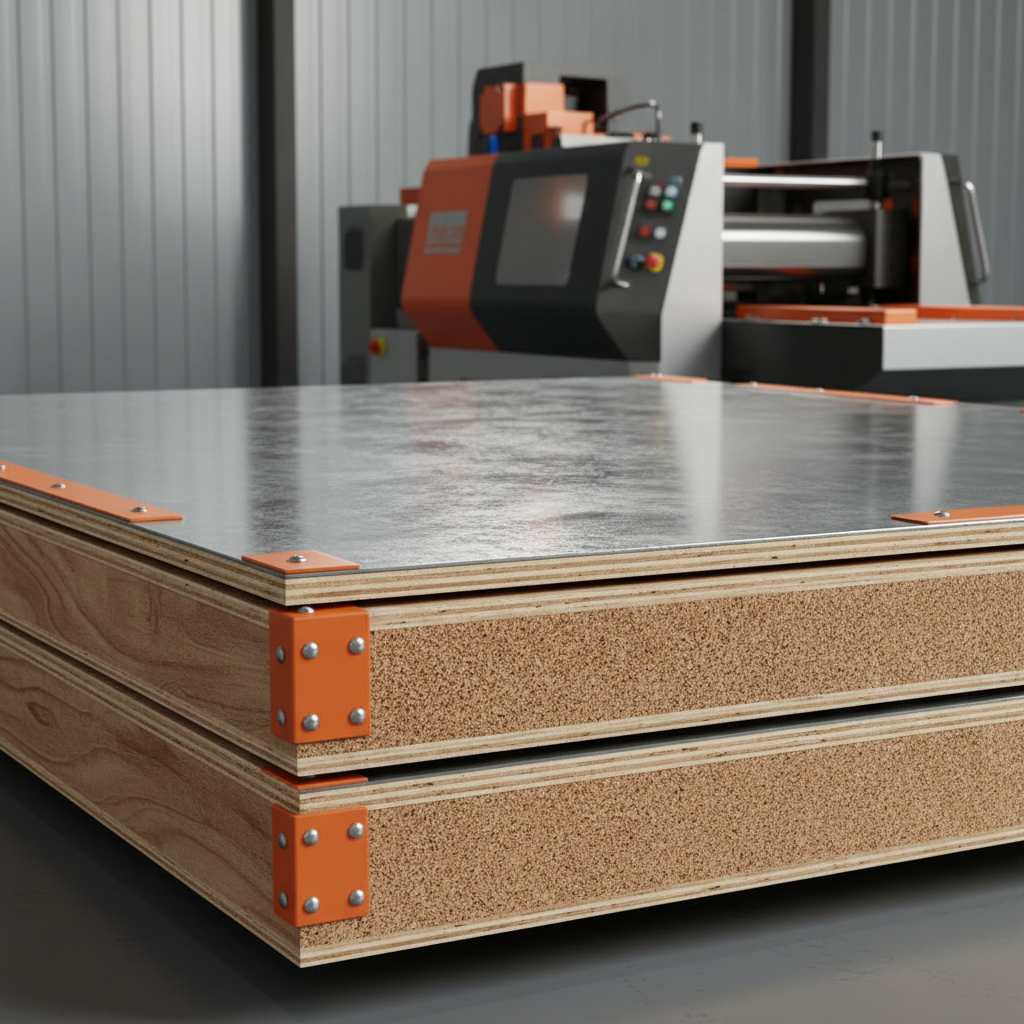
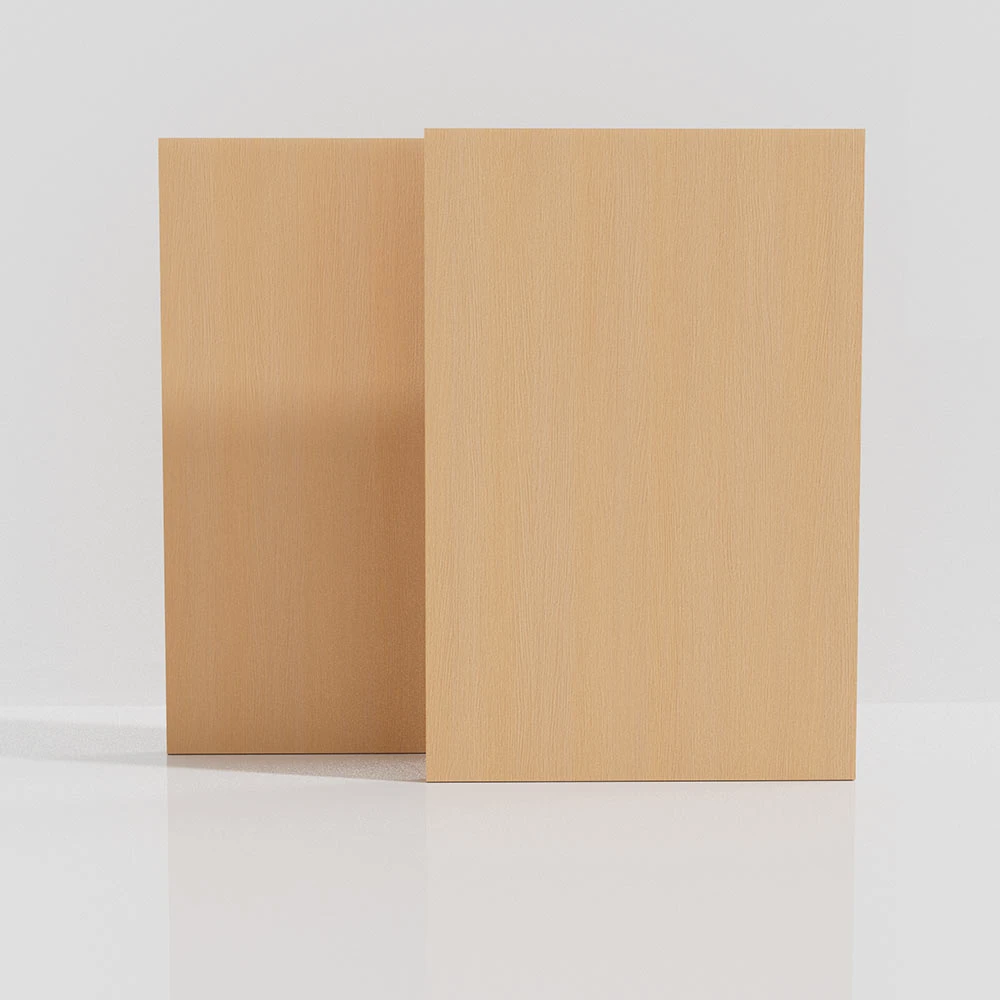
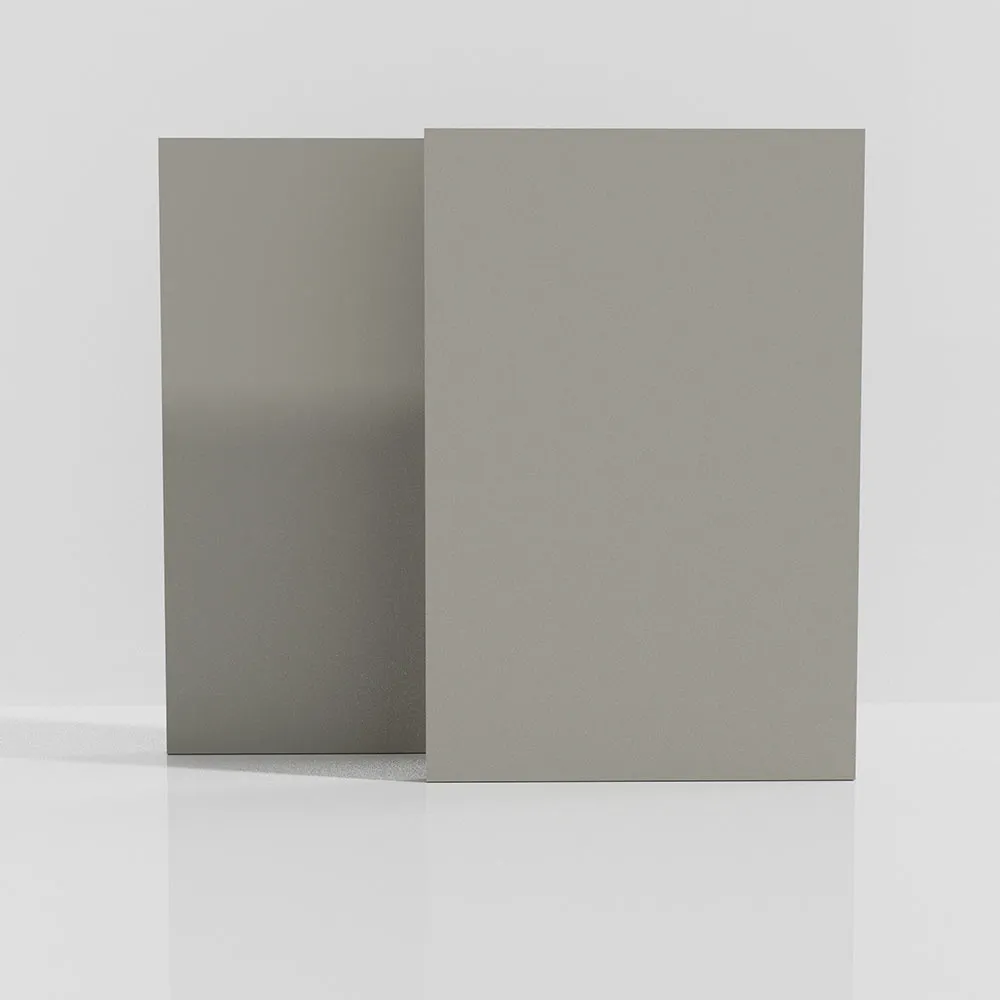
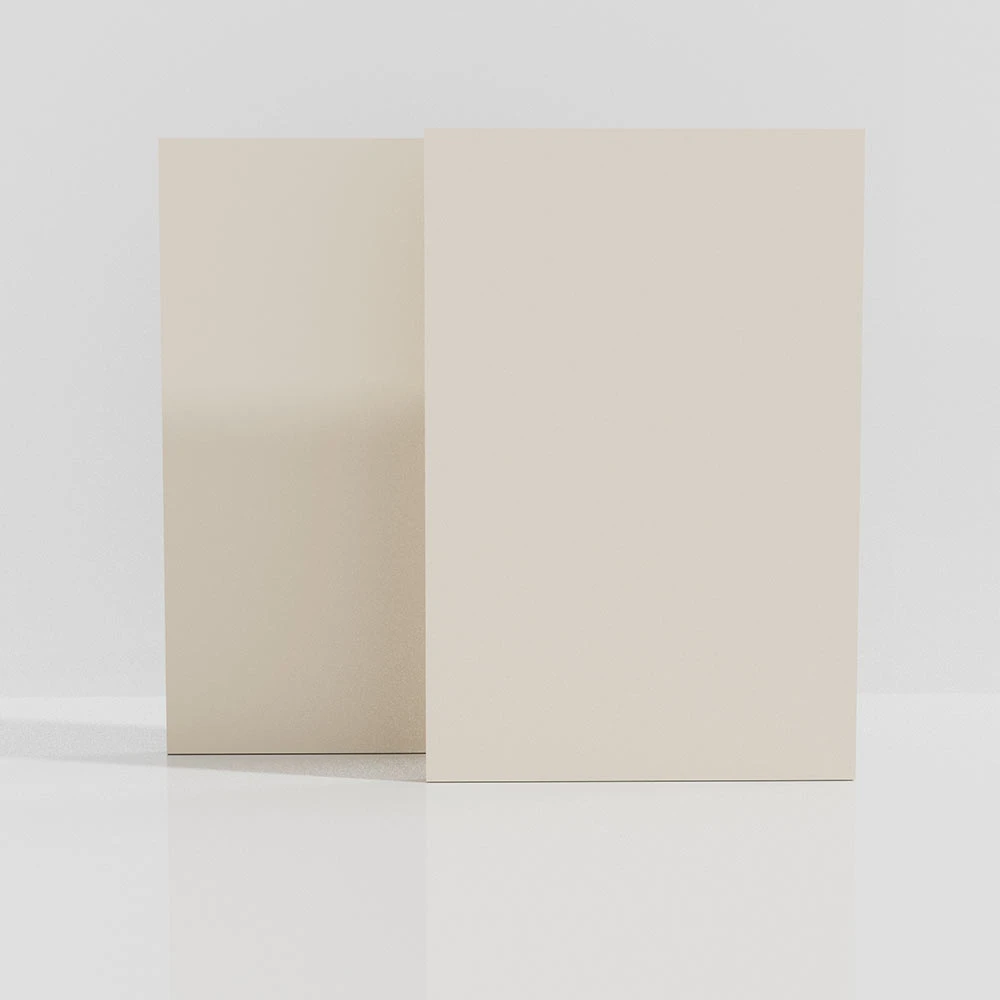
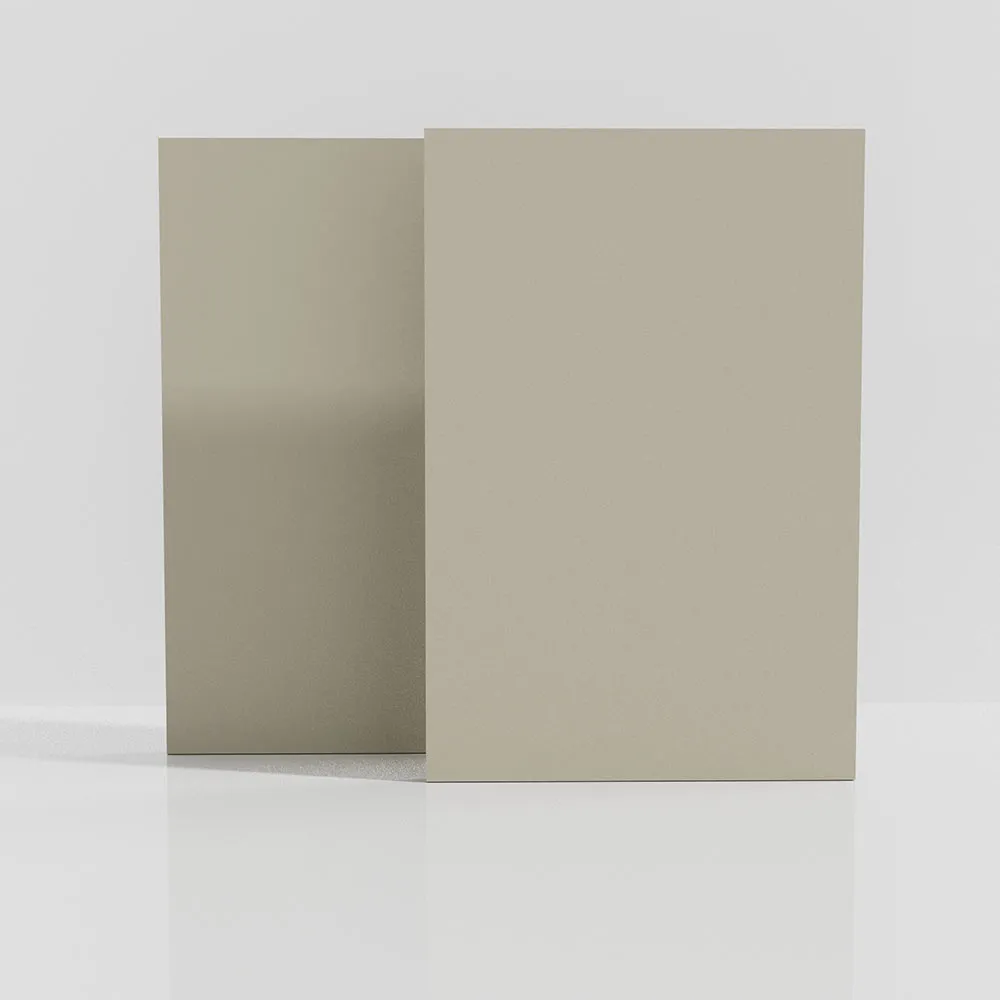
Simply put, a rectangle MDF board is a flat panel made from wood fibers bonded together with resin and compressed under heat. The 'rectangle' part is no coincidence; manufacturers cut MDF into this universally practical shape for easy handling and maximal compatibility across multiple sectors.
Why MDF and not solid wood? MDF provides uniformity, smooth surfaces (ideal for painting or laminating), and a surprisingly strong yet light profile. This allows industries to innovate in design without the drawbacks of natural wood—like grain inconsistencies or warping.
Key Features That Make Rectangle MDF Boards Stand Out
Durability and Strength
Contrary to some assumptions, MDF isn’t fragile. Thanks to its dense composite structure, it resists warping, cracking, and splitting better than many plywood alternatives. For indoor use, moisture-resistant MDF variants can even hold up in humid environments.
Cost-Effective Manufacturing
Because MDF comes from wood fibers that are leftover byproducts of sawmills, it offers a sustainable path by turning waste into value. This cost efficiency is passed on through lower retail prices compared to hardwood panels.
Ease of Customization
Rectangle MDF boards can be easily cut, drilled, routed, and painted, making them favorites among manufacturers and DIY enthusiasts alike. Their uniformity ensures smooth finishes and precise dimensioning.
Environmental Sustainability
Many MDF boards now come with eco-certifications, following ISO 14001 standards for environmental management. Their use supports reduced deforestation, provided suppliers follow responsible forestry practices.
Scalability for Diverse Industries
From furniture production in Europe to modular housing projects in Asia, the scalability of MDF boards allows them to fit both mass production lines and small bespoke workshops seamlessly.
Quick takeaway: Rectangle MDF boards combine durability with flexibility and sustainability, making them a staple in multiple industries worldwide.
Real-World Applications of Rectangle MDF Board
Some industries have embedded rectangle MDF boards deep into their supply chain. For example:
- Furniture Manufacturing: Flat-pack cabinets, desks, and bed frames rely heavily on rectangle MDF panels for consistency and finish quality.
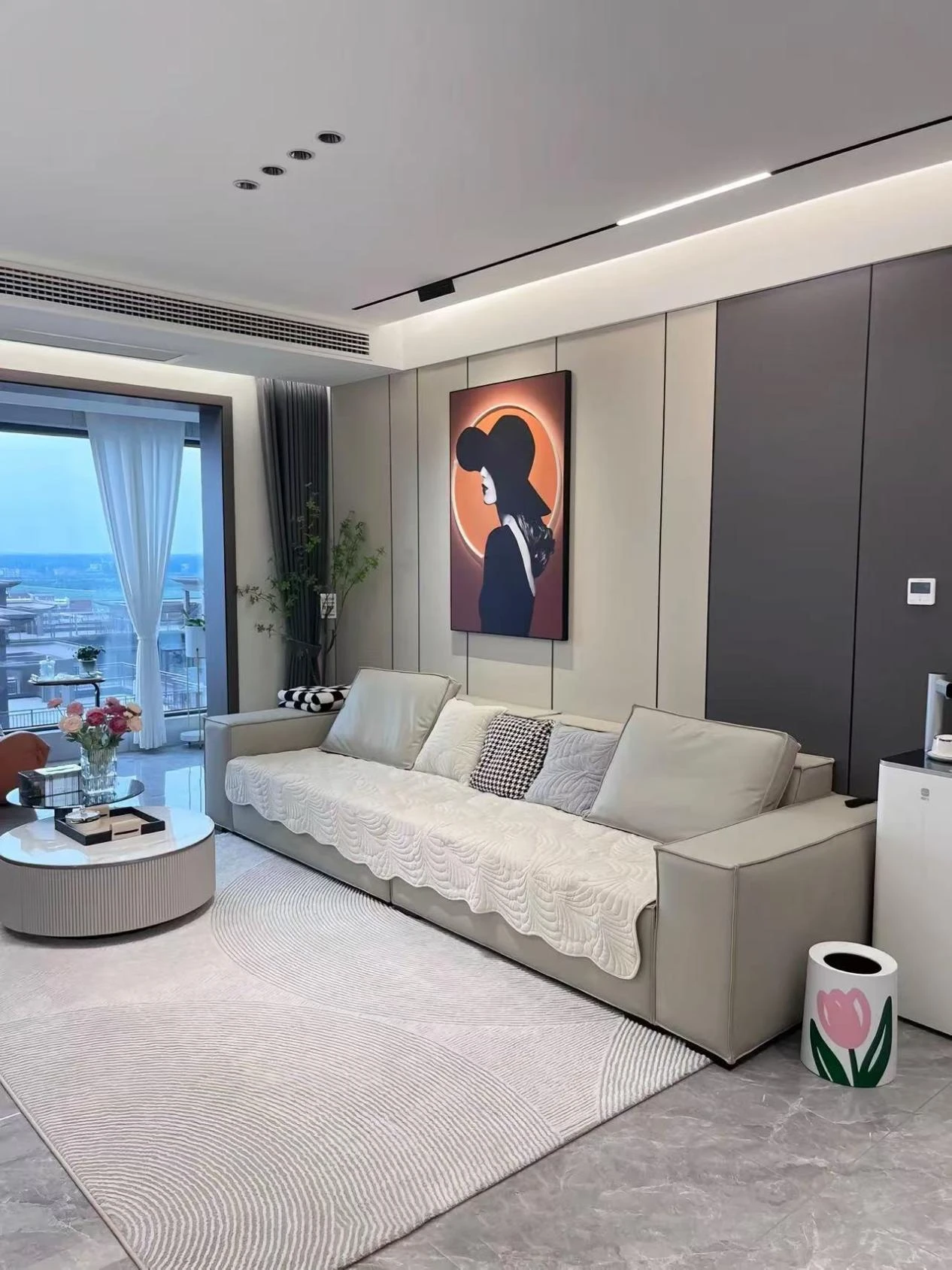
- Interior Design & Architecture: Wall panels and decorative moldings made from MDF provide flexibility in design, often crafted into standard rectangular modules for easy installation.
- Transport and Shipping: In the packaging industry, MDF boards protect fragile goods during international shipping due to their rigidity and shock absorption.
- Disaster Relief & Temporary Housing: MDF boards serve as affordable, easy-to-assemble partition walls and surfaces, helping NGOs rapidly construct shelters after emergencies.
For instance, in the aftermath of the 2015 Nepal earthquake, NGOs turned to MDF boards for efficient, scalable shelter construction—balancing cost, speed, and durability in challenging conditions.
Advantages & Long-Term Value of Rectangle MDF Board
The key reason many prefer rectangle MDF boards is the balance they offer between economics and performance. Here’s why:
- Cost Savings: Competitively priced versus wood alternatives without sacrificing key strength factors.
- Sustainability: Uses recycled fibers and supports responsible forest management.
- Longevity: Properly sealed boards resist moisture and wear for many years.
- Social Impact: Affordable materials enable housing and furniture for underserved communities.
Emotionally, there’s a strange comfort in knowing that these straightforward boards make quality living spaces and reliable furnishings accessible to wider populations.
Product Specification Table
| Specification |
Typical Value |
Description |
| Dimensions |
1220 x 2440 mm |
Standard industry rectangle size |
| Density |
700 - 800 kg/m³ |
Medium-density classification |
| Thickness Options |
3 mm to 25 mm |
Varies by application |
| Moisture Resistance |
Standard & Moisture-Resistant Grades |
Adapted to environment |
| Surface Finish |
Smooth, paintable |
Ideal for decorative uses |
Vendor Comparison: Leading Rectangle MDF Board Suppliers
| Vendor |
Price Range (USD/m²) |
Eco Certification |
Delivery Options |
Customization |
| Tengfei MDF |
8 – 12 |
FSC, ISO 14001 |
Global shipping, bulk discounts |
Thickness, coating, size |
| EcoBoard Co. |
9 – 14 |
FSC, LEED compliant |
Regional warehouses (EU, NA) |
Custom finishes, laminate |
| Global MDF Solutions |
7 – 11 |
ISO 9001 |
Bulk orders only |
Standard cuts, no coating |
Future Trends and Innovations in Rectangle MDF Board Production
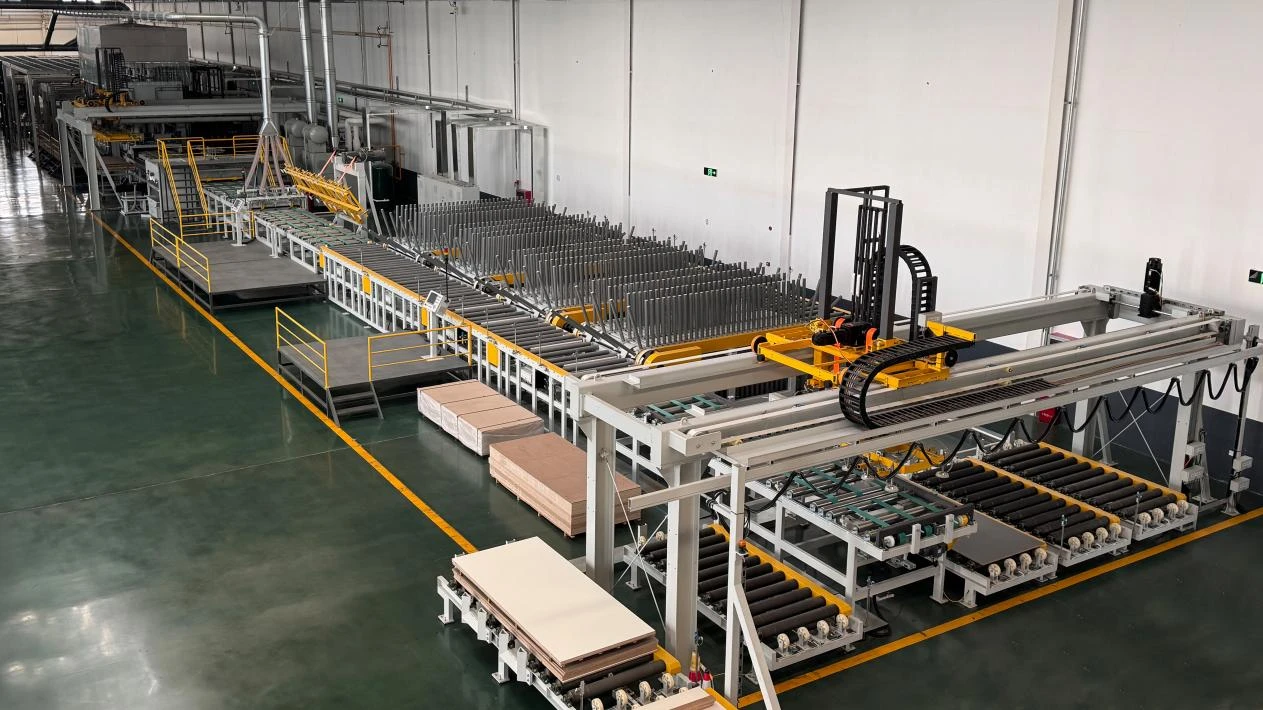
Manufacturers are embracing green technologies and automation to meet the growing demand. Innovations include:
- Low-formaldehyde and no-added formaldehyde resins for healthier indoor air quality.
- Recycled wood fiber incorporation, reducing virgin timber demand.
- AI-driven precision cutting and surface treatments for minimal waste.
- Smart coatings with water- and stain-resistance without harmful chemicals.
These developments reflect wider industry moves towards sustainability, aligning rectangle MDF board production with global climate goals.
Common Challenges and How to Address Them
Of course, rectangle MDF boards aren’t perfect. Some limitations include susceptibility to water damage if untreated, and environmental concerns about resin chemicals.
Industry experts recommend:
- Using moisture-resistant variants or sealing edges carefully in humid settings.
- Switching to bio-based or formaldehyde-free adhesives where possible.
- Leveraging supplier certifications to ensure eco-friendly sourcing.
FAQ: Practical Questions About Rectangle MDF Board
Q1: Can rectangle MDF boards be used in outdoor applications?
A: Generally, MDF is designed for indoor use due to its susceptibility to moisture. However, specially treated moisture-resistant MDF can endure some outdoor exposure if properly sealed and maintained.
Q2: How do I choose the right thickness of MDF board for my project?
A: It depends on the application. Thinner boards (3-6mm) are great for decorative panels and backing, while thicker boards (12-25mm) are preferred for structural uses like furniture or shelving.
Q3: Are rectangle MDF boards eco-friendly?
A: Yes, especially those certified by FSC or with ISO 14001 standards. They use waste wood fibers and promote sustainable forestry, though resin types affect overall environmental impact.
Q4: How do I paint or finish MDF to get the best results?
A: Because MDF is dense and smooth, it requires priming before painting. Seal cut edges to avoid swelling, then apply a quality primer and your choice of paint or laminate.
Q5: Where can I buy high-quality rectangle MDF boards in bulk?
A: Vendors like Tengfei MDF offer customized options, global shipping, and eco certifications to ensure top quality and service.
Conclusion: The Lasting Impact of Rectangle MDF Board
It may not be glamorous, but rectangle MDF board remains an essential building block in modern construction, furniture, and humanitarian projects. Its combination of cost efficiency, versatility, and sustainability helps transform raw fibers into functional, affordable products worldwide.
For businesses and individuals looking for reliable, eco-conscious solutions, this material offers a lot — something worth pondering next time you see a simple wooden panel.
Ready to explore high-quality rectangle MDF boards? See what Tengfei MDF can offer for your next project.
References
- Wikipedia: Medium-density fibreboard
- ISO 14001 Environmental Management
- United Nations Climate Action