Understanding Raw MDF Board: Why It Matters Globally
If you’ve ever admired a sleek furniture piece or marveled at a soundproof wall panel, chances are raw MDF board — or medium-density fiberboard — played a quiet but crucial role. This affordable, versatile wood composite is everywhere, yet it rarely steals the spotlight. Why? Because it quietly addresses global challenges in manufacturing, construction, and sustainability that directly affect economies and households worldwide.
In brief, raw MDF board is essential not just as a building or crafting material but as an enabler of efficient resource use and cost-effective production—factors desperately needed in today’s fast-paced, resource-conscious world. Understanding it opens doors to smarter material choices that benefit industries and the environment alike.
The Global Context: Raw MDF Board’s Role in Industry and Sustainability
Globally, the wood-based panel industry is booming, with the Global Wood Panel Market expected to grow at roughly 5% annually through the 2020s, fueled by construction demands and furniture manufacturing. According to the ISO standards for composite wood products, MDF boards increasingly represent a sustainable alternative to solid wood, helping to mitigate deforestation pressures.
Yet with the rising demand comes the challenge of balancing mass production with environmental stewardship. Raw MDF board plays into this by utilizing recycled wood fibers and wood residues — transforming what would be waste into a high-quality, uniform product. In practical terms, it’s about squeezing every bit of value from timber resources while minimizing ecological footprints.
Mini Takeaway:
- Raw MDF board contributes significantly to both the wood product economy and sustainability efforts.
- It helps reduce waste and pressure on forests globally.
What Exactly Is Raw MDF Board?
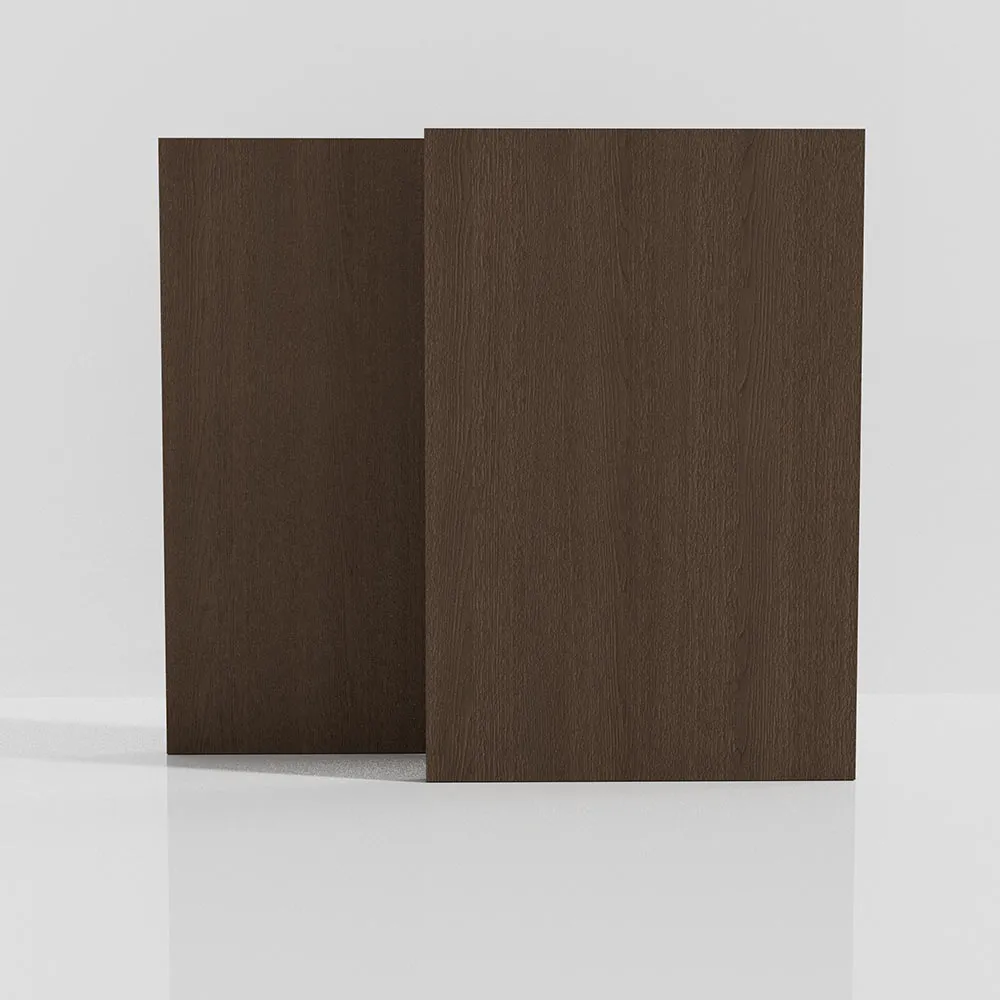
In simplest terms, raw MDF board is a flat panel made by breaking down hardwood and softwood residuals into wood fibers, combining them with wax and resin binders, then subjecting the mix to heat and pressure. Unlike plywood, MDF is homogenous — no grain lines — which makes it incredibly smooth and easy to machine.
The term “raw” references the unfinished nature of the board. Raw MDF hasn’t been primed, painted, or laminated, offering a blank canvas for various finishing options. Its homogeneity connects it to modern industry needs where uniformity and precision matter, be it in furniture, cabinetry, or even acoustic panels.
Mini Takeaway:
- Raw MDF is pressed wood fiber board, unfinished and uniform in texture.
- Its surface smoothness and malleability make it ideal for modern industrial applications.
Core Characteristics of Raw MDF Board That Make It Popular
1. Durability and Strength
Though it often gets knocked for being “just engineered wood,” raw MDF board packs surprising strength due to its density and resin content. It handles shaping, cutting, and routing without splintering — a lifesaver for intricate designs. However, it’s not as water-resistant unless treated, so users often seal it for longevity.
2. Cost Efficiency
Compared to solid wood, MDF is a budget-friendly option that doesn’t skimp on performance. Its manufacturing process efficiently uses wood residues, which means cheaper raw materials and less waste. For companies hoping to maintain competitive pricing, raw MDF boards are a boon.
3. Workability and Finish Quality
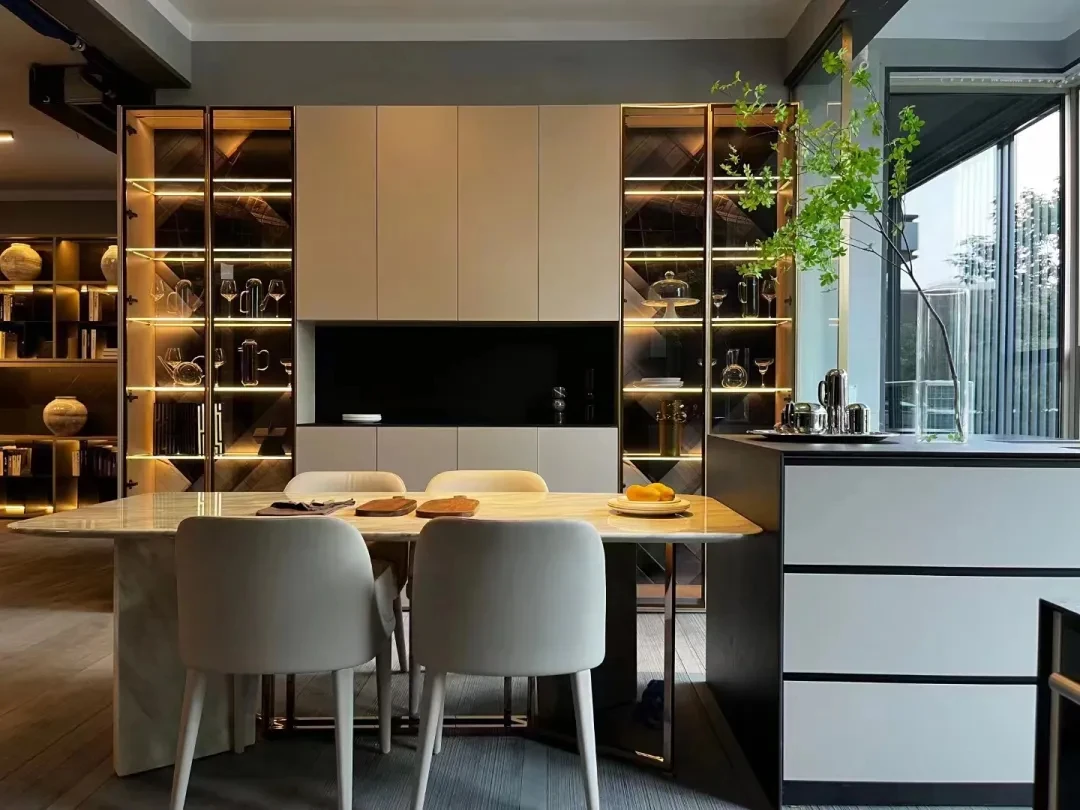
One of MDF’s trump cards is its smooth, flat surface—perfect for veneers, laminates, or paint. It sands down evenly, making finishing work straightforward. Because there are no knots or grain, projects come out more predictable.
4. Environmental Impact
Using recycled wood fibers reduces the reliance on newly cut timber, enhancing sustainability. Plus, improvements in adhesive formulations have reduced emissions of formaldehyde-based resins, making some modern MDF products much safer.
Mini Takeaway:
- Strength, affordability, and smoothness make raw MDF versatile.
- Its eco-friendly production helps industries align with greener targets.
How Raw MDF Board Is Applied Around the World
Industries far and wide use raw MDF boards in furniture-making hubs like China and Europe, where precision cabinetry demands uniform materials. In the US and Canada, MDF helps build cost-effective interior elements — think closet organizers, molding, and wall panels.
Oddly enough, humanitarian groups have also found clever uses. For instance, in post-disaster shelter construction, lightweight MDF panels create interim housing components that are easy to transport and assemble, as reported in relief operations. Meanwhile, automotive manufacturers have experimented with MDF composites for decorative trims and insulation.
| Specification |
Typical Value |
Notes |
| Density |
600-800 kg/m3 |
Varies based on grade |
| Thickness Range |
3 to 30 mm |
Custom thicknesses available |
| Modulus of Rupture |
15-35 MPa |
Bending strength metric |
| Formaldehyde Emission |
E0 to E1 grade |
Low-emission variants now common |
| Surface Finish |
Smooth, uniform |
Ideal for coatings |
Mini Takeaway:
- From furniture workshops to emergency housing, raw MDF board’s applications are broad and growing.
- Its specifications vary but always focus on reliability and finish.
The Long-Term Benefits of Raw MDF Board
The beauty of raw MDF board lies in its balance of practical and ethical wins. Cost-wise, low material and processing expenses help manufacturers keep profits healthy without hiking prices for consumers. From a sustainability angle, produced from recycled fibers, it embodies a circular economy principle.
Socially, MDF allows innovators to craft products that improve everyday life, whether that’s affordable wardrobes or safer temporary shelters. Emotionally, knowing your furniture or fixtures have lessened environmental impact adds a layer of trust and pride in the purchase.
Looking Ahead: Future Trends & Innovations in MDF Production
Exciting developments are afoot in raw MDF board tech. For example, formaldehyde-free adhesives are replacing older resins to make MDF safer indoors and reduce pollutants. On the materials side, hybrid MDF boards infused with bio-based polymers are entering the market, promising enhanced water resistance.
Digital manufacturing and CNC machining also refine production capabilities, enabling finer designs and minimized waste. And with increasing global pressure on sustainability, more companies are scaling up recycled-content MDF boards to meet eco-labels and regulations.
Challenges & Current Solutions
Of course, no material is perfect. MDF’s poor moisture resistance has been a limiting factor in bathrooms or outdoor use. However, specialized coatings, sealants, and new hybrid board formulations are addressing this head-on. Another often-cited concern is dust generation during cutting — proper ventilation and dust extraction mitigate health risks.
| Vendor |
Price Range (Per Sheet) |
Environmental Certifications |
Special Features |
| Teng Fei Boards |
$25 - $40 |
FSC, CARB Phase 2 |
Custom thickness, low-formaldehyde |
| GreenWood Panels |
$22 - $38 |
PEFC Certified |
Eco-friendly adhesives |
| EcoFiber Company |
$28 - $45 |
CARB Phase 2 |
Water-resistant MDF variants |
FAQ: Common Questions About Raw MDF Board
- Q1: Can raw MDF board be used outdoors?
- A: Typically, raw MDF is not recommended for outdoor use because it absorbs moisture readily, leading to swelling and degradation. However, specialized water-resistant MDF products and protective coatings can extend outdoor durability.
- Q2: What makes raw MDF more affordable than solid wood?
- A: Raw MDF utilizes wood residues that might otherwise be wasted, combined with resins in a manufacturing process that’s energy-efficient. This optimizes raw material usage and reduces costs compared to harvesting and processing solid timber.
- Q3: How safe is raw MDF for indoor environments?
- A: Modern raw MDF boards often meet stringent emission standards, such as CARB Phase 2 or E0/E1 grades, indicating low formaldehyde emissions, making them safe for indoor use when properly sealed and ventilated.
- Q4: Can I paint or laminate raw MDF boards?
- A: Absolutely. Raw MDF's smooth, uniform surface is ideal for painting, veneering, or laminating — many hobbyists and professionals prefer it for custom finishes.
Wrapping Up: Why Raw MDF Board Deserves Your Attention
All in all, raw MDF board is more than just a filler or base material. Its blend of engineering, economics, and environmental mindfulness makes it a quietly powerful part of countless products and projects around the globe. Whether you’re managing production, crafting a custom interior, or simply curious about sustainable materials, raw MDF board is worth knowing — the future of wood composites looks pretty exciting.
Curious to explore more or source high-quality materials? Check out raw mdf board options and see how they might fit your projects.
References
- ISO Composite Wood Products
- Medium-density fibreboard - Wikipedia
- Fordaq Wood Market Insights