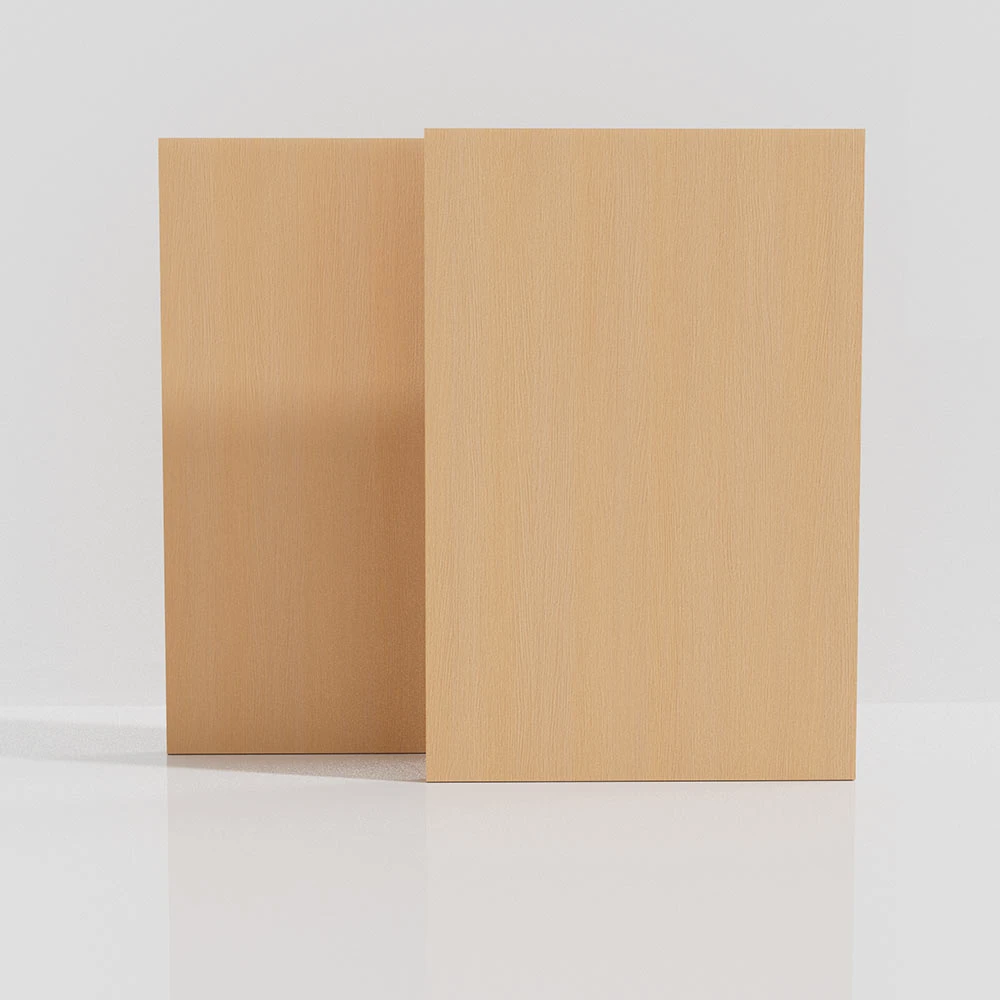
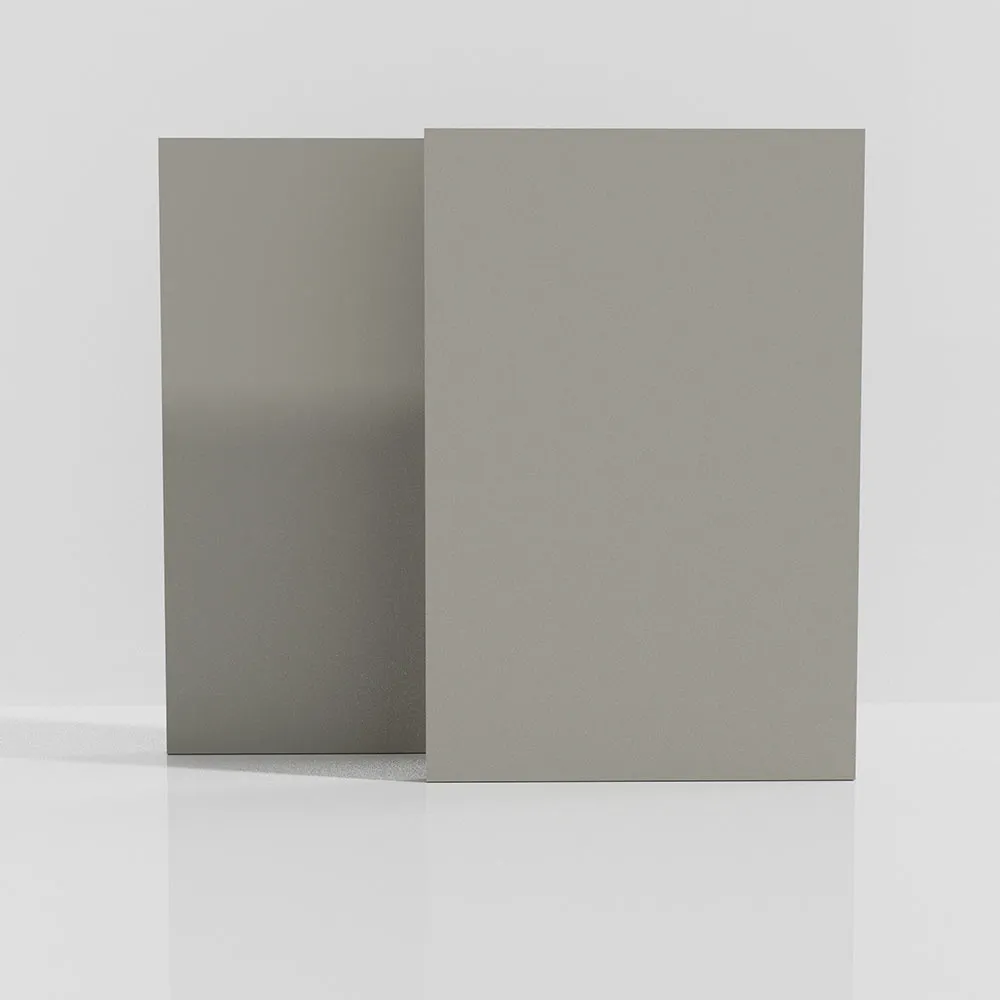
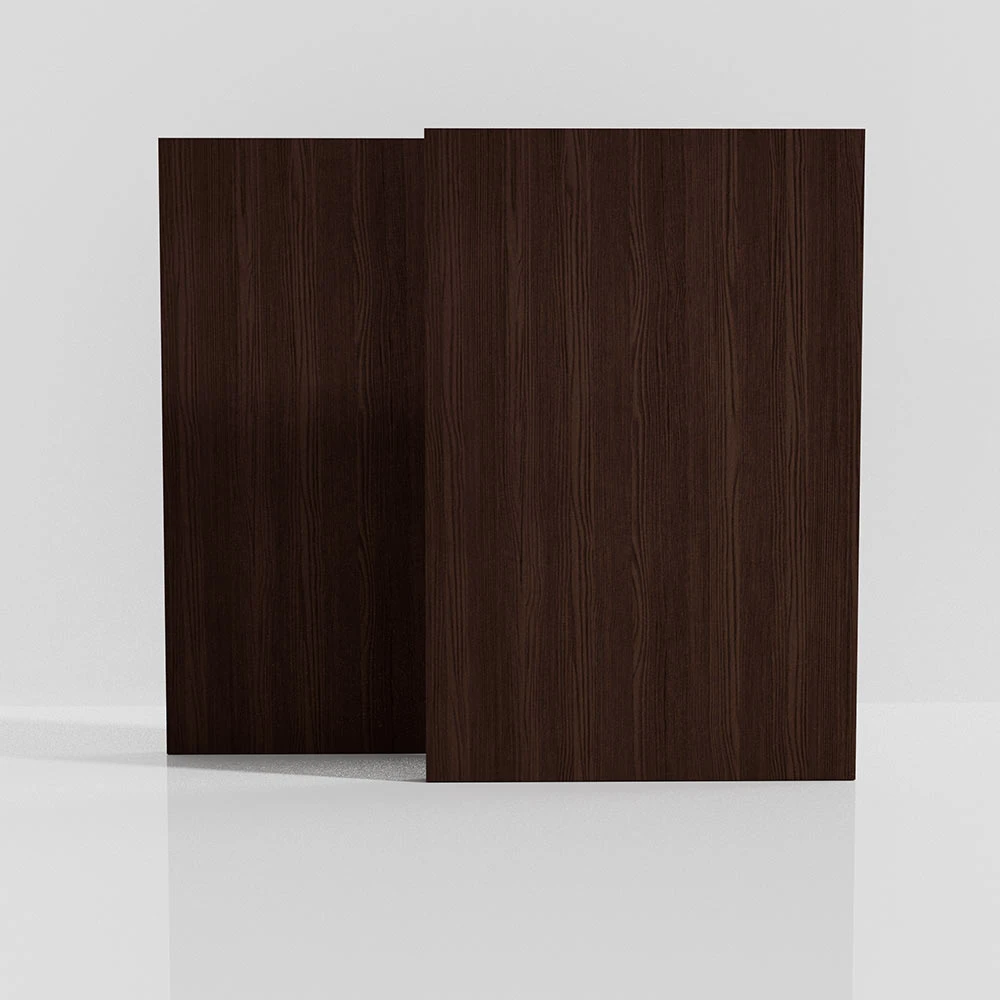
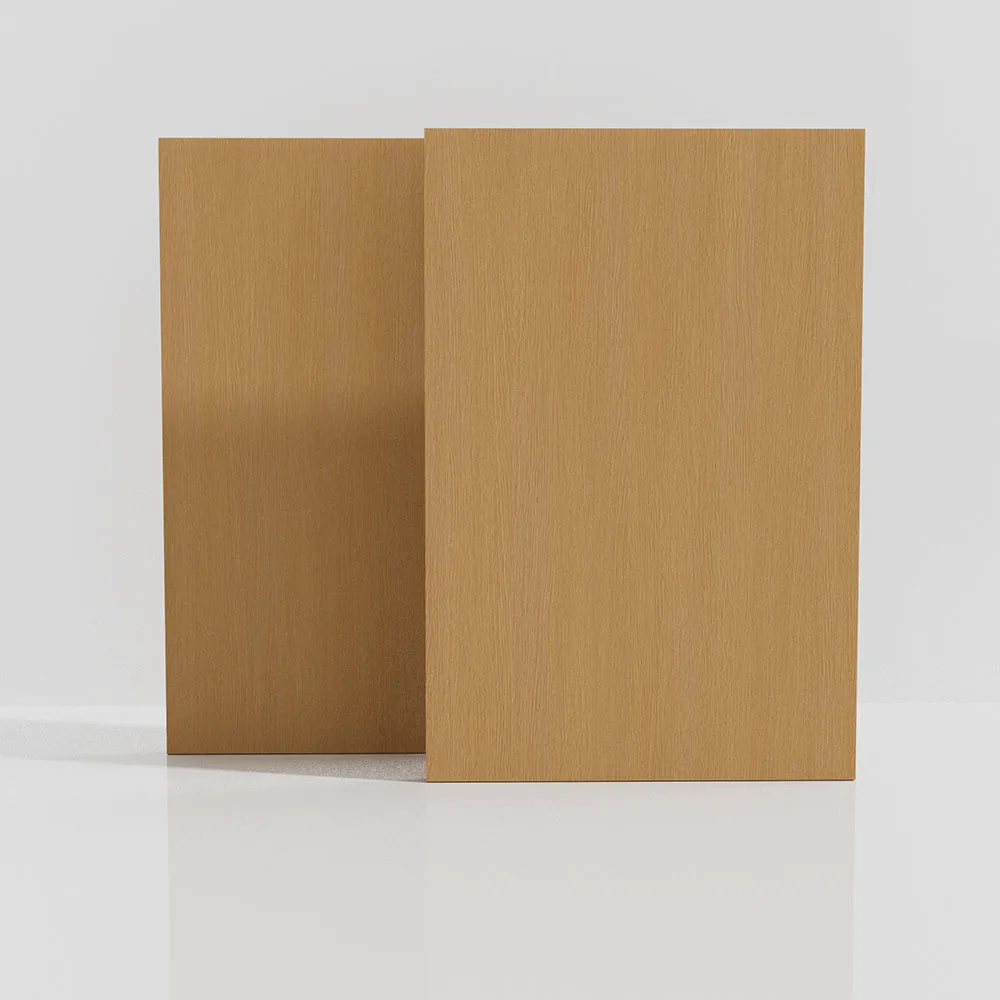
Understanding Primed MDF Board: Why It Matters in Today's Global Market
At first glance, primed MDF board might seem like just another construction material. But take a moment to think about how crucial it is worldwide—not only in manufacturing or furniture but also in solving some top industry challenges. From affordable housing to sustainable interiors, understanding primed MDF board’s chemistry and uses offers a peek into smarter, greener building practices globally. Plus, it’s one of those materials that quietly revolutionizes projects with cost-efficiency and versatility.
So, why does primed MDF board matter? Well, it bridges quality and accessibility, enabling industries from homebuilding to humanitarian relief to innovate with wood-based composites that are both durable and ready-to-paint. Getting a handle on it opens doors for designers and contractors to blend aesthetics, function, and sustainability in ways old-school wood just can’t really match.
The Global Landscape of Primed MDF Board: An Industry Perspective
In today's world, where construction demand keeps climbing—World Bank stats point to a housing deficit of almost 1.6 billion people worldwide by 2030—the need for fast, affordable, and reliable materials is staggering. Primed MDF board answers part of this call by delivering ready-to-use surface boards that speed up finishing jobs while minimizing labor costs. The ISO has even begun defining standards for medium-density fiberboard to ensure quality and environmental compliance globally. But challenges remain — waste disposal, consistent panel quality, and sourcing sustainable fibers.
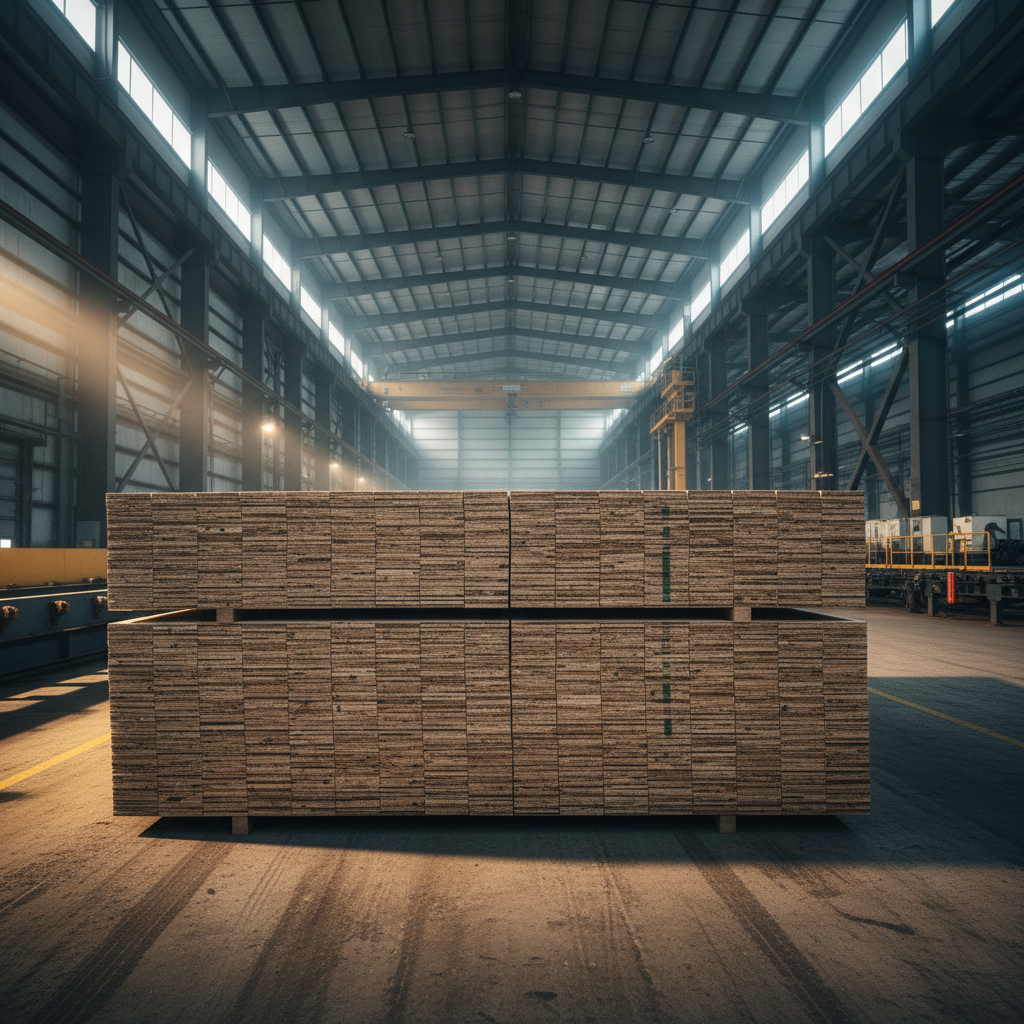
Globally, Asia-Pacific leads in MDF production, partly due to the booming furniture market. Meanwhile, Europe champions eco-certifications and low-emission manufacturing. Somewhere between these poles, the need for a primed, smooth surface that easily accepts paint and laminate coatings is universal and growing—especially with regulations pushing greener materials.
What Exactly Is Primed MDF Board?
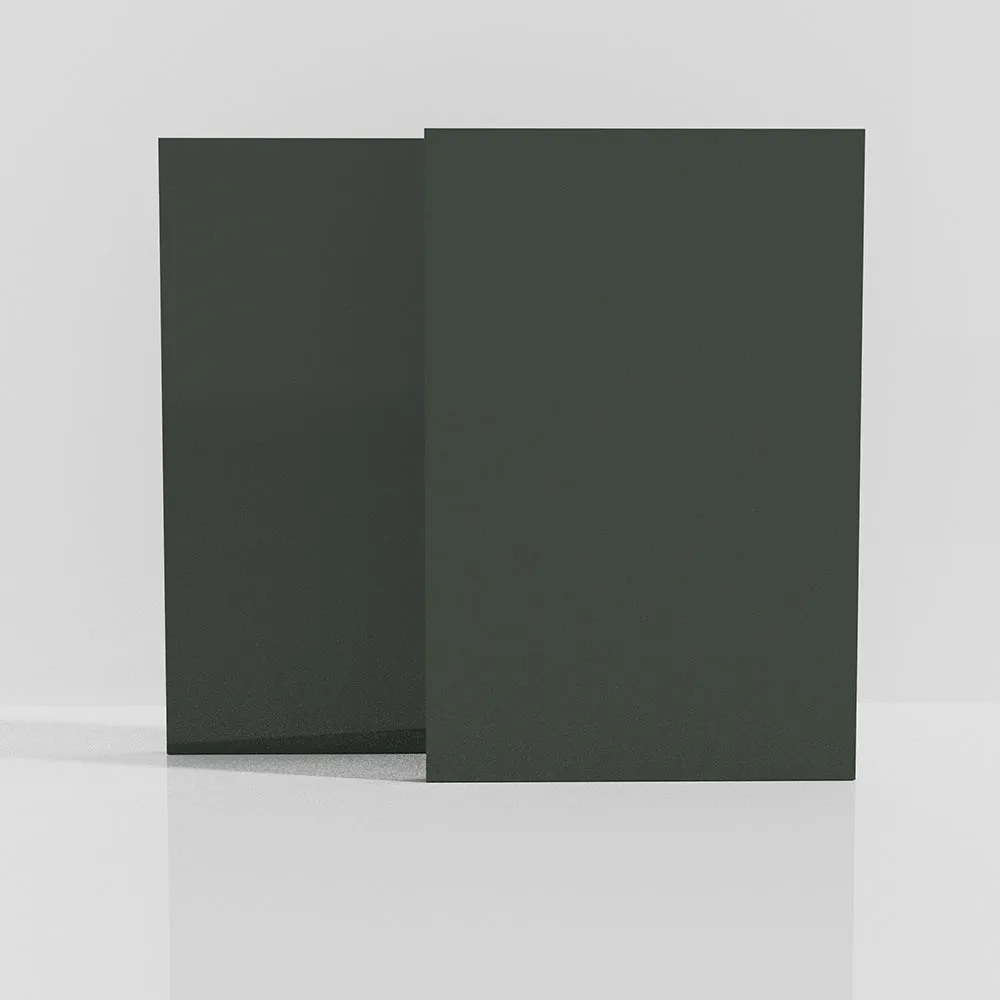
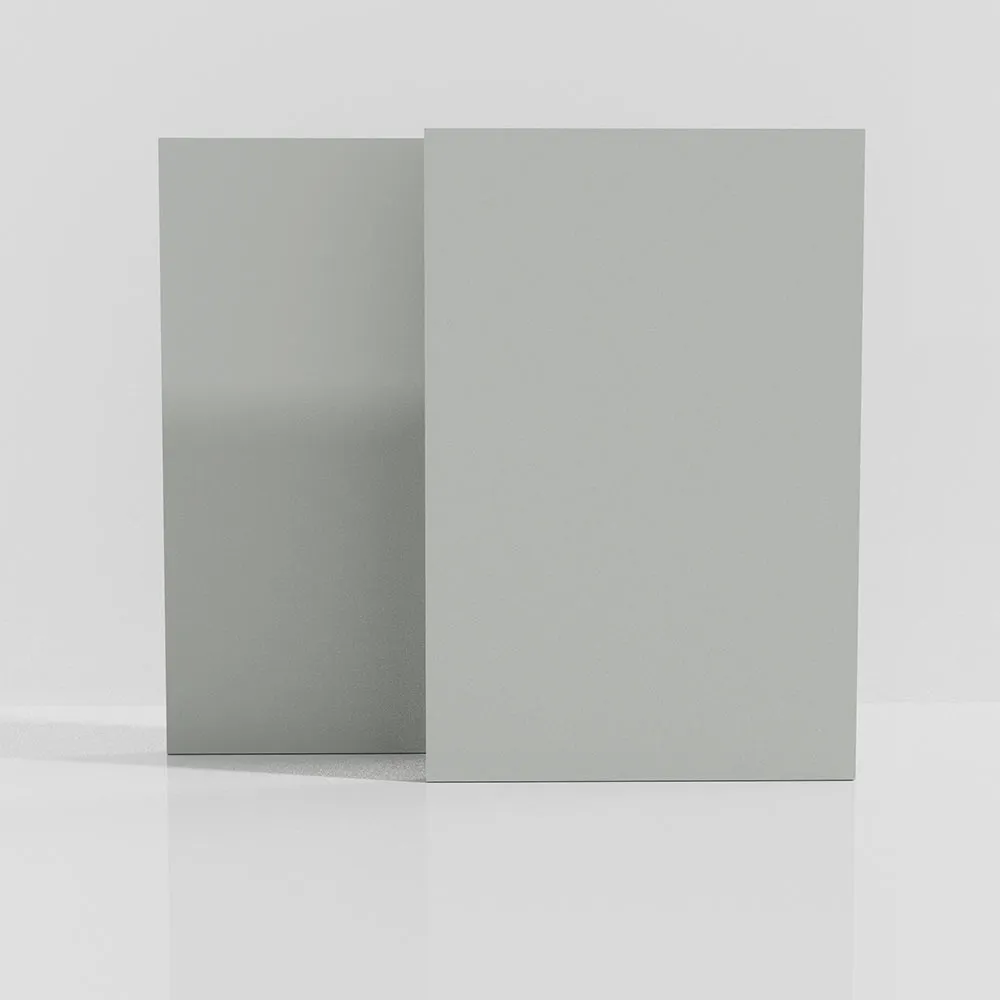
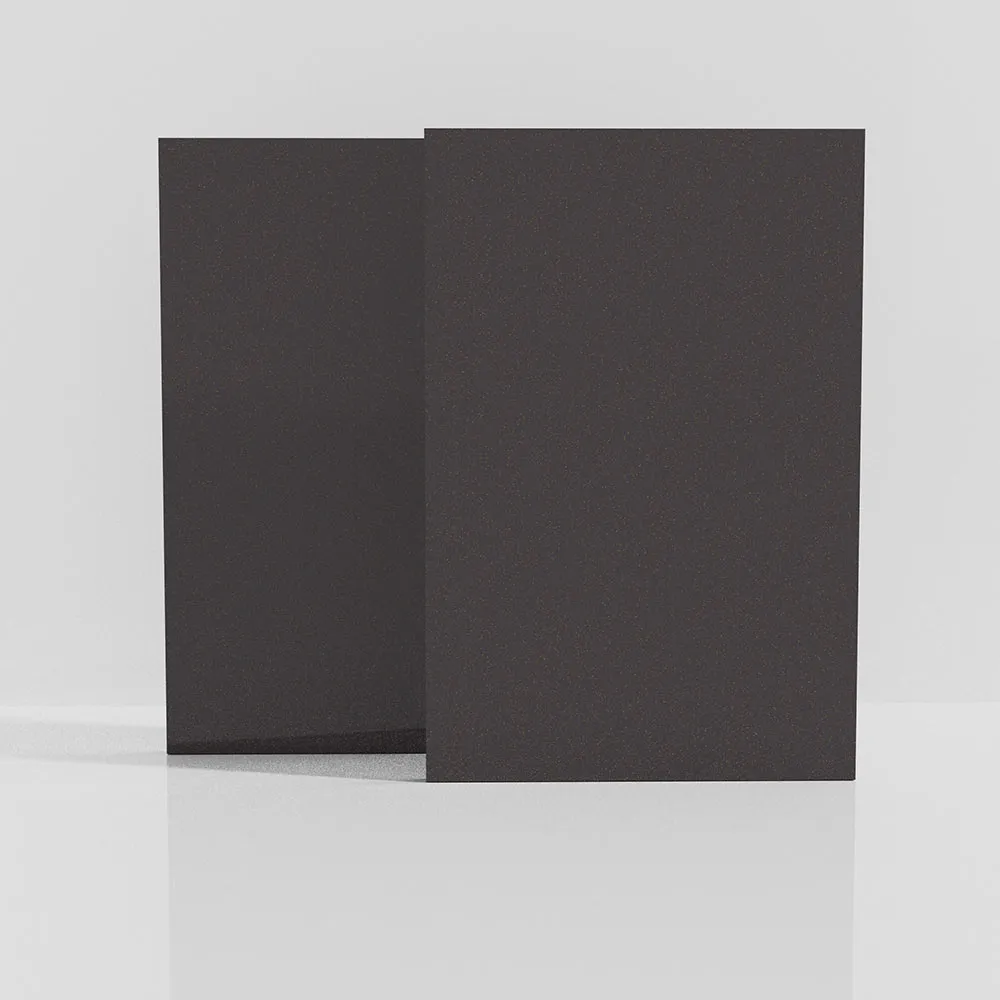
Simply put, primed MDF board is a medium-density fiberboard that comes pre-coated with a primer layer. The MDF base consists of wood fibers bonded under heat and pressure, creating a uniform, engineered wood panel. The primer applied before it hits the market seals the surface, offering a smooth, paint-ready finish straight off the shelf. This reduces preparatory sanding, paint absorption inconsistencies, and protection issues like moisture ingress.
This material has become a go-to for industries needing a consistent, high-quality substrate that’s ready to go for interiors, cabinetry, decorative panels, and more. Its connection to global trends is clear: we're moving toward building processes that are faster, cleaner, and less chemically intensive.
Key Characteristics of Primed MDF Board
1. Durability and Surface Smoothness
Primed MDF board is prized for its dense structure that resists warping better than natural wood, plus the primer layer protects from minor knocks and allows smooth paint adhesion. That’s why manufacturers and carpenters love it.
2. Cost Efficiency
Compared to solid wood or plywood, primed MDF offers a more budget-friendly option without sacrificing finish quality. Because it’s ready primed, labor and material costs for painters drop significantly.
3. Environmental Impact
MDF boards typically use wood waste and recycled fibers, reducing virgin timber demand. When primed with low-VOC (volatile organic compound) primers, the overall footprint lessens — a key selling point in sustainable architecture.
4. Versatility
From furniture doors to wall panels and moldings, primed MDF is shaped, cut, routed, and drilled with predictable results. Its primed surface accepts various paint types, from acrylic to urethane finishes.
5. Easy Installation
Because the surface is sealed and uniform, there’s no need for time-consuming sanding or sealing on site. This accelerates project timelines in both residential and commercial builds.
Mini takeaway:
Primed MDF board marries practicality with performance, making it a staple in modern interiors and efficient constructions.
Product Specification Table: Popular Primed MDF Board Models
| Specification |
Standard MDF |
Primed MDF |
Fire-Resistant Primed MDF |
| Thickness |
6 - 25 mm |
9 - 18 mm |
12 mm |
| Density (kg/m³) |
650 - 800 |
700 - 750 |
750 |
| Surface Finish |
Raw wood fiber |
Primed white, smooth |
Primed white, flame retardant |
| Moisture Resistance |
Low |
Moderate |
High |
| Paint Ready |
No |
Yes |
Yes |
Worldwide Uses and Benefits of Primed MDF Board
Put simply, primed MDF board is everywhere—from sleek office interiors in Tokyo to affordable furniture workshops in Eastern Europe, and even temporary housing kits in disaster zones.
- In North America and Europe: It’s popular in cabinetry and wall paneling because of quality control and green certifications.
- Asia-Pacific: Massive demand in furniture manufacturing and interior design for rapidly expanding urban centers.
- Humanitarian Efforts: NGOs use primed MDF-based modular panels for fast-build homes post-disasters — it’s lightweight, quickly painted on-site, and strong enough to handle rough climates.
- Retail and Exhibition: Signage and displays commonly use primed MDF because they need great surface finishes with quick turnaround.
For those working on building projects in developing countries or remote zones, primed MDF reduces the need for complex surface prep, saving precious time and money.
Mini takeaway:
Primed MDF board is a global workhorse with a myriad of industrial and practical applications in a variety of markets.
The Long-Term Value of Choosing Primed MDF Board
On paper, it’s easy to appreciate the upfront cost savings and easy installation. But there’s more subtle long-term value that often gets overlooked:
- Sustainability: Using recycled wood fibers and reducing paint wastage means less environmental strain.
- Reliability: Finished surfaces tend to hold paint longer with less cracking or flaking, helping maintain quality.
- Health & Safety: Low-VOC primers help ensure indoor air quality, which is increasingly critical in commercial buildings.
- Customer Confidence: Brands and builders who use primed MDF are signaling quality and professionalism, which builds trust.
It’s not just a material; it’s part of a sustainable and efficient construction ecosystem.
Looking Ahead: Future Trends in Primed MDF Board
Innovation rarely sleeps. The future will likely see primed MDF boards incorporating:
- Advanced Bio-based Primers: Using natural resins to replace synthetic primers, making boards even greener.
- Smart Coatings: Primers that resist microbial growth or self-heal minor surface damage.
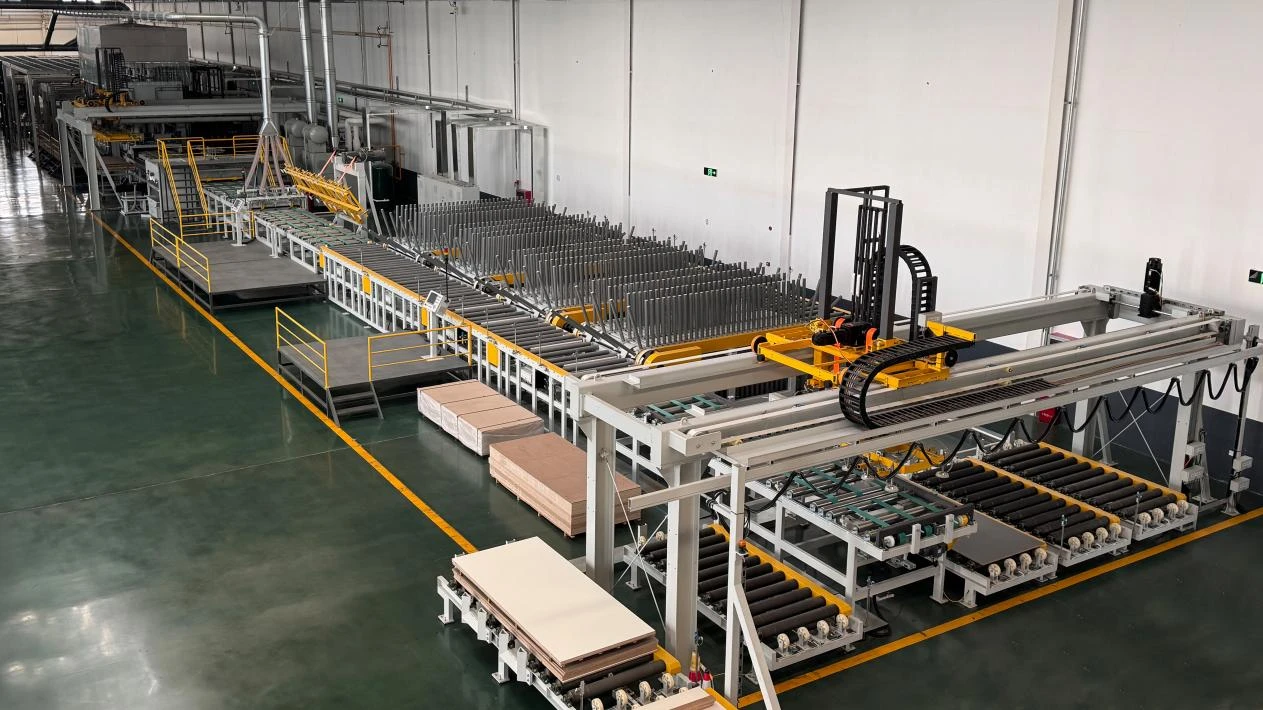
- Automation in Manufacturing: Robotics improving consistency and reducing waste during MDF and primer application.
- Integration with Smart Homes: Embedding sensors within MDF for temperature or humidity monitoring.
Oddly enough, even a material as established as MDF isn't immune to the green and digital revolutions we’re seeing everywhere.
Challenges and Solutions in Using Primed MDF Board
It’s not always perfect. Some common issues include moisture sensitivity—primed MDF can swell if exposed to water for long periods—and lack of structural strength for load-bearing uses.
But manufacturers are tackling this with:
- Water-resistant primer formulations and edge sealers.
- Hybrid composites blending MDF with resin or metal reinforcements.
- Enhanced quality checks on fiber sourcing to reduce inconsistencies.
Basically, smart R&D and careful application planning make these challenges manageable, turning problems into practical solutions.
Vendor Comparison: Leading Primed MDF Board Suppliers
| Vendor |
Product Range |
Sustainability Certifications |
Lead Time |
Price Range |
| Tengfei MDF Inc. |
Standard, Primed, Fire-Resistant |
FSC Certified, Low VOC |
2-3 weeks |
$$ |
| GlobalWood Boards |
Primed MDF, Acoustic Panels |
PEFC Certified |
3-4 weeks |
$$$ |
| EcoFiber Boards |
Primed & Natural MDF |
100% Recycled content |
1-2 weeks |
$ |
FAQ: Questions You’re Probably Asking About Primed MDF Board
1. What is the main advantage of using primed MDF board over raw MDF?
Primed MDF board eliminates the need for extensive surface preparation. It comes ready to paint with a sealed, smooth finish, reducing labor time and improving final paint adhesion.
2. Can primed MDF board be used in moisture-prone areas like kitchens or bathrooms?
Generally, MDF is susceptible to swelling when exposed to water. However, there are moisture-resistant primed MDF variants, and proper sealing along edges plus using water-resistant primers can improve performance in damp areas.
3. How long does primed MDF board typically last indoors?
With proper installation and maintenance, primed MDF can last 10–20 years or more indoors, especially if protected from excessive moisture and physical damage.
4. Is primed MDF environmentally friendly?
MDF often uses recycled wood fibers and reduces wood waste. When combined with low-VOC primers and FSC or PEFC certifications, primed MDF is considered a greener alternative to solid wood in many contexts.
5. Can I purchase primed MDF board in custom sizes or thicknesses?
Yes, many suppliers offer customization options to fit project specifications, but minimum order requirements and lead times may vary.
Wrapping It Up: Why Primed MDF Board Is a Smart Choice
Summing it up, primed MDF board is much more than a surface—it's a solution that complements fast-paced building environments with ready-to-use convenience, cost-savings, and sustainability benefits. Whether you’re designing interiors or organizing relief shelters, its reliable quality and environmental edge make it stand out.
If you want to explore the top-quality primed mdf board options available, check out our extensive catalog online. There’s a whole world of efficient building materials waiting to make your next project easier and greener.
References:
- ISO 16895-1: Wood-based panels — Medium density fibreboards
- World Bank on Global Housing Demand
- Medium-density fibreboard - Wikipedia