What’s So Important About Prelaminated MDF Board?
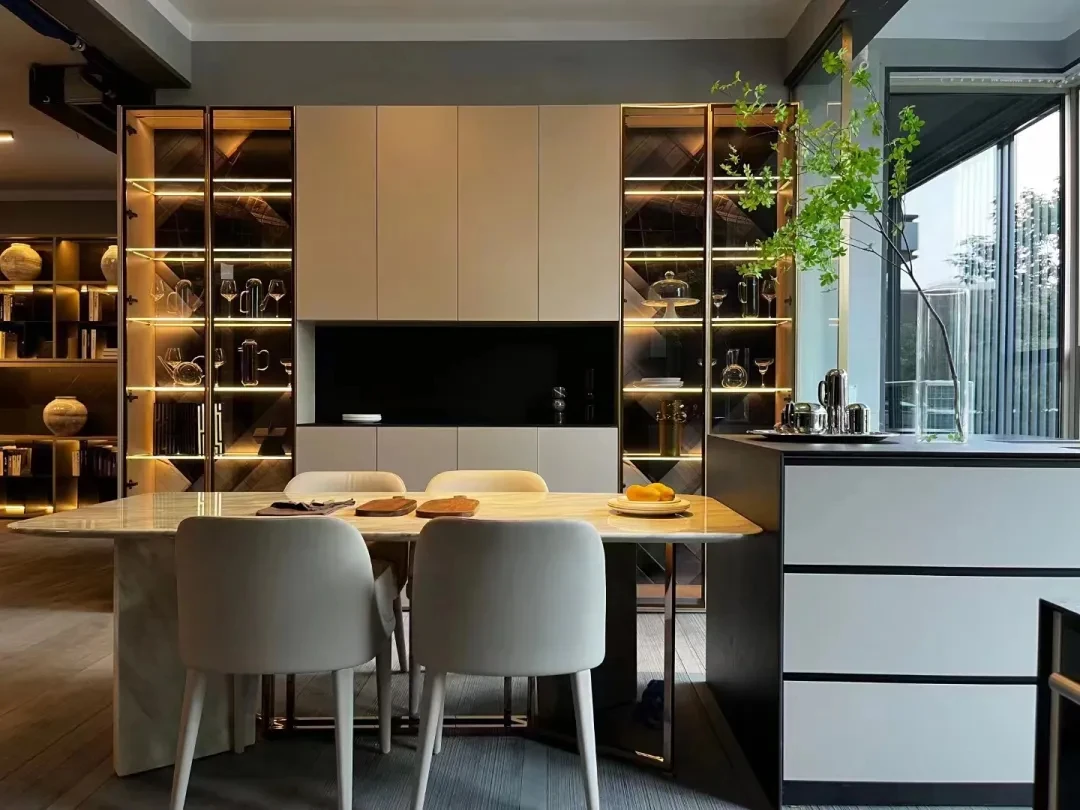
If you’ve ever noticed those sleek, glossy surfaces on furniture, cabinets, or retail store fixtures, odds are you’ve encountered prelaminated MDF board. It’s one of those materials quietly revolutionizing the way manufacturers and designers think about cost, durability, and sustainability — and frankly, it matters way beyond your local IKEA. Globally, as industries struggle to balance environmental concerns with affordable production, understanding the advantages of prelaminated MDF board can unlock not just smarter design choices but stronger economies and greener footprints, too.
Setting the Stage: Why Prelaminated MDF Board Matters Worldwide
The wood-based panel market is booming worldwide — a recent report estimated a growth rate of roughly 5% annually. Meanwhile, environmental standards tighten, and consumers demand more sustainable products. In this landscape, prelaminated MDF board stands out because it combines engineered wood’s efficiency with a ready-made finished surface, slashing waste and labor onsite.
But here’s the rub: traditional furniture or construction materials often require multiple steps and coatings, all of which add cost, pollution, and complexity. According to ISO standards on sustainable materials management, reducing processing steps correlates strongly with lower carbon footprints. That’s where prelaminated MDF board decisively wins — it’s factory-laminated and ready to go.
Mini takeaway: In a world pushing for eco-friendly efficiency, prelaminated MDF board answers the call by cutting waste, speeding production, and delivering reliable quality.
Understanding Prelaminated MDF Board: Simple Yet Sophisticated
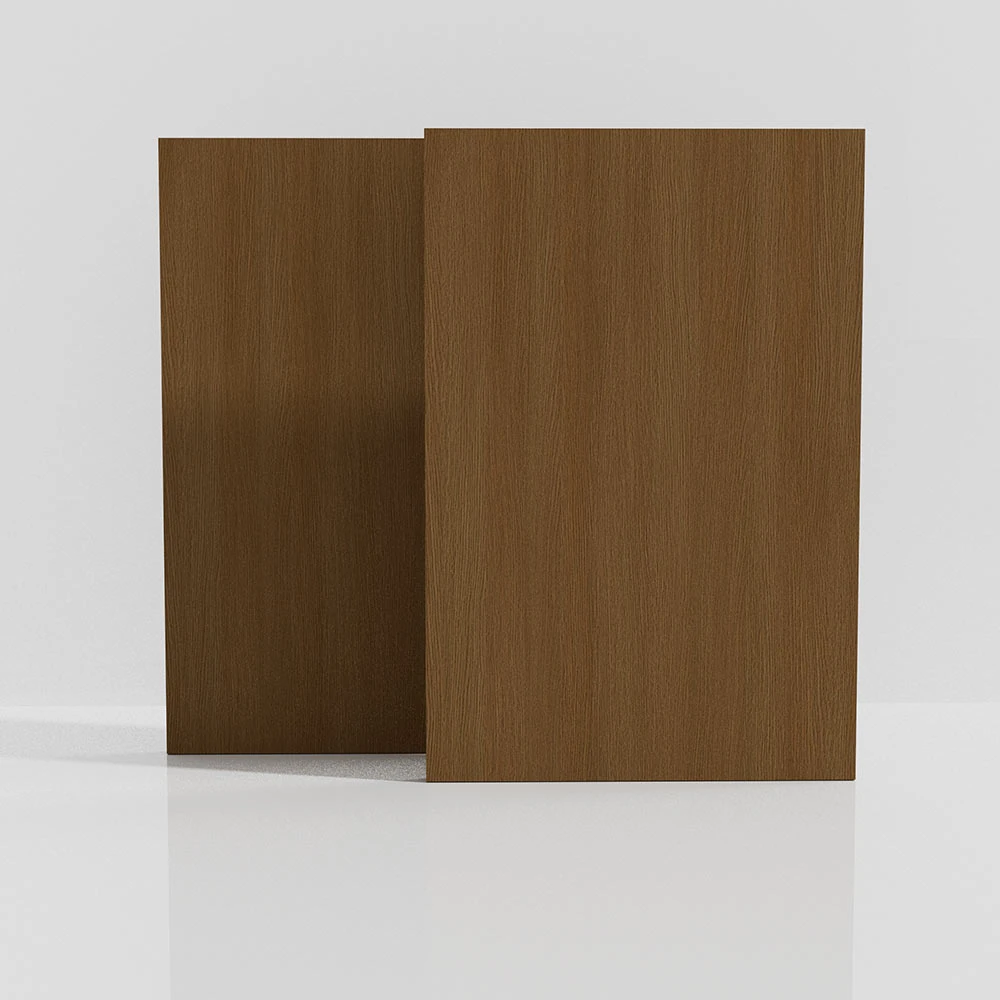
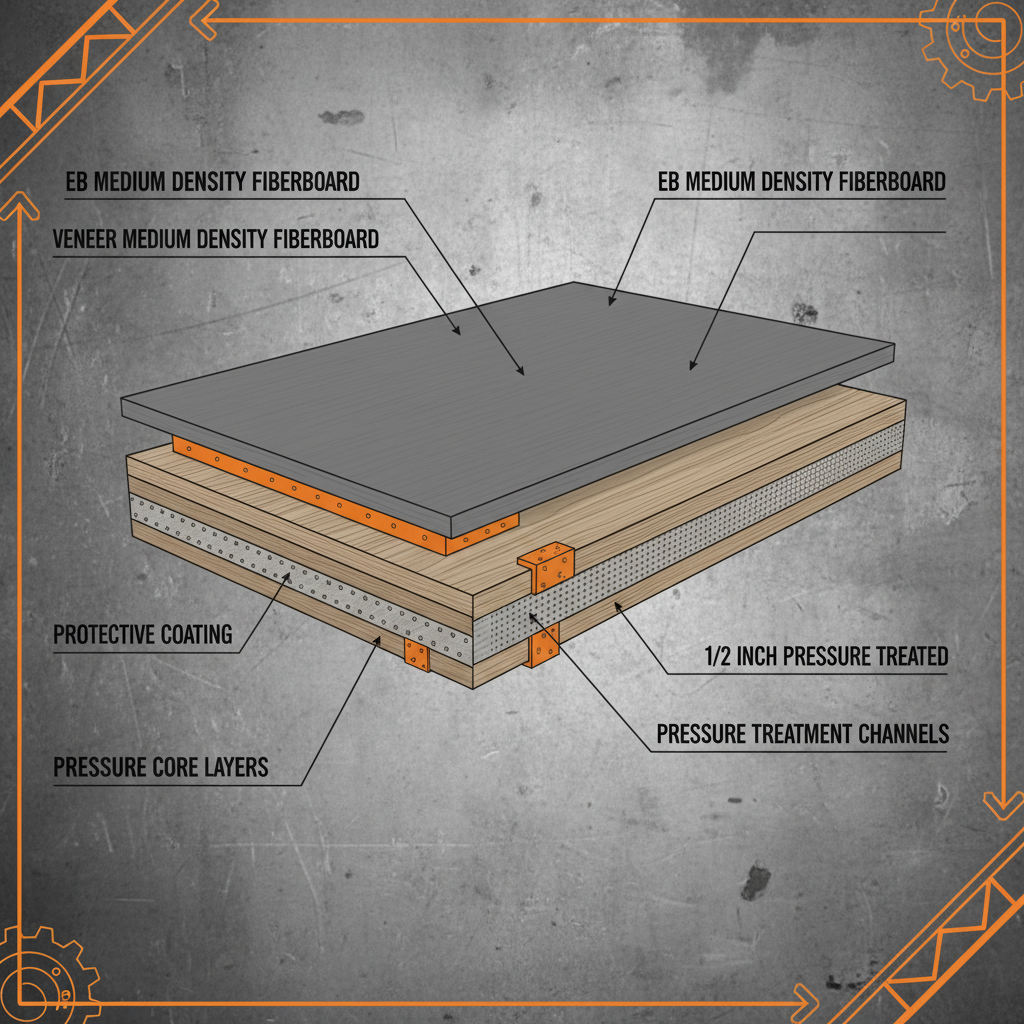
At its core, prelaminated MDF board is medium-density fiberboard that’s laminated with a decorative, protective surface film before it leaves the factory. Think of it as a multi-layered sandwich: a strong fiberboard core plus a high-quality resin-impregnated paper or foil layer bonded on top. This means the surface is finished — smooth, durable, often glossy or matte — so manufacturers don’t have to do any extra painting or sealing.
It’s used everywhere from kitchen countertops to office walls, retail displays, and even mobile homes. This versatility ties it to modern manufacturing’s hunger for quick, consistent, and attractive materials, and it aligns surprisingly well with humanitarian needs where rapid shelter or furniture deployment is a priority.
The Core Qualities Behind Prelaminated MDF Board
1. Durability and Surface Resistance
The laminated layer protects against scratches, moisture, and UV rays much better than untreated MDF. Many engineers say this resilience extends product life by years — or even decades — especially in commercial or high-traffic spaces.
2. Cost Efficiency
Because the surface comes pre-finished, manufacturers save on labor, drying times, and finishing materials. This drives down both production time and final product price. Additionally, less waste means lower disposal costs.
3. Design Flexibility
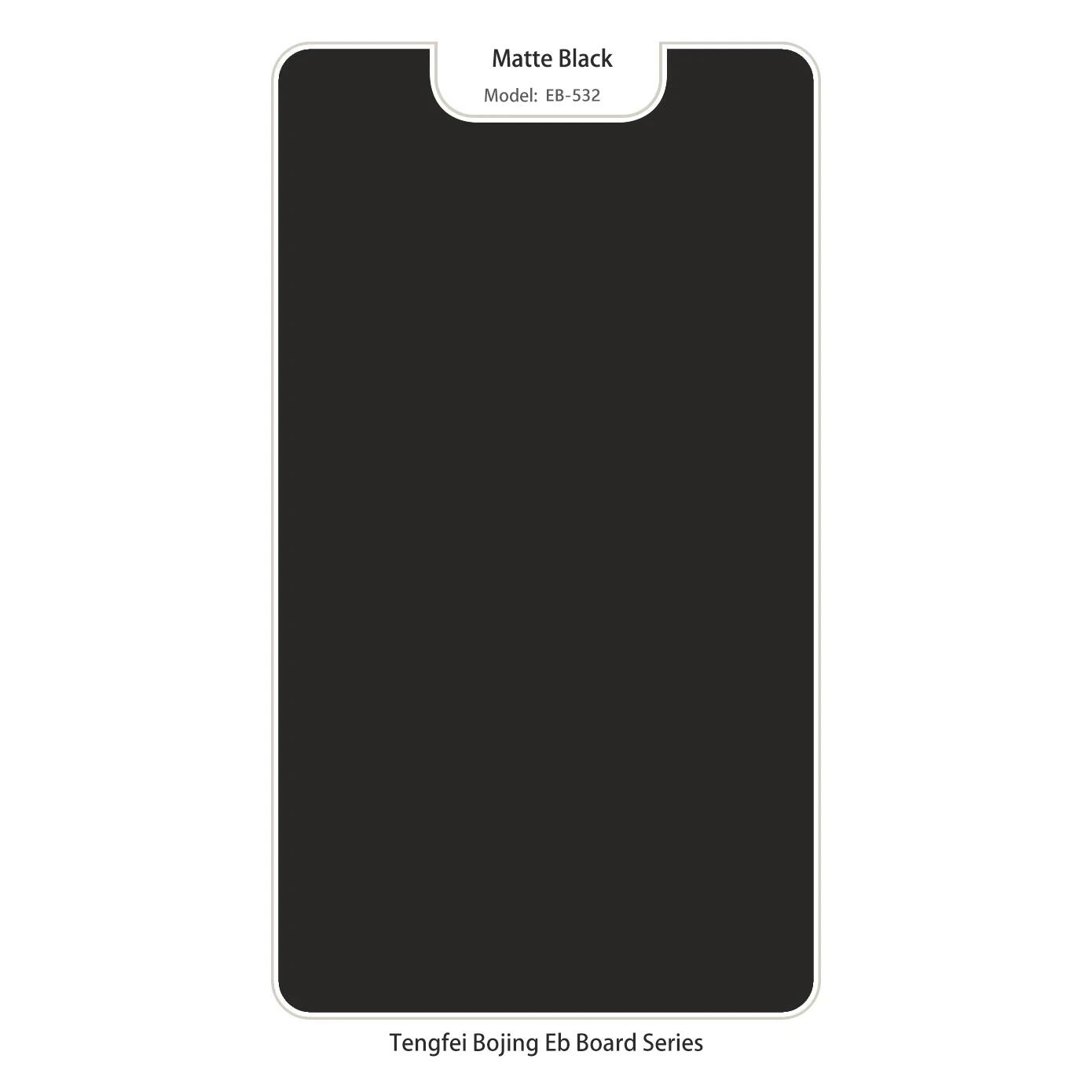
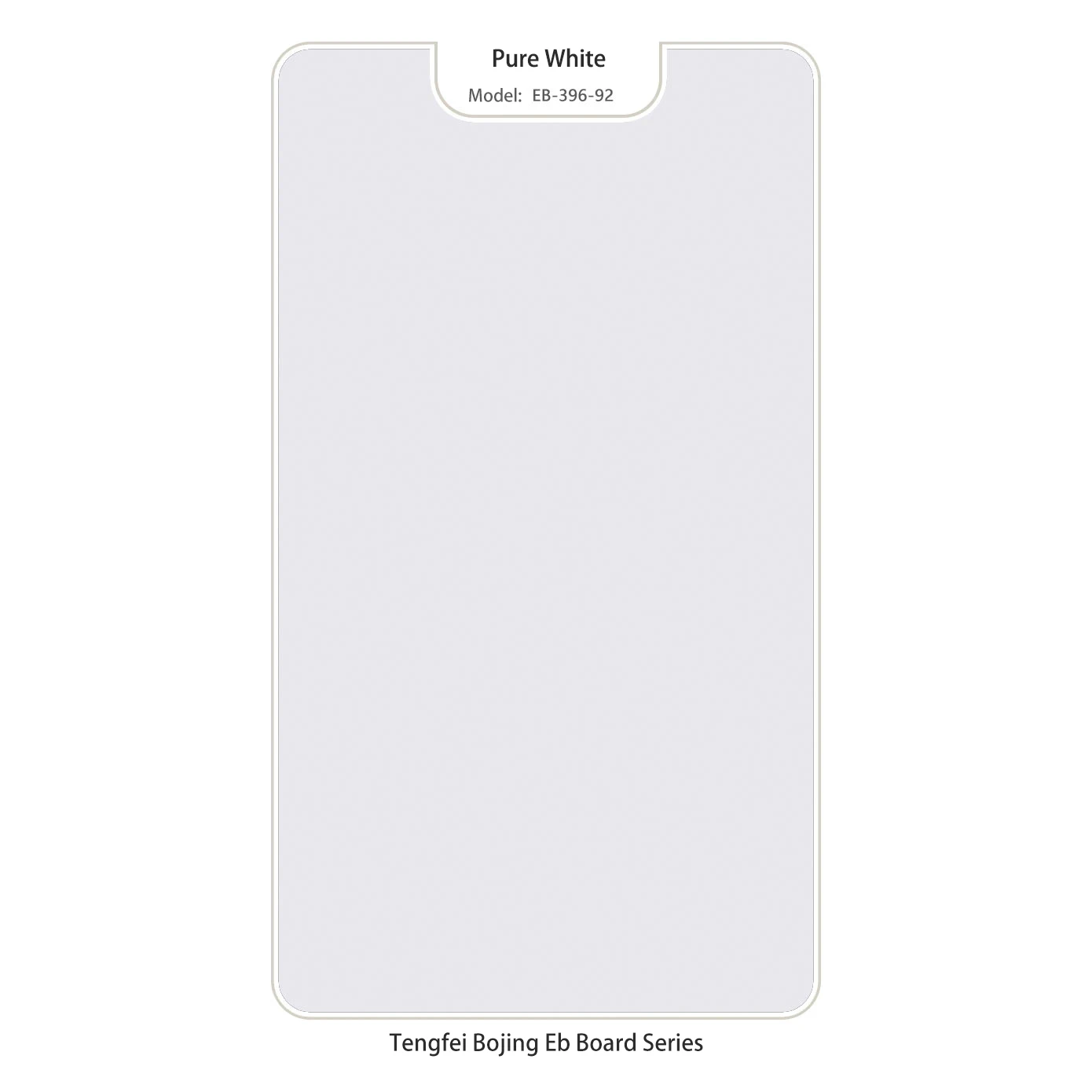
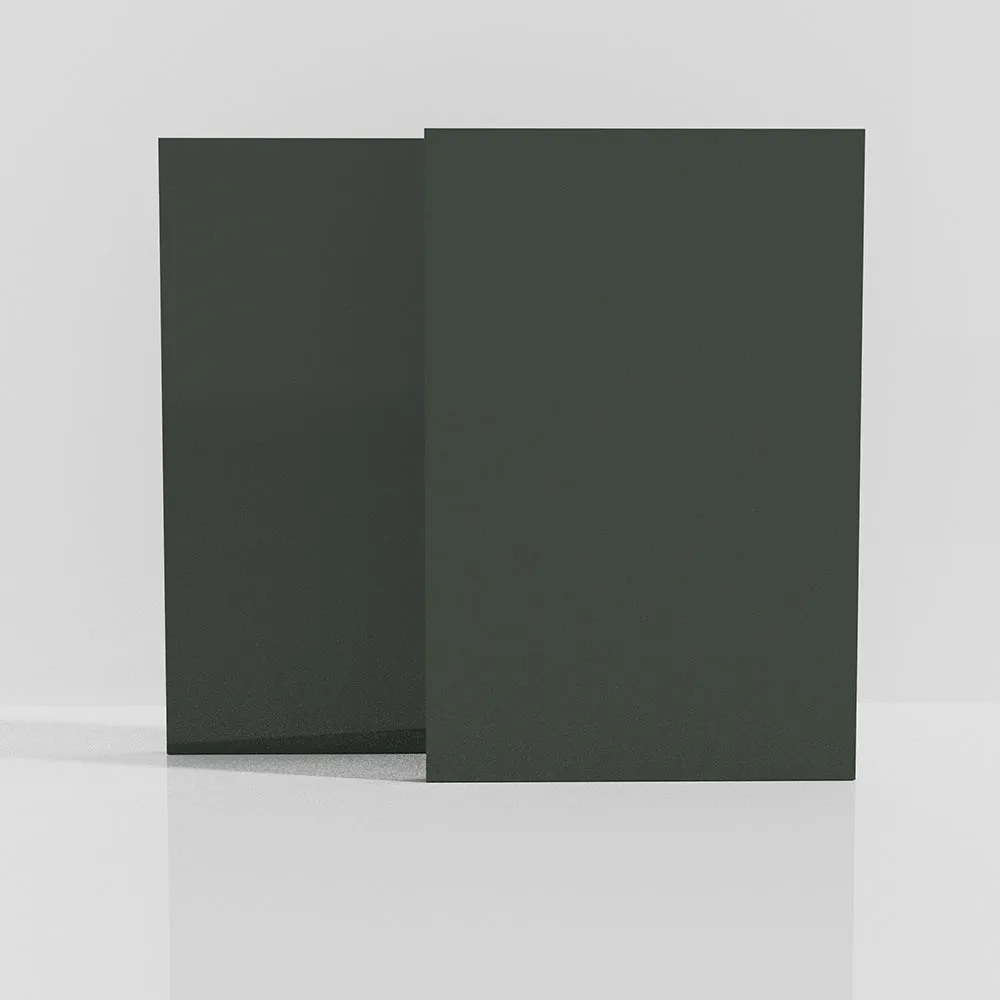
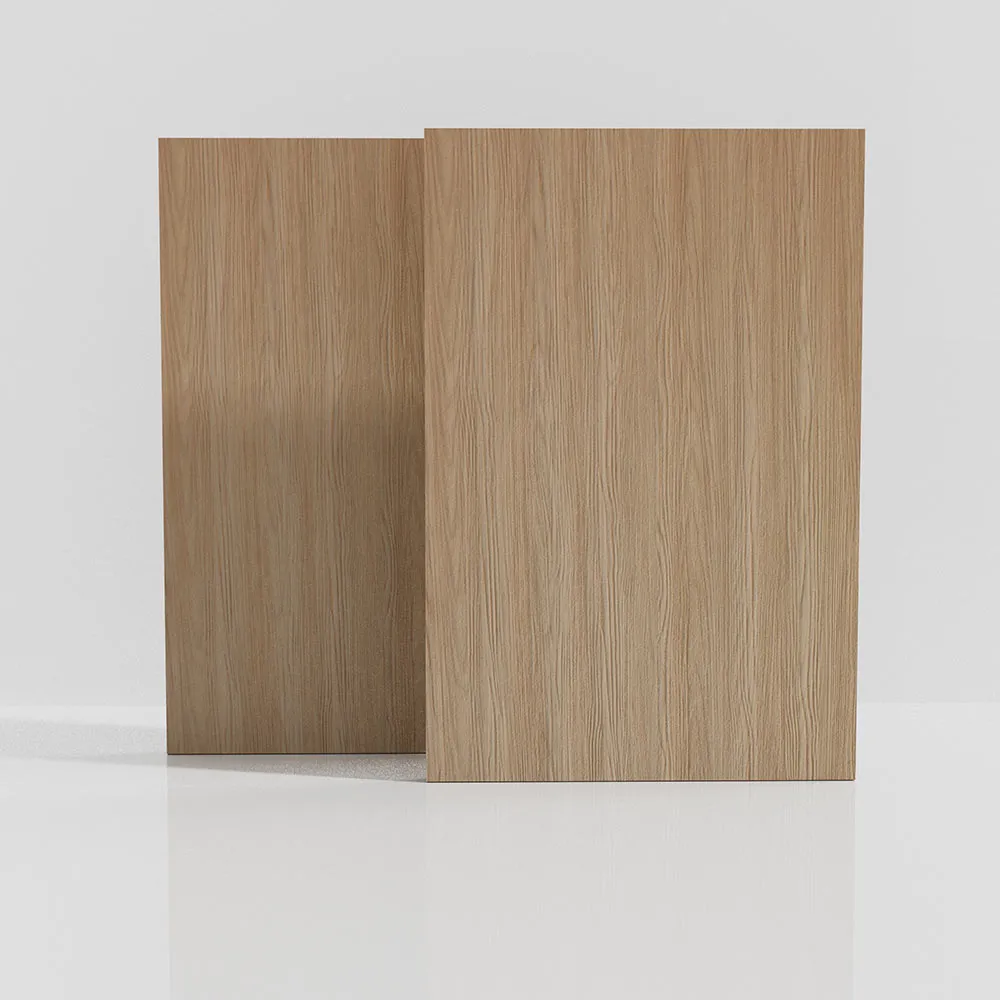
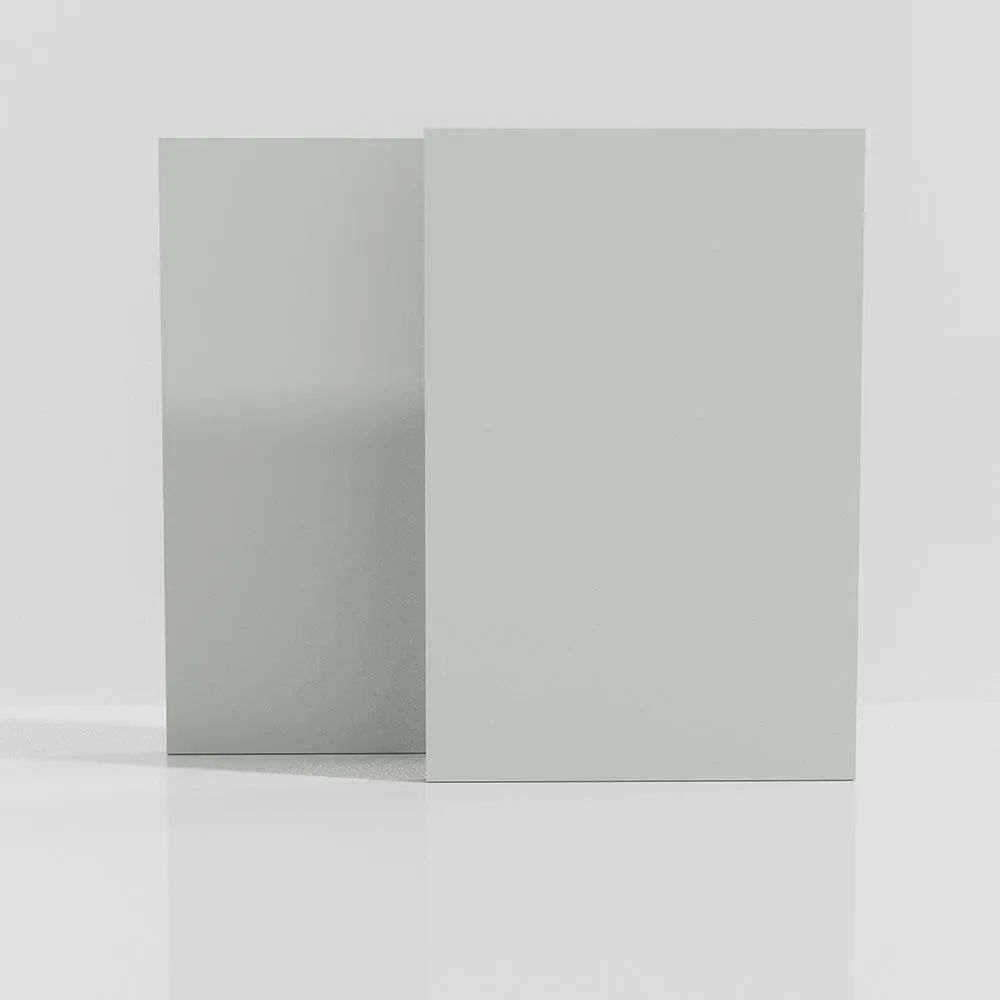
Prelaminated MDF boards come in countless textures, colors, and thicknesses. It’s almost like a big palette for architects and designers who want to mix and match aesthetics and function without sacrificing speed.
4. Environmental Impact
Using engineered wood fibers — often recycled or from sustainable sources — combined with factory-controlled lamination means less waste and more resource efficiency in line with ISO 14000 environmental standards.
5. Ease of Installation
With a ready-to-use finish, cabinets or panels built from prelaminated MDF require minimal onsite finishing—which is a huge advantage in remote or fast-moving industrial projects, where time and tools are limited.
Mini takeaway:
- Durability and design go hand in hand.
- Costs lower, waste shrinks.
- Installation gets streamlined.
In the Real World: Where Prelaminated MDF Board Shines
Look globally, and you’ll see prelaminated MDF thriving in many sectors:
- Retail and Commercial Interiors: Stores in Europe and North America rely heavily on prelaminated MDF for shelves and counters. The fast turnaround times help meet ever-changing consumer demands.
- Furniture Manufacturing: Countries like China, Brazil, and India use it in mass furniture production, balancing affordability with style — a key factor for middle-class consumers upgrading homes.
- Post-disaster Reconstruction: NGOs in Southeast Asia have experimented with modular housing panels made from prelaminated MDF — speedy assembly and decent durability make it a promising shelter material.
- Industrial Zones in Remote Areas: Some mining companies in Australia use it for onsite offices or break rooms, appreciating the durability against dust and wear.
The material’s adaptability is a huge plus, particularly when you consider the global drive toward sustainable, scalable infrastructure that doesn’t break the bank or harm the environment.
Quick Look: Product Specifications of a Typical Prelaminated MDF Board
| Specification |
Details |
| Thickness |
6mm to 25mm |
| Core Composition |
Medium density wood fibers, bonded with resin |
| Laminate Type |
Melamine impregnated paper / foil laminate |
| Surface Finish |
Glossy, Matte, Textured |
| Moisture Resistance |
Moderate to High (depending on grade) |
| Typical Weight |
600 - 800 kg/m³ |
Vendor Face-Off: Choosing the Right Prelaminated MDF Board Supplier
| Vendor |
Country |
Standard Certification |
Product Range |
Lead Time |
| Tengfei MDF Co. |
China |
ISO 9001, CARB Phase 2 |
6mm - 25mm thickness, Custom colors |
2-3 weeks |
| EverWood Supplies |
Germany |
FSC Certified, ISO 14001 |
Standard colors, Eco-laminates |
3-4 weeks |
| Pacific Panels |
USA |
CARB Phase 2, GreenGuard |
Wide design options, Custom cuts |
1-2 weeks |
Long-Term Value: Beyond the Surface
When you think about all the buzz around sustainability and cost-cutting, prelaminated MDF board offers a rare win-win. Its value isn’t just in saving a few bucks or minutes on the assembly line — it’s about delivering products and solutions that last. The protective finish means less maintenance, fewer replacements, and a lower overall ecological impact.
Plus, it contributes positively to social angles, like safer workplace environments (since less chemical paint is involved) and quicker housing build-outs in emergency aid scenarios. Trust and innovation swirl together when your materials can do more, smarter.
Looking Ahead: Innovations in Prelaminated MDF Board
Technology keeps charging forward. Some exciting trends include:
- Biodegradable & Renewable Laminates: New research is pushing melamine and other laminates toward bio-based or recyclable variants, marrying performance with circular economy ideals.
- Digital Printing on Laminates: Customized textures, logos, or even patterns on the factory lamination step allow for greater design personalization.
- Improved Moisture Resistance: Advanced coatings and resin blends that make prelaminated MDF usable in even humid or heavy-use outdoor applications.
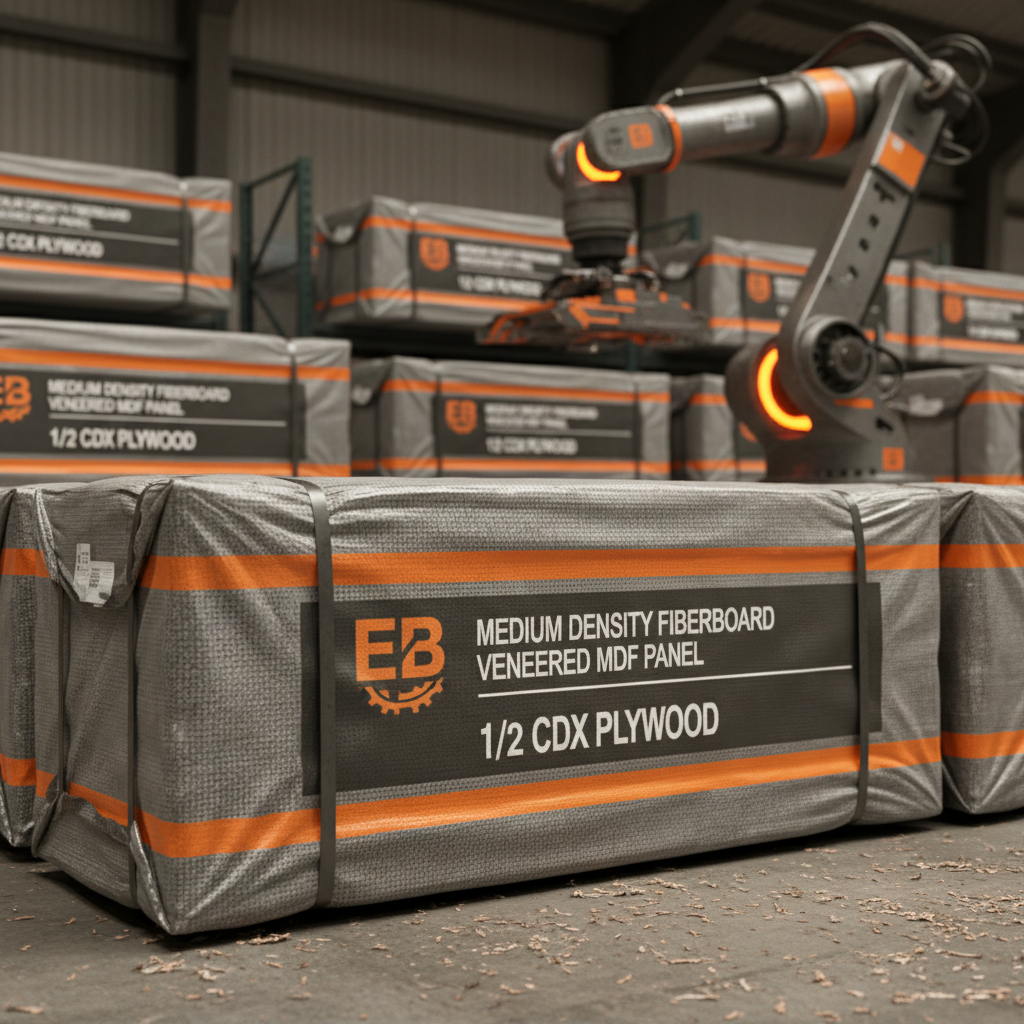
- Automation in Production: Smart assembly lines reduce waste, speed up delivery, and ensure consistent quality.
Challenges and Fresh Solutions
Despite its perks, prelaminated MDF board isn’t flawless. Moisture sensitivity, especially at edges, and the potential for surface delamination under stress remain challenges. However, many suppliers now offer edge-sealing technologies and reinforced core options that mitigate these problems substantially.
The trick lies in proper specification: engineers and buyers must match product grades wisely with intended use, sometimes layering protection or partnering with expert vendors — like Tengfei MDF Co. — to get the best fit.
FAQs About Prelaminated MDF Board
- Q: What makes prelaminated MDF board better than raw MDF?
A: Prelaminated MDF comes with a factory-applied decorative and protective layer, saving time and improving durability against moisture, scratches, and chemicals compared to raw MDF which needs finishing post-production.
- Q: How long does prelaminated MDF typically last?
A: When installed correctly and maintained, it can last 10-20 years, especially in indoor environments protected from direct water exposure.
- Q: Is prelaminated MDF environmentally friendly?
A: It depends. While MDF uses recycled wood fibers, the lamination often involves resins and plastics. However, newer eco-laminates and sustainable fiber sourcing make it increasingly greener.
- Q: Can prelaminated MDF boards be customized?
A: Absolutely. Many suppliers offer various thicknesses, colors, textures, and even custom digital prints to match design requirements.
- Q: How can international buyers import prelaminated MDF?
A: Working with certified vendors who ensure compliance with international standards (e.g., CARB, FSC) and handling logistics through freight forwarders streamlines import. Always check local import regulations and tariffs.
Wrapping Up: Why Prelaminated MDF Board Deserves Your Attention
To sum it up, prelaminated MDF board stands at the intersection of efficiency, affordability, and sustainability. It’s a practical material that fits many needs — from building stylish furniture to supporting quick-build housing solutions. Frankly, it’s one of those innovations where the little details on the surface hide a much bigger story beneath.
If you're looking to explore this versatile material further — including latest specs and sourcing options — I highly recommend a quick visit to Tengfei's site. It’s the kind of resource that inspires smarter choices and keeps you connected to current trends.
References
- ISO 14000 Environmental Management
- Fordaq Global Wood Panel Market Report, 2023
- Medium-density fibreboard (Wikipedia)