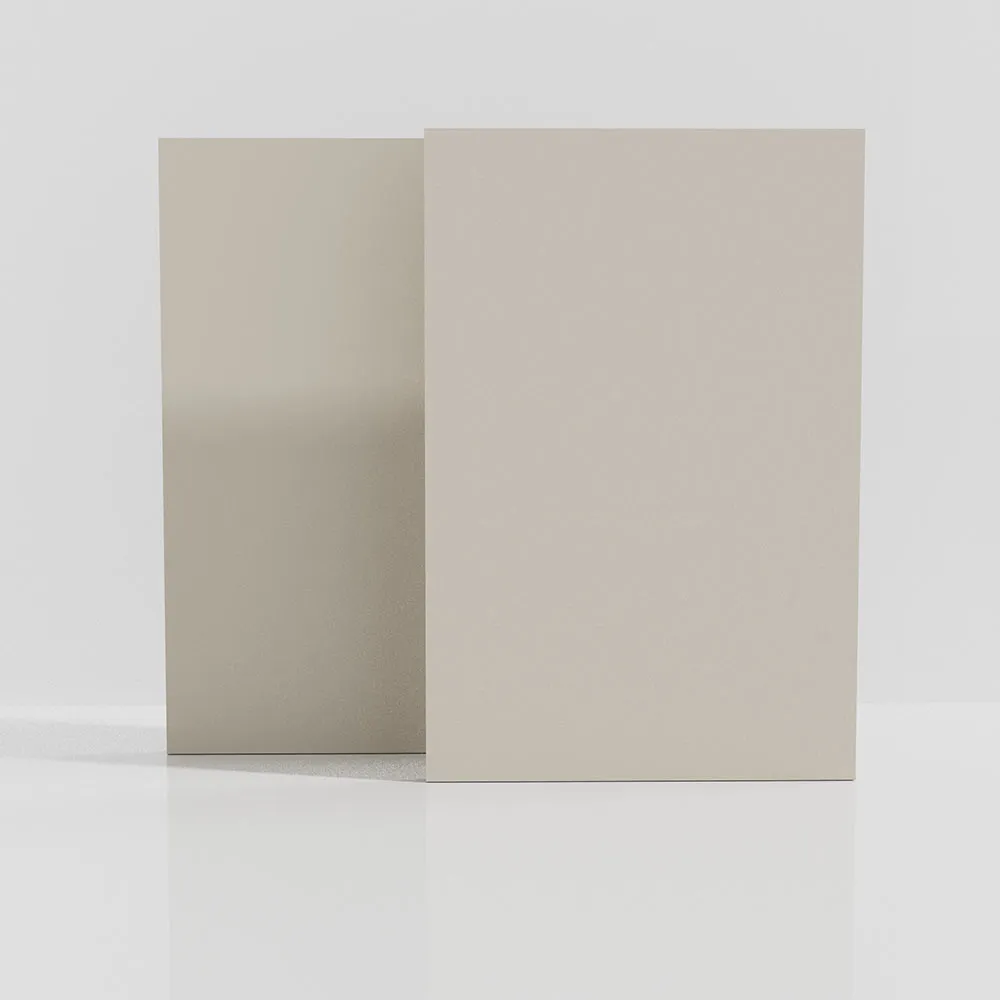
Understanding the White Melamine MDF Board: Why It Matters Globally
White melamine MDF board has quietly become a staple in industries across the globe—from furniture manufacturing to interior design, and even construction. But why? Well, its blend of durability, affordability, and aesthetic appeal makes it highly attractive in a world that demands efficiency and style without compromise. The product is everywhere, yet few really stop to consider what it is, why it’s such a game-changer, or how it fits into larger sustainability and economic discussions.
Today, as industries lean into greener choices and cost-effective solutions, understanding the white melamine MDF board becomes crucial. It’s not just a material; it’s a reflection of smart engineering and economic resilience.
Mini takeaway: White melamine MDF board represents an indispensable material combining function and form, supporting global manufacturing and sustainable design trends.
Global Context: Why White Melamine MDF Board Is Gaining Momentum
Globally, the engineered wood panel market is projected to grow at an annual rate of over 6% through 2030, according to industry reports aligned with ISO standards on material safety and sustainability. White melamine MDF boards are powering much of this — especially in regions like Europe, North America, and expanding markets in Asia. Why? Because they address two pressing problems: the need for affordable, high-quality materials for housing, furniture, and commercial interiors, and the push for more environmentally responsible production.
The United Nations’ Sustainable Development Goals (SDGs), particularly those focused on sustainable industrialization (Goal 9) and responsible consumption (Goal 12), directly align with the use of such engineered boards. Conventional wood harvesting has created strain on forests worldwide. By using engineered panels like MDF coated with melamine, industries can preserve natural resources without sacrificing quality.
Mini takeaway: White melamine MDF board aligns with global sustainability goals, offering smart, scalable material solutions amid rising resource constraints.
What Exactly Is a White Melamine MDF Board?
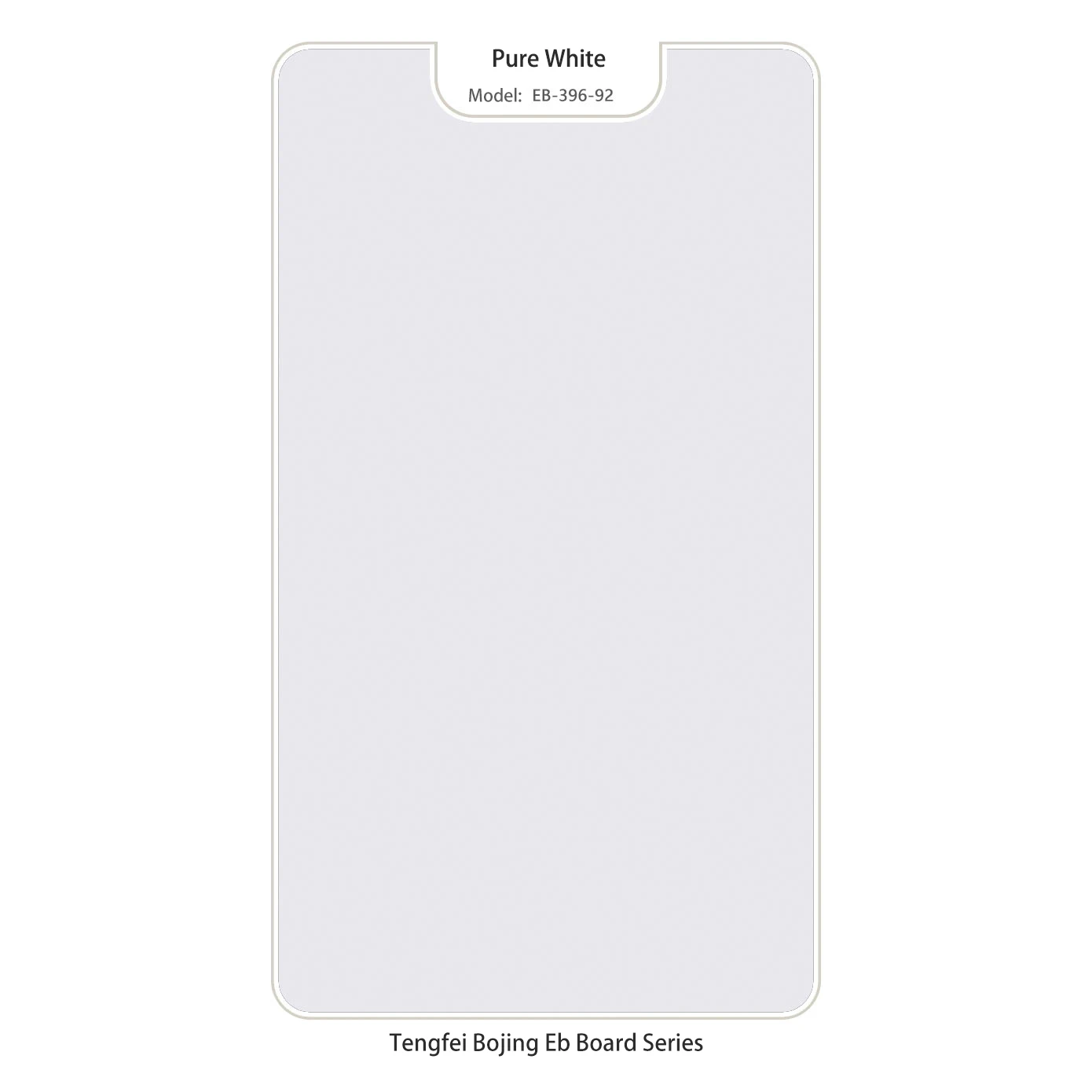
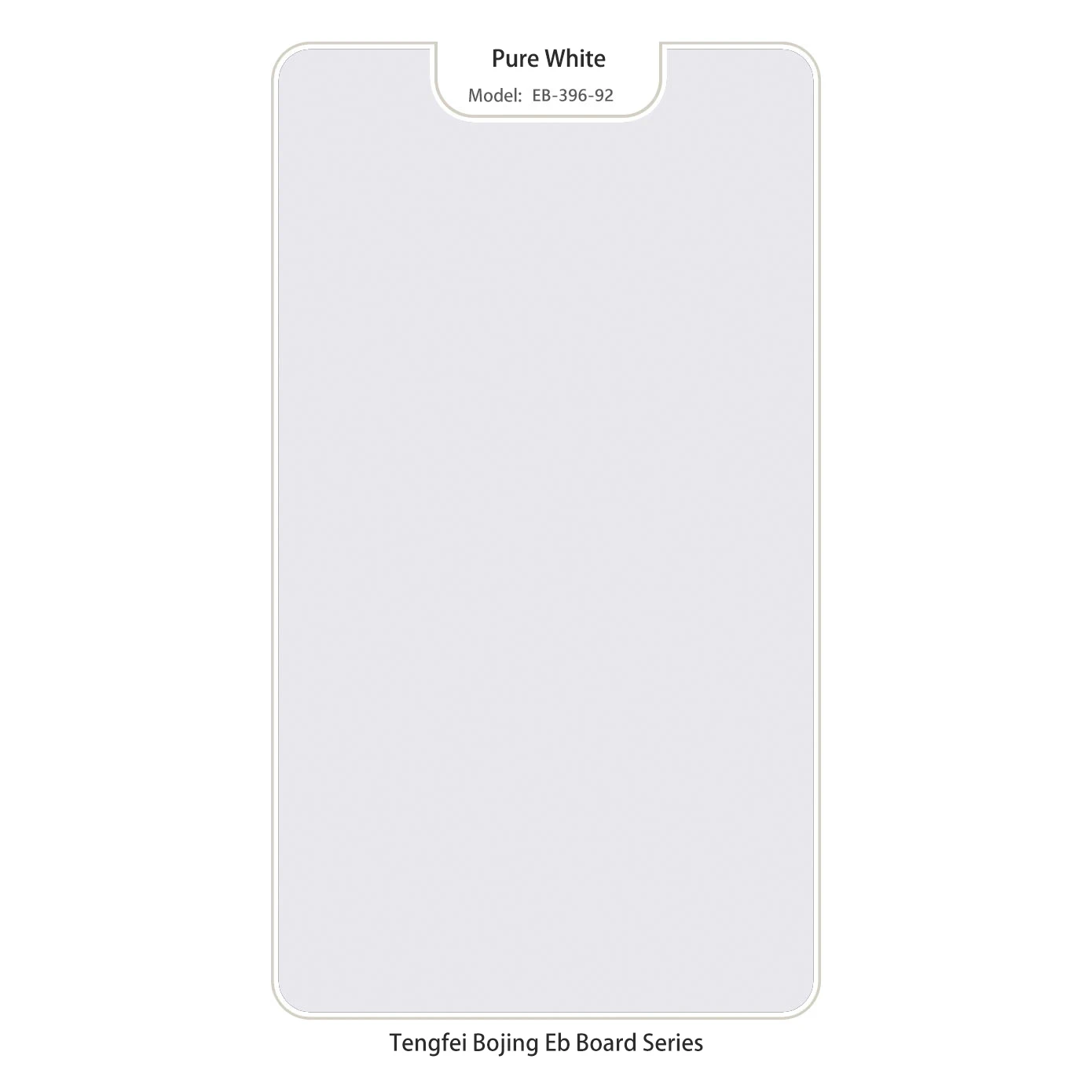
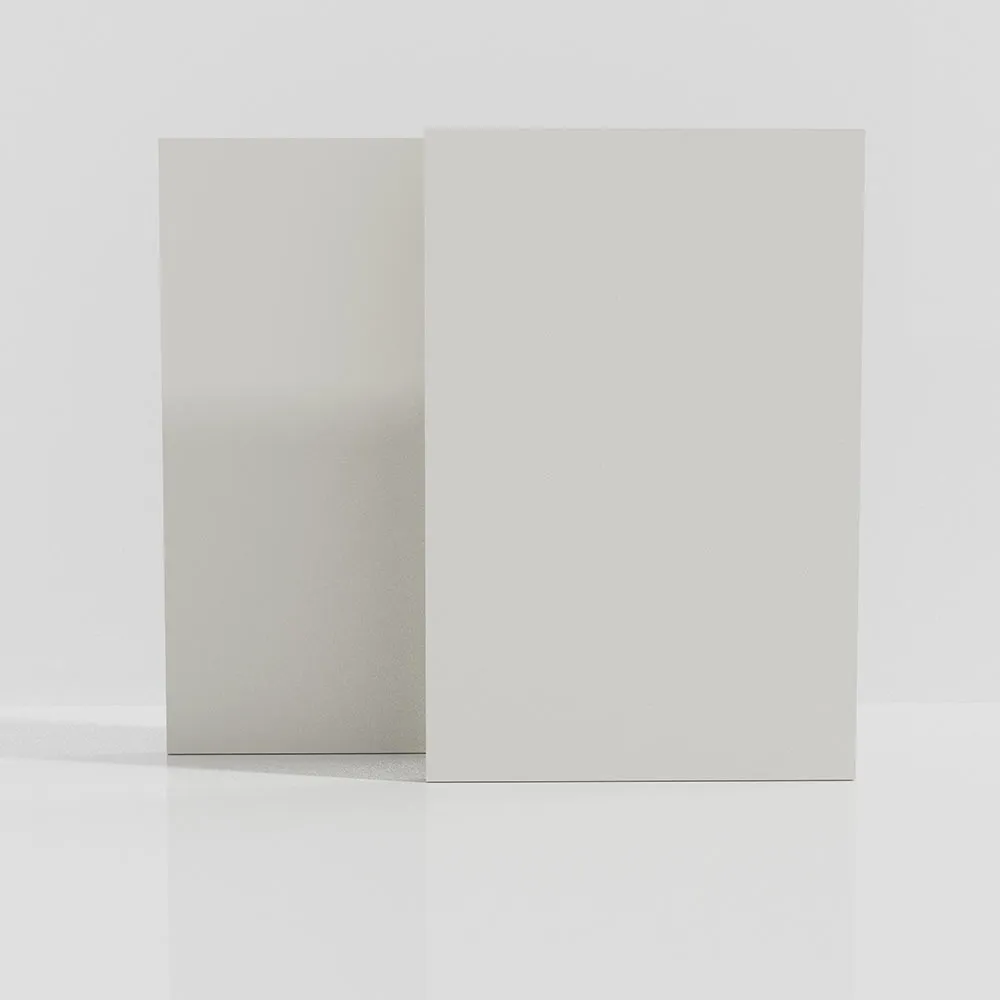
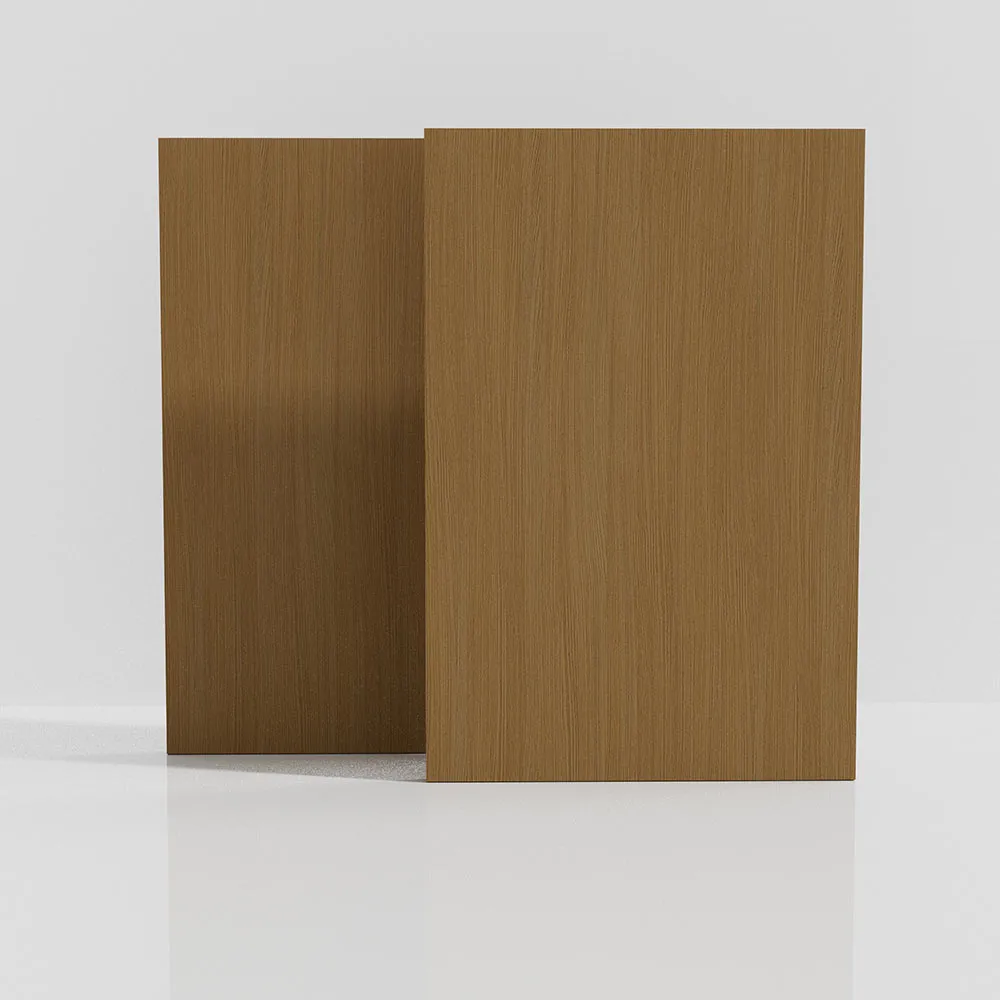
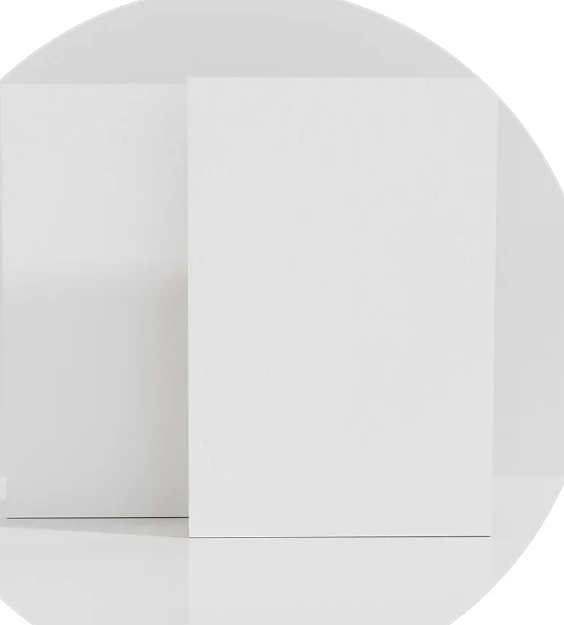
At its core, a white melamine MDF board is a medium-density fiberboard (MDF) panel that has been surfaced with a white melamine laminate. MDF itself is a composite wood product made from wood fibers combined with resin, compressed under heat and pressure. The melamine layer is a resin-infused decorative surface that is tough, moisture-resistant, and easy to clean. Think of it like a smooth, hard shell protecting and beautifying the MDF underneath.
This product expertly balances cost and performance. Instead of using solid wood—which can be expensive and susceptible to warping—the white melamine MDF board lets manufacturers and designers achieve the look of painted wood or plastic with better durability and less environmental impact.
Mini takeaway: White melamine MDF board is engineered wood paired with a durable, cleanable surface—ideal for versatile industrial and design uses.
Key Factors That Make White Melamine MDF Boards Popular
Durability
Thanks to the melamine surface, these boards resist scratches, stains, and moisture far better than untreated MDF. It means they last longer even in demanding environments—say a busy kitchen or a commercial office.
Cost Efficiency
They offer a budget-friendly alternative to solid wood or specialty laminates. For large volume projects—like modular office furniture or retail shelving—the cost savings add up quickly.
Aesthetic Flexibility
The white, smooth surface is a blank canvas. It can be glued, painted, or printed on, allowing for customization that regional markets or trends may drive.
Environmental Impact
Using engineered wood reduces reliance on virgin timber. Plus, many manufacturers now source recycled fibers for their MDF cores, tightening their sustainability loop.
Consistency
Unlike natural wood, MDF panels are consistent in texture and density—which matters a lot when precise machining or exact finishes are required.
Ease of Maintenance
The melamine surface wipes clean with a damp cloth—no need for harsh chemicals or refinishing, making it ideal for commercial settings.
Mini takeaway: The core strengths—durability, cost, eco-benefits, and aesthetics—make white melamine MDF one of the most practical choices for modern manufacturers and designers.
Specifications You Should Know
| Specification |
Typical Value |
Unit |
| Thickness Range |
3 - 25 |
mm |
| Density |
700 - 800 |
kg/m³ |
| Surface Finish |
High gloss or matte white melamine |
- |
| Moisture Resistance |
Moderate |
- |
| Resistance to Scratches |
High |
- |
Global Applications & Use Cases
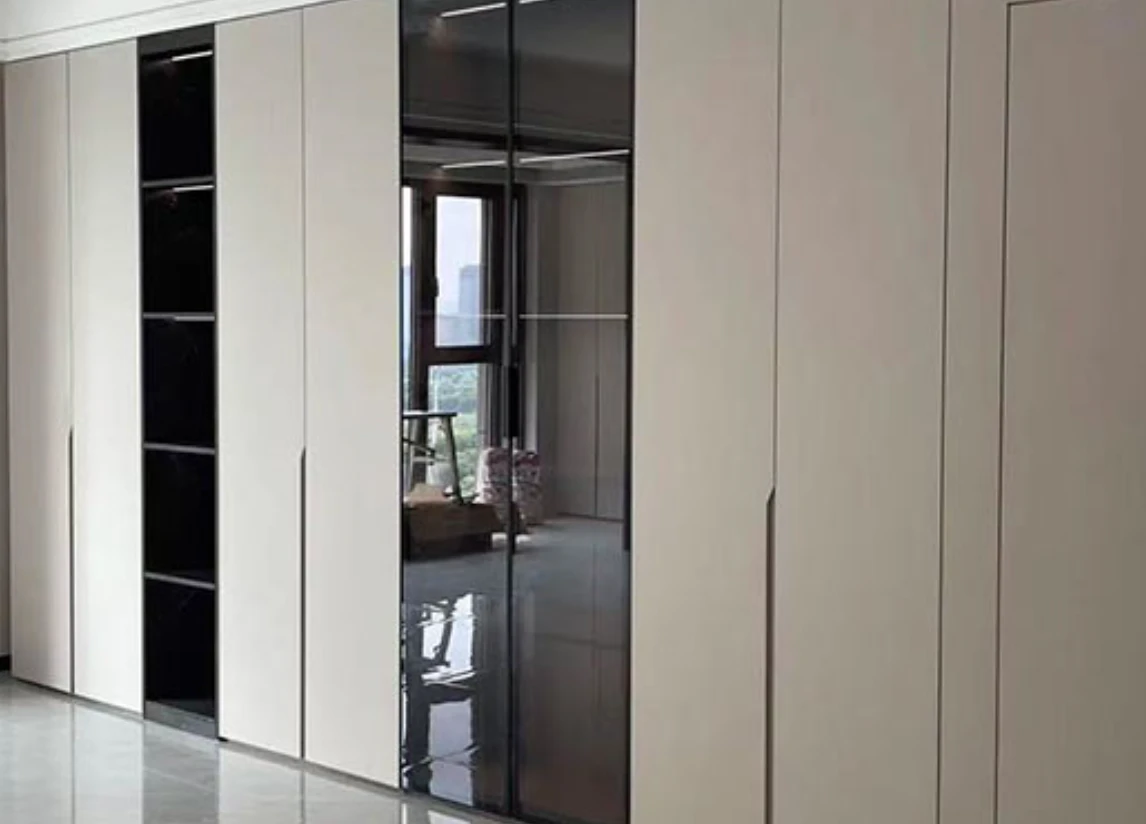
White melamine MDF board is everywhere—sometimes you don’t even notice. In Europe, it’s a favorite for contemporary kitchen cabinets and office partition walls. In North America, retail stores regularly use it for display units because it looks clean and is easy to maintain under daily foot traffic.
In Asia’s booming housing markets, it’s a go-to material for budget-conscious developers aiming to deliver stylish apartments on time and under budget. NGOs engaged in rapid shelter construction during post-disaster recovery have found these boards useful for modular furniture and partitioning shelters quickly and cost-effectively.
Oddly enough, even the automotive industry has explored such materials for lightweight interior panels that cut costs and weight without compromising finish quality.
Mini takeaway: Diverse industries from housing to humanitarian aid rely on the white melamine MDF board for adaptable, efficient solutions worldwide.
Comparing Major Vendors of White Melamine MDF Boards
| Vendor |
Thickness Range (mm) |
Price Range ($/m²) |
Environmental Certifications |
Delivery Options |
| Tengfei MDF Co. |
3 - 25 |
20 - 35 |
FSC, ISO 14001 |
Global logistics partner |
| GreenWood Panels Ltd. |
5 - 20 |
22 - 38 |
PEFC, ISO 9001 |
Regional only (EU) |
| EcoBoard Corp. |
4 - 18 |
18 - 30 |
FSC, GreenGuard |
North America + Asia |
Advantages & Long-Term Value: More Than Just a Pretty White Face
When you buy white melamine MDF boards, you’re investing in something reliably tough yet visually pleasing. It’s a material that speaks both to your design sensibilities and your budget’s practical demands. The boards deliver a feeling of solidity, trustworthiness—plus, they stand the test of time better than particle boards or low-grade plywood.
From a sustainability standpoint, these engineered boards minimize waste and encourage more transparent resource cycles. Buyers often find that maintenance costs are lower too—no repainting kitchen cabinets every few years or replacing worn-out shelving units.
Socially, these boards support industries that bring dignity and comfort to homes or workplaces, which is the kind of impact you don’t always pause to think about but deeply appreciate in real life.
Mini takeaway: White melamine MDF boards enhance both emotional satisfaction and objective value by blending practicality with aesthetic and sustainability benefits.
Innovations & Future Trends to Watch
The future looks bright (and white) for these boards. Manufacturers are researching bio-based resins for melamine laminates that could reduce reliance on petrochemical inputs. Digitally printed melamine surfaces are becoming more popular, offering limitless design possibilities without wasteful pigments or coatings.
Automation in cutting and finishing tech means that customization can now happen at scale and speed previously unimaginable. Think bespoke kitchen cabinets shipped within days, not weeks.
Finally, in line with circular economy principles, many firms are improving take-back and recycling programs for offcuts and old panels.
Challenges & Real-World Solutions
Now, it’s not all perfect. Moisture remains a concern despite advancements—keep these boards away from excessive humid conditions or water. Improper handling during transportation can cause surface abrasions. Also, the melamine surface’s white color may yellow over time when exposed to strong UV light, which can be a problem in some outdoor or high-sunlight applications.
Experts recommend sealing exposed edges with water-resistant paints or edge bandings, proper packaging, and occasional surface treatment to prolong life. New UV inhibitors are being tested to tackle discoloration.
FAQ: Your White Melamine MDF Board Questions Answered
- Q: How is white melamine MDF board different from standard MDF?
A: The key difference is the melamine coating, which provides a durable, moisture-resistant, and easy-to-clean surface, unlike standard MDF which is unfinished and more vulnerable.
- Q: Can white melamine MDF board be used in kitchens?
A: Absolutely. Its moisture resistance and easy maintenance make it a common choice for kitchen cabinets and countertops, but it must be sealed properly around edges.
- Q: Is this board environmentally friendly?
A: Compared to solid wood and particle board, it often uses recycled fibers and is produced under certifications like FSC or PEFC, reducing overall environmental impact.
- Q: How do I import white melamine MDF board for my business?
A: Many suppliers, including Tengfei, offer global logistics and assistance with compliance, documentation, and shipping.
- Q: What maintenance does it require?
A: Just routine cleaning with a damp cloth and avoiding harsh abrasives or prolonged water exposure to keep it looking new.
Wrapping Up: Why White Melamine MDF Boards Are Here to Stay
In real terms, these boards are the quiet heroes of modern manufacturing. They provide cost-effective, visually appealing, and sustainable solutions that industries from construction to retail desperately need. If you want durable, attractive surfaces without the headache of solid wood, they’re your go-to.
Interested in sourcing quality white melamine MDF boards that deliver on all fronts? Visit our website at https://www.tengfeiebmdf.com and see what the future of engineered wood looks like.
Sometimes, the simplest materials prove the most versatile—and that’s exactly the kind of story worth following.
References
- Wikipedia - Medium-density fibreboard
- United Nations Sustainable Development Goals
- ISO Standards on Wood-based Panels