What Is Wood Grain MDF Board and Why It Matters Today
If you've ever been inside a modern home or swanky office, there's a good chance wood grain MDF board was part of the décor. But beyond its appealing wood-like finish lies an affordable, versatile engineered wood product that has quietly reshaped furniture making, construction, and interior design worldwide. Understanding what wood grain MDF board is — how it’s made, used, and why it’s gaining popularity globally — offers fresh insight into sustainable manufacturing and cost-effective design.
Globally, with deforestation concerns rising and urban populations demanding stylish yet affordable materials, wood grain MDF board ticks a lot of boxes. It reduces natural wood use, offers flexibility in design, and suits a diverse range of applications from cabinetry to wall panels. Frankly, it’s a subtle but powerful player in sustainable building and consumer products, worthy of a closer look.
Global Context: Why Wood Grain MDF Board Is More Relevant Than Ever
Let’s get the big picture first — the wood industry shapes billions of dollars in trade yearly. According to the Food and Agriculture Organization (FAO), forests cover about 31% of the Earth's land area, but natural wood resources are under increasing pressure from population growth and industrial demand.
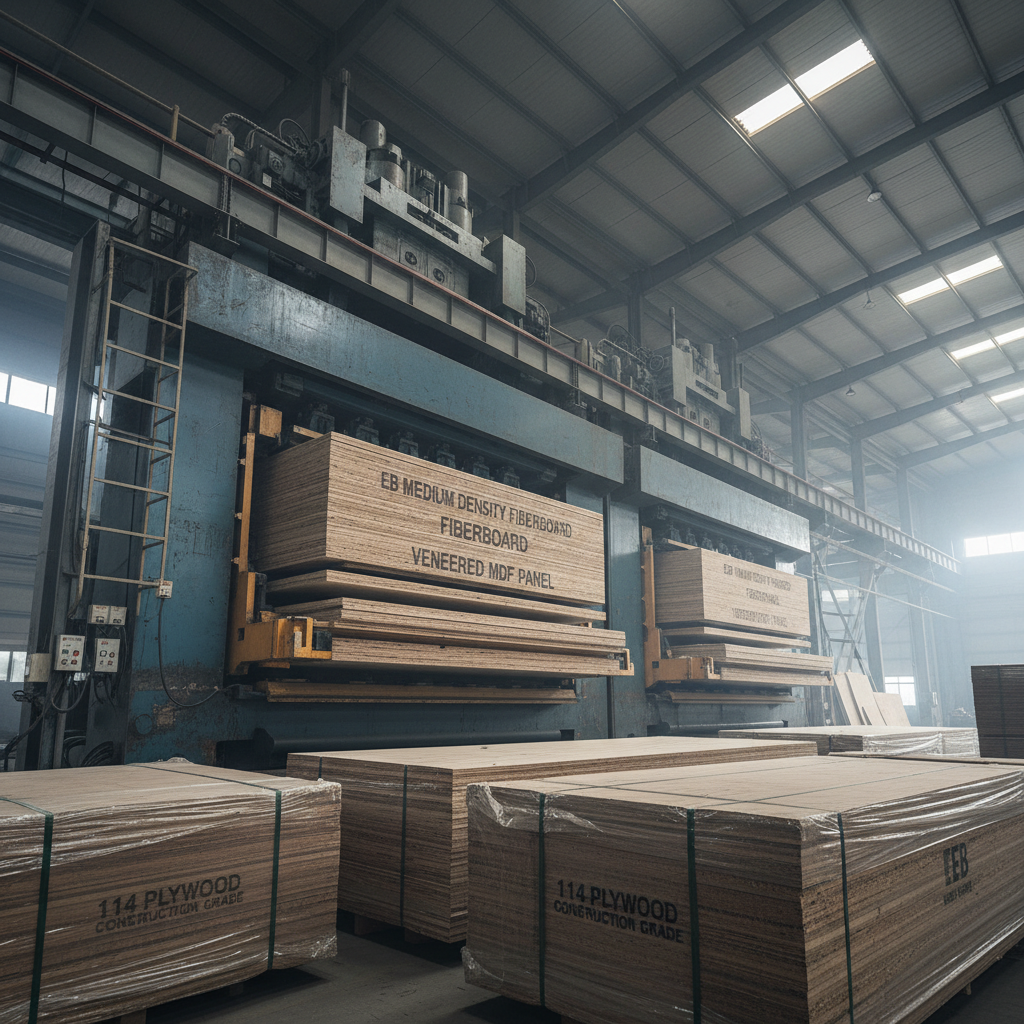
Enter engineered wood products like MDF (Medium-Density Fiberboard), which help lighten the load on raw forests. A recent ISO report makes clear that MDF production is streamlined globally, aiming at lower emissions and smarter resource use.
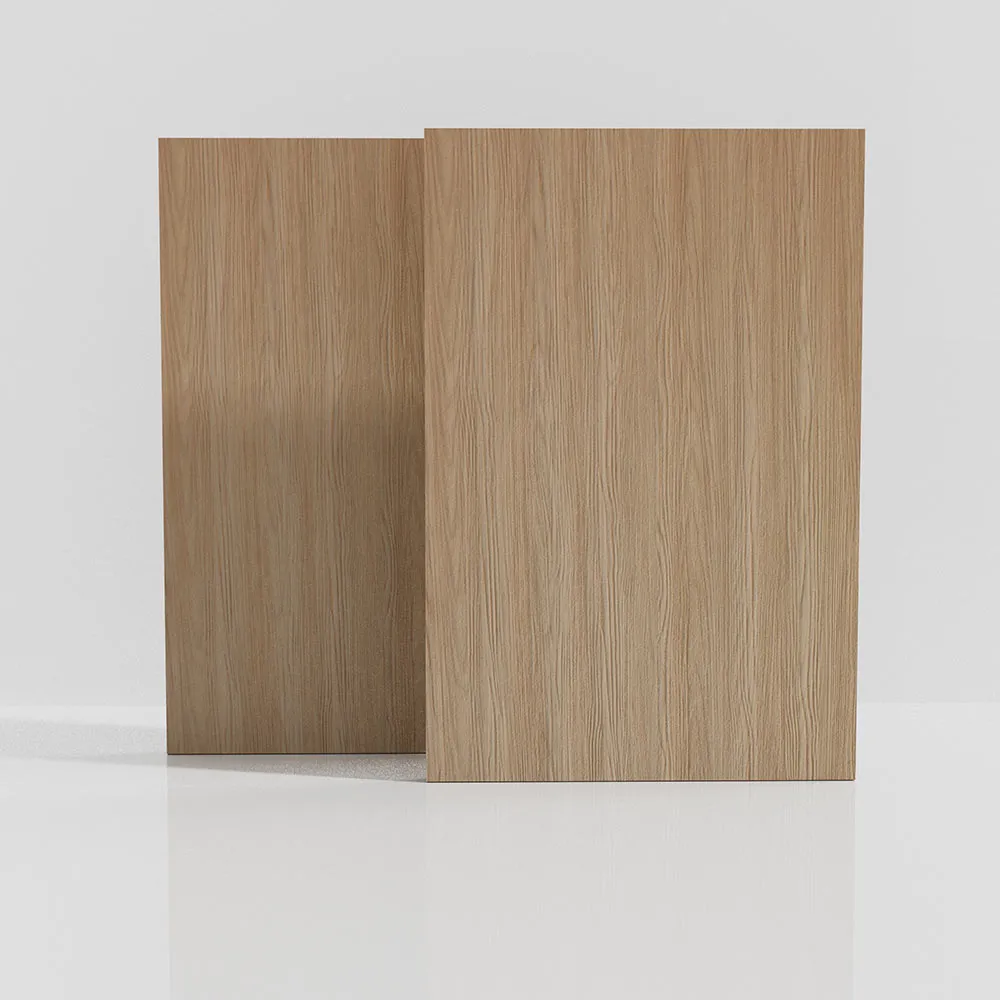
Wood grain MDF board, which has a textured surface mimicking real wood grain, actually addresses a tricky user need: looking premium without the premium price or environmental baggage. This is crucial in places like Southeast Asia, Europe, and North America where construction and renovations are booming — but regulators and consumers want greener, smarter choices.
So What Exactly Is Wood Grain MDF Board?
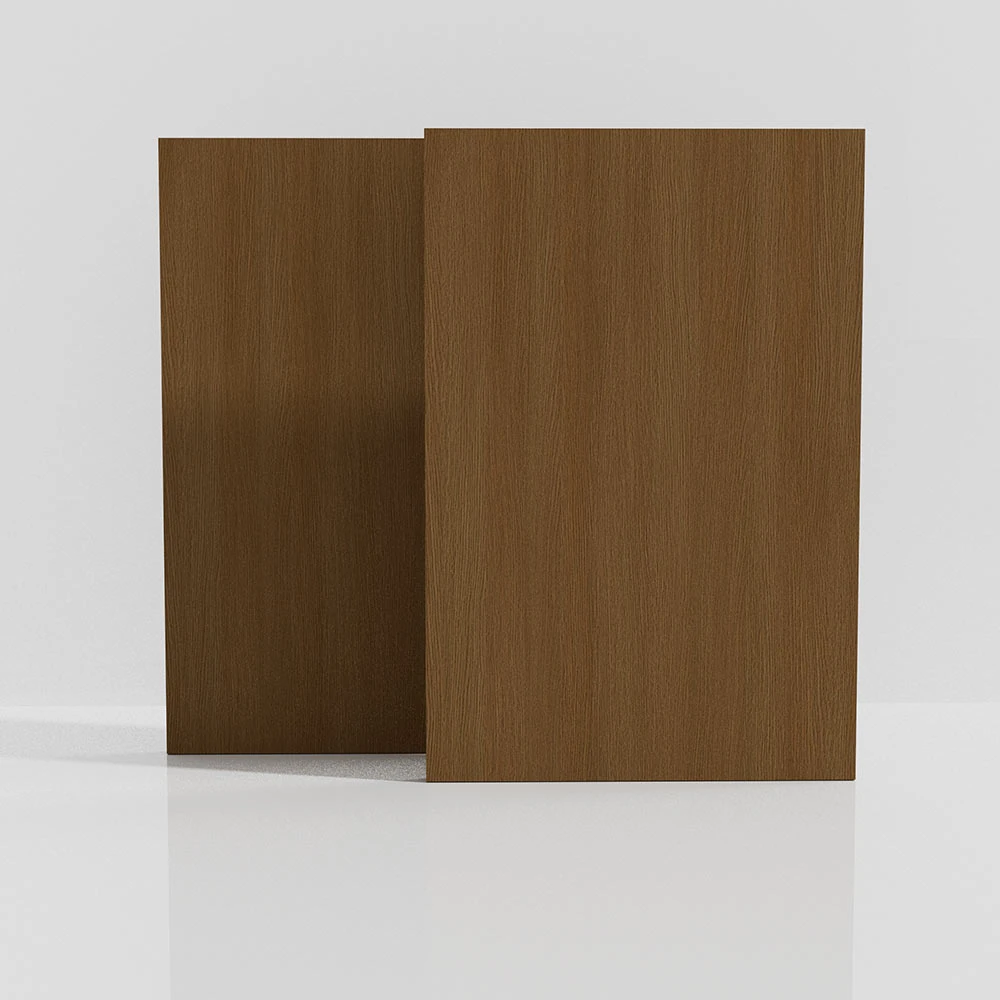
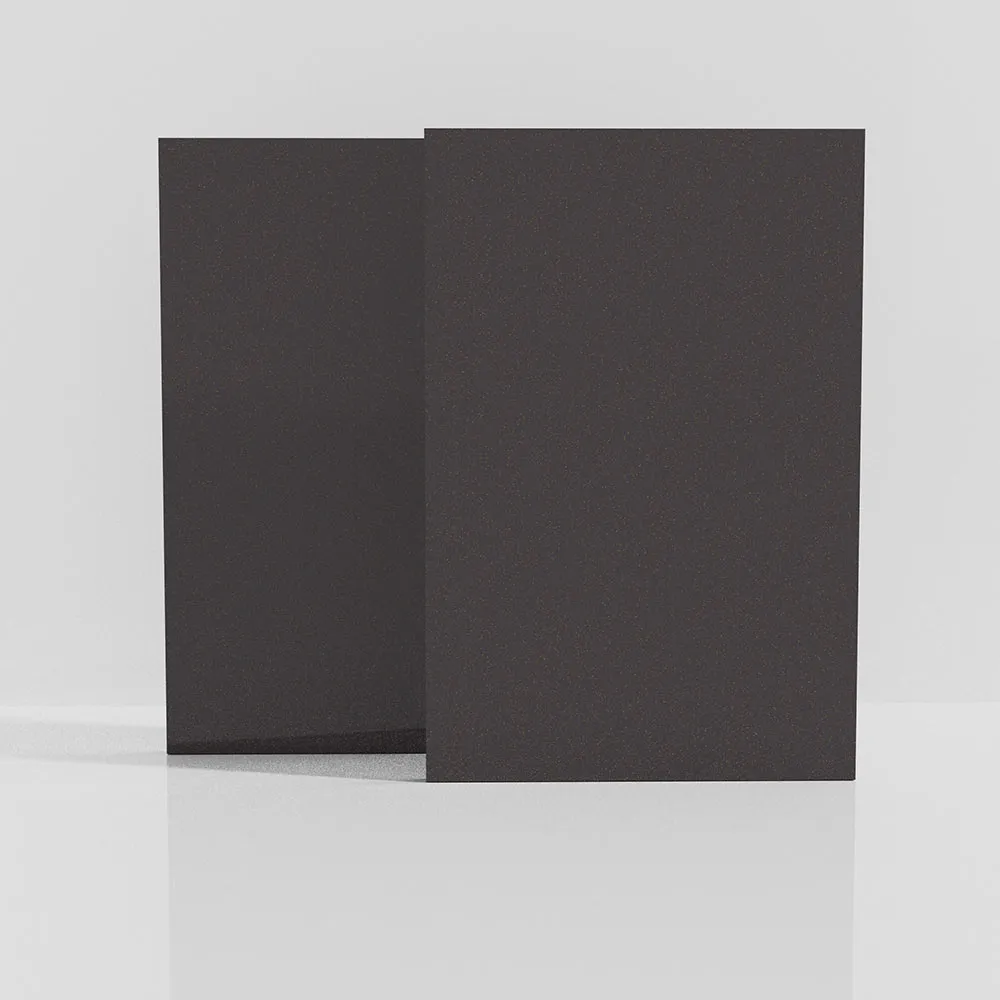
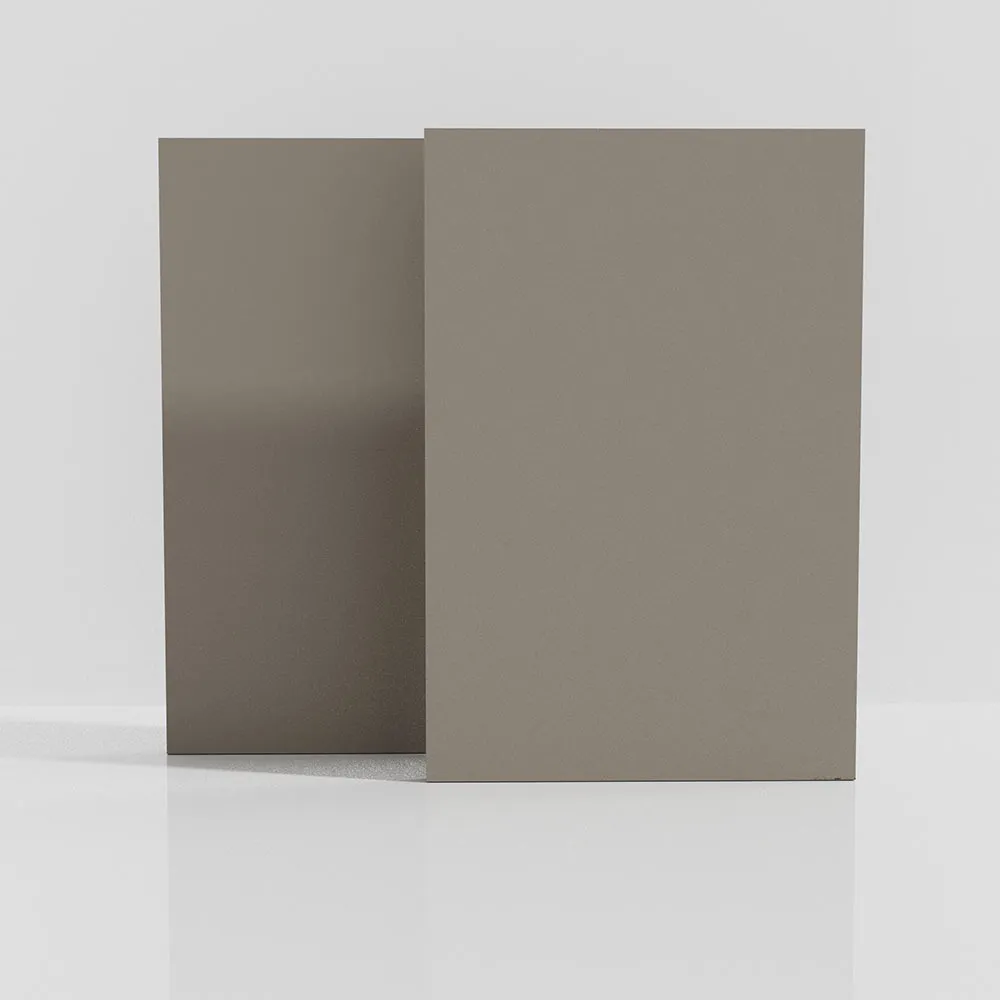
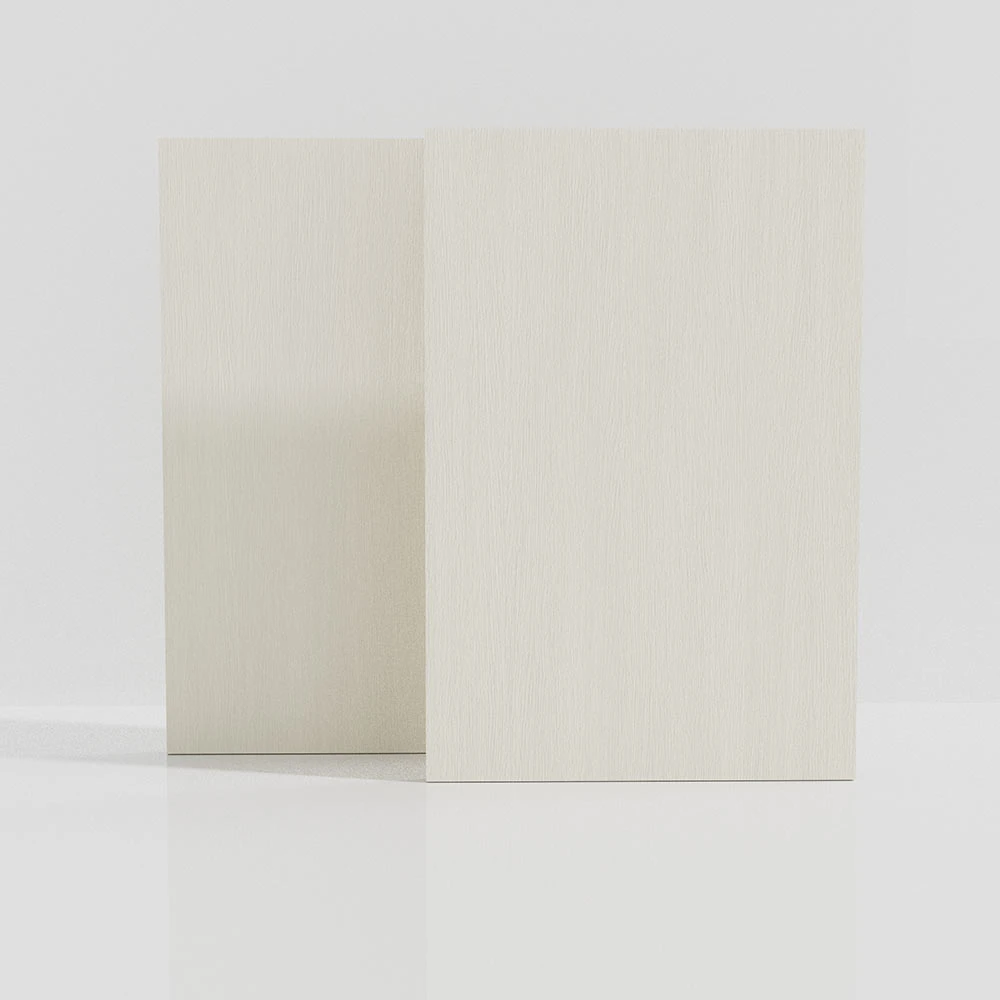
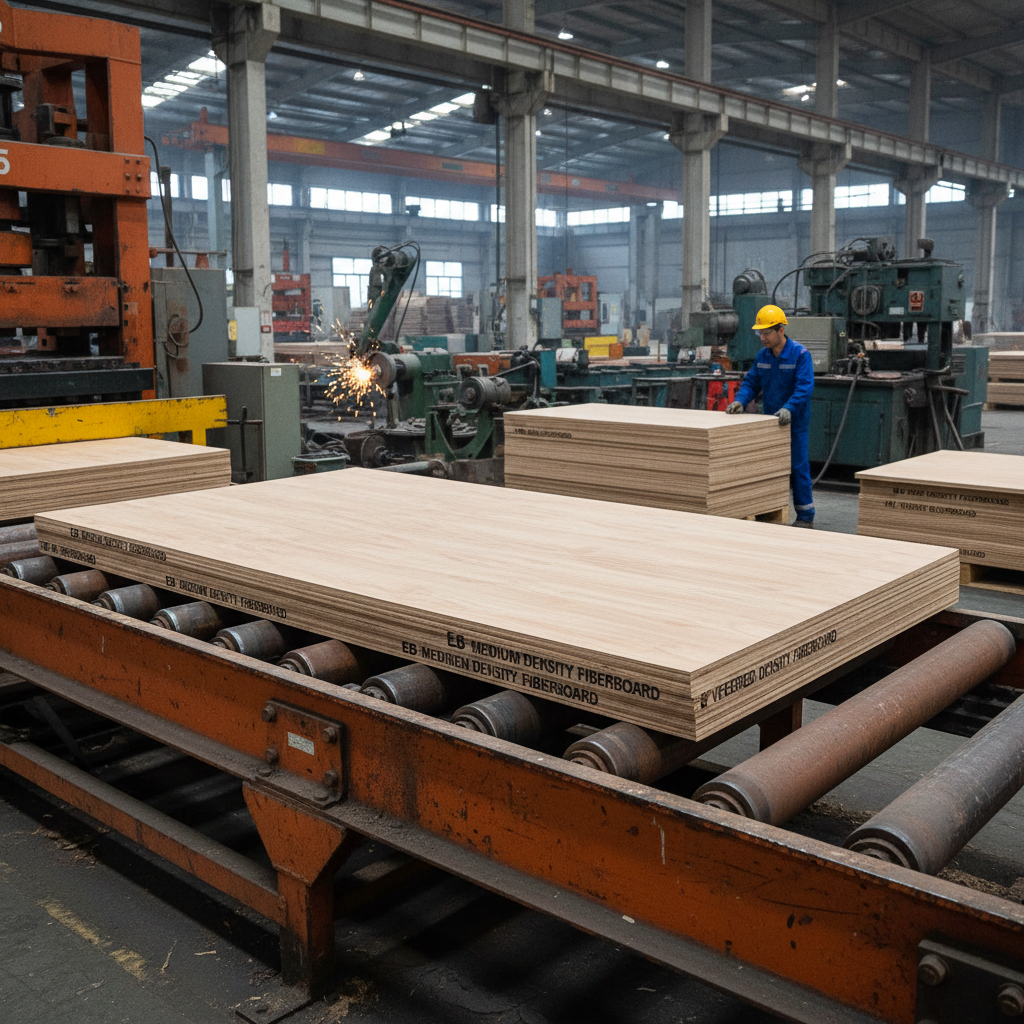
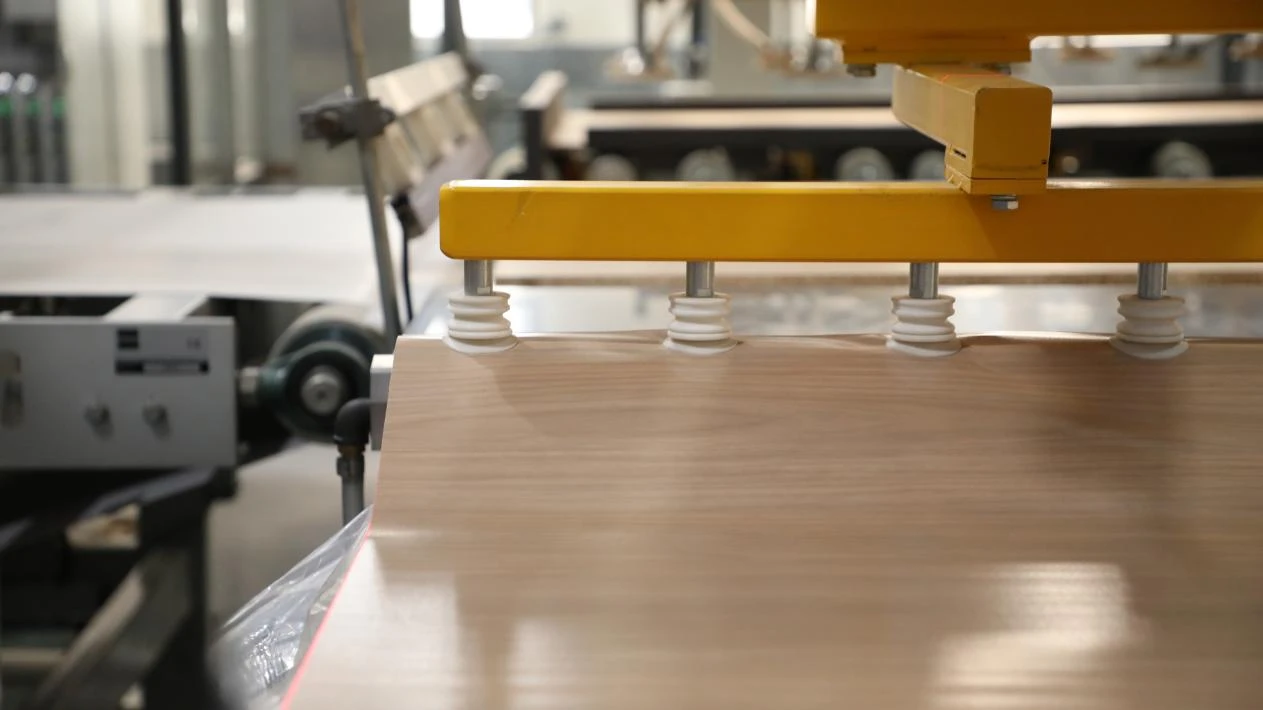
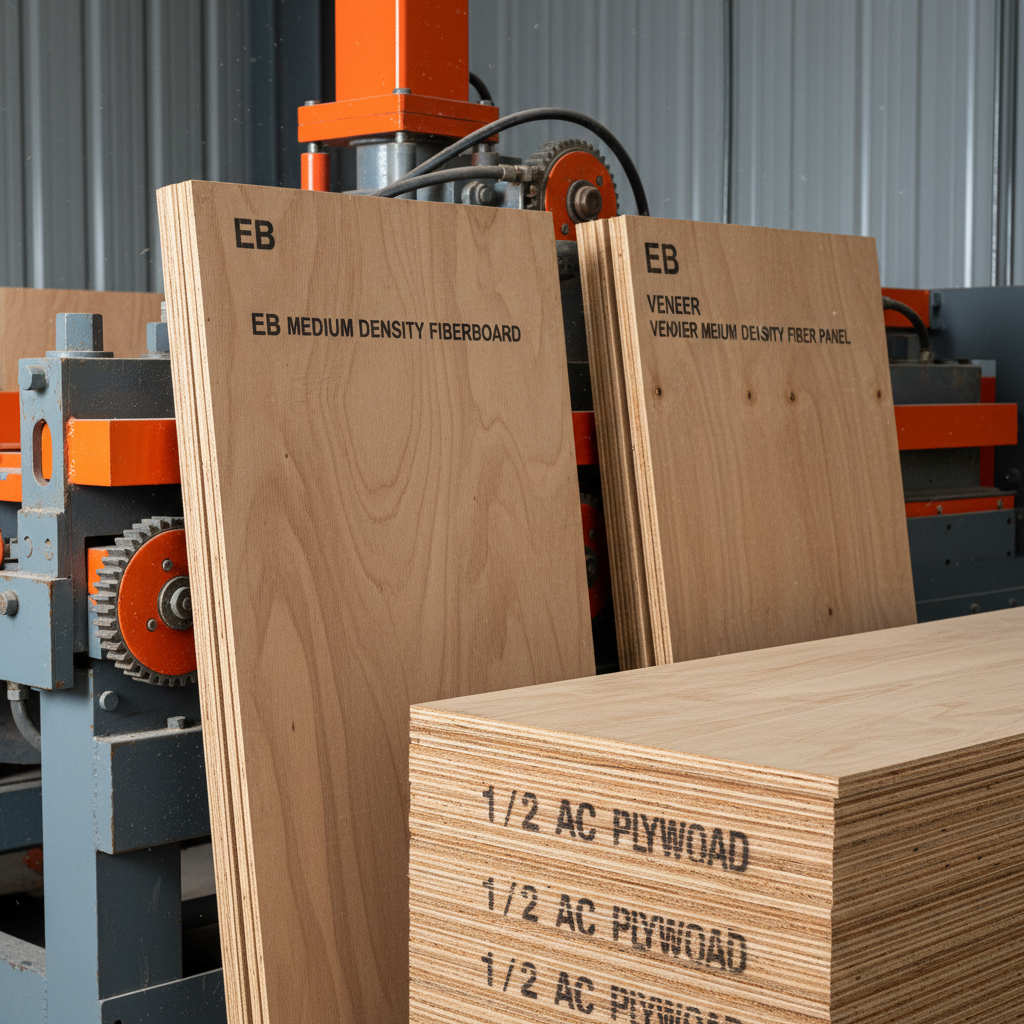
Simply put, wood grain MDF board is a panel made by breaking down hardwood or softwood residuals into wood fibers, mixing them with wax and resin binders, and compressing into panels — then covering the surface with a textured laminate or coating that mimics natural wood grain.
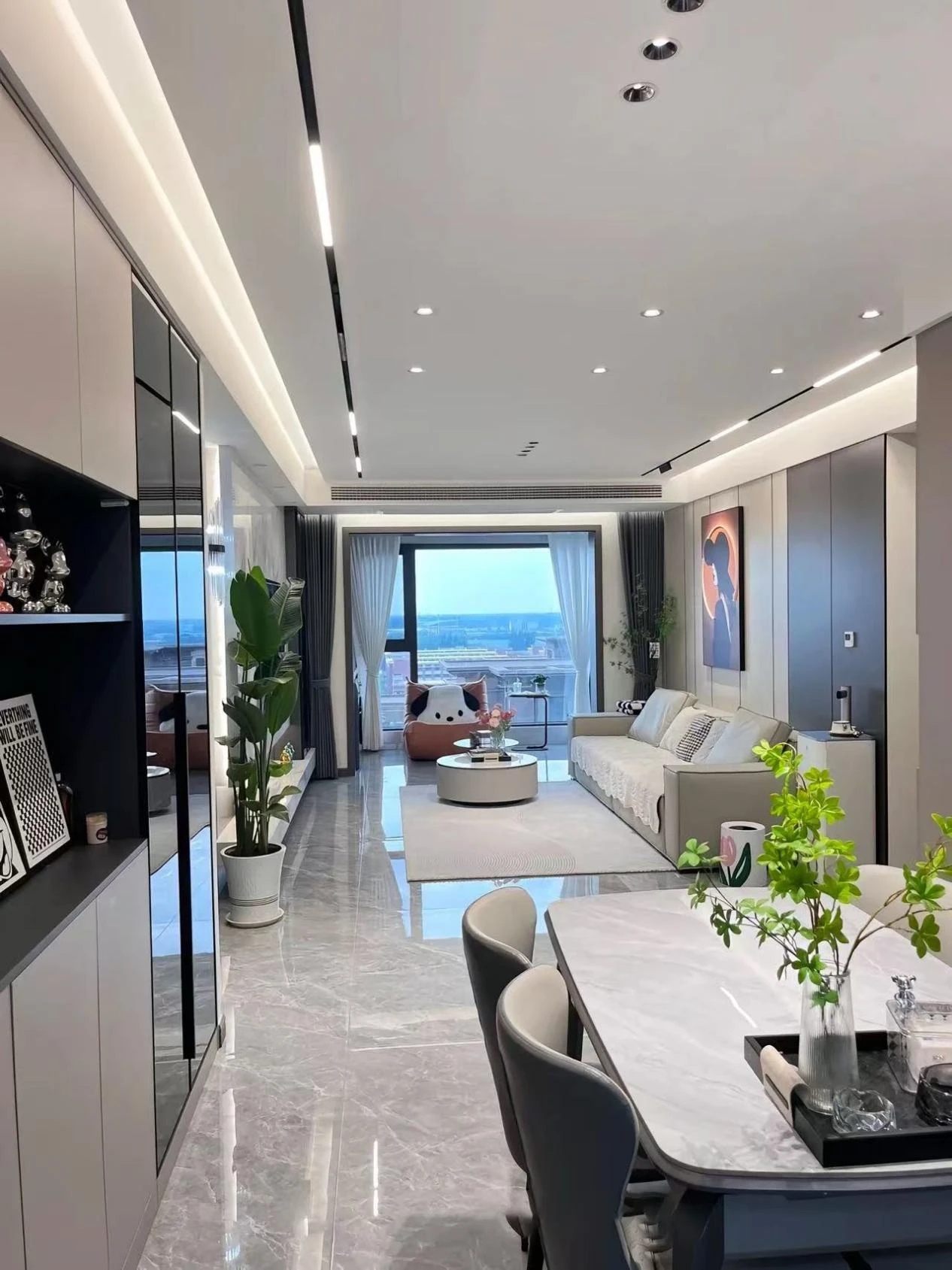
Think of it as the Swiss Army knife of interior panels: engineered for strength and consistency, yet flexible enough for all sorts of creative finishes. From housing modular furniture to building interior wall cladding, it fits into modern lifestyles while supporting sustainable forestry practices.
Key Components That Make Wood Grain MDF Special
1. Durability and Stability
Wood grain MDF boards boast impressive dimensional stability. They resist warping and swelling better than natural wood in humid or variable climates. This means fewer surprises for architects and builders, and longer-lasting furniture for homes.
2. Cost Efficiency
Compared to solid wood, these panels are cost-effective. The efficient use of wood fibers and the re-purposing of waste material mean you get an affordable product without compromising on aesthetic appeal.
3. Aesthetic Versatility
The “wood grain” surface texture can mimic numerous types of species — from oak to walnut — giving designers a broad palette. The possibilities for laminate colors and grains are vast, which makes everything from kitchen cabinets to boutique store interiors look upscale without the hefty price tag.
4. Environmentally Friendly Attributes
Because it uses wood fibers largely sourced from industry byproducts, wood grain MDF supports circular economy principles. Some manufacturers now use formaldehyde-free adhesives and sustainable coatings, reducing VOC emissions significantly.
5. Ease of Customization and Fabrication
Cutting, shaping, and sanding MDF boards is a breeze compared to natural wood. The uniformity of wood grain MDF ensures fewer defects, making it ideal for mass production as well as detailed crafts.
Wood Grain MDF Board Around the World: Real-World Applications
Believe it or not, the reach of wood grain MDF is vast.
- Construction & Interior Design: In Europe, it’s a staple for affordable furniture brands, while in North America, it’s common for closet organizers and wall panels.
- Commercial Spaces: Retail chains in Southeast Asia use it extensively for store fittings, thanks to its mix of style and cost-effectiveness.
- Post-Disaster Relief Housing: NGOs exploring lightweight, prefabricated structures have begun to use MDF panels with wood grain finishes to create dignified, temporary housing solutions.
- Industrial Use: Remote mining and oil operations often use wood grain MDF for low-maintenance interior fittings that endure tough climates but don’t break the bank.
In short, it’s no longer just a “cheap wood substitute” — it’s a considered material contributing real value in diverse contexts.
Why Choose Wood Grain MDF? The Advantages in the Long Run
Let’s not beat around the bush: cost is king, but it’s not the only reason this material wins hearts.
- Sustainability Matters: Using wood grain MDF reduces pressure on natural forests — a big win for companies aiming to meet ISO 14001 environmental standards.
- Design Flexibility: Architects and designers love the creative freedom it offers without skyrocketing budgets.
- Safety and Comfort: For consumers, staying in homes or offices fitted with wood grain MDF means better air quality (thanks to low VOC emissions) and appealing natural aesthetics.
- Trust & Innovation: Manufacturers investing in improved adhesive technologies signal ongoing innovation, reassuring users about product safety and longevity.
The Future of Wood Grain MDF Board: Trends to Watch
We’re seeing several exciting innovations shaking up the wood grain MDF landscape:
- Green Energy Integration: Factories are moving towards renewable-powered MDF production, cutting carbon footprints.
- Bio-based Resins: To replace formaldehyde binders, emerging bio-resins are gaining traction—better for workers and end-users alike.
- Digital Texture Printing: Instead of laminates, advanced digital printing lets manufacturers replicate even finer grain details or customize color palettes on demand.
- Automation: CNC machining tailored for MDF means even faster, more precise fabrication down the line.
Challenges & How Industry Experts are Tackling Them
No material is perfect, and wood grain MDF has its quirks. For example:
- Moisture Sensitivity: Although better than raw wood, MDF still struggles when consistently wet, limiting outdoor use. Experts recommend specialized water-resistant coatings or hybrid composites for exterior cladding.
- Weight: MDF boards are heavier than particleboard, which means transportation costs can add up — but innovations in lightweight fiber blends are helping.
- Formaldehyde Concerns: Some low-grade MDF uses adhesives with emissions that worry health-conscious consumers. The shift to no-added-formaldehyde resins is a clear industry breakthrough.
Many companies collaborate with research institutes to create sustainable, safer MDF formulations — so the future feels hopeful.
Mini FAQs About Wood Grain MDF Board
Q1: How long does wood grain MDF last in a typical indoor environment?
With proper care, wood grain MDF boards can last 10–15 years indoors. Avoid excessive moisture exposure, and the surface treatments conserve lifespan.
Q2: Can wood grain MDF boards be recycled after use?
Yes, MDF is recyclable, but the process is more complex than solid wood due to resin binders. Many manufacturers are developing take-back programs and recycling technologies to address this.
Q3: Is wood grain MDF environmentally friendly compared to hardwood?
Generally, yes. Wood grain MDF maximizes fiber use, generating less waste and reducing demand on old-growth forests, especially when produced with low VOC resins.
Q4: Can these boards be used for outdoor furniture?
While mostly for indoor use, specially treated MDF with water-resistant coatings can be used cautiously outdoors. But long-term exposure risks swelling or deterioration.
Q5: How customizable is the surface finish?
Very customizable. Wood grain MDF can be laminated, veneer-coated, digitally printed, or painted to meet specific textures, colors, or styles.
Product Specification Table: Typical Wood Grain MDF Board
| Specification |
Typical Value |
Notes |
| Density |
700-800 kg/m³ |
Standard medium density |
| Thickness Options |
3mm - 25mm |
Varies by supplier |
| Surface Texture |
Wood grain laminate or embossed |
Different grain types possible |
| Formaldehyde Emission |
E0 or below |
Low emission, eco-friendly |
| Moisture Resistance |
Moderate |
Water-repellent coatings optional |
| Typical Sizes |
2400mm x 1220mm |
Industry standard panel size |
Vendor Comparison Table for Wood Grain MDF Boards
| Vendor |
Surface Finish |
Environmental Certification |
Price Range (USD/Sheet) |
Lead Time |
| Tengfei MDF |
High-res wood grain laminate |
ISO 14001, FSC |
$25 - $35 |
2-3 weeks |
| EcoWood Panels Co. |
Embossed veneer finish |
CARB Phase 2 |
$22 - $30 |
3-4 weeks |
| GreenFiber MDF Ltd. |
Matte wood grain print |
No-added formaldehyde |
$28 - $38 |
1-2 weeks |
Wrapping It Up – Why Wood Grain MDF Board Is Worth Considering
Looking back, wood grain MDF board is much more than a substitute for solid wood. It’s a pragmatic, sustainable design tool that suits today's fast-paced, cost-conscious, and eco-aware world. Its versatility in interiors, furniture, and even temporary housing means it’ll stick around for a while — evolving, improving, and mingling with innovations like digital printing and bio-resins.
If you’ve read this far, you’re probably thinking about your next project or renovation. Why not lean into the benefits of wood grain MDF board? Affordable, attractive, and increasingly green, it might just surprise you — a kind of underdog in engineered wood materials.
Visit our website to explore custom options for your project. You might find exactly what you need.
Mini Takeaways:
- Wood grain MDF boards offer a cost-effective, eco-conscious alternative with a natural look.
- The material finds uses in interior design, disaster relief housing, retail, and more.
- Future trends focus on sustainability, innovative coatings, and fabrication technologies.
References
- FAO Forest Resources Assessment
- ISO 16996-1:2021 Wood-based panels — Environmental
- Wikipedia: Medium-density fibreboard