What Is Wood MDF Board and Why Should You Care?
At first glance, the term wood MDF board might just sound like another building material. But it’s actually much more — a quietly essential composite product that’s reshaping industries, from furniture manufacturing to sustainable construction. Globally, the demand for medium-density fiberboard (MDF) has soared, driven by its affordability, versatility, and eco-friendly edge. Understanding what wood MDF board offers could make a big difference for anyone involved in design, architecture, or humanitarian projects seeking cost-effective, reliable materials.
Frankly, it’s one of those unassuming products with a surprisingly large footprint on the global stage, touching everything from high-end cabinetry in Europe to post-disaster rebuilds in Asia. Let’s unpack why it matters, and what makes it tick.
Global Context: The Growing Importance of Wood MDF Board
According to the International Panel on Forests and Forest Products, global production of engineered wood products, including MDF, has grown roughly 4% annually over the past decade. UNESCO and UN reports highlight how sustainable forestry and wood-based composites contribute to green building practices worldwide.
Why the rush? Simple — traditional solid wood is expensive, slow to source, and often unsustainable on a large scale. MDF provides an affordable, engineered alternative that maximizes wood fiber usage and reduces waste. Plus, in booming urban centers and emerging markets alike, architects and builders need scalable solutions for furniture, walls, and even flooring.
Of course, challenges like sourcing responsibly and chemical safety (formaldehyde emissions, for example) persist, but the industry is evolving fast to address these.
Mini Takeaway:
- Wood MDF board plays a key role in global sustainability efforts.
- It responds well to increasing demand for affordable, engineered wood materials.
What Exactly Is Wood MDF Board?
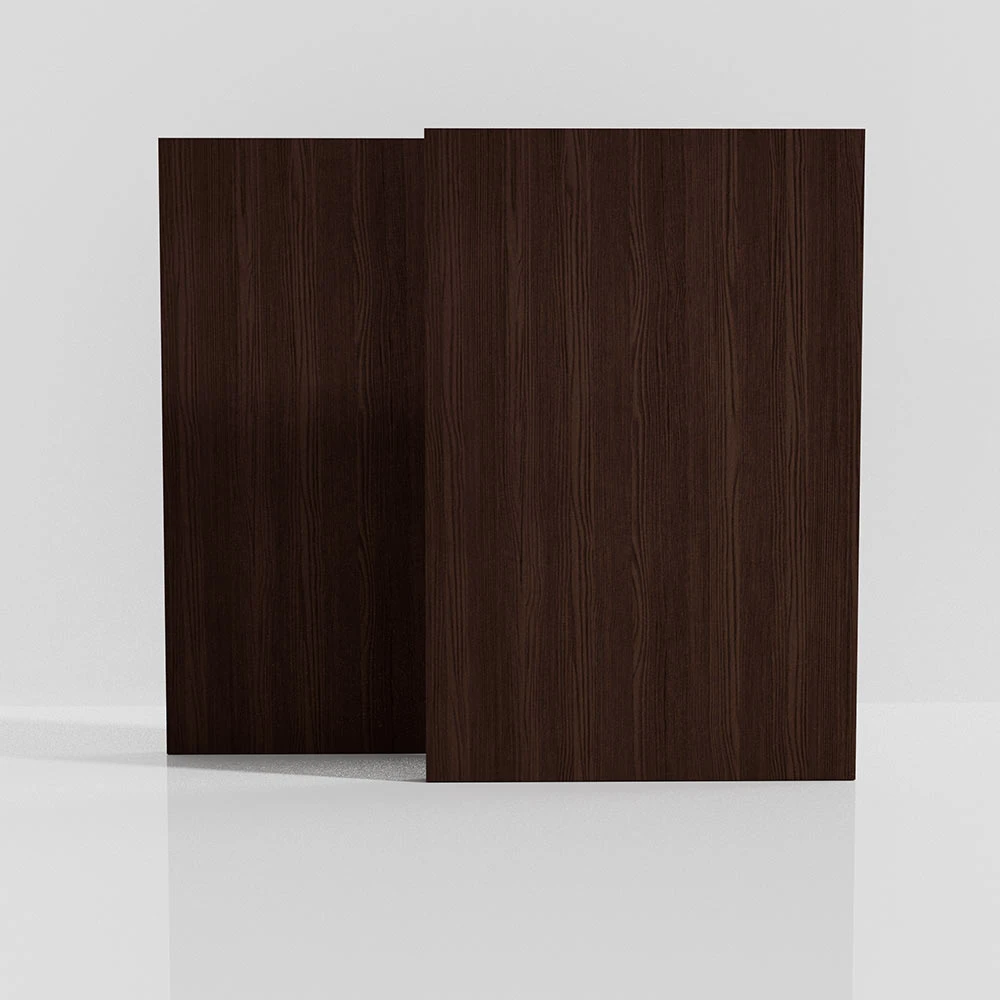
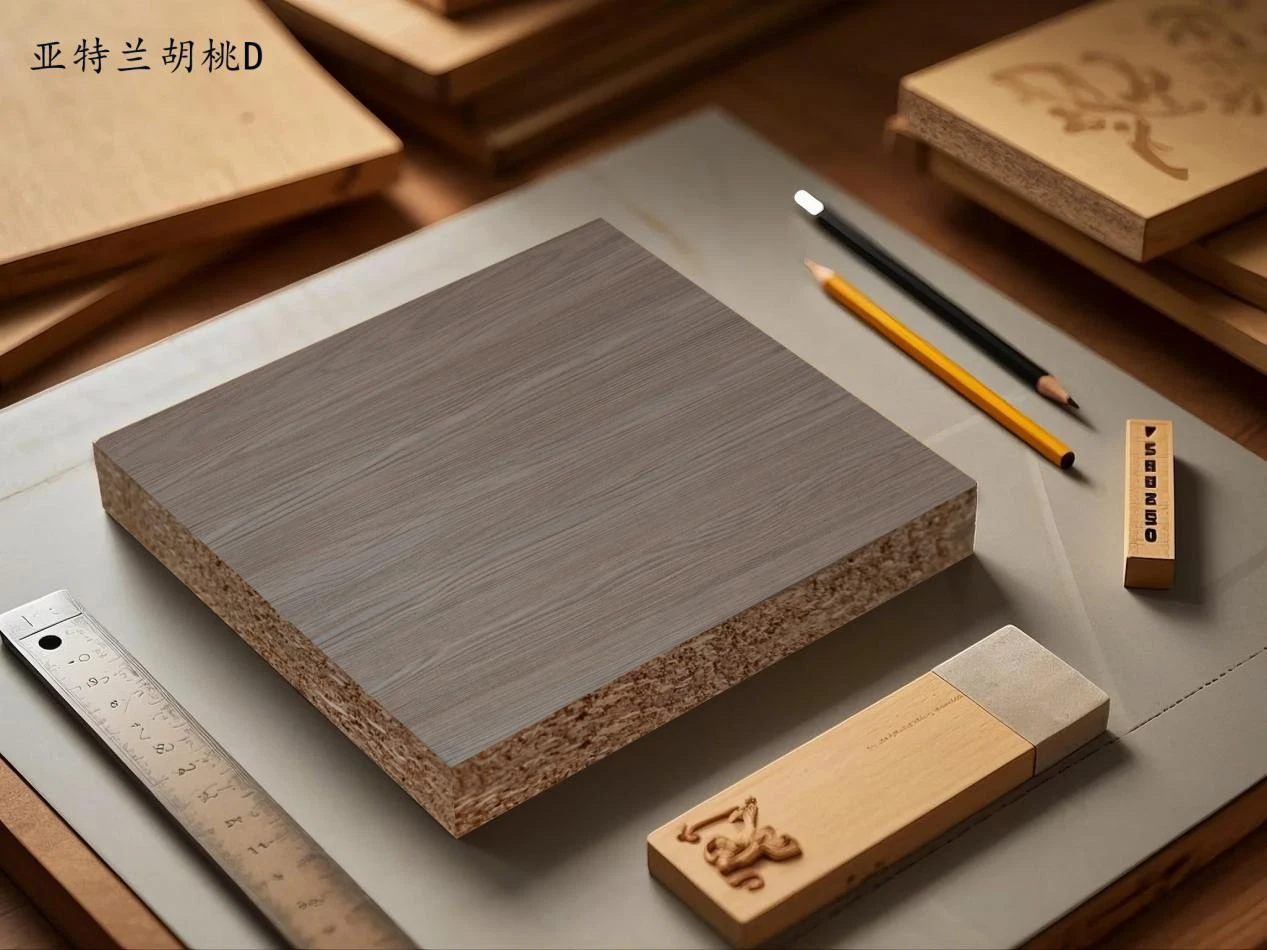
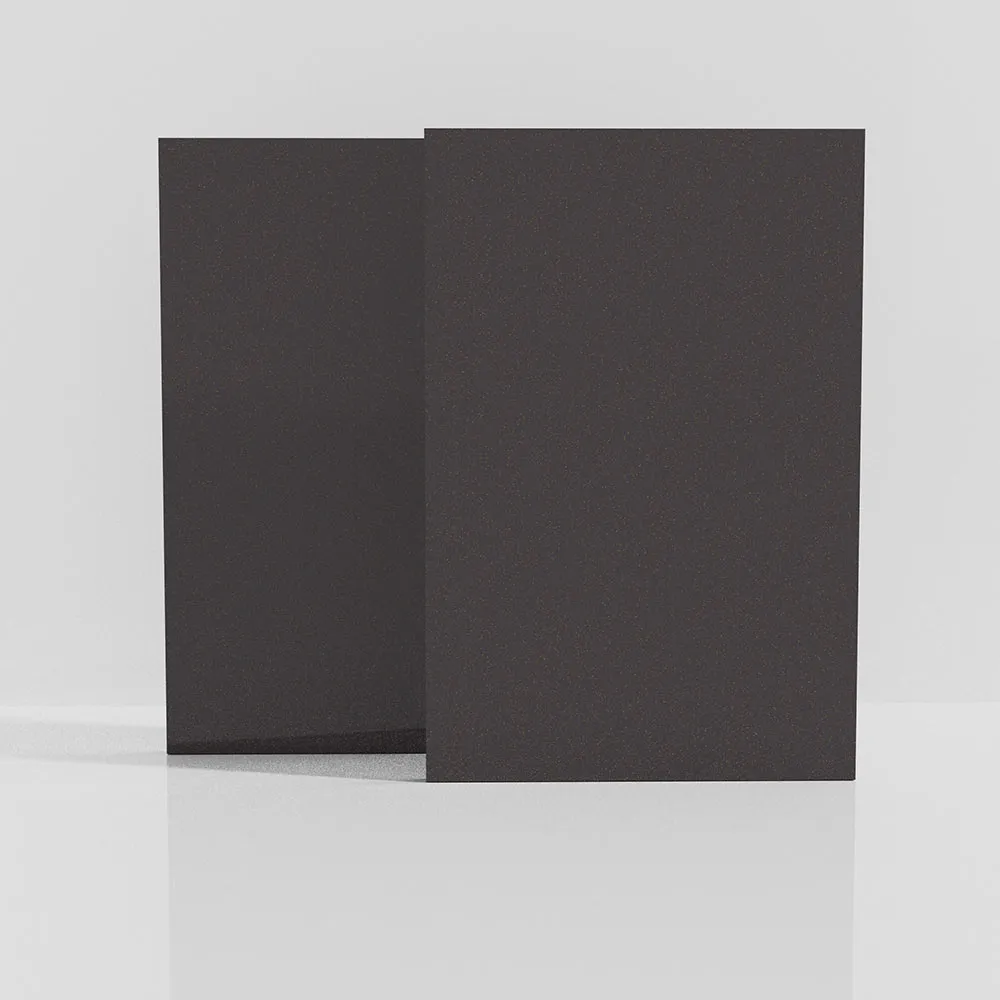
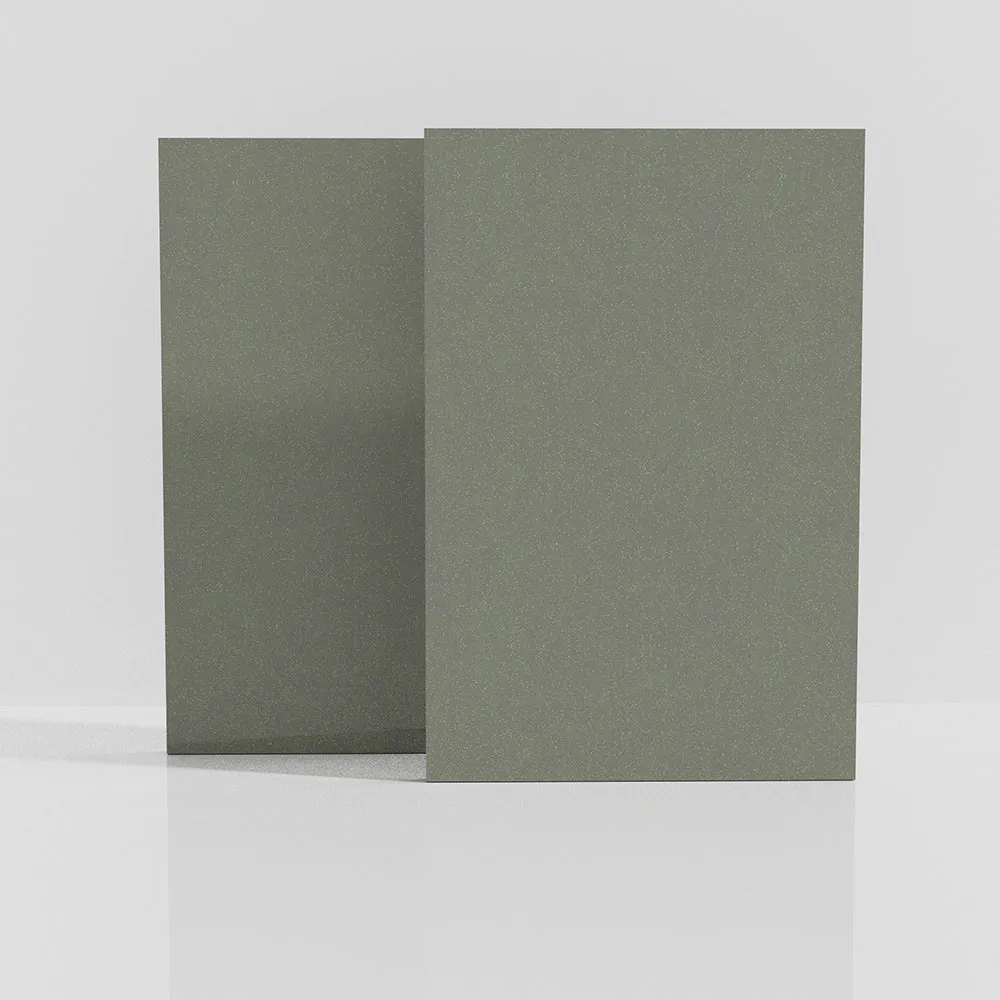
Wood MDF board, or medium-density fiberboard, is a manmade panel product crafted from wood fibers combined with resin binders and compressed under heat and pressure. Think of it as finely ground wood pulp — fiber from hardwood or softwood — pressed into a smooth, uniform sheet. Compared to plywood, it doesn’t show grain and typically has a very consistent density.
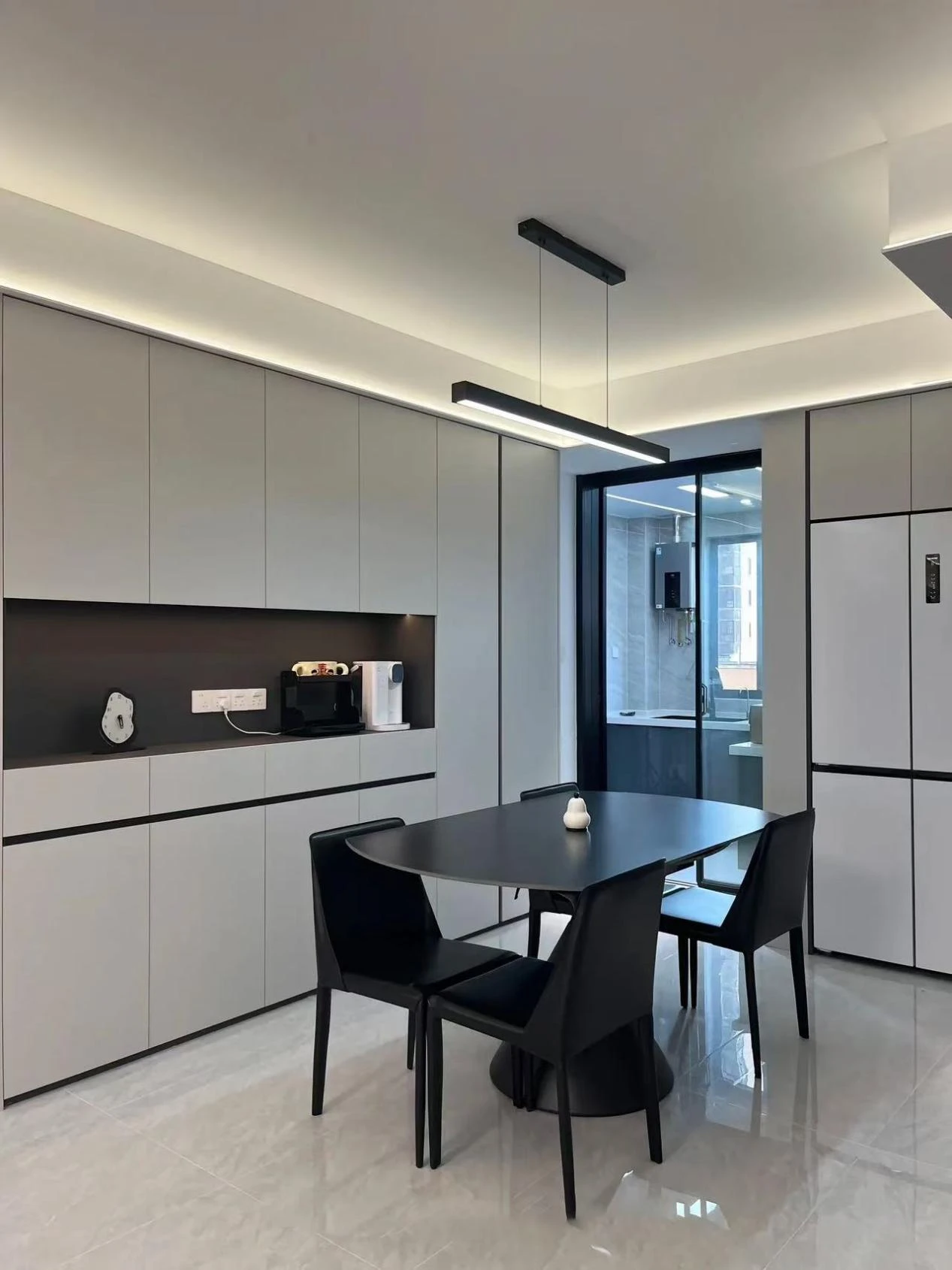
Because of this, MDF is particularly suited to painted finishes and millwork like molding and cabinetry. It also corresponds nicely with modern manufacturing techniques such as CNC machining, letting designers achieve precision that solid wood often can’t match at the same price point.
In terms of humanitarian use, MDF boards offer a stable and cost-effective material for temporary shelters or educational facilities — bringing a sense of durability and normalcy to displaced communities.
Mini Takeaway:
- Wood MDF board is engineered wood made from fibers, resins, and pressure.
- It’s versatile and perfect for smooth finishes and precision cutting.
Key Characteristics of Wood MDF Board
Durability and Stability
Unlike natural wood, MDF doesn’t expand or contract much with humidity changes, making it a dependable material indoors. It also avoids common wood defects like knots or grain patterns, which cause weaknesses or warping over time.
Cost Efficiency and Resource Use
Because MDF uses wood fibers that might otherwise be considered waste—like sawdust or small chips—it’s an economical and environmentally friendlier option than solid lumber. This efficient use of resources reduces pressure on forests worldwide.
Workability and Machining
MDF machines beautifully: it cuts, shapes, and sands with ease. For detail-oriented jobs, it often beats natural wood for its uniformity — you’ll get clean edges and smooth curves every time.
Environmental and Health Aspects
Modern MDF products increasingly avoid formaldehyde-based resins, favoring low-emission adhesives certified by CARB or similar bodies. This focus reduces health risks and indoor air pollution concerns — vital for furniture and built environments.
Consistency Across Batches
This board’s engineered nature guarantees the same quality every time, which manufacturers and designers appreciate for predictable production outcomes and fewer defects.
Mini Takeaway:
- MDF provides stable, cost-effective, and easy-to-use material with improving eco standards.
- Its engineered consistency benefits both custom projects and mass production.
Global Applications and Use Cases
Regions from North America to Southeast Asia leverage MDF boards in radically different ways.
- Furniture Industry: Germany and Italy, famous for design-driven cabinet and furniture manufacturing, prioritize high-grade MDF for precision and durability.
- Construction: In China and India, MDF boards serve as wall panels and door skins in modern housing projects, meeting urban demand quickly.
- Humanitarian Aid: NGOs operating in disaster-prone areas in Africa employ MDF-based modular solutions for fast-deploy shelters and classrooms, because of their lightweight, durable, and economical nature.
One interesting case is a startup in Brazil that uses recycled MDF to build affordable interior walls for schools—making learning environments more sanitary and soundproof.
Mini Takeaway:
- MDF boards serve in diverse roles worldwide — from luxe furniture to post-disaster construction.
- Innovative applications keep emerging, especially where cost and resource efficiency matter.
Advantages and Long-Term Value of Wood MDF Board
The tangible benefits speak for themselves:
- Cost-Effectiveness: It’s generally less expensive than solid wood or plywood, lowering production and project costs.
- Sustainability: Utilizing wood residue means fewer trees felled, and inclusion in circular economy initiatives.
- Reliability: Moisture-resistant grades offer good lifespan indoors in temperate conditions.
- Social Impact: Affordable MDF enables essential furniture and structures in developing areas.
With all these, the emotional side is clear too: using MDF can support safer housing, fairer access to quality furniture, and inspire trust in sustainable practice. It’s a sort of quiet innovation but a powerful one.
Product Specification Overview
| Specification |
Typical Range |
Notes |
| Density |
600 – 800 kg/m³ |
Depends on grade |
| Thickness |
3 mm – 25 mm |
Custom cuts available |
| Modulus of Rupture |
15 – 30 MPa |
Strength varies by type |
| Formaldehyde Emissions |
E0, E1 (low emission) |
Meeting CARB standards |
Comparing Leading Wood MDF Board Vendors
| Vendor |
Key Strength |
Eco Credentials |
Typical Pricing |
| Tengfei MDF |
High uniformity, custom sizing |
CARB phase 2 certified |
Competitive, volume discounts |
| GreenWood Panels |
100% recycled content |
FSC and PEFC certified |
Premium price point |
| EcoMDF Solutions |
Formaldehyde-free products |
CARB certified, low VOC |
Mid-range pricing |
Future Trends and Innovations in Wood MDF Board
Looking ahead, the MDF industry is focused on greener binders that reduce emissions further, as well as enhancing water resistance to expand outdoor usage. Digital manufacturing integration — think CNC routers paired with smart factory tech — is also making custom MDF production faster and more precise than ever.
Oddly enough, research into bio-based and recycled binders is accelerating, largely driven by sustainability commitments within global supply chains. A growing number of producers are also aiming for carbon-neutral forestry sourcing, aligning MDF with emerging climate goals.
Challenges and How Experts Are Addressing Them
It’s not all smooth sailing. MDF boards traditionally fight a reputation for being vulnerable to moisture and mechanical damage. But thanks to surface treatments and hybrid composites, these issues are being tackled head-on.
Producers are innovating with wax additives, melamine laminates, and fire retardants to strengthen panels — balancing cost without compromising ecology. Also, end-user education about proper maintenance reduces premature wear, further enhancing MDF’s lifespan.
Frequently Asked Questions About Wood MDF Board
- Q1: How does wood MDF board differ from plywood in construction?
- A1: While both are engineered wood products, MDF is made from wood fibers glued and pressed into sheets, resulting in a smooth, uniform surface with excellent machining properties. Plywood consists of layers of wood veneer glued together, offering more strength and moisture resistance but a less uniform surface. MDF is generally preferred for painted interior applications, whereas plywood suits structural or exterior uses better.
- Q2: Is wood MDF board safe regarding chemical emissions?
- A2: Modern MDF boards frequently meet stringent standards like CARB Phase 2, which limits formaldehyde emissions. Additionally, some brands offer ultra-low or zero-formaldehyde options by using alternative binders, making them safe for indoor air quality when properly ventilated.
- Q3: Can MDF be used for outdoor applications?
- A3: Traditional MDF is not ideal for exterior use as it absorbs moisture and can swell. However, specially treated moisture-resistant MDF variants and laminated MDF can withstand humid conditions, though they still aren’t as durable as marine plywood or composite materials outdoors.
- Q4: How can I order custom-sized wood MDF boards internationally?
- A4: Vendors like Tengfei MDF accept global orders with custom size and thickness to accommodate virtually any project. It’s best to clarify shipping, customs, and handling early on, particularly for large or specialized shipments.
- Q5: What maintenance does MDF furniture require?
- A5: MDF furniture should be kept dry and cleaned with a soft cloth to avoid scratching. Avoid prolonged exposure to water. Using protective finishes like paint or lamination extends life considerably.
In Conclusion: Why Wood MDF Board Is Here to Stay
Wood MDF board offers an appealing combination of versatility, sustainability, and cost-efficiency that makes it a staple of modern manufacturing and construction worldwide. Whether you’re outfitting an elegant kitchen, building shelters for displaced families, or pushing design boundaries in furniture, MDF boards bring value that you might overlook at your own risk.
If you’re thinking of sourcing quality, eco-compliant wood MDF board, I suggest visiting trusted suppliers who understand both traditional craftsmanship and future trends. For instance, check out Tengfei MDF to explore a wide range of options tailored to your needs.
References
- Wikipedia: Medium-density fiberboard
- United Nations Economic Commission for Europe: Wood Processing
- ISO Standards on Wood-based panels