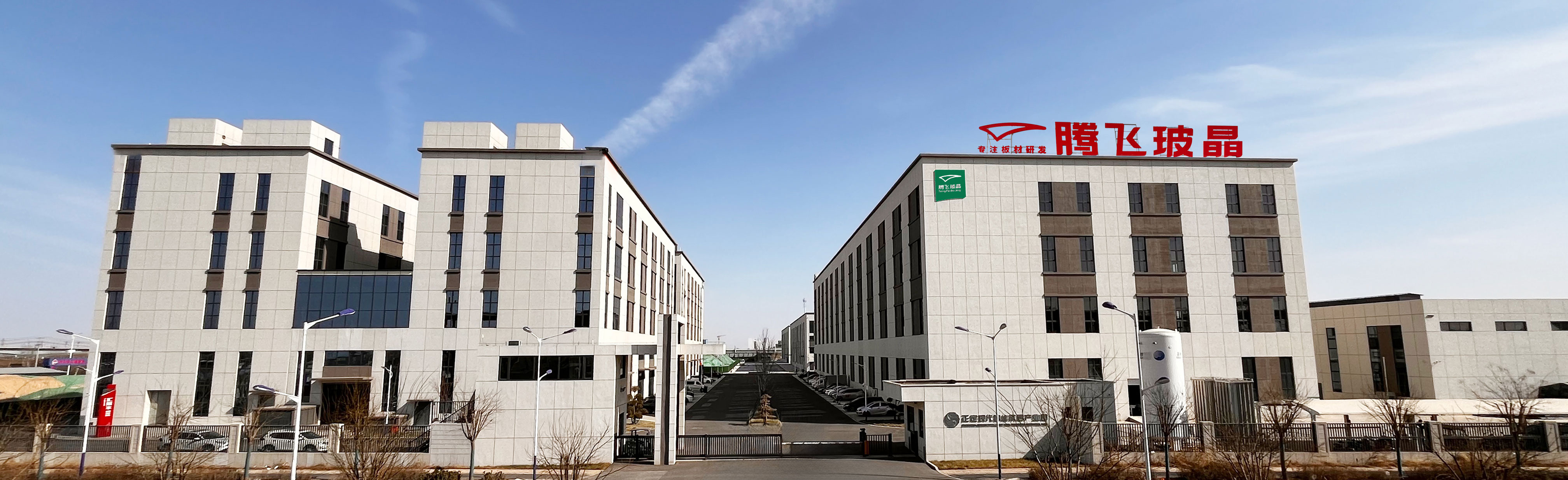
Add: No.8 Xinxing Street, North Zone, Zhengding High-tech Industrial Development Zone, Hebei, China
CONTACT US
+8615030171059


CONTACT US
+8615030171059
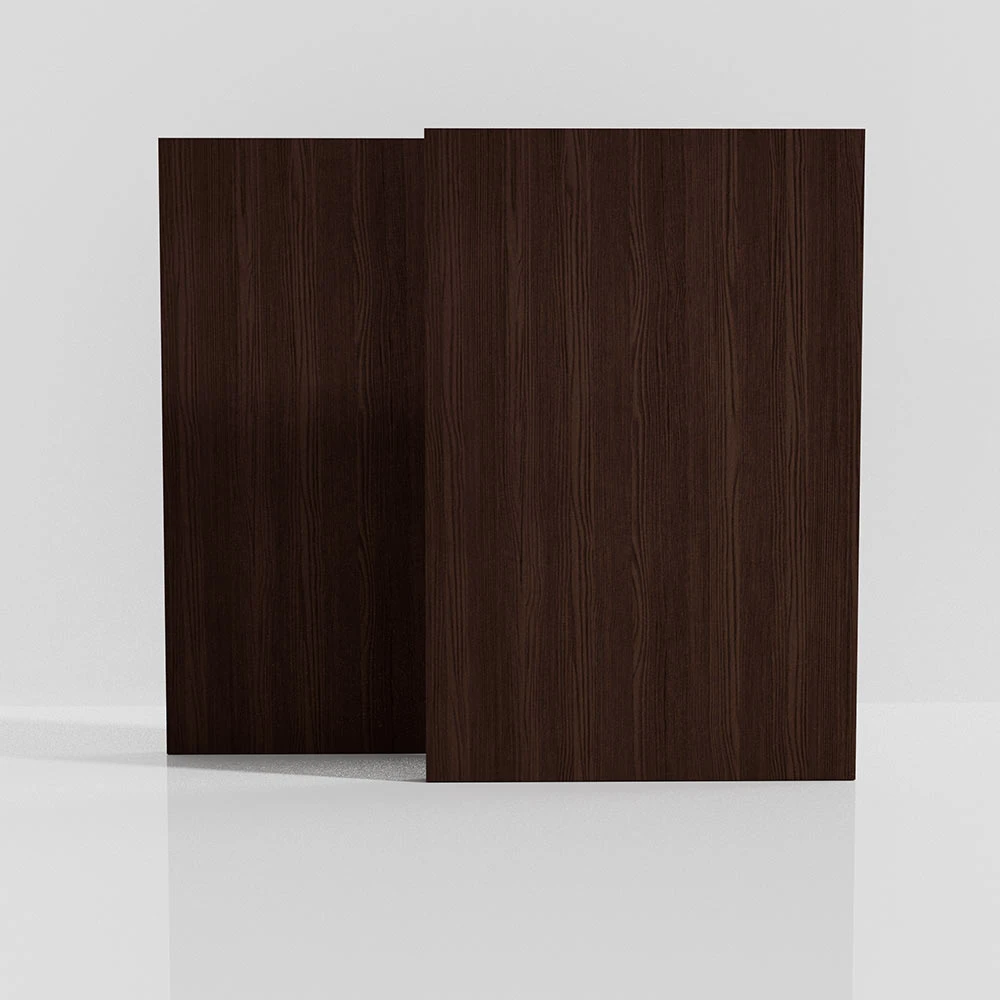
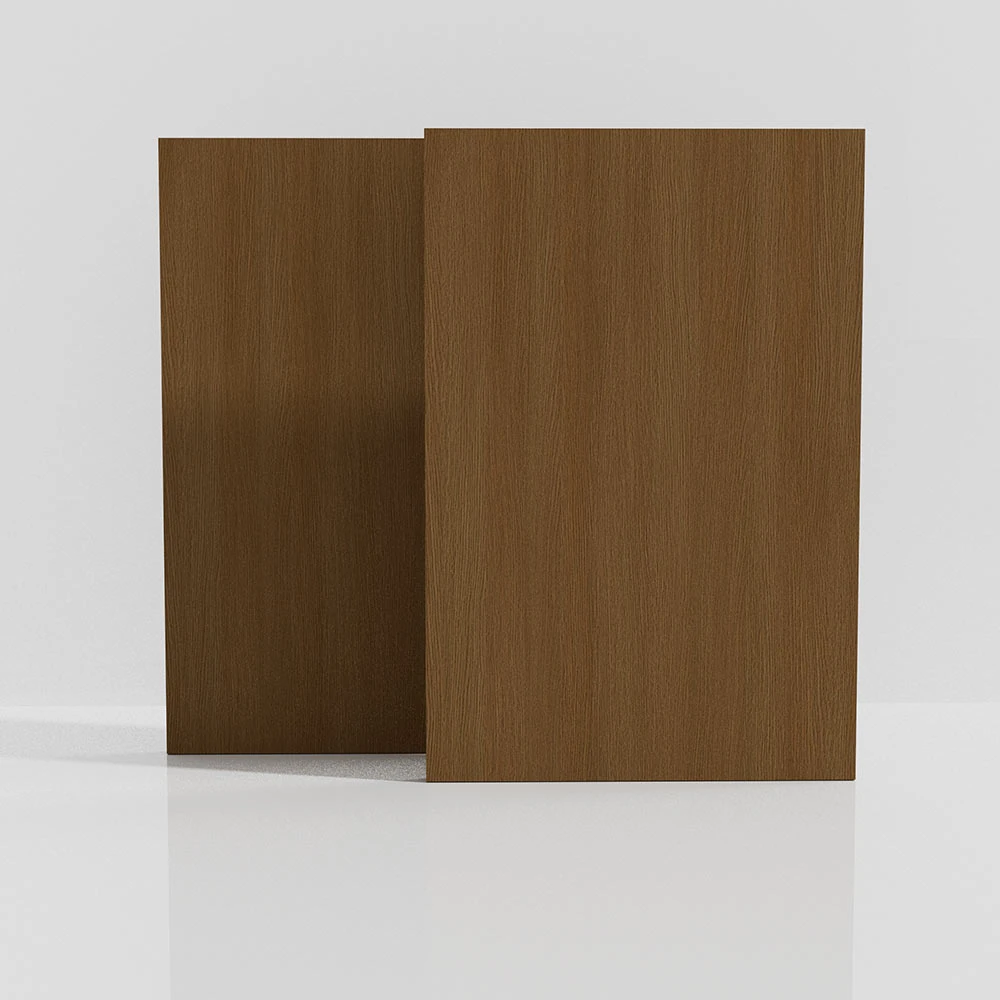
I’ve walked more than my fair share of panel factories, and—honestly—oak textures never go out of style. What changes is the realism. The latest Italian Oak décor hits that sweet spot between warm, lived-in grain and modern color discipline. It’s produced out of No.8 Xinxing Street, North Zone, Zhengding High-tech Industrial Development Zone, Hebei, China, and, surprisingly, it’s been turning heads among EU buyers who care about low emissions and consistent batch color.
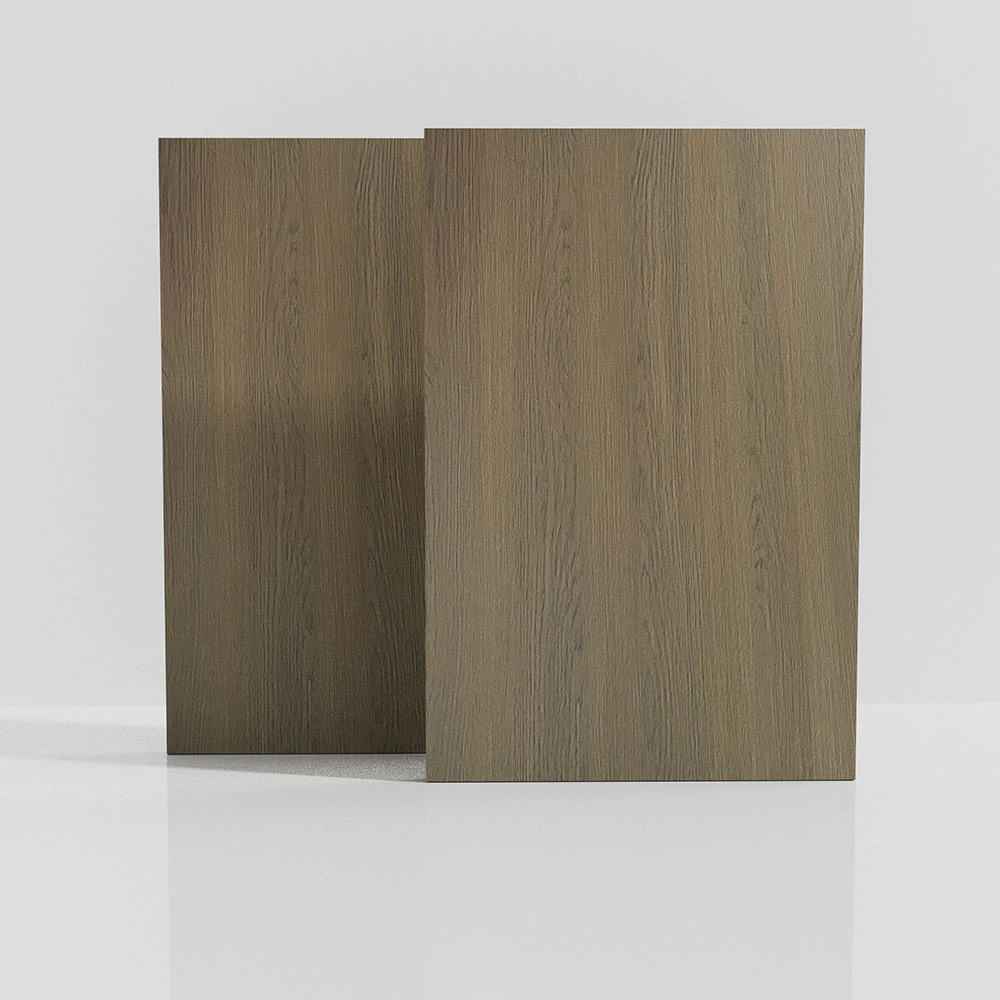
Three trends keep popping up: ultra-matte, synchronized pore (EIR) embossing, and safer chemistries. Many customers say they’ll pay a small premium for tactile grain you can feel with your fingers. At the same time, compliance with E1/CARB and design consistency across batches—down to gloss units—has become the baseline, not a bragging right.
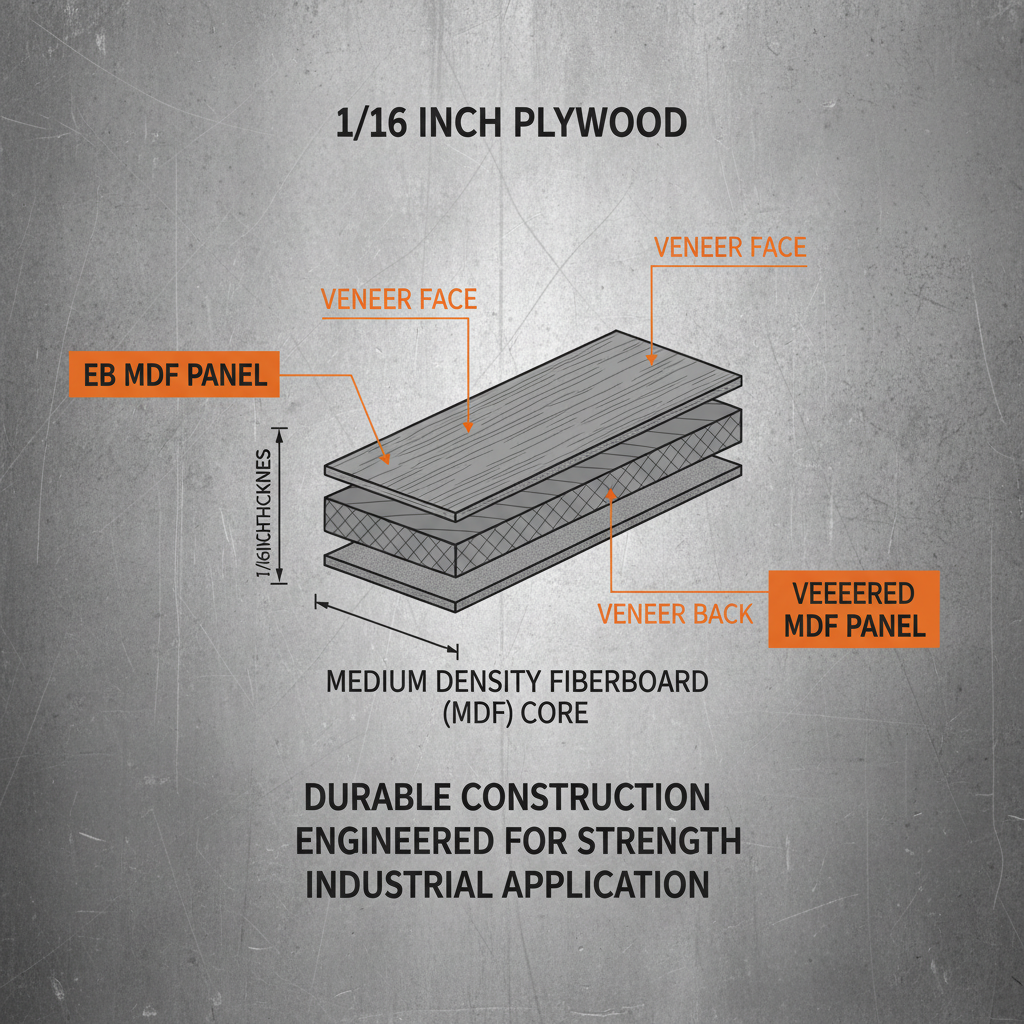
Materials: MDF or particleboard core (E1/E0/CARB options) + melamine-impregnated décor paper; optional anti-fingerprint overlay.
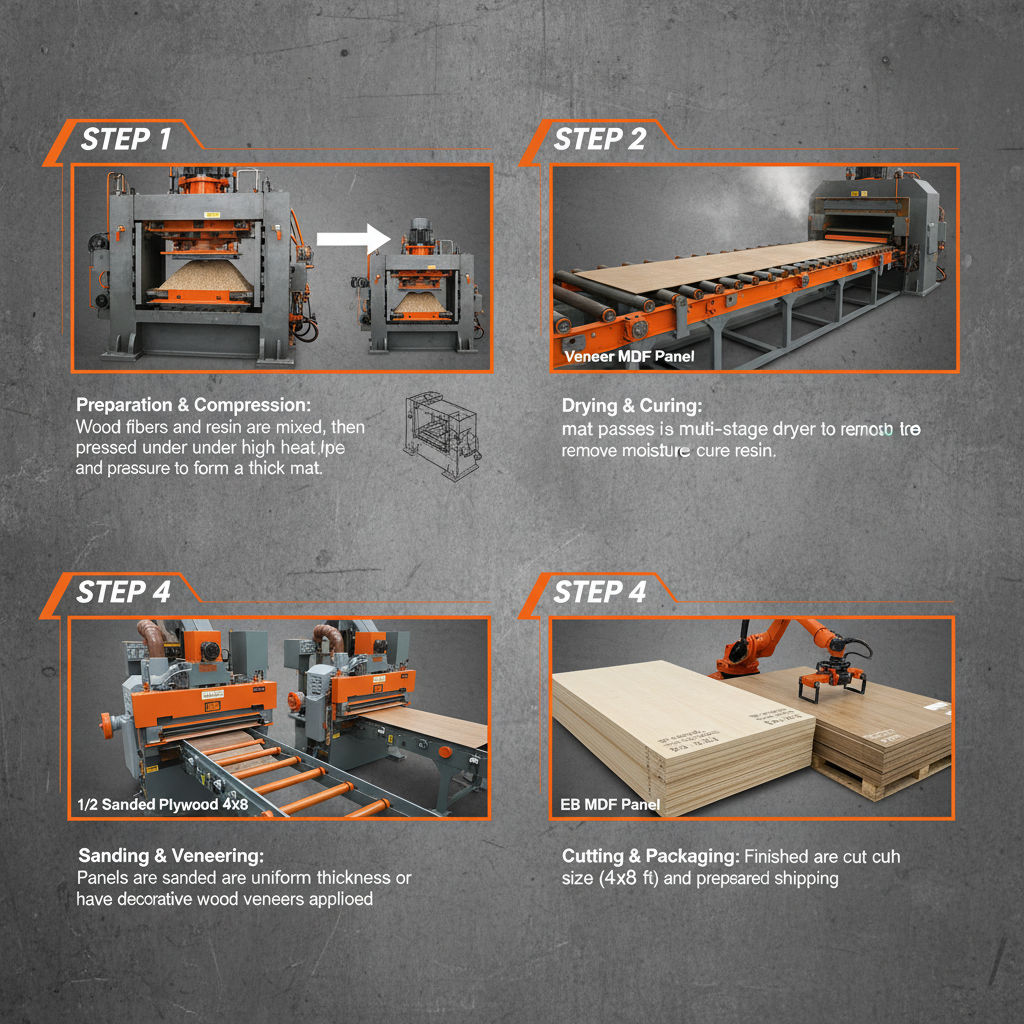
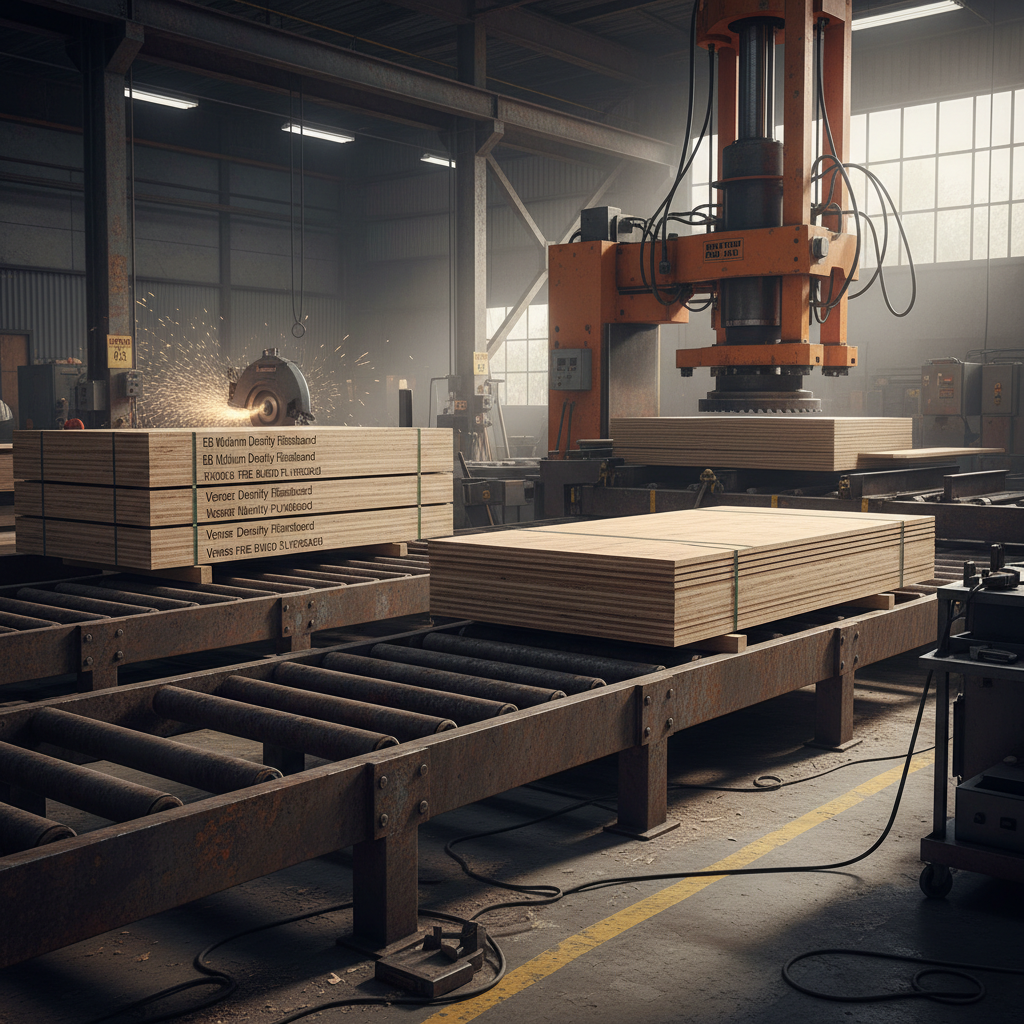
Methods: décor selection → resin impregnation → hot pressing (≈180–200°C, controlled pressure) with synchronous-pore plate → trimming and sanding → UV inspection → packing.
Testing standards: visual per EN 14322; surface per EN 14323 (scratch/abrasion/stain); chemical resistance per EN 12720; emissions per EN 717-1 or CARB/TSCA.
Service life: around 10–15 years in normal interior use; real-world use may vary with humidity and handling.
Industries: residential kitchens, wardrobes, office worktops, retail fixtures, hotel wall panels.
| Parameter | Spec (≈) | Notes |
|---|---|---|
| Core | MDF / PB (E1, E0, CARB P2/TSCA VI) | Choose per project compliance |
| Thickness | 5–25 mm | ±0.3 mm typical tolerance |
| Sizes | 1220×2440, 1830×2440 mm | Other cuts on request |
| Density (MDF) | ≈720–760 kg/m³ | At 8% moisture |
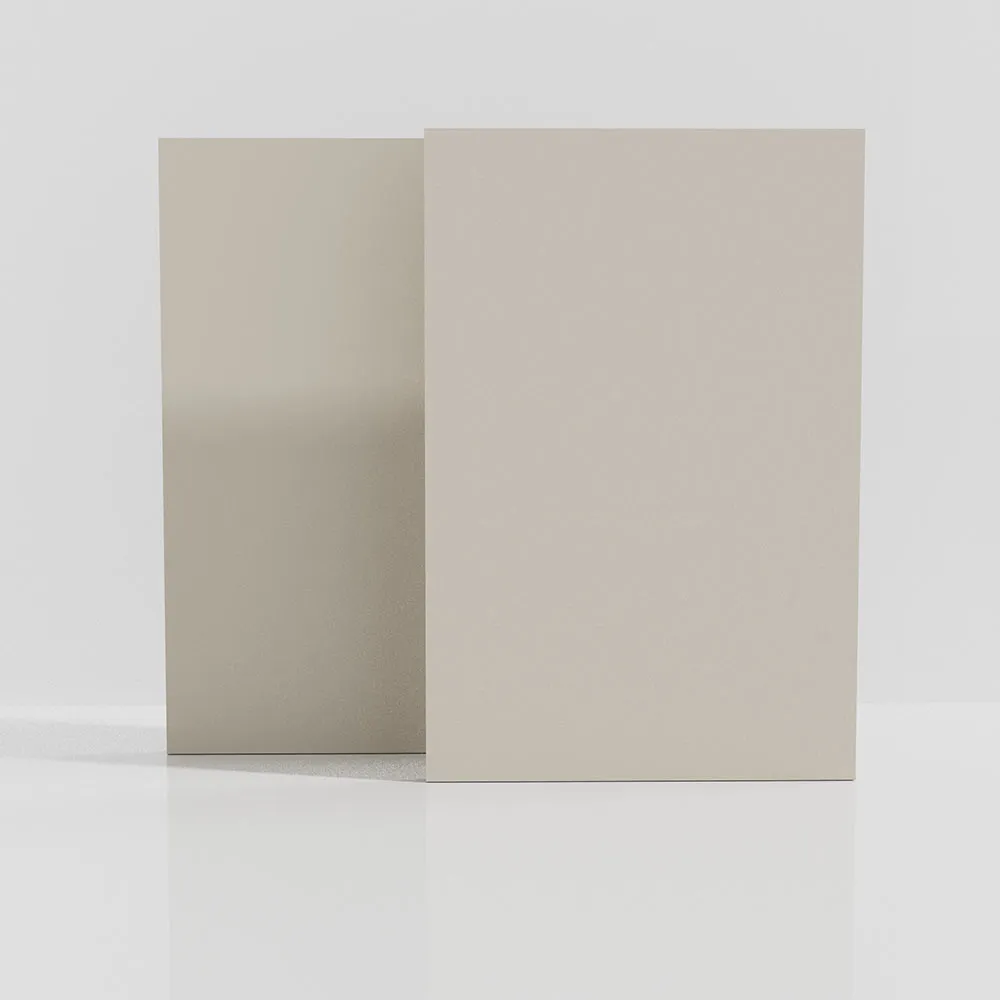
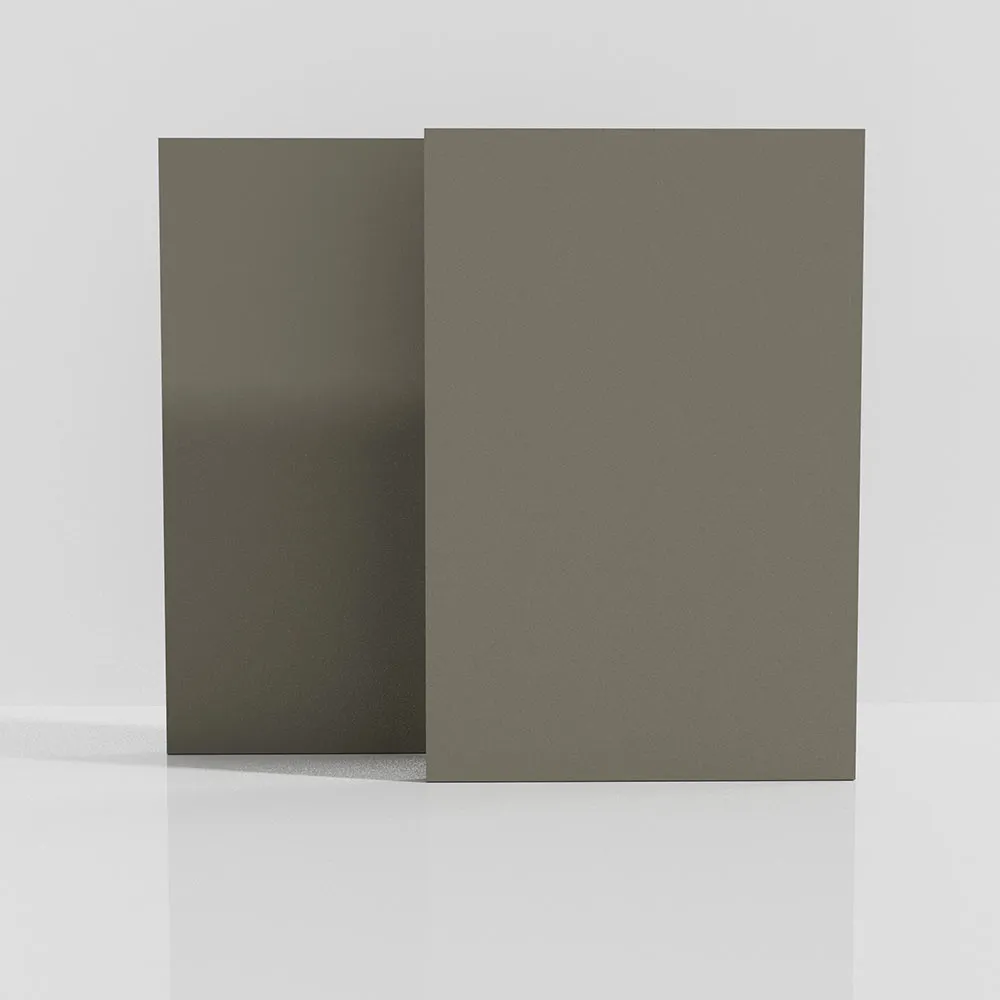
| Surface options | EIR, ultra-matte 5–8 GU, semi-matte 10–15 GU | Color-match edging available |
| Scratch resistance | ≥1.5 N (EN 14323) | Project-dependent |
| Stain resistance | Up to Grade 5 (EN 12720) | Coffee/wine OK; test harsh solvents |
| Fire rating | B-s2,d0 (with FR core, optional) | Upon request |
Data are indicative; real-world performance may vary with substrate and finishing.
Kitchens and bath cabinetry, wardrobe fronts with 2 mm ABS edges, office desks, hospitality headboards, and retail wall bays. Compared with solid oak, Italian Oak offers color stability, better yield, and fewer surprises during machining. Router bits like it, to be honest.
| Vendor | Core Options | Certs | MOQ | Lead Time | Customization |
|---|---|---|---|---|---|
| Tengfei (Hebei) | MDF/PB, E1/E0, CARB/TSCA | EN 14322/14323, FSC on request | ≈100 sheets/design | ≈2–4 weeks | EIR plates, gloss, edging match |
| EU Panel Maker | MFC/MDF, FR cores | EN, PEFC/FSC | Varies (project-based) | ≈3–6 weeks | Broad décor library |
| Local Laminator | Third-party cores | Basic docs | Small batches | ≈1–2 weeks | Color match only |
Ask for a master panel and edge-band chip set; confirm gloss in GU, not adjectives. If you need acoustic slats, specify kerf positions and backer fleece early. For healthcare or high-touch retail, consider an anti-fingerprint top overlay—many customers say it saves cleaning hours.
Milan boutique hotel: Italian Oak headboards + wall panels, FR MDF core; site team reported clean cuts and “no edge chip-outs.”
GCC modular apartments: wardrobes in ultra-matte Italian Oak; after 9 months, maintenance logged zero delamination despite high AC usage—good sign.
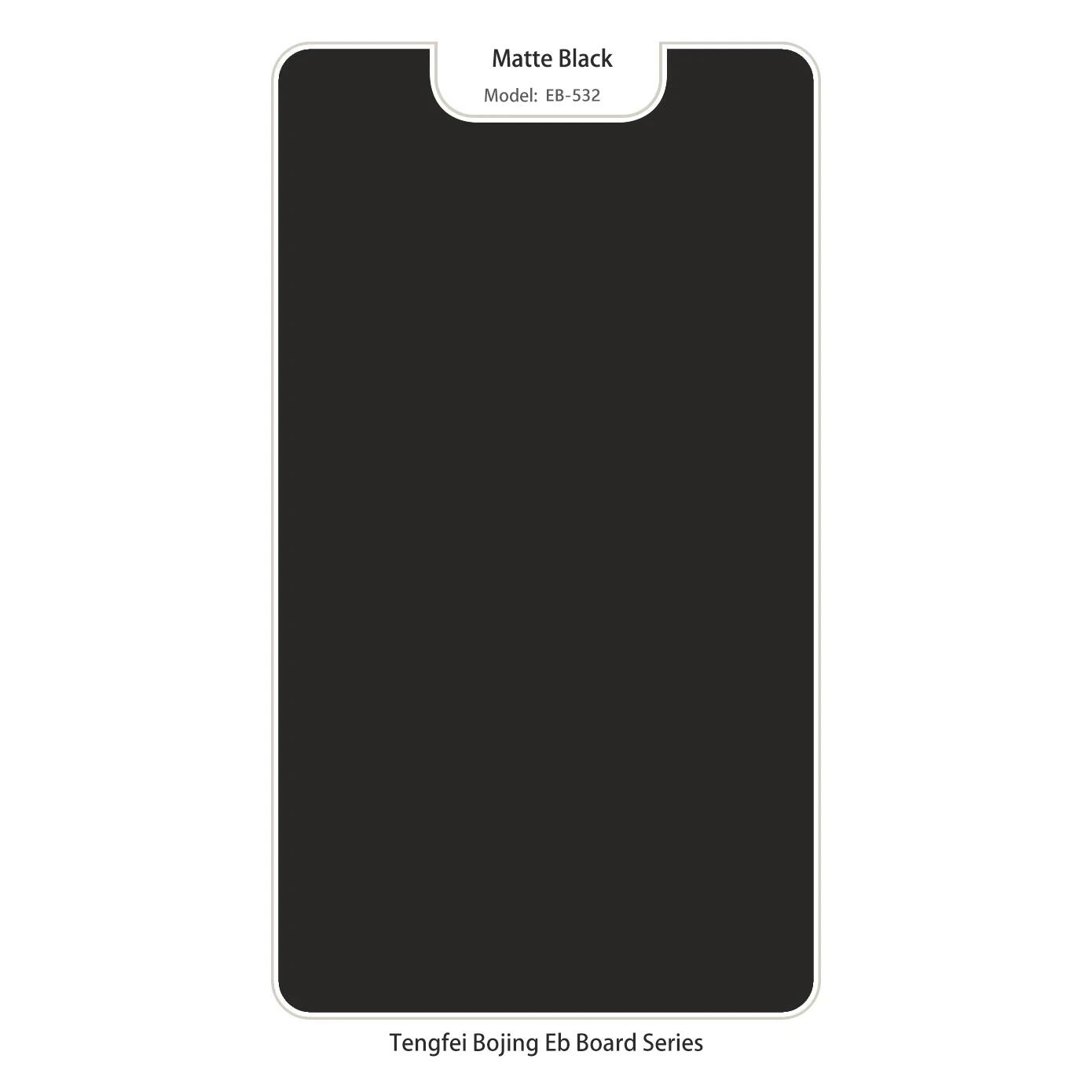
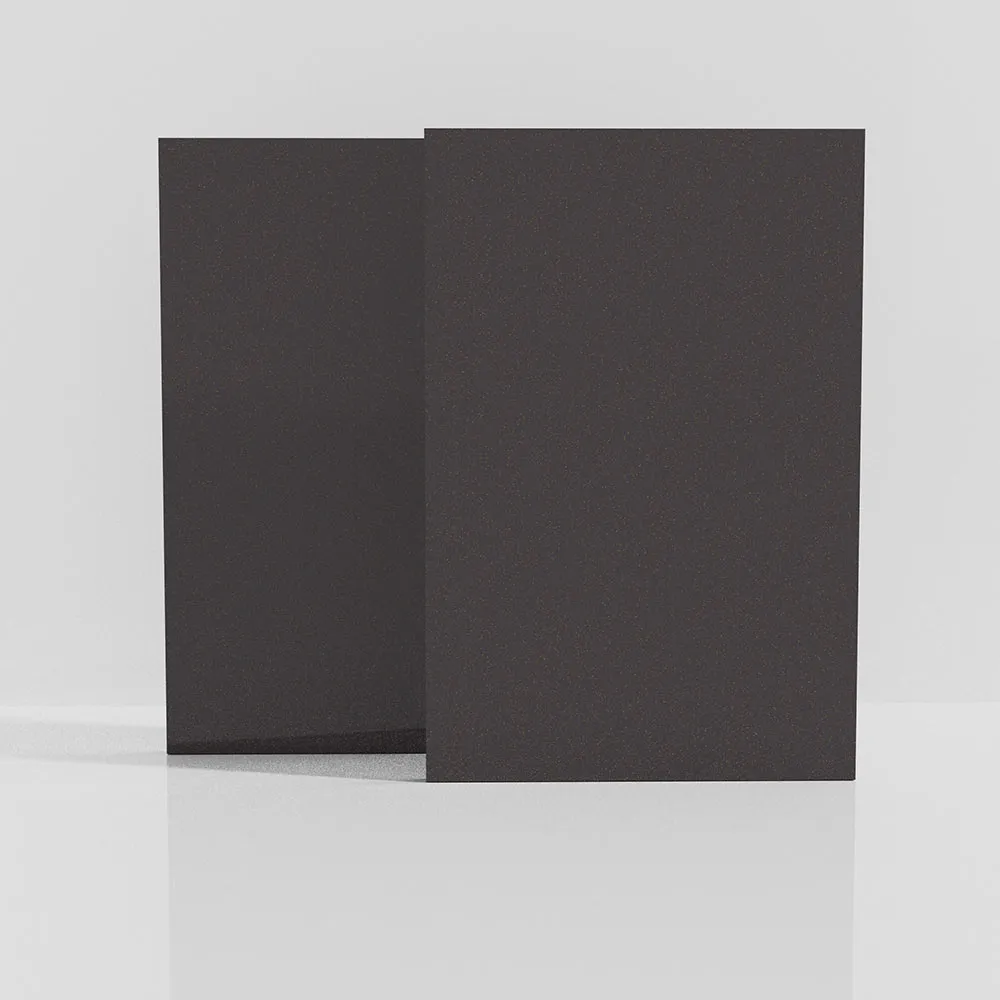
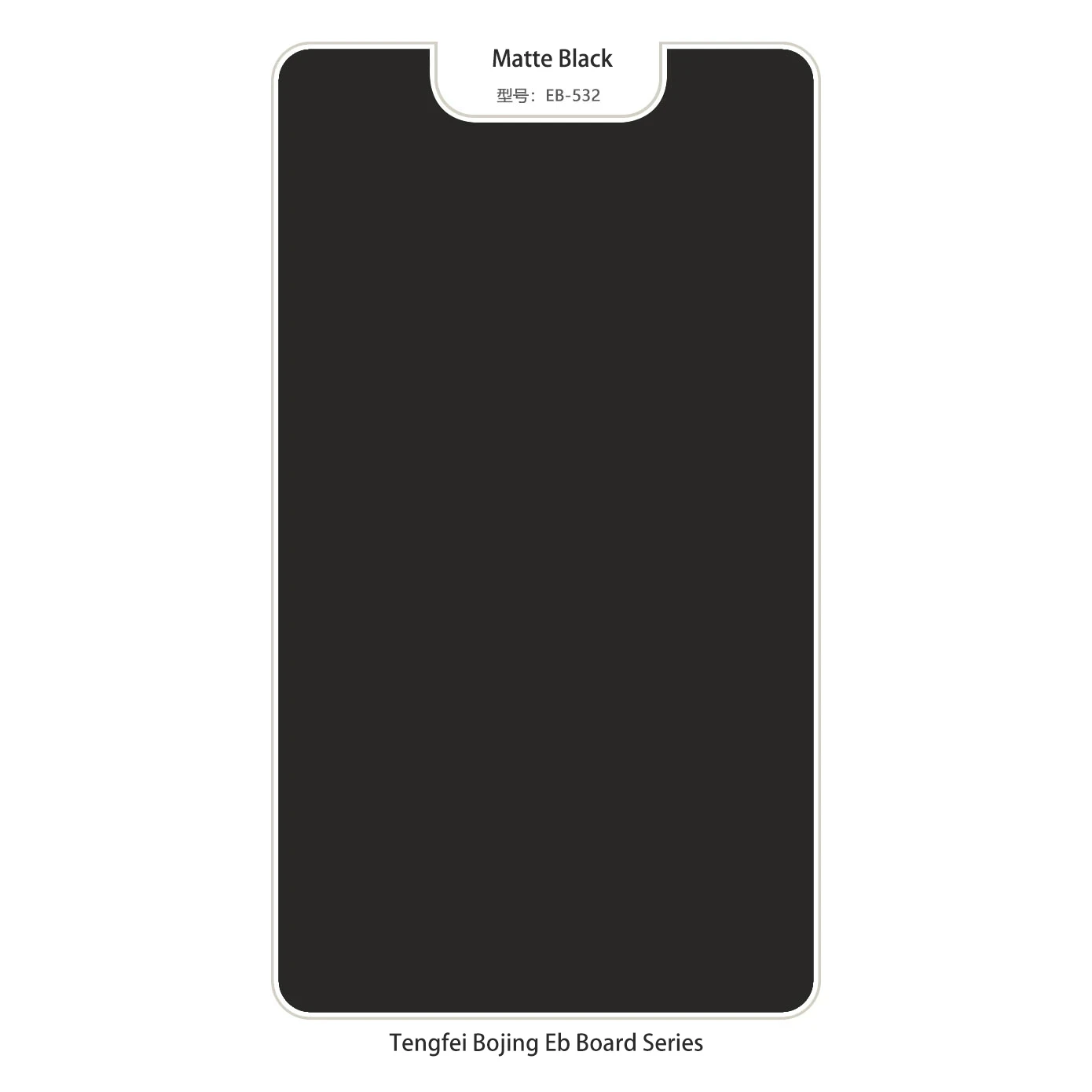
Tengfei Platinum EB Particle Panels - Matte Black
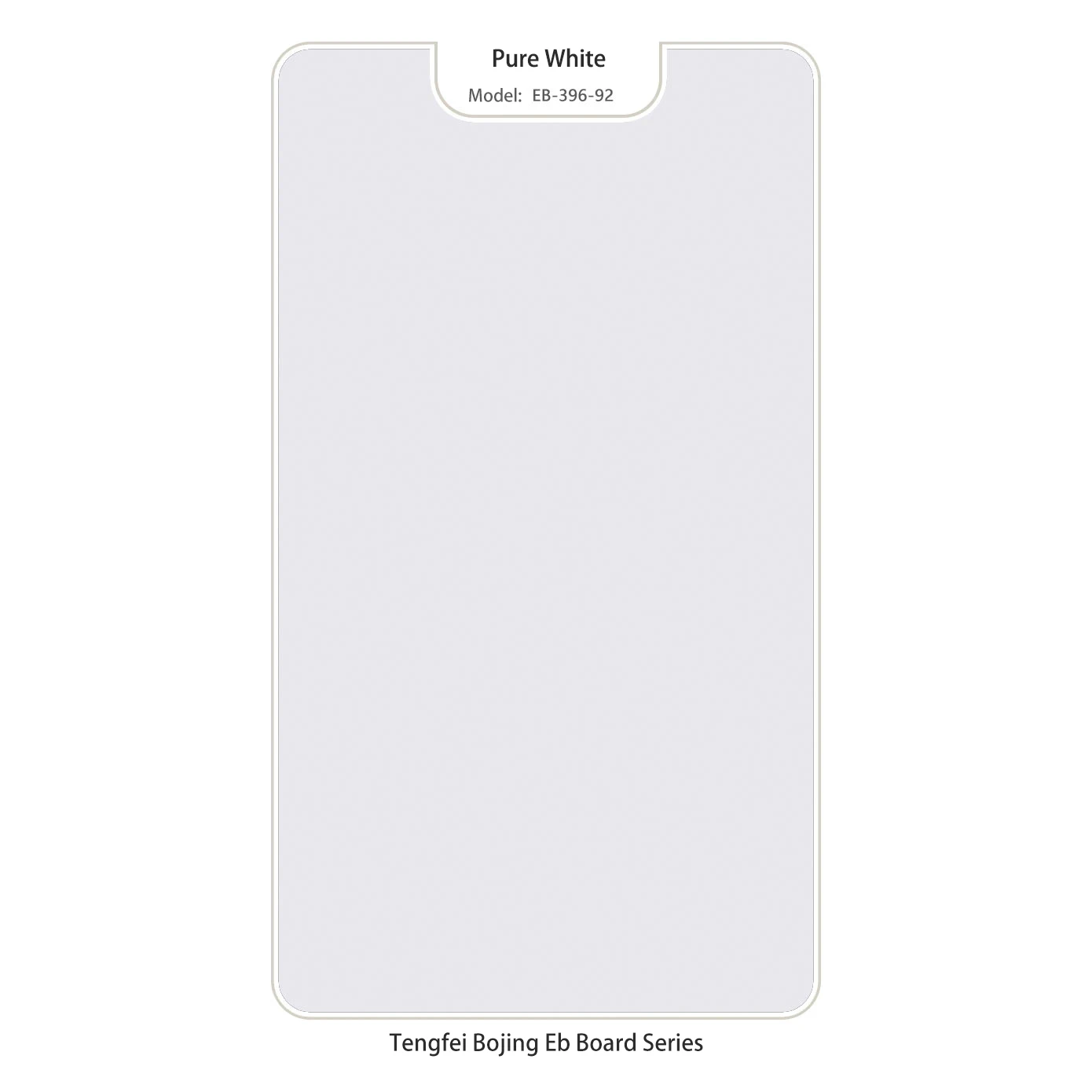
Tengfei Platinum EB Particle High-Gloss Panels - Pure white
To provide reliable solutions through quality products!