Add: No.8 Xinxing Street, North Zone, Zhengding High-tech Industrial Development Zone, Hebei, China
CONTACT US
+8615030171059


CONTACT US
+8615030171059
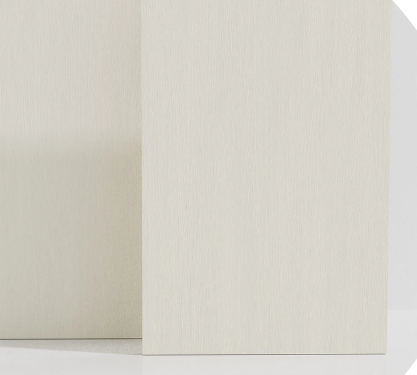
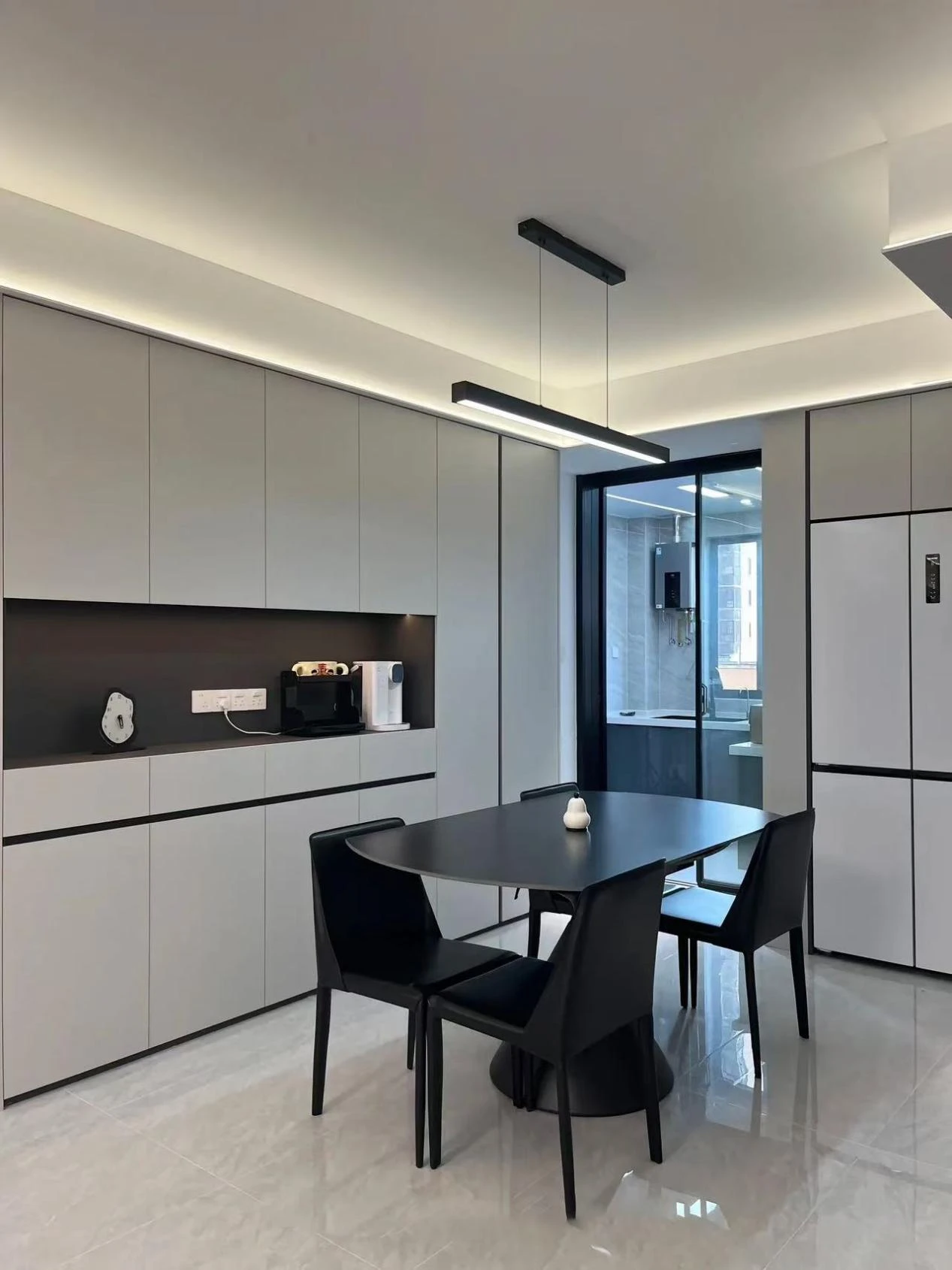
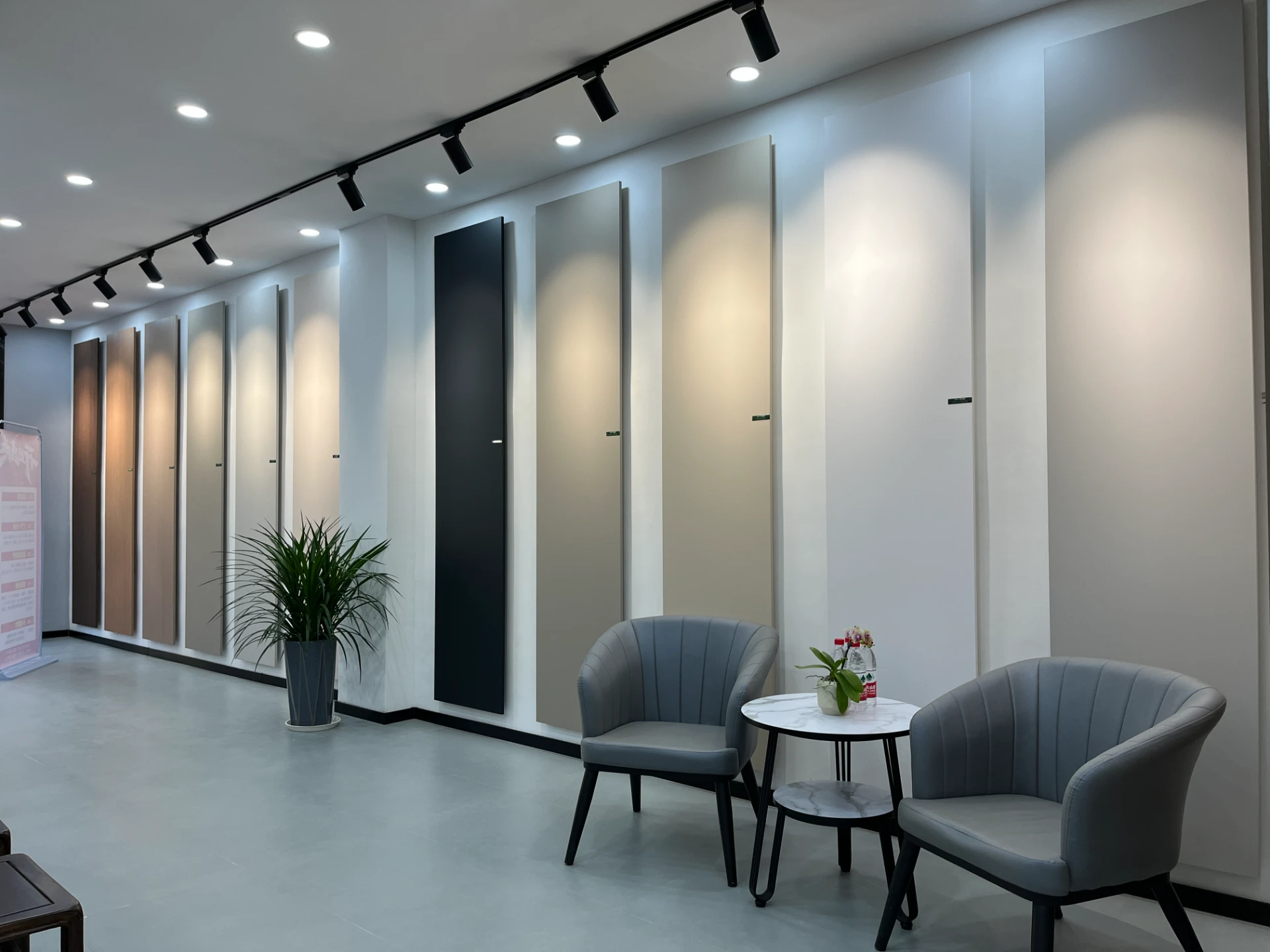
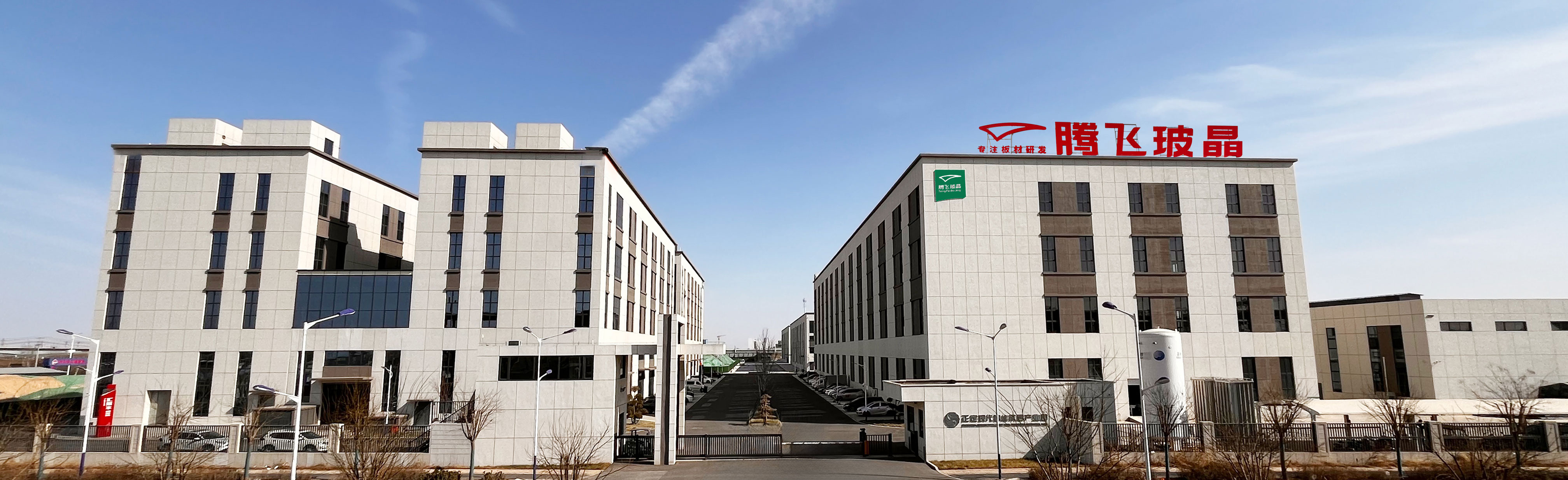
I spent a morning at the North Zone, Zhengding High-tech Industrial Development Zone (Hebei, China), where this finish—Cream Rice—has quietly become a bestseller. The name sounds edible, sure, but we’re talking decorative MDF-based panels in a warm, creamy tone that architects love for hotels, retail, and residential millwork. The factory vibe felt pragmatic: clean coating lines, steady QC, and, to be honest, more attention to emissions data than I expected.
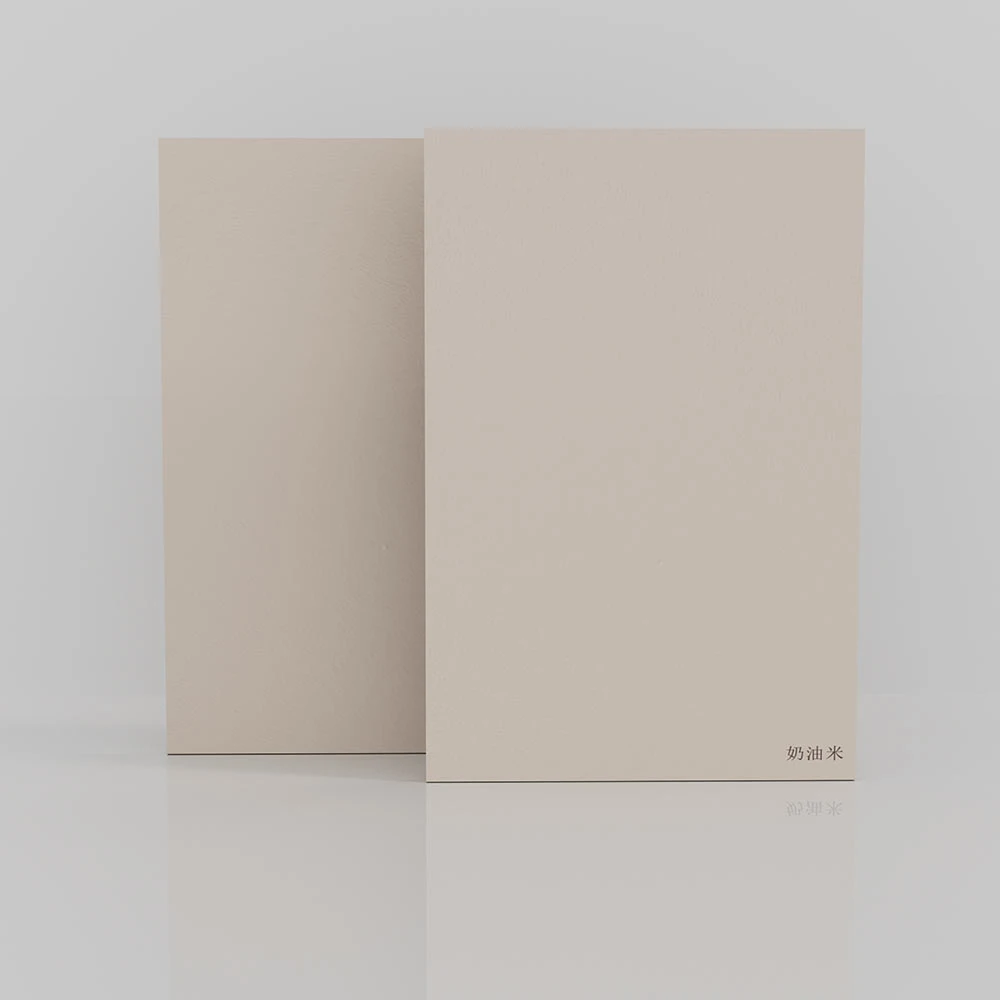
Muted neutrals are back, paired with high-performing surfaces. Specifiers want low-emission cores, easy cleaning, and subtle warmth that photographs beautifully under LED lighting. In fact, several dealers told me “cream” tones outsell stark white in premium kitchens now—less glare, more depth.
| Core | E1/E0 MDF (CARB Phase 2/TSCA Title VI compliant, on request) |
| Surface | UV-painted or melamine décor in Cream Rice tone |
| Finish options | High gloss (≈90±5 GU), super-matte (≈7±2 GU), soft-touch |
| Thickness | 5–25 mm (common: 18 mm) |
| Sizes | 1220×2440 mm; custom lengths available |
| Density | ≈720–760 kg/m³ (real-world may vary by thickness) |
| Edge | Color-matched ABS/PVC edging; PUR hotmelt |
| Emissions | ≤0.124 mg/m³ (GB 18580 E1) or ≤0.05 ppm (CARB/TSCA) |
| Abrasion (ASTM D4060) | ≈700–1200 cycles, CS-10F, 1 kg |
| Scratch (EN 438-2) | ≥2.0 N, matte; ≥3.5 N, gloss (typical) |
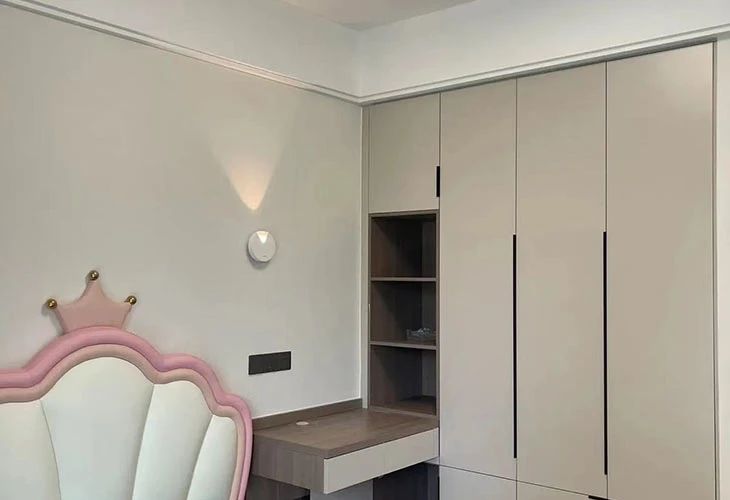
Kitchens and wardrobes, hotel headboards and wall cladding, retail fixtures, office furniture, and, surprisingly, boutique cafes where warm neutrals matter on Instagram. It seems that installers like how Cream Rice hides fingerprints better than pure white in matte.
| Vendor | Emission Class | Finish Range | Lead Time | Notes |
|---|---|---|---|---|
| Tengfei (Hebei origin) | E1/E0; CARB/TSCA | Gloss, super-matte, soft-touch | ≈15–25 days | Stable color control |
| Local Mill A | E1 | Matte only | ≈7–14 days | Fast, smaller lots |
| Import Brand B | E0/FSC chain options | Wide textures | ≈30–45 days | Premium pricing |
Data ≈ and for reference; verify against current COA.
Color matching within ΔE ≤ 1.0, texture emboss options (fine linen, silk, smooth), cut-to-size, back-to-back same color, and coordinated edgeband. OEM cartons and barcodes available for chain projects.
Typical factory certifications: ISO 9001, ISO 14001, and food-safe it is not (it’s furniture-grade), but the indoor air benchmarks matter—GB 18580 E1 and CARB/TSCA for formaldehyde. Adhesion verified via ISO 2409/ASTM D3359. Wear tested per ASTM D4060; dimensional tests per GB/T 17657.
Citations
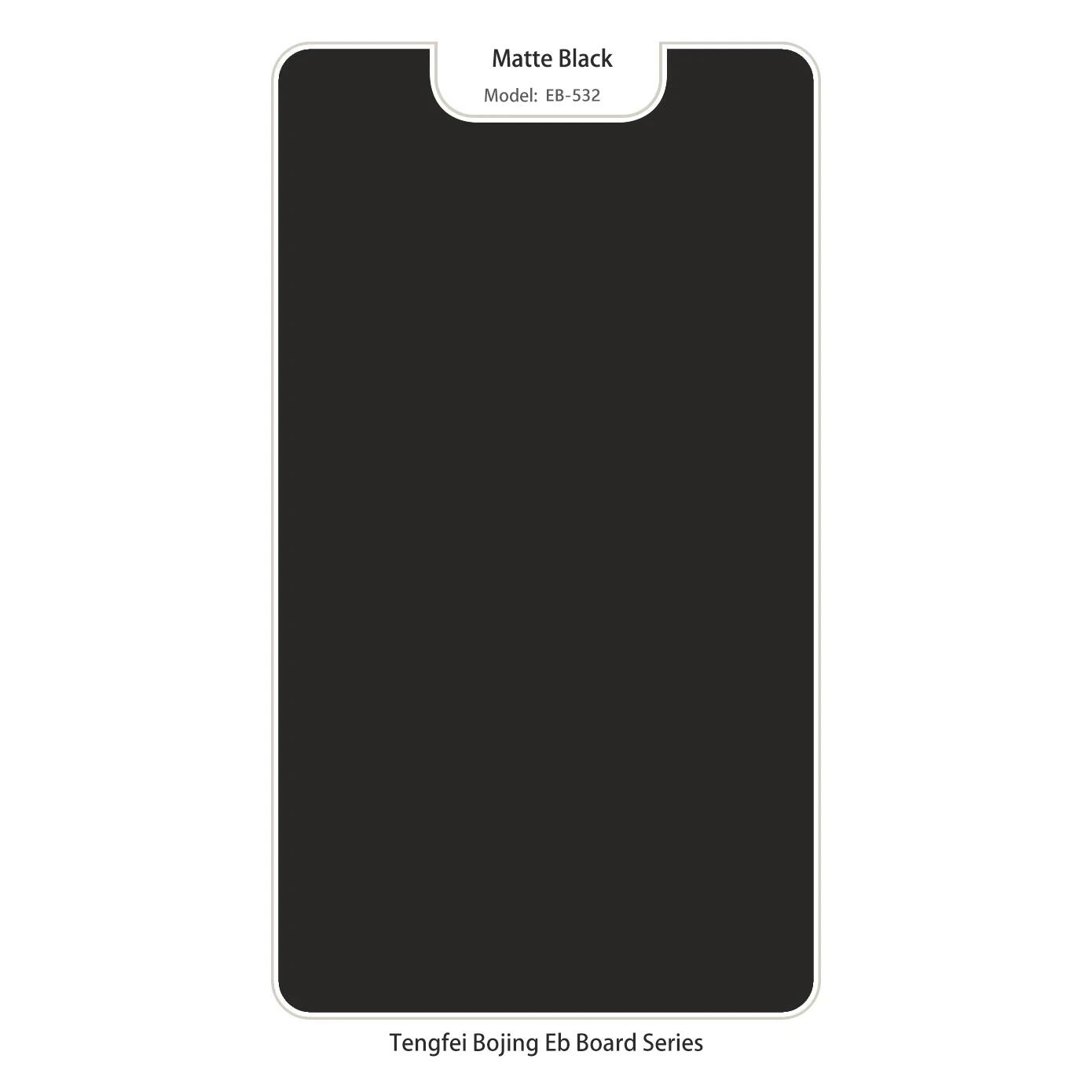
Tengfei Platinum EB Particle Panels - Matte Black
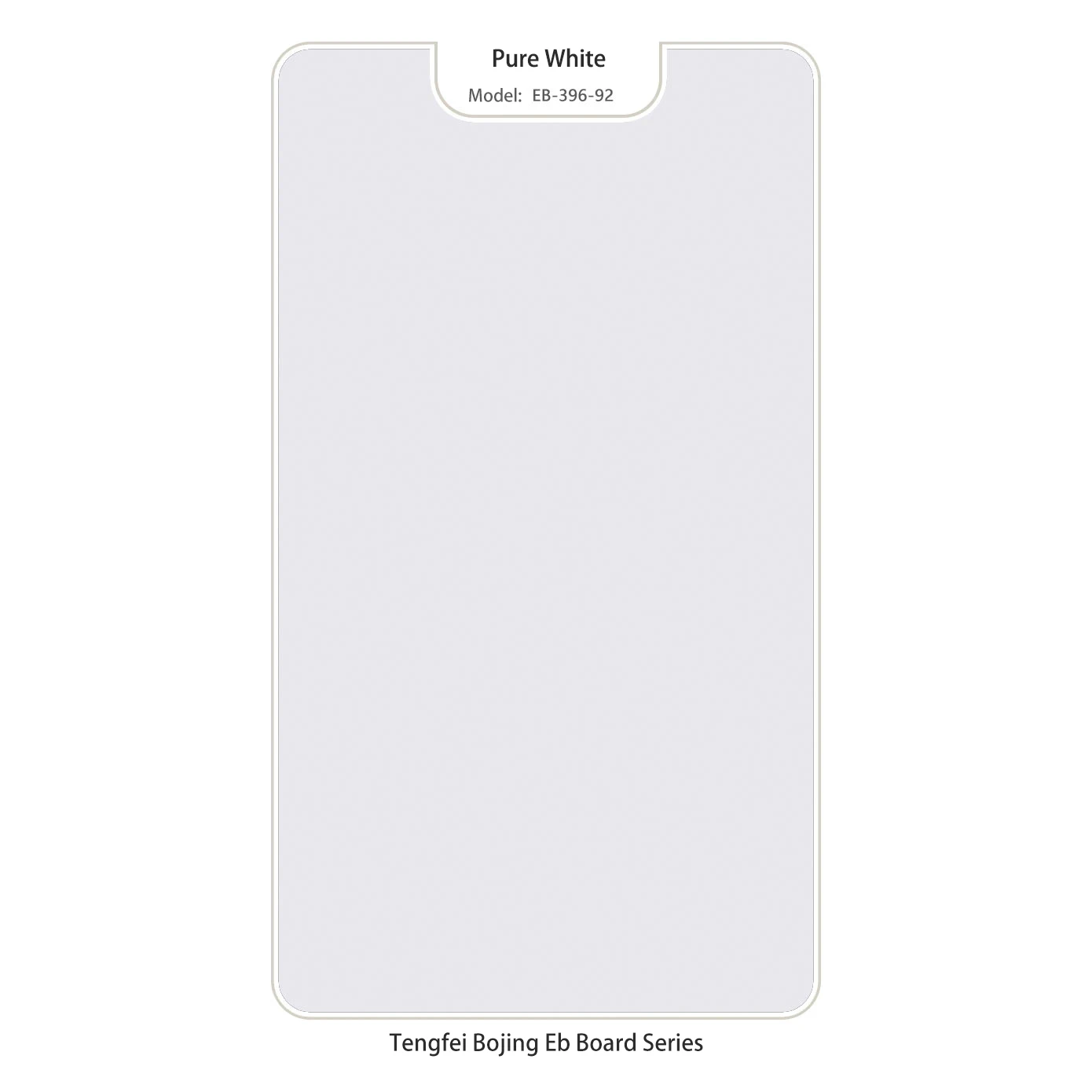
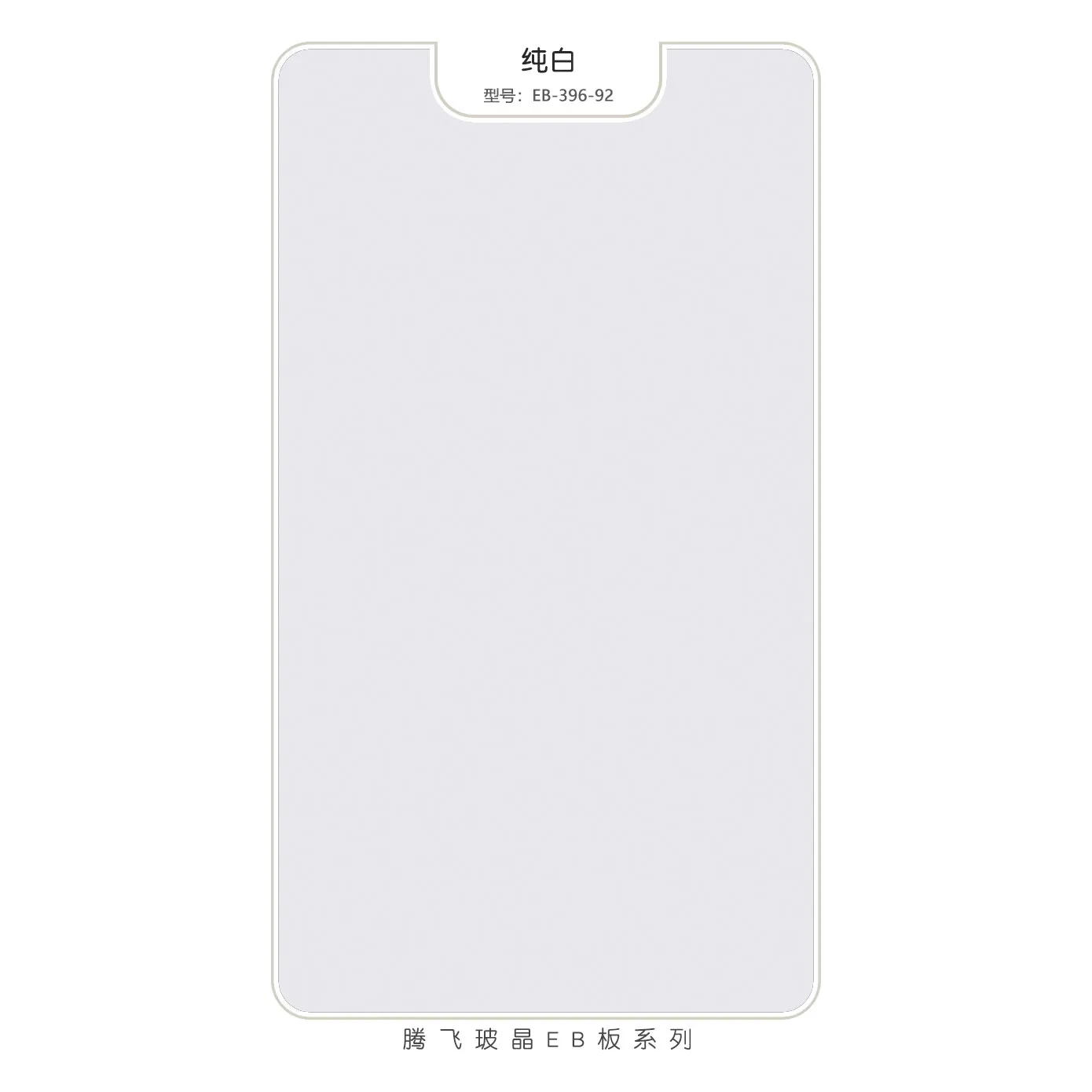
Tengfei Platinum EB Particle High-Gloss Panels - Pure white
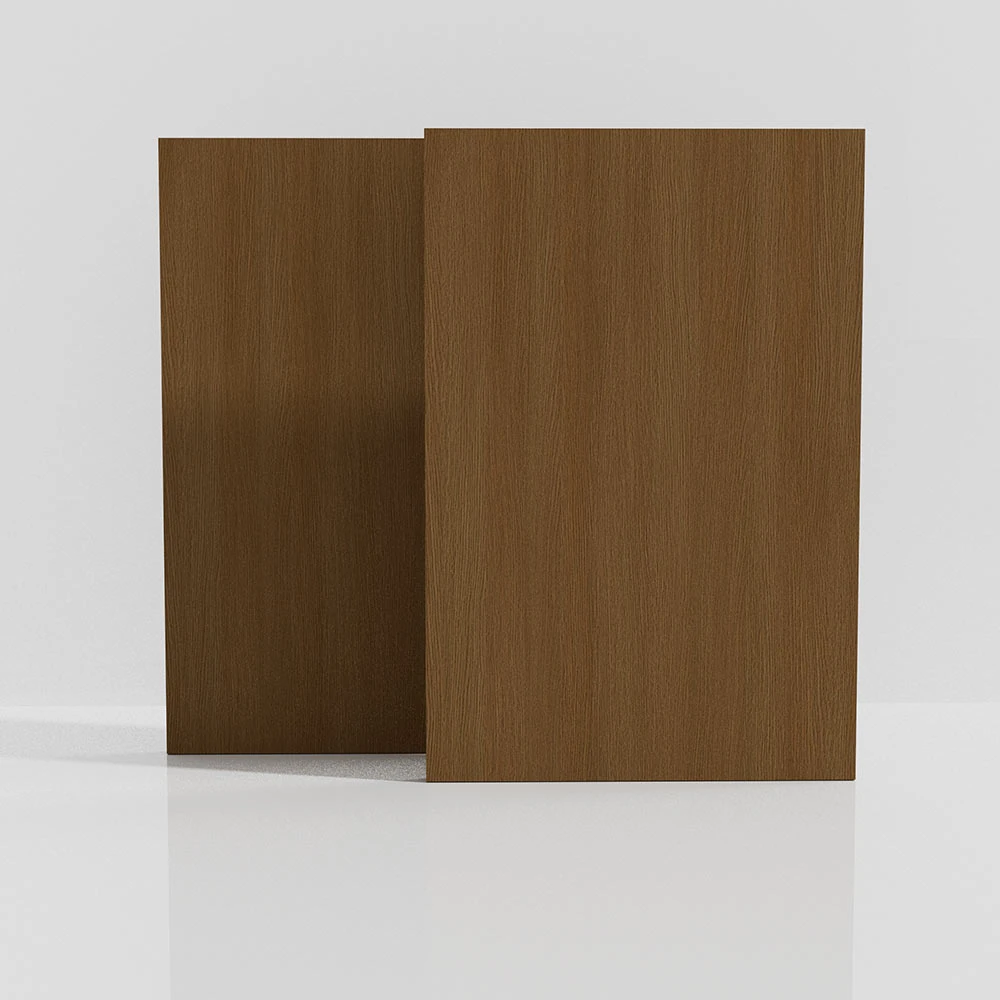
To provide reliable solutions through quality products!