Add: No.8 Xinxing Street, North Zone, Zhengding High-tech Industrial Development Zone, Hebei, China
CONTACT US
+8615030171059


CONTACT US
+8615030171059
Origin: No.8 Xinxing Street, North Zone, Zhengding High-tech Industrial Development Zone, Hebei, China
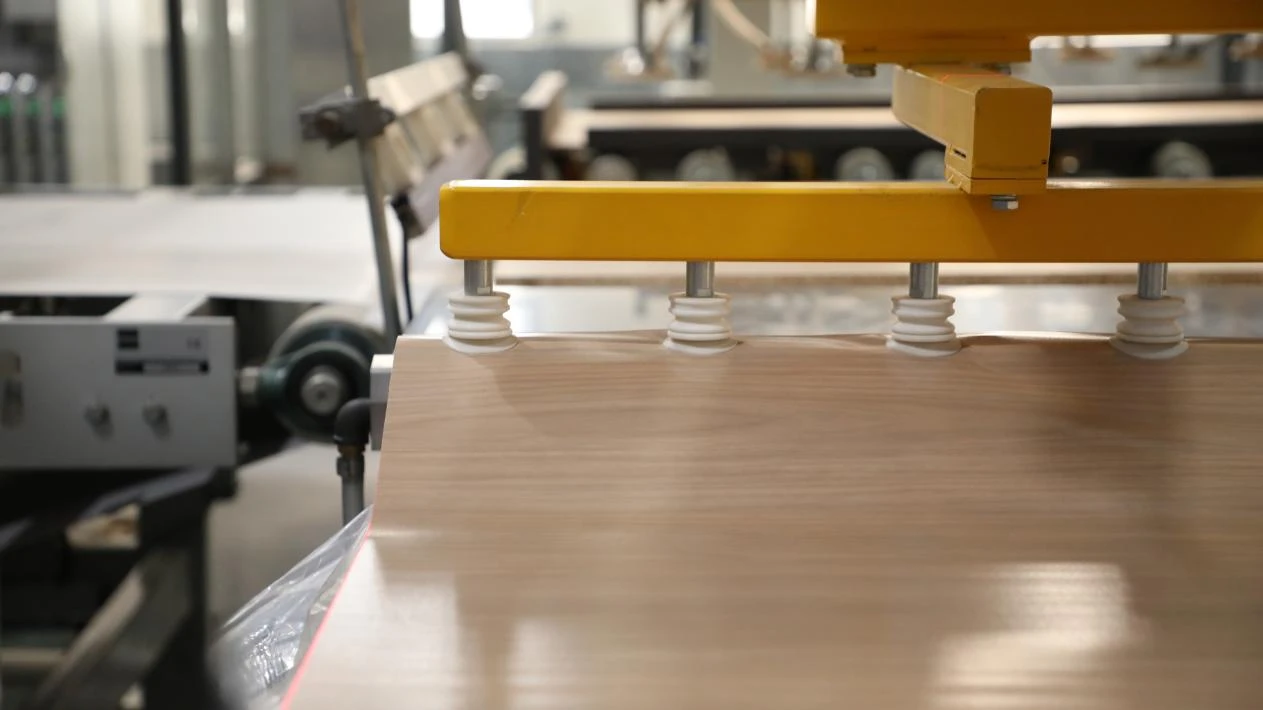
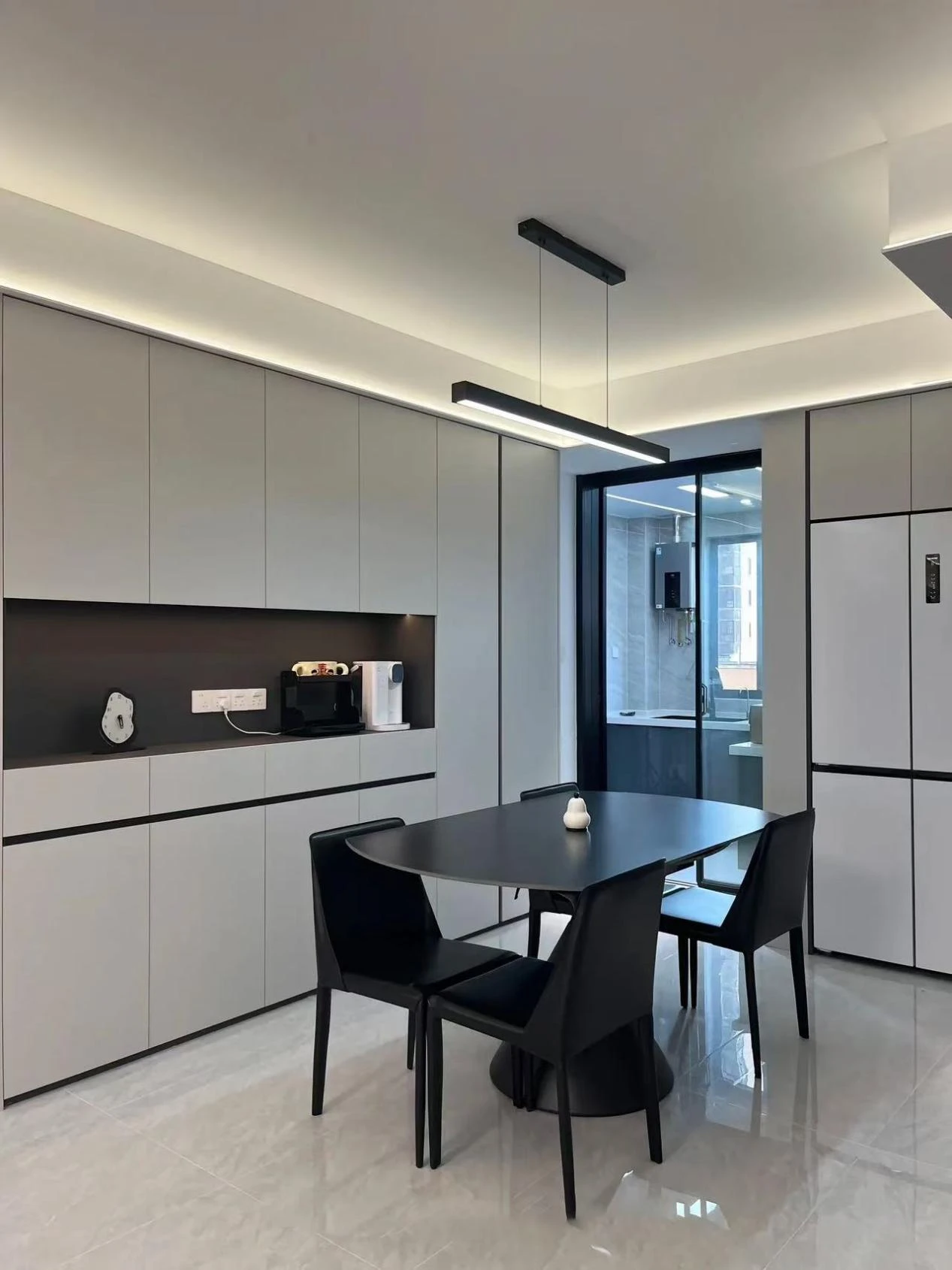
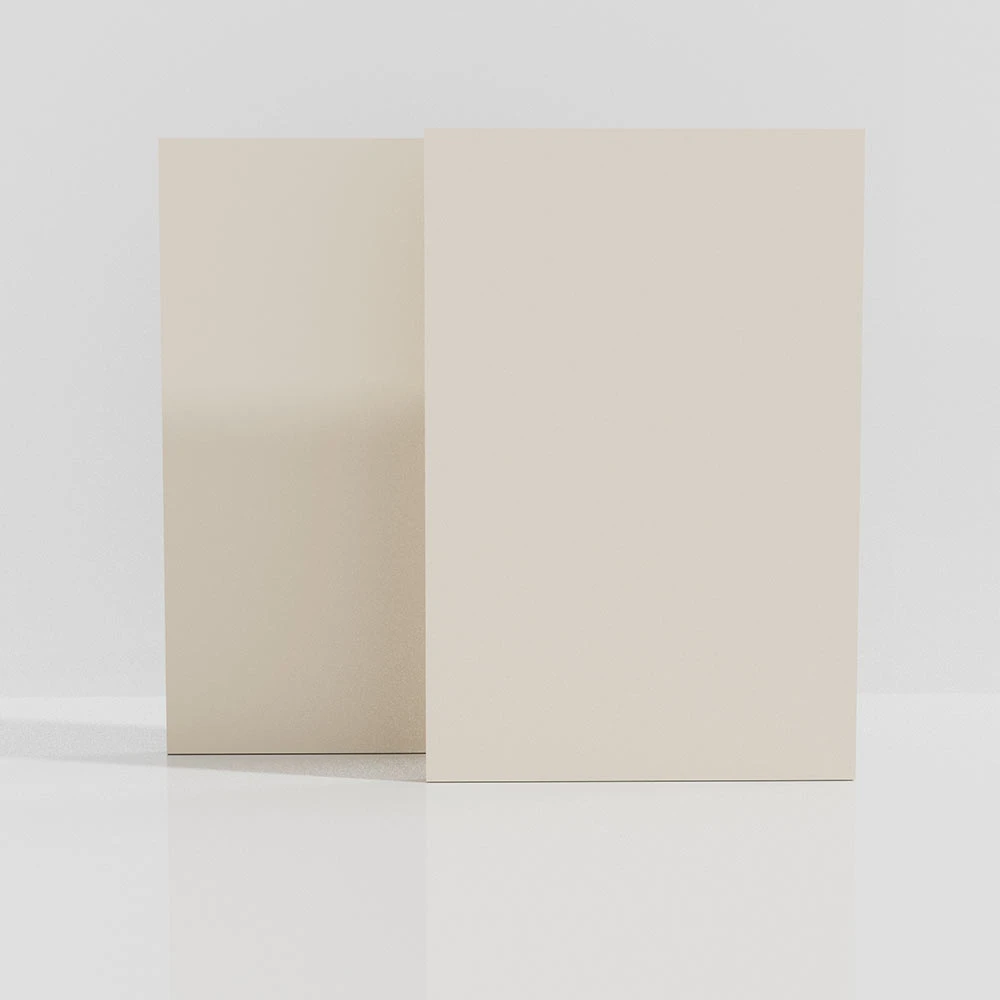
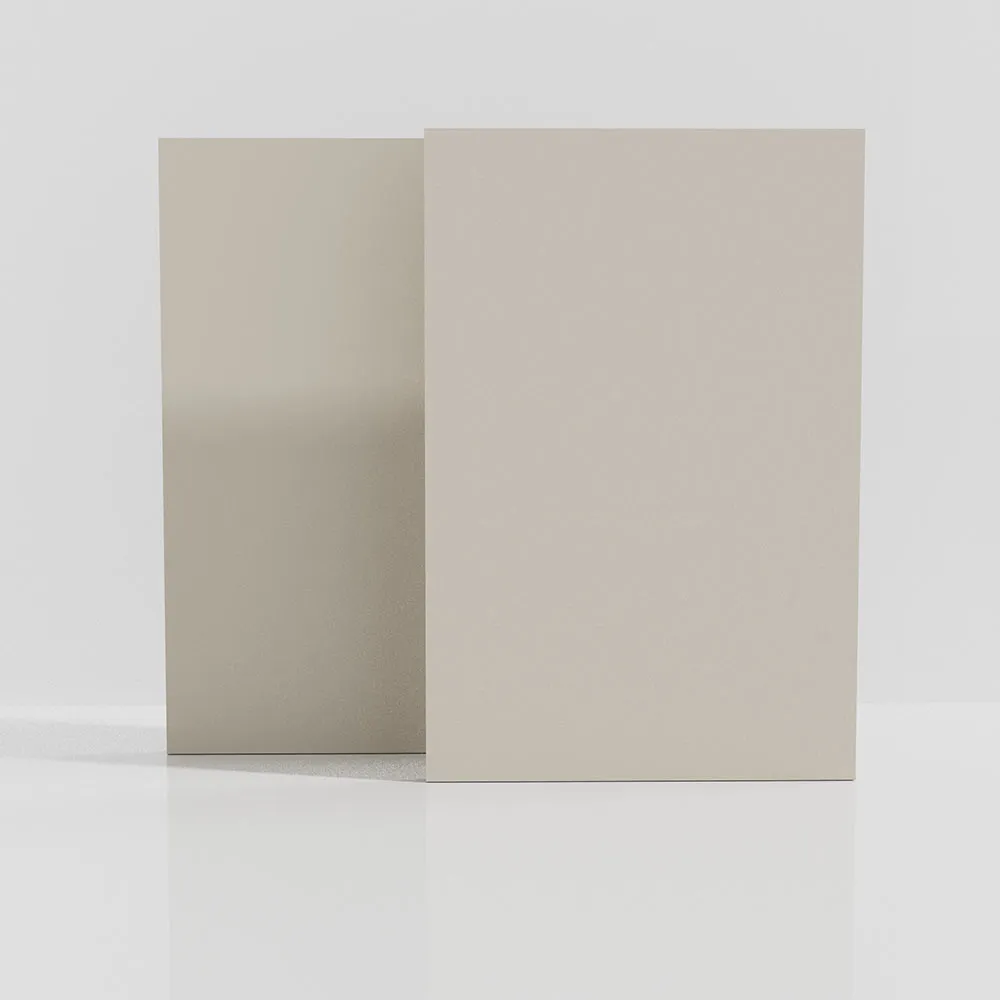
If you’ve spent time in modern joinery shops, you’ve probably seen it: that soft, low-gloss “Morandi-style” white panel that plays nice with oak, brushed metals, and warm lighting. That’s Mo Landi Bai. It’s a melamine-faced MDF tone that’s become a go-to for cabinets, wardrobes, retail fixtures, and wall cladding. Designers love the neutrality; installers love the consistency. To be honest, it’s one of those finishes that doesn’t shout—and that’s exactly the point.
Two currents are driving demand: muted palettes (the “quiet luxury” wave) and healthier interiors. In fact, specifiers now ask for E0/CARB/TSCA-compliant cores as a baseline, not an upgrade. Mo Landi Bai sits right in that lane: neutral color, low glare (≈8–12 gloss), certified low emissions, and decent abrasion resistance for mid-traffic interiors.
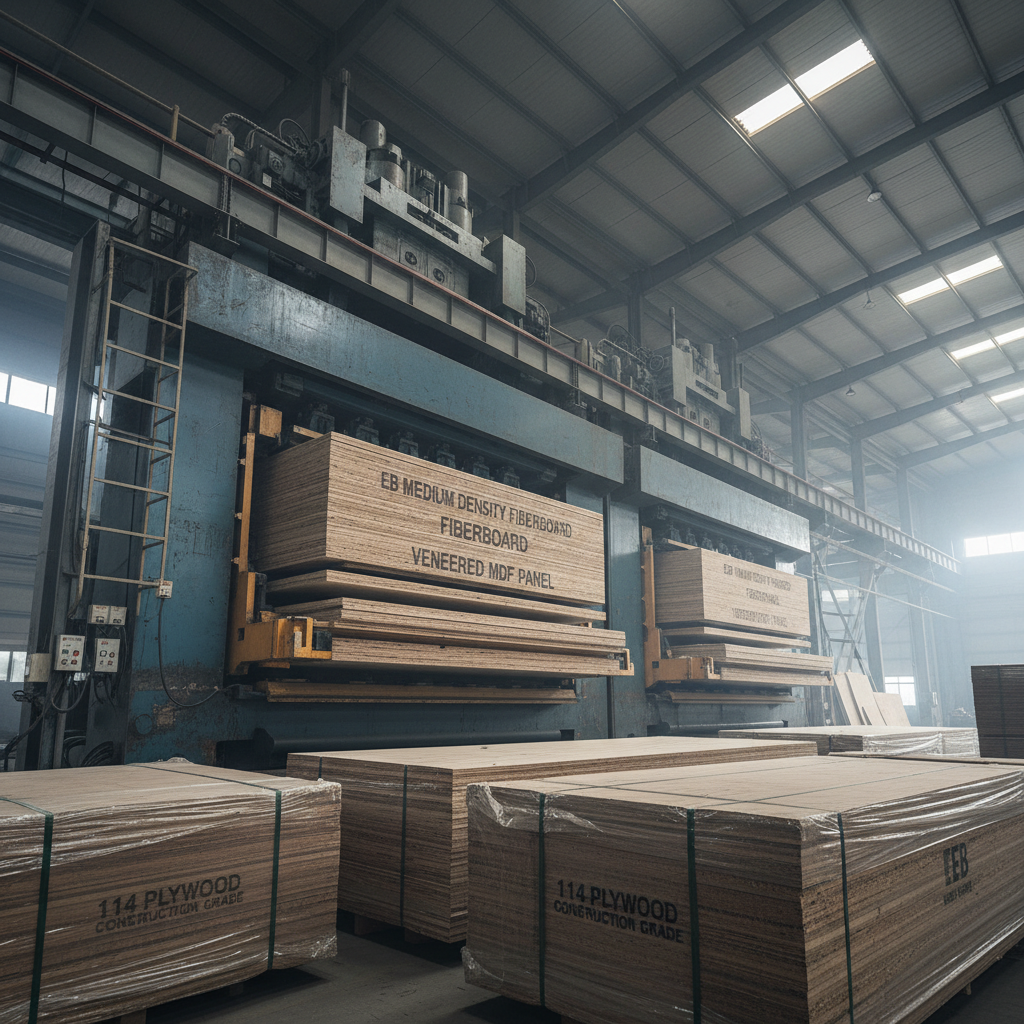
Materials: refined wood fibers, low-emission UF/modified resins, decorative melamine paper in the Mo Landi Bai tone. Methods: MDF hot-press (≈730±30 kg/m³), precision sanding, paper impregnation, short-cycle hot pressing, trimming, edge-control. Testing: EN 14323 surface tests; EN 317 thickness swelling; EN 320 screw withdrawal; formaldehyde per CARB/TSCA. Service life: around 10–15 years indoors (real-world use may vary). Industries: residential kitchens, wardrobes, hospitality headboards, clinic cabinetry, office fitouts, boutique retail.
| Core | E0/E1 MDF; density ≈730±30 kg/m³ |
| Sizes | 1220×2440 mm, 1830×2440 mm; custom on request |
| Thickness | 5–25 mm (common: 9, 12, 16, 18 mm) |
| Surface | Melamine, matte ≈8–12 gloss; textures: smooth/linen/sand |
| Abrasion (EN 14323) | ≥150 revolutions (interior vertical), stain resistance grade 5 |
| Formaldehyde | TSCA Title VI / CARB Phase 2 compliant; typical lab value ≈0.03 ppm |
| Moisture options | Standard; MR (green core) available |
| Fire-retardant | FR grade on request (regional standards apply) |
| Vendor | Core density | Emissions | Lead time | Customization | Price index |
|---|---|---|---|---|---|
| Tengfei (Mo Landi Bai) | ≈730 kg/m³ | TSCA/CARB, E0 | 10–15 days | Color, texture, MR/FR, size | $$ (mid) |
| Vendor A | ≈700 kg/m³ | E1 | 20–25 days | Limited | $ (budget) |
| Vendor B | ≈750 kg/m³ | TSCA/CARB | 15–20 days | Color only | $$$ (premium) |
Options: thickness, MR/FR core, textures, soft-touch matte, pre-edging. QC flow: incoming fiber check → resin ratio control → press temp/pressure logging → surface test (EN 14323) → formaldehyde chamber test → packaging audit. It sounds dry, but it’s what keeps Mo Landi Bai consistent across multi-site projects.
Typical data: formaldehyde ≈0.03 ppm (chamber), thickness swelling (EN 317, 24h) ≈12–14% for standard core, surface scratch ≥1.5 N (EN 14323), stain resistance grade 5 to coffee/ethanol/NaCl. Certifications available on batch: TSCA Title VI/CARB, ISO 9001; FSC chain-of-custody on request.
Is Mo Landi Bai flashy? Not really. It’s that dependable, camera-friendly neutral you specify when you want everything else to shine—and when you don’t want callbacks.
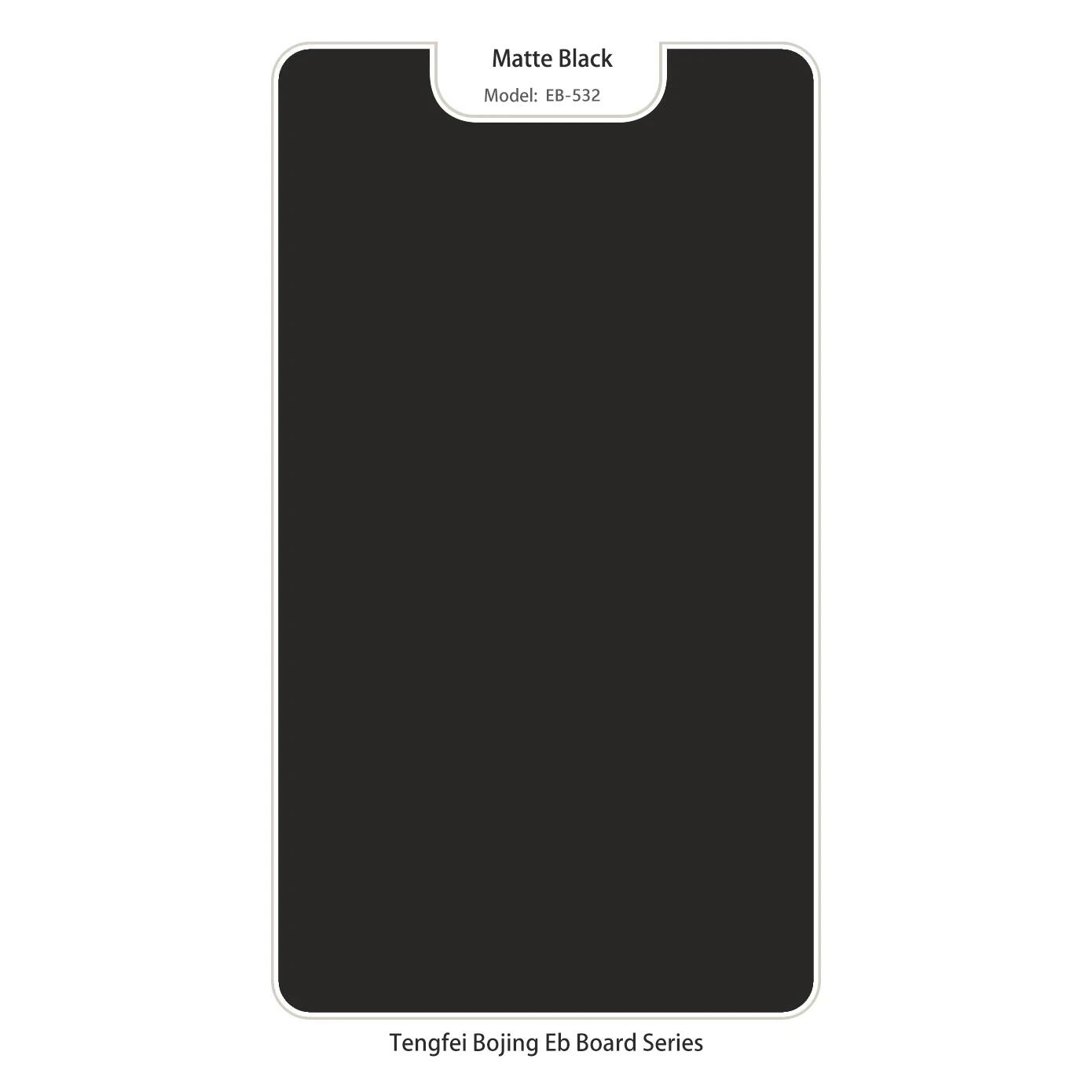
Tengfei Platinum EB Particle Panels - Matte Black
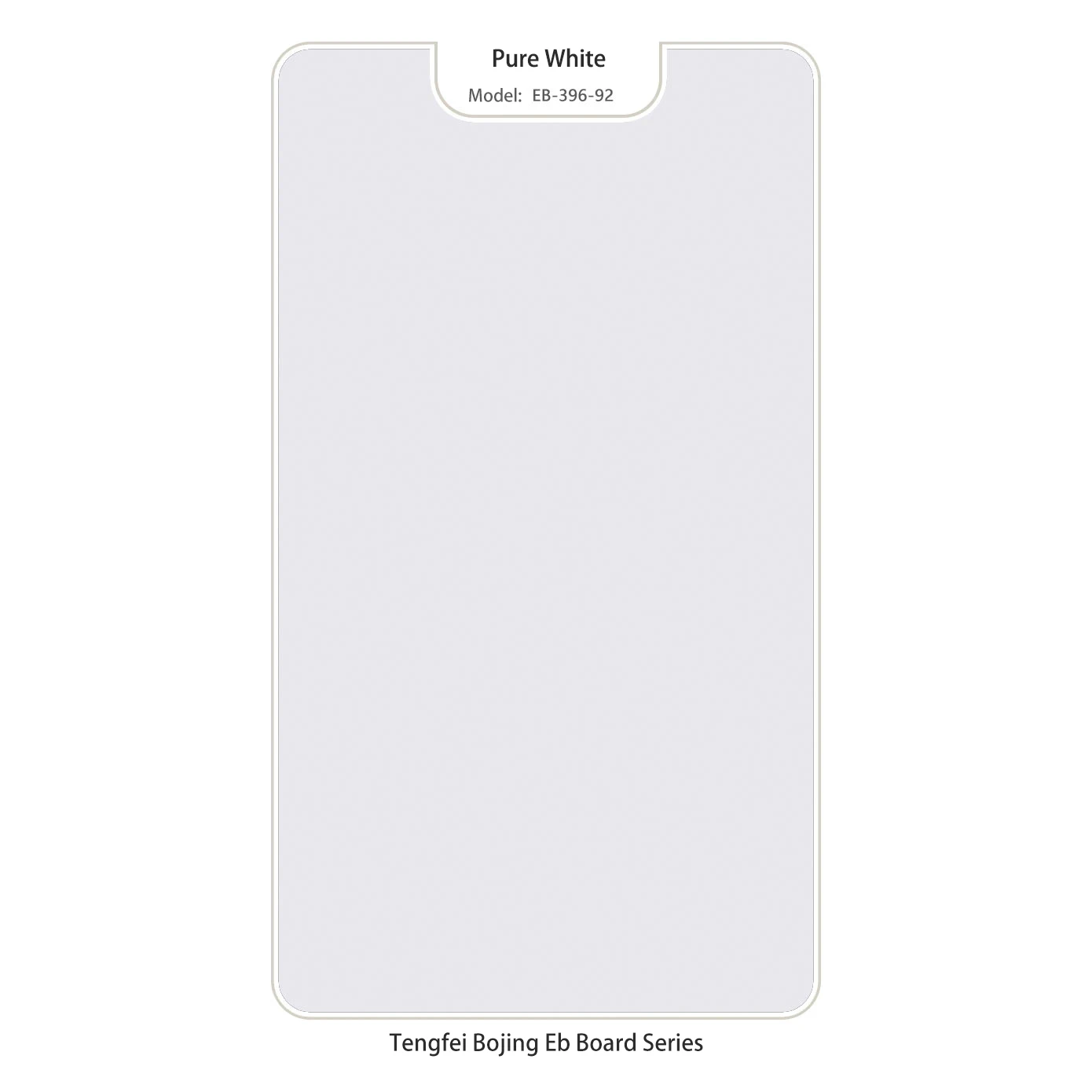
Tengfei Platinum EB Particle High-Gloss Panels - Pure white
To provide reliable solutions through quality products!