Italy's furniture and design industry is characterized by an uncompromising demand for visual purity and material longevity. In the competitive landscape of Milan and Venice, architects increasingly seek materials like veneer mdf board that can maintain high-end aesthetics while resisting the wear of high-traffic commercial environments. The regional focus on luxury hospitality means that surface stability and resistance to environmental stressors are non-negotiable requirements for any premium interior project.
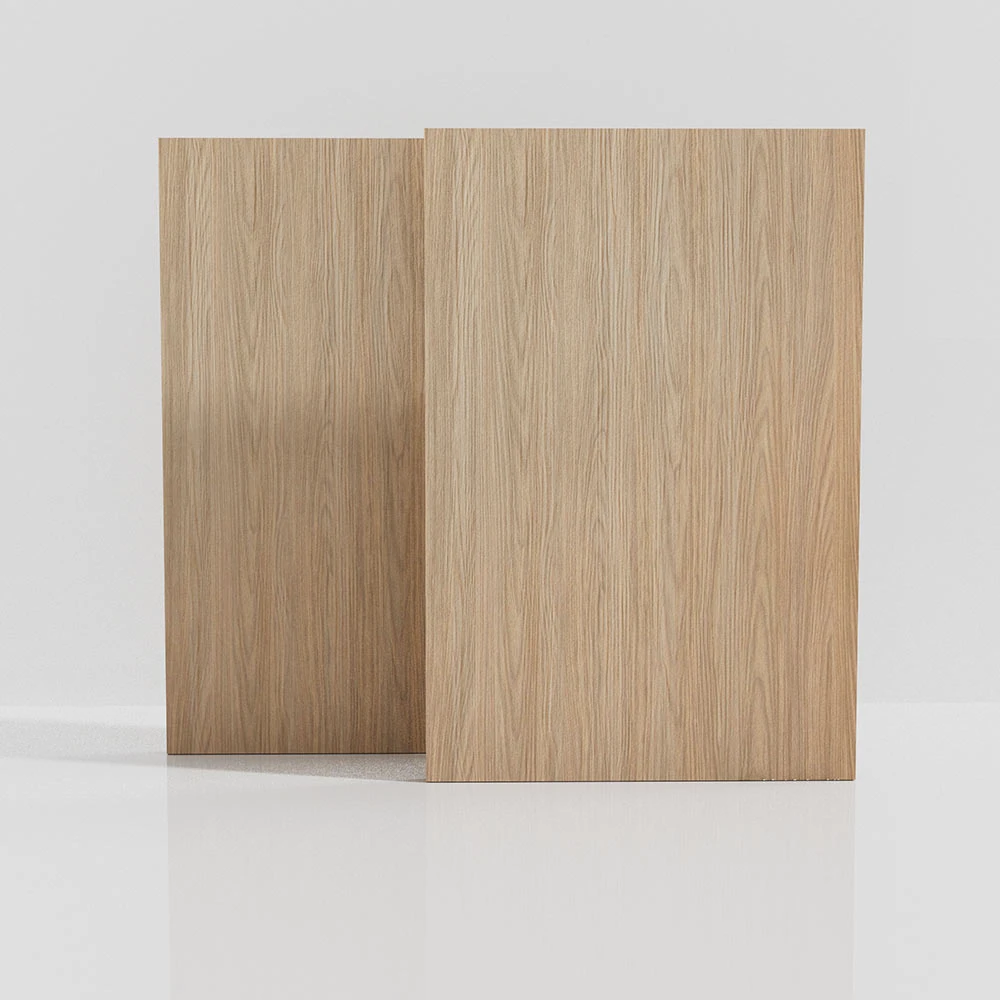
Beyond traditional wood, there is a growing shift toward hybrid materials that offer the warmth of organic textures with superior technical properties. The integration of natural wood veneer sheets allows designers to preserve the classical Italian emphasis on grain and texture while utilizing an EB-cured core to eliminate the instability associated with traditional thermal processing. This evolution is driven by a need for materials that are not only visually stunning but also functionally superior in terms of scratch and fingerprint resistance.
From an industrial perspective, the movement toward sustainable, non-toxic manufacturing is paramount. The adoption of Electron Beam (EB) curing represents a significant leap, removing benzene and formaldehyde emissions to meet strict European health standards. This technical upgrade ensures that high-performance surfaces can be safely deployed in pediatric and medical environments across the region, aligning industrial capacity with the growing demand for eco-efficient and health-conscious manufacturing processes.