Add: No.8 Xinxing Street, North Zone, Zhengding High-tech Industrial Development Zone, Hebei, China
CONTACT US
+8615030171059


CONTACT US
+8615030171059
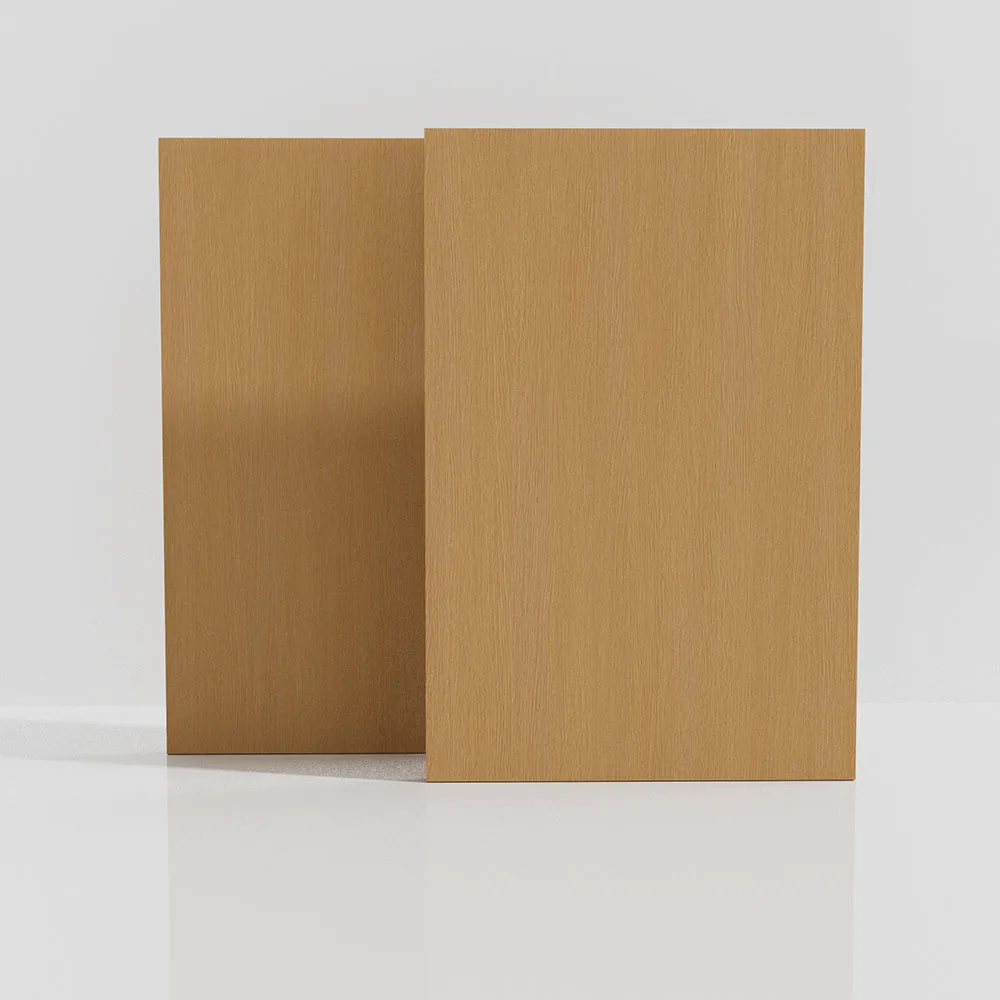
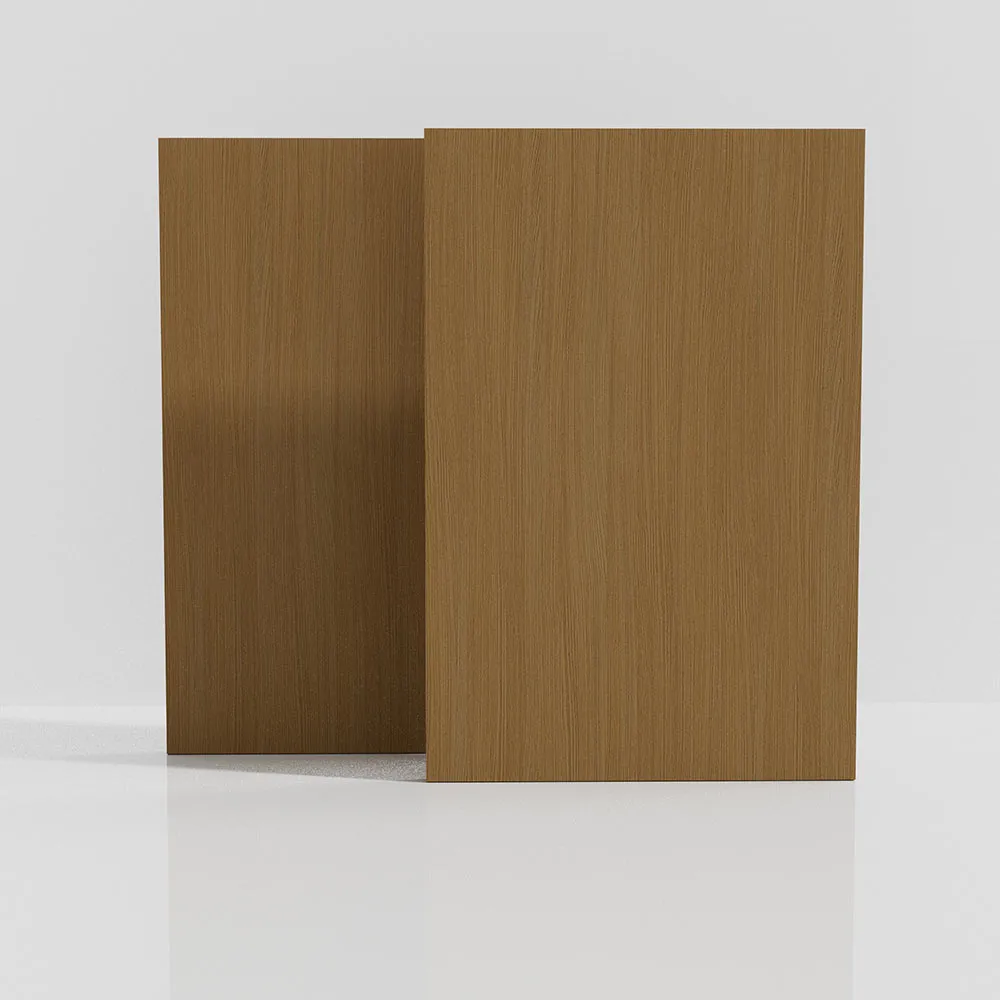
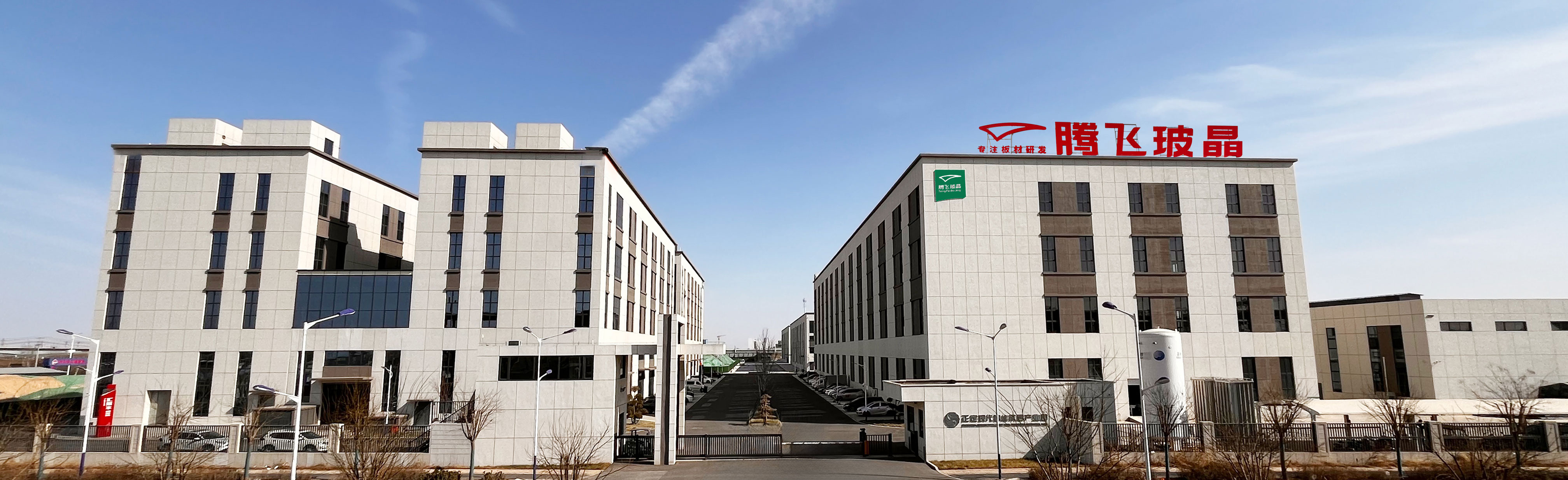
If you work with interiors, you’ve noticed the shift: warm, rational wood looks are back. And Italian Oak sits right in that sweet spot—European grain character with practical, spec-friendly performance. It’s made at No.8 Xinxing Street, North Zone, Zhengding High-tech Industrial Development Zone, Hebei, China, which, to be honest, I didn’t expect to become a hub for premium décor surfaces—but here we are.
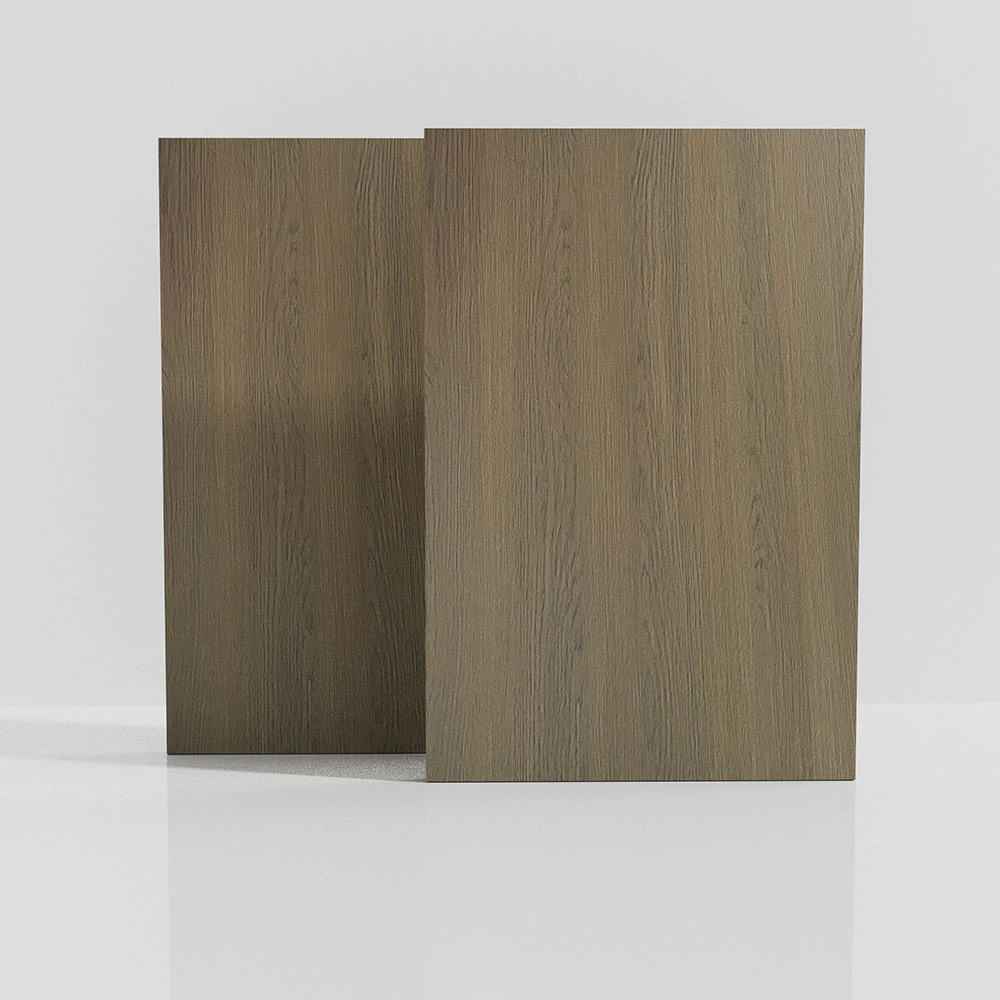
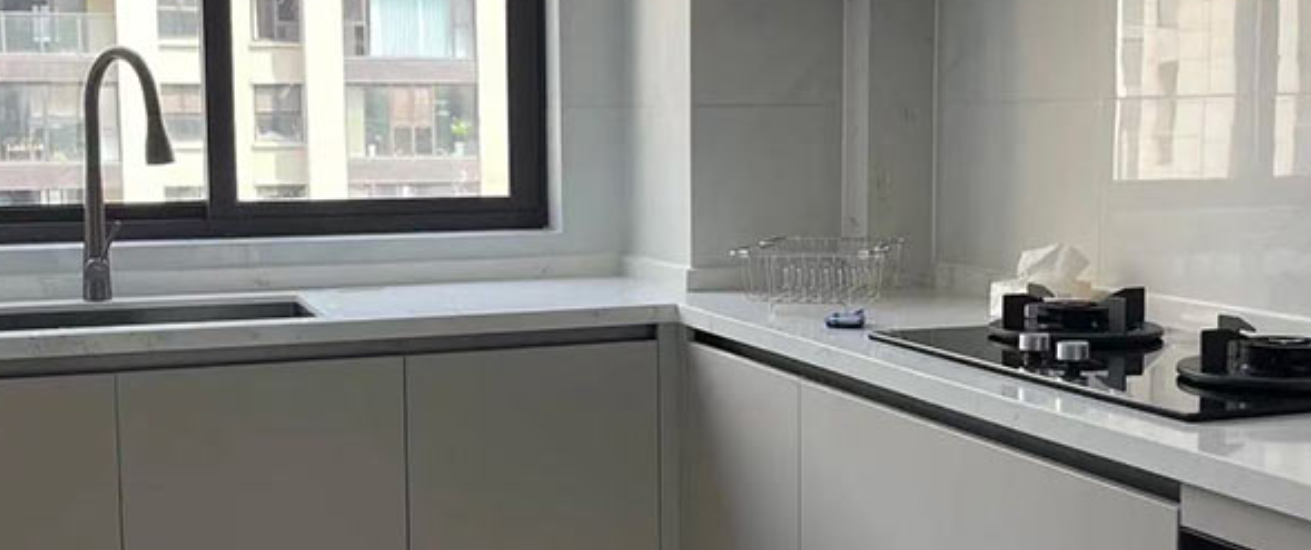
In hospitality and multi-residential, clients ask for “authentic, not fussy.” Italian Oak answers with synchronized pore options (that subtle texture that tracks the printed grain) and a palette that plays nicely with matte metals and stone. It shows up in kitchens, closets, retail fixtures, and even RV cabinetry where weight and durability matter. Many customers say the tone reads “calm” under mixed lighting—surprisingly consistent across batches.
| Parameter | Spec (≈, real-world use may vary) |
|---|---|
| Core | E1/E0 MDF or Particleboard; optional plywood core |
| Thickness | 5–25 mm (common: 8/12/16/18 mm) |
| Density (MDF) | ≈720–760 kg/m³ |
| Surface | Melamine décor, matte or synchronized emboss; >150 g/m² overlay |
| Abrasion resistance | AC2–AC3 class equivalent for furniture use (≈3000–4000 cycles) |
| Formaldehyde emission | E1 ≤0.124 mg/m³ (EN 717-1) / CARB P2 & TSCA Title VI compliant |
| Service life | ≈10–15 years in indoor environments |
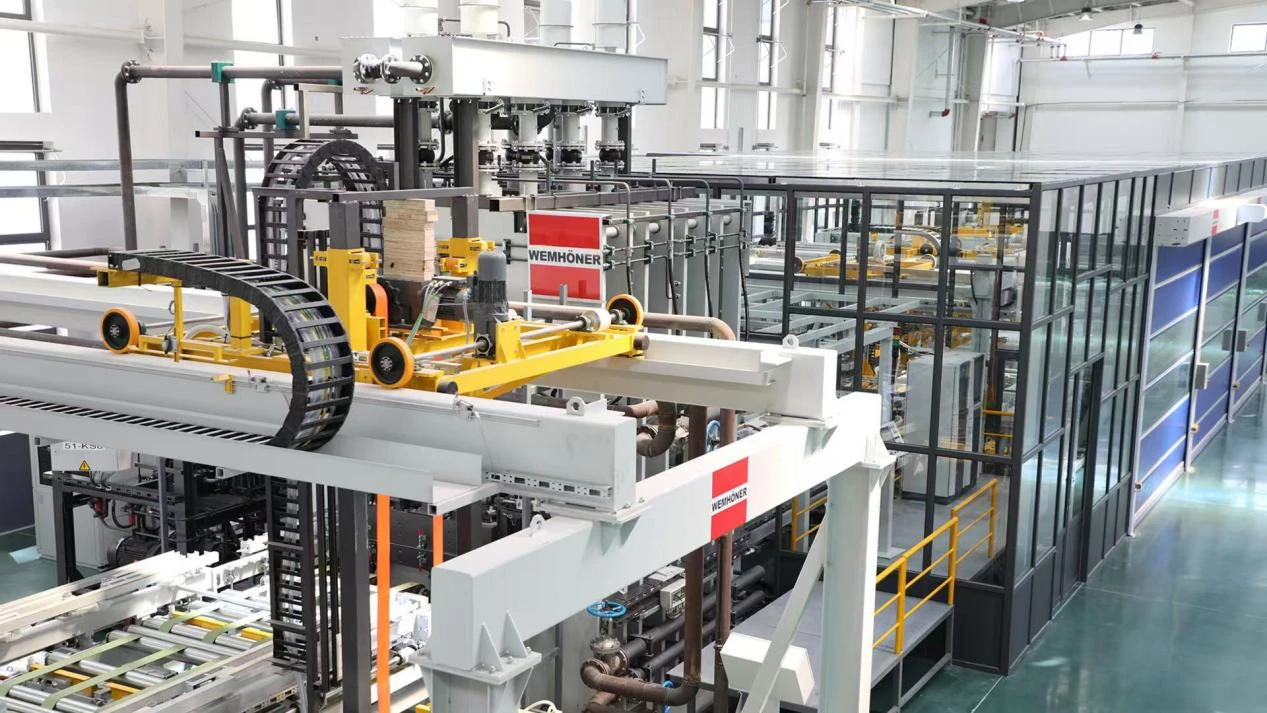
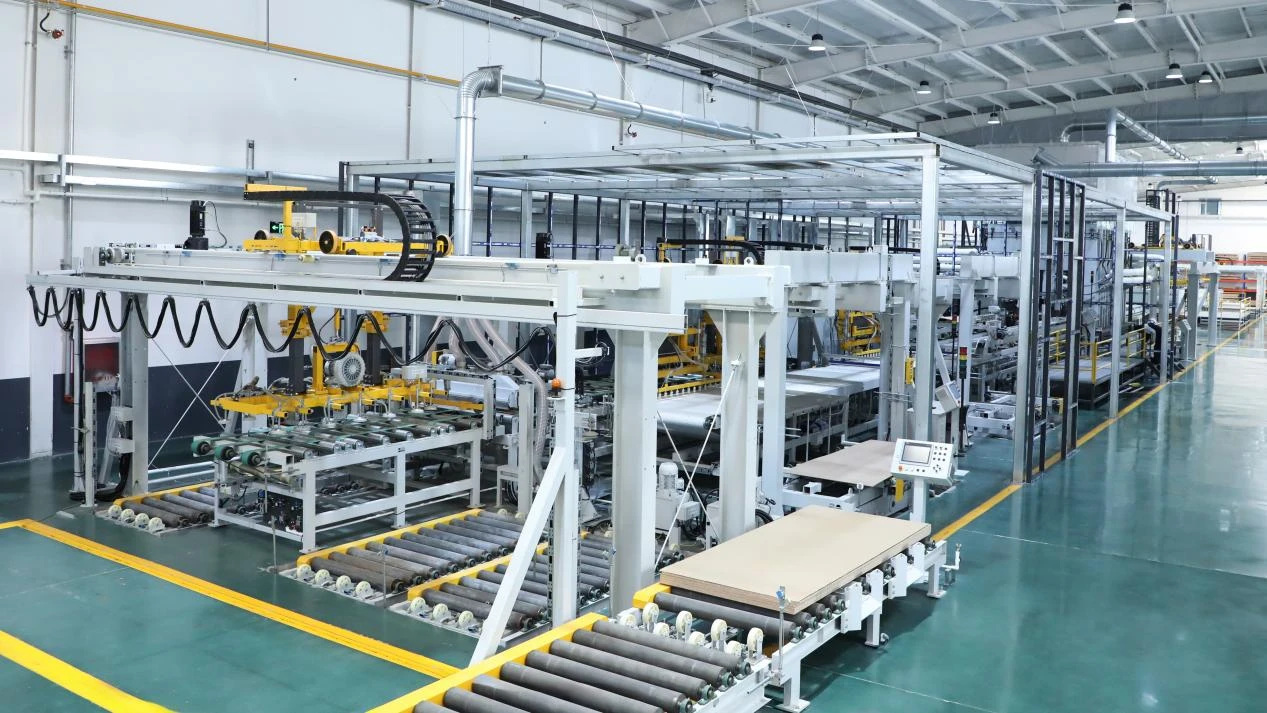
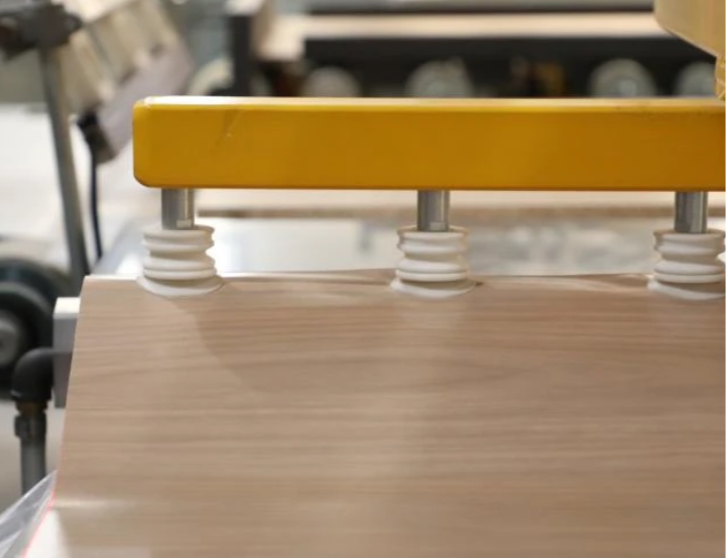
Italian Oak uses calibrated MDF or PB, moisture-balanced to ≈6–8%. Decorative paper (oak print) and overlay paper are impregnated with melamine resin, then hot-pressed at ≈180–200°C under controlled pressure. Edges can be matched with ABS/PVC tape. Quality checks follow GB/T 17657 for mechanicals, EN 14322 for melamine-faced panels, and EN 717-1 chamber testing for emissions. Incoming core is screened for density variation; surface gets rub, scratch, and stain tests (coffee, acetone, marker—real world dirt).
Thickness, core type, gloss level, synchronized pore depth, and cut-to-size are on the table. Edge banding is tone-matched; you can request FSC-certified core and pre-drilled components. I guess the small MOQ for color hold is the underrated perk.
| Vendor | Core Options | Emission Class | MOQ | Lead Time | Notes |
|---|---|---|---|---|---|
| Tengfei EBMDF (Italian Oak) | MDF/PB/Plywood | E1/E0, CARB P2, TSCA VI | ≈100–300 sheets | 2–4 weeks | Color hold + edge-match |
| EU Design Mill “M” | MDF/PB | E1, some E0 | High | 4–8 weeks | Strong color library |
| Local Wholesaler | MDF/PB | Varies | 1–50 sheets | In stock | Limited décor match |
Third-party labs validate EN 717-1 emissions and CARB/TSCA compliance; furniture abrasion and stain resistance follow EN 14322; mechanicals per GB/T 17657 and ASTM D1037. Facility quality runs under ISO 9001, with FSC chain-of-custody optional on request. Quick test snapshot from a recent lot: formaldehyde 0.035 mg/m³ (chamber), thickness swell (24h) ≈10–12% MDF, surface abrasion ≈3600 cycles. Solid.
A 220-room business hotel specified Italian Oak for headboards, wardrobes, and minibar surrounds. Value-engineered from veneer to melamine, they cut install time by ≈18% and reduced rejects thanks to edge-match accuracy. Post-opening feedback: “warm without being rustic,” and housekeeping noted fewer visible scuffs than the previous property—small win that matters.
References:
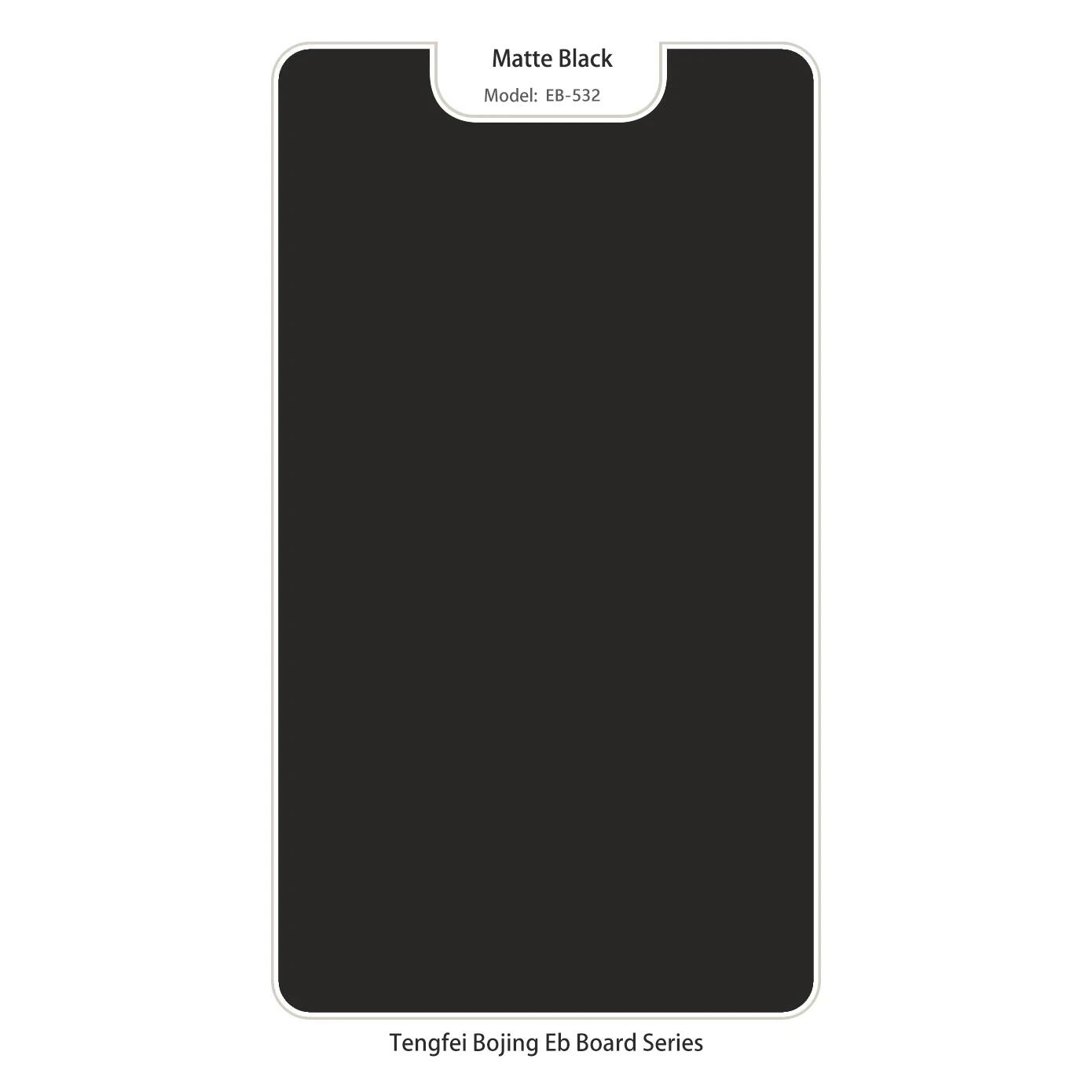
Tengfei Platinum EB Particle Panels - Matte Black
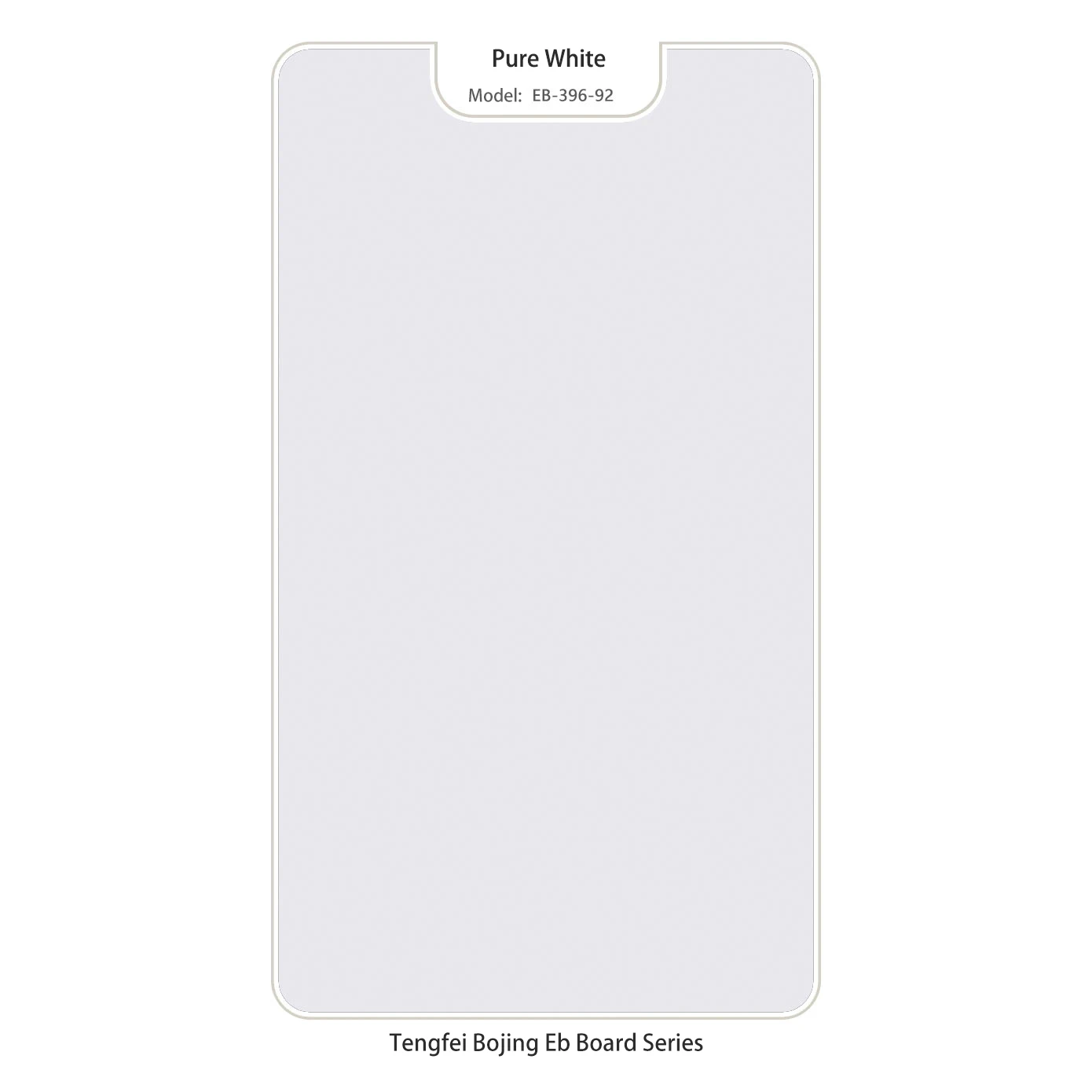
Tengfei Platinum EB Particle High-Gloss Panels - Pure white
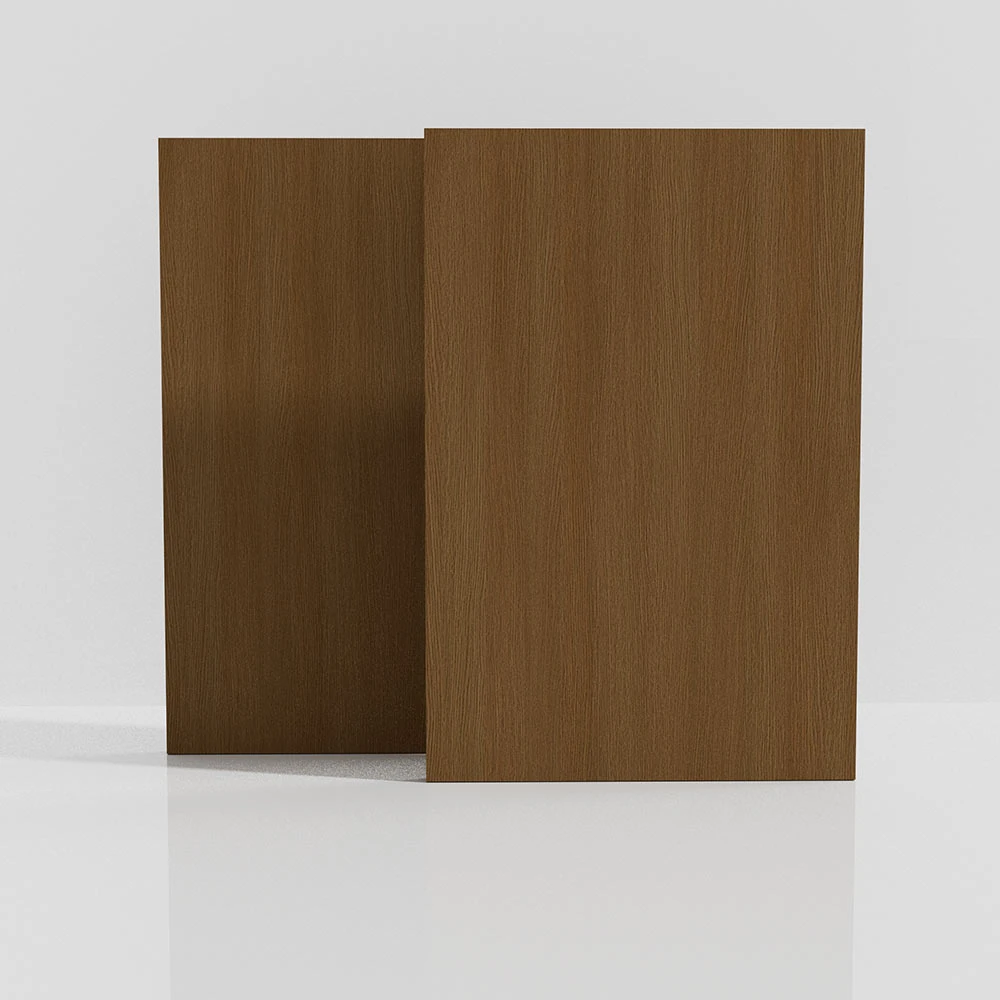
To provide reliable solutions through quality products!
![Discover [7J] Solutions: Premium Quality & Peak Performance](https://images.exportstart.com/images/a1394/logo-679.webp "Discover [7J] Solutions: Premium Quality & Peak Performance")