Add: No.8 Xinxing Street, North Zone, Zhengding High-tech Industrial Development Zone, Hebei, China
CONTACT US
+8615030171059


CONTACT US
+8615030171059
Let’s talk straight: the polyurethane segment is having a moment. Demand for flexible, low-VOC industrial systems is rising across furniture, appliances, and transport. In that context, PU201 has been cropping up in project briefs I see—quietly, but consistently. Not flashy, more like a dependable utility player, which—if you’ve ever been on a tight production schedule—is exactly what you want.
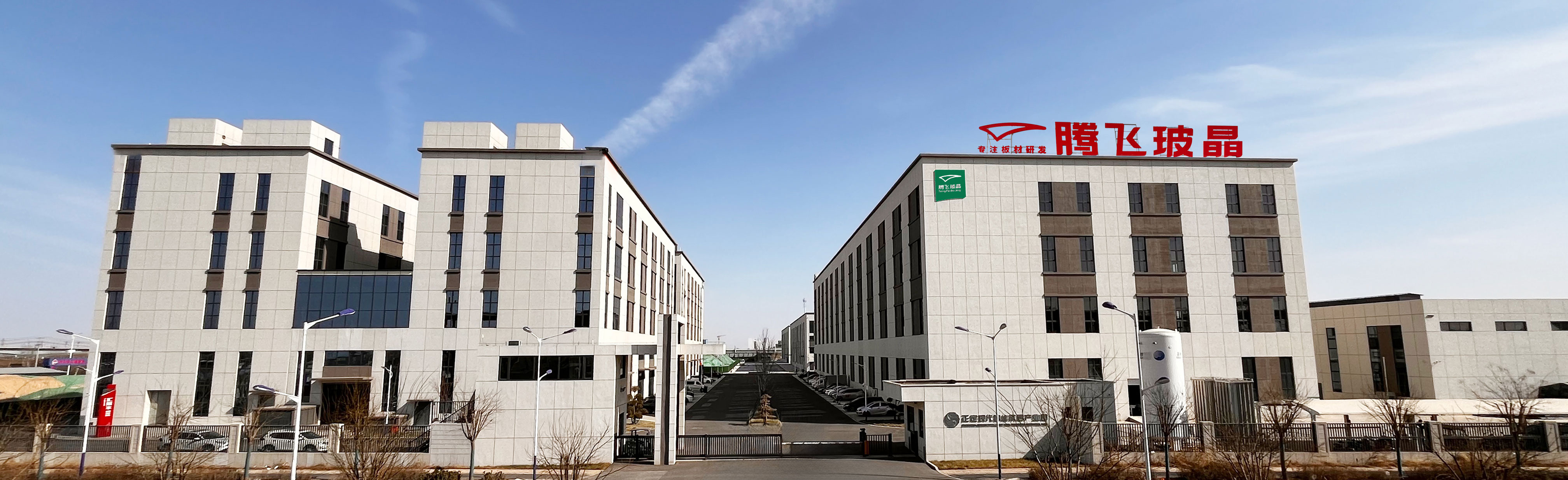
PU201 is produced in Hebei, China (No.8 Xinxing Street, North Zone, Zhengding High-tech Industrial Development Zone). The facility positioning suggests an export-ready operation with customization capacity. Many customers say the appeal is the balance of bonding strength and flexibility—especially on MDF, coated metals, and engineered plastics. Honestly, that’s a sweet spot for modern assembly lines.
| Parameter | Typical range / note | Reference |
|---|---|---|
| Chemistry | Polyurethane system (adhesive/sealant class) | — |
| Viscosity | ≈ 20,000–60,000 mPa·s @ 25°C | Lab data; process-dependent |
| Hardness | Shore A ≈ 45–70 | ISO 868 / ASTM D2240 [3] |
| Tensile / elongation | ≈ 6–12 MPa / 200–400% | ISO 37 / ASTM D412 [2] |
| Lap shear (CRS) | ≈ 1.5–2.5 MPa | ASTM D1002 [3] |
| Service temperature | -40 to +90°C (short peaks to 110°C) | Application-dependent |
| VOC | Low-VOC formulation aim | REACH/RoHS alignment [4] |
Materials: polyol blend, isocyanate prepolymer, fillers, adhesion promoters, catalysts. Methods: clean and abrade substrate (ISO 8501-like prep for metals), solvent wipe, controlled mix (if 2K), bead or roller application, clamp where needed. Testing standards: hardness (ISO 868), tensile (ASTM D412), lap shear (ASTM D1002), peel (ASTM D903). Service life: around 8–15 years indoors; UV or chemical splash will shorten that, obviously. Industries: furniture, HVAC, appliances, rail interiors, general assembly.
| Vendor | Certifications | Customization | Lead time | Notes |
|---|---|---|---|---|
| Manufacturer of PU201 (Hebei) | ISO 9001, RoHS/REACH statements | High (hardness, pot life, color) | ≈ 2–4 weeks | Factory-direct pricing; tech support |
| Generic importer | Varies | Low–medium | Stock-dependent | Good for spot buys |
| Local distributor | ISO 9001 at warehouse | Medium | Fast (1–5 days) | Higher price, easy returns |
Furniture OEM (MDF panels): switched to PU201 for trim bonding; reported ≈ 22% faster line speed thanks to consistent bead lay and fewer reworks. Warranty claims on joint cracks dropped visibly in Q2–Q3.
HVAC assembly: using PU201 as a sealant reduced panel vibration; sound pressure near blower housings down ≈ 3–5 dB(A). One engineer told me, “It just sticks without drama.” To be honest, that’s the dream.
Expect ISO 9001-driven QC, with material statements aligning to RoHS and REACH. Standard test reports often include ASTM D412 tensile, D2240 hardness, D1002 lap shear, and environmental aging summaries. Ask for batch CoA and a TDS with substrate-specific guidance.
Citations
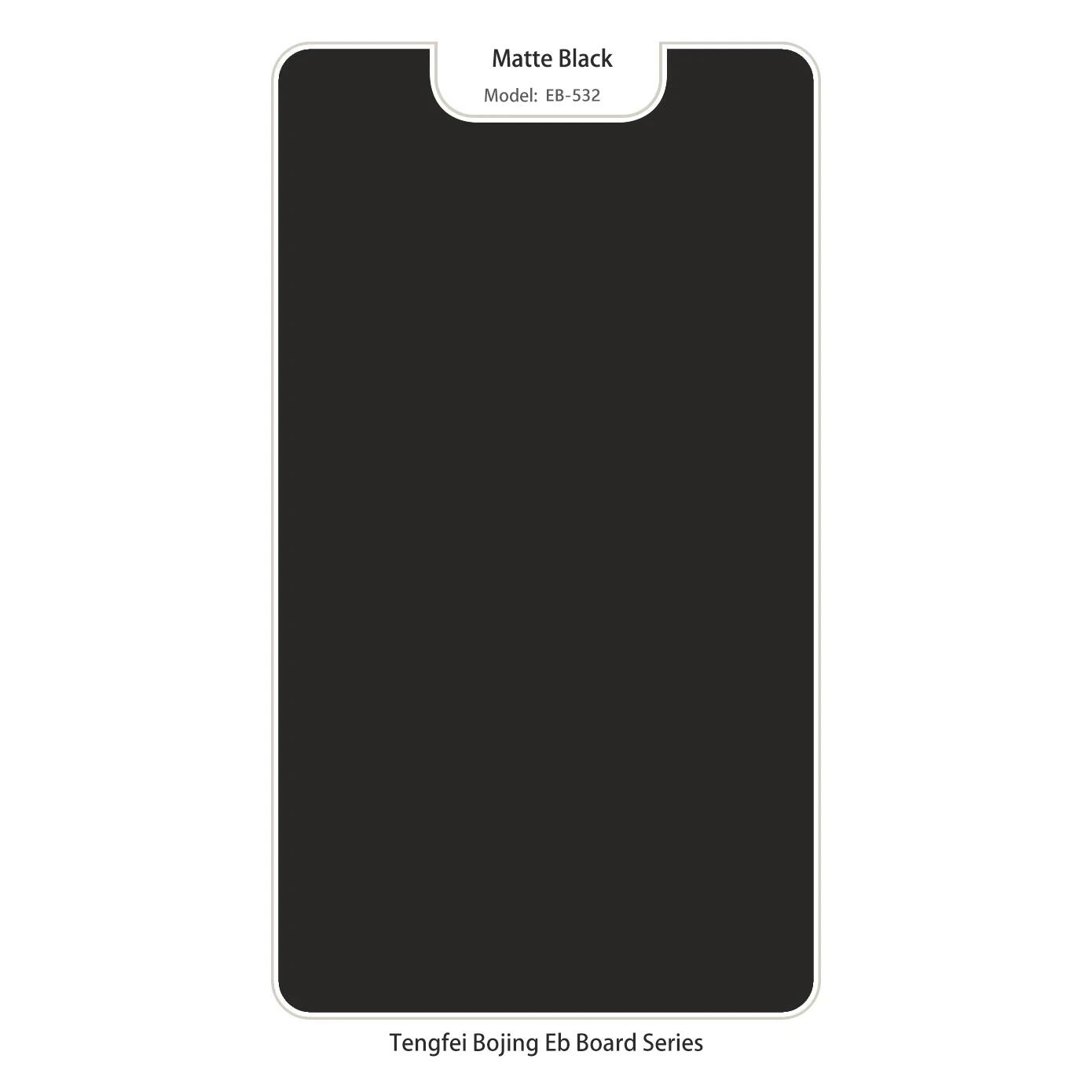
Tengfei Platinum EB Particle Panels - Matte Black
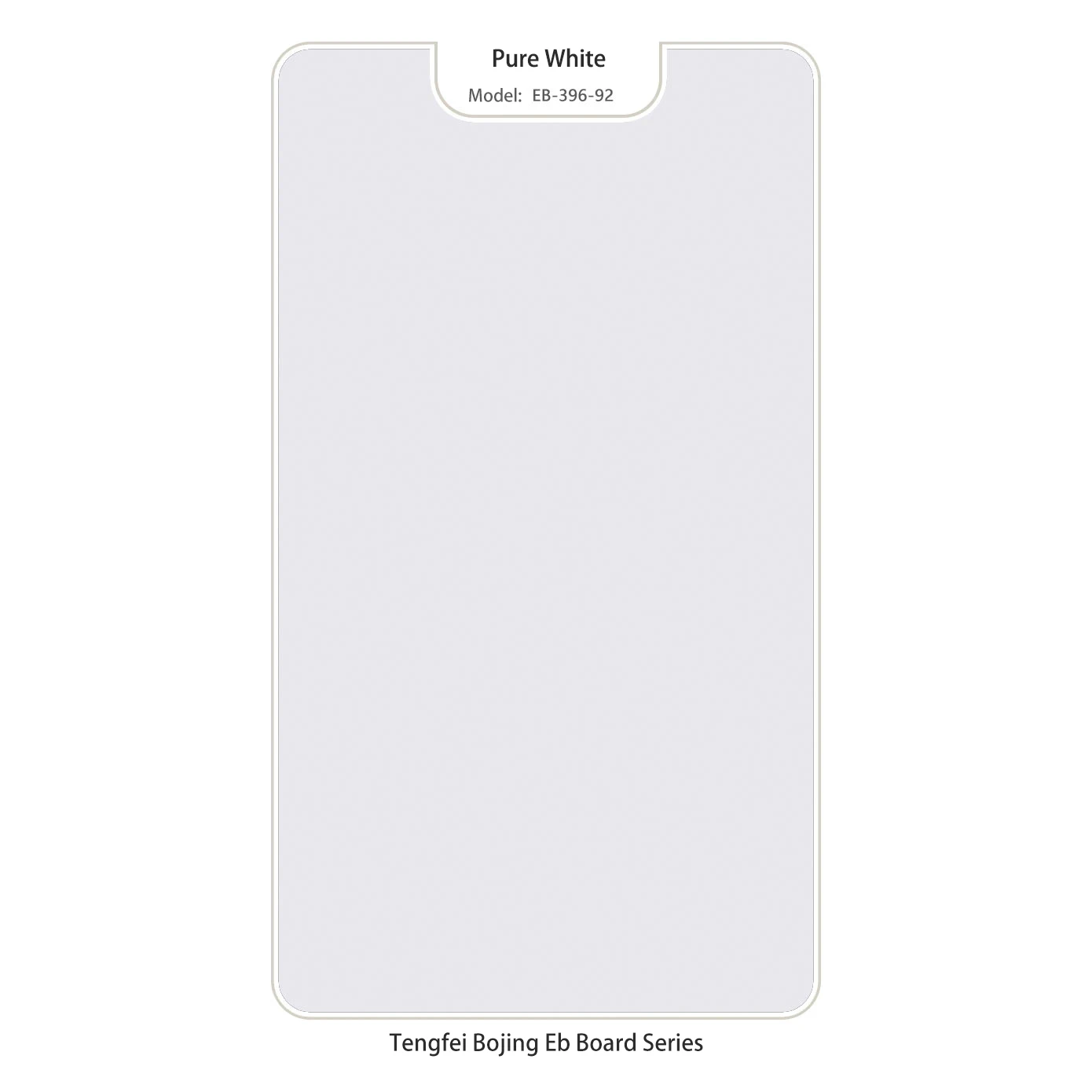
Tengfei Platinum EB Particle High-Gloss Panels - Pure white
To provide reliable solutions through quality products!