Plywood Sheet: A Veteran’s Take on an Industrial Staple
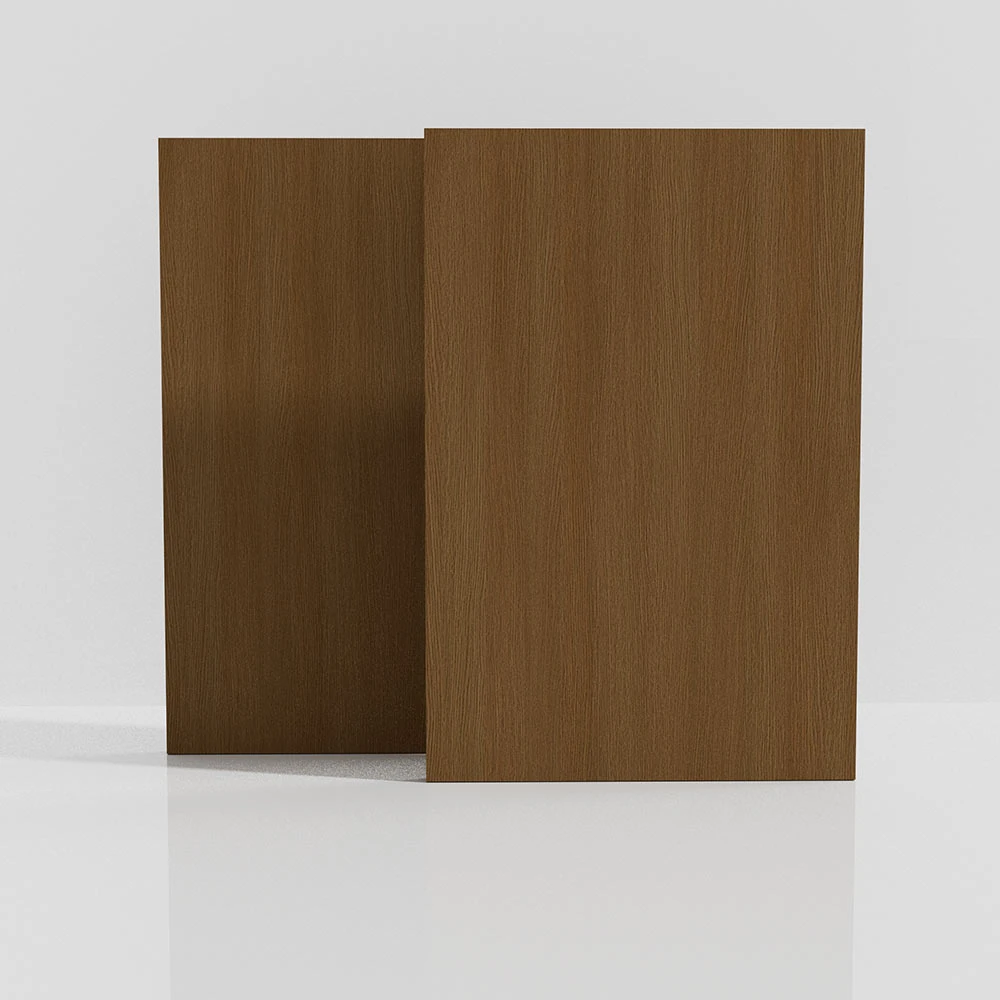
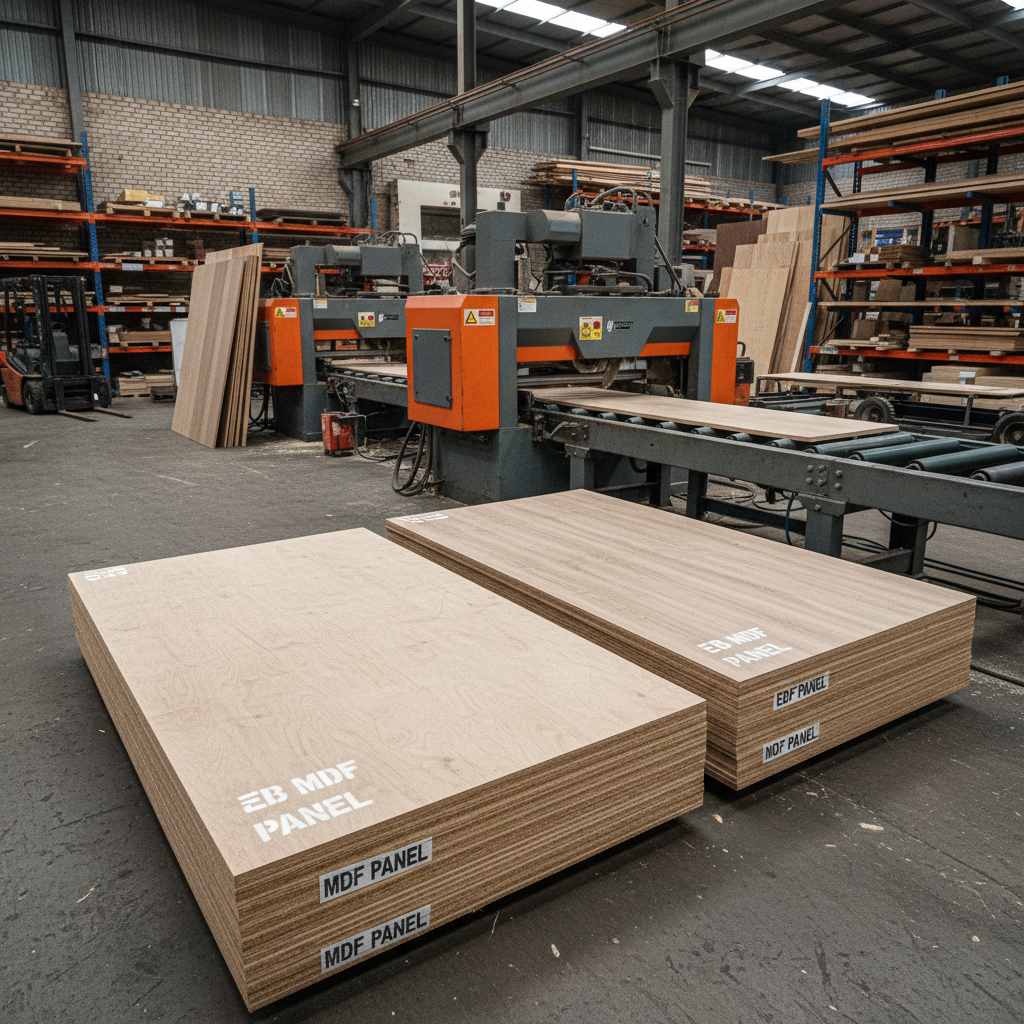
Having spent over a decade knee-deep in the industrial equipment field, I’ve seen my fair share of materials come and go — but plywood sheet keeps proving itself as a quietly relentless workhorse. You’d be surprised how a simple sheet can do so much, from scaffolding to machine bases, even the heavy-duty crates you hardly think twice about.
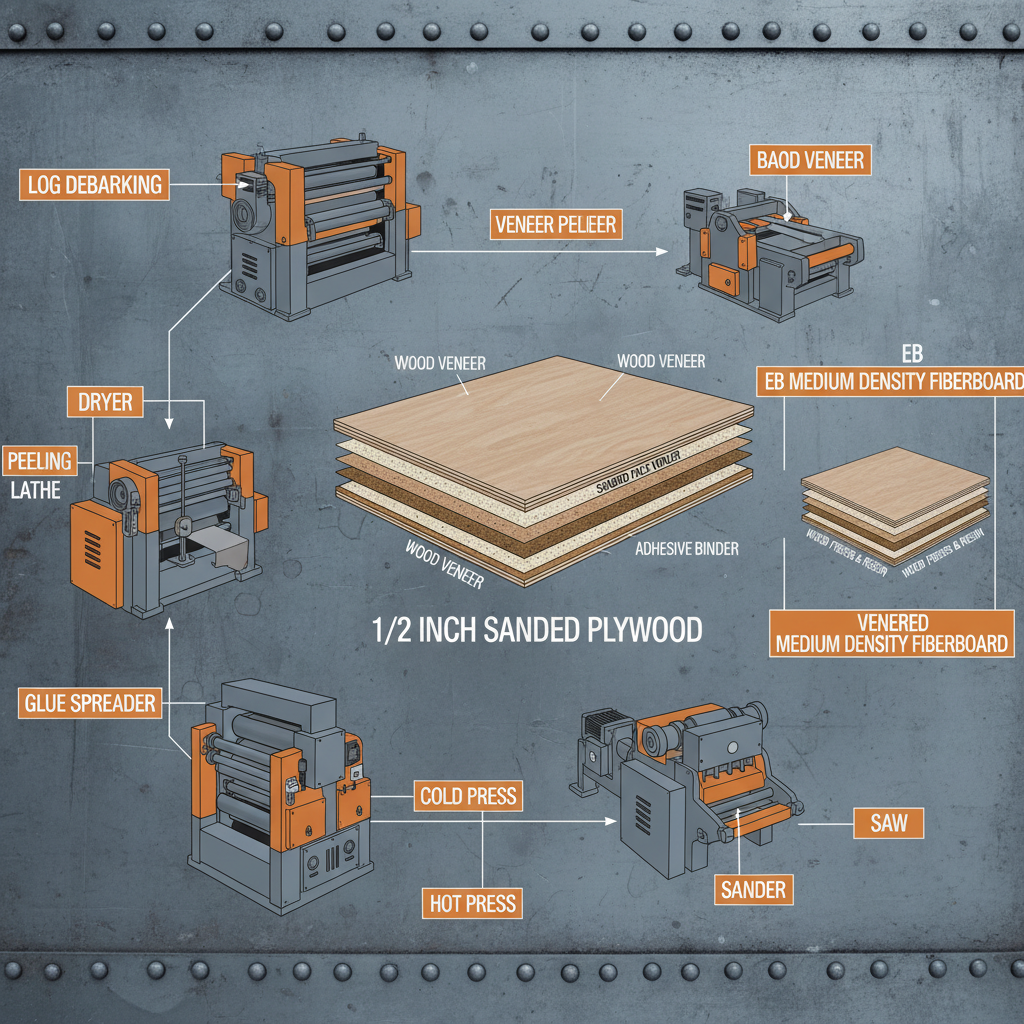
Oddly enough, plywood’s charm is in its layers — literally. Thin veneers glued under pressure transform it into a resilient, stable board that beats the quirks of solid wood like warping or splitting. Industry folks often mention how that cross-grain construction helps plywood resist swelling from moisture better than plain lumber, which frankly, saves a heap of trouble on-site.
Over the years, I’ve observed how plywood sheets evolved with better adhesives and treatments. These days, many manufacturers test for tensile strength, water resistance, and even fire retardancy. It’s not just about slapping veneers together anymore — there’s a lot of science behind it.
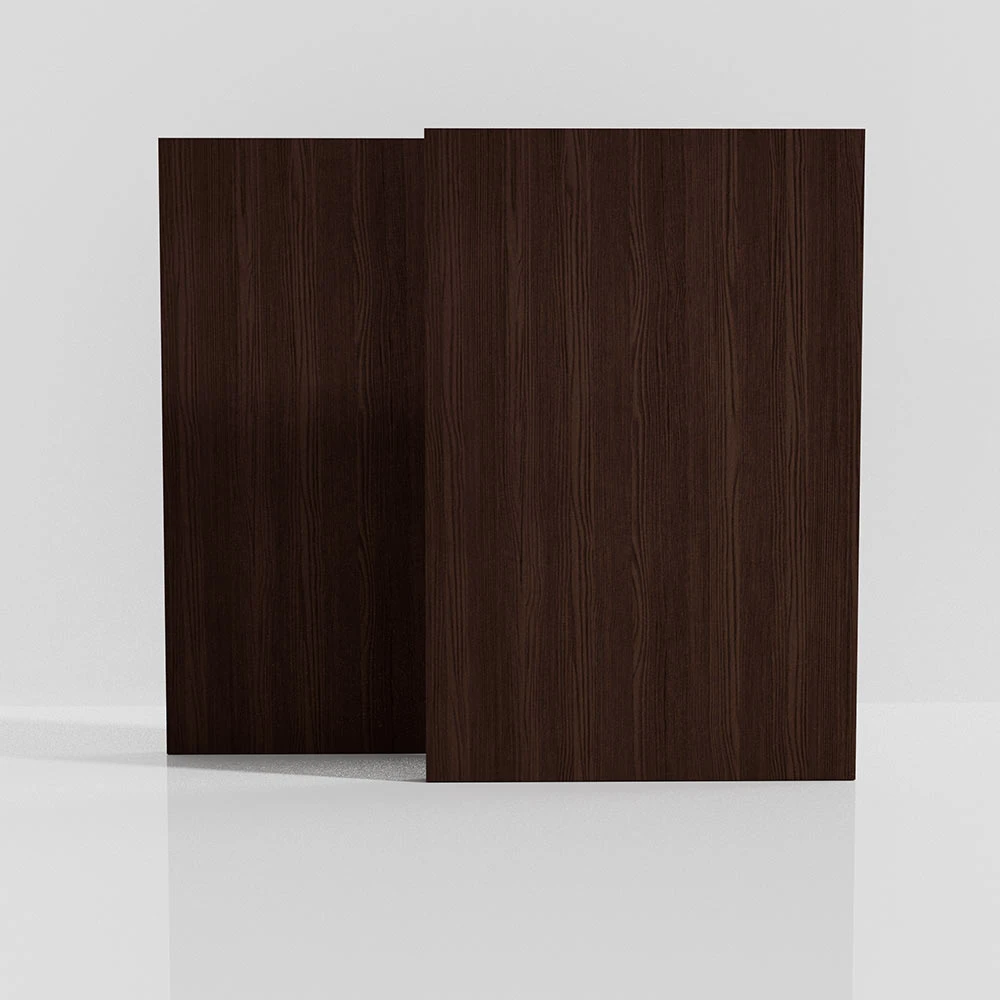
On the customization front, you can get plywood sheets in various thicknesses and grades, tailored for structural support or finish work. When you factor in the option for specialty coatings or core materials, it feels like having a material you can mold around almost any industrial need.
Common Plywood Sheet Specifications
| Attribute |
Typical Range |
Notes |
| Thickness |
3 mm to 25 mm |
Depends on use — thicker for structural |
| Veneer Layers |
3 to 13 layers |
More layers = better strength & stiffness |
| Grading |
A to D (face quality) |
‘A’ for smooth, paint-ready surfaces |
| Moisture Content |
6-12% |
Kiln-dried is common; critical for stability |
| Adhesive Type |
Phenolic, Urea-Formaldehyde |
Phenolic for exterior or marine use |
Now, I’m often asked how to pick the right plywood vendor. Aside from obvious price points, it boils down to quality consistency, certification (think FSC or CARB), and lead times — especially for big projects. Let me share a quick comparison of three major suppliers I’ve worked with — names omitted for neutrality — just to highlight what to look out for.
Vendor Comparison Highlights
| Feature |
Vendor A |
Vendor B |
Vendor C |
| Quality |
High, FSC certified |
Medium, ISO 9001 compliant |
High, marine grade options |
| Lead Time |
2 weeks |
1 week |
3 weeks |
| Price |
$$$ |
$$ |
$$$ |
| Product Range |
Wide (structural & decorative) |
Limited (mainly construction grade) |
Specialty marine & industrial |
| Customer Support |
Excellent, technical advice available |
Basic support |
Good, but slower responses |
Let me drop a little story here — a client once needed plywood sheets for a machinery platform going into a fairly humid environment, so standard plywood wasn’t an option. We sourced marine-grade panels with phenolic glue and extra sealing. The payoff? No swelling or cracking after months of operation, and the machinery stayed rock-solid. To me, that really underscores how knowing your specs pays dividends.
In real terms, plywood might seem “just wood” but, frankly, it’s a sophisticated industrial material with plenty of options beneath that veneer. Many engineers and project managers I know consider it a reliable baseline — cost-effective but with enough customization options to handle most challenges.
If you’re looking for dependable plywood or want to explore advanced technical sheets, I recommend checking sources like plywood sheet suppliers who offer transparency on testing and certifications.
Lastly, a quick tip: always verify moisture content if your project involves variable climates, and shop around for test certificates and possibly sample cuts before bulk purchase. That little extra caution saves headaches later — trust me on that.
Plywood sheets, humble yet heroic, keep the industrial world running smoothly — just the kind of dependable partner you want on your jobsite.
- APA – The Engineered Wood Association, 2023, Plywood Industrial Standards.
- Forest Stewardship Council (FSC), Certification Guidelines, 2024.
- “Marine Grade Plywood: A Critical Review,” Journal of Wood Science, 2022.