Understanding Plywood Timber: A Global Perspective on Utility and Innovation
If you've ever held a piece of sturdy plywood, you might not realize the global story embedded in that thin sheet of wood. Plywood timber is more than just layers glued together—it’s a cornerstone material shaping everything from modern architecture to emergency shelters, and yes, even humanitarian efforts worldwide. Knowing why plywood timber matters globally, and understanding its key benefits, reveals why it remains an indispensable material on construction sites and beyond.
Introduction: Why Plywood Timber Matters Across Borders
It might surprise some to learn that plywood is among the most traded engineered wood products globally. According to recent United Nations data, demand for engineered timber products has surged with urban expansion and sustainable building demands. Plywood, in particular, offers a balance of strength and eco-friendliness that solid wood sometimes can’t, making it a go-to for multiple industries from construction to shipbuilding.
Yet, not everything is straightforward. Challenges like deforestation, quality inconsistency, and adapting to diverse climatic conditions press engineers and suppliers to innovate. This problem-solving is what keeps plywood timber relevant, shaping how raw wood meets modern needs.
What Exactly Is Plywood Timber?
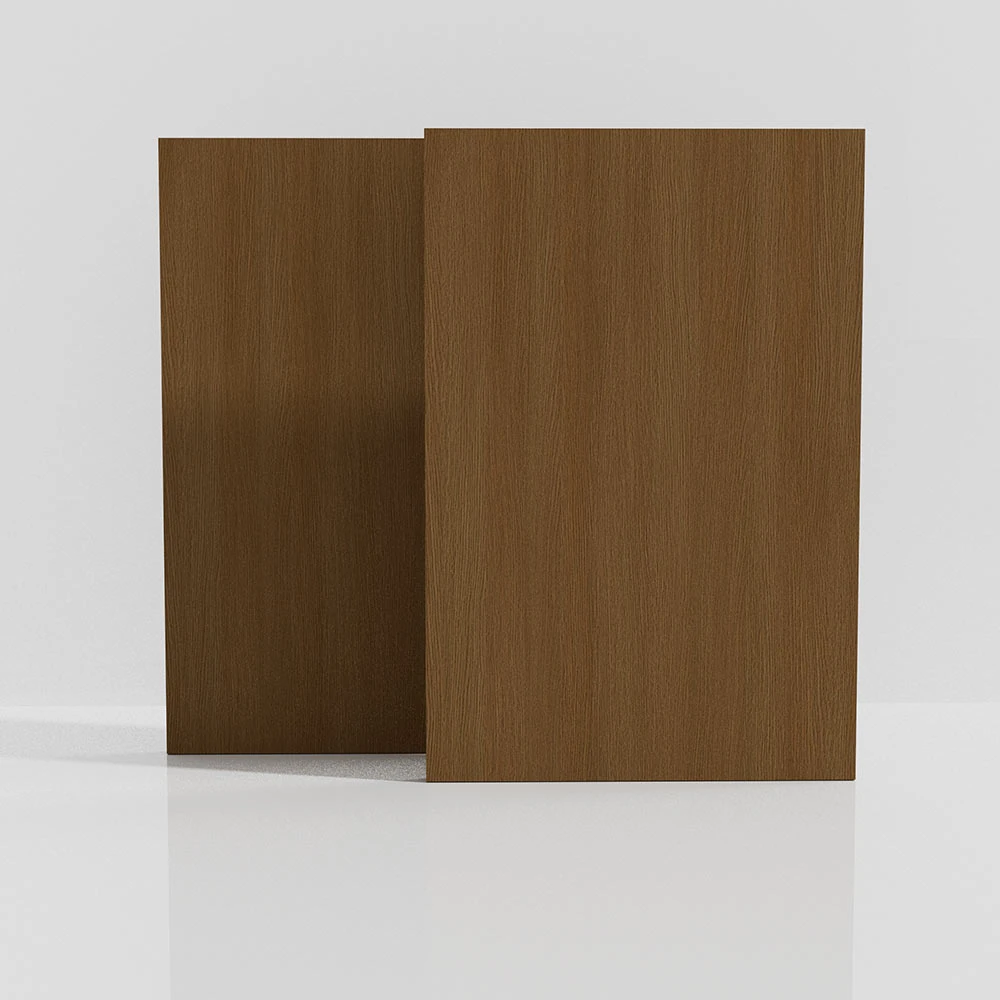
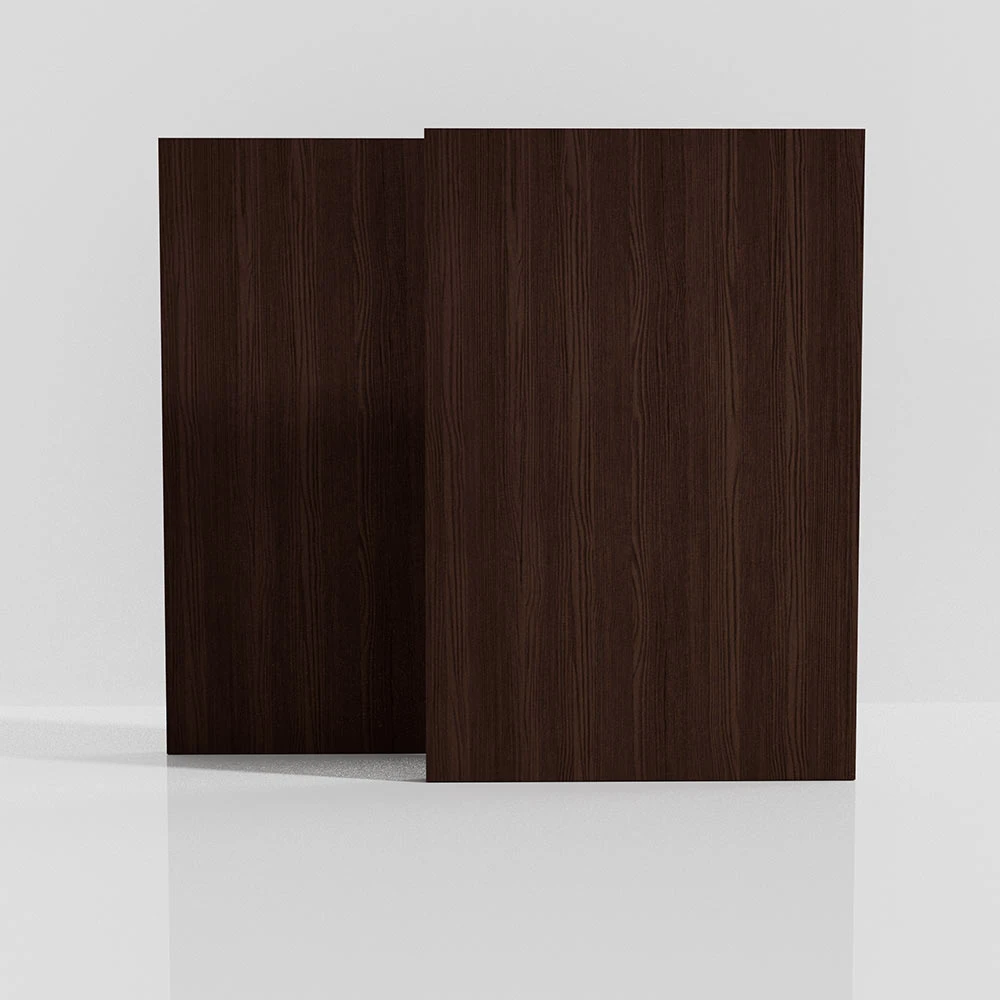
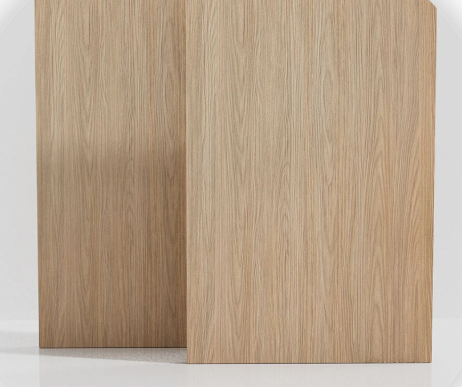
In simple terms, plywood timber is wood processed into veneers that are glued and pressed into thin, strong layers—typically three or more. The direction of wood grains alternates with each layer, giving plywood its remarkable strength and resistance to splitting compared to regular timber planks. It’s closely tied to modern construction because it balances affordability with performance—a rare combo in building materials.
Beyond that, plywood plays an unsung role in humanitarian responses, providing rapid-deployment shelters that are lighter and more scalable than many other materials.
Key Factors That Make Plywood Timber the Material of Choice
Durability
Plywood’s cross-grain construction reduces warping and increases resistance against moisture, impact, and temperature fluctuations. This makes it suitable for everything from floorboards to exterior walls.
Cost Efficiency
Compared with solid hardwood or composite alternatives, plywood often costs less and requires less maintenance, making it a budget-friendly option for large projects.
Scalability and Versatility
Whether you need large sheets for walls or custom-cut pieces for furniture, plywood adapts well, helping manufacturers manage waste and speed production.
Sustainability
When sourced from well-managed forests, plywood timber offers an eco-conscious choice. Plus, its manufacturing generates fewer emissions compared to concrete or metal, supporting green building standards.
Customizability
Various grades and finishes allow plywood to fit different aesthetics and functional needs—from simple subfloors to decorative veneers.
Basic Specifications of Common Plywood Timber Grades
| Grade |
Thickness (mm) |
Density (kg/m³) |
Water Resistance |
Typical Use |
| Commercial Grade |
9–18 |
550–700 |
Moderate |
Furniture, Interior |
| Marine Grade |
12–25 |
600–720 |
High |
Boatbuilding, Outdoor |
| Structural Grade |
15–30 |
650–750 |
Moderate to High |
Construction, Flooring |
Global Applications of Plywood Timber
Plywood timber shows up in surprising places. In Southeast Asia, plywood is central to local furniture exports, blending traditional craftsmanship with industrial efficiency. In Europe and North America, it’s instrumental in green building projects where LEED certification seeks sustainable materials. Oddly enough, plywood also figures heavily in emergency management: post-earthquake housing often relies on plywood for rapid shelter because it’s lightweight, easy to transport, and durable enough for temporary use.
In remote industrial zones—think mining operations or research bases—plywood often serves as modular paneling for quick, insulated buildings. Organizations like the Red Cross rely on these features during disaster relief to erect safe, dignified points of refuge fast.
Vendor Comparison: Top Global Plywood Timber Suppliers
| Supplier |
Product Range |
Sustainability Certification |
Global Reach |
Notable Markets |
| Supplier A |
Wide (Structural, Marine, Decorative) |
FSC, PEFC |
North America, Europe, Asia |
Residential Construction, Furniture |
| Supplier B |
Marine and Specialty Grades |
ISO 9001, FSC |
Asia-Pacific, Europe |
Shipbuilding, Outdoor Structures |
| Supplier C |
Budget-Friendly Commercial Grades |
PEFC |
Africa, Latin America |
Local Housing, NGOs |
Advantages & Long-Term Value of Plywood Timber
Plywood timber isn’t just durable and affordable; it’s a kind of moral choice too. Using sustainably sourced plywood supports forest preservation and reduces carbon footprints compared to steel or concrete. Cost-wise, it helps companies widen their margins or funnel savings into project safety and innovation.
There’s also something emotional in plywood’s application—like providing shelter after disaster, where safety and dignity matter most. Trust builds as plywood panels become homes, classrooms, or clinics. Part technical marvel, part humanitarian staple, plywood timber earns respect both in boardrooms and field camps.
Future Trends and Innovations in Plywood Timber
Looking ahead, plywood timber is adapting with green chemistry adhesives that reduce formaldehyde emissions and new hybrid materials combining plywood with bio-resins or recycled plastics. Digital manufacturing techniques and automation enable more precise cuts and less waste—boosting efficiency further.
Policies worldwide also push for certified sustainable sourcing, while consumer demand shifts towards transparency and eco-friendliness. A hot trend is integrating smart sensors in plywood composite panels to monitor structural integrity remotely—something that sounds very “future building.”
Challenges and Practical Solutions
Confession: plywood isn’t perfect. Moisture can still cause delamination if quality control slips or products aren’t used correctly. Also, illegal logging can taint supply chains, undermining environmental benefits. The solution? Advanced scanning tech and rigorous certification schemes (like FSC) plus educating end-users on proper handling.
The industry is moving toward tighter regulatory frameworks and better global tracking, which will, I hope, iron out such persistent issues.
FAQ: Common Questions About Plywood Timber
- How durable is plywood compared to solid wood?
Plywood generally resists warping and cracking better because of its cross-layered construction, making it more stable for most applications over time.
- Can plywood be used for outdoor projects?
Yes, but only certain grades (like marine grade) are designed to withstand moisture and outdoor conditions. Proper sealing enhances longevity.
- Is plywood environmentally friendly?
When sourced from sustainably managed forests and using eco-friendly adhesives, plywood is among the greener choices in timber products.
- How do I choose the right plywood for construction?
Consider your project’s needs for water resistance, load-bearing capacity, and finish. Consulting technical datasheets from suppliers helps narrow down options.
- Are there restrictions on importing plywood timber internationally?
Yes, many countries regulate timber imports to prevent pests and illegal logging. Work with certified suppliers who comply with relevant customs and phytosanitary standards.
Conclusion
Plywood timber still feels like an unsung hero, quietly empowering industries, craftspeople, and emergency responders alike. Its blend of strength, versatility, and sustainability keeps it front and center on many global stages. For those interested in quality plywood timber solutions, especially with a focus on certified sustainable products, I suggest checking out plywood timber suppliers who prioritize transparency and innovation. The future here is layered with promise and responsibility.
Mini takeaway: Plywood timber serves as a versatile building block for sustainable, efficient, and socially impactful construction worldwide—bridging tradition with tomorrow.
- Forest Stewardship Council (FSC) – Certification and Sustainable Forestry.
- ISO 21912: Sustainable Wood – Standards for timber products.
- Wikipedia: Plywood – Overview and history of plywood.