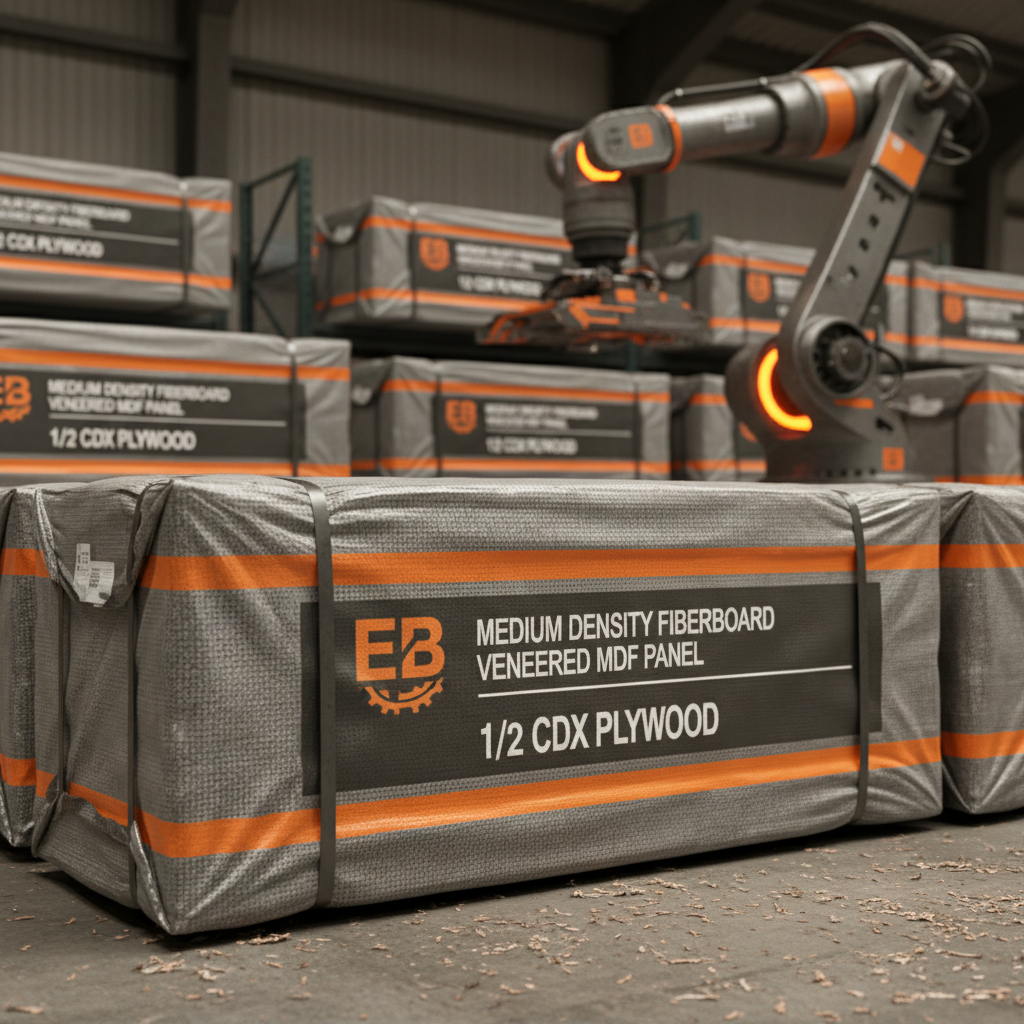
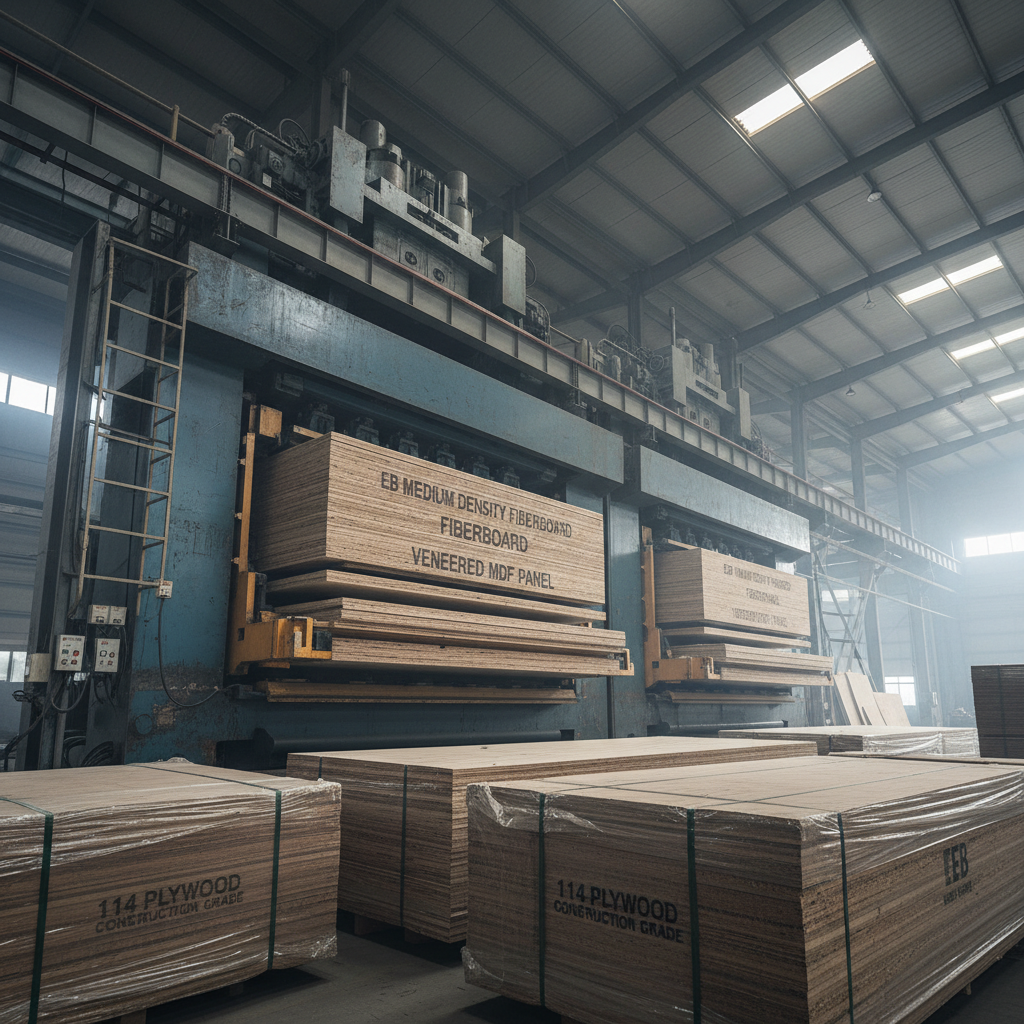
Understanding plywood quality: What really sets good plywood apart
Having spent a good chunk of my career in the industrial equipment sector, I've handled my fair share of plywood. And let me tell you, not all plywood is created equal. Frankly, it’s the kind of detail that catches anyone who’s done even a little woodwork or industrial fabrication off guard. You might think plywood’s just plywood, but in real terms, its quality can make or break your project.
Over the years, I noticed how many folks underestimate the importance of plywood quality — from engineers trying to build durable machinery casings to architects insisting on flawless finishes. The grain, the layers, adhesive quality, moisture resistance… all these factors stack up. Oddly enough, a lot of people still don’t fully grasp how these subtle differences influence durability and performance.
What's inside quality plywood?
At its core, plywood is a layered panel made by gluing thin sheets of wood veneer together, typically with grains laid crosswise. This cross-graining is a game-changer — it reduces shrinkage, improves strength, and helps avoid warping. But here’s the catch: not every manufacturer uses the same grade of veneer or adhesive. Some use cheaper glues prone to delamination, especially in high-humidity environments.
Moisture resistance is often the make-or-break factor in my experience. Take a customer I worked with recently — they needed plywood for outdoor machinery panels that constantly faced humidity and occasional rain. We had to ensure the plywood wouldn’t warp or degrade. After testing samples from several vendors, the panels glued with phenol-formaldehyde adhesive stood out. They’re specifically made for such harsh conditions.
Typical Product Specifications of Industrial-Grade Plywood
| Spec |
Standard Value |
Notes |
| Thickness |
12mm, 18mm, 25mm |
Varies by application |
| Density |
600–700 kg/m³ |
Ensures strength and rigidity |
| Adhesive Type |
Phenol-formaldehyde |
High moisture resistance |
| Surface Grade |
B/BB or higher |
Smooth finish, minimal knots |
| Moisture Content |
6–12% |
Optimized for dimensional stability |
Comparing popular plywood vendors: What to watch for
After spending 15 years bouncing between factories, suppliers, and construction sites, I’ve gathered a somewhat informal but practical comparison of a few plywood vendors that often come up in industrial settings. The trick is to not just look at price but examine the specs and quality certifications. Sometimes it feels like a bit of a gamble if you don’t have trusted data.
Vendor Comparison for Industrial Plywood
| Feature |
Vendor A |
Vendor B |
Vendor C |
| Adhesive Quality |
Phenol-formaldehyde (High grade) |
Urea-formaldehyde (Lower resistance) |
Phenol-formaldehyde (Industrial grade) |
| Thickness Consistency |
±0.3 mm |
±0.5 mm |
±0.4 mm |
| Moisture Resistance Certification |
Yes (ISO 9001) |
No |
Yes (CE Marked) |
| Environmental Compliance |
FSC Certified |
No |
FSC & CARB Compliant |
| Price Range (per m²) |
$$$ |
$ |
$$ |
In my view, you really get what you pay for. Vendor A’s plywood, while pricier, has consistently delivered on-site with minimal callbacks. I noticed their adhesive quality and certifications aligned perfectly with industrial needs. Vendor B is tempting due to cost, but it’s often better suited for interior or low-stress applications. Vendor C strikes a middle ground and is often a decent alternative if budget constraints aren’t too tight.
Another tip: always request samples before committing. It feels a bit like a secret handshake in our line of work — those samples and small tests save so much hassle down the road.
Of course, every industry and application is a bit different, so tailor your plywood choice accordingly. There’s no one-size-fits-all, but prioritizing moisture resistance, dimensional stability, and surface finish will generally steer you right.
So, next time plywood comes up in a project conversation, remember it’s not just a simple panel — it’s a carefully engineered composite. The subtle details I’ve shared here probably will make a bigger difference than you think.
In short: invest in the plywood’s quality, and your equipment or build will thank you long after installation.
References
- Forest Stewardship Council. Certification and Chain of Custody.
- ISO 9001 Standard. Quality Management Systems Requirements.
- CARB Compliance Documentation. California Air Resources Board Regulations for Formaldehyde Emissions.


![[PU705] – Advanced Sensor for Industrial Automation Solutions](https://images.exportstart.com/images/a1394/1-4531.webp "[PU705] – Advanced Sensor for Industrial Automation Solutions")