Plywood Custom is a key solution in the industry, specifically within sectors that demand tailored wood paneling solutions. This article explores how https://www.tengfeiebmdf.com supports professionals with durable, high-performance products, and explains why this product is an ideal choice for businesses in these sectors.
Table of Contents
Plywood Custom refers to plywood panels specifically tailored to meet the nuanced demands of diverse industrial applications. Unlike off-the-shelf plywood, these products are optimized in thickness, veneer types, bonding adhesives, and finishing processes to ensure the best fit for environments ranging from construction to manufacturing. It’s frankly fascinating how the layers of wood get engineered to withstand stress, humidity, or temperature fluctuation — all while keeping an aesthetic balance.
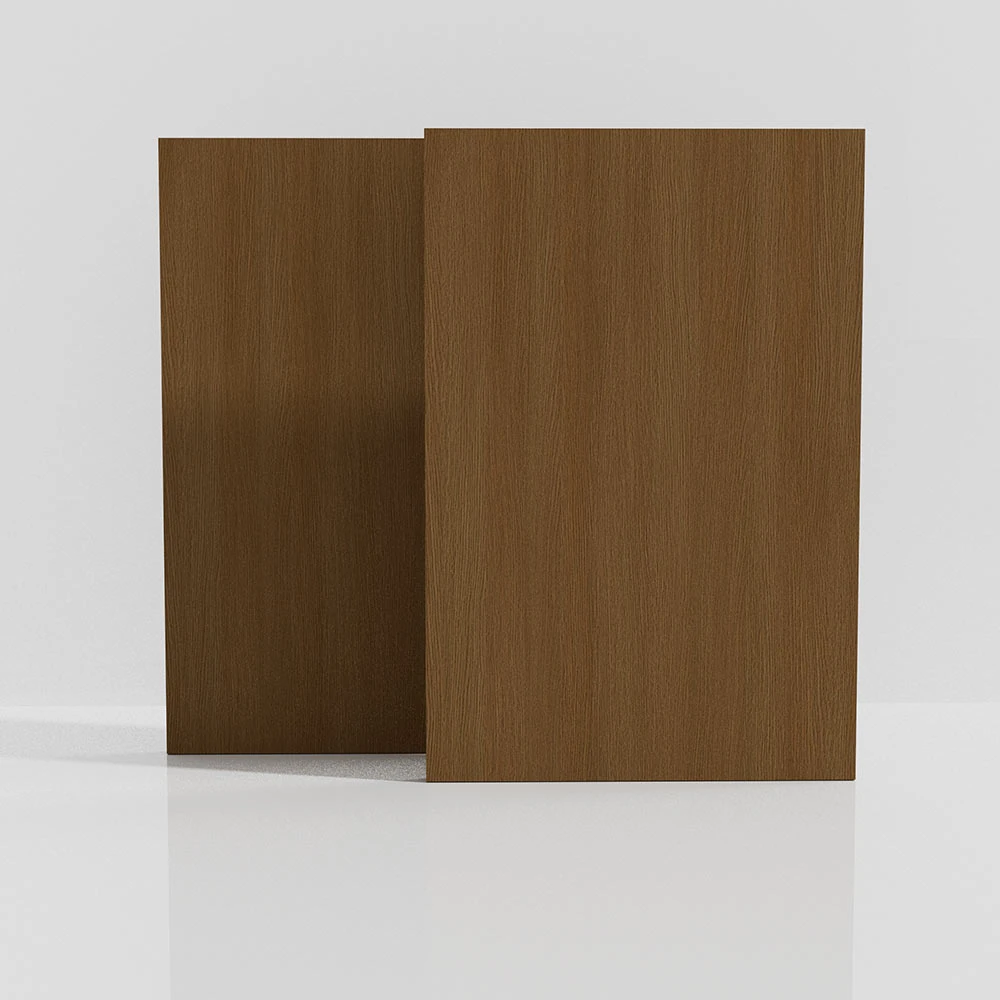
Take, for instance, the popular phenolic film-faced plywood offered by companies like Tengfei. This type of plywood boasts layered core veneers bonded with phenolic resin, conferring resistance to water and wear that’s often crucial for heavy-duty uses. Specs often include variations from 12mm to 30mm thickness and different grades depending on each use case. A case study from a logistics company showed that using plywood custom panels in container flooring doubled lifespan compared to traditional hardwood, cutting replacement costs sharply.
| Specification |
Details |
| Thickness Range | 12mm – 30mm |
| Core Material | Poplar, Birch, or Mixed Hardwood |
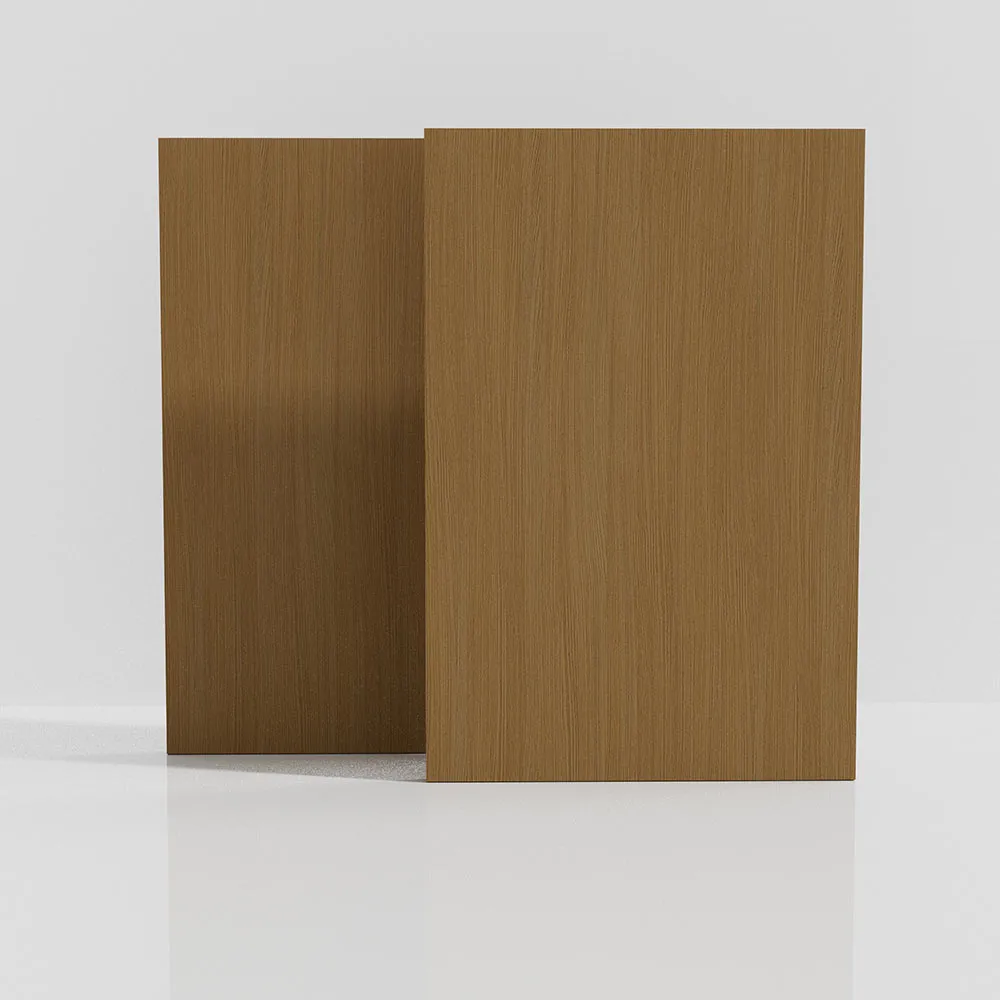
| Surface Finish | Phenolic Film, Melamine, Laminates |
| Adhesive Grade | Exterior/WBP – Waterproof Bond |
| Standard Sizes | 1220×2440 mm (custom sizes available) |
In real terms, plywood custom delivers versatility and durability that broad-spectrum industrial and commercial operations appreciate. From construction firms looking for reliable formwork panels to furniture manufacturers needing precisely machined components, its uses are diverse and growing. Oddly enough, it often serves as the unsung hero behind durable shipping crates and scaffolding platforms, performing quietly yet dependably.
What sets plywood custom apart? It’s not just about strength but also its resistance to moisture, bending, and thermal changes. Moreover, being able to customize veneer species, layering, and bonding helps manufacturers hit tight specifications, reducing waste and improving assembly efficiency downstream.
Vendor Comparison for Plywood Custom (China-based Suppliers)
| Supplier |
Customization Options |
Lead Time |
Certifications |
Typical End-Use |
| Tengfei |
Thickness, core type, finish, size |
2-4 weeks |
ISO 9001, FSC |
Construction, packaging, furniture |
| Supplier B |
Limited veneer options |
3-5 weeks |
ISO 9001 |
Furniture, general carpentry |
| Supplier C |
Standard sizes only |
1-2 weeks |
None |
Low-cost packaging |
Cost, Maintenance & User Experience
Cost-wise, plywood custom might appear pricier at first glance, but that’s a bit misleading. When you consider the total cost of ownership — factoring in longevity, reduced replacements, and ease of maintenance — it becomes a clear value proposition. Many engineers I've spoken with note the ROI is quite positive, especially for high-traffic applications.
Maintenance is also simpler: phenolic coatings, for example, repel moisture well, meaning less warping and fewer surface repairs. One manufacturing client shared that switching to a custom option reduced their downtime caused by panel failure by over 30%, and frankly, that kind of real-world data strikes me as impressive. User experience often comes down to the consistency of the product, and here, the high standards of partners like Tengfei really shine.
Sustainability & Market Trends
It’s no secret that sustainability is a growing concern across industries. Plywood custom manufacturers increasingly adopt certifications like FSC and PEFC to vouch for responsible forestry practices. Additionally, advances in glue technology and sourcing help reduce volatile organic compounds emissions, aligning with stricter regulations worldwide.
Market trends signal increasing demand for tailored plywood because businesses want precisely the right panel — no more, no less — reducing waste. Recycled wood fiber use in some core layers is also gaining traction. Oddly enough, while "custom" might sound premium, these products are becoming essential in building greener supply chains, something many companies simply can’t ignore. The global plywood market is predicted to grow steadily over the next decade, fueled in large part by these sustainability and performance imperatives.
Frequently Asked Questions about Plywood Custom
- What is Plywood Custom and how does it work?
- Plywood Custom is plywood made to order with specific thickness, veneers, adhesives, and finishes tailored to exact industrial needs. It’s layered wood glued under pressure, designed to withstand particular stresses and environmental conditions depending on the application.
- What are the main benefits of using Plywood Custom in industrial applications?
- Key benefits include enhanced durability, moisture resistance, tailored strength, and better overall cost-effectiveness due to reduced waste and longer lifespan.
- How does Plywood Custom compare to traditional alternatives?
- Compared to conventional plywood, custom variants offer superior tailored performance, better quality control, and coatings that improve resistance to external factors.
- What industries can benefit most from Plywood Custom implementation?
- Construction, furniture manufacturing, packaging, transportation, and logistics industries benefit the most thanks to reliable, high-performance panels designed around their specific needs.
Conclusion on Plywood Custom from China
To wrap it up, plywood custom solutions stand out as a truly versatile choice for many B2B decision-makers. Their tailored nature ensures better performance and durability, making them worthwhile investments in the long term. If you’re looking for reliable, customized wood panels to support your projects, it’s worth checking out what suppliers like Tengfei offer – frankly, it’s hard to beat the flexibility and quality.
Brief Reflection
In my experience, plywood custom really changes how industries approach wood materials. It’s no longer just about strength but adapting smartly to specific environmental and operational challenges. Watching the sector evolve toward sustainability while delivering tailored quality is pretty encouraging.
- Industry Wood Panel Standards and Testing, Woodworking Journal, 2023.
- Sustainability Trends in Plywood Manufacturing, Green Building Review, 2024.
- Customer Case Studies: Logistics and Packaging Improvements, Tengfei Internal Report, 2023.