Plywood Material is a key solution in the industry, specifically within construction, furniture manufacturing, and interior design sectors. This article explores how https://www.tengfeiebmdf.com supports professionals with durable, high-performance products, and explains why this product is an ideal choice for businesses in these sectors.
Table of Contents
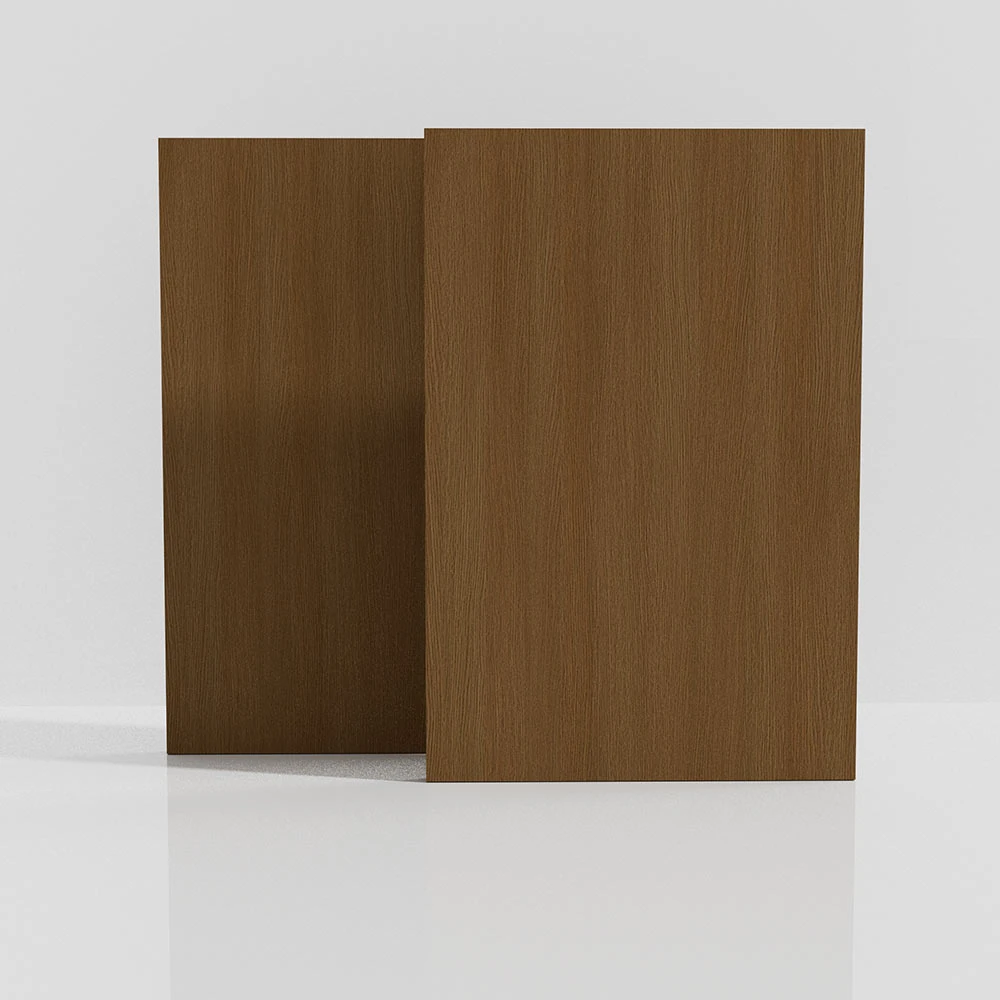
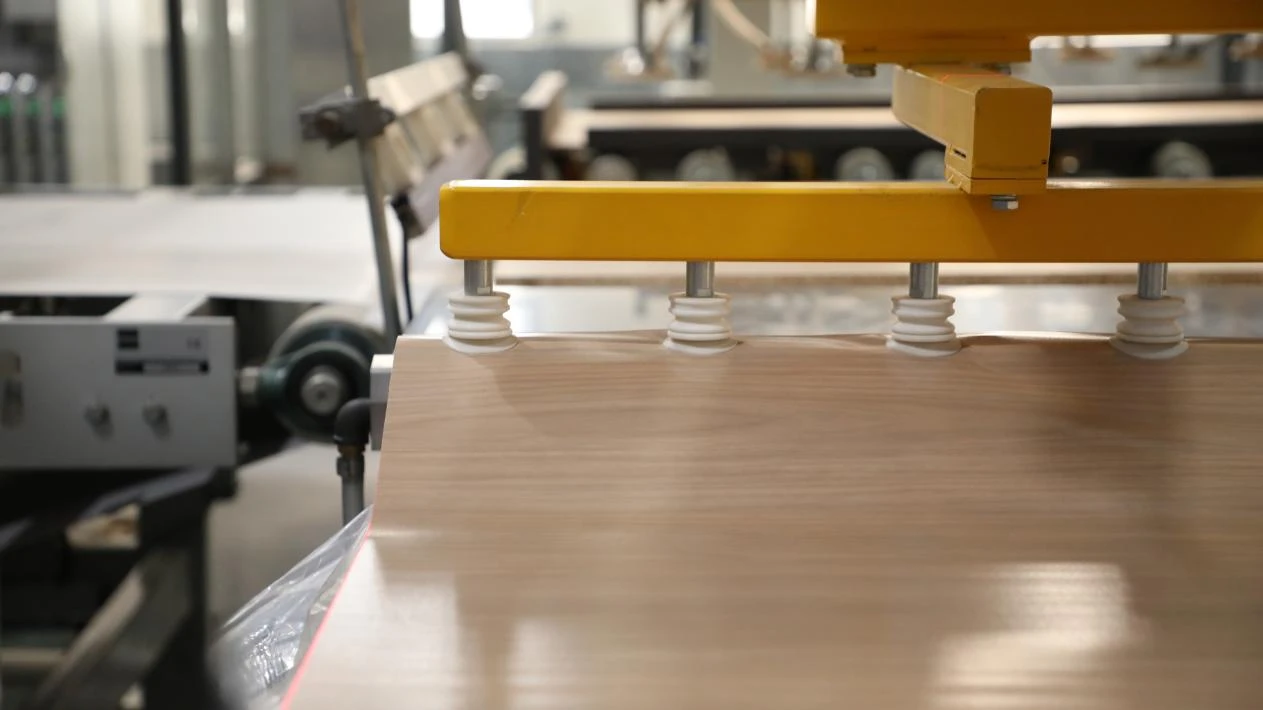
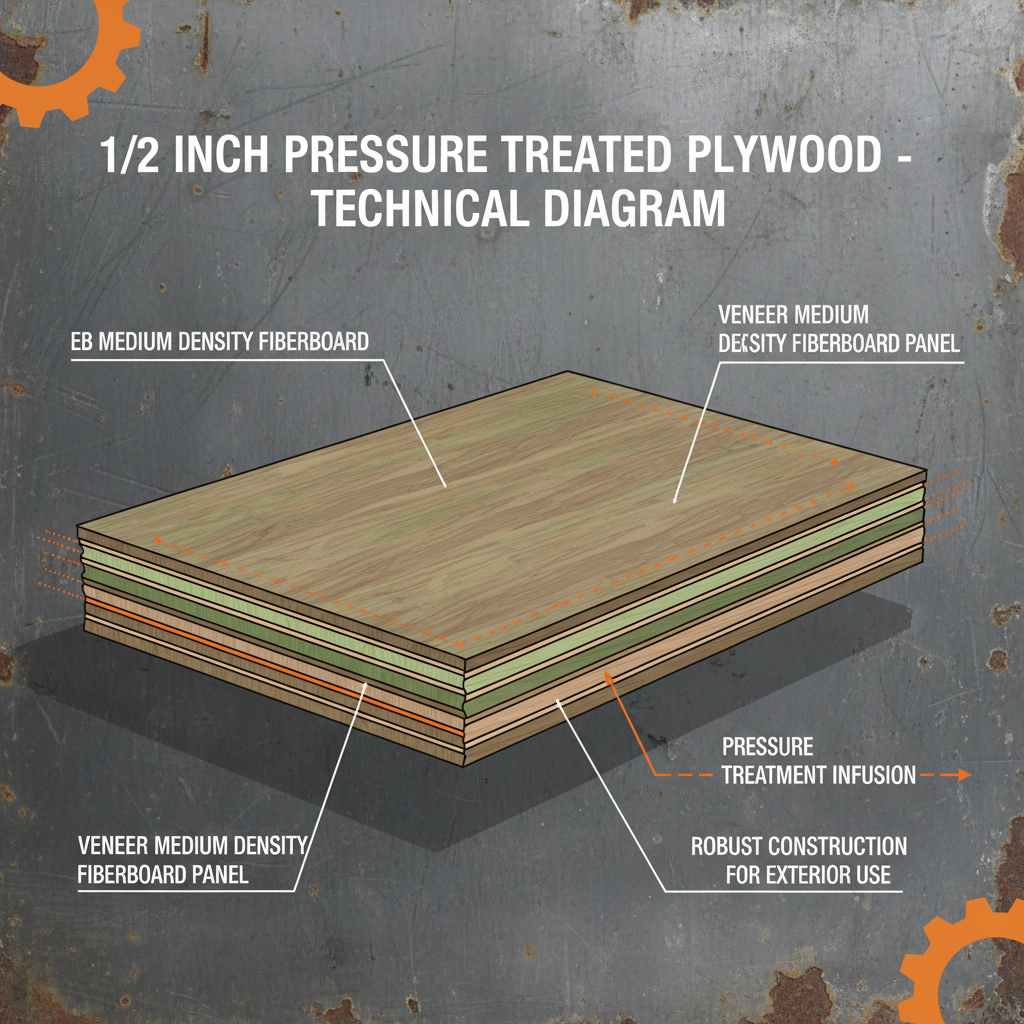
Simply put, plywood material is engineered wood made by gluing together thin layers of wood veneer, usually with grains running perpendicular to each other. This cross-lamination is what gives plywood its strength and stability, making it a cornerstone in modern industrial manufacturing. You might think it's just wood glued in layers, but the reality involves precise technology and quality control to ensure durability, moisture resistance, and versatility.
Technically speaking, the grade of plywood—ranging from commercial to furniture-grade—depends on factors like adhesive type, layer thickness, and surface finish. Manufacturers like those at Tengfei utilize hardwood veneers combined with environmentally friendly adhesives, which results in a product balancing strength with sustainability. From a case study perspective, construction firms utilizing this plywood report better structural integrity in paneling compared to standard lumber, especially in humid climates where warping is a concern.
| Specification |
Details |
| Veneer Layers |
5 – 13 layers, cross-glued |
| Core Materials |
Poplar, hardwood, eucalyptus |
| Thickness |
3mm to 25mm standard |
| Adhesive Types |
Phenolic, Melamine, Urea-formaldehyde |
| Moisture Resistance |
High-grade waterproofing treatments available |
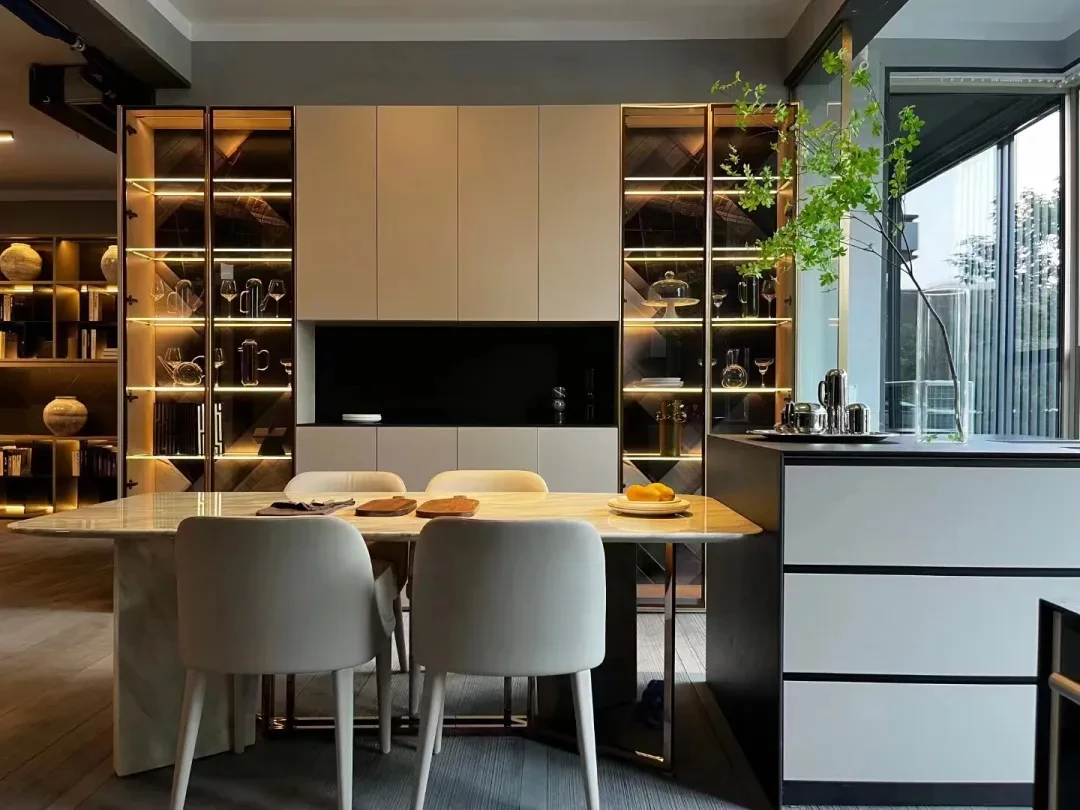
In practical terms, plywood’s value comes from its blend of lightness, strength, and adaptability. Industries from commercial furniture to architectural firms lean on this material because it can be cut, shaped, and finished in numerous ways without losing integrity. Oddly enough, it also adds a warm, natural aesthetic that few engineered materials can match. If you are in cabinetry or interior paneling, this is gold.
Features such as superior screw-holding capacity, resistance to splitting, and dimensional stability set plywood apart, especially from basic particleboard or MDF options. Not to mention, advancements in adhesive technology – like what Tengfei specializes in – push performance in environments that were once too demanding for plywood, such as outdoor furniture and marine applications.
Businesses choose plywood for everything from modular furniture systems to transportation crates, and its ability to perform under stress while keeping costs reasonable cannot be overstated. Taiwanese contractors and European designers both have cited plywood’s reliability as a major reason for continued specification. To put it plainly: it’s a material that supports ideas just as well as structures.
Cost, Maintenance & User Experience
The economics of plywood are, frankly, quite favorable. While initial pricing might look similar to other engineered woods, plywood’s lifespan and lower maintenance needs dramatically reduce the total cost of ownership in real terms. For example, fewer repairs from warping or delamination mean less downtime and replacement expenses. In many projects, ROI comes into focus after just a couple of years.
Feedback from manufacturers shows that users appreciate the ease of machining and consistent quality found in plywood sourced from trusted vendors like Tengfei. Many engineers say it lends confidence in material handling and final assembly, which translates into smoother workflows on the factory floor. That reliability is kind of priceless when you're managing tight production schedules.
| Vendor |
Product Range |
Price Level |
Special Features |
| Tengfei |
Industrial to furniture grade |
Competitive |
Eco-friendly adhesives, customizable sizes |
| Vendor A |
Standard construction plywood |
Mid-Range |
Basic waterproofing |
| Vendor B |
Niche specialty panels |
Premium |
High-grade fire resistance |
Sustainability & Market Trends
Sustainability is no longer a buzzword; it’s a necessity, especially in material sourcing. The plywood industry has made significant strides here. At Tengfei, for instance, the emphasis on controlled forest sourcing, formaldehyde-free adhesives, and recyclable product lines shows a clear commitment to greener practices. Oddly enough, plywood is becoming better known for its “carbon sink” properties compared to plastic-based alternatives.
The market reflects this trend: buyers increasingly demand products that comply with environmental certifications and guarantee lower emissions, not just in production but across their lifecycle. Regulations in Europe and North America have tightened accordingly, and suppliers who don’t adapt risk losing business. Fortunately, plywood’s versatility keeps it at the cutting edge of eco-friendly industrial materials.
Frequently Asked Questions about Plywood Material
- What is Plywood Material and how does it work?
- Plywood is made by layering thin sheets of wood veneer glued together with grains in alternating directions. This cross-lamination creates enhanced strength and prevents warping, making it a reliable engineered wood option for many applications.
- What are the main benefits of using Plywood Material in industrial applications?
- Key benefits include strength-to-weight ratio, resistance to cracking or splitting, cost-effectiveness, and adaptability for various industrial needs. Plus, it generally offers better moisture resistance than many wood alternatives.
- How does Plywood Material compare to traditional alternatives?
- Compared to solid wood or particleboard, plywood tends to be more stable, less prone to shrinking, and often easier to work with due to its consistent layering and adhesive enhancements.
- What industries can benefit most from Plywood Material implementation?
- Industries such as furniture manufacturing, construction, interior decoration, transportation packaging, and even marine engineering frequently specify plywood for its performance and reliability.
Conclusion on Plywood Material from China
If you’re weighing options for industrial wood materials, plywood remains a strong contender thanks to its balance of durability, versatility, and cost efficiency. The innovation coming out of manufacturers like those at https://www.tengfeiebmdf.com only enhances plywood’s legacy as an essential building block in B2B sectors. Whether it’s robust furniture, structural panels, or bespoke designs, plywood adapts to meet business needs with confidence.
- Recap: plywood's engineered strength, moisture resistance, and eco-conscious production make it an ideal choice across industries.
- For more details and sourcing, visit our website: https://www.tengfeiebmdf.com
Reflecting on plywood’s evolution, it’s fascinating how traditional woodworking meets modern engineering. It feels like a material that keeps reinventing itself – staying handy for today’s challenges without losing its natural appeal.