Understanding Structural Plywood: The Backbone of Modern Construction
Structural plywood is one of those silent heroes we often overlook. It quietly supports floors, walls, roofs—really holding up the skeleton of millions of buildings worldwide. Yet, its importance goes far beyond mere support; it’s a material that blends strength, sustainability, and adaptability, all wrapped into one engineered wood product. In a global context shaped by rapid urbanization, climate challenges, and a pressing need for affordable housing, understanding structural plywood has never mattered more. Today, we’ll unpack what it is, how it’s used across industries, and why it’s increasingly central to resilient and sustainable structures.
Global Relevance of Structural Plywood
On the international stage, wood-based materials like structural plywood are pillars of the construction economy. According to ISO regulations and construction data compiled by the World Bank, the global demand for engineered wood products has been rising steadily—primarily driven by their eco-friendliness compared to concrete or steel. Structural plywood, in particular, bridges the gap between durability and lightweight construction, making it ideal for everything from high-rise buildings to disaster relief shelters.
Yet there’s a challenge: supply chain disruptions and sustainability concerns have pushed the industry to rethink how structural plywood is sourced and produced. The tension between meeting booming demand and protecting forests worldwide remains at the heart of global discussions.
Mini takeaway: Structural plywood is globally essential for modern construction, balancing demand with sustainability pressures.
What Exactly is Structural Plywood?
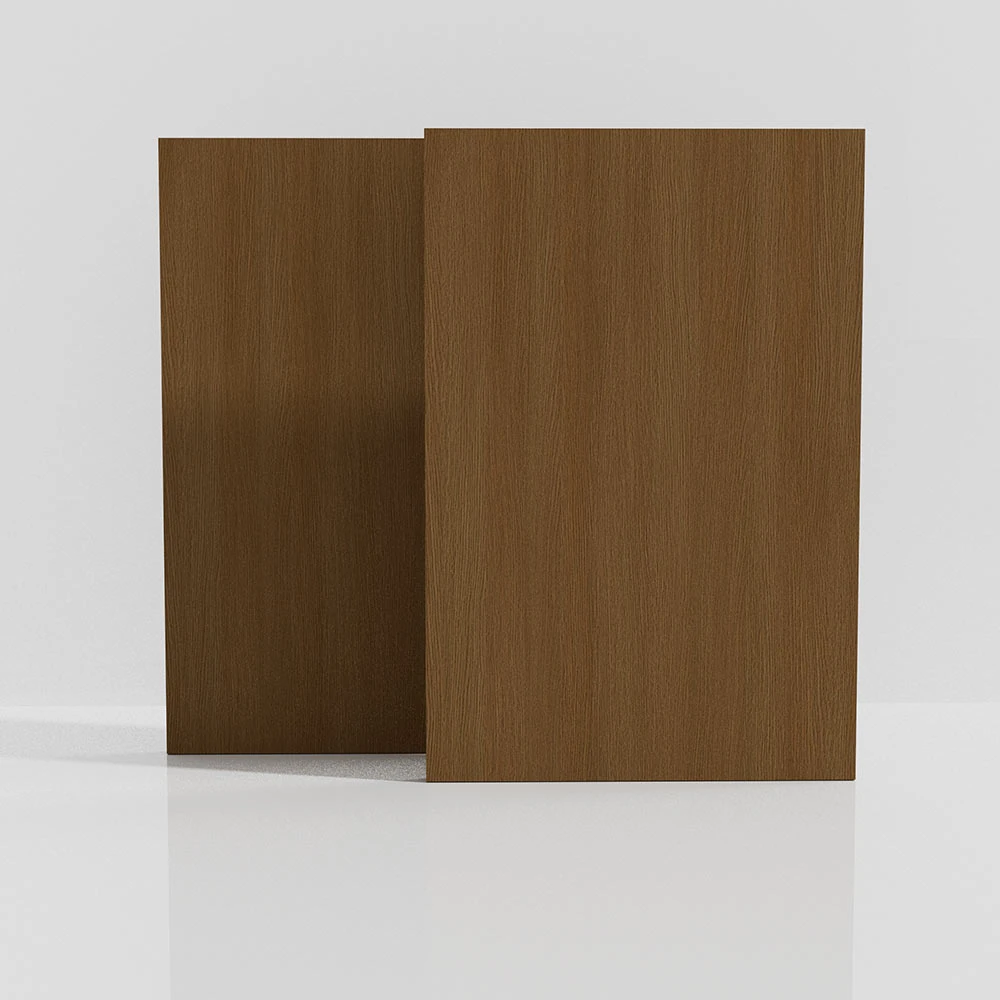
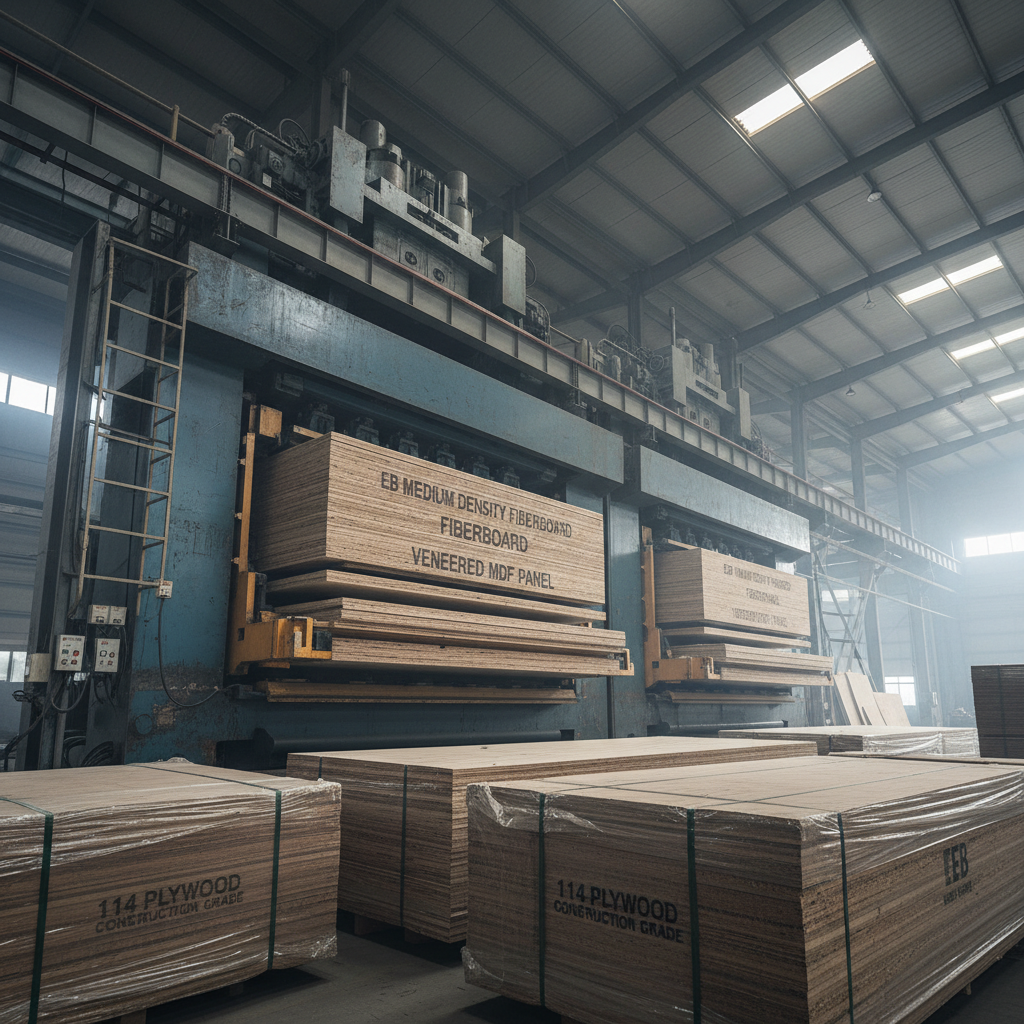
Simply put, structural plywood is an engineered wood panel created by gluing together several thin layers (called plies) of wood veneers. Each layer is oriented at right angles to the next, which enhances strength and resists warping. Unlike decorative plywood, structural plywood is graded specifically to meet building code requirements for load-bearing walls, flooring, and roofing.
This cross-grain layout and the use of water-resistant adhesives grant it impressive stiffness and shear strength, essential qualities when constructing stable frameworks. It’s not just about wood veneers stacked randomly—it’s a precise craft backed by engineering standards aimed at safety and longevity.
You’ll find structural plywood at the core of modern infrastructure efforts, from urban skyscrapers to off-grid shelters in humanitarian zones—showing how material science meets real-world needs.
Mini takeaway: Structural plywood combines layered wood veneers with engineered precision to meet strict construction demands.
Key Factors in Structural Plywood
1. Durability and Load-Bearing Capacity
The hallmark of structural plywood is its outstanding ability to handle heavy loads without bending or cracking. Thanks to the alternating grain pattern, it distributes stress evenly, which means it can be trusted even in earthquake-prone areas.
2. Moisture Resistance
Most structural plywood is bonded with phenol-formaldehyde or similar adhesives that withstand humidity and water exposure, critical for roofing or flooring applications. This moisture resistance helps prevent rot and extends a building’s lifespan.
3. Scalability and Versatility
Whether used in prefabricated panels or custom-sized sheets, structural plywood adapts easily to different project scales. It supports quick on-site assembly and can be integrated with steel or concrete.
4. Cost Efficiency
Compared to solid timber or steel frameworks, plywood is often more affordable, lighter, and easier to transport—cutting both material and labor costs without sacrificing performance.
5. Environmental Sustainability
When sourced responsibly, structural plywood comes from managed forests, making it a renewable product with a lower carbon footprint than many building materials.
Mini takeaway: Durability, moisture resistance, cost efficiency, and sustainability make structural plywood a well-rounded construction choice.
Technical Specifications of Typical Structural Plywood
| Property |
Typical Value |
Unit |
| Thickness |
12 - 25 |
mm |
| Density |
600 - 700 |
kg/m³ |
| Bending Strength (MOR) |
35 - 45 |
MPa |
| Shear Strength |
6 - 8 |
MPa |
| Moisture Resistance |
High |
- |
Global Applications & Use Cases for Structural Plywood
This wood engineering marvel finds itself everywhere—from remote industrial zones in Canada using mass timber frame buildings, to the rapid deployment of temporary housing in tsunami-affected Southeast Asian islands. Humanitarian organizations rely on structural plywood panels for ease of transport and fast assembly, offering displaced families robust shelter within days. It’s also popular in Europe and North America for eco-friendly modular homes that emphasize energy efficiency and reduced waste.
Oddly enough, some regions like Scandinavia have innovated further by combining structural plywood with newer insulation materials, creating green buildings certified by international standards.
Mini takeaway: The versatility and reliability of structural plywood extend its use across diverse environments and social needs worldwide.
Comparing Leading Structural Plywood Vendors
| Vendor |
Sustainability Certification |
Typical Applications |
Price Range (per sheet) |
| Tengfei Wood Industries |
FSC, PEFC |
Residential/Commercial |
$25 - $40 |
| Greenply Industries |
FSC |
Eco Modular Homes |
$28 - $45 |
| Roseburg Forest Products |
SFI Certified |
Industrial/Infrastructure |
$22 - $38 |
Advantages and Long-Term Value of Structural Plywood
The advantages stack up nicely: affordability, ease of handling, and eco-conscious sourcing deliver immediate and future value. Structurally, it gives confidence to engineers and architects alike. For occupants, it means safe, durable, and often more comfortable living environments. Socially, using sustainable materials supports forest conservation efforts and combats climate change—a bigger picture than many realize.
On a personal note, many professionals I’ve spoken to mention how working with plywood “feels right” — combining predictability with flexibility. That trustworthiness goes beyond specs. It reflects in community resilience and housing dignity.
Mini takeaway: Structural plywood offers tangible and emotional benefits—from cost savings to environmental stewardship.
Emerging Trends and Innovations
Innovations are bubbling up in the plywood world: from nanocoatings that boost moisture resistance to digital printing methods that reduce waste. Automation in manufacturing is accelerating quality control, while green adhesives are cutting the reliance on formaldehyde-based glues. In parallel, regulatory bodies are tightening sustainability standards, pushing producers toward certified sustainable sourcing.
We’re also seeing synergy with structural plywood panels being integrated into smart buildings with embedded sensors, allowing real-time monitoring of stresses, humidity, and structural integrity. Frankly, it’s a promising mix of tradition and technology.
Challenges and Expert Solutions
No material is perfect, and plywood has its quirks. Dimensional stability can be tricky under extreme climate swings, and quality varies widely without strict certification. The presence of volatile organic compounds (VOCs) from adhesives concerns some. On top of that, illegal logging still undermines sustainability efforts.
Experts recommend sourcing only from FSC or PEFC certified vendors and encouraging policies that support circular economy principles. Moreover, innovations in bio-based and low-emission adhesives help mitigate health concerns, while engineered designs that incorporate hybrid materials improve climate resilience.
FAQ: Frequently Asked Questions About Structural Plywood
-
What makes structural plywood different from regular plywood?
Structural plywood is specifically designed and graded to meet building codes for load-bearing and durability. It uses stronger adhesives and precise layer orientation to sustain heavier stress.
-
How does structural plywood perform in humid or wet environments?
It generally resists moisture well thanks to water-resistant adhesives, making it suitable for roofing and flooring. However, prolonged water exposure can still cause issues if not properly sealed or maintained.
-
Is structural plywood eco-friendly?
When sourced from sustainable forests certified by FSC or PEFC, structural plywood is a renewable and low-carbon material compared to steel or concrete.
-
Can structural plywood be used in earthquake-resistant buildings?
Yes, due to its high shear strength and stiffness, it is often incorporated into seismic design frameworks to enhance structural performance.
-
How do I ensure quality when purchasing structural plywood?
Look for products with third-party certification, clear grading stamps, and adherence to ISO or relevant national standards.
Conclusion
To sum it all up, structural plywood stands out as a material that marries tradition with engineering prowess. Its global role is shifting toward more sustainable, resilient building systems—serving communities from high-rise cities to disaster zones. The benefits, spanning costs, environmental impact, and human safety, make it an indispensable choice in today’s construction ecosystems.
Curious to explore the best in structural plywood? Visit our website: https://www.tengfeiebmdf.com for top-tier options and expert guidance.
Keep building smart, sustainable, and strong.
Reflection: It feels like structural plywood is more than just lumber glued in layers; it’s a cornerstone of future-forward thinking in construction. As environmental concerns grow, materials like these will gain even more spotlight for their role in sustainable development. Quite an exciting time for wood engineering, I suppose.
- ISO Construction Wood Standards
- Plywood – Wikipedia
- World Bank Data on Construction Materials