The Real Scoop on the Cost of MDF Board: Why it Matters Worldwide
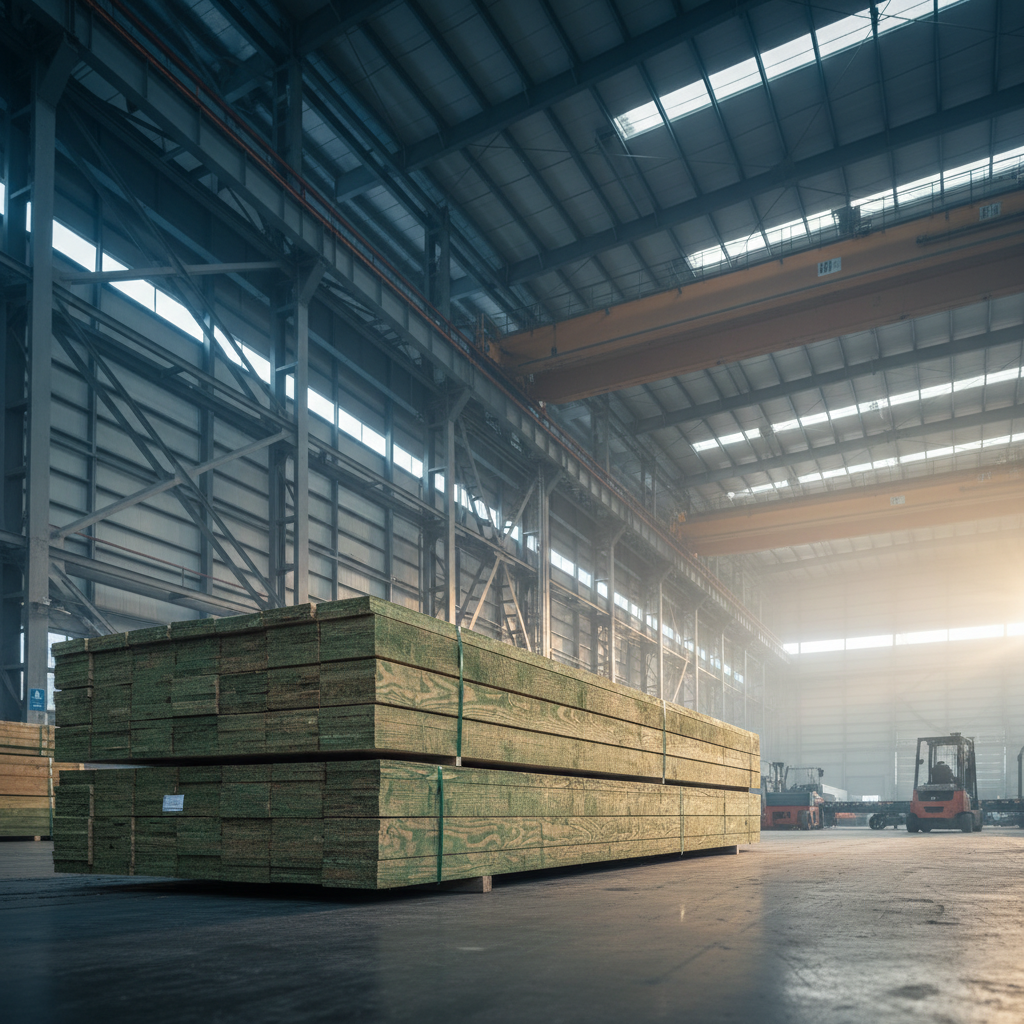
Medium Density Fiberboard or MDF might sound like a niche material, but its cost has rippling effects globally, touching everything from furniture production in Asia to affordable housing solutions in Africa. Understanding the cost of MDF board isn’t just about price tags—it’s about how this versatile engineered wood affects industries, economies, and sustainability efforts everywhere.
With rising material prices worldwide, industries are keenly watching the cost of MDF board to balance durability and affordability. Frankly, knowing what shapes its price helps manufacturers and consumers alike make smarter choices—whether that means crafting stylish cabinets or building resilient, eco-friendly interiors.
Mini takeaway: The cost of MDF board isn't just an economic metric—it's a key driver in global manufacturing, sustainability, and everyday practicality.
Global Context: MDF’s Role in a Changing World
The global plywood and engineered woodboard market was valued at over USD 90 billion as of recent years (per Statista), with MDF making up a sizable chunk. The increasing demand for affordable construction and furniture worldwide only magnifies how critical the cost of MDF board is.
Consider this: The United Nations and ISO have published guidelines emphasizing sustainable timber sourcing, directly influencing MDF production costs. As raw timber becomes scarcer or regulatory compliance tighter, the price of MDF adjusts accordingly, presenting a constant challenge to industries that rely heavily on it.
Oddly enough, the big question often boils down to: how can manufacturers keep the cost of MDF board low, while meeting the soaring demands for eco-friendly, sturdy products?
Mini takeaway: Rising world demand and sustainability standards are major forces shaping the cost of MDF board.
What Exactly is the Cost of MDF Board?
Put simply, the cost of MDF board refers to the total price involved in producing, transporting, and supplying MDF sheets to end users. It's influenced not just by raw materials but also by factory overheads, labor, quality standards, and logistics.
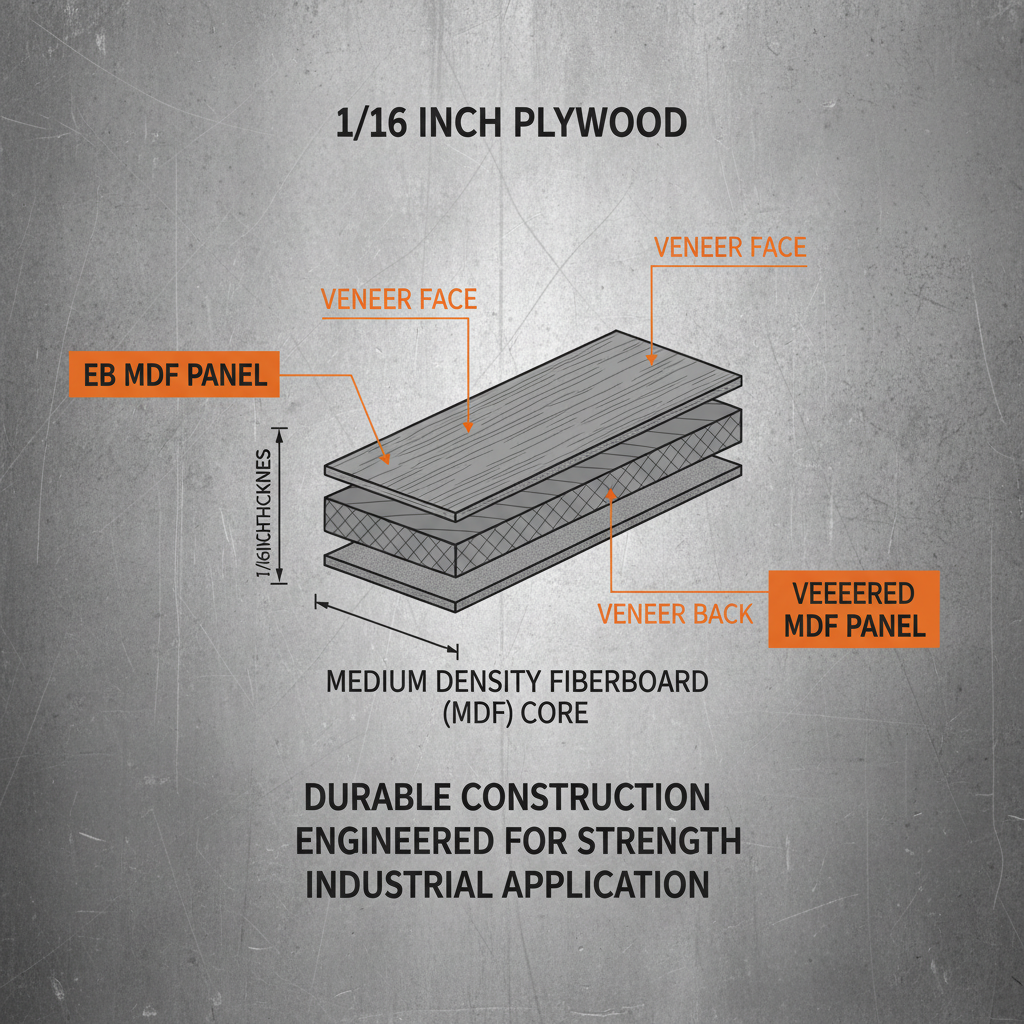
MDF board itself is created from wood fibers combined under heat and pressure with resin binders—resulting in a flat, smooth panel that’s often cheaper and more uniform than solid wood. This process also ties MDF’s cost intimately to the price of wood and synthetic adhesives, as well as regional manufacturing efficiencies.
On a broader scale, MDF boards help fulfill modern industry needs—offering customizable construction panels and furniture components that are affordable yet reliable, essential in a resource-conscious world.
Mini takeaway: The cost of MDF board is a complex interplay of raw materials, processing, and distribution costs shaping its end-market price and applications.
Key Factors Influencing the Cost of MDF Board
1. Raw Material Quality
Wood fibers, sourced from softwood or hardwood, directly impact the cost. Higher-grade fibers and sustainable forestry certifications usually push prices up. Additionally, the resin polymer quality affects both board durability and price.
2. Density and Thickness
As MDF is produced in varying densities (typically 500–800 kg/m³) and thicknesses, thicker or denser boards naturally cost more, since more materials and energy go into production.
3. Manufacturing Process and Location
Factories in regions with cheap labor and energy often offer lower MDF prices. However, transportation from remote manufacturing hubs adds to end costs, creating an interesting balance.
4. Environmental Compliance
Emission controls and certifications (like CARB Phase 2 in the US) require upgrades that increase production costs but improve product safety and environmental impact.
5. Market Demand and Supply Chain
Seasonality, timber harvesting cycles, and global supply chain issues (hello, recent shipping disruptions) can spike costs, reflecting in MDF board pricing fluctuations.
6. Added Treatments
Moisture-resistant or fire-retardant MDF boards carry premiums, necessary for special applications—think bathroom panels or public building interiors.
Mini takeaway: The cost of MDF board dances to the tune of raw materials, production specs, compliance, and global supply-demand rhythms.
Real-World Applications and Who Benefits
MDF boards find homes everywhere—from stylish European furniture workshops to ambitious African building projects. For instance, the modular housing sector in South Asia increasingly prefers MDF panels because they reduce costs without compromising strength.
Humanitarian organizations also lean on affordable MDF-based shelters post-disaster—where low cost and ease of assembly translate directly into saved lives and dignity. Meanwhile, in the automotive industry of Europe, MDF serves in interior paneling, combining aesthetics with cost efficiency.
Regions like China and Southeast Asia drive global MDF consumption for booming construction and furniture exports. In contrast, urban refurbishments in North America emphasize eco-certified MDF boards, which commands higher prices but better environmental footprints.
Mini takeaway: From furniture to emergency shelters, the cost of MDF board shapes diverse sectors, boosting both economies and communities.
Advantages and Long-Term Value of MDF Boards
- Cost Efficiency: MDF is far cheaper than solid wood, offering comparable durability in many applications.
- Sustainability: Using waste wood fibers reduces deforestation and fosters circular economies.
- Consistency: Unlike natural wood, MDF lacks knots and splits, enabling precise machining and design.
- Social Impact: Affordable MDF enables better housing and furniture access worldwide, supporting livelihoods.
- Innovation Platform: MDF boards act as a base for coatings, laminates, and textures enhancing design flexibility.
Knowing the cost of MDF board helps stakeholders appreciate these benefits in both emotional terms—comfort, safety, pride—and practical business outcomes.
Mini takeaway: MDF delivers value that extends beyond price—a cornerstone for innovation, sustainability, and social upliftment.
The Future Landscape: Trends & Emerging Innovations
Looking ahead, the MDF industry embraces green technologies like bio-resins replacing formaldehyde, dramatically influencing future costs and safety. Automation in fiber processing and AI-powered kiln drying promise efficiency gains that could lower prices or improve quality.
Policymakers increasingly favor circular manufacturing, pushing MDF producers to integrate recycled wood content. Digitally-driven design tools enhance product customization without major cost hikes, opening new markets.
Electricity sourced from renewables is edging into MDF factories, further shrinking the carbon footprint tied to production costs. This aligns the price of MDF board with global climate goals—a dynamic catch-22 that’s also an opportunity.
Mini takeaway: Tech, sustainability, and policy forces are reshaping the cost of MDF board, making it a material to watch for innovation and responsible manufacturing.
Challenges & Solutions in Managing MDF Costs
Despite its advantages, MDF faces hurdles such as:
- Raw material price volatility
- Environmental concerns over formaldehyde emissions
- Logistical delays inflating transportation costs
- Differing global standards complicating trade
Experts suggest diversified sourcing, adoption of ultra-low emission resins, and investment in local production hubs as ways to stabilize or reduce the cost of MDF board. Collaborative industry efforts to standardize certifications help ease international barriers, driving down overheads.
Frankly, keeping an eye on supply chains—sometimes even reshoring production—could be key as geopolitical and ecological uncertainties rise.
Product Specification Table: Typical MDF Board
| Attribute |
Specification |
| Thickness |
3 mm to 25 mm |
| Density |
600 – 800 kg/m³ |
| Moisture Content |
5% - 13% |
| Formaldehyde Emission |
E1 / CARB Phase 2 |
| Surface Finish |
Raw, Laminated, Veneered |
| Typical Sheet Size |
2440 mm x 1220 mm |
Vendor Comparison: MDF Board Suppliers
| Vendor |
Average Price per Sheet (USD) |
Eco-certifications |
Lead Time |
Key Strength |
| Tengfei MDF Co. |
45 – 55 |
FSC, CARB Phase 2 |
| Global Woodworks Ltd. |
50 – 60 |
PEFC Certified |
3-5 weeks |
Premium furniture grade |
| EcoBoard Inc. |
52 – 58 |
100% Recycled Content |
2-4 weeks |
Sustainable sourcing |
FAQ: Your Top Questions on the Cost of MDF Board
Q1: Why does the cost of MDF board fluctuate so much?
The fluctuations typically stem from variations in raw wood prices, resin costs, energy expenses, and demand-supply imbalances. Global events like shipping delays or timber shortages tend to create temporary spikes. Being mindful of these helps buyers time their purchases better.
Q2: How does environmental compliance affect MDF pricing?
Complying with strict emissions standards and certifications adds steps and costs in manufacturing—like investing in low-formaldehyde resins or pollution controls. Although this raises the cost of MDF board, it assures safer products for consumers and workers.
Q3: Can I get MDF boards with specialized features without a big price jump?
Yes, but expect some premium for treatments such as moisture resistance or fire retardance. Some vendors bundle these features for cost efficiency. It’s best to discuss specific needs with suppliers to find balanced options.
Q4: How does the cost of MDF board compare to plywood or particle board?
MDF generally offers a price midpoint: cheaper than plywood but slightly above low-grade particle board. Its uniformity and workability often justify the moderate premium for many applications.
Q5: Where can I find reliable info about MDF board costs and suppliers?
Industry websites, trade fairs, and trusted vendor portals like Tengfei MDF provide current pricing, technical data, and customer support to guide purchasing decisions effectively.
Wrapping It Up: Why Understanding the Cost of MDF Board Pays Off
On paper, MDF might just be one among many engineered wood products. But grasping the nuances behind its cost means understanding a linchpin of global manufacturing and sustainable construction. Its affordability powers innovative housing and stylish furniture alike, while shifting tariffs, green policies, and tech trends will continue to shape future prices.
So next time you consider a remodel or a new project, pause and think about the MDF you’re choosing—not just how much it costs now, but where that price is coming from. If you want detailed info or competitive quotes, feel free to visit our website and explore a range of options to fit your needs.
Just a material? Maybe, but one quietly making a huge difference—one fiberboard sheet at a time.
References:
- Wikipedia: Medium-density fibreboard
- ISO Standards for Wood-Based Panels
- UN Statistics on Wood-based Materials