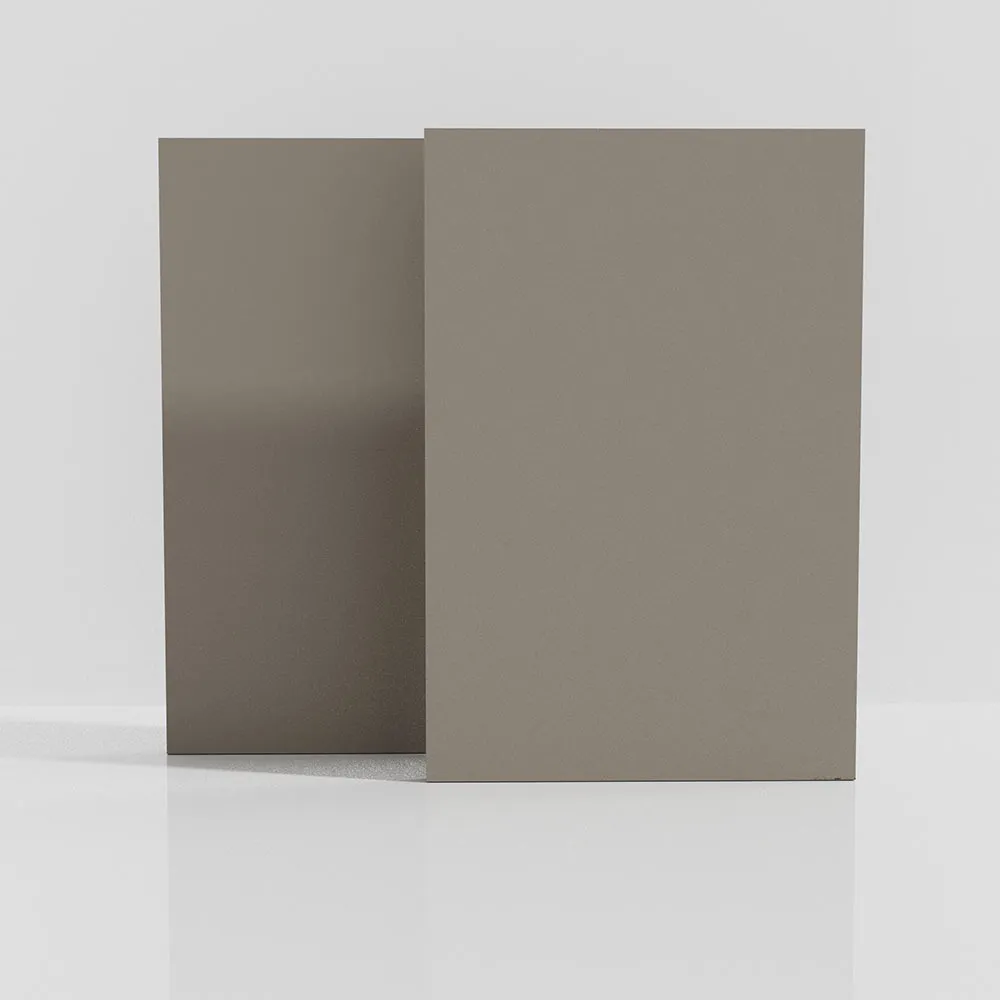
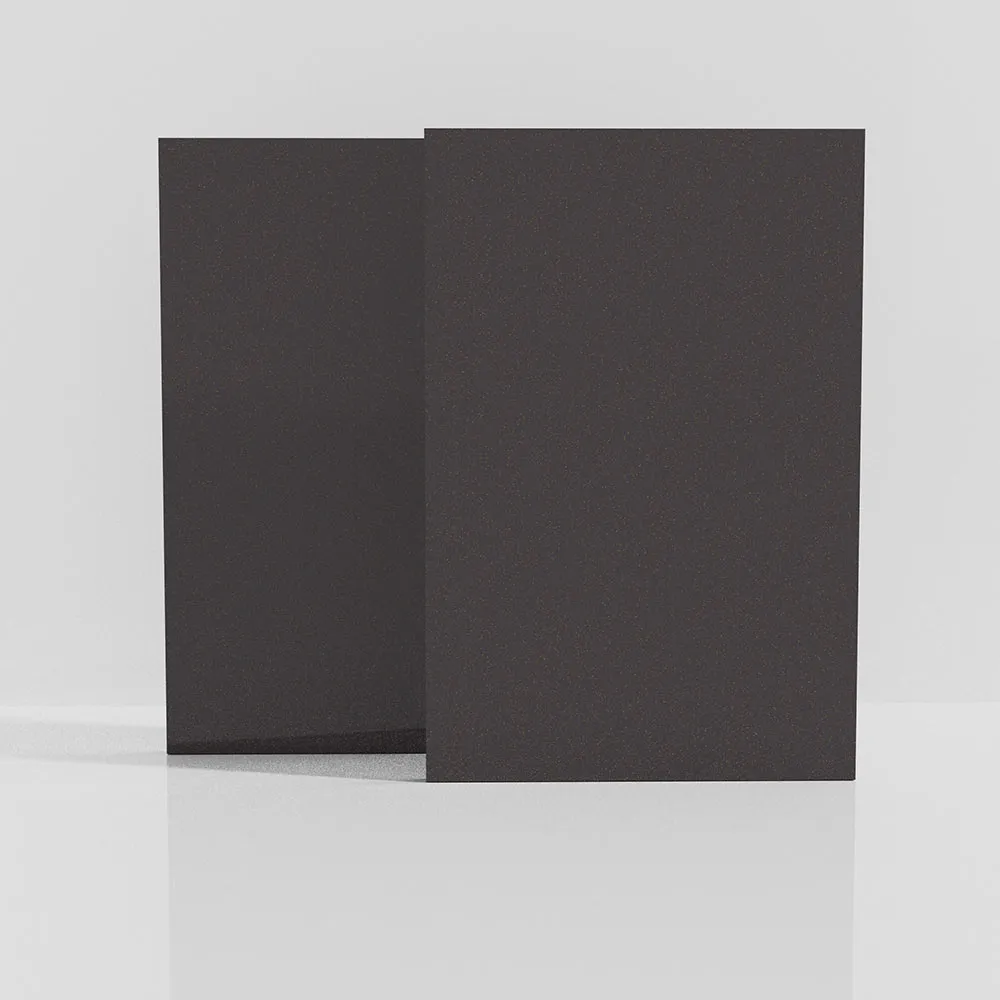
Buying MDF Board: Why It Matters in Today’s Global Market
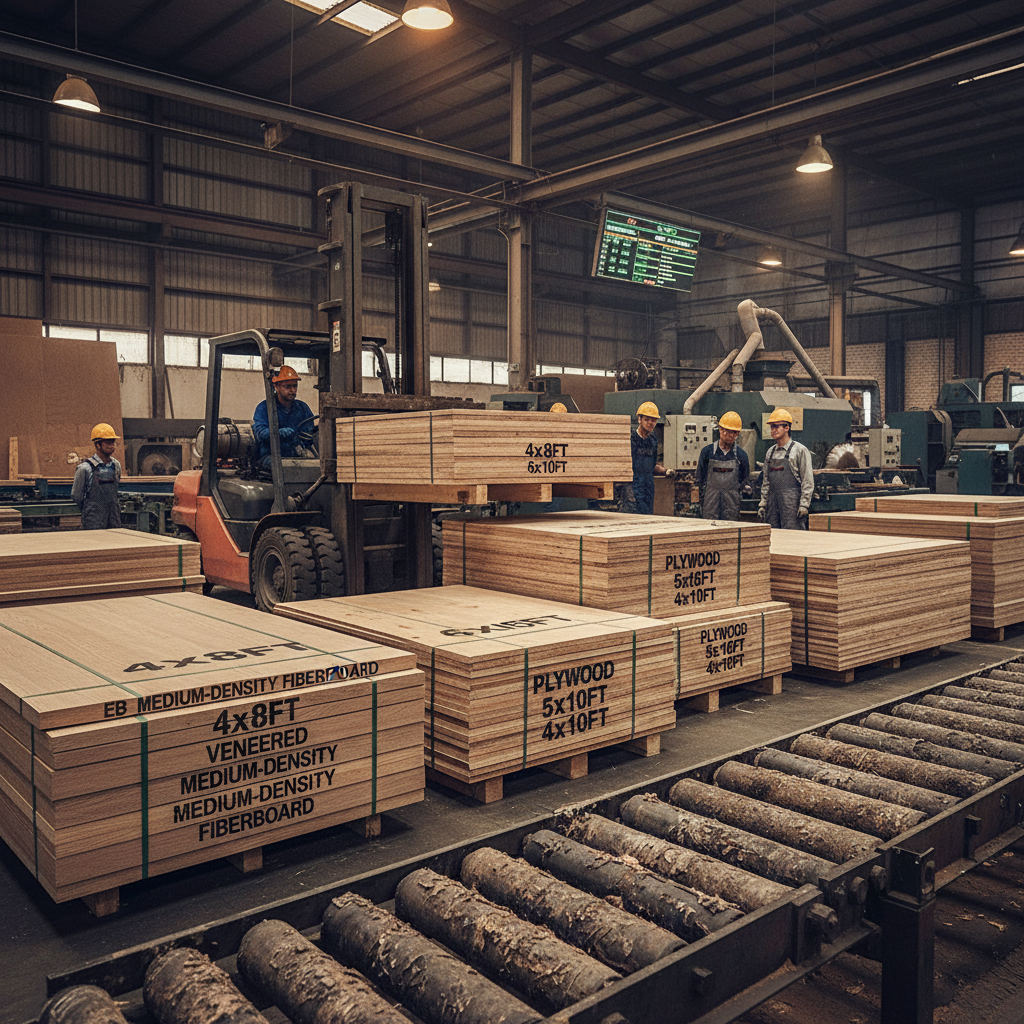
When you decide to buy MDF board, you’re not just selecting a sheet of wood product — you’re tapping into an essential material that has quietly reshaped industries worldwide. MDF, or Medium Density Fiberboard, is a composite engineered wood panel that blends wood fibers with resin under heat and pressure — which results in a smooth, strong, and versatile product. It’s everywhere: from furniture factories churning out millions of affordable cabinets to innovative construction projects pushing the limits of modern design.
Globally, the demand for MDF has soared due to its adaptability, cost-effectiveness, and sustainability credentials. The United Nations Environment Programme notes that sustainable wood products like MDF play a key role in responsible forest management and waste reduction[1]. But before we dive deeper, here’s why understanding when and how to buy MDF board is practically invaluable — whether you’re a contractor, furniture maker, or DIY enthusiast.
Setting the Scene: The Global Context of Buying MDF Board
In the past decade, the engineered wood industry — including MDF — has experienced a remarkable growth trajectory. According to the International Wood Products Association (IWPA), the global MDF market was valued at roughly $30 billion in 2022, with projections expecting a steady rise of 5-6% annually[2]. This boom is driven by urbanization, affordable housing initiatives, and the soaring popularity of ready-to-assemble furniture.
Still, challenges exist. Raw material sourcing can be inconsistent, especially in regions where deforestation is a concern, and inferior products flood the market. This makes it crucial to buy MDF board from trustworthy suppliers who verify certifications like FSC (Forest Stewardship Council) or CARB (California Air Resources Board) compliance.
What Does It Mean to Buy MDF Board?
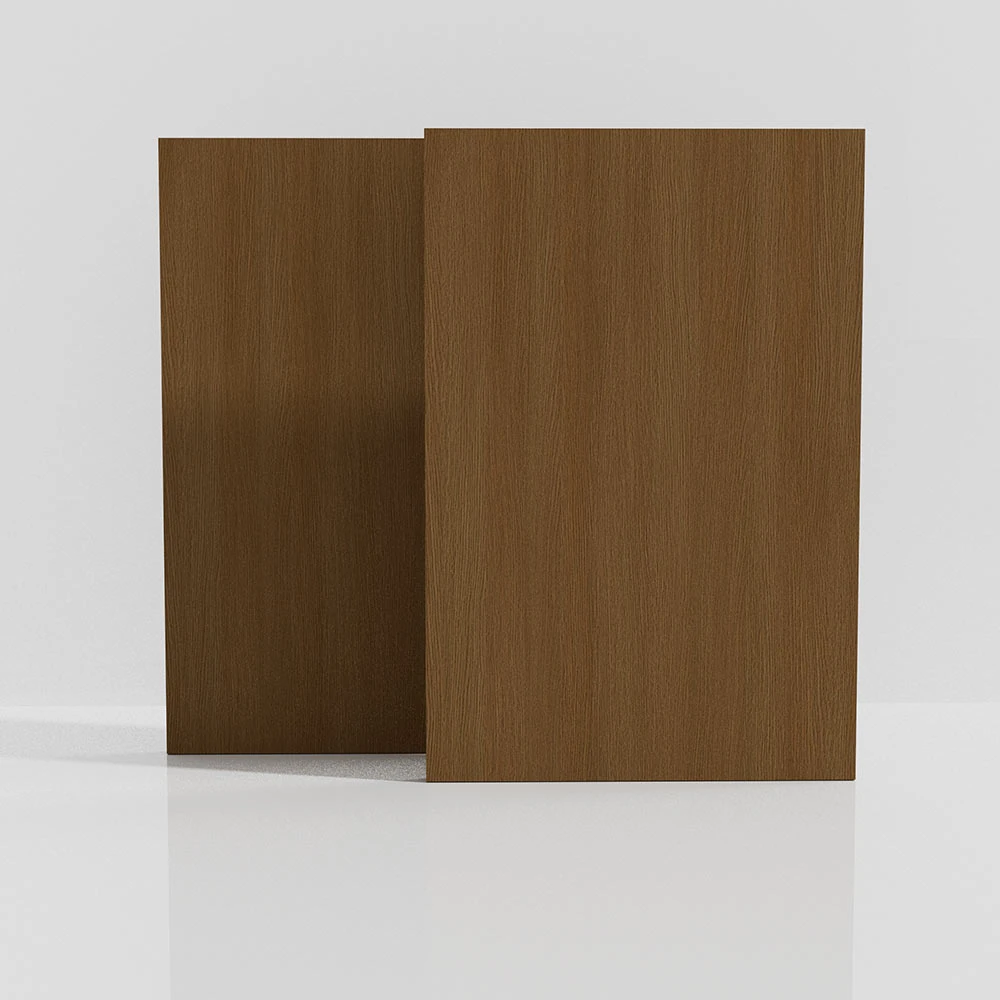
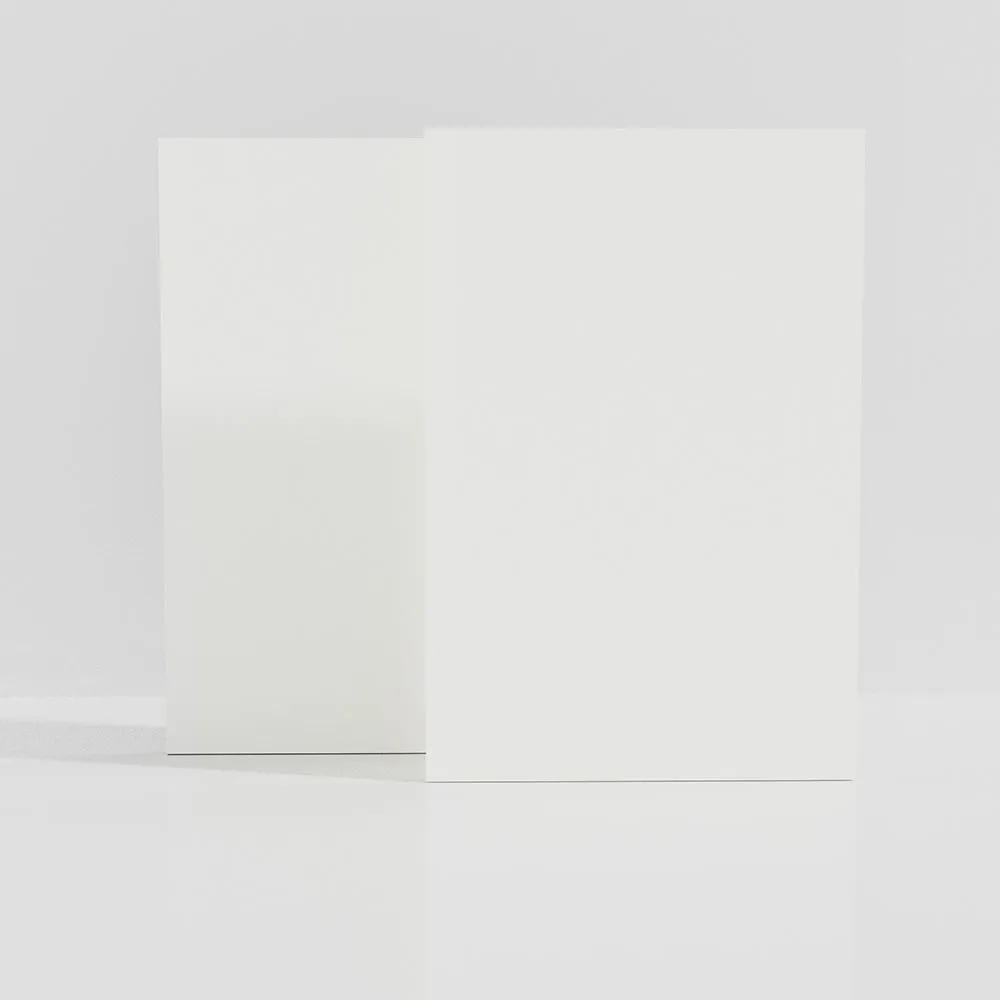
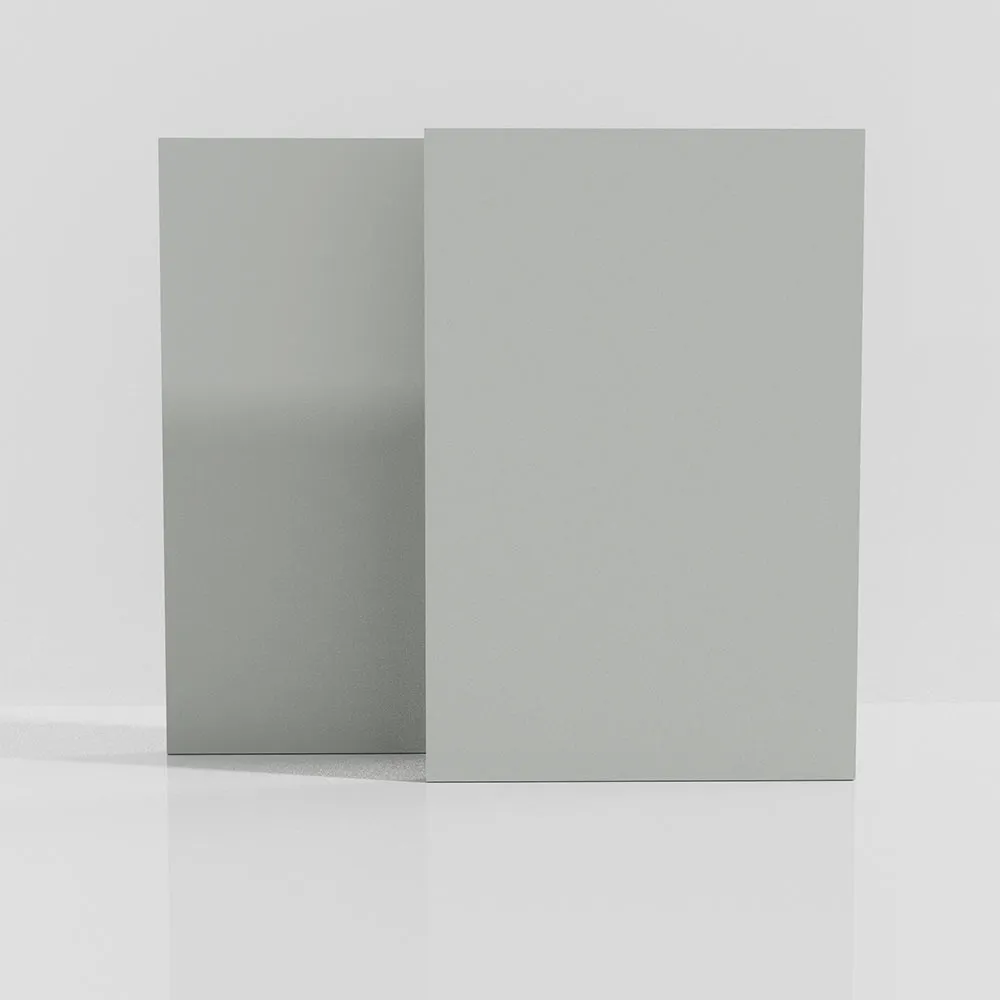
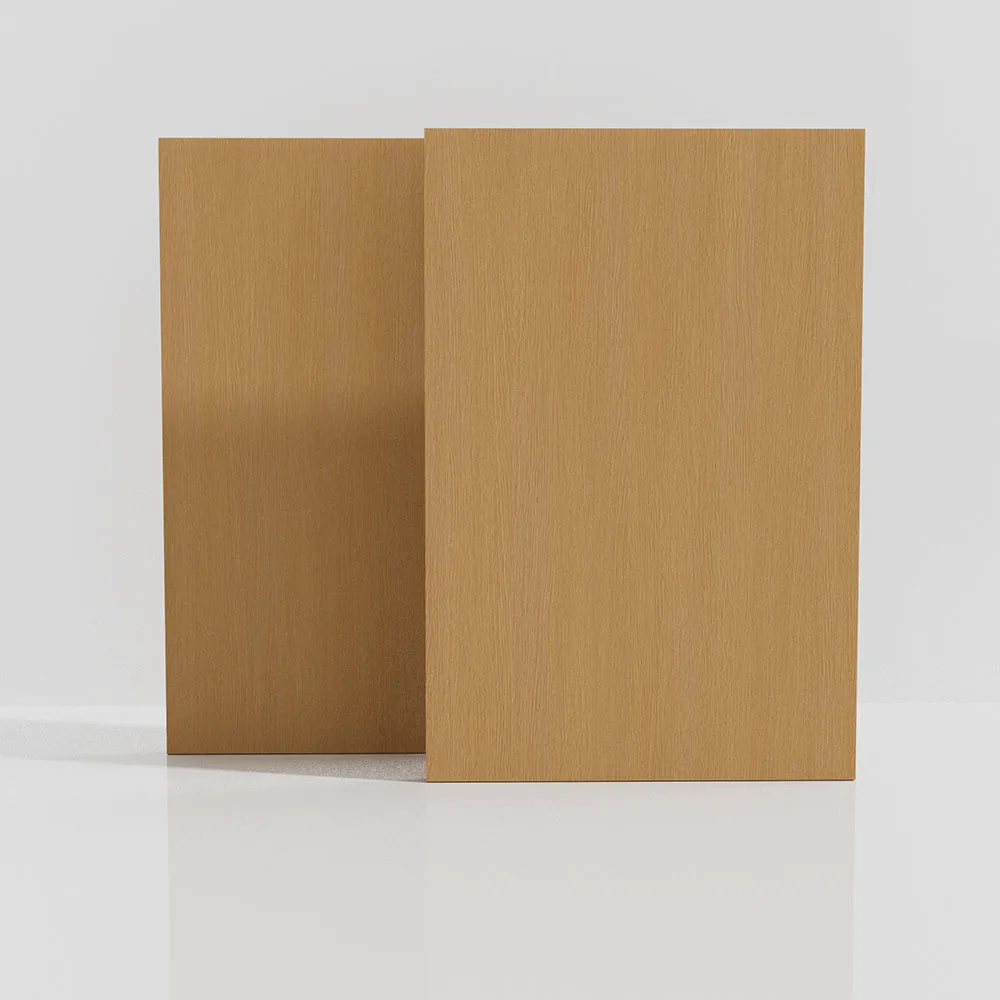
Simply put, to buy MDF board means purchasing an engineered timber product made by compressing hardwood and softwood fibers with wax and resin adhesives. The result is a medium-density panel known for uniformity, smooth surfaces, and minimal voids. Unlike plywood or particleboard, MDF has no knots or grain patterns, which makes it excellent for painting, laminating, and cutting precision.
Its connection to modern industry is deep: from affordable housing to modular interiors, MDF transforms natural fibers into a product that suits evolving architectural ambitions and mass manufacturing. Plus, because of its efficient use of timber waste, it aligns with sustainability goals in timber management.
Durability: More Than Meets the Eye
MDF is surprisingly robust for its price. It resists warping better than natural wood under moderate humidity, and its engineered nature means fewer imperfections that lead to cracks. Its uniform density allows for smooth finishes that last — making it a staple in kitchen cabinets, shelving, and decorative trims.
Cost Efficiency: Stretching Every Dollar
Compared to hardwood, MDF is a budget-friendly alternative that doesn’t sacrifice too much in quality. It also reduces waste in production — manufacturers get more yield per cubic meter of timber, which means better prices for buyers. If you’re hopping into a renovation or furniture-making project, MDF typically lowers your overhead.
Workability and Design Flexibility
Because of its smooth surface and uniform structure, MDF cuts easily and handles intricate routing and shaping nicely. This makes it the go-to board for designers who want fancy edges or painted finishes. I’ve noticed that many craftsmen prefer MDF for custom cabinetry precisely because it takes paint without bleed-through better than plywood or raw timber.
Sustainability Considerations
Sourcing responsibly-made MDF board can deeply impact forests’ health worldwide. Many modern producers adhere to strict environmental standards, using recycled wood fibers and eco-friendly adhesives to reduce VOC emissions. It’s not perfect but buying certified MDF supports greener supply chains and lessens pressure on natural forests.
Product Specifications At a Glance
| Specification |
Typical Value |
Units |
| Density |
700 - 850 |
kg/m³ |
| Thickness range |
3 - 25 |
mm |
| Modulus of Rupture |
20 - 32 |
MPa |
| Moisture content |
6 - 8% |
Percent |
| Formaldehyde emission |
E0, E1 grades |
Grade |
Where Does Buying MDF Board Make a Difference?
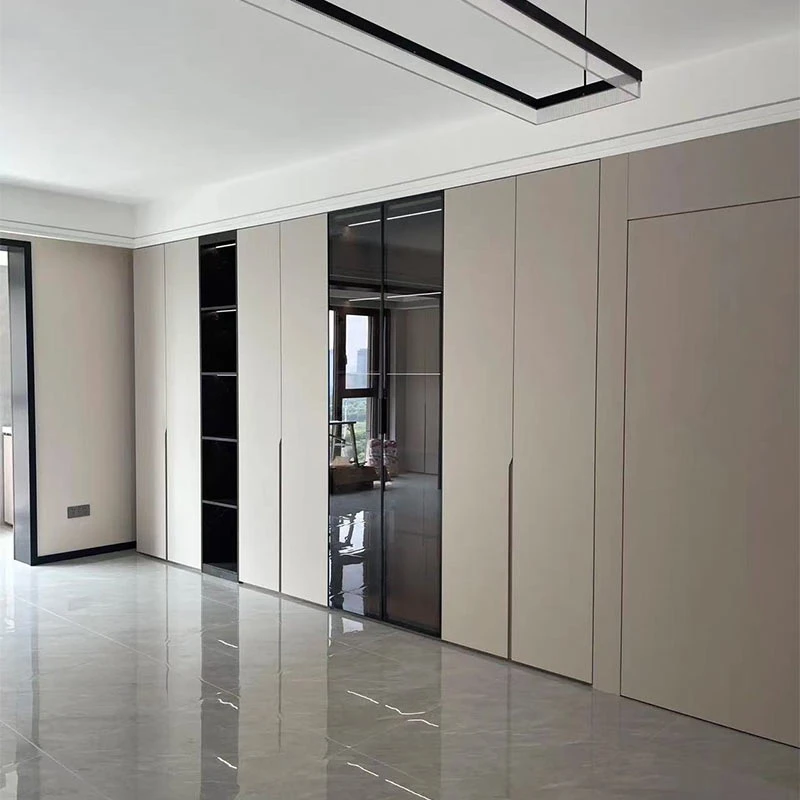
MDF’s versatility makes it a true workhorse worldwide in countless sectors. In Asia, for instance, large-scale housing projects lean on MDF for speed and cost-effectiveness. Meanwhile, European manufacturers champion eco-certified MDF for upscale furniture lines marketed towards sustainability-conscious consumers. Even humanitarian groups have recognized the potential: temporary shelters and emergency relief centers sometimes use MDF panels for partitioning and furnishing — they’re easy to ship and assemble on-site.
Oddly enough, even high-end retail stores in North America rely on MDF to customize store interiors quickly, balancing design subtlety with budget constraints.
Vendor Comparison: What to Look For When Buying MDF Board
| Vendor |
Certified Quality |
Price Range per Sheet |
Eco-Friendly Options |
Customization Services |
| Tengfei MDF Co. |
FSC, CARB |
$12 - $20 |
Yes, Low-VOC |
Cut-to-size & Finishing |
| GlobalWood Suppliers |
CARB Only |
$10 - $18 |
Standard |
Limited |
| EcoBuild Panels |
FSC Certified |
$14 - $22 |
Yes, Formaldehyde-Free |
Custom Laminate Options |
Advantages & Long-Term Value of Buying MDF Board
- Cost-effective durability: MDF lasts longer than particleboard, prolonging furniture and constructions’ lifespan without inflating budgets.
- Sustainability: When sourced responsibly, MDF reduces waste and encourages responsible forest stewardship.
- Design versatility: Paint, laminate, or shape it — MDF adapts seamlessly to endless creative needs.
- Global availability: Its production and supply chains span continents, so you usually can find quality MDF locally or through efficient importers.
Emotionally, buying an MDF board feels like investing in something reliably familiar yet filled with potential. It’s comforting to know a product can be both accessible and technically sound — it inspires confidence in builders, designers, and end consumers alike.
Future Trends & Innovations in MDF Board
Looking ahead, the MDF market is no stranger to innovation. The rise of low-formaldehyde and formaldehyde-free MDF boards is a direct response to tighter environmental regulations and health concerns. Manufacturers are experimenting with bio-based adhesives and recycled fibers, which is not only beneficial for the planet but also reduces dependency on petrochemical components.
Automation in production lines also means more consistent quality and customization options — some vendors can now produce cut-to-size MDF shipments within days, rather than weeks. Oddly enough, combining digital CNC machining with MDF brings precision and repeatability that’s almost industrial art.
Challenges & Practical Solutions When Buying MDF Board
Of course, MDF isn’t perfect. Its susceptibility to moisture means it’s not ideal for outdoor use unless treated properly. Plus, cheaper MDF can be brittle or emit excessive VOCs, causing health concerns in enclosed spaces.
Experts recommend verifying certifications and considering treatment options like melamine coating for kitchen applications or water-resistant MDF varieties for bathrooms. Honestly, buying MDF board from trusted suppliers — like buy mdf board vendors who offer testing and guarantees — is the best hedge against quality issues.
Frequently Asked Questions About Buying MDF Board
Q1: What thickness of MDF board should I choose for making cabinets?
A: Typically, 18mm thickness offers a great balance of strength and workability for kitchen cabinets. However, thinner sheets (12mm) are sometimes used for back panels, while thicker ones (up to 25mm) offer extra stability for shelving.
Q2: Is MDF more sustainable than natural wood?
A: MDF makes efficient use of wood fibers and often incorporates recycled materials, reducing waste compared to solid wood. Its sustainability depends largely on sourcing and adhesive type, so certified products are the safest eco-friendly choice.
Q3: Can MDF be used outdoors or in bathrooms?
A: Standard MDF absorbs moisture and can swell. For humid or wet environments, use moisture-resistant or exterior-grade MDF, often treated or coated to resist water damage.
Q4: How should I store MDF sheets before use?
A: Store MDF flat in a dry, ventilated area away from direct sunlight and moisture. This helps prevent warping and damage prior to installation.
Final Thoughts: Why Buying MDF Board Is a Solid Investment
Whether you’re outfitting a new home, building furniture, or designing commercial interiors, understanding how to buy MDF board gives you access to a material that’s affordable, adaptable, and improving all the time. It’s like a quiet partner behind many modern design successes — humble but essential.
Ready to source quality MDF boards that tick all the boxes? Explore reliable options and buy mdf board online today — your projects will thank you.
References
- United Nations Environment Programme (2021). Sustainable Wood-Based Products.
- International Wood Products Association (2023). Global Market Report on Engineered Wood.
- Forest Stewardship Council (FSC). Certification Standards and Benefits.