Untreated Plywood is a key solution in the industry, specifically within construction, furniture manufacturing, and packaging sectors. This article explores how https://www.tengfeiebmdf.com supports professionals with durable, high-performance products, and explains why this product is an ideal choice for businesses in these sectors.
Table of Contents
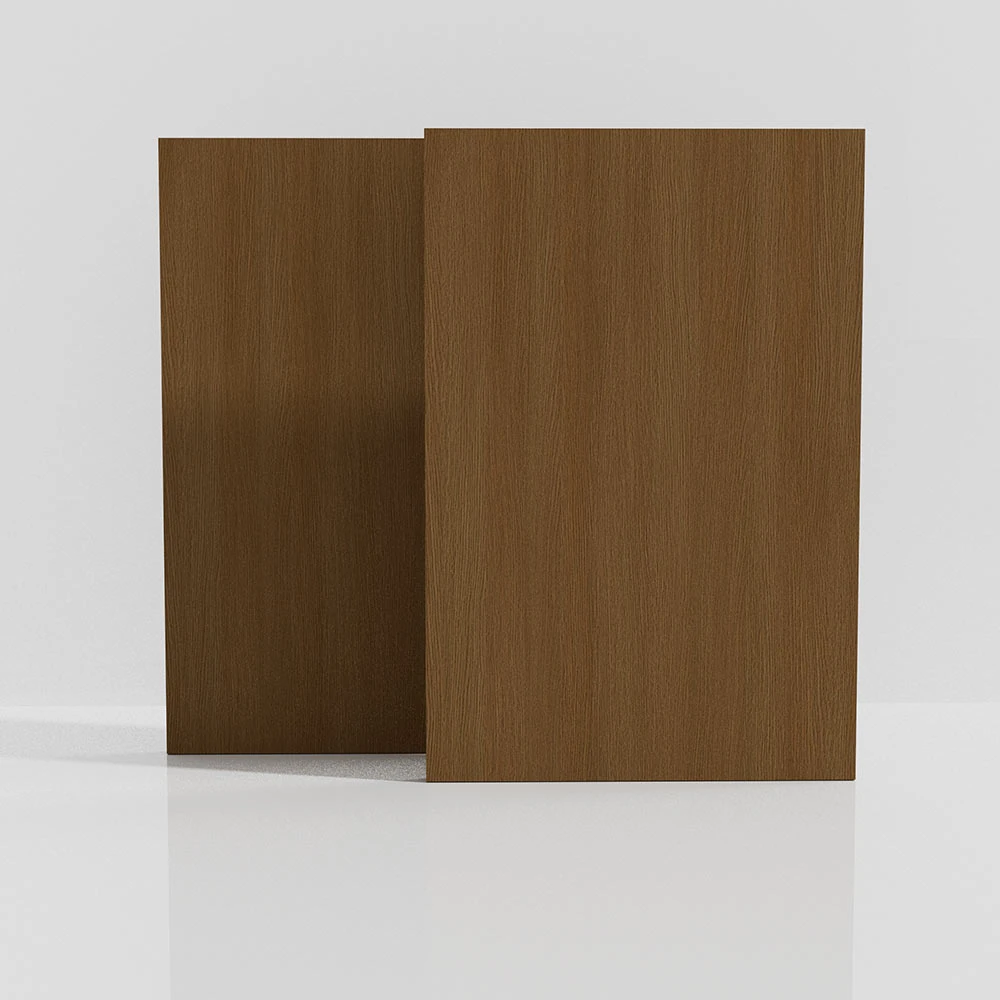
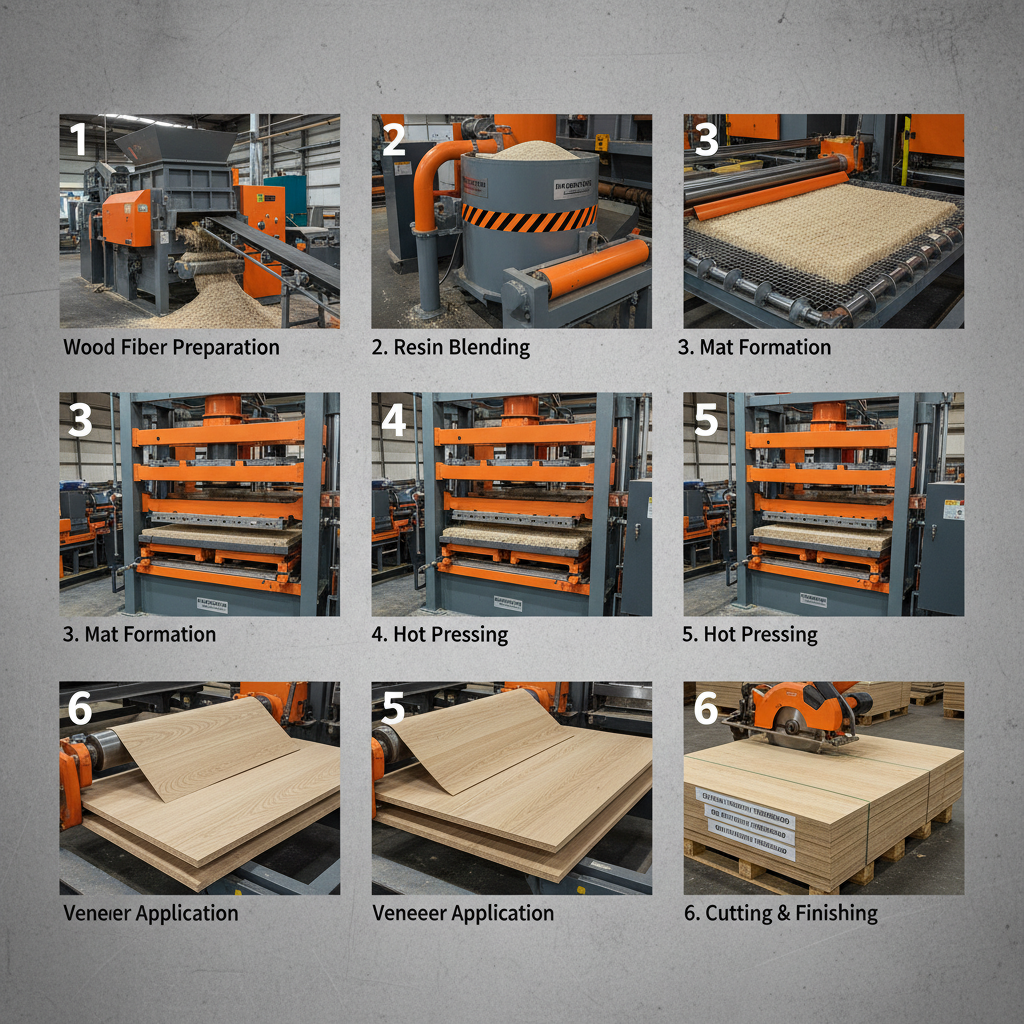
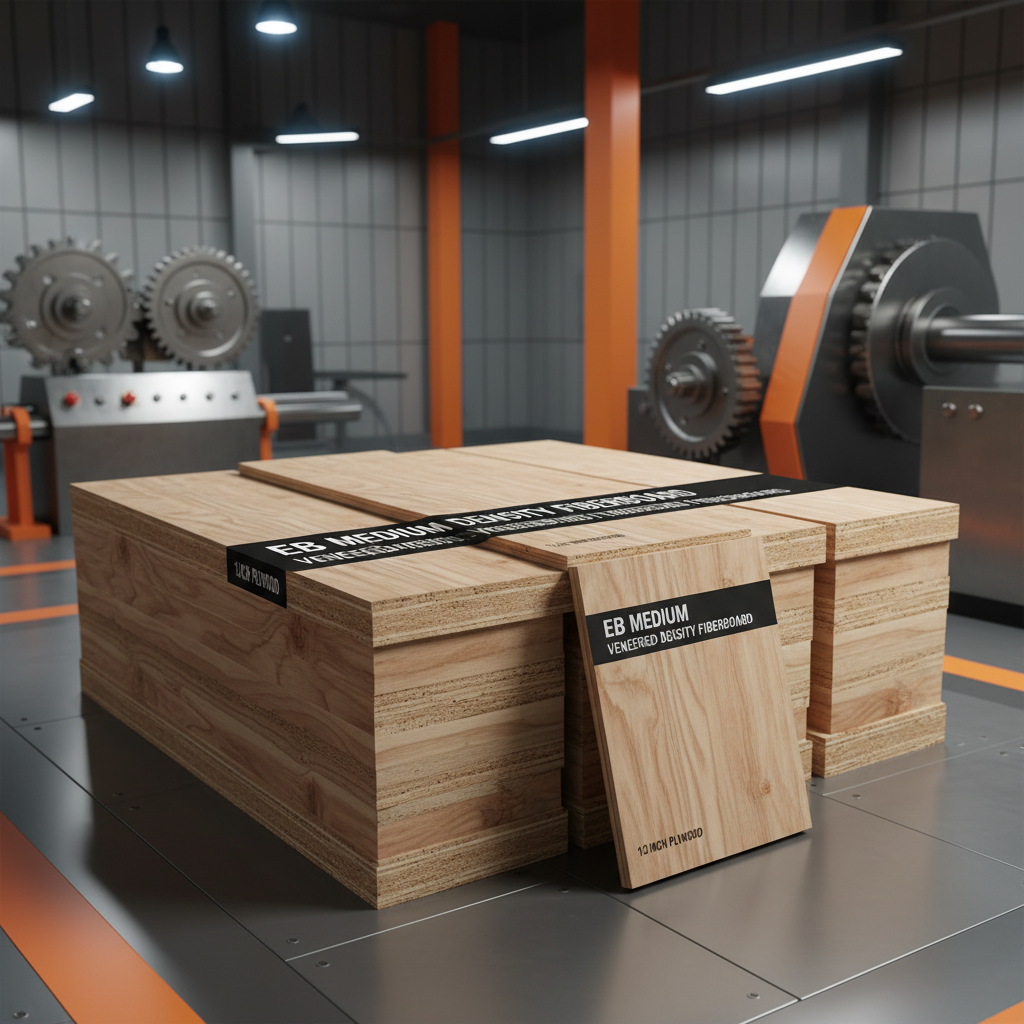
Untreated plywood, in simplest terms, is plywood that hasn’t undergone chemical treatments or finishes. It’s a straightforward, raw wood product composed of thin layers or "plies" of wood veneer glued together with grains at right angles, which gives it strength and a kind of balanced flexibility. Oddly enough, despite its simplicity, it’s incredibly versatile and widely used in industries that need a reliable, resilient, yet affordable material. Many professionals appreciate untreated plywood for its adaptability — you can paint it, stain it, or leave it natural depending on your project.
- It is produced in different thicknesses and grades, often labeled by the number of plies, e.g., 3-ply, 5-ply, up to 13-ply for heavier-duty needs.
- For example, a recent case from Tengfei emphasizes their untreated plywood’s excellent load-bearing capacity for temporary scaffolding and crates in construction sites.
Untreated Plywood Technical Specifications
| Specification |
Details |
| Material |
Hardwood / Softwood veneers |
| Grades Available |
A, B, C, D (varying surface quality) |
| Thickness Range |
3 mm to 25 mm |
| Dimensions |
1220 x 2440 mm (standard), custom sizes available |
| Adhesive Type |
Phenol formaldehyde or urea formaldehyde resins |
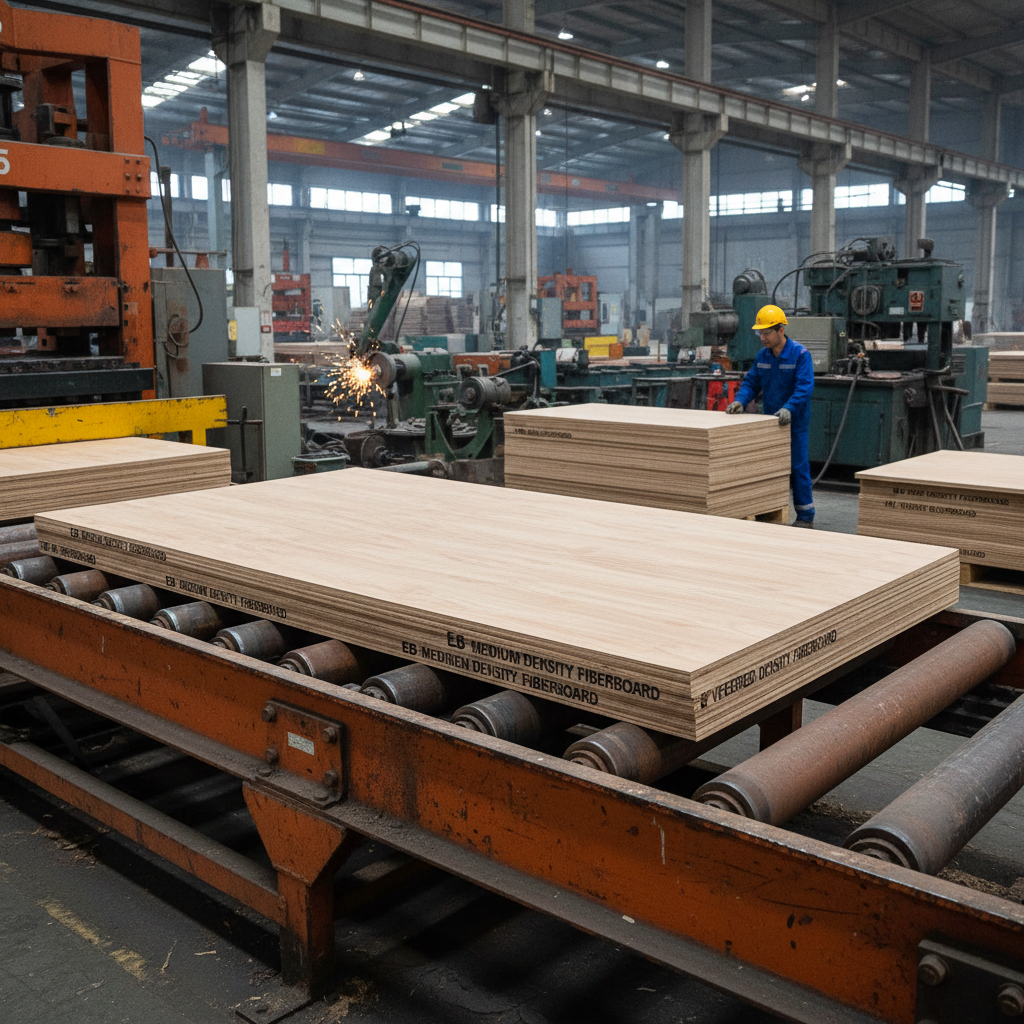
When it comes to practical usage, untreated plywood offers a sort of universal appeal. Builders use it for structural elements like subfloors, walls framing, and roofing underlays because it’s strong and dimensionally stable. It’s also prized in furniture manufacturing, especially for backing panels, drawer bottoms, and parts where a smoother or painted finish is desired. Packaging industries lean on untreated plywood crates for shipping hefty machinery or components due to its strength-to-weight ratio.
- Untreated plywood can be customized easily, which many factories value for specific project requirements.
- It has fewer chemical additives, which some industries prefer for safety or environmental reasons.
- Compared with treated plywood, it is often more cost-effective, offering strong, dependable performance where weather-resistance is not paramount.
Cost, Maintenance & User Experience
In real terms, the cost of untreated plywood is generally less than chemical-treated alternatives. For many businesses operating tight margins in construction or manufacturing, the total cost of ownership — factoring in price, maintenance, lifespan, and environmental handling — often tips in favor of untreated plywood. Maintenance is straightforward: the product can be periodically sealed or painted for enhanced durability, though many users simply rely on its natural strength indoors.
- One professional shared that switching to Tengfei’s untreated plywood for interior offices helped cut costs by about 15%, with no sacrifice in quality or finish.
- Feedback often highlights the ease of cutting and shaping untreated plywood with standard tools, which speeds up production lines.
- There’s also less concern about worker exposure to chemicals during handling compared to treated options.
Sustainability & Market Trends
Environmental impact is a growing priority, and untreated plywood often scores well here simply by lacking chemical additives that complicate recycling or disposal. Many sawmills behind brands like Tengfei source responsibly certified wood, which aligns with increasing regulations and buyer preferences worldwide. Interestingly, the global plywood market is expected to grow steadily, driven partly by sustainable construction and eco-conscious packaging trends.
- Untreated plywood’s ability to be repurposed or recycled aligns with circular economy principles pushing industries today.
Vendor Comparison: Untreated Plywood Suppliers
| Feature |
Tengfei |
Vendor A |
Vendor B |
| Material Quality |
High-grade hardwood veneers |
Mixed softwood and hardwood |
Primarily softwood |
| Customization |
Custom thickness & sizes available |
Limited sizes |
Standard sizes only |
| Environmental Certifications |
FSC and PEFC certified |
No certification |
FSC certified |
| Lead Time |
2-3 weeks |
4+ weeks |
3-4 weeks |
| Pricing |
Competitive |
Slightly higher |
Lower but variable quality |
Frequently Asked Questions about Untreated Plywood
- What is Untreated Plywood and how does it work?
-
Untreated plywood is simply plywood panels made from layers of wood veneers glued together without additional chemical treatments. It works by using cross-laminated layers to provide strength and prevent cracking or warping. This makes it a reliable base material for a variety of applications.
- What are the main benefits of using Untreated Plywood in industrial applications?
-
The main benefits include cost-effectiveness, ease of customization, and strong mechanical properties. Untreated plywood is also more environmentally friendly due to the absence of chemical preservatives.
- How does Untreated Plywood compare to traditional alternatives?
-
Compared to treated or engineered wood products, untreated plywood offers greater flexibility for finishing and is often cheaper. However, it may not provide the same moisture resistance unless sealed or coated.
- What industries can benefit most from Untreated Plywood implementation?
-
Construction, furniture manufacturing, packaging, and automotive are primary sectors. These industries use untreated plywood in structural components, cabinetry, packaging crates, and even vehicle interiors.
Conclusion on Untreated Plywood from china
Summing up, untreated plywood remains a surprisingly robust, adaptable material that fits a wide range of industrial uses without breaking the bank. For companies seeking quality, customization, and a sustainable option, https://www.tengfeiebmdf.com stands out as a solid partner with proven expertise in the field.
- The material’s versatility across sectors is why it remains a favorite, even as new composites emerge.
- Visit our website: https://www.tengfeiebmdf.com
Reflecting on all this, it feels like untreated plywood perfectly balances tradition and innovation in wood products. It’s a practical, no-fuss material that quietly gets the job done—and that reliability is priceless.
References:
1. Wood Industry Journal, 2023: Latest Trends in Plywood Usage
2. Tengfei Official Product Guide, 2024
3. Sustainable Building Materials Report, 2024