Utility Plywood: The Unsung Hero in Industrial Equipment
After having spent well over a decade navigating the twists and turns of the industrial equipment sector, I always find myself coming back to one surprisingly versatile material: utility plywood. It’s not glamorous, certainly, and it doesn’t get a lot of fanfare like specialty steels or composite resins, but frankly, it’s often the backbone of many equipment solutions—especially when cost and durability need a careful balance.
Utility plywood tends to be a go-to when companies want something reliable without breaking the bank. What I’ve seen over the years is that it’s less about flashy specs and more about smart engineering applications—where consistent thickness, dimensional stability, and a no-nonsense construction make all the difference. Oddly enough, some engineers swear by it for heavy-duty packaging and even temporary structural elements on sites where conditions aren’t always kind.
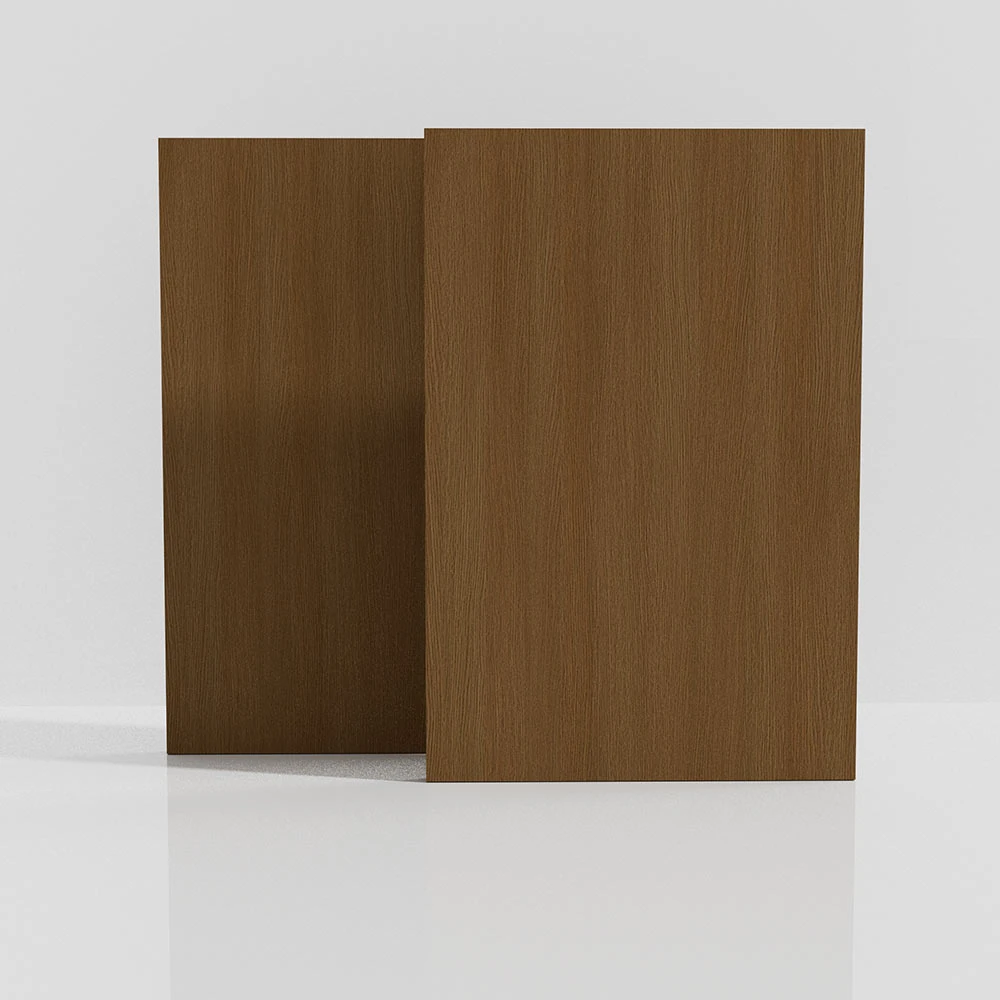
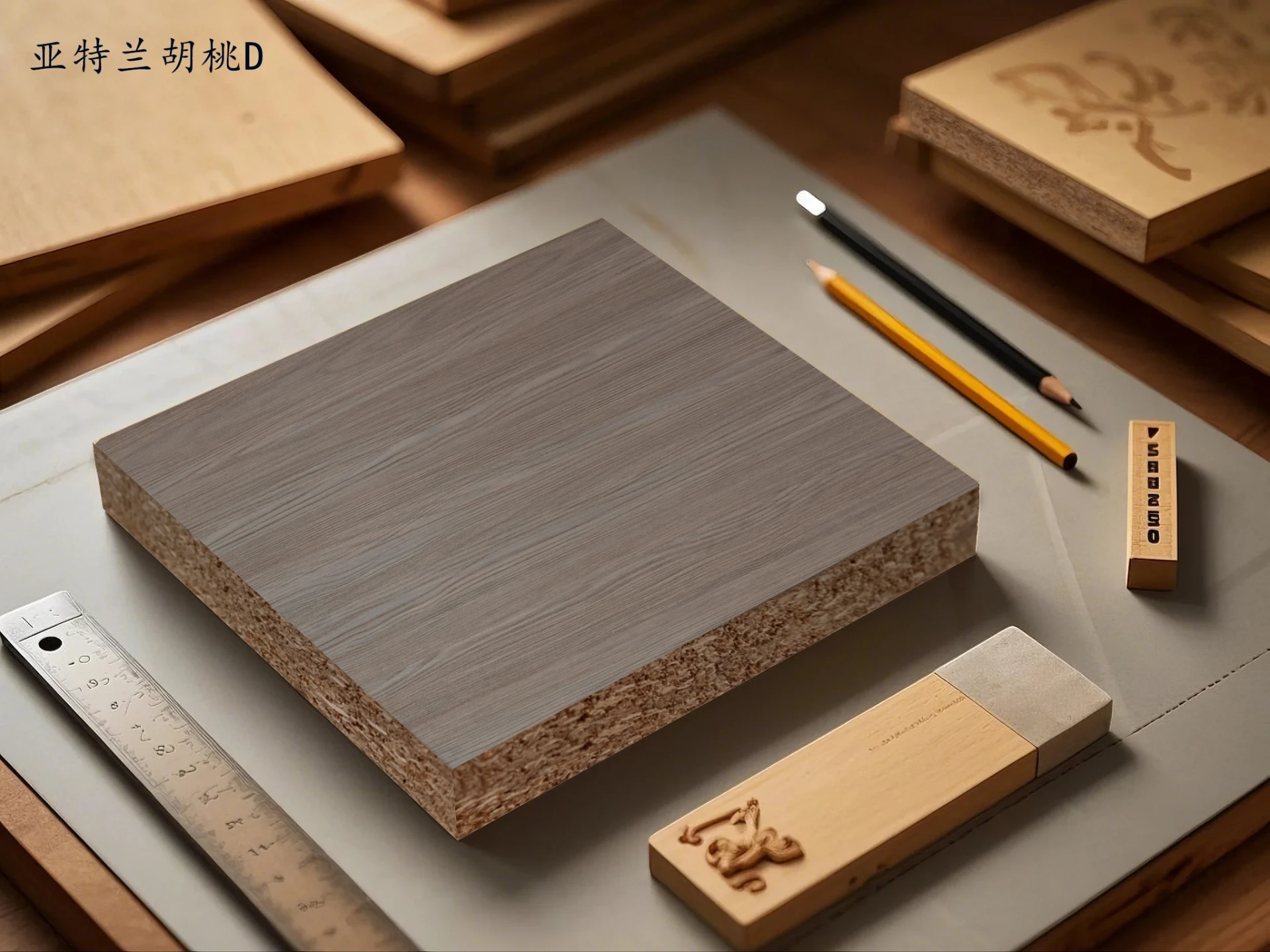
Now, if you’re wondering what truly sets utility plywood apart, it’s primarily the grade and materials used during manufacturing. Typically made from lower-grade veneers—sometimes mixed hardwoods—the panels don’t compete on beauty but on performance for rough-use cases. Many suppliers utilize poplar, eucalyptus, or pine layers, bonded with phenolic or melamine adhesives to improve moisture resistance.
Typical Utility Plywood Specifications
| Property |
Value |
Notes |
| Thickness |
6mm - 18mm |
Common industrial range |
| Surface Finish |
Smooth/Sanded |
Minimal splintering for safety |
| Core Material |
Mixed Hardwood/Pine |
Varies by supplier |
| Glue Type |
Phenolic / Melamine |
Improved water resistance |
| Density |
600-700 kg/m³ |
Moderate weight for handling |
| Certifications |
FSC, CARB Phase 2 |
Important for eco-conscious buyers |
Speaking from personal experience, once I was involved in a shipping project that required custom crates to withstand rough sea transit. The client initially leaned towards heavy MDF panels, but after some back and forth, they settled on utility plywood from a trusted vendor. Not only did it reduce weight dramatically, but the plywood's durability held up against moisture and impacts better than expected. That kind of real-world robustness is hard to replace.
On the subject of vendors, it’s always wise to look beyond just pricing—after all, plywood’s quality can vary a lot. Here's a rough comparison based on industry feedback, product availability, and regional focus:
Vendor Comparison: Utility Plywood
| Vendor |
Grade Range |
Typical Lead Time |
Special Features |
Average Price (per sheet) |
| Tengfei Plywood |
B-grade Utility |
1-2 weeks |
Consistent thickness, FSC certified |
$18 - $24 |
| General Woodworks Inc. |
C to B-grade |
2-3 weeks |
Available custom sizes |
$16 - $22 |
| Oakridge Timber |
A to B-grade |
3-4 weeks |
Enhanced moisture protection |
$22 - $28 |
Frankly, choosing the right plywood comes down mostly to the project specifics: weight, moisture exposure, budget, and how much customization is needed. I’ve noticed that many clients value vendors who can offer reliable certification and quick turnaround times—Tengfei, for example, scores well in those areas.
Installation and on-site handling are also part of the story. Utility plywood, unlike some fragile alternatives, tends to stand up well to rough handling, which saves headaches during equipment assembly or crate construction. Plus, it’s kind of forgiving if you need to make last-minute adjustments with a saw or drill.
So, if you’re scoping out materials for your next industrial project, I’d encourage you to keep utility plywood on your radar. It’s not flashy, but sometimes practicality trumps everything in the industrial world.
And hey, if you want more detailed specs or vendor options, hopping over to utility plywood suppliers like Tengfei is a smart move. You’ll get a real sense of the quality and service involved.
References:
- Wood Handbook - USDA Forest Service (2010)
- Industrial Packaging Materials Guide, 2022 Edition
- FSC Certification Directory – www.fsc.org