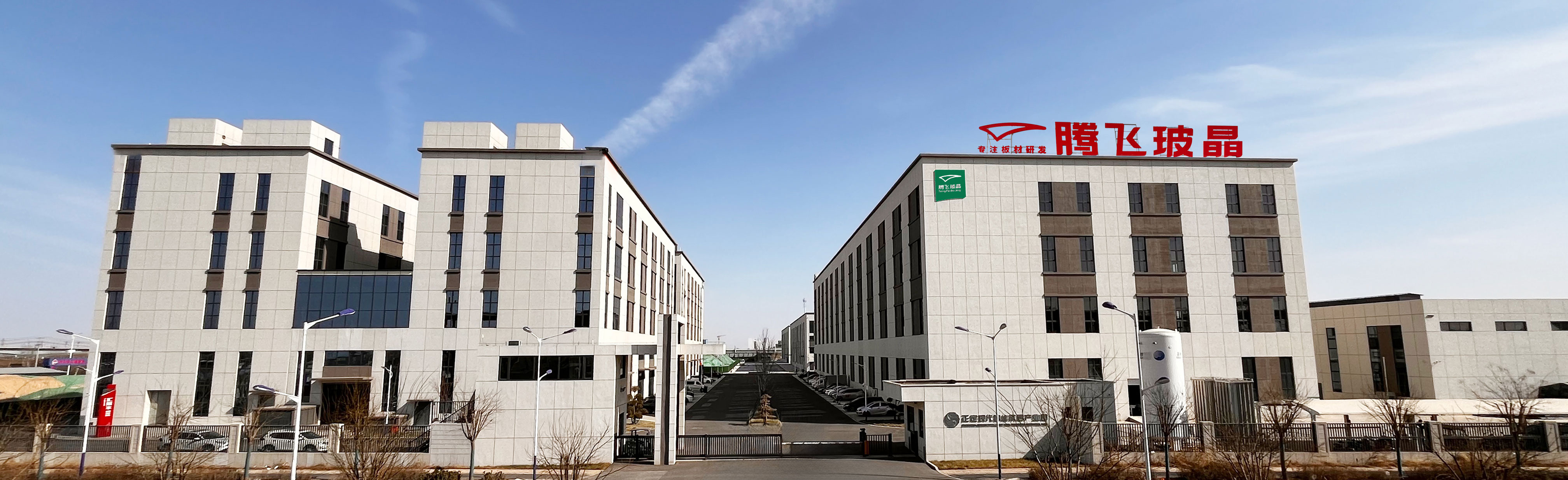
Add: No.8 Xinxing Street, North Zone, Zhengding High-tech Industrial Development Zone, Hebei, China
CONTACT US
+8615030171059


CONTACT US
+8615030171059
If you browse current fit-out bids, you’ll notice a quiet trend: oak textures are back, but smarter—synchronized pores, warmer undertones, and surfaces that shrug off daily abuse. That’s where Italian Oak A has been gaining traction. It looks convincingly European, yet ships reliably from Hebei, China (No.8 Xinxing Street, North Zone, Zhengding High-tech Industrial Development Zone). And yes, the price-performance balance is, frankly, strong.
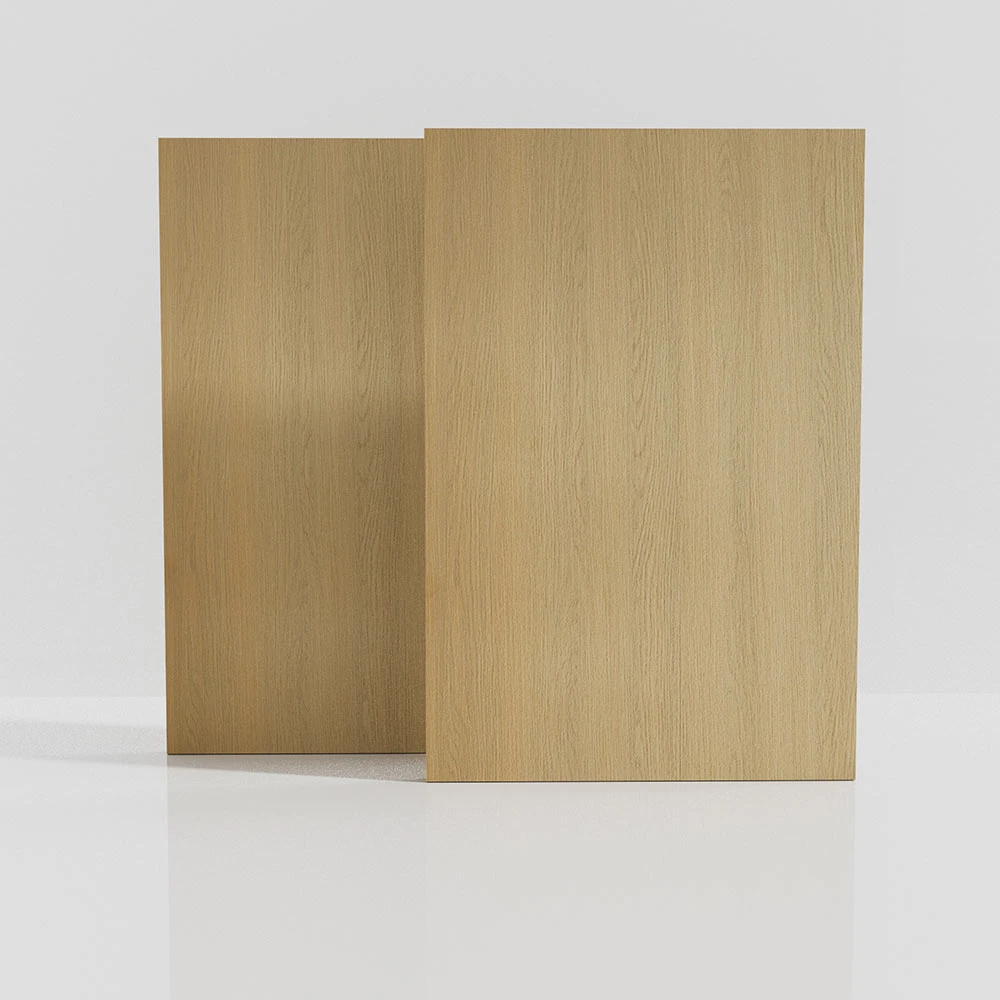
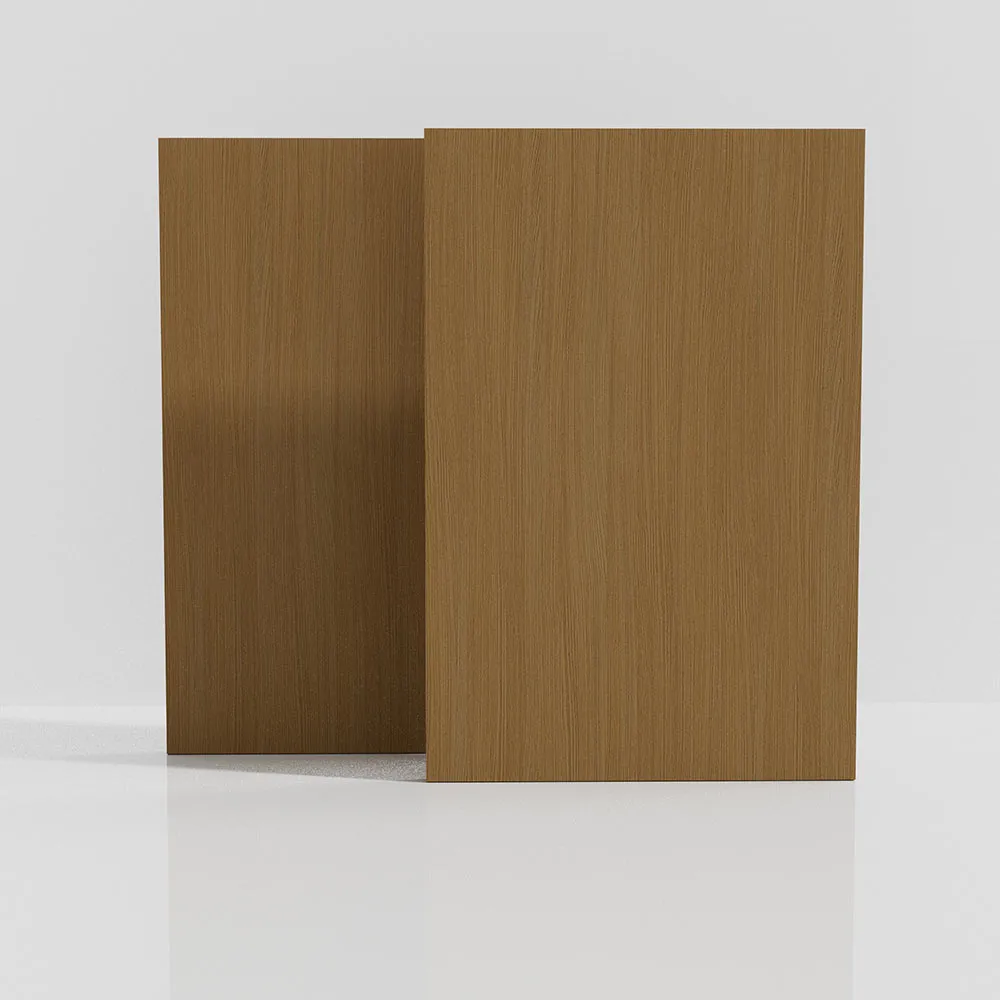
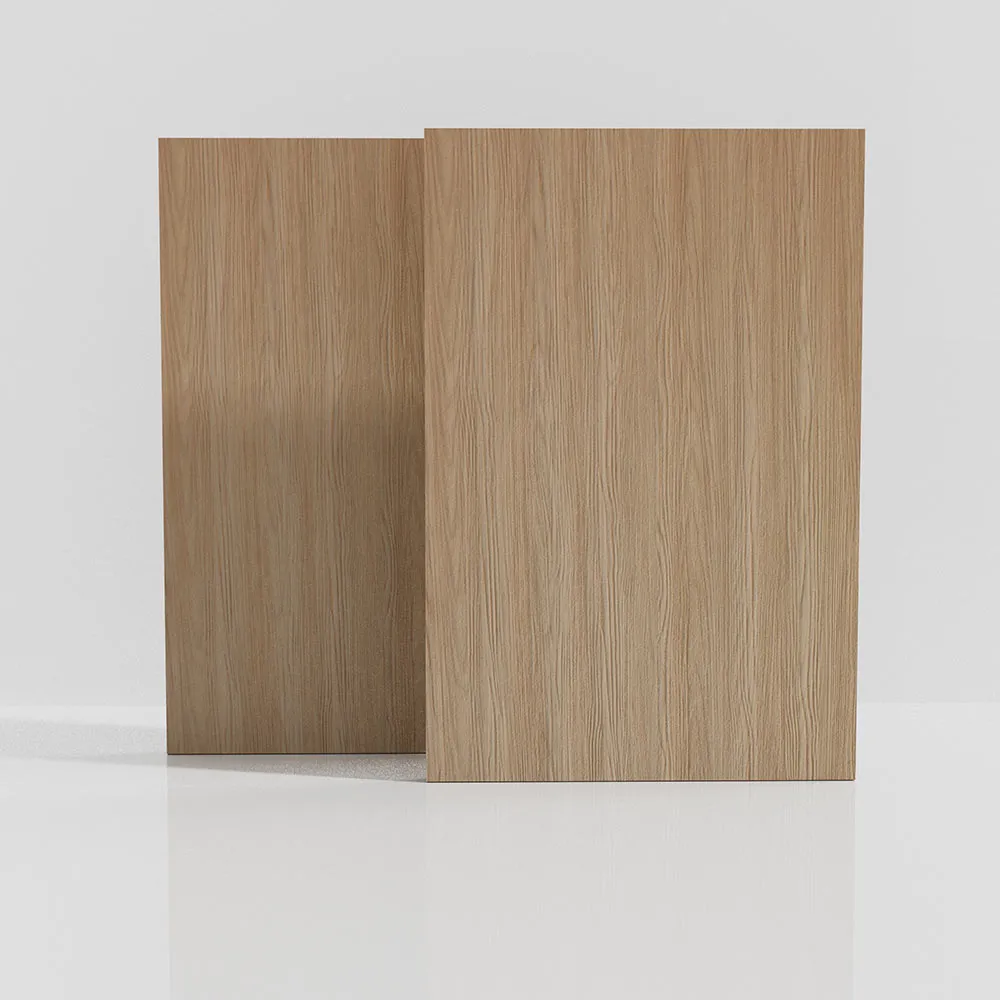
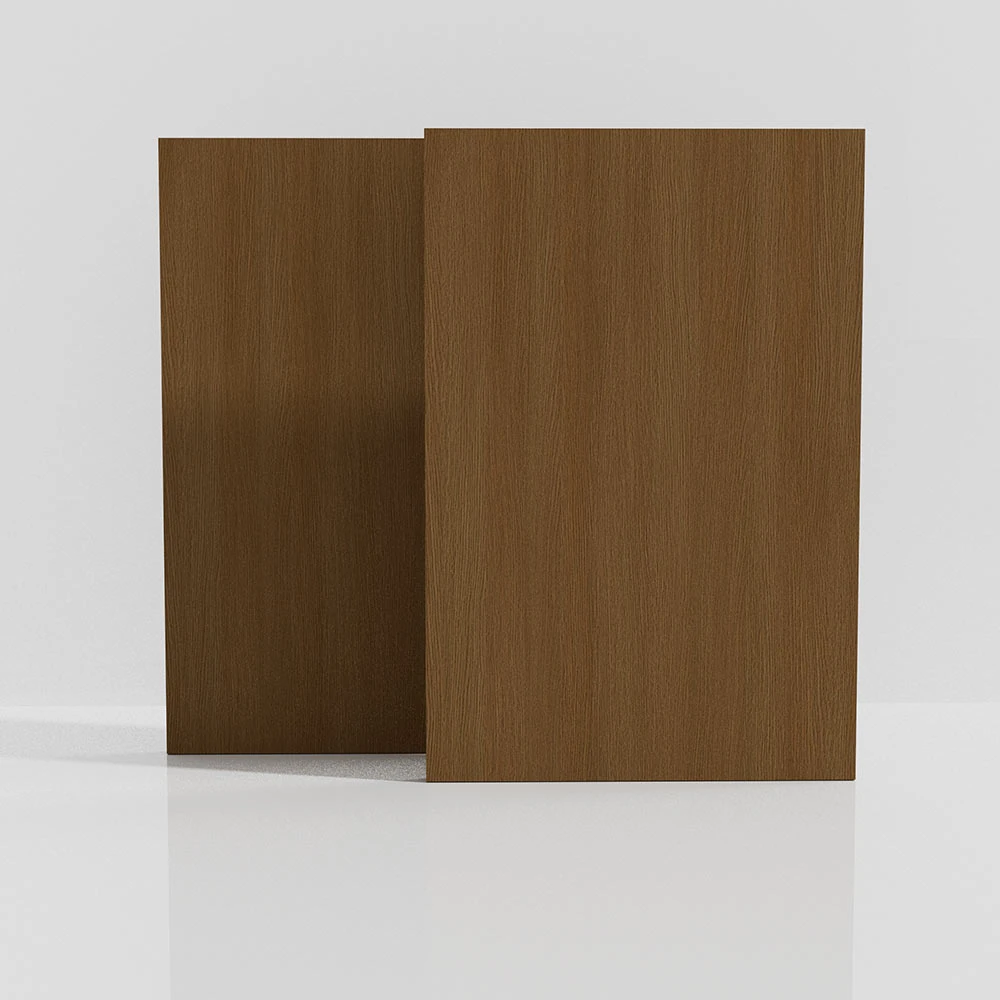
Italian Oak A is a melamine-faced MDF décor board with a realistic oak pattern—think clean cathedral grain, subtle cathedrals, and a matte-to-velvet sheen. It’s aimed at cabinets, wall cladding, retail fixtures, hotel casegoods, and—when paired with a tougher overlay—even worktops. Many customers say the tone “reads premium without shouting.” I tend to agree.
| Product | Italian Oak A melamine-faced MDF |
| Core density | ≈720–760 kg/m³ (EN 323) |
| Thickness options | 6, 8, 12, 15, 16, 18, 25 mm (custom on request) |
| Panel sizes | 1220×2440 mm; 1830×2750 mm; others by MOQ |
| Emission class | E1/E0 per EN 717-1; CARB Phase 2/TSCA Title VI capable |
| Surface | Matte synchronized pore; optional higher-scratch UV top |
| Performance (typ.) | MOR ≈35–45 MPa (EN 310); TS (24h) ≈10–12% (EN 317); stain res. Groups 1–2 no visible effect (EN 14322) |
What stands out with Italian Oak A is the grain realism and availability. Lead times are sensible, and matching edges are straightforward. Some clients even mix it with matte thermofoil to reduce cost without losing the aesthetic.
| Vendor | Product | Emission | Thickness | Customization | Lead time |
|---|---|---|---|---|---|
| Tengfei (Hebei) | Italian Oak A | E1/E0; CARB/TSCA capable | 6–25 mm | Texture, size, UV top, edging | ≈15–25 days |
| Regional Trader | Generic Oak décor | E1 | 12–18 mm | Limited | Stock-dependent |
| OEM Import | Oak print board | E1/E2 mixed | Varies | By MOQ | Uncertain |
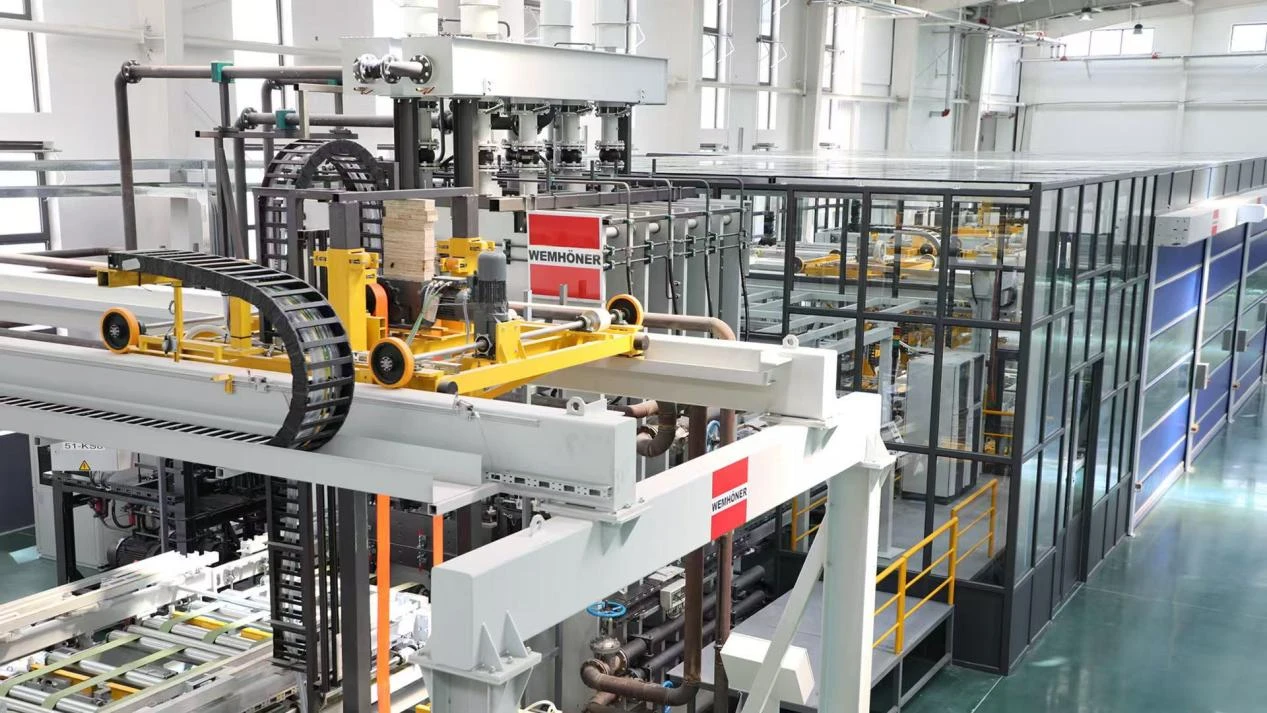
With Italian Oak A you can spec synchronized pore depth, gloss level (≈5–15 GU), and UV anti-scratch top. Batch QC typically includes chamber testing for EN 717-1, thickness tolerance checks (EN 324), and surface resistance per EN 14322. To be honest, not every factory runs all tests in-house; here, the documentation is relatively complete.
Certifications typically available: ISO 9001 QMS, FSC on request, and CARB/TSCA paperwork. If your project mandates specific labels, ask early—lead time for certificates can add a week, I guess.
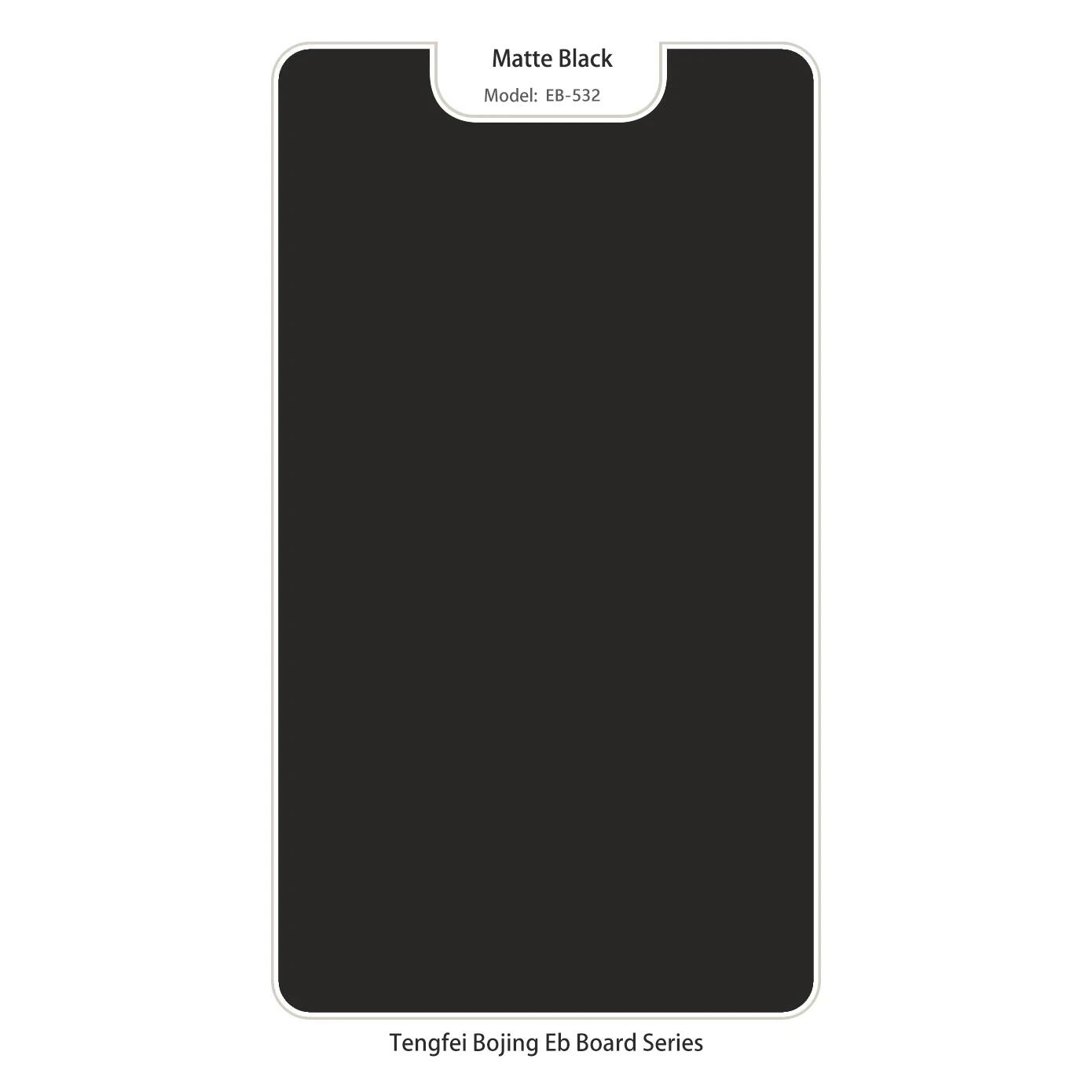
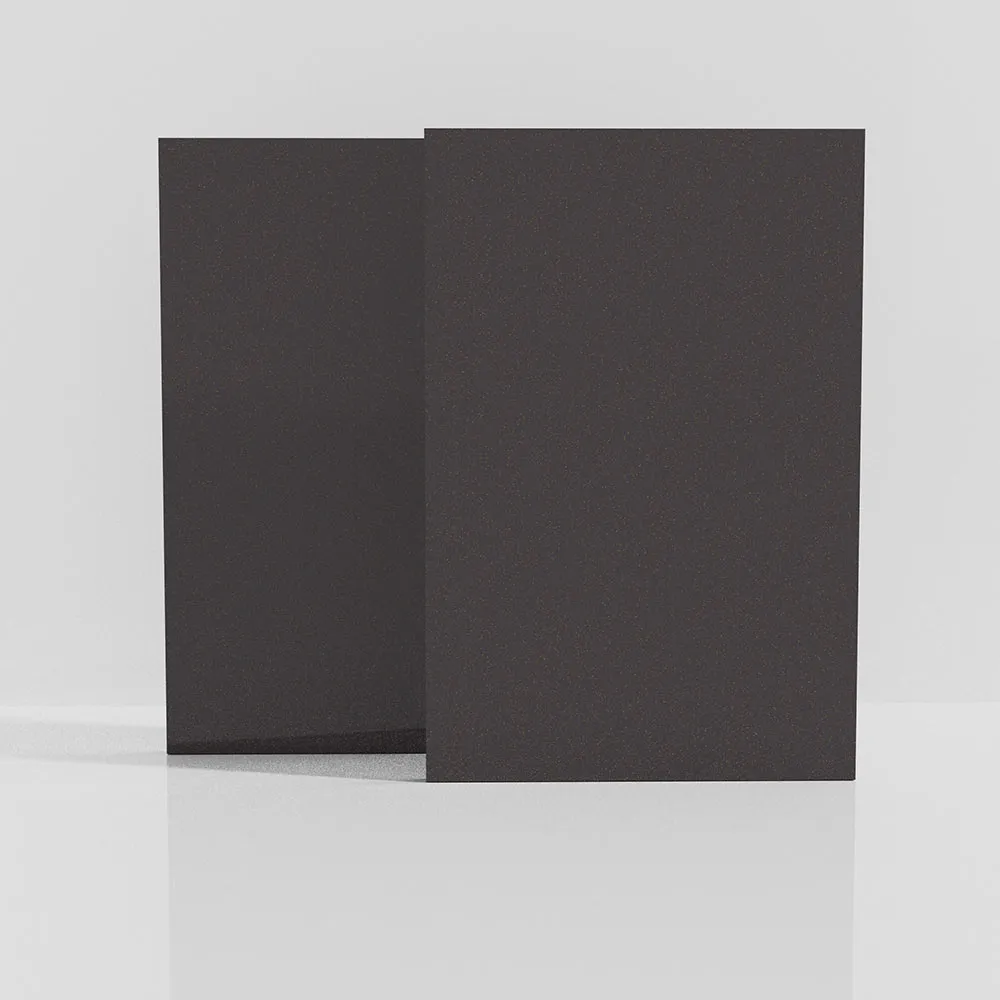
Tengfei Platinum EB Particle Panels - Matte Black
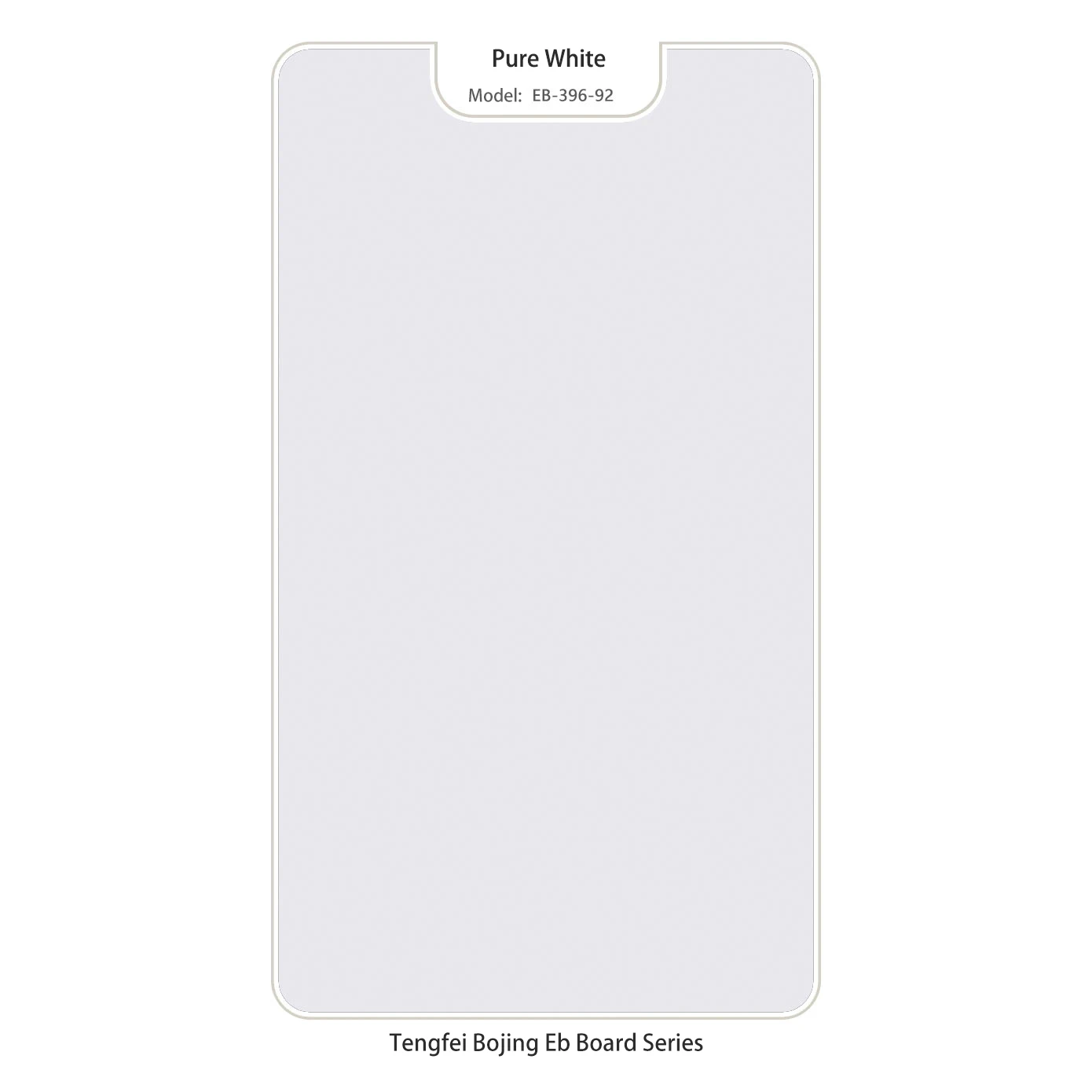
Tengfei Platinum EB Particle High-Gloss Panels - Pure white
To provide reliable solutions through quality products!