Add: No.8 Xinxing Street, North Zone, Zhengding High-tech Industrial Development Zone, Hebei, China
CONTACT US
+8615030171059


CONTACT US
+8615030171059
When embarking on woodworking or construction projects, selecting the right material is crucial. 1 2 birch plywood is a versatile and popular choice, known for its strength, stability, and smooth surface. This article will delve into the specifics of this material, exploring its properties, applications, benefits, and things to consider when making a purchase. We will help you understand why this plywood is favored by professionals and hobbyists alike.
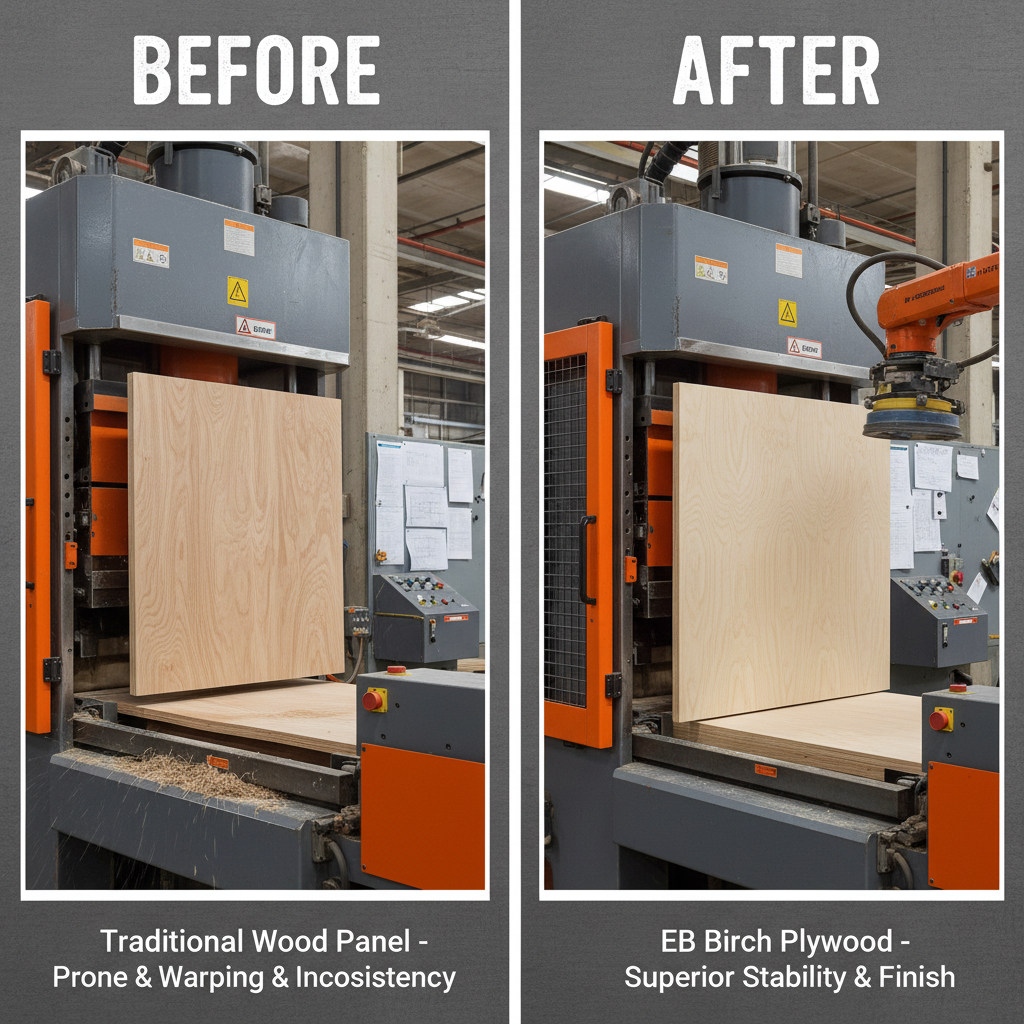
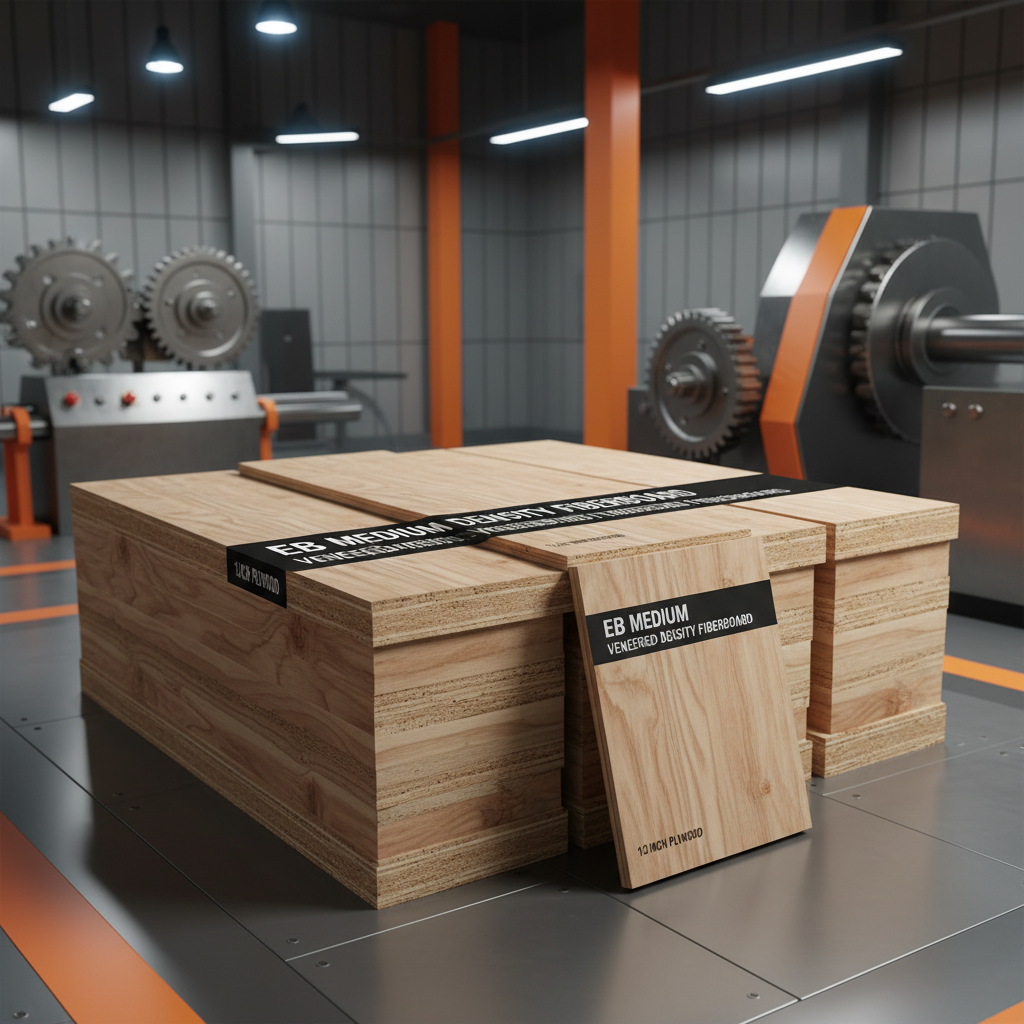
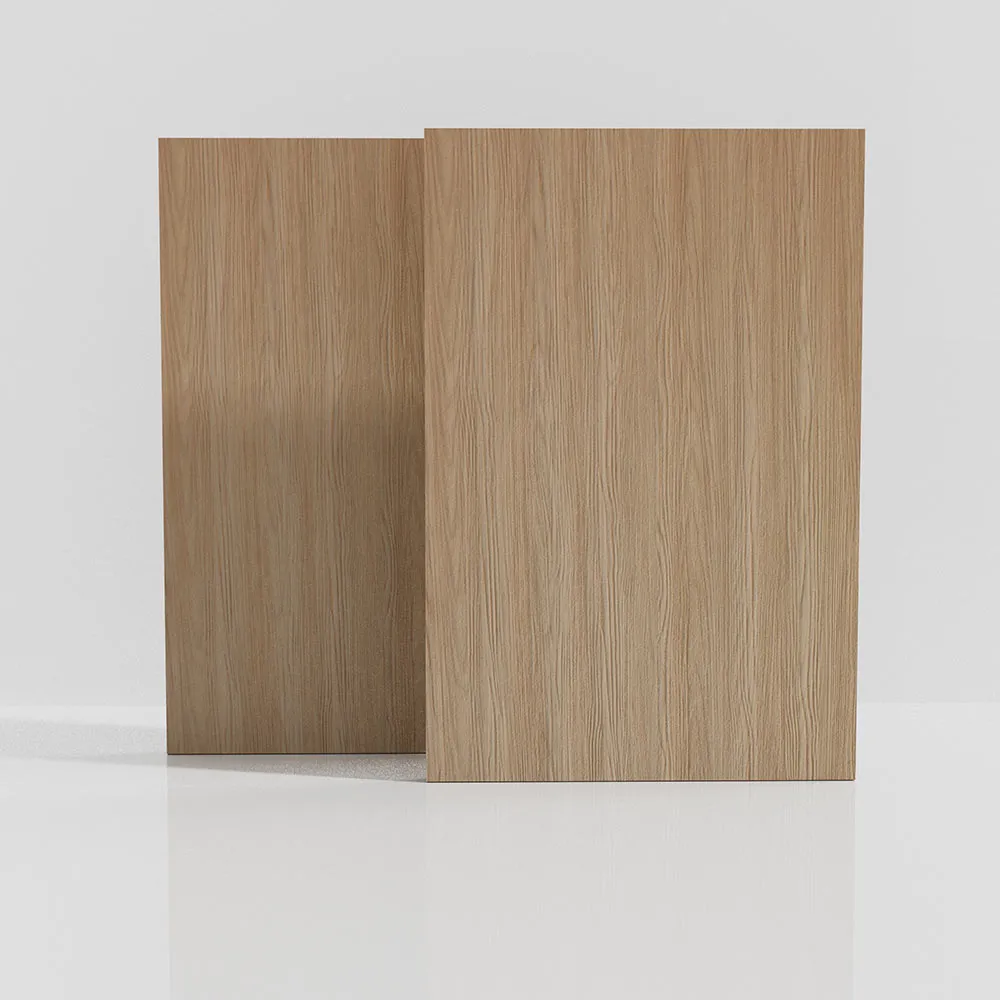
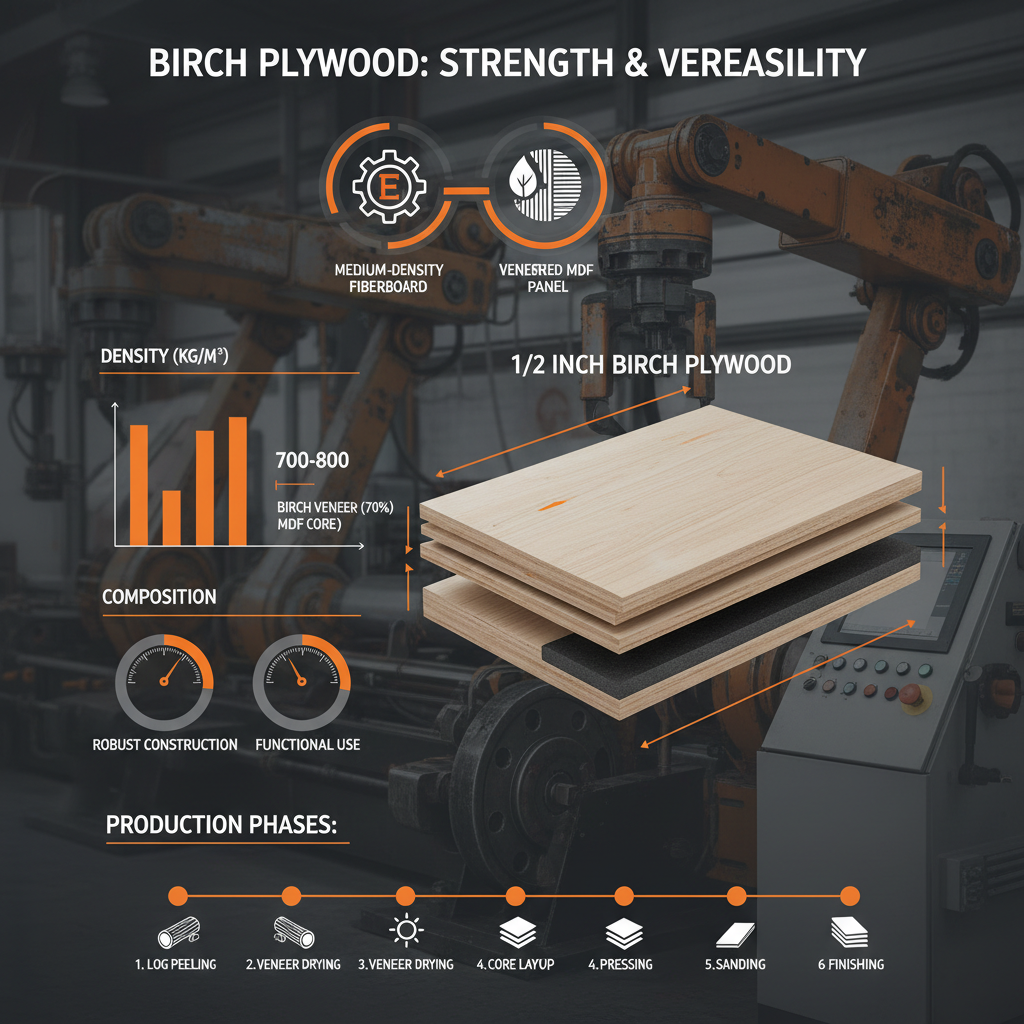
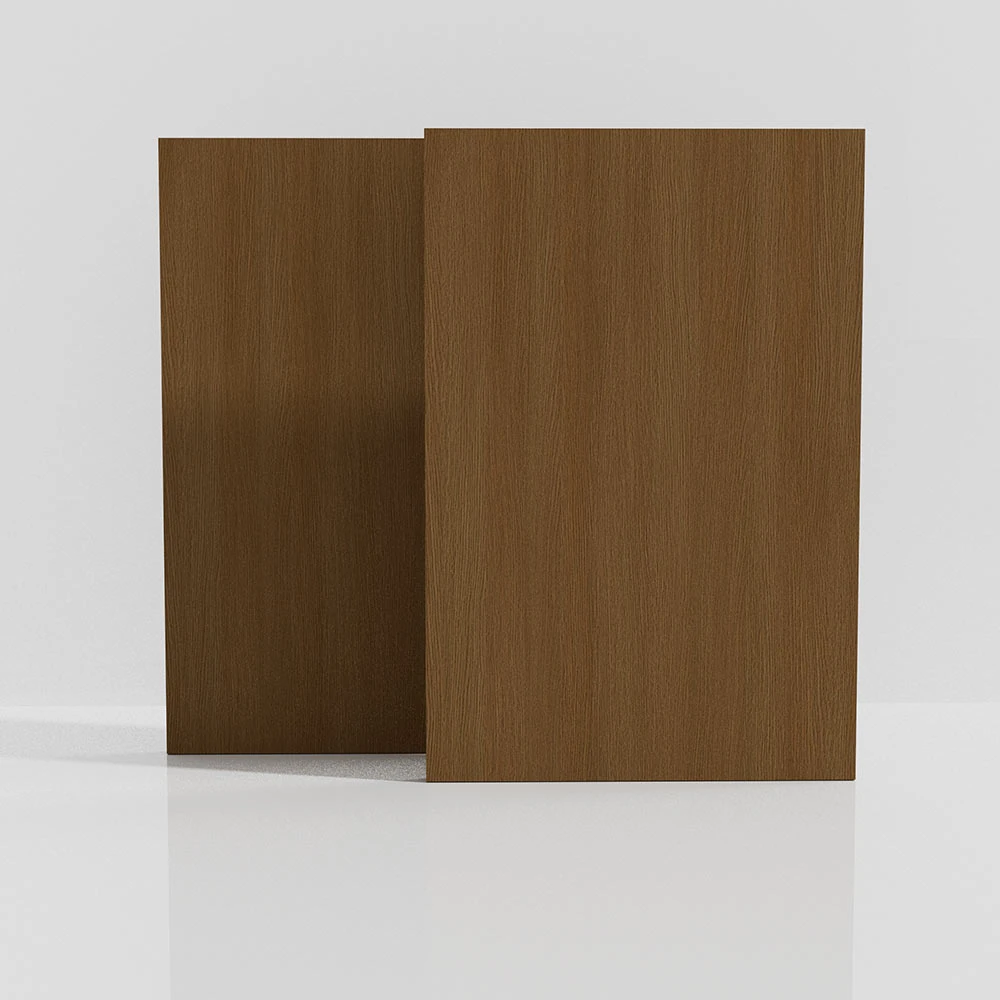
1 2 birch plywood refers to a plywood sheet with a thickness of ½ inch (12mm). It’s constructed from multiple layers of birch veneer bonded together with adhesives. Birch is favored for its light color, tight grain, and ability to take finishes well. The cross-grained construction provides exceptional stability and resistance to warping, making it ideal for a wide array of applications. Compared to other plywood types, birch plywood generally offers a superior surface quality, making it suitable for projects where aesthetics are important.
The appeal of 1 2 birch plywood stems from a unique combination of characteristics. It boasts a high strength-to-weight ratio, making it strong yet relatively lightweight. The smooth surface is excellent for painting, staining, or veneering. Furthermore, it’s less prone to splintering than solid wood, contributing to safer handling and easier fabrication. Its dimensional stability ensures it won't easily warp or twist with changes in humidity. Because of these benefits, it's commonly selected for furniture construction, cabinetry, and interior design elements.
Key Highlights: High strength-to-weight ratio, smooth surface for finishing, excellent dimensional stability, and reduced splintering.
The versatility of 1 2 birch plywood lends itself to diverse applications. It’s a popular choice for building furniture such as bookshelves, cabinets, and bed frames. In interior design, it’s used for wall paneling, shelving, and decorative accents. Craftsmen appreciate it for its ability to be easily cut, shaped, and assembled. It's also often employed in the creation of marine-grade structures due to its resistance to water damage when appropriately sealed. Whether you're a professional carpenter or a DIY enthusiast, birch plywood offers a reliable solution for a wide range of projects.
Common Applications:
• Furniture construction (cabinets, bookshelves, beds)
• Interior design (wall paneling, shelving)
• Craft projects
• Marine applications (with appropriate sealing)
Birch plywood isn't a one-size-fits-all product. It’s available in various grades, influencing its appearance and price. Common grades include A, B, C, and D. Grade A plywood has the fewest defects and a smooth, clear surface, making it ideal for visible applications. Grade B has some minor imperfections but is still suitable for painting. Grades C and D are lower quality, with more defects, and are generally used for structural applications where appearance isn’t a concern. The first number in a plywood grade designation represents the face veneer quality, and the second number represents the back veneer quality (e.g., A/B means Grade A face and Grade B back).
When sourcing 1 2 birch plywood, it's crucial to choose a reputable supplier. Consider factors like wood source, grading consistency, and shipping costs. Tengfei EBMDF provides a wide selection of birch plywood in various grades and sizes, ensuring you find the perfect material for your project. We prioritize quality control and offer competitive pricing.
Choosing the right plywood is essential for project success. 1 2 birch plywood offers a compelling combination of strength, stability, and workability, making it an excellent choice for a wide range of applications. With its versatility and appealing aesthetics, it’s a material that will elevate your woodworking and construction endeavors. Explore the options at Tengfei EBMDF and discover the perfect plywood solution for your needs.
Moisture content is a critical factor when working with birch plywood. Wood expands and contracts with changes in humidity. Ideally, the plywood should be acclimated to the environment where it will be used for several days. Excessive moisture can cause the plywood to swell, delaminate, or warp. Conversely, extremely dry conditions can lead to cracking. Maintaining a consistent moisture level during storage and use is vital. A moisture content between 6-8% is generally recommended for indoor applications. Sealing the plywood with a moisture-resistant finish can further protect it in damp environments.
The adhesives used in birch plywood significantly impact its strength, durability, and water resistance. Common adhesives include urea-formaldehyde (UF), melamine-urea-formaldehyde (MUF), and phenolic-formaldehyde (PF). UF adhesives are the least expensive but offer limited water resistance. MUF adhesives provide better water resistance and are suitable for interior applications. PF adhesives offer the highest level of water resistance and are commonly used in marine-grade plywood. The adhesive type is often indicated on the plywood label. For exterior applications or areas with high humidity, selecting plywood made with a water-resistant adhesive is crucial.
While birch plywood is less prone to splintering than solid wood, it can still occur, especially during intricate cuts. To minimize splintering, use sharp blades and slow cutting speeds. Scoring the cut line with a utility knife before sawing can also help. Employing a fine-tooth blade designed for plywood will yield cleaner cuts. When using a jigsaw, consider applying masking tape along the cut line. Sanding the edges after cutting will remove any remaining splinters and create a smooth finish. Proper technique and the right tools are key to achieving clean, splinter-free cuts.
While birch plywood can be used outdoors, it requires proper sealing and protection. Birch plywood is susceptible to moisture damage if left exposed to the elements. To enhance its durability, apply several coats of a high-quality exterior-grade sealant or paint. Ensure all edges are thoroughly sealed to prevent water penetration. Regular maintenance and re-application of sealant are essential to prolong its lifespan. For marine applications or prolonged exposure to harsh weather conditions, consider using marine-grade plywood specifically designed for outdoor use.
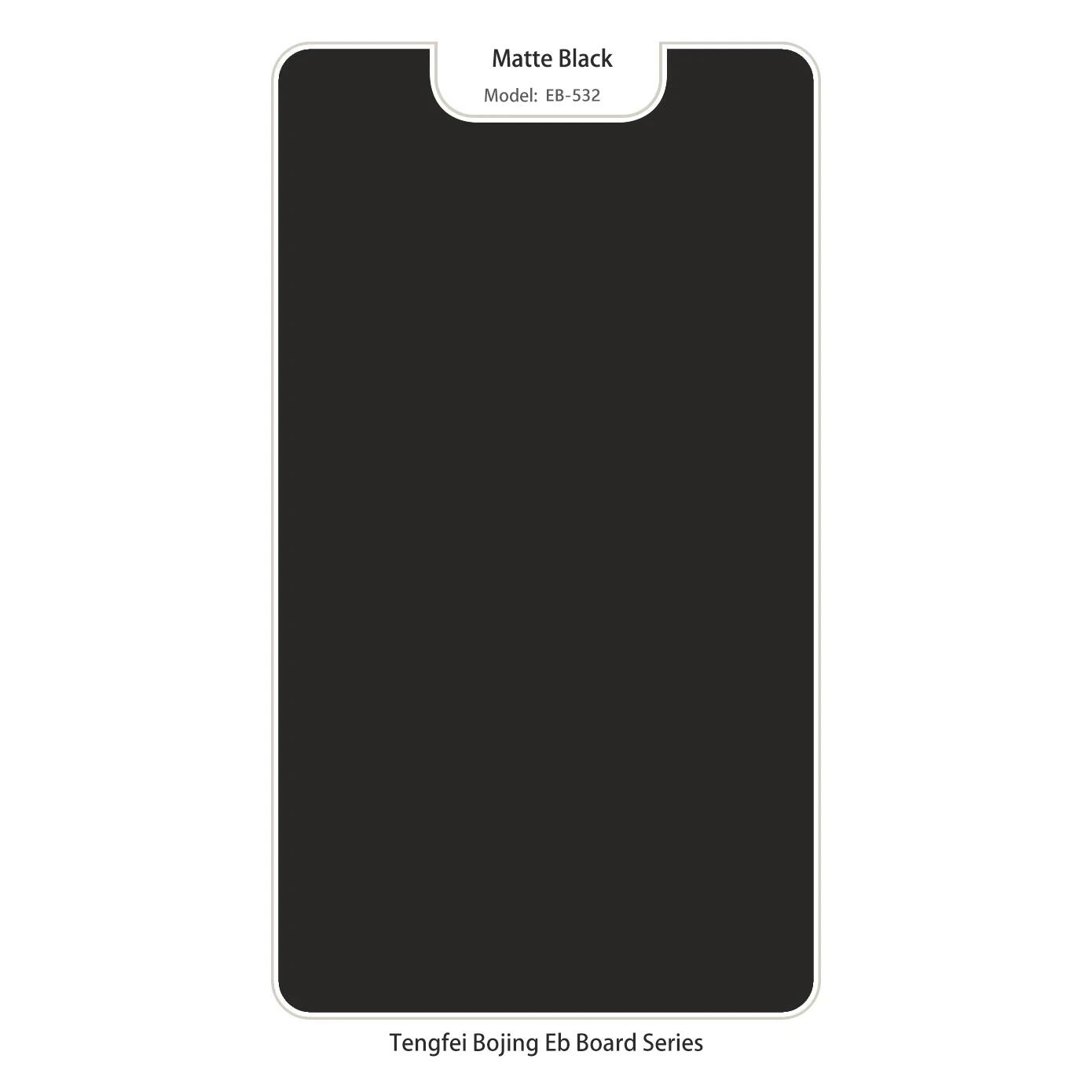
Tengfei Platinum EB Particle Panels - Matte Black
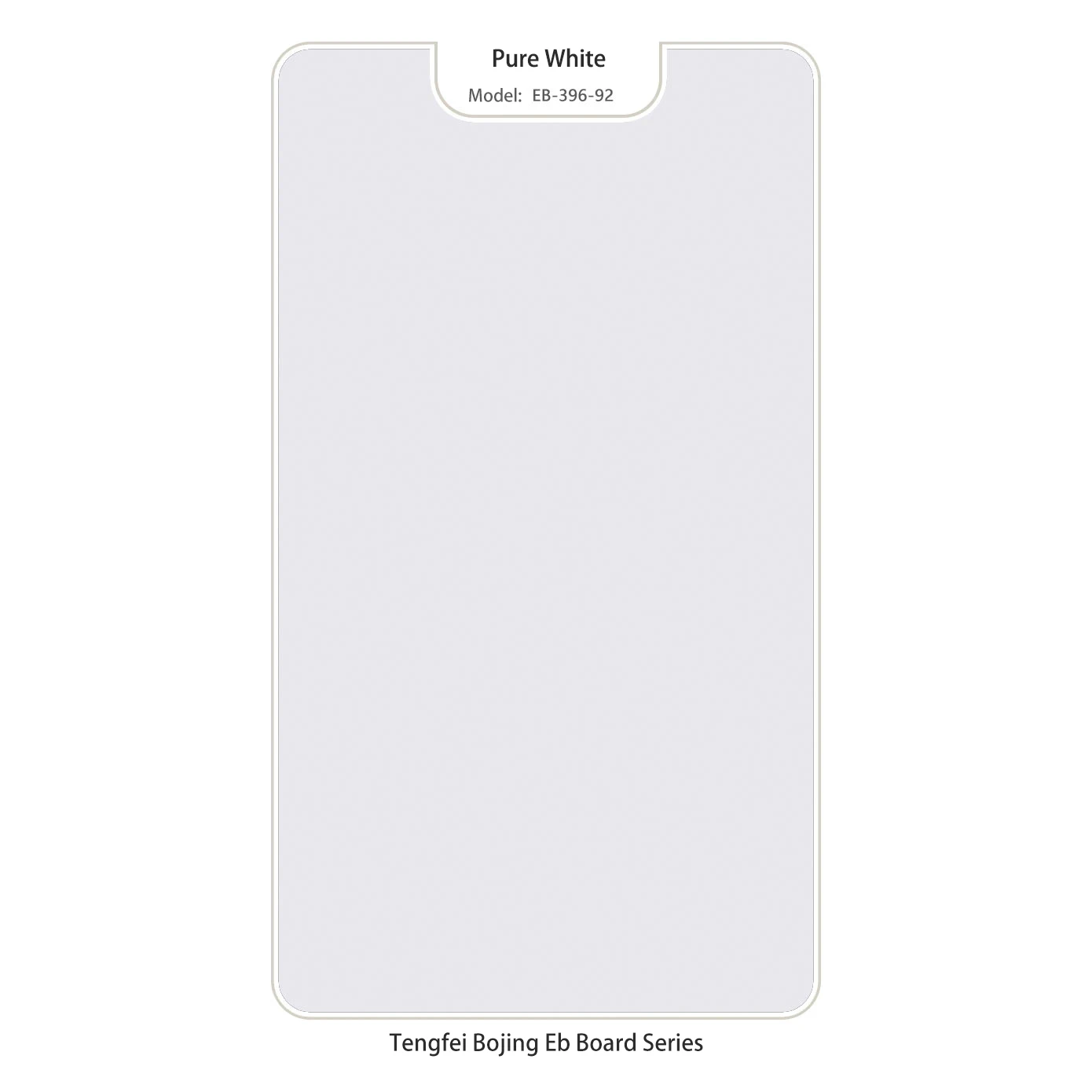
Tengfei Platinum EB Particle High-Gloss Panels - Pure white
To provide reliable solutions through quality products!