Add: No.8 Xinxing Street, North Zone, Zhengding High-tech Industrial Development Zone, Hebei, China

CONTACT US

+8615030171059
221231instagram-fill1251 search
Mar 05 2026
share:

Understanding Plywood Sizes: A Comprehensive Guide

Choosing the right plywood size is crucial for any building or woodworking project. From small DIY crafts to large-scale construction, selecting the appropriate dimensions impacts material efficiency, project costs, and overall structural integrity. This article provides a detailed overview of common plywood sizes, their applications, and factors to consider when making your selection. We'll explore standard sheet dimensions, thickness options, and how to determine the best size for your specific needs, ensuring you get the most out of your materials.
Comprehensive Guide to Understanding Common Plywood Sizes and Applications

Standard Plywood Sheet Sizes

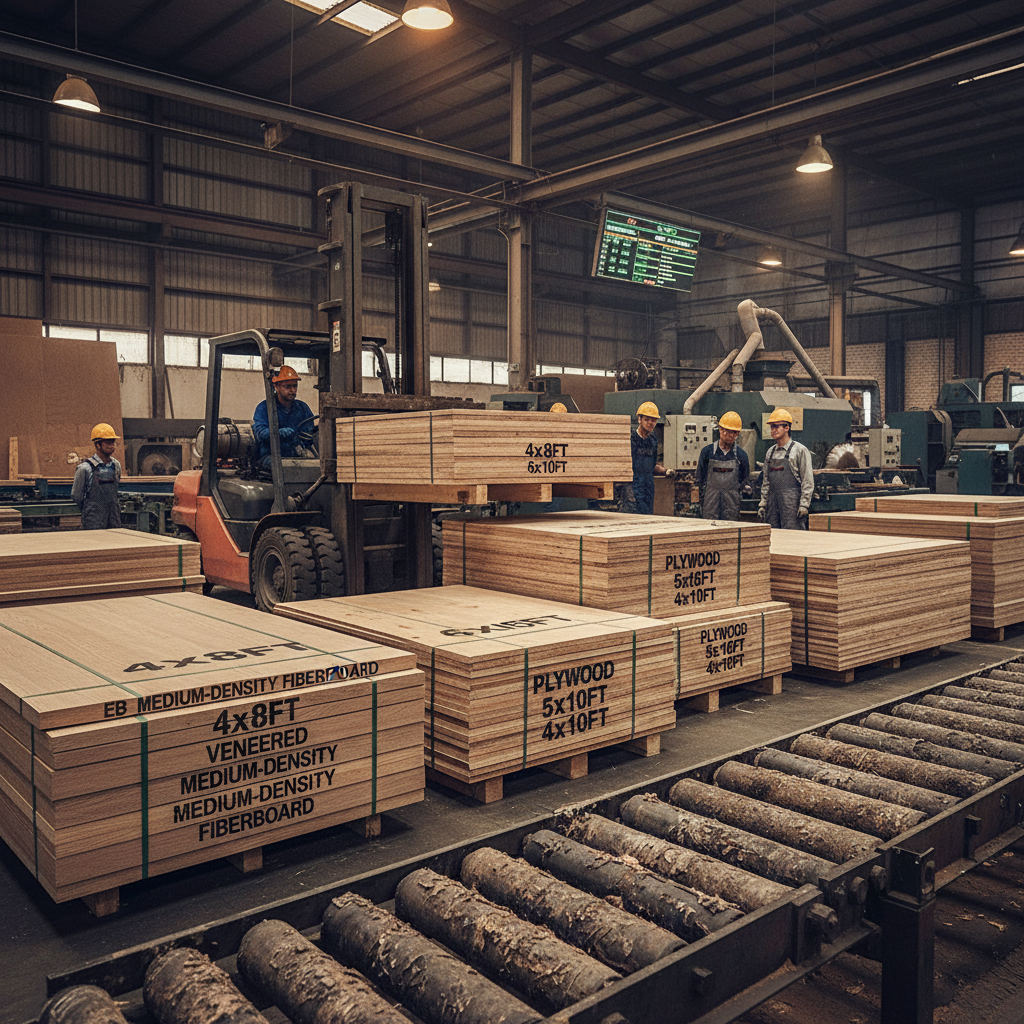
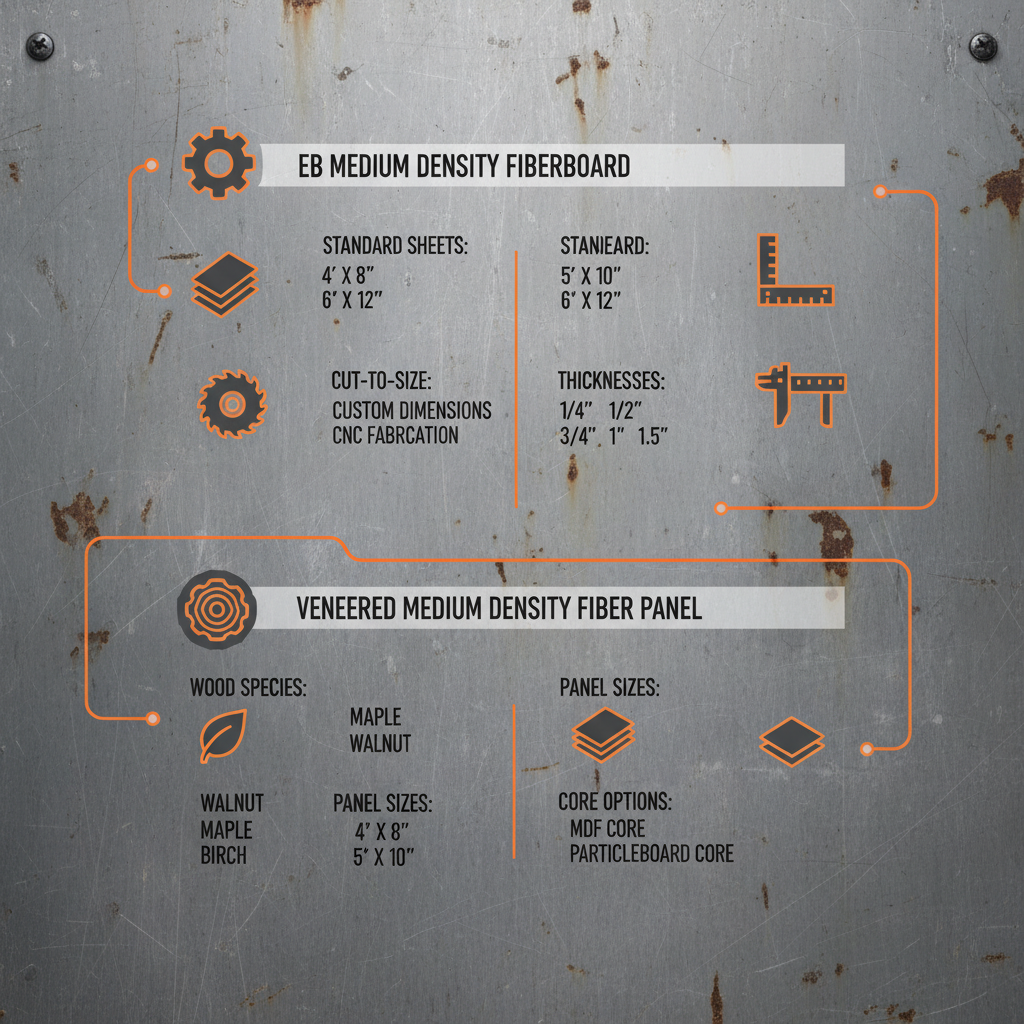
Plywood is typically sold in sheet sizes, with the most common being 4' x 8' (1220mm x 2440mm). However, other sizes are available, including 3' x 6', 1/2' x 8', and custom cuts. The 4' x 8' sheet is the industry standard due to its efficient use of wood and ease of handling during manufacturing and transportation. Choosing the right size minimizes waste and streamlines your project. You can find various plywood sizes to fit your project needs at Tengfei EBMDF.

Key Highlights: The 4' x 8' sheet is the most common size, offering a balance of material efficiency and practicality. Other sizes cater to specific project requirements and minimize waste.

Common Plywood Thicknesses and Their Uses

Plywood comes in a variety of thicknesses, ranging from 1/4" to 3/4" or even thicker for specialized applications. The appropriate thickness depends on the structural requirements of your project. Thinner plywood (1/4" - 3/8") is suitable for non-load-bearing applications like cabinet backs, drawer bottoms, and decorative panels. 1/2" plywood is commonly used for shelving and furniture construction. Thicker plywood (3/4" and up) provides greater strength and is ideal for subflooring, wall sheathing, and structural supports. Understanding the different plywood sizes and thicknesses is essential for project success.

Plywood Thickness Guide:

• 1/4" - 3/8": Decorative panels, cabinet backs

• 1/2": Shelving, furniture

• 3/4" - 1": Subflooring, wall sheathing, structural supports

Plywood Sizes Comparison: Different Types and Applications

The optimal plywood size isn't just about dimensions; the type of plywood also plays a role. Hardwood plywood (birch, maple, oak) is generally used for furniture and cabinetry, while softwood plywood (pine, fir) is more common for construction purposes. Marine-grade plywood is designed to withstand prolonged exposure to moisture. Each type has specific size and thickness recommendations based on its intended application. Selecting the right type of plywood sizes is vital for ensuring longevity and performance.

Plywood Type Common Sizes Typical Applications
Hardwood Plywood 4' x 8', Custom Cuts Furniture, Cabinetry, Decorative Panels
Softwood Plywood 4' x 8', 3' x 6' Construction, Subflooring, Wall Sheathing
Marine-Grade Plywood 4' x 8', Various Thicknesses Boat Building, Outdoor Structures, High-Moisture Environments

Factors to Consider When Choosing Plywood Sizes

Beyond standard dimensions and types, several factors influence your plywood size selection. These include the overall project design, available cutting tools, transportation limitations, and material waste reduction. Calculating the required amount of plywood accurately, considering potential cut-offs and minimizing waste, is key to staying within budget. Don't hesitate to consult with a lumber professional for guidance. Tengfei EBMDF can help you navigate these considerations and select the optimal plywood sizes for your project.
Comprehensive Guide to Understanding Common Plywood Sizes and Applications

Finding the Right Plywood Supplier

Sourcing your plywood from a reliable supplier is crucial. Look for a supplier that offers a wide range of sizes, thicknesses, and types, along with competitive pricing and efficient delivery. A reputable supplier should also be able to provide expert advice and assistance in selecting the right materials for your project. Tengfei EBMDF is a leading provider of high-quality plywood, offering a comprehensive selection to meet diverse needs.

Conclusion: Selecting the Perfect Plywood Size

Choosing the correct plywood sizes is essential for project success. By considering factors like application, thickness, type, and supplier reliability, you can ensure a durable, cost-effective, and aesthetically pleasing result. Don't hesitate to leverage expert advice and quality materials for optimal performance.

Frequently Asked Questions (FAQs)

What is the most common plywood size for general projects?

The most common plywood size for a wide range of projects is 4' x 8' (1220mm x 2440mm). This size offers a good balance of material efficiency, ease of handling, and availability. It’s suitable for everything from furniture building to basic construction tasks. However, depending on your specific needs, other sizes might be more practical.

How do I calculate the amount of plywood I need?

To calculate the amount of plywood needed, first sketch your project and break it down into individual components. Calculate the area of each component and then add them together to get the total area. Factor in a percentage for waste (typically 10-15% for simple cuts, more for intricate designs). Consider the plywood sheet size when planning your cuts to minimize waste. It's always better to slightly overestimate than to run short.

Can plywood be cut to custom sizes?

Yes, most lumberyards and plywood suppliers offer custom cutting services. This is a convenient option if you need specific dimensions or if you lack the tools or expertise to cut the plywood yourself. Be sure to provide accurate measurements and consider the kerf (width of the saw blade) when specifying your cuts. Tengfei EBMDF provides custom cutting options to meet your project needs.

What's the difference between softwood and hardwood plywood?

Softwood plywood, typically made from pine or fir, is more affordable and commonly used for construction purposes. Hardwood plywood, made from birch, maple, or oak, is denser, stronger, and more aesthetically pleasing, making it ideal for furniture, cabinetry, and other applications where appearance is important. Softwood plywood is generally lighter while hardwood plywood is more durable.
Product Category
  •  Tengfei Platinum EB Particle Panels - Matte Black
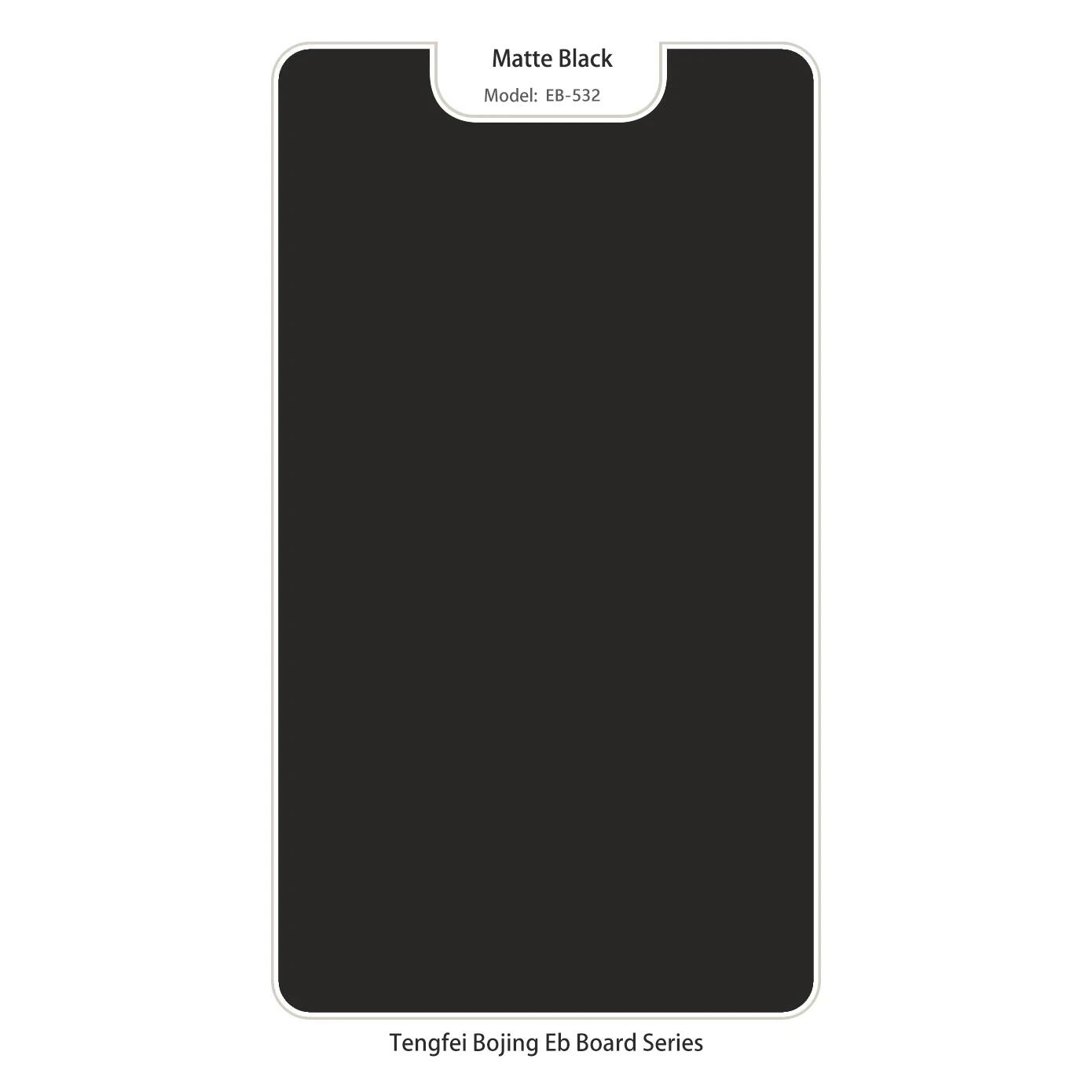
     Tengfei Platinum EB Particle Panels - Matte Black

    Tengfei Platinum EB Particle Panels employs EB (Electron Beam) curing technology for manufacturing panel furniture, tables/chairs, feature walls, flooring, and slab-style doors, ideal for residential/office spaces. Features include: Anti-aging/Yellowing-resistant/Corrosion-resistant/Non-marking/Easy-clean/Fingerprint-resistant/Self-dissipating/Antibacterial/Odorless/True-color/Accurate Hue The Matte Black finish elegantly complements contemporary design aesthetics including Modern Minimalism, Luxe Industrial, Italian Rationalism, Oriental Zen, and understated Glamour styles, serving as a universal chromatic solution for sophisticated interiors.
    VIEW ALL
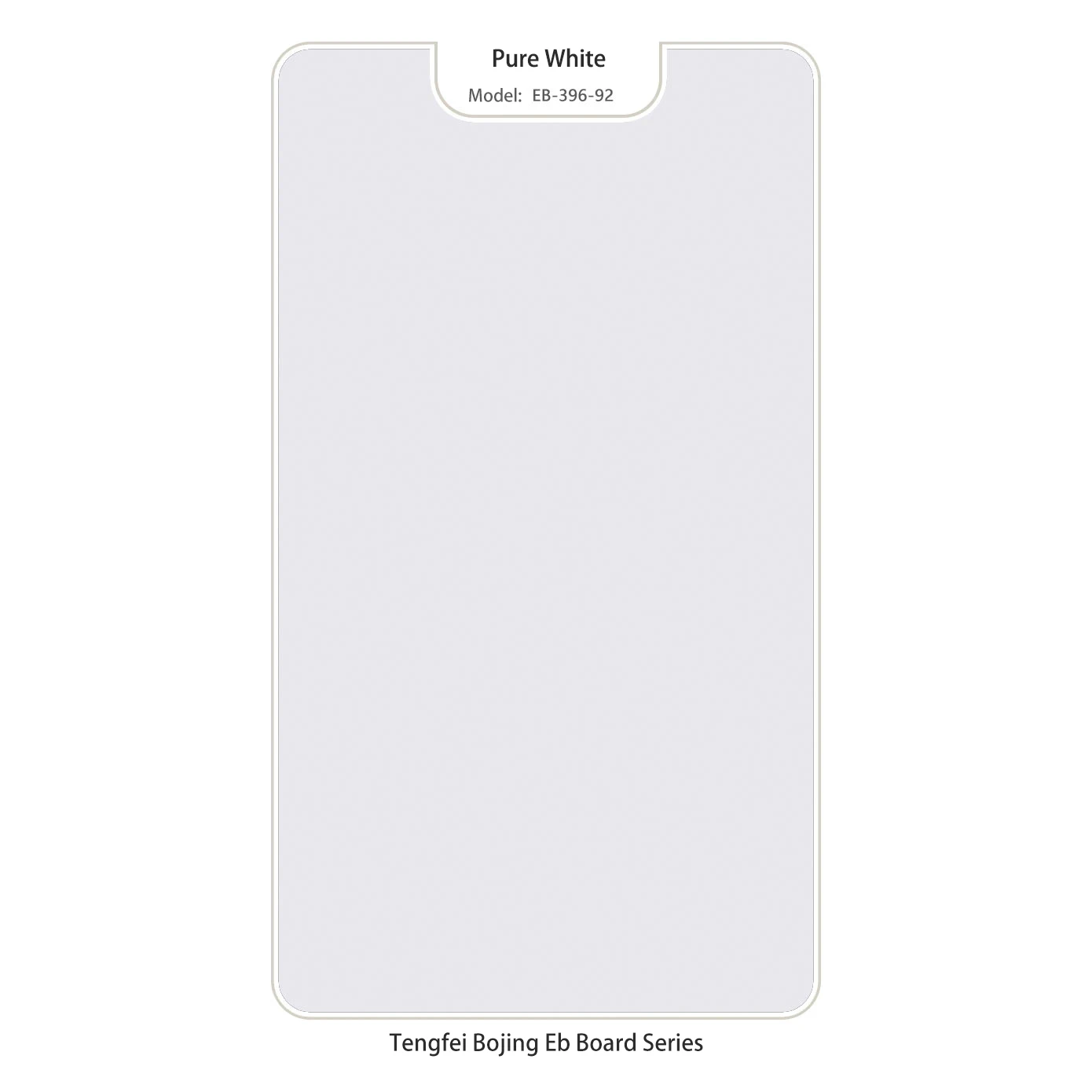
  • Tengfei Platinum EB Particle High-Gloss Panels - Pure white
    Tengfei Platinum EB Particle High-Gloss Panels - Pure white
    Tengfei Bojing EB High-Gloss Panels leverage advanced electron beam curing technology to deliver vibrant color reproduction and superior surface luminosity. Ideal for crafting cabinetries, vanities, wardrobes, storage systems, entertainment units, display cases, countertops, and bar installations across domestic and office environments, these panels redefine functional aesthetics. Engineered with ​anti-aging resistance, ​yellowing-proof durability, and ​corrosion immunity, they maintain pristine surfaces through ​smudge-proof with self-dissipating properties and ​effortless maintenance. The ​antibacterial surface ensures hygienic environments free from odors, while ​true-color fidelity with precise hue consistency guarantees design integrity. The ​Pure White High-Gloss variant seamlessly integrates with Modern Minimalism, Contemporary Luxe, and Scandinavian design paradigms, offering chromatic versatility for spatially transformative applications.
    VIEW ALL
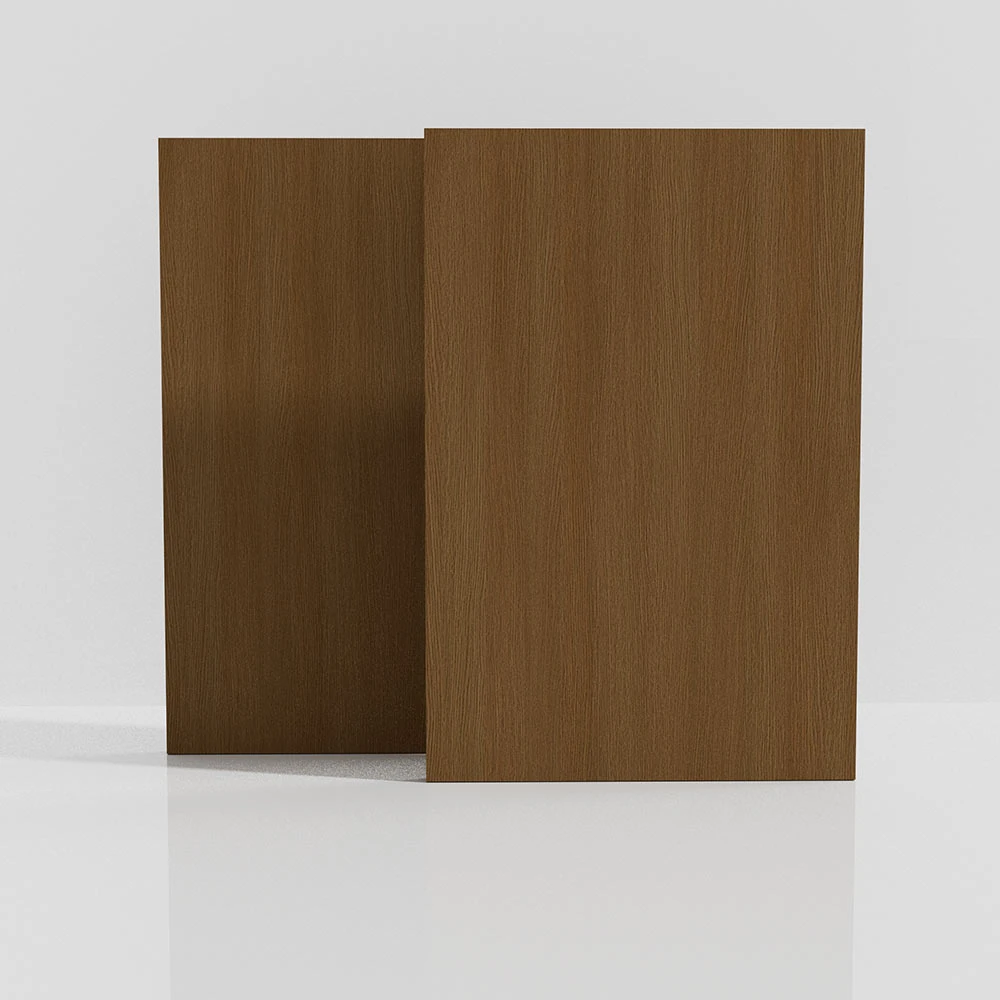
  • Primary Color Oak 102

    Primary Color Oak 102

    Primary Color Oak 102 features a warm, natural oak tone that adds timeless elegance and a touch of organic charm to any space.
    VIEW ALL
veneer factory

To provide reliable solutions through quality products!

Hebei bojing technology co., ltd. specializes in the production of EB MDF boards and Veneer MDF boards, offering customers high-performance materials for interior decoration, furniture manufacturing, and architectural applications. With a commitment to innovation, precision, and customer satisfaction, we deliver products that combine durability, aesthetics, and cost-effectiveness to meet the diverse needs of global markets.
Welcome to our news page for the latest information and trends about EB MDF and Veneer MDF.
Fri 02
2026
Comprehensive Guide to Veneer Plywood Price Factors and Purchasing Strategies
Veneer plywood is a versatile and cost-effective material widely used in furniture making, construction, and interior design. Understanding the factors that influence veneer plywood price is crucial for making informed purchasing decisions. This article will delve into the various aspects impacting cost, types of veneer plywood, regional pricing, and how to get the best value for your money. We'll also explore the relationship between quality and price, helping you navigate the market effectively. Several key elements contribute to the final price of veneer plywood. The species of wood used for the veneer face is a primary driver; rarer and more aesthetically pleasing woods like walnut or cherry command higher prices than common species like birch or maple. Plywood grade, core material, thickness, and sheet size also play significant roles. Additionally, manufacturing costs, transportation expenses, and market demand all contribute to fluctuations in price. Finally, the quality of the adhesives used in construction impacts both price and durability.
Sat 12
2025
Essential Guide to MDF Cutting Boards: Durable & Cost-Effective Solutions
The Rising Importance of MDF Cutting Boards in Modern Kitchens and Industries At first glance, an md
Mon 09
2025
MDF Wall Paneling for Modern Interiors
MDF wall paneling has emerged as a versatile and stylish choice for modern interiors, blending functionality with aesthetic appeal to transform spaces.
Sun 11
2025
Fashion Grey Essentials: Versatile, Premium, Timeless Style
Fashion Grey is a key solution in the home building materials industry, specifically within Decorati
Mon 10
2025
Why Choose Atalanta Walnut—Premium Grain, Durable Hardwood?
Atalanta Walnut is a key solution in the manufacturing industry, specifically within Wood processing
Mon 11
2025
Atalanta Walnut B – Premium Walnut Finish for Interiors
Atalanta Walnut B is a key solution in the manufacturing industry, specifically within Wood processi
Fri 12
2025
Reliable Plywood China: A Veteran’s Insight on Quality and Value
Explore expert insights on plywood China, its specs, customization, and vendor reliability for industrial uses.
Wed 09
2025
Understanding white MDF board composition
White MDF boards have gained popularity in modern interior design and furniture manufacturing for their clean, versatile appearance and consistent quality. Understanding the composition of these boards is key to appreciating their performance, durability, and suitability for various applications.
Thu 03
2026
Comprehensive Guide to Using 1 2 Inch Pressure Treated Plywood for Durable Projects
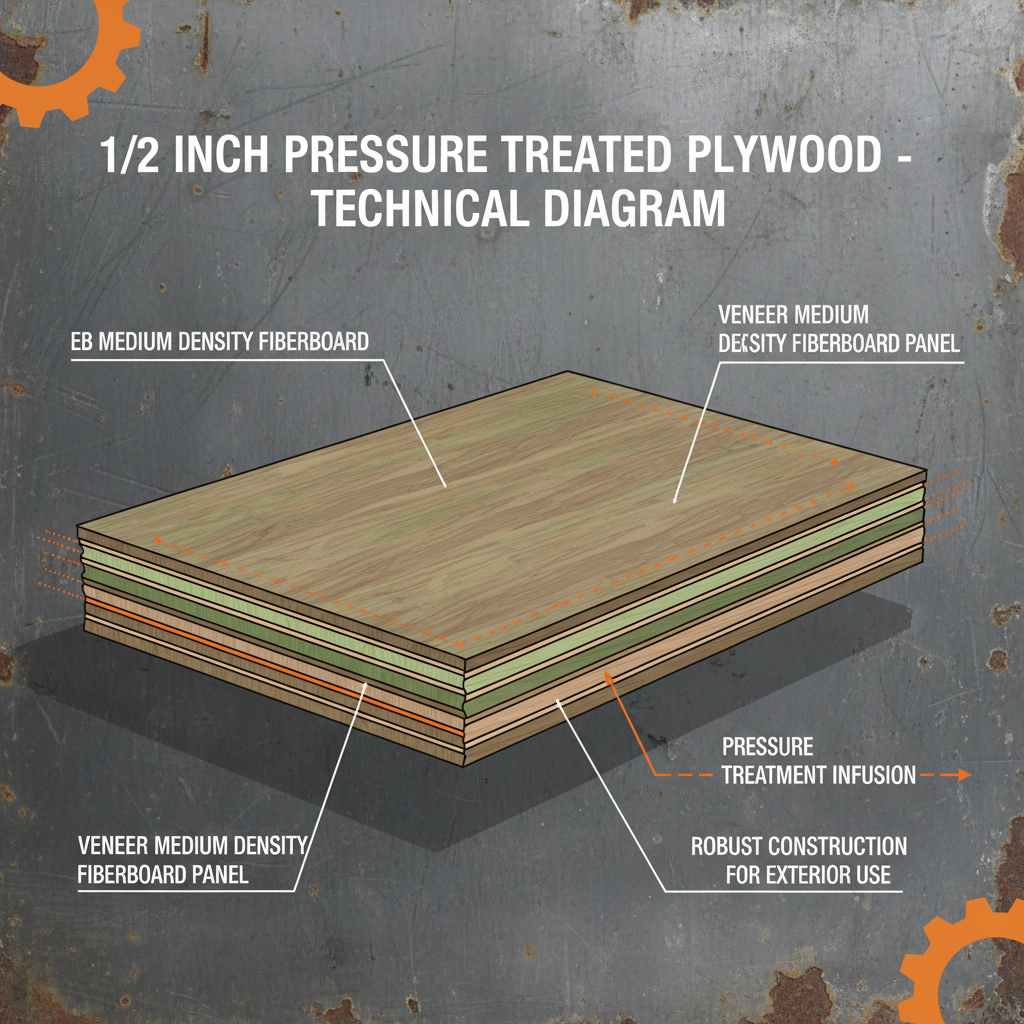
When undertaking construction, renovation, or outdoor projects, selecting the right materials is crucial. 1 2 inch pressure treated plywood is a versatile and durable option, offering resistance to rot, decay, and insect damage. This guide explores the properties, applications, benefits, and considerations when working with this essential building material. Choosing the right plywood can make the difference between a long-lasting project and one requiring constant repair. We’ll delve into what makes this specific plywood a valuable investment. Pressure-treated plywood is created by infusing wood veneers with preservative chemicals under high pressure. This process dramatically enhances the wood’s resistance to fungal decay, insect infestations, and moisture damage. 1 2 inch pressure treated plywood, specifically, refers to plywood that is ½ inch (12.7mm) thick. The “pressure treatment” is what sets it apart from standard plywood, allowing it to be used in environments where moisture is a significant concern. This makes it an excellent choice for outdoor applications where standard plywood would quickly deteriorate.
Mon 10
2025
Gum White Whitening Gum – Sugar-Free, Fresh Breath
Gum White is a key solution in the Personal Care industry, specifically within oral care and Teeth w
Tue 09
2025
Discover Jaipur Red Granite: Premium, Durable & Elegant Slabs
Advancing Industrial Performance: The Rise of High-Performance Alloys The glo
Fri 12
2025
Atalanta Walnut – Premium Lumber & Veneer, FSC-Certified
Atalanta Walnut is a key solution in the manufacturing industry, specifically within Wood processing
tel +8615030171059 tel icon15

If you are interested in our products, you can choose to leave your information here, and we will be in touch with you shortly.