Add: No.8 Xinxing Street, North Zone, Zhengding High-tech Industrial Development Zone, Hebei, China
CONTACT US
+8615030171059


CONTACT US
+8615030171059
When starting a woodworking or construction project, the quality of your base material determines the final outcome. The 1 2 sanded plywood 4x8 is a versatile powerhouse, offering a perfect balance of thickness, stability, and surface smoothness. Whether you are building custom cabinetry, high-end furniture, or sturdy shelving, using pre-sanded plywood saves hours of labor and ensures a professional finish. In this guide, we will explore why this specific dimension and finish are favored by professionals worldwide and how to maximize its potential in your next build.

The primary advantage of 1 2 sanded plywood 4x8 lies in its "ready-to-finish" surface. Standard plywood often comes with rough textures, knots, or splinters that require extensive sanding before painting or staining. By choosing a pre-sanded version, you ensure a consistent grit across the entire 4x8 foot sheet. This thickness (1/2 inch) provides enough structural integrity for most vertical and horizontal supports while remaining light enough to handle easily, making it an ideal choice for interior wall paneling and custom jigs.
Pro Tip: Pre-sanded plywood not only saves time but also reduces the amount of dust generated in your workshop, creating a healthier environment for the craftsman.
Understanding the technical specifications is crucial for accurate planning. The 1 2 sanded plywood 4x8 is engineered to maintain flatness across its large surface area, preventing warping which is common in lower-grade materials. Below is a detailed breakdown of the standard product specifications you can expect from high-quality sanded plywood sheets.
Many builders wonder if the extra cost of 1 2 sanded plywood 4x8 is justified compared to raw plywood. The difference becomes apparent during the finishing phase. Raw plywood requires multiple passes with coarse and fine grit sandpaper to achieve a paintable surface, whereas sanded plywood is designed for immediate priming. This significantly reduces the lead time for large-scale commercial projects.
Why Choose Sanded Plywood?
• Consistency: No unexpected dips or high spots on the surface.
• Efficiency: Cuts prep time by up to 70%.
• Finish Quality: Provides a smoother bond for veneers and laminates.
• Safety: Less risk of splinters during the assembly process.
Due to its balanced thickness and smooth face, the 1 2 sanded plywood 4x8 is utilized across various sectors. In interior design, it serves as the perfect substrate for wall cladding and decorative panels. In the automotive industry, it is often used for van linings and custom flooring. Because it is sanded, it accepts adhesives and paints far more effectively than rough-cut lumber, ensuring that the aesthetic appeal matches the structural strength.
To get the most out of your 1 2 sanded plywood 4x8, proper handling is key. Always store sheets flat in a dry environment to prevent bowing. When cutting, use a high-tooth count blade to avoid "tear-out" on the sanded surface. If you are painting, a light sanding with 220-grit sandpaper after the first coat of primer will result in a mirror-smooth finish. For those using the wood in humid areas, remember to seal all edges, as the edges remain the most vulnerable point for moisture penetration.
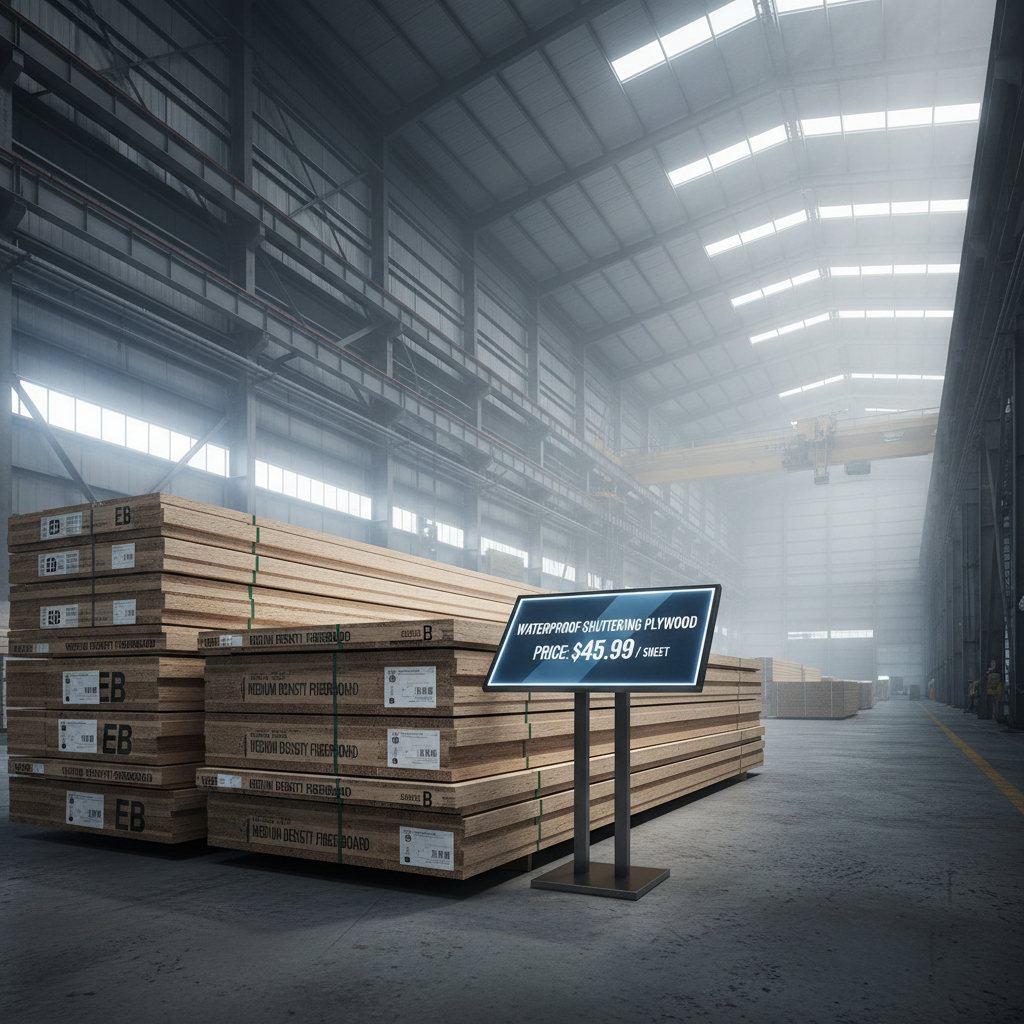
When sourcing 1 2 sanded plywood 4x8, look for suppliers that offer consistency in grade and thickness. Avoid sheets with excessive voids in the core, as these can compromise the strength of the board. Professional grade suppliers provide certifications for the adhesives used, ensuring the boards are safe for indoor use (low formaldehyde emissions). Checking for squareness and surface flatness upon delivery is essential to ensure your project remains aligned and professional.
Choosing 1 2 sanded plywood 4x8 is more than just a purchase; it is an investment in the efficiency and quality of your project. By eliminating the tedious prep work and providing a stable, smooth foundation, this material allows you to focus on the creative and structural aspects of your build. Whether for commercial use or a home DIY project, the right grade of sanded plywood ensures a result that is as durable as it is beautiful.
Yes, it is quite strong for medium-duty shelving. However, for very long spans, 1/2 inch plywood may sag over time if carrying heavy loads. We recommend adding a support cleat or a center brace for spans exceeding 30 inches. When using the 1 2 sanded plywood 4x8, ensuring the grain runs lengthwise across the shelf will also maximize its load-bearing capacity and prevent bending.
While you can paint directly onto it, we highly recommend applying a primer first. Even though the 1 2 sanded plywood 4x8 is smooth, the wood pores can still absorb paint unevenly. A primer seals the surface, ensuring that your topcoat of paint looks uniform and vibrant. This is especially important if you are using light colors or high-gloss finishes where imperfections are more visible.
Grade A is the highest quality, featuring a smooth, clear surface with almost no visible knots or defects, making it ideal for staining. Grade B is also sanded and smooth but may have small, sound knots or slight color variations. For most projects where the wood will be painted, Grade B 1 2 sanded plywood 4x8 is the most cost-effective choice as the primer and paint will hide any minor visual imperfections.
Warping occurs due to uneven moisture absorption. To prevent this with your 1 2 sanded plywood 4x8, store the sheets horizontally on a flat surface. If you are using them in a project, try to seal both sides of the board with paint or sealant. This prevents one side from absorbing more moisture than the other, which is the primary cause of cupping or bowing in plywood sheets.
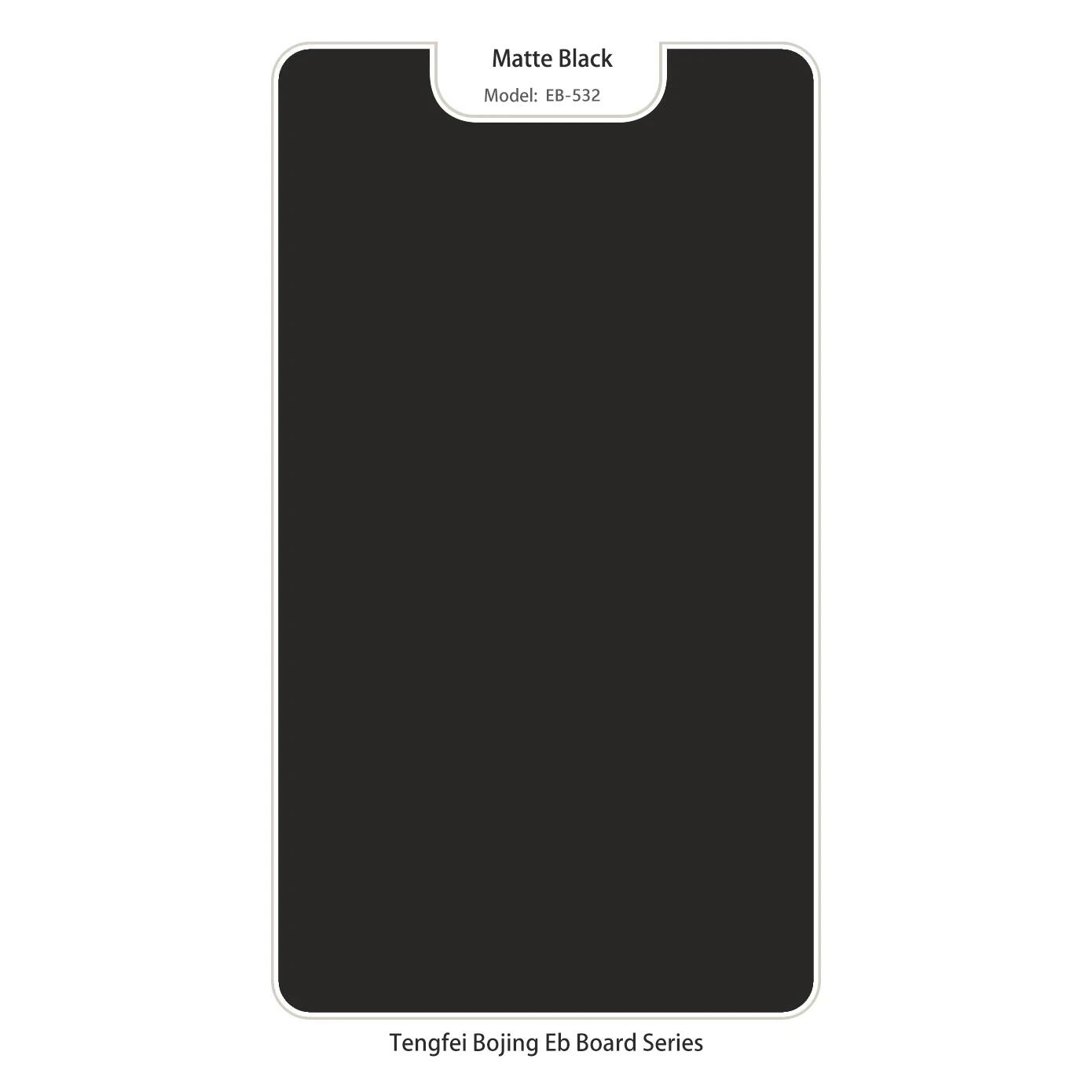
Tengfei Platinum EB Particle Panels - Matte Black
Tengfei Platinum EB Particle High-Gloss Panels - Pure white
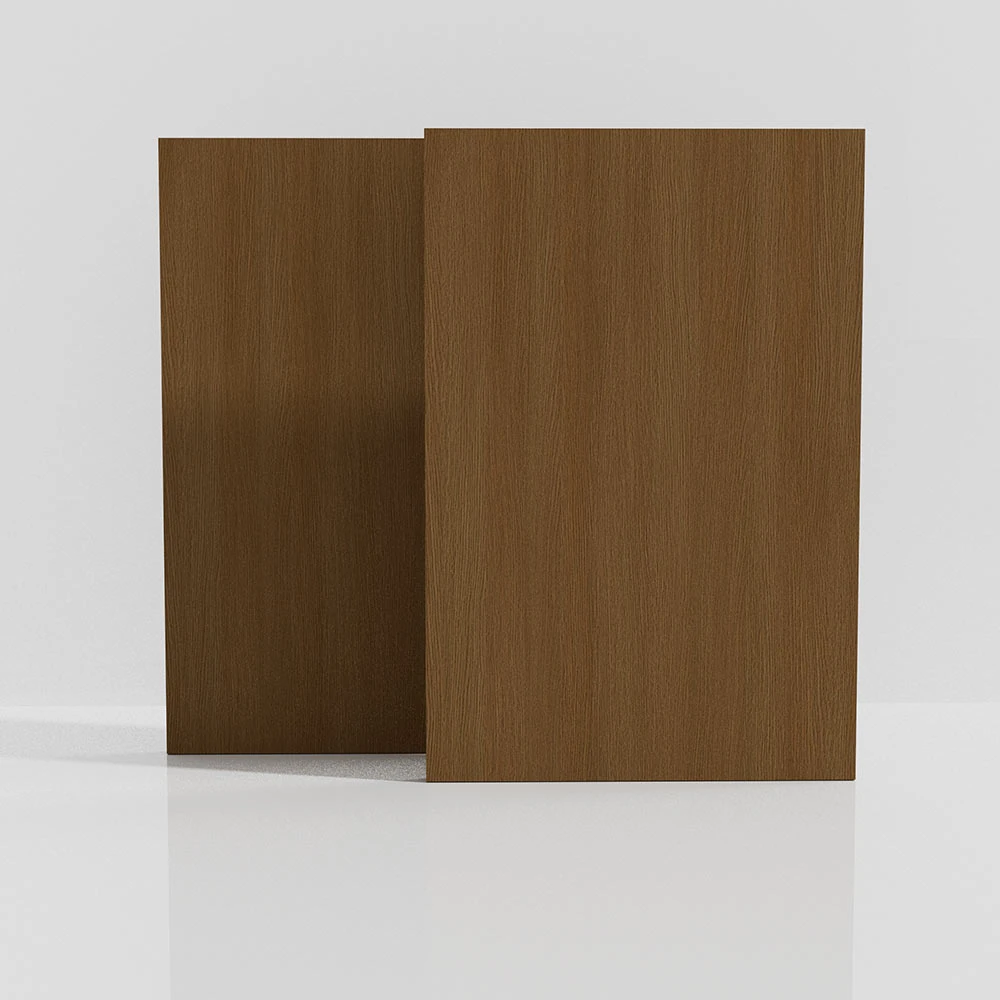

To provide reliable solutions through quality products!