Add: No.8 Xinxing Street, North Zone, Zhengding High-tech Industrial Development Zone, Hebei, China
CONTACT US
+8615030171059


CONTACT US
+8615030171059
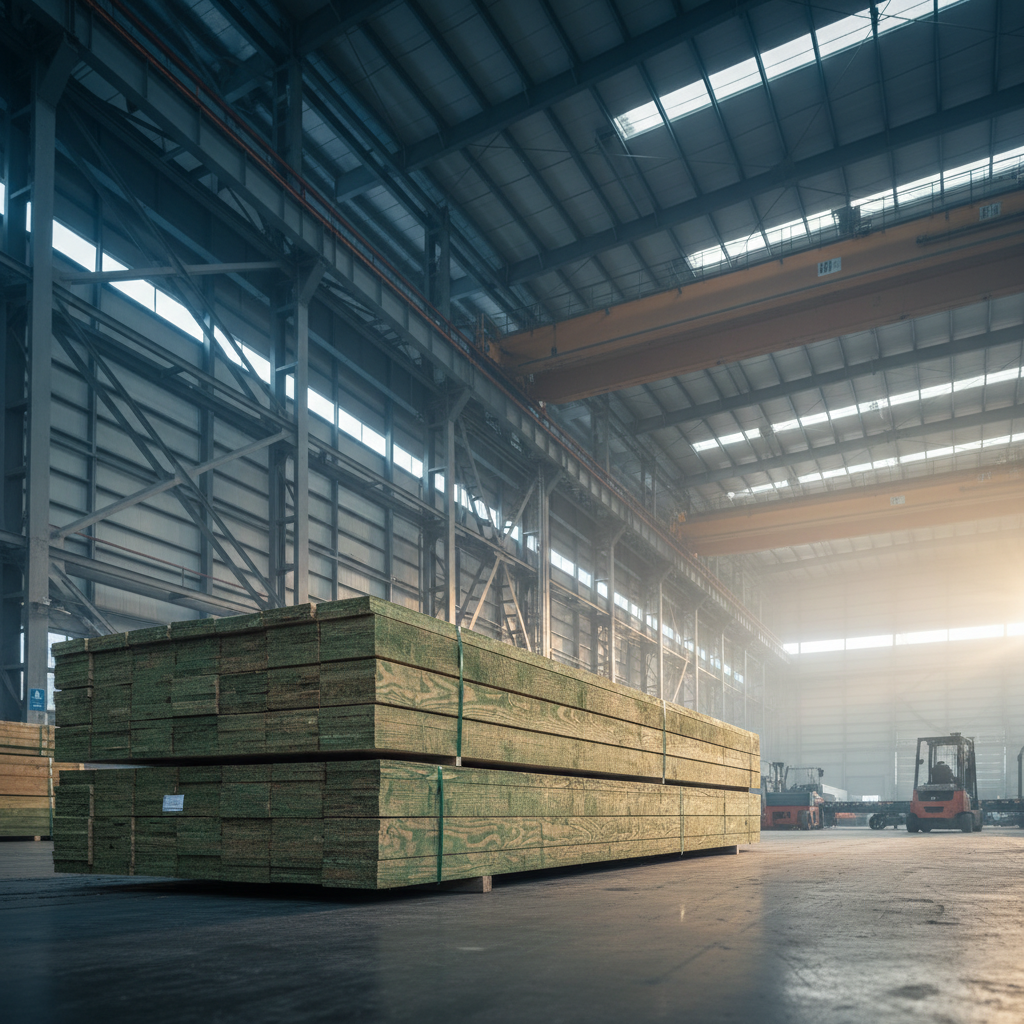
When undertaking construction, DIY projects, or any application requiring a robust and reliable wood panel, CDX plywood is often a go-to choice. Specifically, 1 2 inch CDX plywood offers a balance of strength, affordability, and workability. This article will provide an in-depth look at what CDX plywood is, its uses, benefits, and things to consider when making a purchase. We’ll cover everything from grading to potential applications to help you make an informed decision.

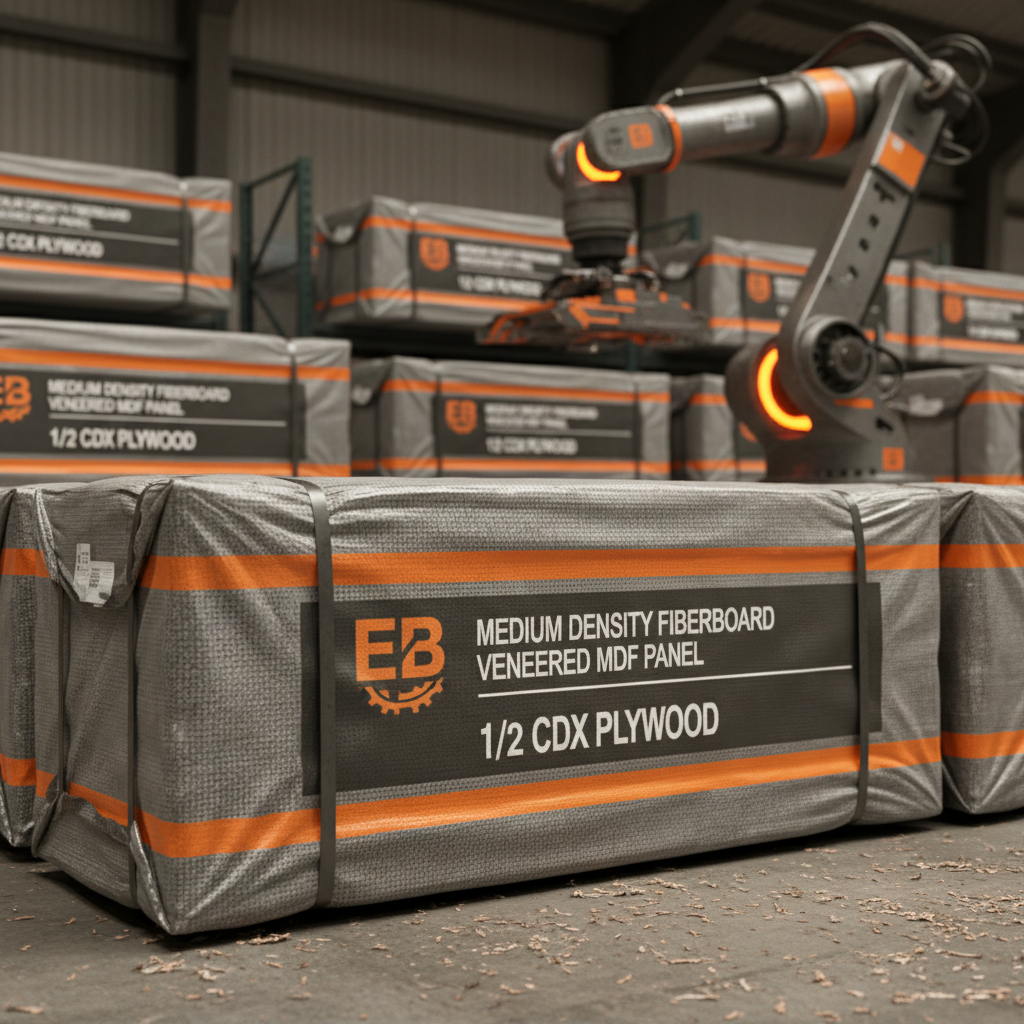
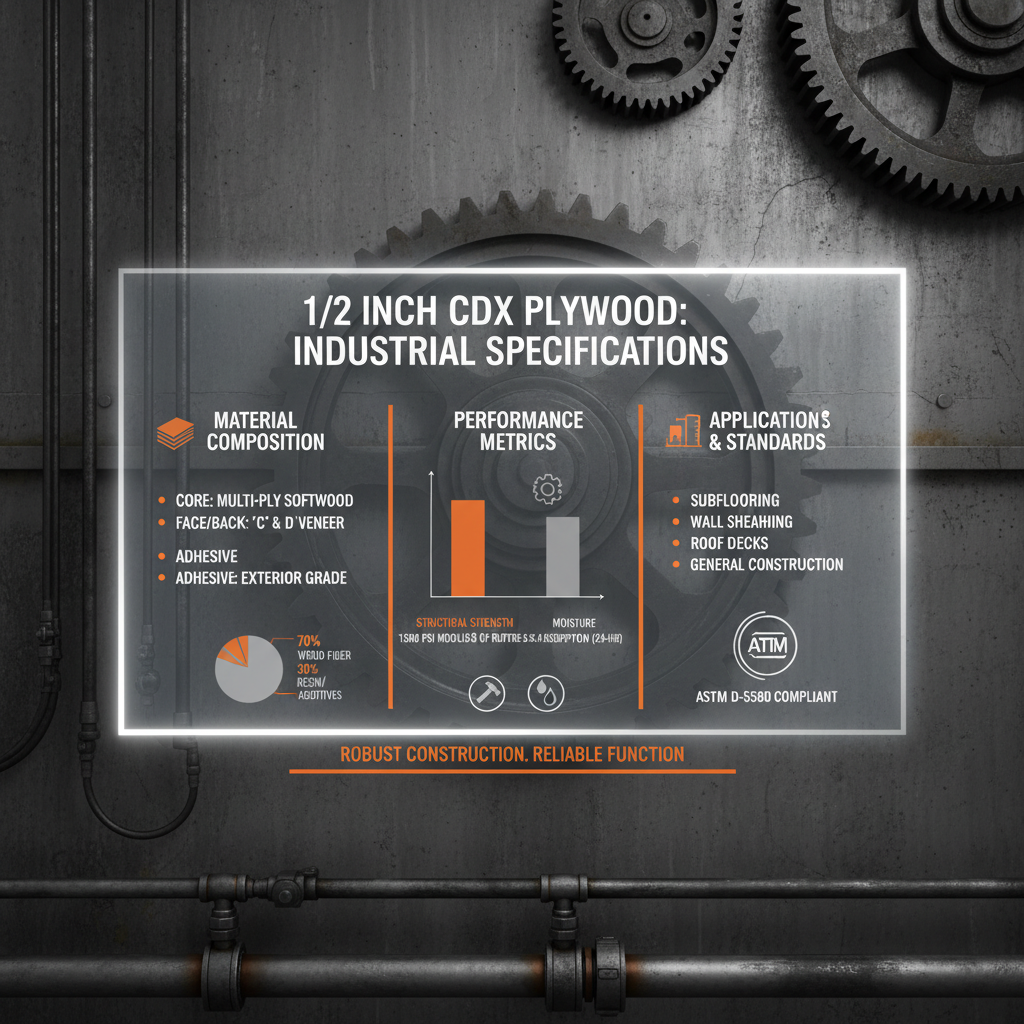
CDX plywood is a type of exterior-grade plywood commonly used in construction. The “CDX” designation refers to the quality of the veneer plies used in its construction. ‘C’ and ‘D’ denote the veneer quality, while 'X' indicates it is made with waterproof glue, making it suitable for exterior applications. 'C' grade veneers may have some knots or imperfections, while 'D' grade veneers typically have more. However, the combination ensures a structurally sound panel at a competitive price point. It's frequently chosen for sheathing walls, roofing, and subflooring due to its cost-effectiveness and resilience.
Key Characteristics: Durable, exterior grade, cost-effective, suitable for structural applications.
The term "1 2 inch" refers to the nominal thickness of the plywood. However, it’s important to note that plywood thickness is typically slightly less than the nominal measurement. A 1 2 inch sheet will actually measure around 0.9375 inches (23.8mm) thick. Standard sheet sizes for CDX plywood are 4ft x 8ft, but other dimensions can be available depending on the supplier. Choosing the right thickness is crucial for the intended application; thicker plywood provides greater strength and stability.
Common Dimensions:
• Nominal Thickness: 1/2 inch (Actual: 0.9375 inches)
• Standard Sheet Size: 4 ft x 8 ft
• Other sizes available upon request.
1 2 inch CDX plywood is remarkably versatile and finds application in a wide range of projects. Common uses include: wall and roof sheathing, subflooring under carpet or tile, creating formwork for concrete pouring, building sheds and other outdoor structures, crafting furniture, and even crafting DIY projects. Its affordability and ease of use make it an excellent choice for both professional builders and home enthusiasts.
While CDX plywood is a popular choice, it’s important to understand how it compares to other plywood options. For instance, Marine-grade plywood, which uses waterproof glue and higher-quality veneers, is more expensive but offers superior water resistance and durability. Sandeech plywood, commonly used for furniture and cabinet making, utilizes a higher grade of veneer with minimal defects. The best choice depends on your budget and specific needs. Tengfei EBMDF offers a comprehensive range of plywood solutions to suit any project.
When purchasing 1 2 inch CDX plywood, consider the source. Look for suppliers who adhere to quality standards and can provide documentation regarding the plywood’s grading and manufacturing process. Check for signs of delamination, warping, or excessive knots. It's also wise to compare prices from different suppliers to ensure you're getting a competitive deal. For reliable and high-quality plywood solutions, Tengfei EBMDF is a trusted source.
1 2 inch CDX plywood is a versatile, affordable, and reliable material for a wide range of applications. By understanding its characteristics, applications, and potential alternatives, you can make an informed decision and select the right plywood to meet your project's specific needs. For quality plywood and expert advice, visit Tengfei EBMDF today.
1/2 inch CDX plywood can be used for subflooring, but its suitability depends on the span between joists and the intended flooring material. For shorter spans (e.g., 16 inches or less), it’s often adequate for carpet or vinyl flooring. However, for longer spans or when installing heavier materials like tile, it’s generally recommended to use thicker plywood (5/8 inch or 3/4 inch) for enhanced support and to prevent deflection. Always consult local building codes to ensure compliance.
While CDX plywood is exterior grade, prolonged exposure to the elements can still cause damage. To protect it, consider applying a water-repellent sealant or painting it with an exterior-grade paint. Ensure all edges are sealed to prevent water from penetrating the layers. Proper storage is also crucial; store plywood off the ground and cover it with a tarp to shield it from rain and direct sunlight.
CDX plywood can be used for furniture, particularly for projects where a rustic or industrial look is desired. However, its surface is rougher and less aesthetically pleasing than higher-grade plywoods. It typically requires sanding, filling, and finishing to achieve a smooth, paintable surface. It's important to note that it may not be as durable or visually appealing as furniture-grade plywoods.
The 'X' in CDX plywood signifies that the plywood is bonded with waterproof glue. This makes it suitable for exterior applications where it will be exposed to moisture. The waterproof glue prevents delamination and maintains the structural integrity of the plywood even when wet. However, it's important to remember that "waterproof" doesn't mean completely impervious to water – long-term exposure still requires protective measures.
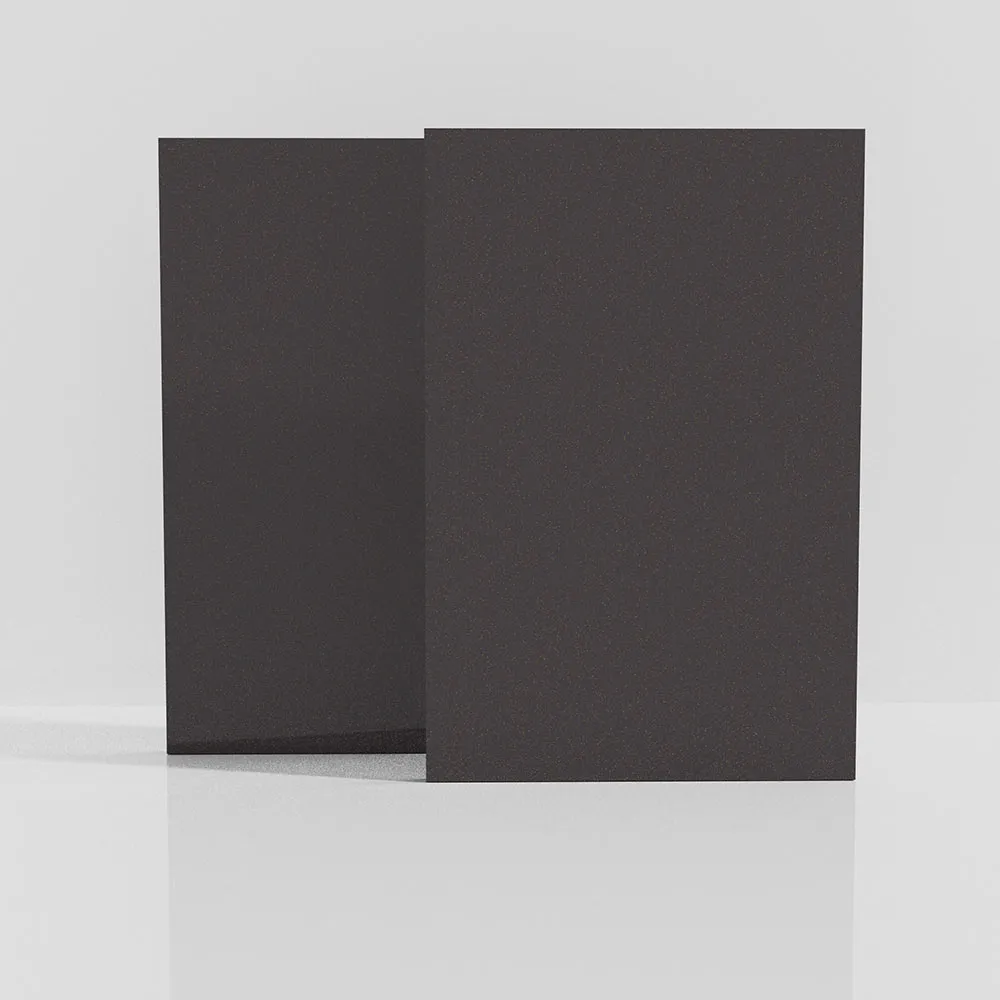
Tengfei Platinum EB Particle Panels - Matte Black
Tengfei Platinum EB Particle High-Gloss Panels - Pure white

To provide reliable solutions through quality products!