Understanding MDF Green Board: A Sustainable Revolution in Wood-Based Paneling
When we talk about sustainable building materials today, mdf green board is fast becoming a buzzword. But what exactly makes it so crucial — not just for the carpenters or architects, but for industries and communities worldwide? It’s a fiberboard innovation that blends eco-friendly practices with practical performance, reshaping how we approach construction, furniture, and beyond. The global push for greener alternatives makes understanding MDF green board more than just a niche interest — it’s a step toward a sustainable future.
The Global Stage: Why MDF Green Board Matters
Globally, wood-based panels like medium-density fiberboard (MDF) account for a remarkable share of construction and manufacturing materials. According to ISO standards and data from the Food and Agriculture Organization (FAO) of the UN, sustainable forestry and wood product manufacturing are vital to reducing carbon footprints worldwide. Today’s demand for mdf green board ties directly into this environmental challenge — tackling deforestation, reducing waste, and emitting fewer greenhouse gases compared to traditional wood products.
Yet, industries face the ongoing challenge of meeting rising construction and manufacturing demands without further environmental degradation. The rise of “green” MDF boards offers a promising answer. Not only do they come from responsibly sourced timber or recycled wood fibers, but they often incorporate bio-based resins, cutting down on harmful formaldehyde emissions. The World Bank's environmental reports emphasize the need for such innovations in urbanizing regions, where construction booms demand both volume and sustainability.
Mini takeaway: MDF green board holds the key to balancing booming industrial demand with pressing ecological concerns globally.
What Exactly is MDF Green Board?
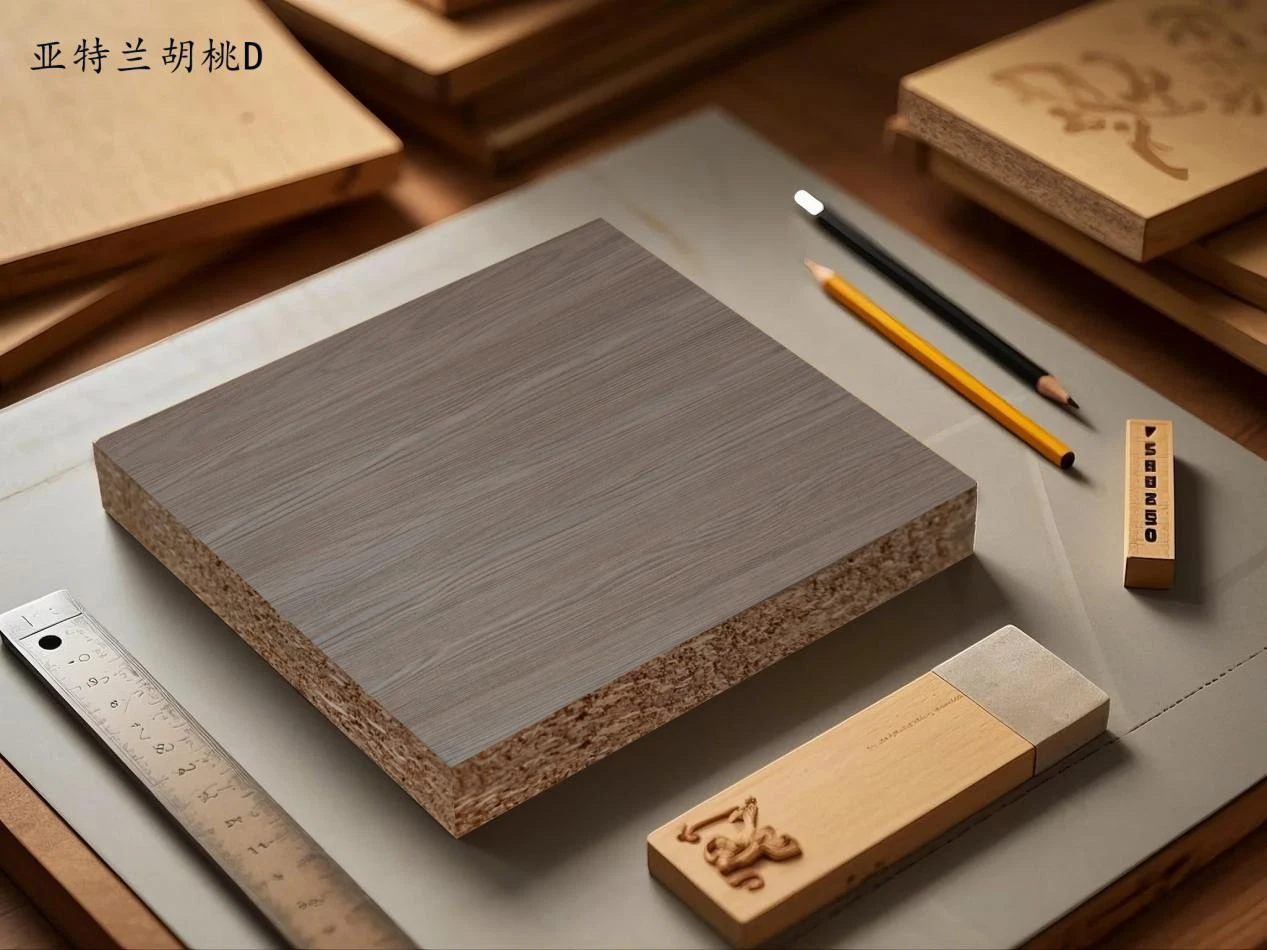
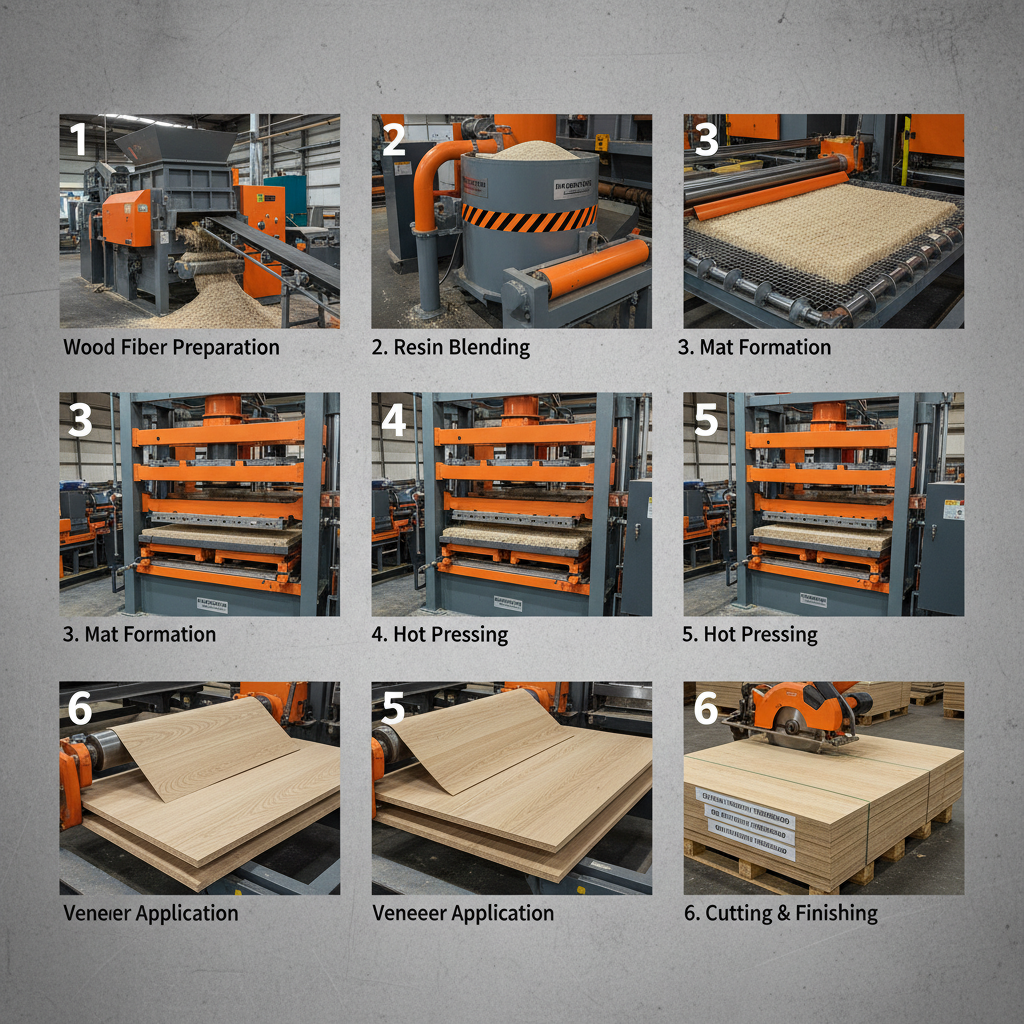
Simply put, mdf green board refers to medium-density fiberboard manufactured with environmentally friendly practices and materials. Traditional MDF is made by breaking down hardwood or softwood residuals into fibers, combining them with resin, and pressing them into durable panels. The “green” aspect means these boards use low-impact adhesives, recycled fibers, or rapidly renewable sources and often emit less volatile organic compounds (VOCs).
This slight but important tweak is crucial, especially in industries requiring large-scale panel use — like furniture making, interior finishing, and even modular housing development. For sectors addressing humanitarian needs, such as disaster relief shelters, this means access to affordable, safer, and more eco-conscious materials that don’t compromise durability or function.
Key Components that Define Quality and Usefulness
1. Sustainability of Raw Materials
MDF green board thrives on using wood fibers from certified sustainable forests or reclaimed wood waste. This reliance reduces deforestation pressures and contributes to circular economy principles where material reuse is key.
2. Eco-Friendly Binders and Adhesives
Commonly used urea-formaldehyde resins have been the bane of indoor air quality. Green variants instead employ low-formaldehyde or formaldehyde-free adhesives, improving health safety in enclosed spaces.
3. Moisture and Durability Resistance
While MDF has been traditionally sensitive to moisture, green board innovations sometimes include special coatings or additives to combat swelling and degradation — critical for construction in humid or variable climates.
4. Consistency and Workability
Just like regular MDF, the green counterpart provides a smooth, uniform surface ideal for coatings, veneers, or direct painting. This makes it attractive for custom designs, cabinetry, and decorative projects.
5. Emission Standards Compliance
Meeting strict global standards such as CARB (California Air Resources Board) Phase 2 or E0/E1 formaldehyde emissions rates underscores the board’s safety in residential and commercial applications.
Mini takeaway: The brilliance of MDF green board lies in not sacrificing performance for sustainability; it manages to do both.
Global Applications that Show MDF Green Board at Work
In real-world terms, MDF green board has penetrated various markets and sectors:
- Furniture Manufacturing: European and North American producers prefer eco-certified boards to cater to environmentally conscious consumers.
- Modular and Temporary Construction: In post-disaster relief, such as after earthquakes in Asia or hurricanes in the Caribbean, green MDF boards provide lightweight, fast-to-install panels that balance durability with low environmental impact.
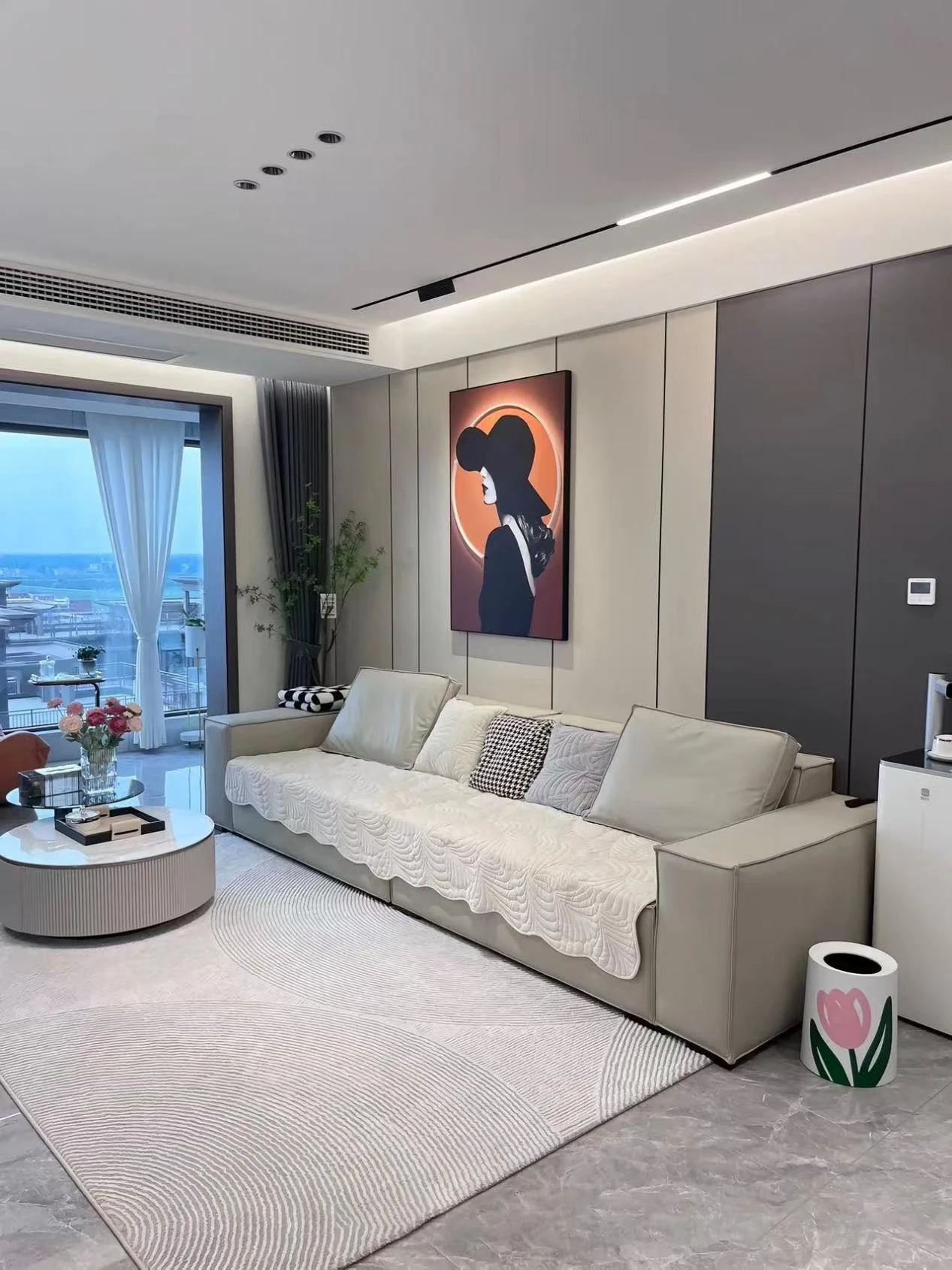
- Interior Architectural Uses: From retail shops to office spaces, MDF green boards serve as substrates for decorative finishes, signboards, and wall panels.
- Educational and Institutional Buildings: School and university renovations make use of these boards to meet LEED or BREEAM sustainability certifications.
Oddly enough, remote industrial regions in Australia and Canada also rely on green MDF for prefabricated housing units, where shipping bulky timber is impractical.
Product Specifications of a Typical MDF Green Board
| Specification |
Typical Value |
Unit |
| Density |
680 - 730 |
kg/m³ |
| Thickness Range |
6 - 30 |
mm |
| Formaldehyde Emission |
≤ 0.05 |
mg/L (E0 standard) |
| Bending Strength |
30 - 35 |
MPa |
| Moisture Content |
6 - 8 |
% |
Advantages & Long-Term Value of Using MDF Green Board
In straightforward terms, the advantages of mdf green board boil down to four core benefits:
- Environmental Responsibility: Lower carbon footprint, minimized waste, and compliance with green building standards.
- Cost Efficiency: While slightly higher in upfront costs compared to standard MDF, the savings come from reduced health hazards, less need for chemical treatments, and easier recycling.
- Health & Safety: Cuts indoor air pollution risks, critical for schools, hospitals, and homes.
- Reliability & Aesthetic Flexibility: Smooth, versatile surfaces that support finishing techniques and modular designs.
Emotionally, buyers appreciate knowing they’re contributing to something sustainable. Architects often mention how specifying green board feels like a small but meaningful contribution to “building a better future.” It’s the subtle trust factor that’s difficult to quantify — but definitely felt.
Comparing MDF Green Board Vendors
| Vendor |
Sustainable Certification |
Product Range (Thickness mm) |
Formaledehyde Emission Level |
Regions Served |
| Tengfei MDF |
FSC, CARB Phase 2 |
6-30 |
E0 (≤0.05 mg/L) |
Global |
| GreenBoard Co. |
PEFC, CARB Phase 2 |
8-25 |
E1 (≤0.1 mg/L) |
Europe, US |
| EcoFiber Panels |
FSC, CARB Phase 1 |
6-20 |
E0.5 (≤0.08 mg/L) |
Asia, Australia |
Looking Ahead: Innovations and Trends
It’s clear the mdf green board market is evolving. Advances in bio-resins derived from soy or lignin increasingly replace synthetic adhesives. Digitally enhanced production lines promise greater quality control with less waste. Moreover, integration with green energy (solar-powered factories) is no longer just a dream.
On the policy side, stricter environmental regulations, like the EU’s upcoming construction product regulations (CPR), push manufacturers to innovate or fall behind. Also, as architects embrace circular economy principles, boards that are easier to recycle or repurpose will gain traction.
Overcoming Challenges in MDF Green Board Adoption
Still, some challenges persist. Moisture sensitivity, while improved, can limit applications in high-humidity zones without additional treatment. The slightly higher price can deter cost-driven projects, especially in emerging markets.
Solutions are emerging though — manufacturers are working with nano-coatings for water repellency, while governments and NGOs sometimes subsidize green materials for public projects. Plus, increased consumer awareness is gradually shifting market demand.
Frequently Asked Questions About MDF Green Board
Q1: How is MDF green board different from regular MDF?
A1: The primary difference lies in sustainable sourcing and reduced toxic emissions. MDF green board uses recycled or certified wood fibers and eco-friendly adhesives, resulting in lower environmental impact and improved indoor air quality.
Q2: Is MDF green board suitable for outdoor use?
A2: Typically, MDF is not recommended outdoors due to moisture sensitivity. However, certain green MDF variants come with water-resistant treatments and protective coatings, making them suitable for semi-exterior applications or covered areas.
Q3: Can MDF green board be recycled?
A3: Yes. One of the eco-advantages of MDF green board is that it often uses fibers from recycled wood and can itself be reprocessed where facilities exist, supporting material circularity.
Q4: What industries can benefit most from MDF green board?
A4: Furniture manufacturing, interior architecture, modular housing, and educational infrastructural projects see great benefits, especially where sustainability certifications like LEED are important.
Q5: How can international buyers ensure product quality?
A5: Look for certifications such as FSC, CARB Phase 2 compliance, and request detailed emission reports. Working with reputable suppliers like Tengfei MDF helps ensure consistent quality and compliance.
Conclusion: Why MDF Green Board Deserves Your Attention
In sum, mdf green board elegantly blends eco-consciousness with real-world practicality. It’s not just a “nice-to-have” product but a foundational material for industries aiming to build sustainably — be it furniture, interior spaces, or emergency housing. Its evolving technologies and increasing certifications mean it will only grow in importance. For anyone involved in design, construction, or manufacturing, it’s worth exploring in detail.
Curious to see what it can do for your next project? Visit our website to learn more about mdf green board solutions and become part of this green innovation wave.
References:
- FAO Sustainable Forest Management
- Medium-density fiberboard - Wikipedia
- ISO 12460-5 Formaldehyde emissions