Add: No.8 Xinxing Street, North Zone, Zhengding High-tech Industrial Development Zone, Hebei, China
CONTACT US
+8615030171059


CONTACT US
+8615030171059
1 1 8 plywood, also known as 3mm plywood, is a versatile and widely used wood panel prized for its strength-to-weight ratio and cost-effectiveness. It's a staple material in a diverse range of applications, from furniture making and crafts to construction and packaging. This article will provide an in-depth exploration of 1 1 8 plywood, covering its properties, uses, grades, and sourcing options. Whether you're a DIY enthusiast, a professional builder, or involved in import/export, understanding this material is crucial. You can find high-quality plywood solutions at Tengfei EBMDF.
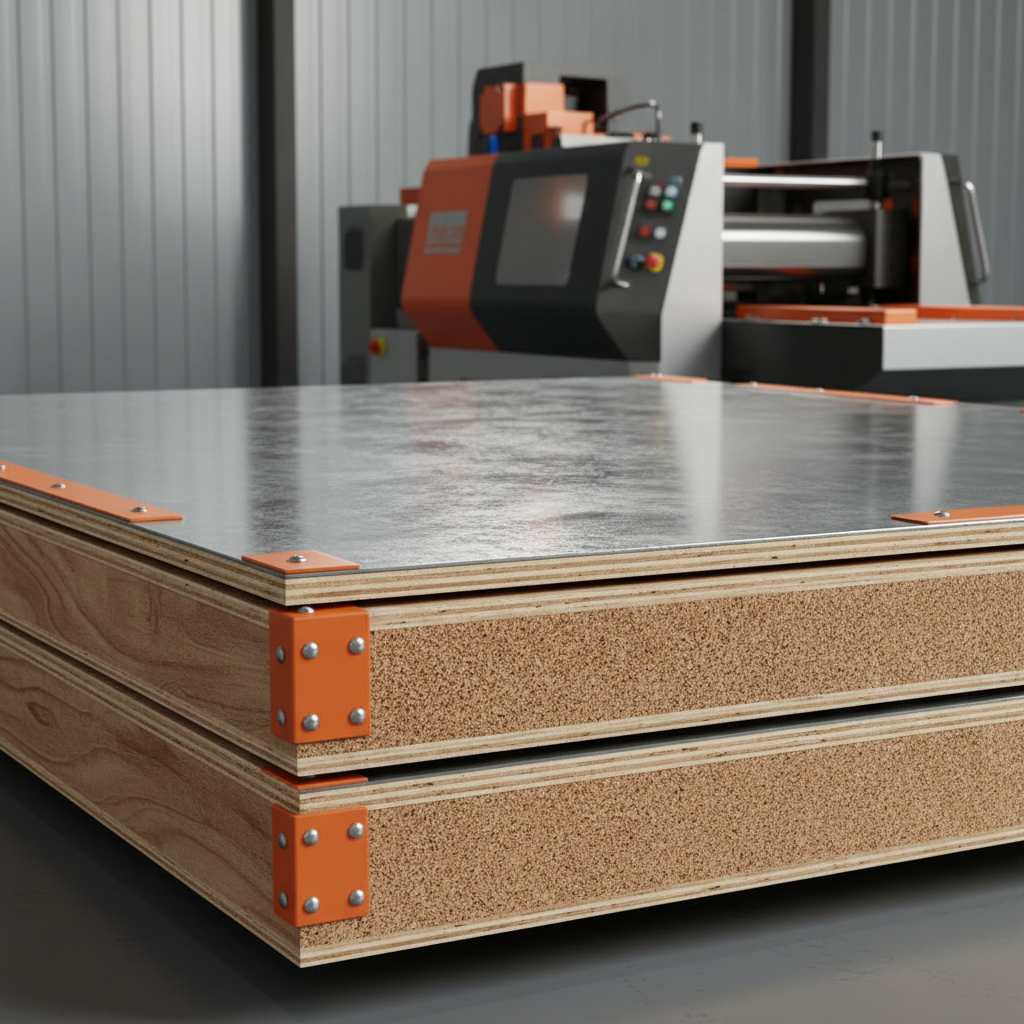
1 1 8 plywood gets its name from its thickness – approximately 1/8 of an inch, or 3mm. It is constructed by gluing together thin layers (veneers) of wood grain, with the grain direction of each layer running perpendicular to the adjacent ones. This cross-graining process is what gives plywood its exceptional strength and stability, preventing it from splitting or warping easily. Different wood species can be used to create plywood, influencing its appearance, durability, and cost. The quality of the adhesive also significantly impacts the plywood’s performance and resistance to moisture.
Key Characteristics: Cross-grained layers for superior strength, 3mm (1/8 inch) thickness, versatile wood species options, adhesive quality crucial for performance.
The lightweight nature and manageable size of 1 1 8 plywood make it ideal for a multitude of projects. Common uses include cabinet backs, drawer bottoms, model making, crafting, shelving (for light loads), decorative panelling, and small furniture components. Its smoothness also makes it a great base for painting and veneering. In the packaging industry, it’s used to create lightweight crates and dividers. Its affordability contributes to its popularity across various sectors, making it a sensible choice for projects where budget is a consideration. Consider Tengfei EBMDF's selection for your project needs.
Application Examples:
• Cabinet Backs & Drawer Bottoms
• Model Building & Crafts
• Decorative Panelling
• Lightweight Packaging
Plywood is graded based on the quality of its face veneers. These grades impact both the appearance and the intended use. Common grades include A, B, C, and D. A-grade plywood has the fewest imperfections and is typically used for furniture and visible surfaces. B-grade has some minor imperfections but is still suitable for many applications. C and D grades have more significant imperfections and are often used for structural applications where appearance isn’t critical, like subflooring or sheathing. It's essential to select the appropriate grade for your project to ensure both aesthetics and functionality. Contact Tengfei EBMDF to discuss grade options.
When sourcing 1 1 8 plywood, particularly for import, several factors come into play. Wood species availability varies by region, impacting cost and properties. It’s important to verify the plywood’s compliance with relevant international standards (e.g., CARB for formaldehyde emissions, FSC for sustainable forestry). Ensure the manufacturer employs high-quality adhesives to prevent delamination. Shipping costs and lead times must be considered, as plywood can be bulky and require specialized handling. Working with a reputable supplier like Tengfei EBMDF can streamline the process and guarantee product quality.
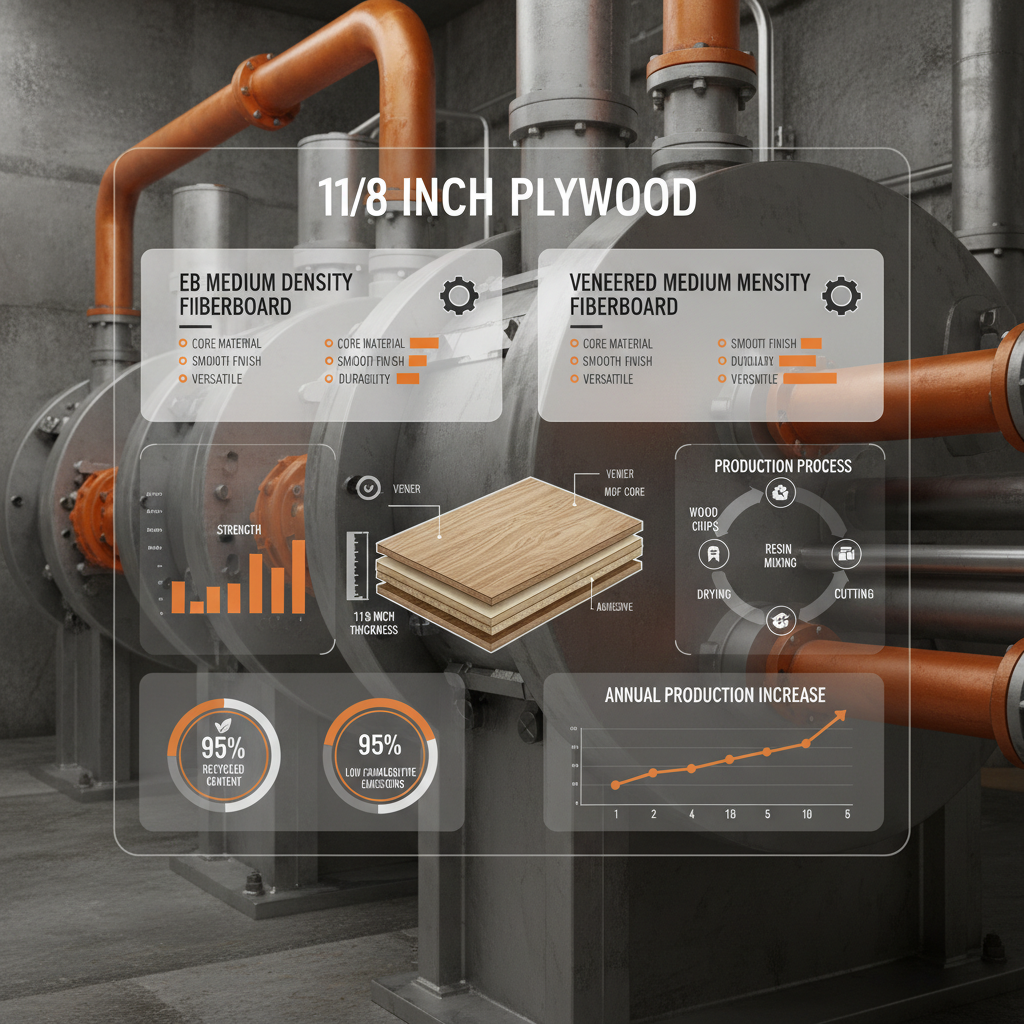
The plywood industry is continually evolving, with a growing focus on sustainability and innovation. Manufacturers are exploring the use of fast-growing, renewable wood species, as well as developing formaldehyde-free adhesives. Engineered plywood options, offering enhanced performance characteristics, are also gaining traction. As demand for environmentally friendly building materials increases, expect to see continued advancements in plywood production and sourcing. Choosing responsibly sourced plywood contributes to a more sustainable future.
1 1 8 plywood remains a cornerstone material across diverse industries due to its affordability, versatility, and strength. Understanding its properties, grades, and sourcing considerations is essential for anyone working with wood panels. By choosing quality plywood from reputable suppliers like Tengfei EBMDF, you can ensure successful and sustainable projects.
Commonly used wood species include birch, poplar, pine, and maple. Birch plywood is known for its smooth surface and strength, making it ideal for furniture. Poplar is often used for paint-grade projects, while pine is a more economical option for general construction. Maple provides a beautiful grain pattern and is often used in high-end applications. The choice of wood species depends on the desired aesthetic, strength requirements, and budget.
Delamination occurs when the layers of plywood separate due to moisture or poor adhesive quality. To prevent it, ensure the plywood is sealed properly, especially the edges, with a moisture-resistant sealant. Store the plywood in a dry environment and avoid exposing it to prolonged moisture. When using adhesives for joining plywood, choose a high-quality, waterproof adhesive. Buying from a reputable supplier who uses quality adhesives is also crucial.
Importing plywood requires careful attention to several factors. Verify that the plywood meets your country's import regulations, including phytosanitary requirements and formaldehyde emission standards. Obtain the necessary documentation, such as certificates of origin and invoices. Consider shipping costs, lead times, and potential tariffs. Thoroughly inspect the plywood upon arrival to ensure it meets quality standards. Partnering with a reliable supplier and freight forwarder can simplify the import process.
While 1 1 8 plywood can be used for some outdoor applications, it’s not naturally weather-resistant. It needs to be treated with a waterproof sealant or paint to protect it from moisture, UV rays, and decay. Marine-grade plywood, specifically designed for outdoor use, is a better choice for projects exposed to constant moisture. However, for temporary outdoor structures or projects with limited exposure, properly sealed 1 1 8 plywood can be a viable option.
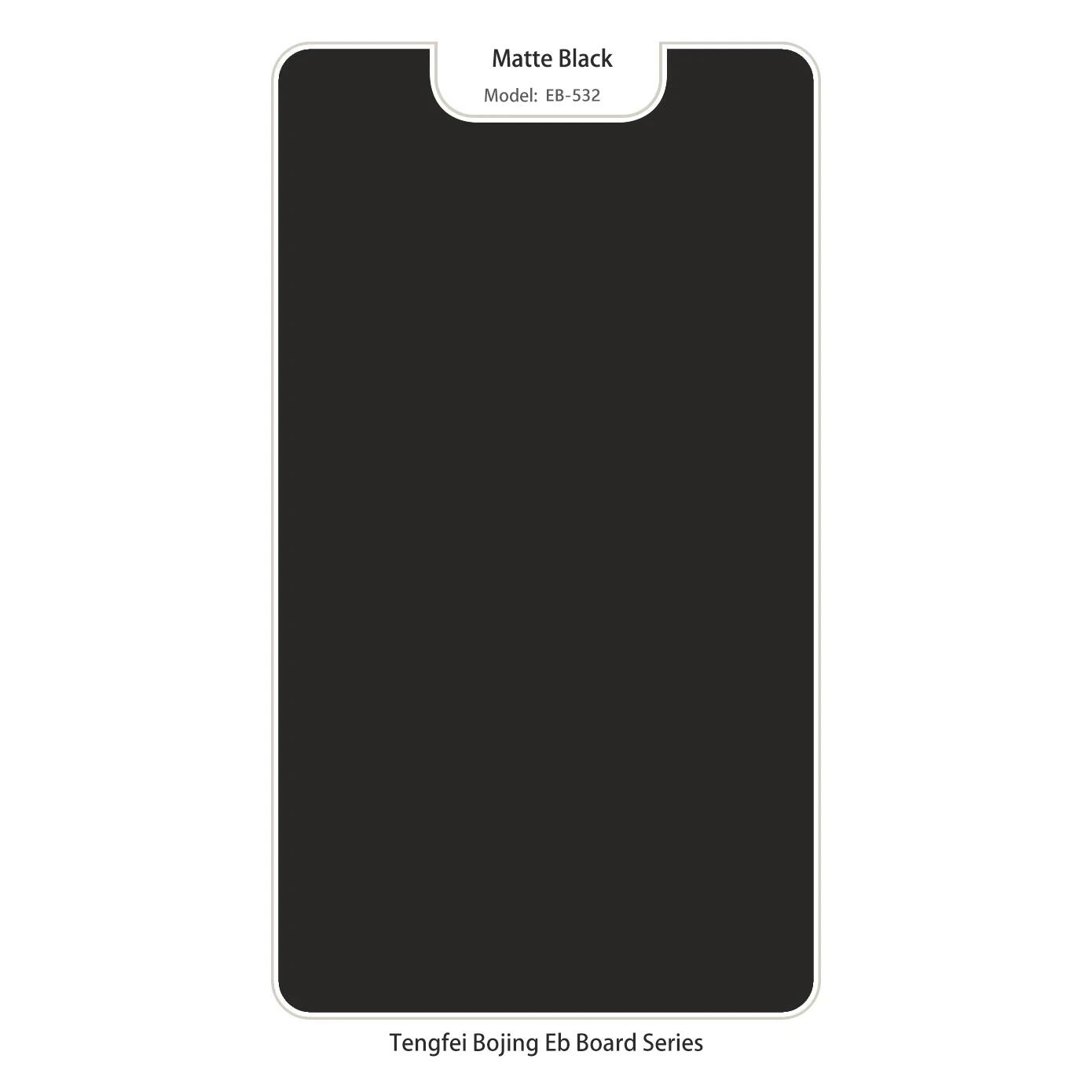
Tengfei Platinum EB Particle Panels - Matte Black
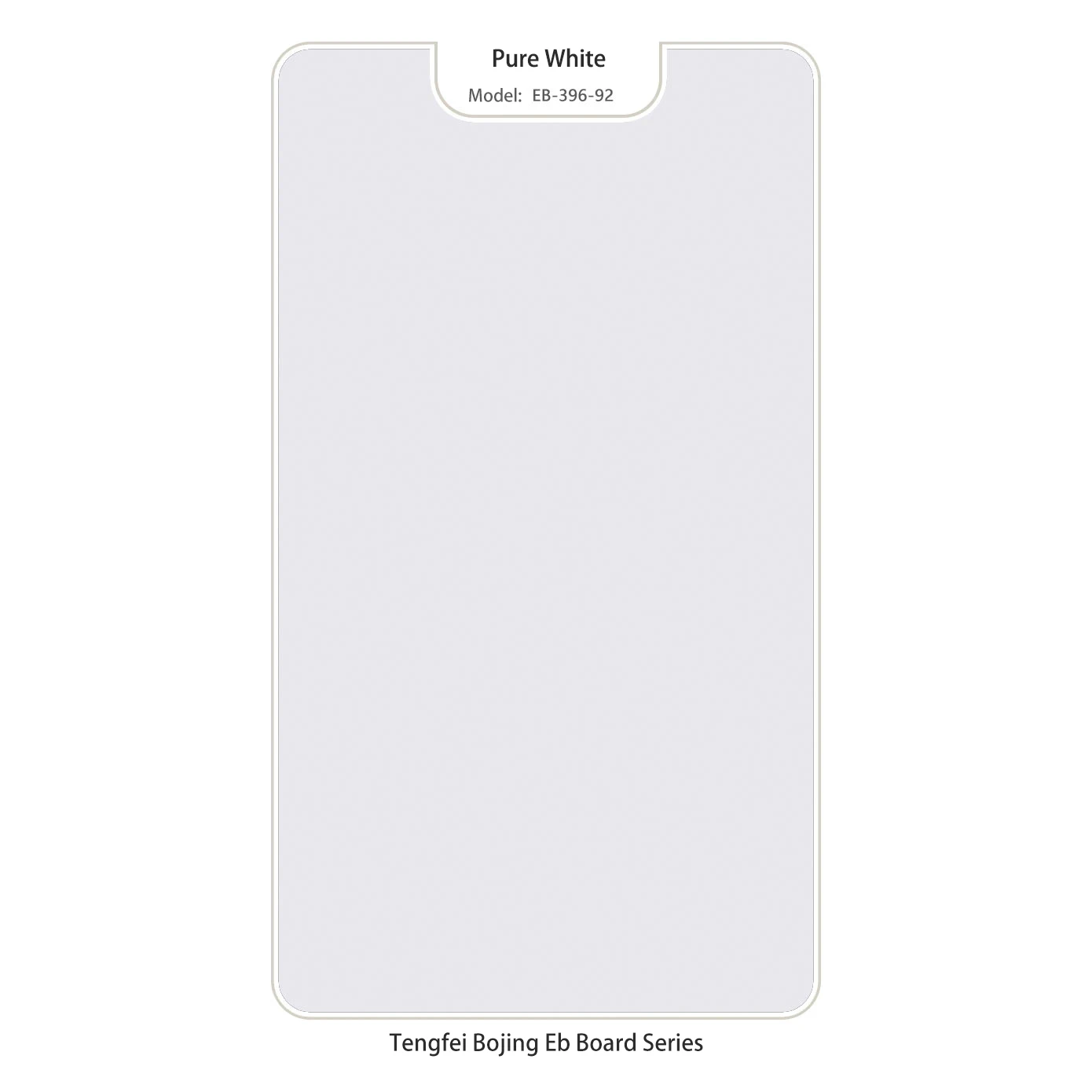
Tengfei Platinum EB Particle High-Gloss Panels - Pure white
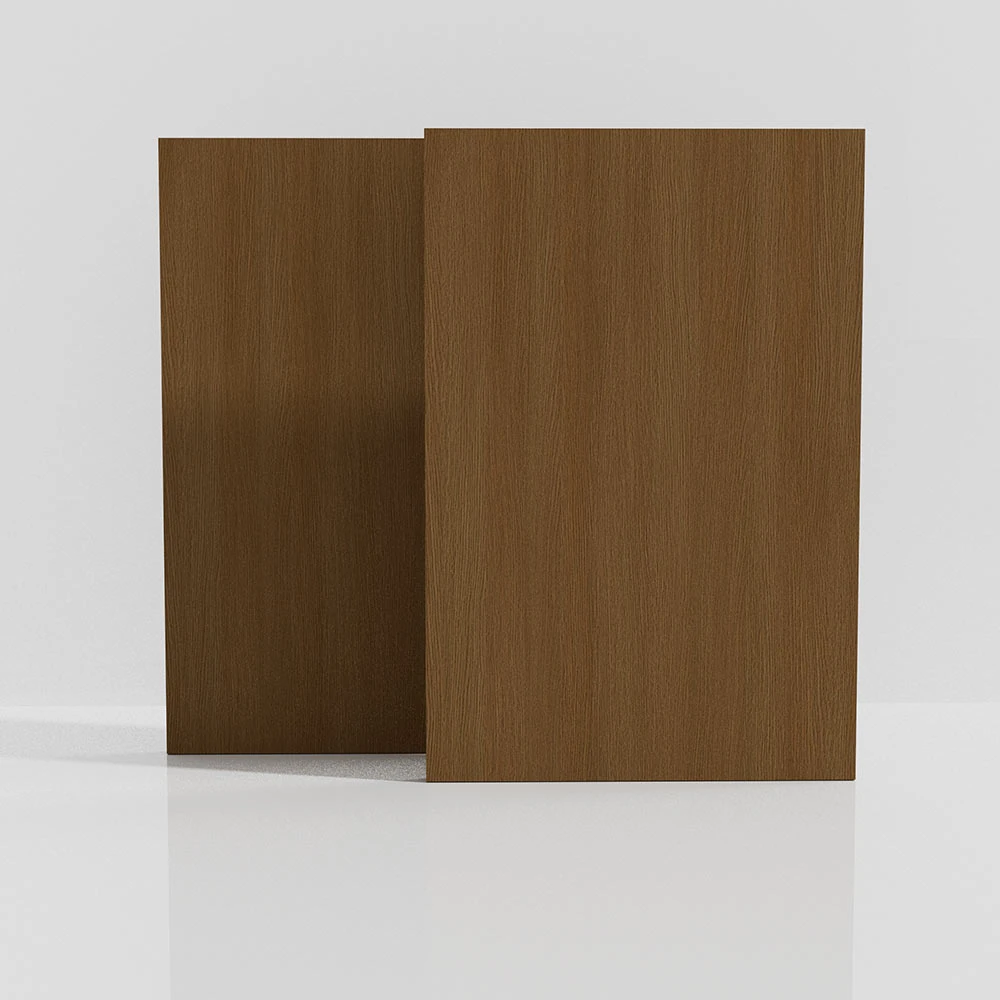
To provide reliable solutions through quality products!

![[PU705] – Advanced Sensor for Industrial Automation Solutions](https://images.exportstart.com/images/a1394/1-4531.webp "[PU705] – Advanced Sensor for Industrial Automation Solutions")