Add: No.8 Xinxing Street, North Zone, Zhengding High-tech Industrial Development Zone, Hebei, China
CONTACT US
+8615030171059


CONTACT US
+8615030171059
1 2 sanded plywood is a versatile wood product widely used in construction, furniture making, and various DIY projects. Its smooth surface and consistent thickness make it an ideal choice for applications requiring a high-quality finish. This article will explore the characteristics, applications, benefits, and considerations when choosing 1 2 sanded plywood, helping you make informed decisions for your next project. Understanding the different grades and types available will ensure you select the best option for your specific needs.
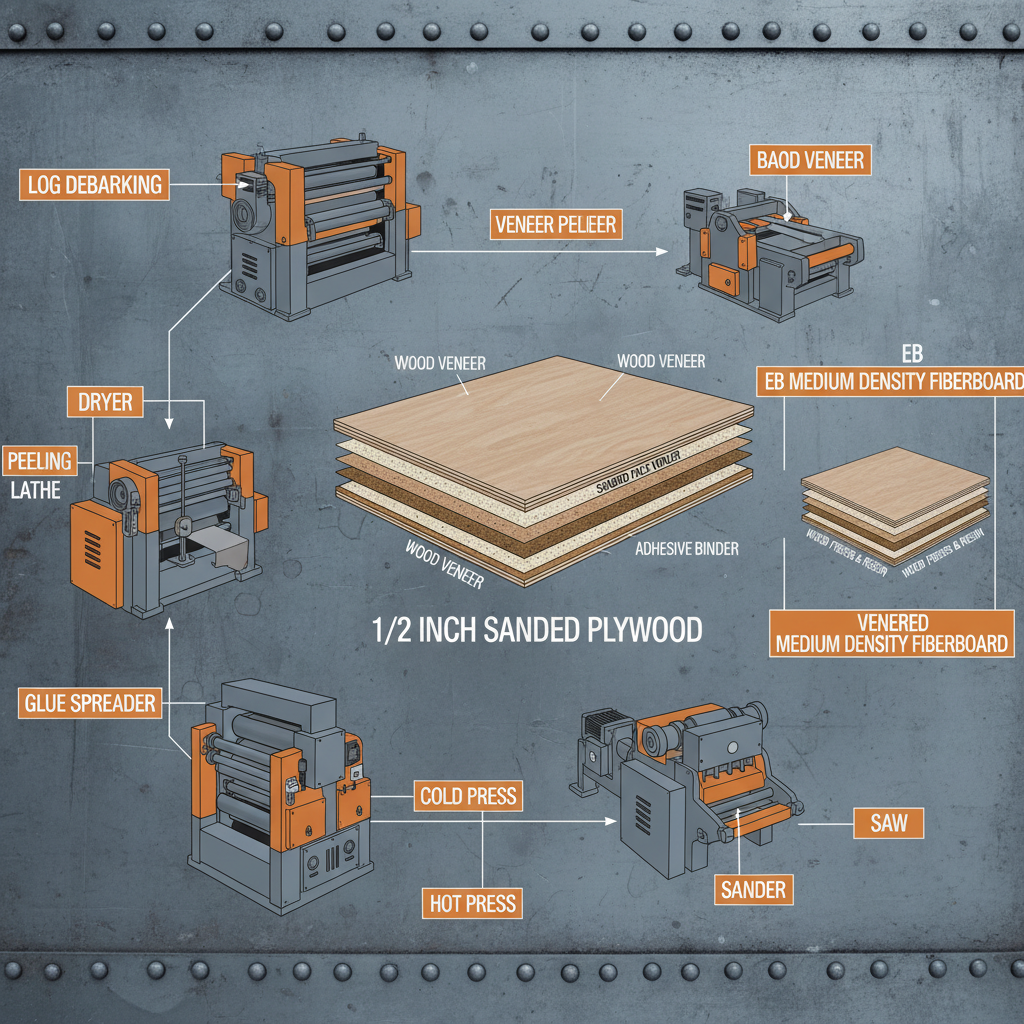
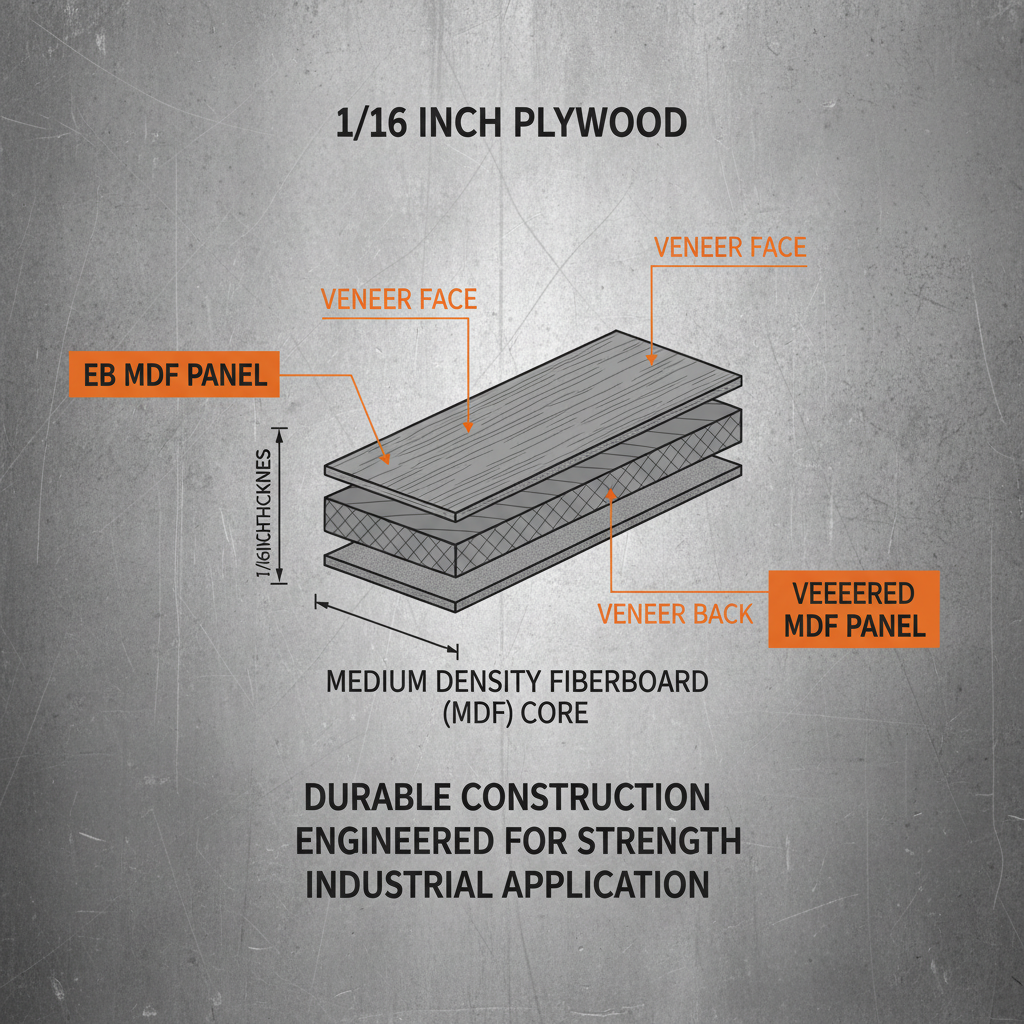
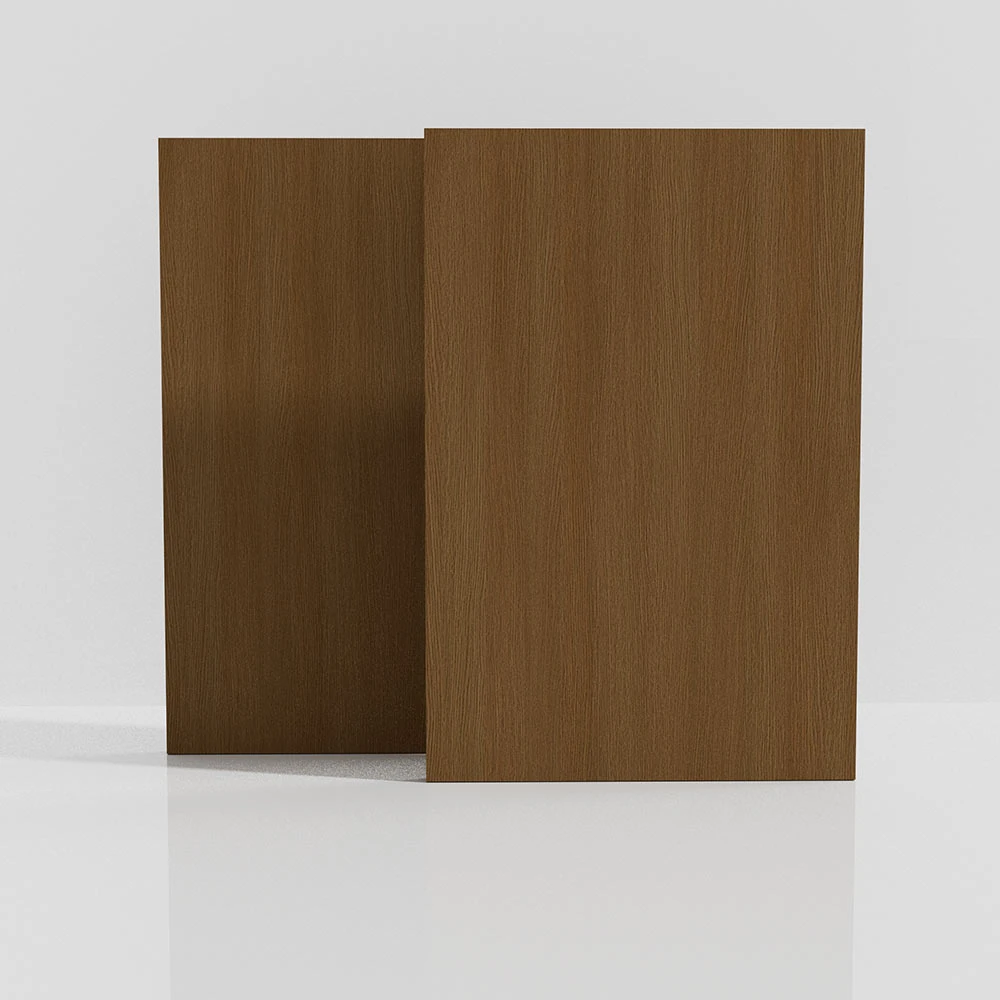
1 2 sanded plywood refers to a plywood sheet that is approximately 1/2 inch (12mm) thick. Plywood itself is an engineered wood product made by bonding thin layers of wood veneer together with adhesive. The “sanded” designation means that both sides of the plywood have been smoothed to create a consistent and paintable surface. This sanding process removes imperfections and provides an excellent base for finishes like paint, stain, or laminate. It’s a commonly used thickness, offering a good balance of strength, weight, and cost. It’s a fantastic material if you need a stable, easy-to-work-with wood panel.
Key Highlights: 1/2" thickness offers a balance of strength and workability. Sanded surfaces provide a smooth, consistent finish. Ideal for furniture, cabinetry, and construction projects.
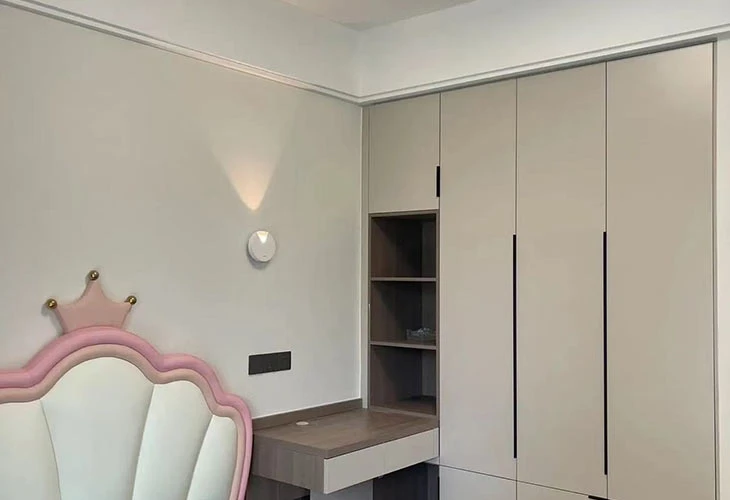
The versatility of 1 2 sanded plywood makes it suitable for a wide range of projects. It's a popular choice for furniture construction, including shelving, cabinets, and tabletops. In construction, it's used for subflooring, wall sheathing, and roof decking. DIY enthusiasts often use it for crafting, model building, and home décor projects. Its ability to be easily cut, drilled, and fastened makes it a go-to material for both professionals and hobbyists. Explore Tengfei's plywood range for different applications.
Application Areas:
• Furniture making (shelving, cabinets)
• Construction (subflooring, wall sheathing)
• DIY projects (crafting, model building)
• Home décor (wall panels, decorative features)
1 2 sanded plywood comes in various grades, categorized based on the quality of the veneer and the number of defects. Common grades include A, B, C, and D, with A being the highest quality and D being the lowest. A-grade plywood has a smooth, clear surface with minimal defects, ideal for visible applications like furniture. B-grade plywood has some minor imperfections, suitable for painted surfaces. C-grade and D-grade plywood have more defects and are typically used for structural applications where appearance isn’t crucial. The core material also varies, with options like softwood, hardwood, or a combination of both.
Using 1 2 sanded plywood offers several advantages. Its stability minimizes warping and twisting, making it suitable for projects requiring dimensional accuracy. The sanded surface simplifies finishing, saving time and effort. It’s relatively lightweight, making it easy to handle and transport. The consistent thickness ensures uniform results, and it’s more affordable than solid wood options. Choosing quality plywood from a reliable supplier, like Tengfei EBMDF, guarantees a superior product.
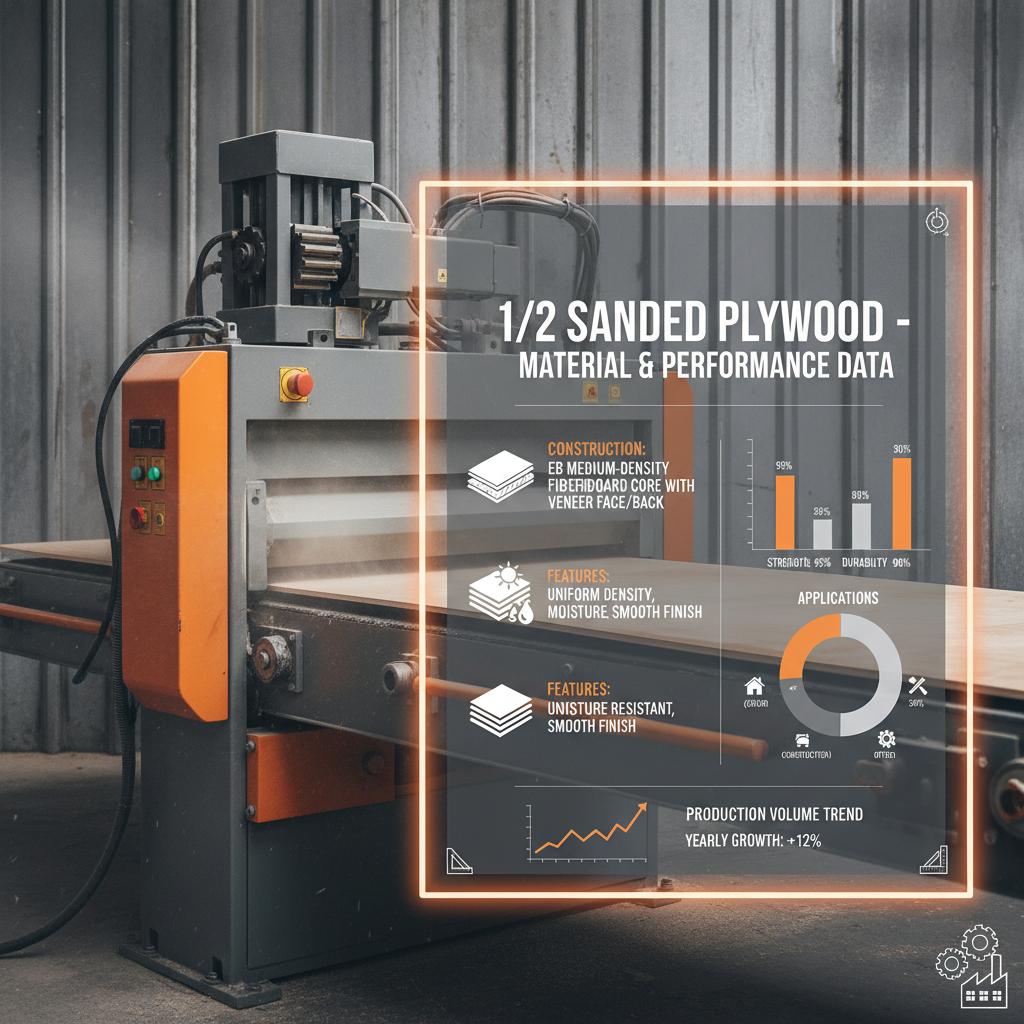
When purchasing 1 2 sanded plywood, consider the project requirements. Determine the necessary grade based on the desired appearance and structural needs. Verify the plywood is certified by reputable organizations to ensure quality and environmental sustainability. Check for moisture content to prevent warping or cracking after installation. Compare prices from different suppliers, but prioritize quality over cost. Proper storage is also crucial – keep the plywood dry and protected from direct sunlight.
1 2 sanded plywood is a versatile and reliable material for a wide array of applications. By understanding the different grades, benefits, and considerations, you can confidently select the right plywood for your next project. Explore the selection at Tengfei EBMDF for top-quality plywood solutions.
For clean cuts, a fine-tooth blade on a circular saw or a table saw is recommended. Using a scoring blade or applying masking tape along the cut line can help prevent splintering. When cutting, ensure the plywood is securely supported to avoid vibrations and ensure a straight cut. A jigsaw can be used for curved cuts, but it may require more sanding afterward to smooth the edges. Always wear appropriate safety gear, including eye protection and a dust mask.
Warping can occur due to changes in moisture content. To minimize warping, store plywood in a dry, climate-controlled environment. When installing plywood, ensure it’s properly supported and avoid exposing it to excessive moisture. Applying a sealant or finish can also help protect it from humidity. Acclimating the plywood to the room’s humidity for several days before installation is also a good practice.
The best finish depends on the desired look and level of protection. For a natural wood look, apply a clear stain or varnish. Paint is a good option for a solid color finish. Polyurethane provides excellent durability and water resistance. Always prepare the surface by sanding lightly and applying a primer before applying the finish. Follow the manufacturer's instructions for the chosen finish.
Tengfei EBMDF is a reputable supplier offering high-quality 1 2 sanded plywood. Local lumberyards and home improvement stores also carry plywood, but quality and pricing can vary. When choosing a supplier, look for certifications and positive customer reviews.
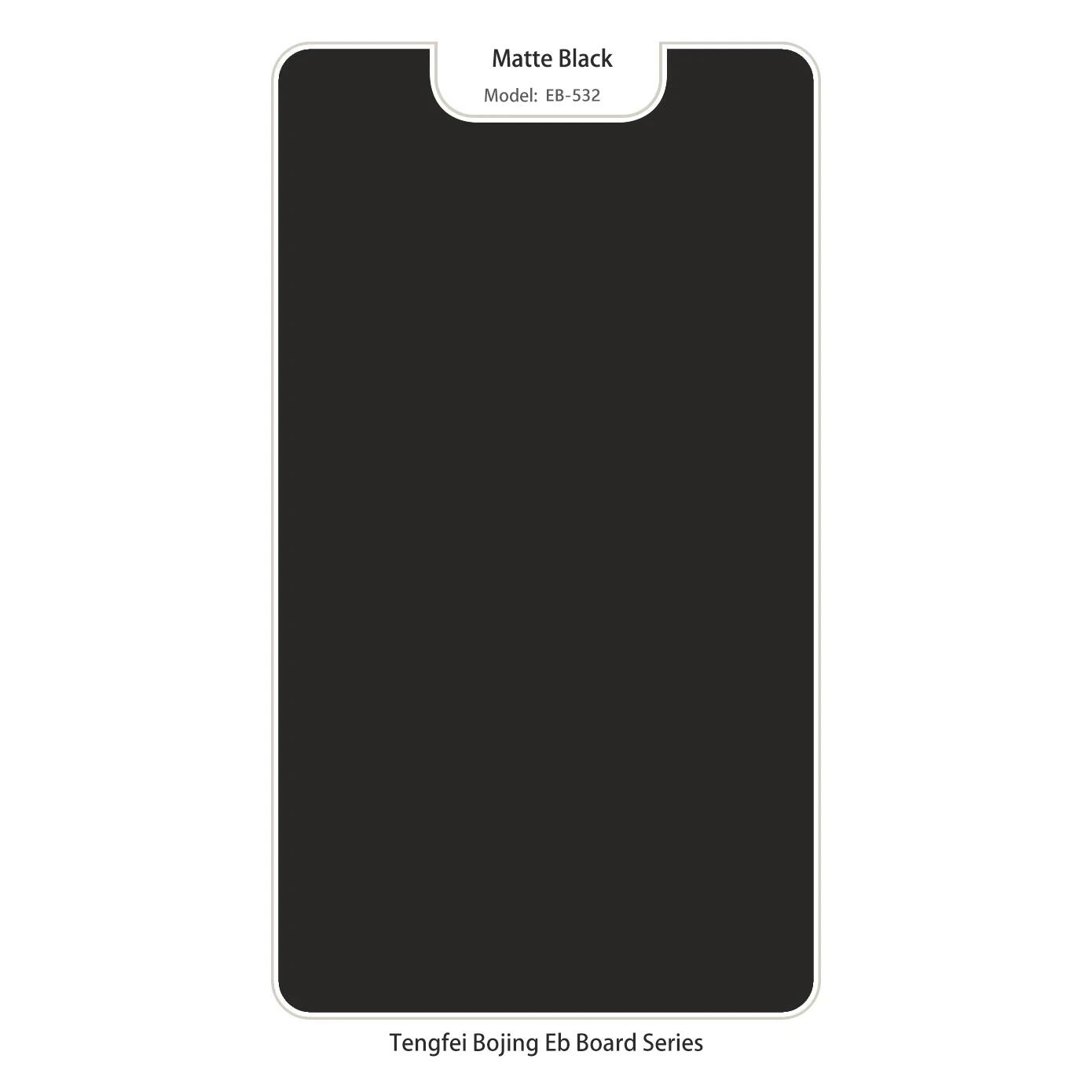
Tengfei Platinum EB Particle Panels - Matte Black
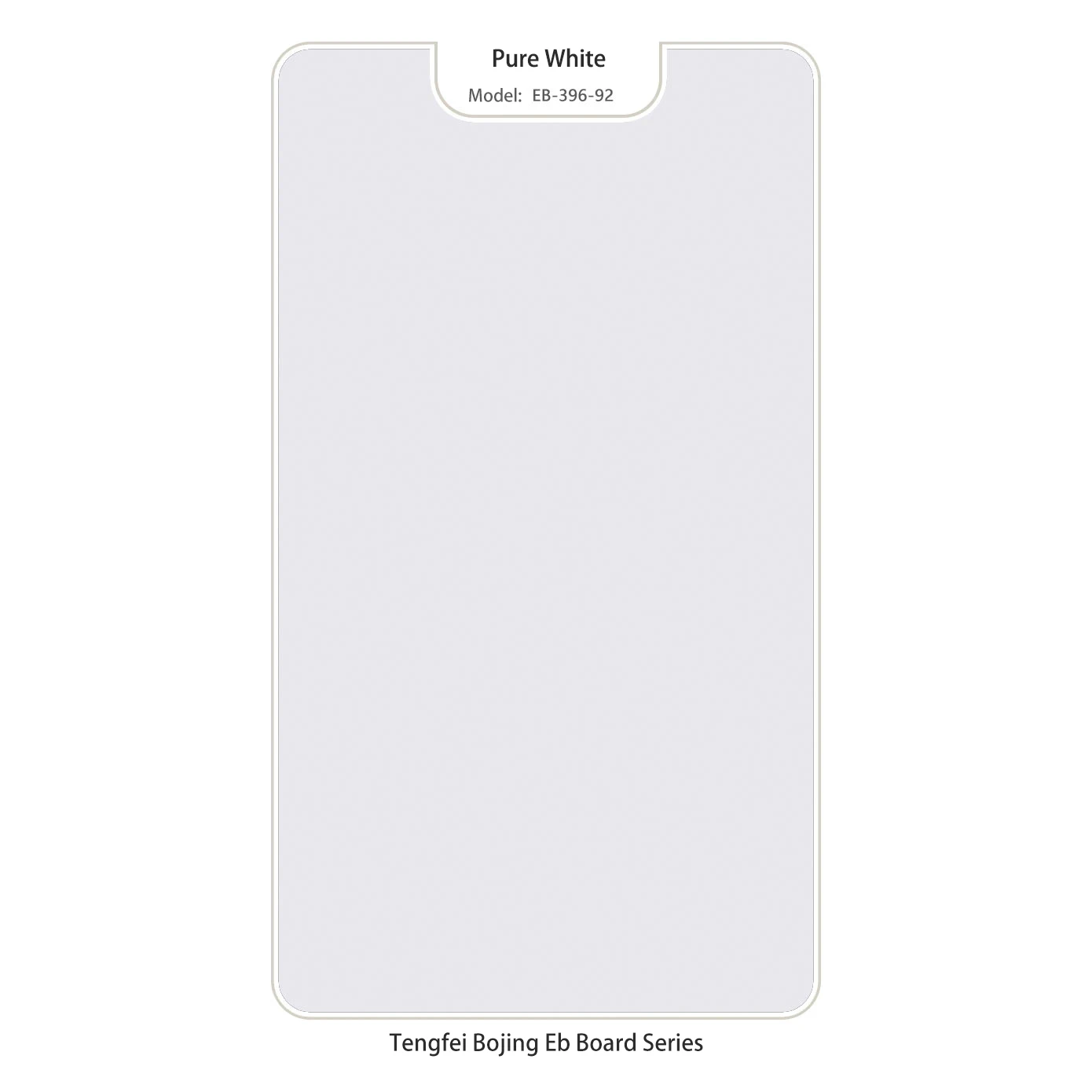
Tengfei Platinum EB Particle High-Gloss Panels - Pure white
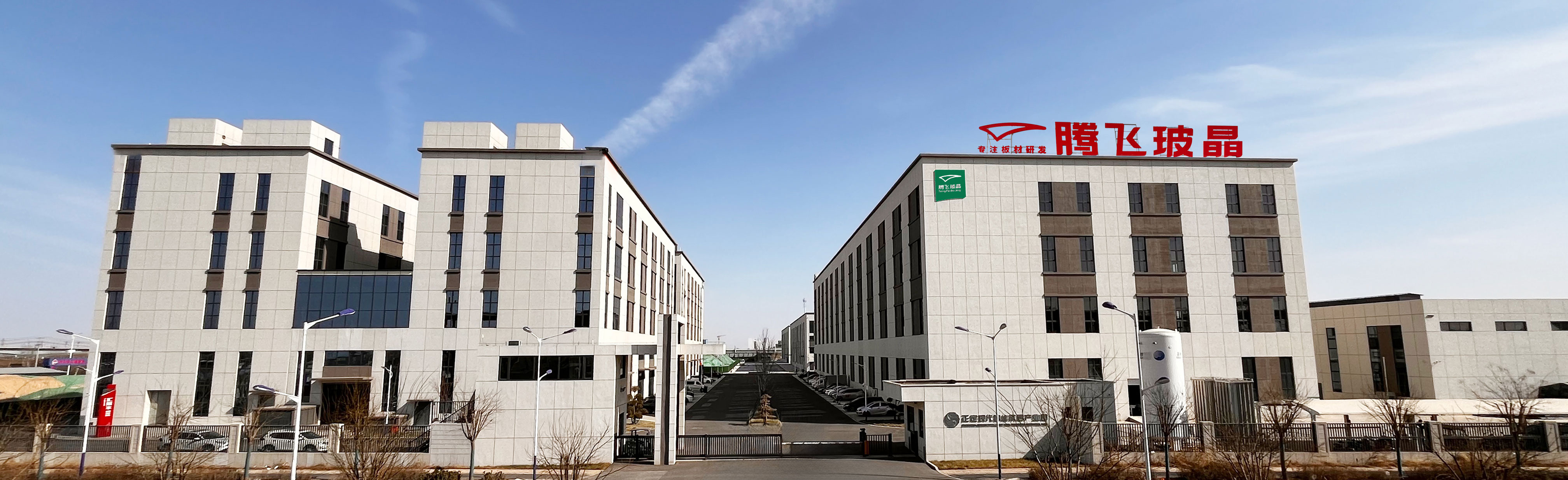
To provide reliable solutions through quality products!