Understanding soft plywood in Industrial Applications
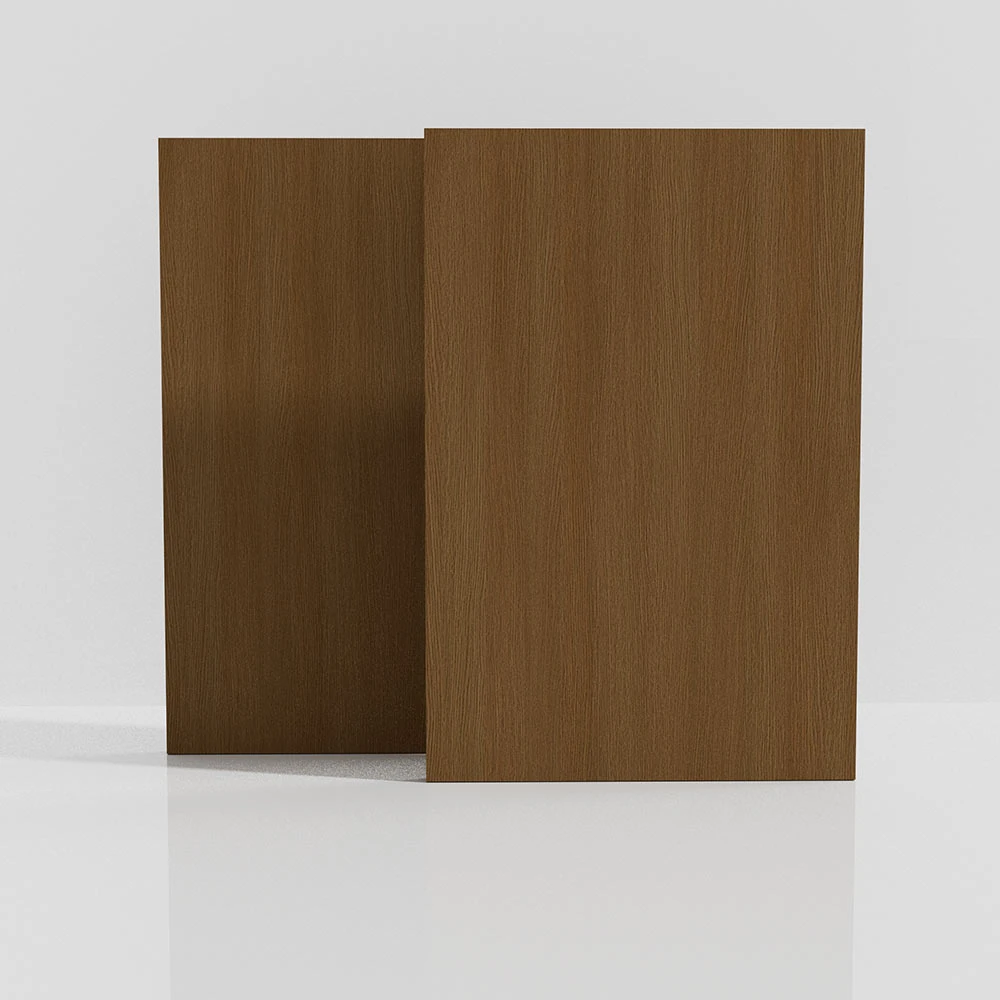
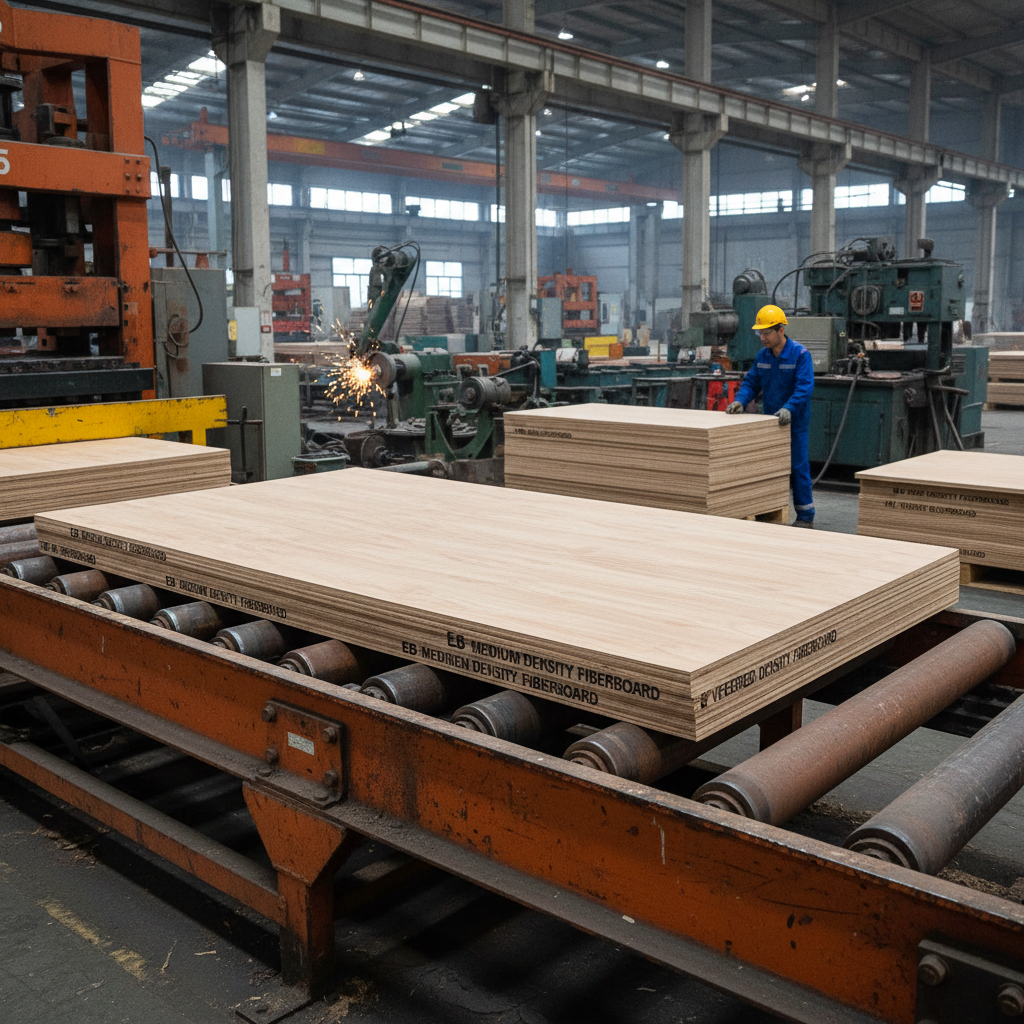
After spending more than a decade in the industrial equipment sector, I’ve come to appreciate how something as “simple” as plywood can actually be pretty complex. Now, when you hear the term soft plywood, what probably pops to mind is a lighter, more flexible version of the usual plywood sheets. But frankly, it’s not just about softness; it’s about performance in specific environments where weight, shock absorption, or cost-efficiency matter. Oddly enough, many people overlook just how often soft plywood silently holds up machines, tools, or packaging in factories around the world.
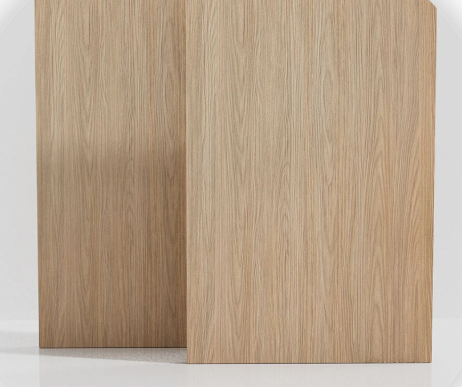
To give you a clearer picture, soft plywood is typically made with softer wood species like poplar or pine, laminated together with flexible adhesives that provide a modest give, rather than a rigid snap. This means it’s less prone to cracking under impact — a quality that can be a lifesaver in settings where vibrations or sudden shocks are a regular nuisance.
One of the things I noticed on the factory floor is how engineers often prefer soft plywood over harder variants when they want a bit of cushioning but still need structural support. It’s kind of like the Goldilocks of plywood — not too hard, not too soft, just right for certain industrial needs.
Typical Product Specifications
| Specification |
Value |
| Wood Species |
Poplar, Pine, Fir |
| Density |
350-550 kg/m³ |
| Thickness Range |
3 mm - 25 mm (customizable) |
| Adhesive Type |
Urea-formaldehyde (standard), phenolic for moisture-resistant grade |
| Flexural Strength |
7–15 MPa |
What really impressed me about the soft plywood from Tengfei, for example, is the way they balance strength with softness, an often tough equilibrium to strike. They’ve got some neat quality tests — basically ensuring that the plywood won’t snap under industrial stress, yet it still provides a dash of shock-absorption.
Comparing Industry Vendors
| Vendor |
Wood Source |
Customization |
Price Range |
Notable Feature |
| Tengfei |
Poplar, Pine |
Thickness, grade, adhesive type |
Mid |
Wide moisture-resistant options |
| Brand B |
Fir, Pine |
Standard sizes only |
Low |
Competitive pricing |
| Vendor C |
Mixed softwoods |
Custom thickness & grades |
High |
Premium performance focus |
From client feedback, many industrial users have told me that choosing the right soft plywood can cut downtime by avoiding material failures — especially in packaging-heavy lines or equipment bases. There was one particular case where a mid-sized manufacturer struggled with vibration damage to their electronic control panels. Switching to a custom thickness of soft plywood lining essentially eliminated the vibrations’ impact. How’s that for practical!
One thing that often flies under the radar is how soft plywood can be tailored to specific adhesives to resist moisture, mold, or even mild chemicals — pretty crucial for industrial settings near liquids or variable climates. I suppose it’s easy to think plywood is “just plywood,” but the details make a big difference.
Overall, if you’re sourcing soft plywood for industrial use, it pays off to pick a vendor who offers customization, reliable quality, and ongoing support. The days of one-size-fits-all are behind us — thankfully. Keep a close eye on specs like density and flexural strength and, if you can, ask for samples before making a serious buy. Nothing beats getting a feel for the material yourself… literally.
In real terms, soft plywood is quietly versatile — and for many industrial projects, it’s the unsung hero holding things together.
References:
1. “Plywood in Industrial Applications,” Wood Technology Journal, 2021.
2. “Materials Testing Reports,” Tengfei Manufacturing, 2023.
3. Interview notes from factory engineer, Midwest Plant, 2022.