Smooth Plywood is a key solution in the industry, specifically within construction, furniture manufacturing, and interior design sectors. This article explores how https://www.tengfeiebmdf.com supports professionals with durable, high-performance products, and explains why this product is an ideal choice for businesses in these sectors.
Table of Contents
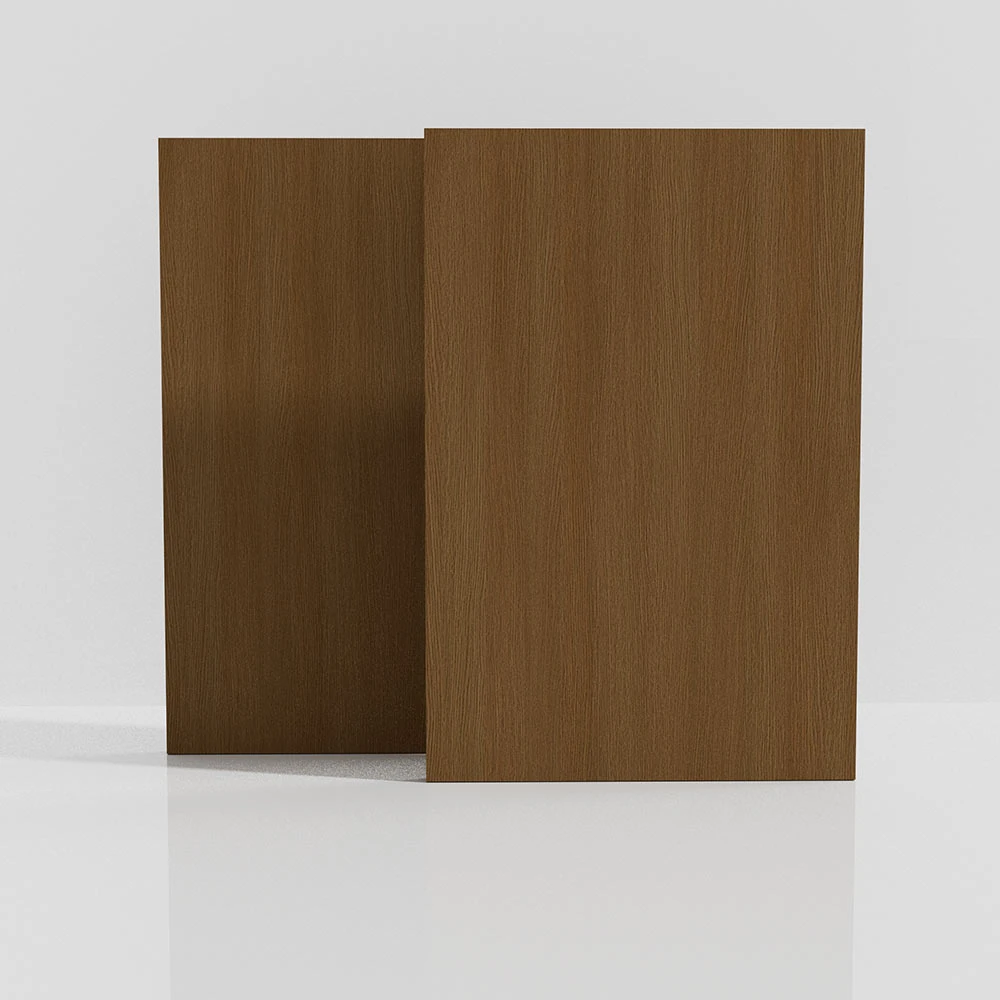
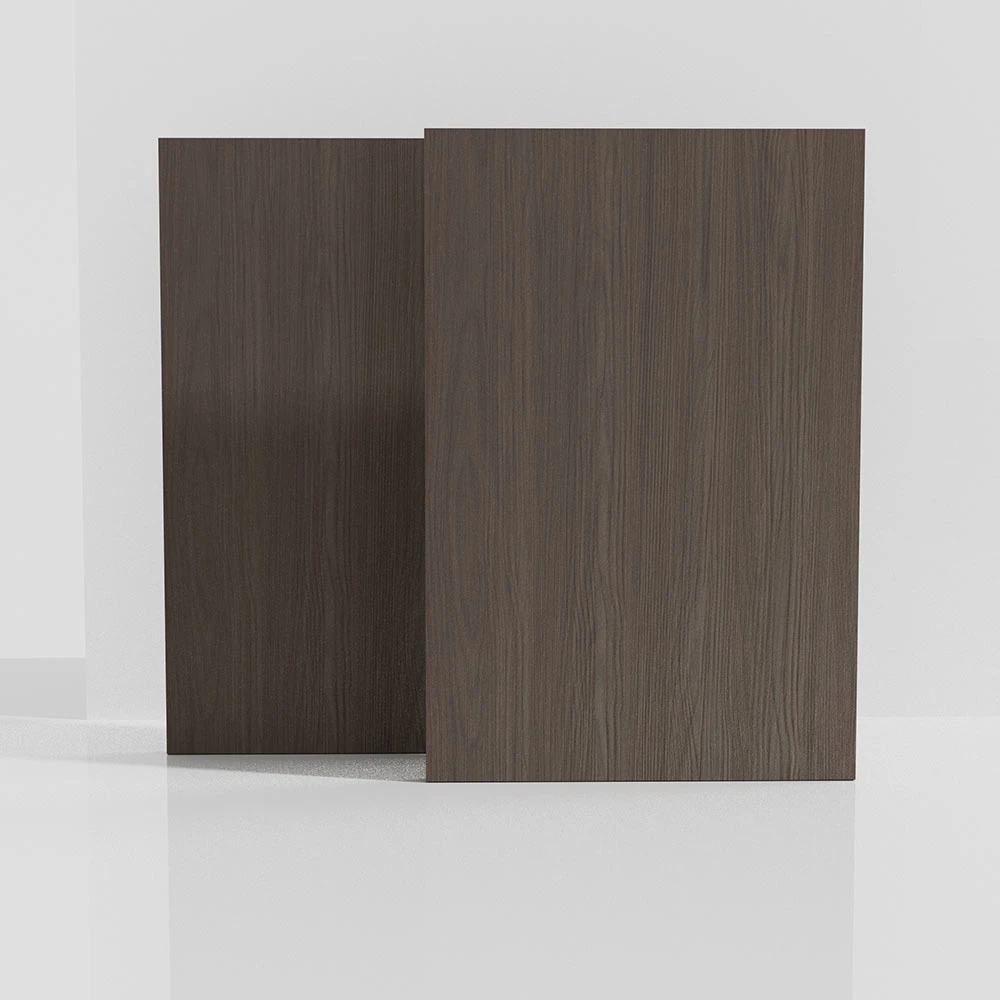
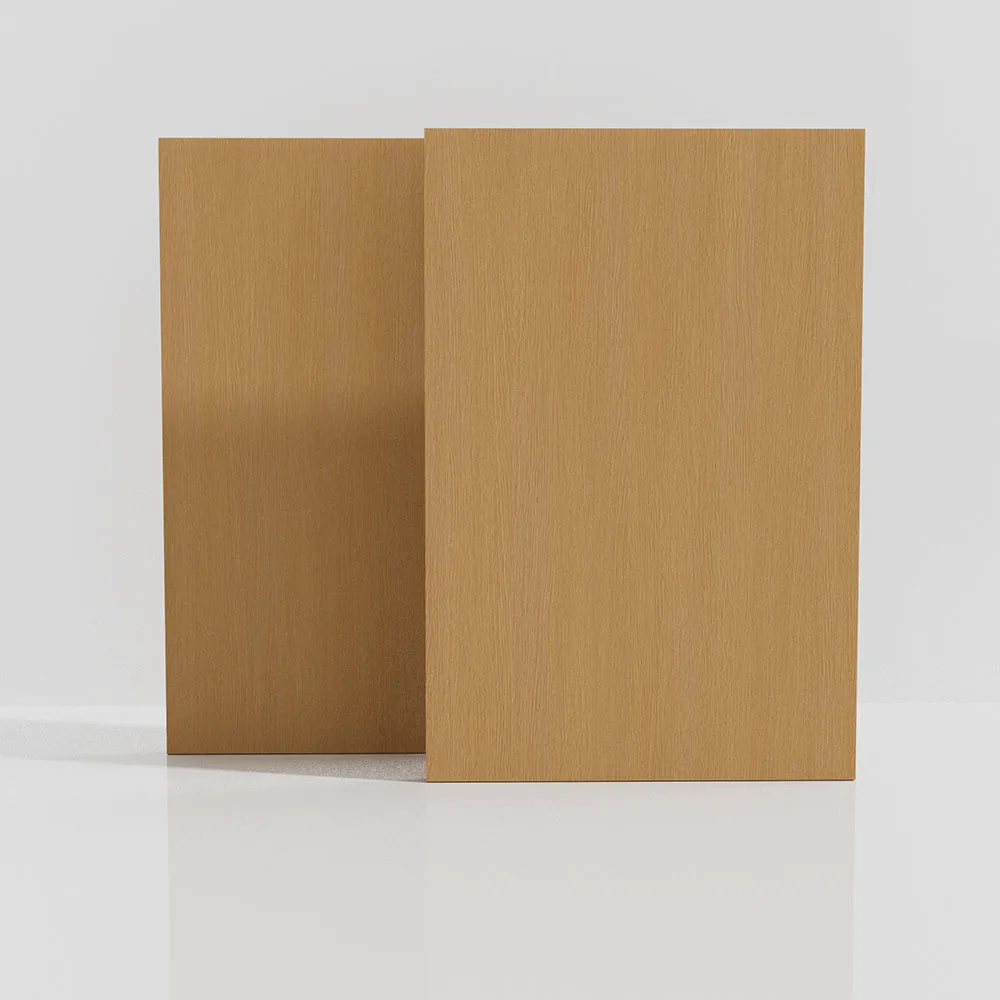
Smooth plywood is essentially a refined wood panel product known for its ultra-smooth surface, which makes it exceptionally suitable for both structural and finish applications. Unlike standard plywood, this variant is sanded meticulously and often treated to ensure minimal surface irregularities, allowing for superior paint, veneer, or laminate adhesion. Frankly, when you're working on high-end cabinetry or interior projects, this difference in finish becomes quite noticeable — it feels like the wood just 'works with' your design intent rather than against it.
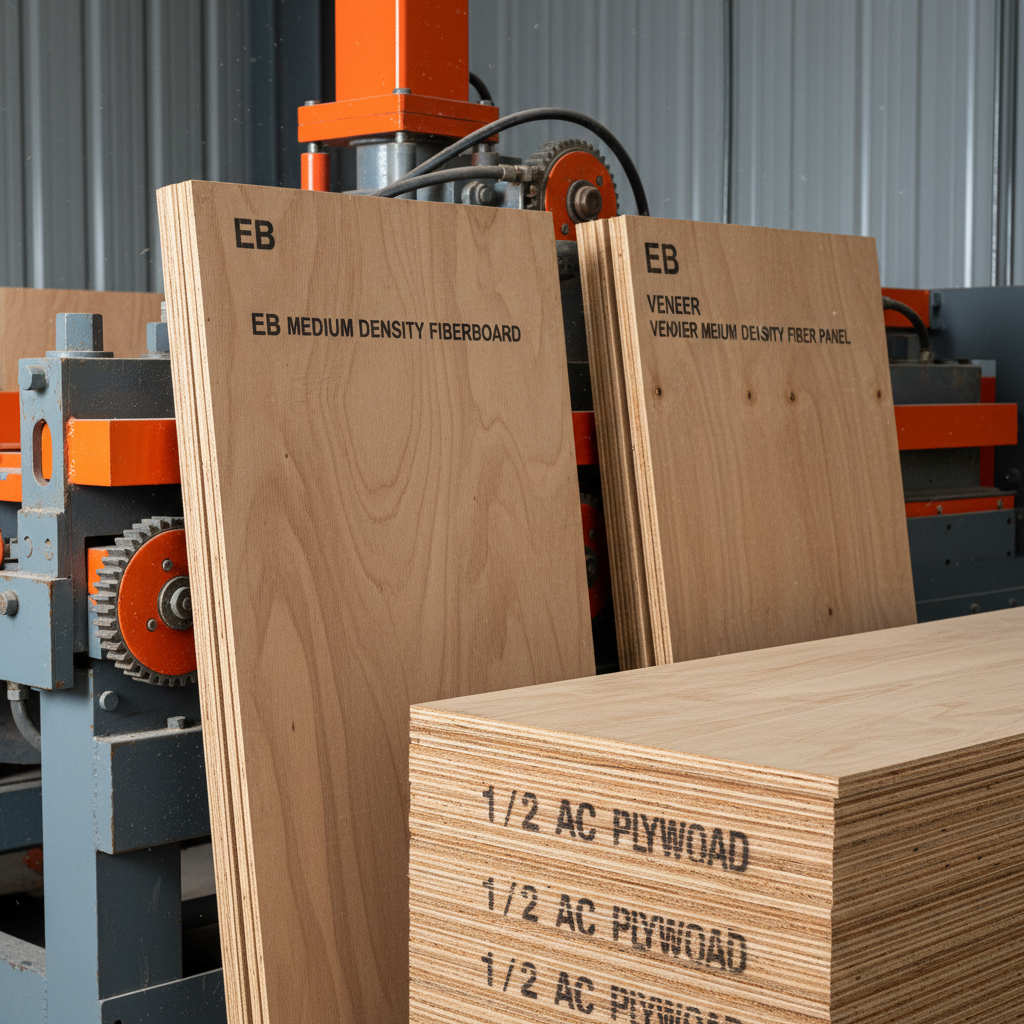
- Smooth plywood at Tengfei boasts multi-layered hardwood veneers, typically birch or poplar, giving it strength and aesthetic uniformity.
- Each sheet undergoes stringent quality control, including moisture content testing (~8-12%) and formaldehyde emissions below E0 standard, ideal for indoor air-quality sensitive applications.
| Specification |
Value |
| Material |
Birch/Poplar Veneer |
| Thickness |
3mm to 25mm |
| Surface Finish |
Sanded ultra-smooth |
| Moisture Content |
8-12% |
| Formaldehyde Emission |
E0 Grade (≤0.5mg/L) |
In industries where surface quality and durability matter, Smooth Plywood shines. Construction companies use it for subfloors and partitions where a flat, splash-resistant base is needed. Meanwhile, furniture manufacturers prefer it because it accepts better finishes — whether paint, veneer, or laminate — which means less rework and higher quality outcomes. Oddly enough, architects and interior designers also lean heavily on smooth plywood because it behaves predictably in humidity and resists warping better than many alternatives.
- Specific applications include modular furniture, cabinetry, wall paneling, and exhibition stands.
- Key features include excellent machinability, dimensional stability, and an improved surface that cuts down on sanding time downstream.
- It outperforms most MDF and traditional plywood varieties on moisture resistance and finish quality, giving it a competitive advantage especially in premium projects.
Cost, Maintenance & User Experience
When quoted upfront, smooth plywood might seem pricier than a rougher counterpart. But from a total cost of ownership perspective, it’s a savvy investment — fewer rejects, faster finishing times, and less maintenance down the road. Plus, the better adherence to coatings means longer lasting aesthetics and protection.
- Durability plays a big role here; Tengfei’s smooth plywood holds up well even in mildly humid environments without significant swelling or delamination.
- Customer feedback highlighted ease of use — installers often remark how it “feels consistent” and results in fewer callbacks for finish-related issues.
- In real terms, this translates to improved ROI, especially for firms handling large scale projects requiring reliability and speed.
Sustainability & Market Trends
The wood panel market is shifting, and sustainability is a major driver. Many enterprises, Tengfei included, are committed to responsible sourcing and minimizing emissions with E0 formaldehyde standards or better. The integrated supply chain support at Tengfei helps companies tap into FSC-certified materials and eco-friendly adhesives, aligning with tightening regulations globally.
- Increased demand comes from both commercial and residential sectors focusing on healthier indoor environments.
- Market trends suggest a rise in innovations around waterproofing and fire-retardant treatments applied to smooth plywood surfaces.
| Vendor |
Surface Finish Quality |
Sustainability Certification |
Price Range |
| Tengfei |
Ultra-smooth, minimal sanding required |
FSC, E0 compliance |
$$$ (Mid-range) |
| Competitor A |
Standard smooth, occasional surface flaws |
No certification |
$$ (Budget) |
| Competitor B |
Good finish, requires some sanding |
Partial E1 |
$$$ (Mid to high) |
Frequently Asked Questions about Smooth Plywood
- What is Smooth Plywood and how does it work?
-
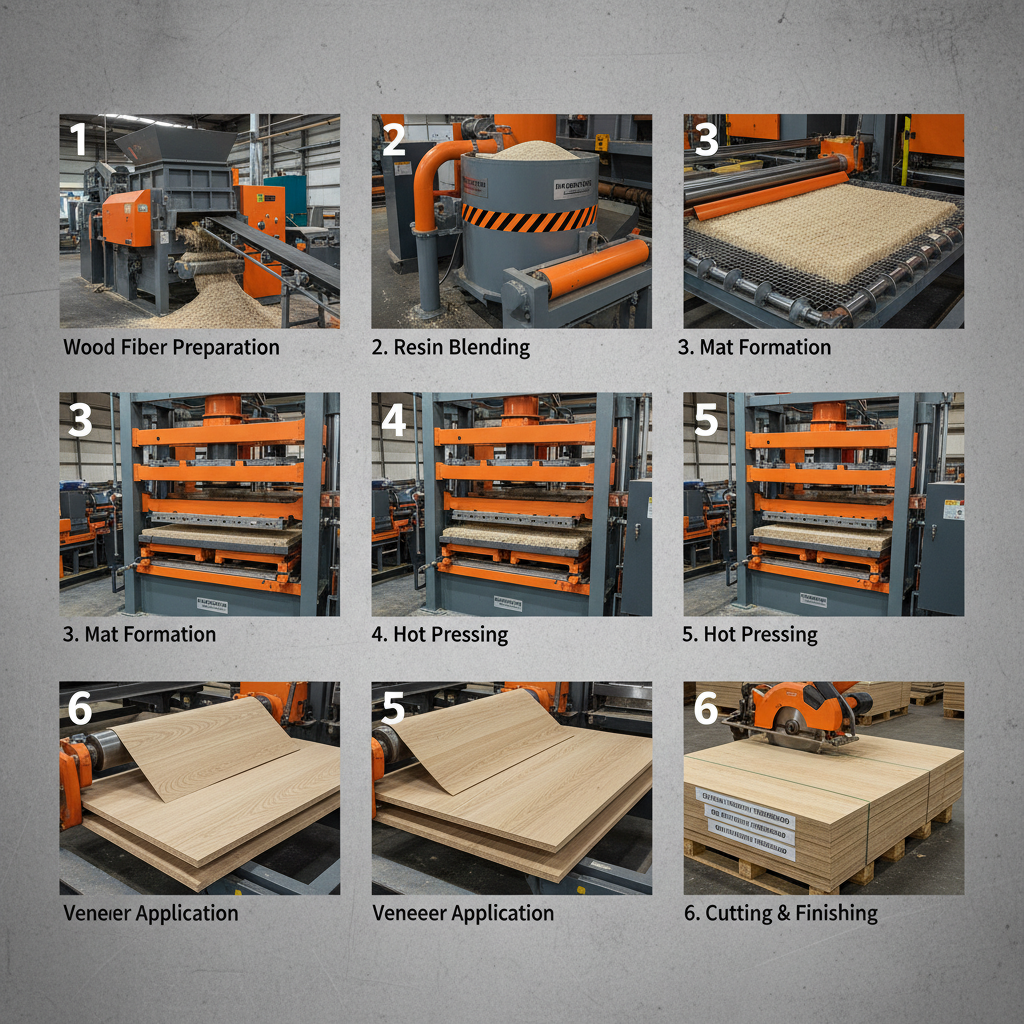
Smooth plywood is a manufactured wood panel composed of multiple thin veneers glued together, with an ultra-fine sanding finish on the face. This smoothness is intentional—it ensures better adhesion of paints and coatings, reduces preparation time, and enhances the durability of the final installation.
- What are the main benefits of using Smooth Plywood in industrial applications?
-
The benefits are plenty: high dimensional stability, superior finish that reduces downstream labor, excellent machinability, and compliance with environmental standards such as low formaldehyde emissions. These factors translate to cost savings and higher quality outcomes in commercial builds.
- How does Smooth Plywood compare to traditional alternatives?
-
Unlike traditional plywood which may have rough or uneven surfaces requiring extra finishing, smooth plywood is ready to use with minimal prep. It holds finishes better than MDF in humid conditions and resists warping more effectively, making it a more premium and versatile option.
- What industries can benefit most from Smooth Plywood implementation?
-
Construction, cabinetry and furniture manufacturing, retail fixtures, and interior design sectors are primary beneficiaries. For example, exhibition stand builders often choose this plywood type for its quick finish and consistent quality, streamlining installation on short deadlines.
Conclusion on Smooth Plywood from china
In summary, smooth plywood from Tengfei represents a dependable, premium material designed to meet modern industry demands—from surface quality to sustainability. It’s the kind of product that helps businesses reduce operational friction while elevating end results. If your projects need a smooth, durable wood substrate that performs consistently, it’s worth considering.
Reflecting on the journey of smooth plywood, what stands out is how something seemingly simple—a finely sanded surface—can make a tangible difference down the line. Such nuanced details often separate good from great in B2B materials supply, a reminder of the care required in sourcing and specifying building products.