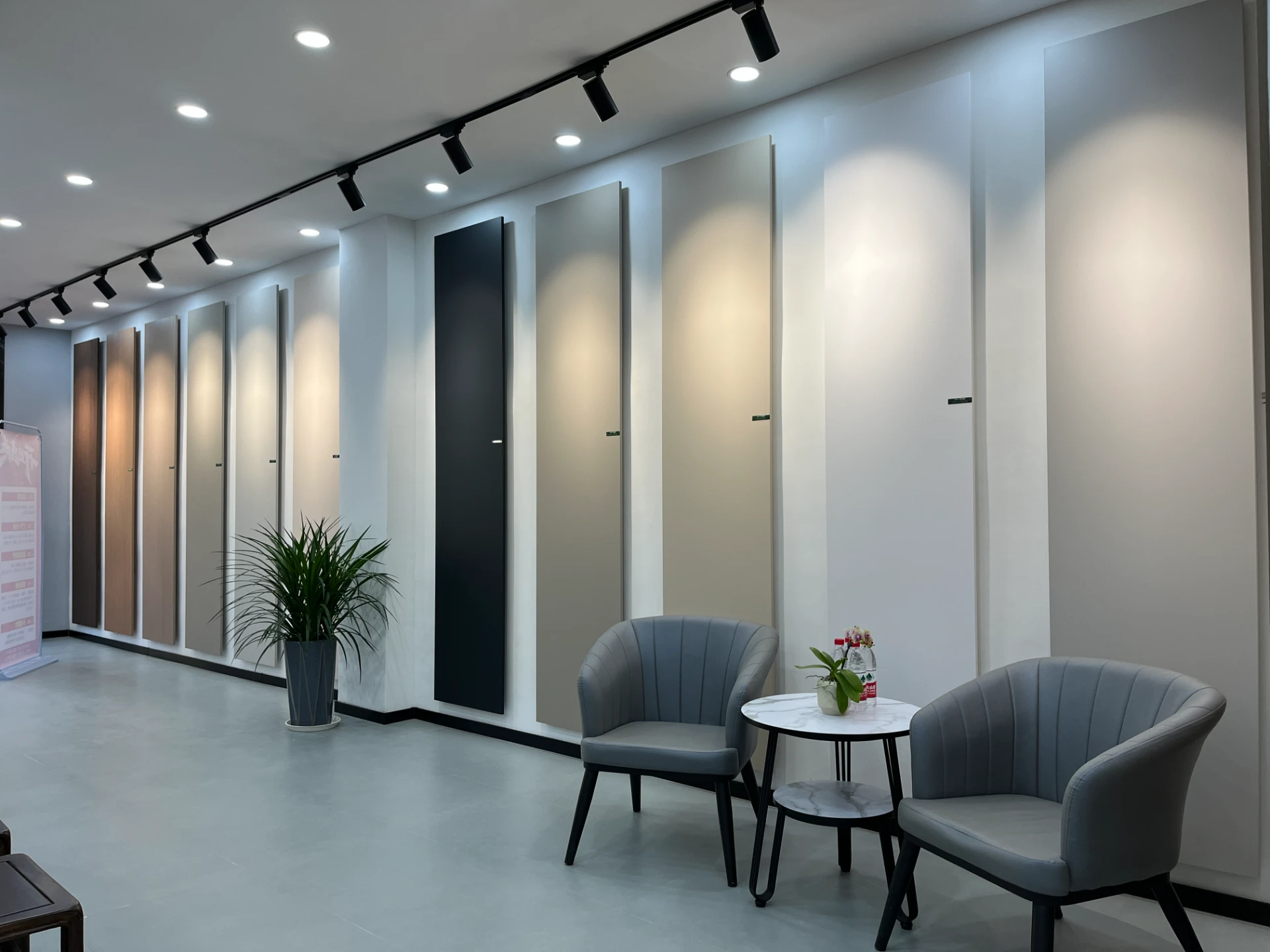
White Birch Plywood: A Global Perspective on a Versatile Material
When you hear white birch plywood, you might picture simple wooden panels or some kind of construction lumber. But, frankly, this material holds a more nuanced place in global industry and sustainable development than most realize. It’s worth unpacking why white birch plywood matters—not only as a building product but also as a contributor to economic, environmental, and humanitarian solutions worldwide.
Introduction: The Global Relevance of White Birch Plywood
Wood products currently contribute to over 8% of global manufacturing output (World Bank, 2022). Among these, white birch plywood stands out due to its remarkable strength, workability, and renewable sourcing. Produced primarily from the white birch tree native to North America and parts of Europe, its production connects sustainable forestry and modern manufacturing. However, challenges remain in scaling eco-friendly wood supply while meeting construction and industrial demands, particularly in post-disaster or rapidly urbanizing regions.
In response, white birch plywood offers a balance of durability and sustainability, fueling its increasing adoption across multiple sectors worldwide—from cabinetry to temporary housing.
What is White Birch Plywood? A Simple Definition
In essence, white birch plywood is a type of engineered wood made by bonding together thin layers (veneers) of white birch wood under heat and pressure. Unlike particle board or MDF, which incorporate wood fibers and resins, this plywood preserves the natural wood grain, lending superior mechanical properties and a pleasing aesthetic.
Modern industries cherish it for modular construction, furniture making, and even specialty packaging, while humanitarian organizations favor it for rapid shelter solutions. It represents a bridge between traditional craftsmanship and the urgency of today’s technological and social demands.
Core Components and Key Factors of White Birch Plywood
Durability and Strength
White birch plywood offers a tensile strength that surpasses many other hardwood plywoods thanks to the tight grain pattern and the cross-laminated veneer arrangement. This makes it ideal for load-bearing structures and multipurpose surfaces—oddly enough, even in moist conditions if treated properly.
Workability and Finish
The fine, consistent texture makes it a favorite for furniture makers who want smooth finishes without excessive sanding. It responds well to staining and laminates, too, providing designers a broad palette of finishes.
Sustainability and Environmental Impact
Since white birch grows relatively fast compared to certain hardwoods, and the plywood production uses veneers efficiently, it’s often considered a more sustainable choice. Certified sustainably harvested birch forests, under standards like FSC and PEFC, help mitigate deforestation risks.
Cost Efficiency
While sometimes pricier than softwood plywood, the long service life and versatility clarify its value proposition, especially when factoring lower maintenance and replacement costs.
Resistance to Warping and Cracking
Thanks to the cross-grain veneer structure, white birch plywood tends to resist twisting or cracking better than comparable solid wood panels—vital in climates with varied humidity levels.
Mini Takeaway: White birch plywood blends strength, aesthetics, sustainability, and cost-effectiveness, making it a remarkable material in the green building and manufacturing world.
Product Specifications of White Birch Plywood
| Specification |
Typical Range |
Unit |
| Thickness |
3 - 25 |
mm |
| Density |
600 - 700 |
kg/m³ |
| Moisture Content |
8 - 12 |
% |
| Modulus of Elasticity |
9000 - 11000 |
MPa |
| Shear Strength |
12 - 17 |
MPa |
Global Applications & Use Cases
It’s fascinating how white birch plywood transcends geography and industry. In North America and Europe, it’s standard fare for cabinetry, architectural millwork, and high-end furniture. But less obvious is its role in emergency construction worldwide—think temporary hospitals and refugee shelters built with its panels in under a week.
For example, NGOs operating in post-disaster zones in Southeast Asia have increasingly relied on white birch plywood due to its transport-friendly weight and quick assembly features. In the industrial sphere, certain automotive manufacturers use birch plywood as interior substrates for lightweight panels, valuing their dimensional stability.
Furthermore, remote and cold regions like Scandinavia prize this plywood for house building because it performs well under freeze-thaw cycles, unlike less robust alternatives.
Vendor Comparison: Leading White Birch Plywood Suppliers
| Vendor |
Sourcing Regions |
Certifications |
Price Range (USD/m²) |
Tengfei Wood
www.tengfeiebmdf.com |
Russia, Canada |
FSC, ISO 9001 |
25 - 40 |
| NordBirch Co. |
Finland, Sweden |
PEFC, ISO 14001 |
30 - 45 |
| GlobalWood LLC |
US, Eastern Europe |
FSC, CARB Phase 2 |
22 - 38 |
Advantages & Long-Term Value of White Birch Plywood
The tangible benefits of white birch plywood are multifold:
- Cost-effective longevity: It doesn't just cost less initially but wears well under use, meaning fewer replacement costs.
- Environmental impact: Sustainably sourced plywood supports forest stewardship, carbon sequestration, and green building certifications.
- Safety and dignity: In emergency shelter scenarios, its strength ensures reliable, safe accommodations rather than fragile tents.
- Innovation and trust: Composites integrating white birch plywood are being developed for smart, adaptive buildings, championing a future-forward mindset.
Emotionally, using a natural, renewable material brings a comforting, human touch to spaces often dominated by cold steel or plastic — a subtle factor that enhances wellbeing.
Emerging Trends and Innovations
The plywood industry is quietly evolving. New adhesives are reducing volatile organic compounds (VOCs), enhancing indoor air quality. Digital wood processing, including CNC machining optimized for white birch’s fine grain, is enabling intricate paneling and bespoke furniture at scale.
Sustainability efforts are accelerating: hybrid composites mixing birch with recycled fibers, or treatments imparting fire resistance without toxic chemicals, are current R&D focuses. Even policies encouraging circular economy approaches (recovering and reusing birch plywood) aim to minimize landfill waste.
Challenges & Growing Pains
Of course, nothing’s perfect. White birch plywood is prone to fungal attacks if improperly stored or exposed to unregulated moisture over time, causing delamination. Supply chain disruptions (like log shortages due to climate or political tensions) periodically impact availability and price. Then, there’s the issue of balancing surface aesthetics with protective finishes — too many chemicals strip away eco-credentials.
Experts recommend vigilant quality control, optimized logistics, and the latest eco-friendly treatments to tackle these hurdles. Frankly, the future depends on smart partnerships between manufacturers, regulators, and end-users.
FAQ: Frequently Asked Questions About White Birch Plywood
- Q: How does white birch plywood compare with hardwood plywood?
- A: White birch plywood generally offers better dimensional stability and a finer surface grain than many hardwood plywoods, making it ideal for visible woodwork and furniture. It often balances strength with lighter weight, but can be pricier than some hardwood alternatives.
- Q: Can white birch plywood be used outdoors?
- A: Untreated white birch plywood is not naturally weather resistant. However, when treated with waterproof sealants or combined with exterior-grade adhesives, it can be suitable for sheltered outdoor applications.
- Q: Is white birch plywood a sustainable choice?
- A: Yes, when sourced from responsibly managed forests certified by FSC or PEFC, it’s considered sustainable. The fast growth rate of birch and efficient veneer use enhance its environmental friendliness.
- Q: What industries use white birch plywood the most?
- A: Furniture manufacturers, cabinetry companies, construction (especially modular housing), and specialty packaging firms are the primary users, with increasing interest from emergency relief organizations.
- Q: How should I store white birch plywood to maintain quality?
- A: Store in a dry, well-ventilated area away from direct sunlight and moisture fluctuations. Maintain flat stacking to avoid warping and check for any signs of mold or damage regularly.
Conclusion: Why White Birch Plywood is a Material to Watch
In real terms, white birch plywood is a blend of beauty, utility, and responsibility. Its role in sustainable building practices, industrial innovation, and humanitarian projects cements its place as more than a commodity—it’s a catalyst for better living environments and eco-conscious manufacturing. If you want to explore quality options and certifications, do visit our website. Making informed, sustainable choices today is how we build a better tomorrow…
Mini takeaway: White birch plywood is subtle but significant — a vital material balancing performance and planetary care.
References:
1. World Bank, Wood Industry Sector Report, 2022.
2. FSC International, Sustainable Forestry Standards, 2023.
3. ISO, Standards for Plywood Manufacturing and Quality, 2021.