Add: No.8 Xinxing Street, North Zone, Zhengding High-tech Industrial Development Zone, Hebei, China
CONTACT US
+8615030171059


CONTACT US
+8615030171059
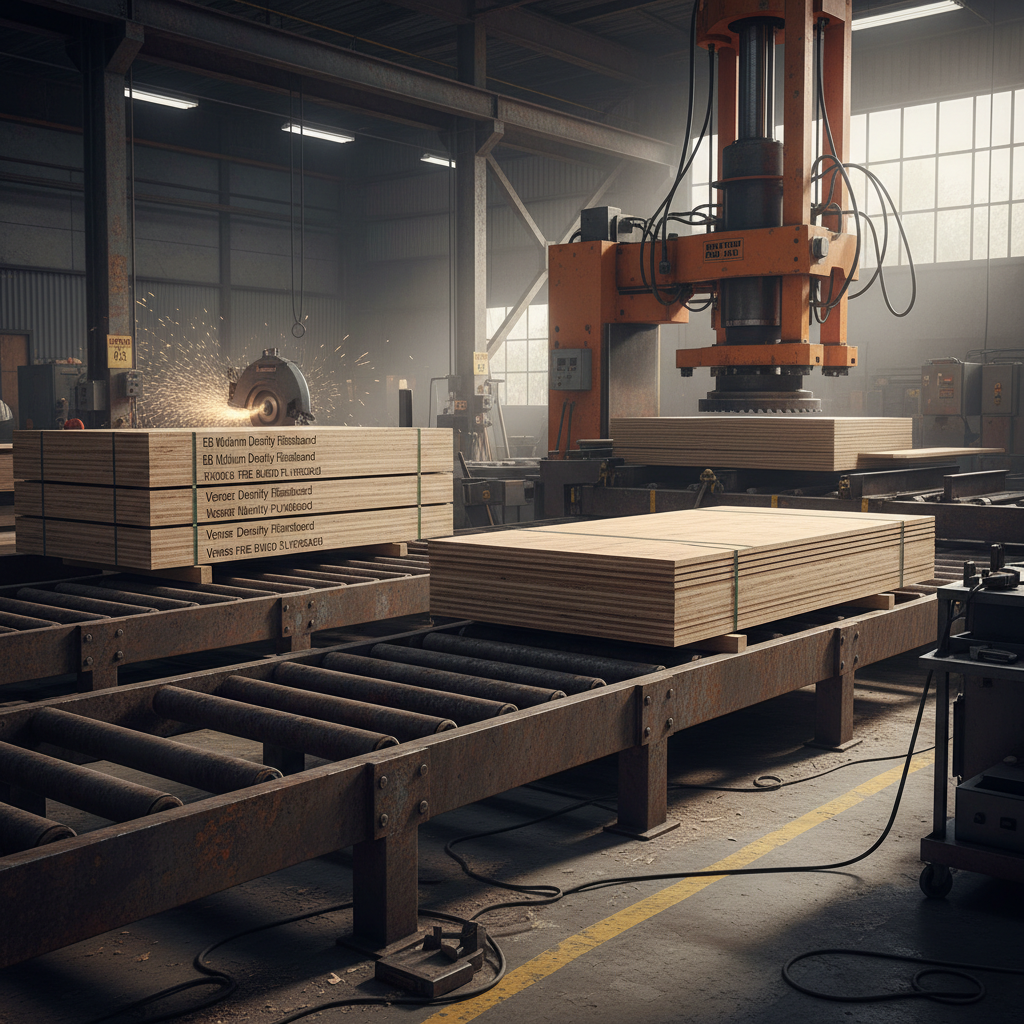
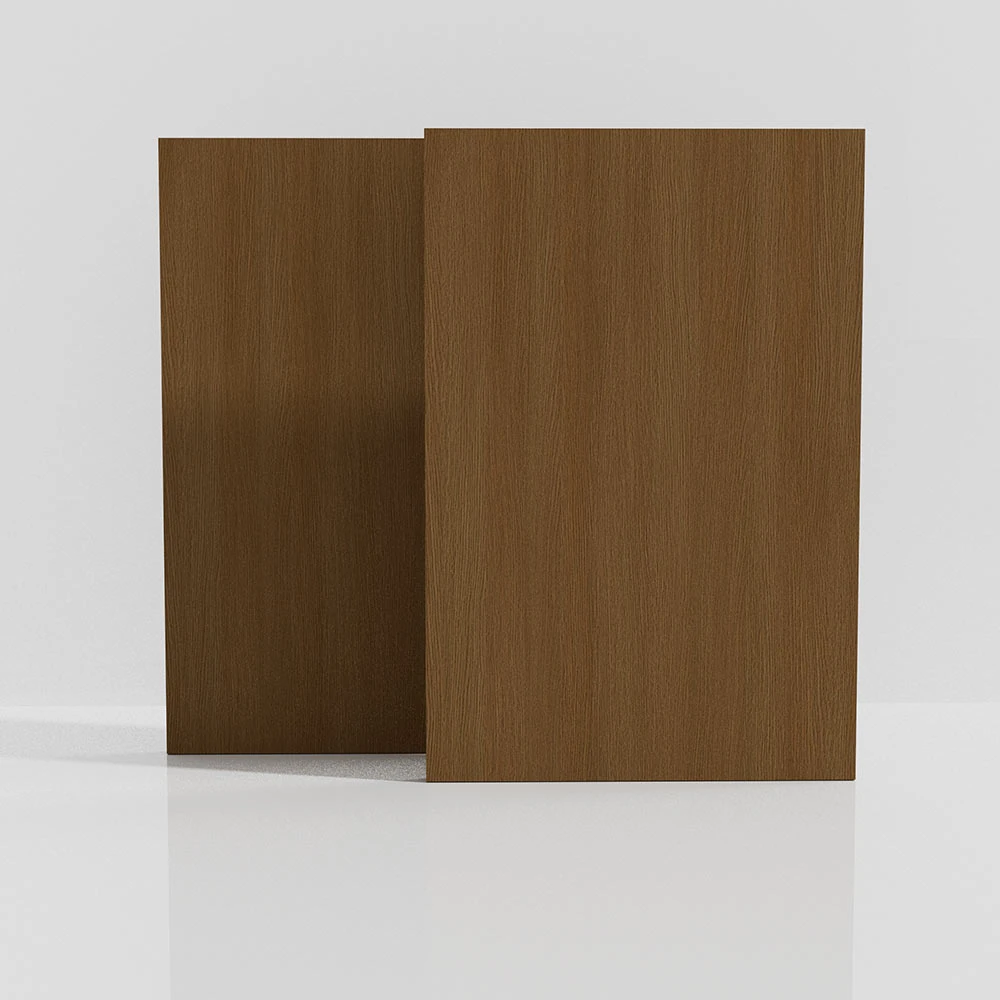
Whether you are a seasoned contractor or a weekend DIY enthusiast, understanding the nuances of material sizing is key to project success. A 1 2 sheet of plywood—essentially a half-sheet cut from a standard 4x8 panel—offers the perfect balance of manageability and surface area. Using smaller dimensions can significantly reduce waste, lower transportation costs, and make handling much easier in tight spaces. In this comprehensive guide, we will explore the best uses, specifications, and procurement tips for these versatile panels to ensure your next build is both efficient and professional.
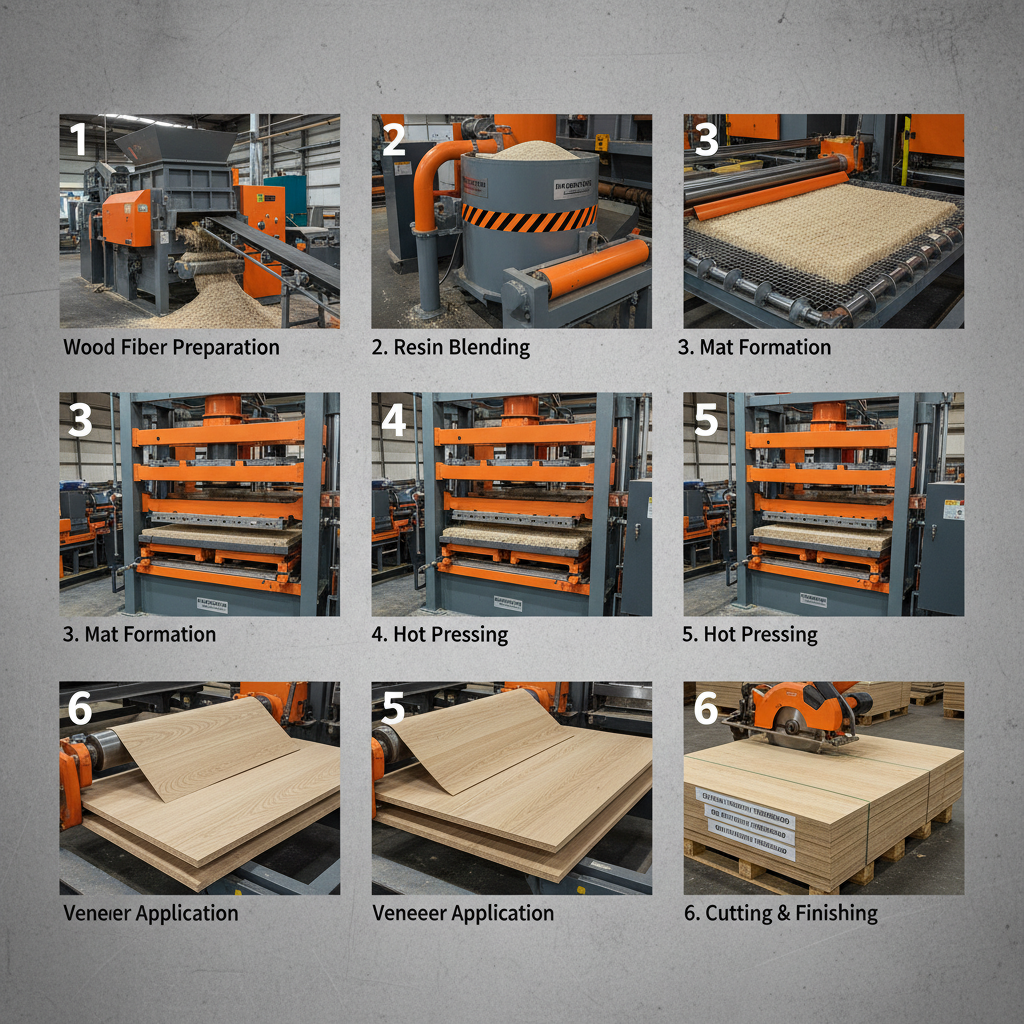
The decision to use a 1 2 sheet of plywood often comes down to logistics and precision. Standard full sheets are cumbersome and require significant storage space. By opting for half-sheets, you gain several advantages: easier transport in smaller vehicles, reduced physical strain during installation, and a lower entry price for small-scale projects. Moreover, for many cabinetry and shelving tasks, a 4x4 foot section is more than sufficient, eliminating the need to cut and discard large remnants of expensive hardwood plywood.
Pro Tip: When purchasing half-sheets, always check the grain direction. Ensuring the grain runs consistently across your 1 2 sheet of plywood is critical for both structural integrity and aesthetic appeal in finished furniture.
The versatility of the half-sheet makes it a staple in various industries. In interior design, it is frequently used for custom floating shelves, small tabletop surfaces, and cabinet backings. For construction, these sheets serve as excellent temporary bracing or small-scale formwork for concrete pouring. The reduced size allows for quicker adjustments on-site. Additionally, hobbyists prefer the 1 2 sheet of plywood for creating prototypes or templates before committing to full-scale production, saving both time and material costs.
Not all plywood is created equal. Depending on whether your project is structural or decorative, you will need to choose the correct grade. For a 1 2 sheet of plywood intended for high-end cabinetry, Grade A or B is essential. For subflooring or hidden supports, Grade C or D is more cost-effective. Understanding these differences ensures you don't overspend on materials that will be hidden behind paint or drywall.
When ordering materials from a professional supplier like Tengfei, it is important to specify the exact thickness and core type. A 1 2 sheet of plywood typically measures 4ft x 4ft, but thickness can range from 1/4 inch for craft projects to 3/4 inch for structural load-bearing needs. The core—whether it be softwood, hardwood, or MDF—will determine the panel's resistance to moisture and its overall strength.
To get the most out of your 1 2 sheet of plywood, the method of cutting is paramount. To avoid tear-out on the veneer, use a high-tooth-count finishing blade on a circular saw or table saw. Scoring the cut line with a utility knife beforehand can further ensure a clean edge. Once cut, sanding with progressively finer grits (80 to 220) will prepare the surface for paint or stain. Remember that since you are working with a smaller piece, you can use a handheld orbital sander more effectively than on a full sheet, leading to a more refined finish.
Optimizing your material usage is the hallmark of a professional builder. By integrating the 1 2 sheet of plywood into your workflow, you reduce waste, simplify transportation, and maintain high quality in smaller projects. Whether you are building custom furniture or structural supports, choosing the right grade and thickness from a reliable supplier ensures longevity and beauty. Start your next project with the right dimensions and experience the difference in efficiency.
In the industry, a "half sheet" generally refers to a standard 4x8 sheet cut in half, resulting in a 4ft x 4ft panel. However, depending on the supplier, some may offer "half sheets" as 2ft x 4ft (a quarter of a full sheet). It is always recommended to verify the exact dimensions with your supplier at Tengfei to ensure you are receiving the specific size required for your project blueprints.
Yes, but only if you choose the correct type of plywood. For outdoor use, you must use "Exterior Grade" or "Marine Grade" plywood. These are bonded with waterproof adhesives that prevent the layers from separating (delaminating) when exposed to moisture. Additionally, applying a high-quality sealant or exterior paint to all sides, including the edges, will significantly extend the lifespan of your project in damp environments.
To prevent your 1 2 sheet of plywood from bowing or warping, store it flat on a level surface. If you must store it vertically, lean it against a wall with a slight tilt, ensuring it is supported along its entire length. Avoid areas with extreme temperature fluctuations or high humidity, as these conditions cause the wood fibers to expand and contract, leading to permanent deformation of the panel.
The most secure way to join two panels is through a "butt joint" reinforced with wood glue and screws, or by using a "pocket hole" joinery system for a cleaner look. For structural applications, a "lap joint" or the use of a supporting cleat underneath the seam is recommended to distribute the load. Regardless of the method, ensure the edges are perfectly square to avoid gaps that could compromise the strength and appearance of the final build.
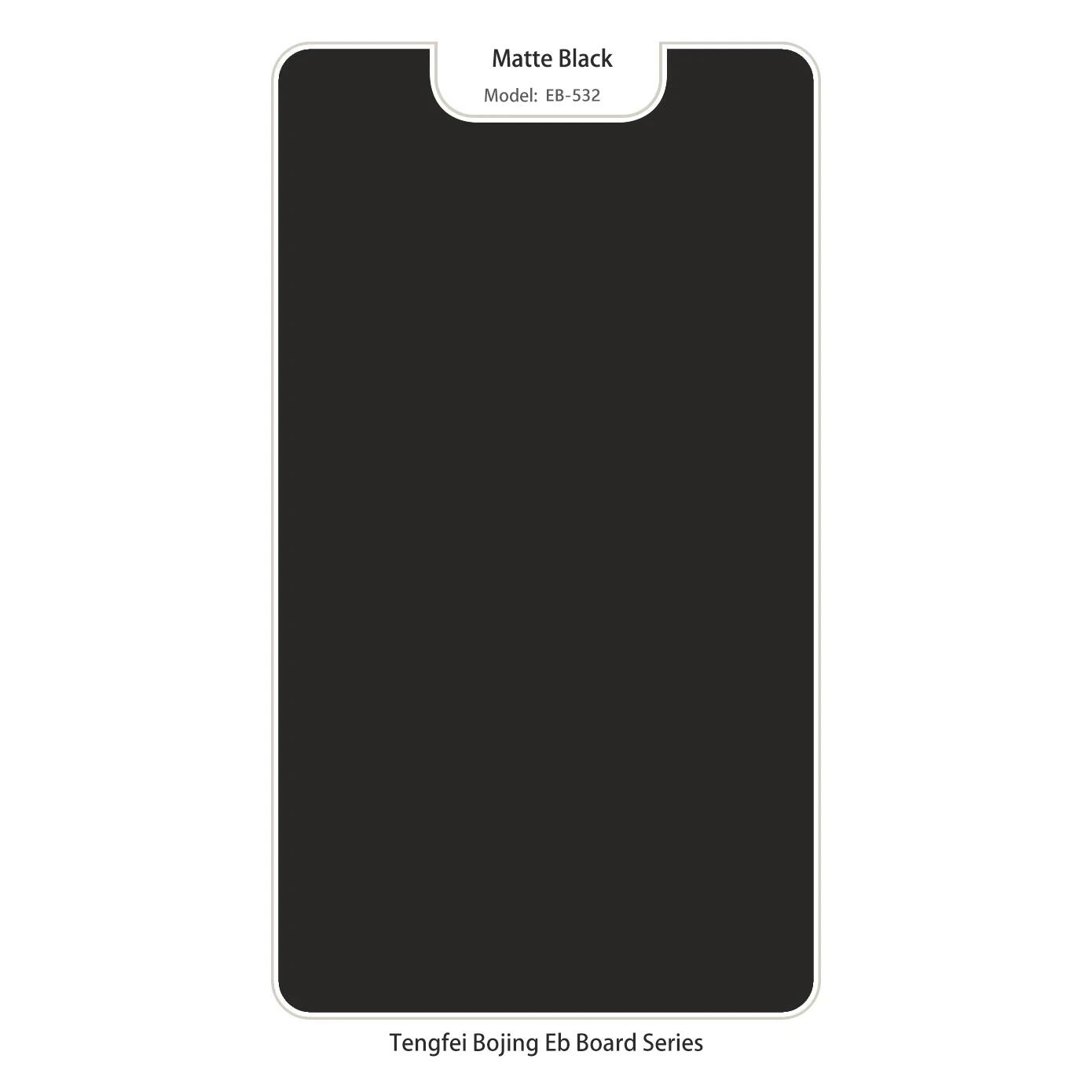
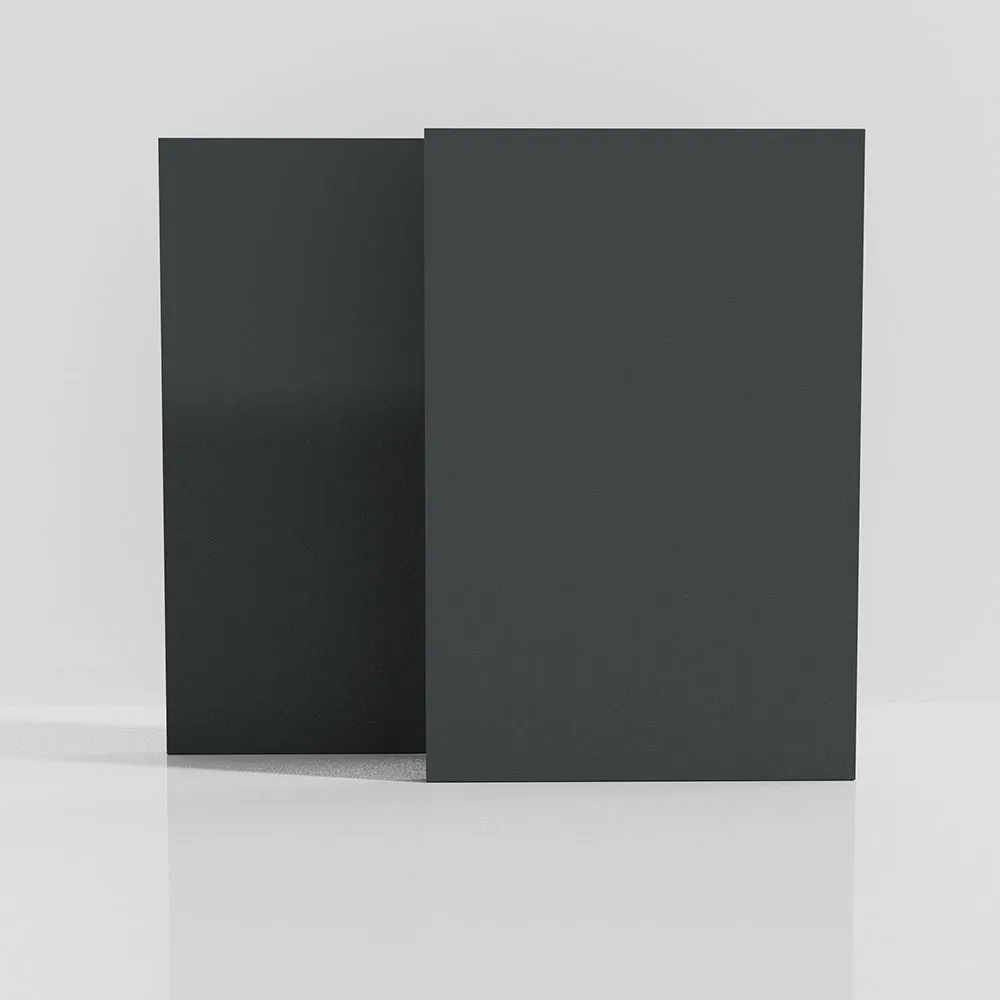
Tengfei Platinum EB Particle Panels - Matte Black
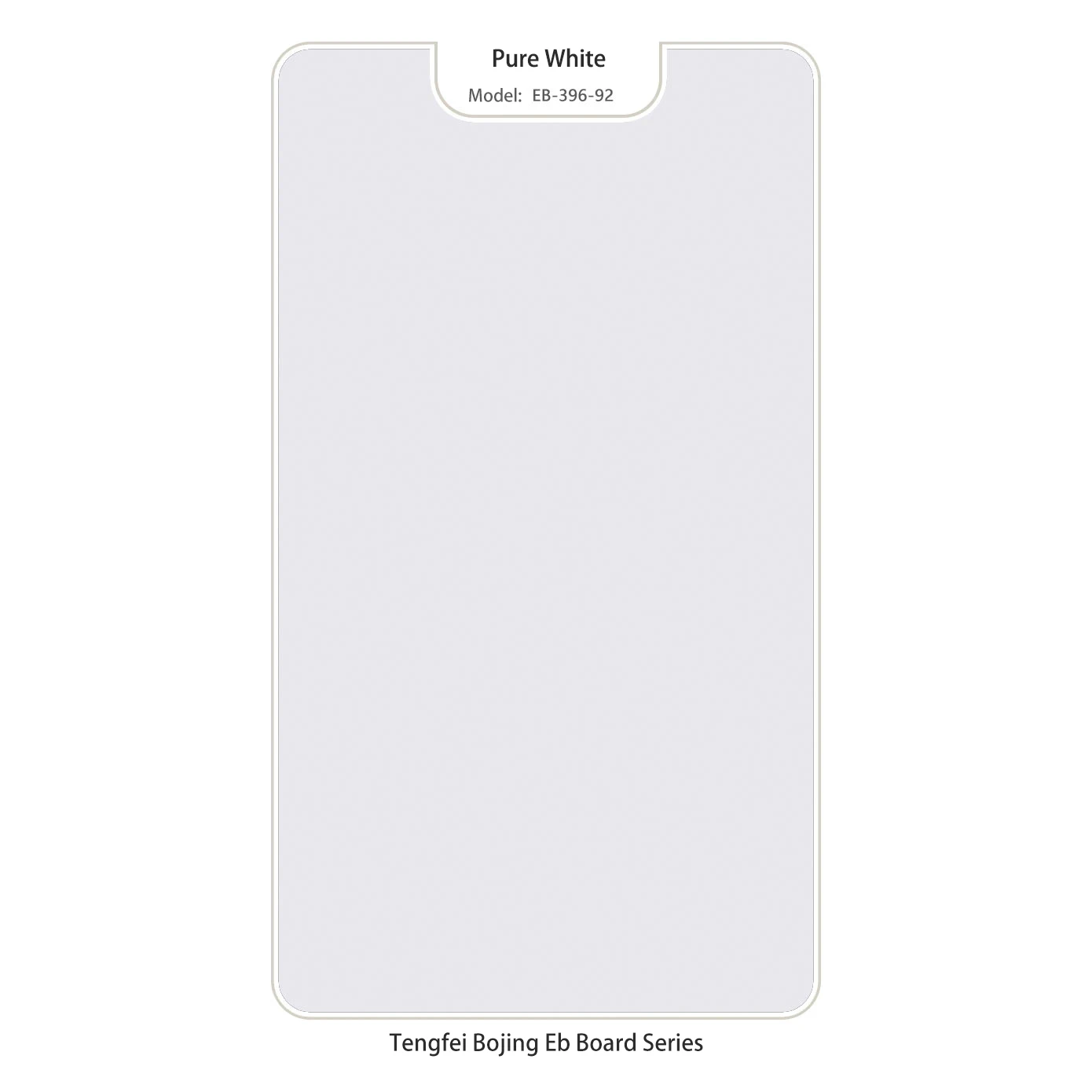
Tengfei Platinum EB Particle High-Gloss Panels - Pure white

To provide reliable solutions through quality products!