Add: No.8 Xinxing Street, North Zone, Zhengding High-tech Industrial Development Zone, Hebei, China

CONTACT US

+8615030171059
221231instagram-fill1251 search
Apr 04 2026
share:

Understanding 1 2 Pressure Treated Plywood: A Comprehensive Guide

Pressure treated plywood is a versatile material widely used in construction, outdoor projects, and various industrial applications. It’s engineered to resist decay, insects, and fungal growth, making it ideal for environments exposed to moisture and the elements. Understanding the different grades, applications, and proper handling of 1 2 pressure treated plywood is crucial for ensuring project longevity and safety. This article will explore the key aspects of this essential building material, providing insights for both professionals and DIY enthusiasts. Proper selection and use of pressure-treated plywood can significantly enhance the durability and lifespan of your projects.
Comprehensive Guide to Understanding 1 2 Pressure Treated Plywood Applications

What is Pressure Treated Plywood?

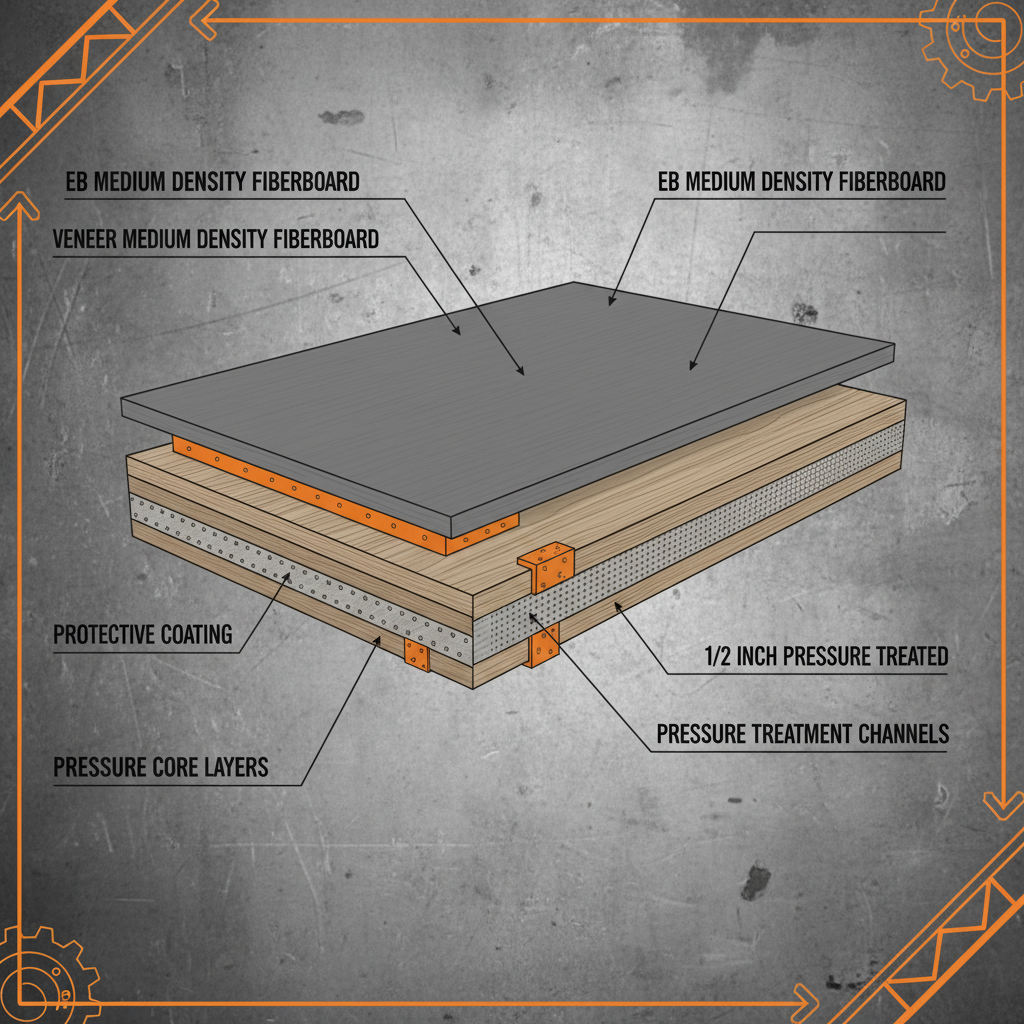
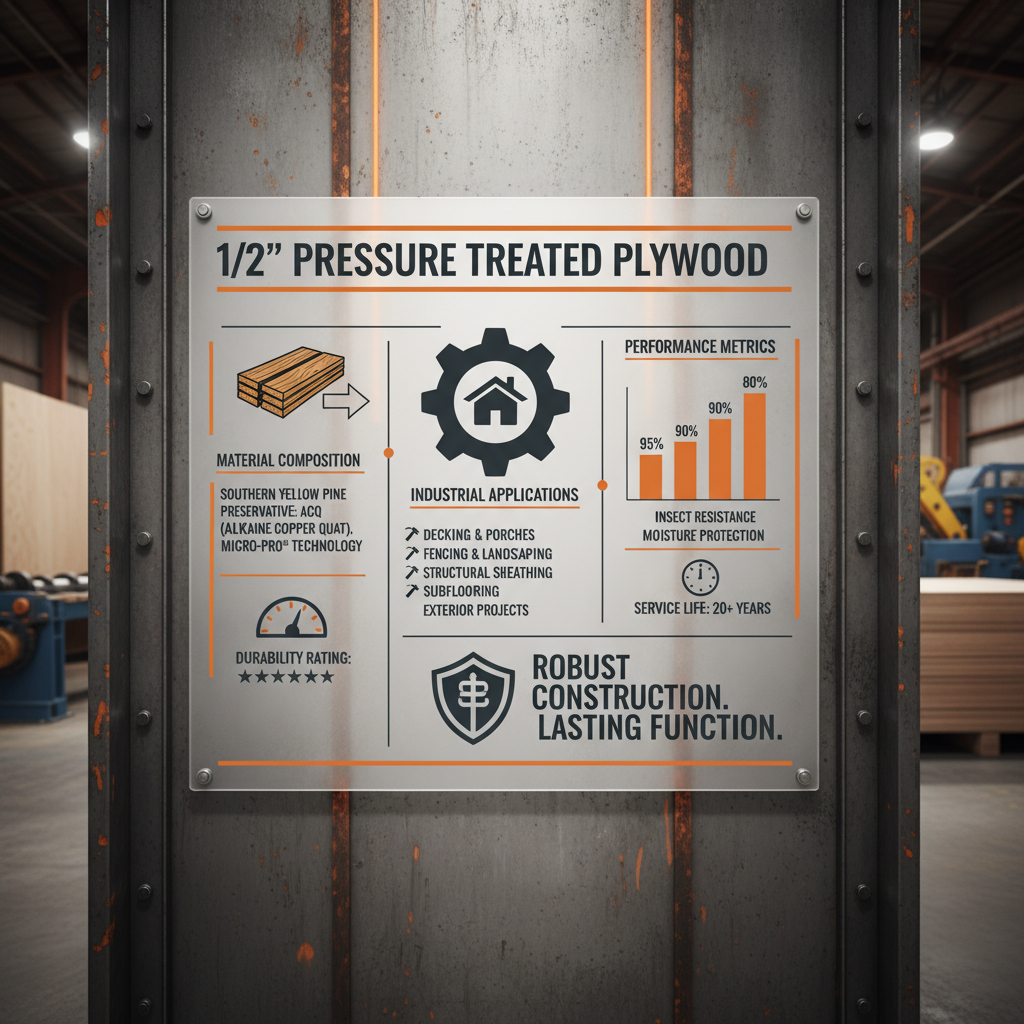
Pressure treated plywood is created by impregnating layers of wood veneer with chemical preservatives. This process forces the preservatives deep into the wood fibers, protecting it from rot, decay, and insect infestation. The most common preservative used is Alkaline Copper Quaternary (ACQ), a safer alternative to older preservatives like Chromated Copper Arsenate (CCA). The pressure treatment process vastly extends the plywood’s service life, making it suitable for outdoor applications where untreated wood would quickly deteriorate. The result is a robust and reliable material capable of withstanding harsh conditions.

Key Takeaway: Pressure treatment drastically enhances plywood's resistance to decay, insects, and fungal growth, making it ideal for outdoor use.

Common Grades of 1 2 Pressure Treated Plywood

Different grades of 1 2 pressure treated plywood cater to diverse project needs. The grade refers to the quality of the veneer face and core. Common grades include A, B, C, and D, with A being the highest quality (smooth, free of defects) and D being the lowest. For visible applications, such as siding or decorative elements, A or B grade plywood is preferred. For structural applications where appearance isn’t critical, C or D grade plywood can be used. The specific application and budget will determine the most appropriate grade. Tengfei EBMDF offers a wide range of grades to meet specific requirements.

Plywood Grade Breakdown:

• A Grade: Highest quality, smooth surface, minimal defects.

• B Grade: Good quality, may have some minor imperfections.

• C Grade: Acceptable quality, may have knots or imperfections.

• D Grade: Lowest quality, significant imperfections, suitable for structural use only.

1 2 Pressure Treated Plywood: Common Applications

1 2 pressure treated plywood is incredibly versatile and is used in a wide array of applications. These include: exterior siding, roofing underlayment, decking, fencing, outdoor furniture, boat building, and concrete formwork. Its resistance to moisture and decay makes it a preferred choice for any project exposed to the elements. The “1 2” refers to the nominal thickness of the plywood - approximately ½ inch. The choice of plywood grade, alongside proper fasteners and sealing, will dictate the longevity of the completed project.

Application Recommended Grade Considerations
Decking B or C Use corrosion-resistant fasteners. Apply a deck sealant.
Fencing C or D Ensure proper post spacing and anchoring.
Siding A or B Properly prime and paint for extended protection.
Concrete Formwork C or D Expect limited reusability.

Proper Handling and Safety Considerations

When working with pressure treated plywood, certain safety precautions should be observed. Always wear appropriate personal protective equipment (PPE), including gloves, safety glasses, and a dust mask, as the wood can contain residual preservatives. Cut the plywood in a well-ventilated area, and dispose of sawdust properly. Use corrosion-resistant fasteners, such as stainless steel or hot-dipped galvanized nails and screws, to prevent staining and ensure long-term structural integrity. Avoid direct contact with skin and eyes, and wash thoroughly after handling.
Comprehensive Guide to Understanding 1 2 Pressure Treated Plywood Applications

Choosing the Right Supplier: Tengfei EBMDF

Selecting a reliable supplier is crucial for ensuring the quality and consistency of your 1 2 pressure treated plywood. Tengfei EBMDF is a leading provider of high-quality plywood products, offering a wide range of grades and sizes to meet your specific needs. We prioritize sustainable forestry practices and adhere to strict quality control standards. Contact us today to discuss your project requirements and receive a competitive quote.

Conclusion: Investing in Quality Pressure Treated Plywood

Choosing the right pressure treated plywood is a key investment in the longevity and safety of your projects. Understanding the different grades, applications, and safety considerations is vital for achieving optimal results. Tengfei EBMDF is your trusted partner for high-quality plywood solutions.

Frequently Asked Questions (FAQs)

What is the difference between ACQ and CCA treated plywood?

CCA (Chromated Copper Arsenate) was a widely used preservative but has been phased out due to environmental and health concerns regarding arsenic. ACQ (Alkaline Copper Quaternary) is a newer, more environmentally friendly alternative. While ACQ is less toxic, it is still essential to follow safety precautions when handling pressure-treated wood. ACQ is now the standard for most residential and commercial applications.

Can pressure treated plywood be painted or stained?

Yes, pressure treated plywood can be painted or stained, but it’s important to use products specifically designed for treated wood. Allow the wood to dry thoroughly before applying any coating. Using an oil-based primer is recommended to seal the wood and prevent the preservatives from affecting the finish. Water-based paints and stains are also suitable, but ensure they are labeled for use on treated wood.

How long will pressure treated plywood last?

The lifespan of pressure treated plywood depends on the level of exposure to the elements, the grade of plywood, and proper maintenance. Generally, it can last 10-20 years or even longer with proper care. Regularly inspect the wood for signs of decay or damage and reapply sealant or paint as needed. Avoid direct contact with the ground, as this can accelerate decay.

Is pressure treated plywood safe for garden beds?

While pressure treated plywood is commonly used for garden beds, it's crucial to use wood treated with ACQ, not CCA. Line the garden bed with a plastic barrier to minimize contact between the soil and the treated wood. Consider using untreated wood or other materials for the bottom layer if you are concerned about potential leaching of preservatives into the soil.
Product Category
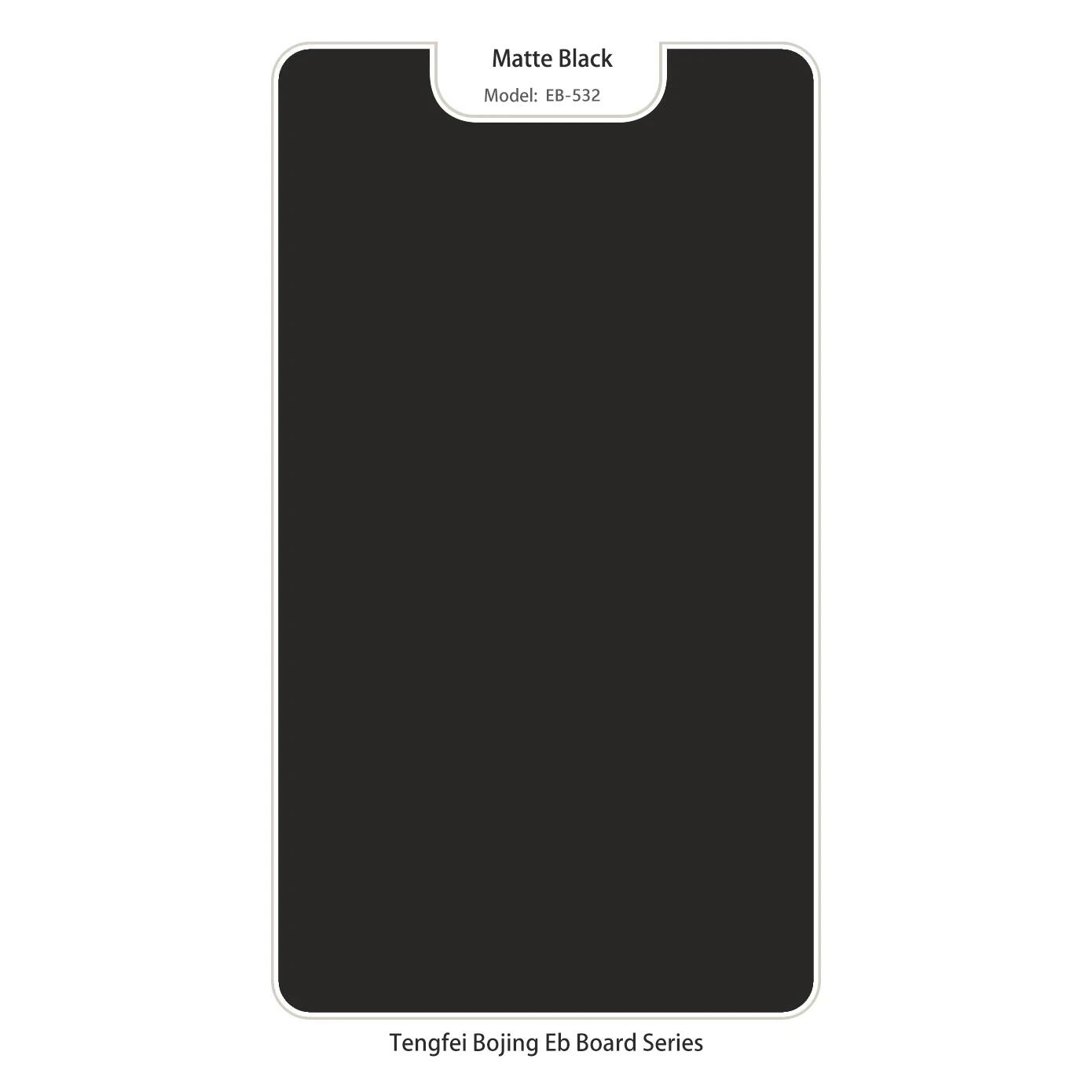
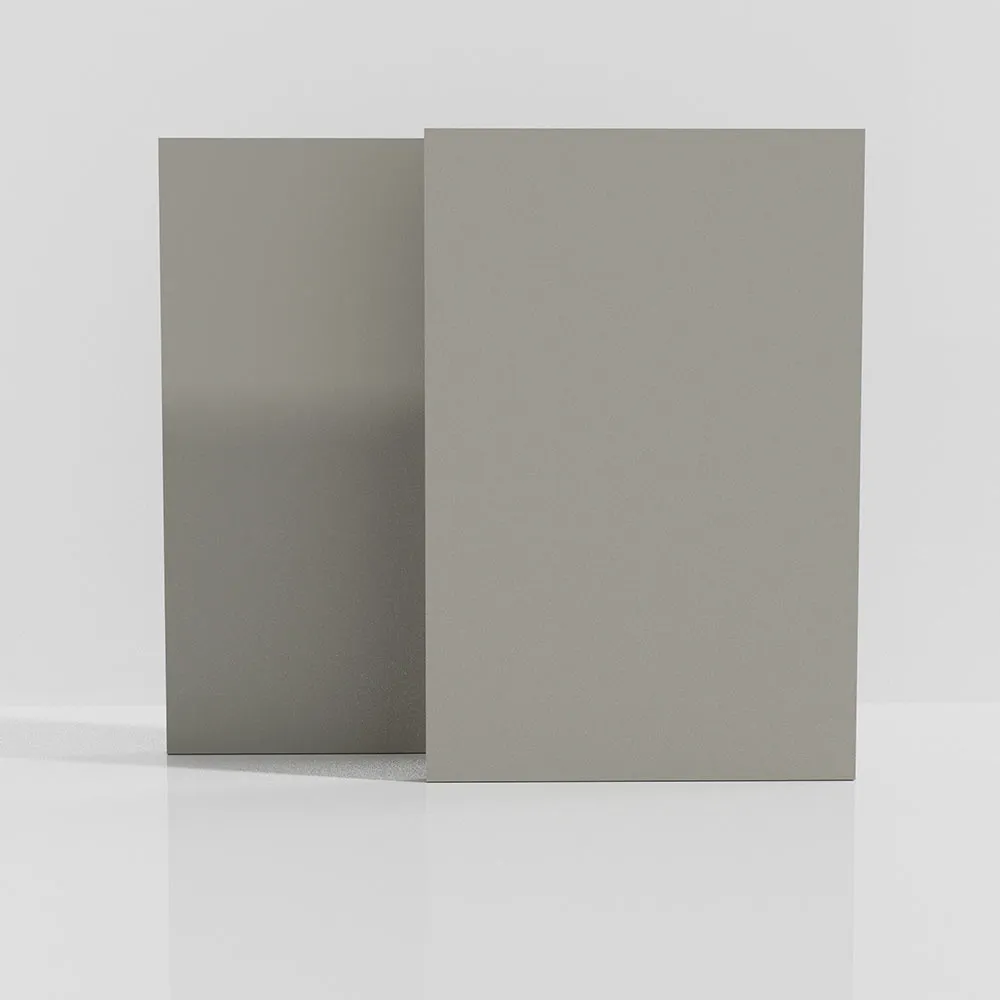
  •  Tengfei Platinum EB Particle Panels - Matte Black
     Tengfei Platinum EB Particle Panels - Matte Black

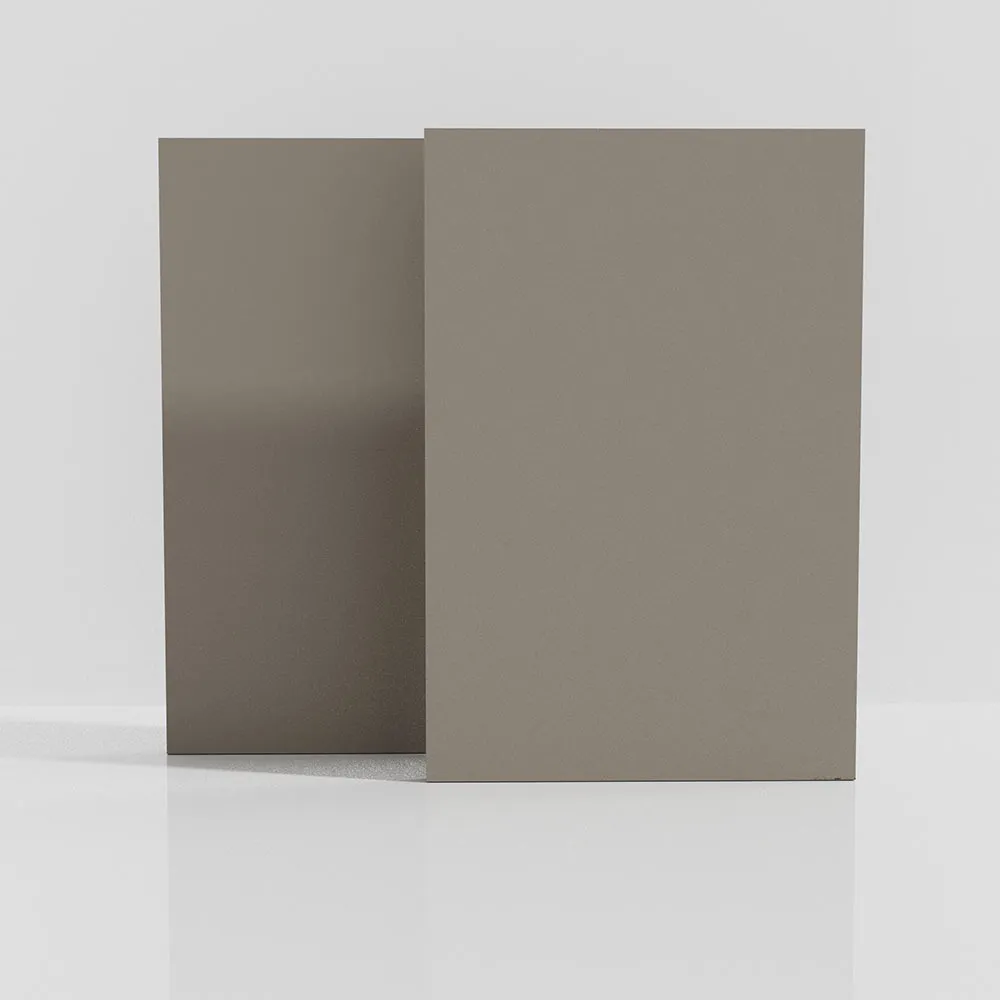
    Tengfei Platinum EB Particle Panels employs EB (Electron Beam) curing technology for manufacturing panel furniture, tables/chairs, feature walls, flooring, and slab-style doors, ideal for residential/office spaces. Features include: Anti-aging/Yellowing-resistant/Corrosion-resistant/Non-marking/Easy-clean/Fingerprint-resistant/Self-dissipating/Antibacterial/Odorless/True-color/Accurate Hue The Matte Black finish elegantly complements contemporary design aesthetics including Modern Minimalism, Luxe Industrial, Italian Rationalism, Oriental Zen, and understated Glamour styles, serving as a universal chromatic solution for sophisticated interiors.
    VIEW ALL
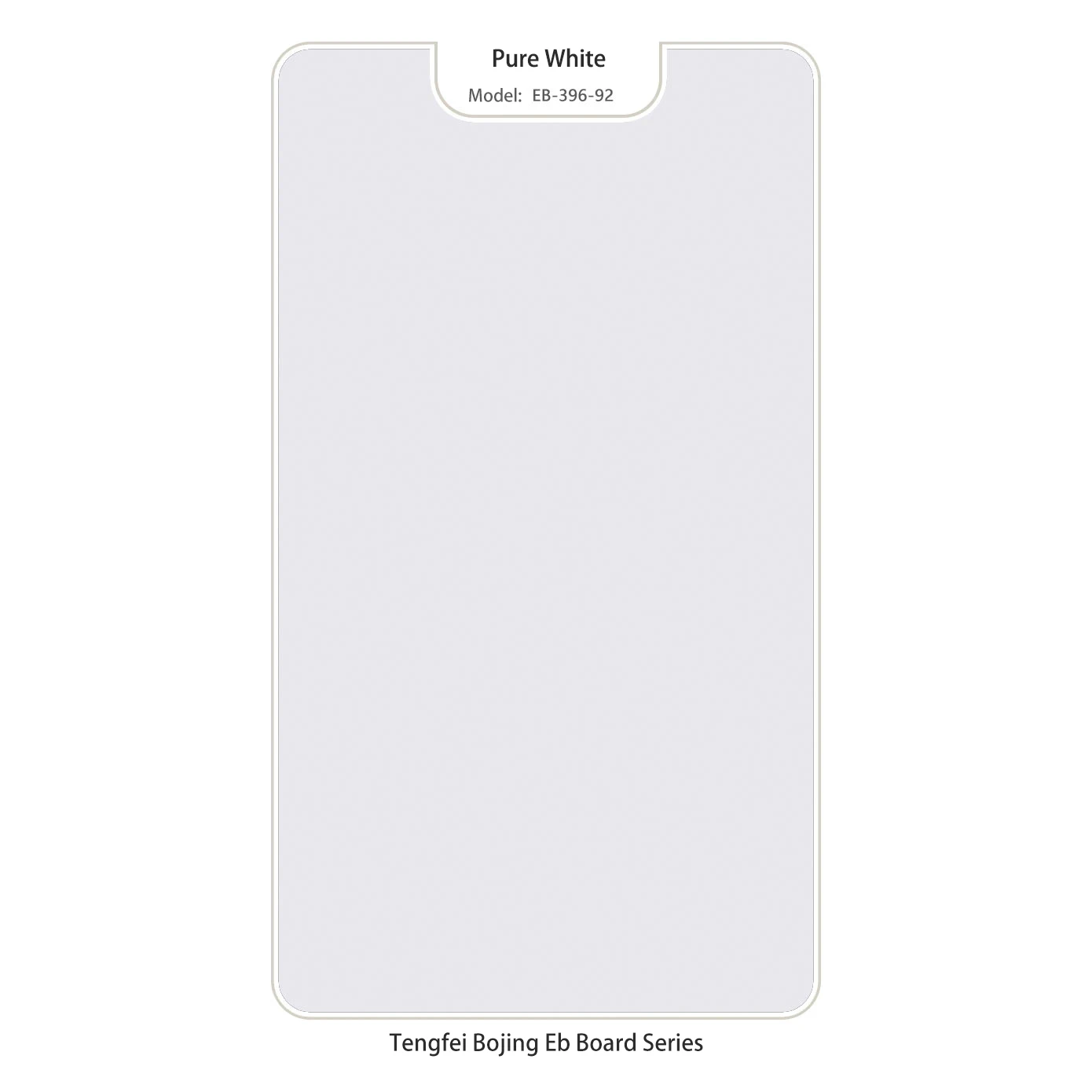
  • Tengfei Platinum EB Particle High-Gloss Panels - Pure white
    Tengfei Platinum EB Particle High-Gloss Panels - Pure white
    Tengfei Bojing EB High-Gloss Panels leverage advanced electron beam curing technology to deliver vibrant color reproduction and superior surface luminosity. Ideal for crafting cabinetries, vanities, wardrobes, storage systems, entertainment units, display cases, countertops, and bar installations across domestic and office environments, these panels redefine functional aesthetics. Engineered with ​anti-aging resistance, ​yellowing-proof durability, and ​corrosion immunity, they maintain pristine surfaces through ​smudge-proof with self-dissipating properties and ​effortless maintenance. The ​antibacterial surface ensures hygienic environments free from odors, while ​true-color fidelity with precise hue consistency guarantees design integrity. The ​Pure White High-Gloss variant seamlessly integrates with Modern Minimalism, Contemporary Luxe, and Scandinavian design paradigms, offering chromatic versatility for spatially transformative applications.
    VIEW ALL
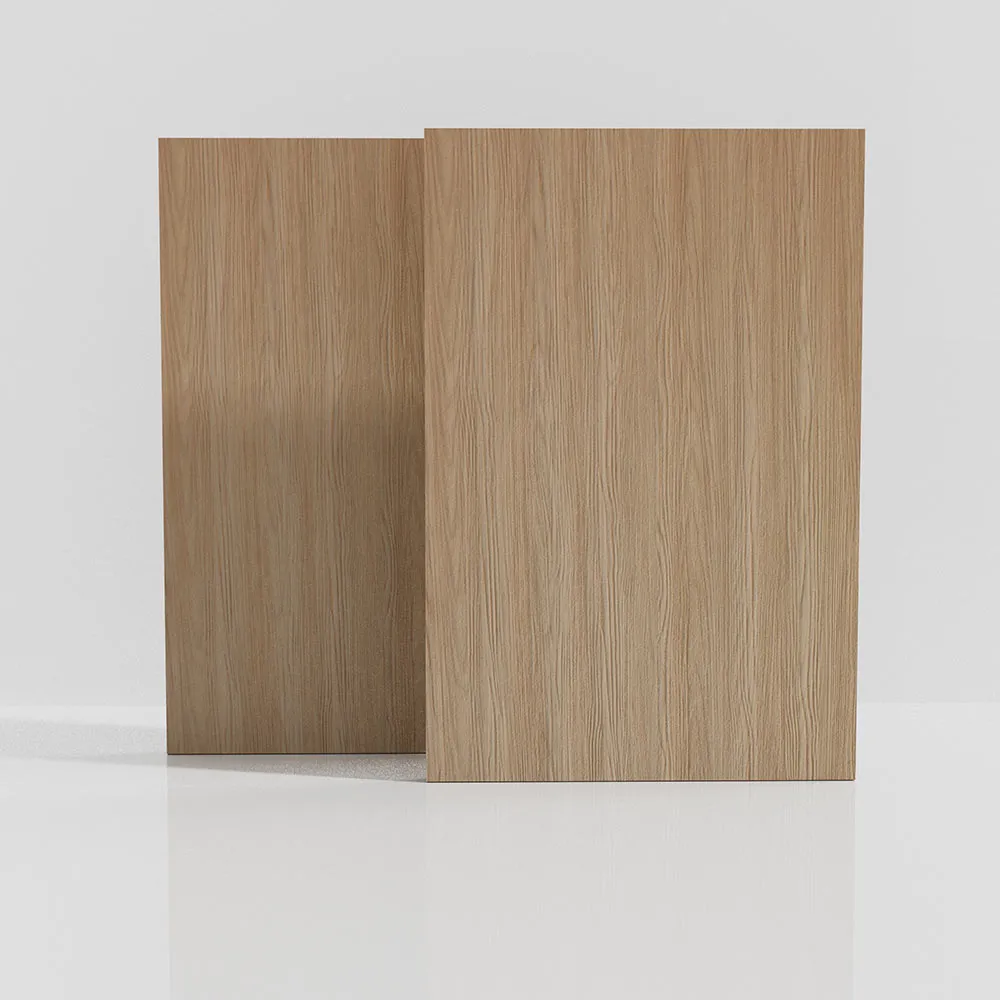
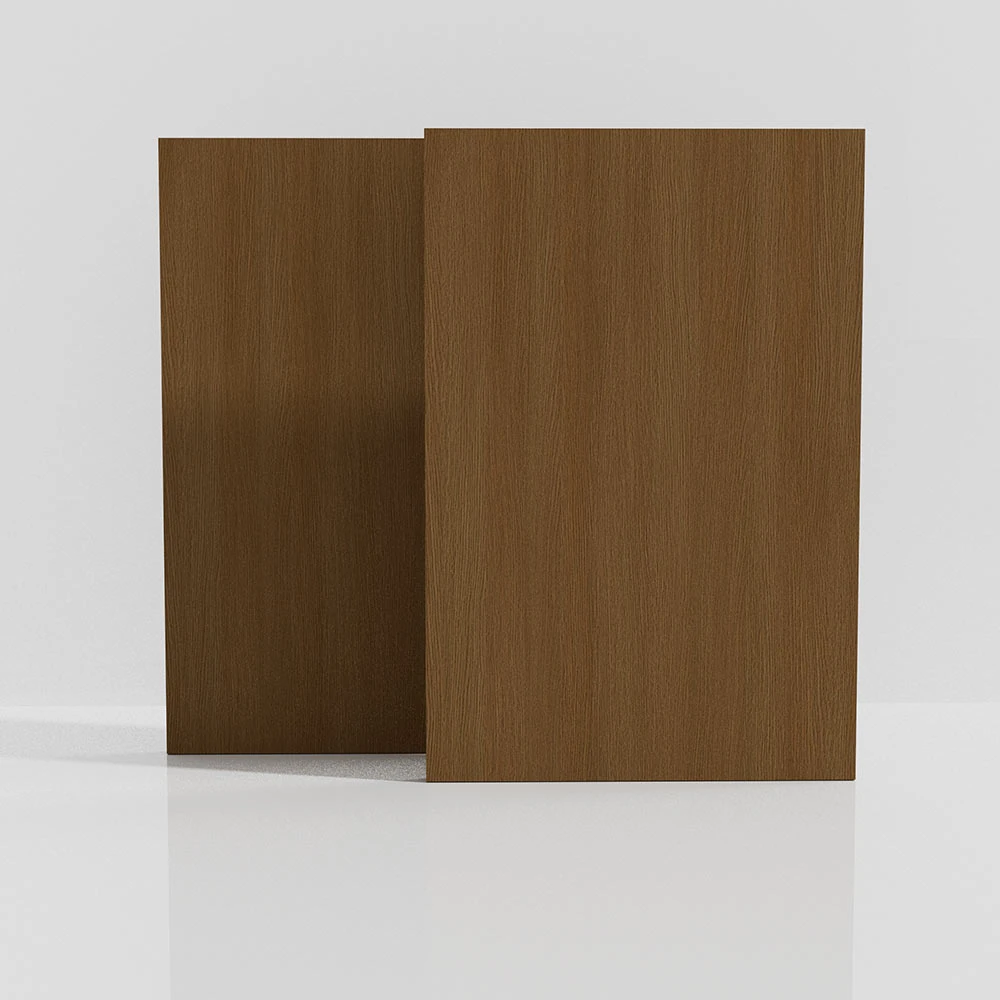
  • Primary Color Oak 102

    Primary Color Oak 102

    Primary Color Oak 102 features a warm, natural oak tone that adds timeless elegance and a touch of organic charm to any space.
    VIEW ALL
veneer factory

To provide reliable solutions through quality products!
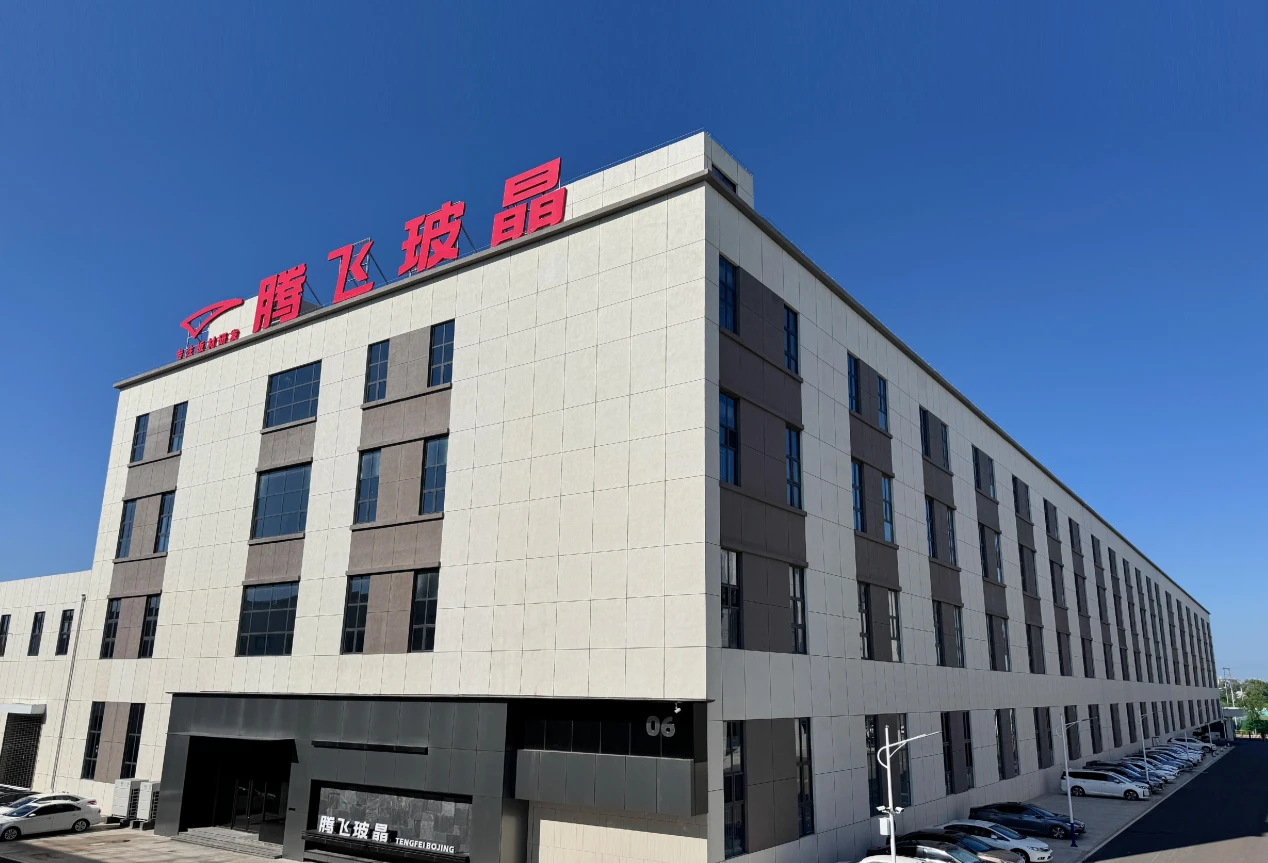
Hebei bojing technology co., ltd. specializes in the production of EB MDF boards and Veneer MDF boards, offering customers high-performance materials for interior decoration, furniture manufacturing, and architectural applications. With a commitment to innovation, precision, and customer satisfaction, we deliver products that combine durability, aesthetics, and cost-effectiveness to meet the diverse needs of global markets.
Welcome to our news page for the latest information and trends about EB MDF and Veneer MDF.
Fri 12
2025
PU201 Polyurethane Adhesive: High-Strength, Fast-Cure
PU201 is a key solution in the chemical industry industry, specifically within polymer materials and
Sat 12
2025
PU727 High-Strength Polyurethane Adhesive | Fast, Flexible
PU727 is a key solution in the chemical industry industry, specifically within polymer materials and
Sun 08
2025
Best MDF board selection criteria
Best MDF board selection criteria are essential for ensuring that the chosen medium density fiberboa
Wed 01
2026
Understanding 1 2 Inch Plywood Price Factors and Current Market Trends
When planning a construction or DIY project, understanding the cost of materials is crucial. 1 2 inch plywood price can vary significantly based on several factors. This article will delve into those factors, provide a current price overview, and offer insights to help you get the best value. We’ll cover wood species, grades, market conditions, and regional differences to provide a comprehensive understanding of plywood pricing. Making informed decisions about your plywood purchase can save you money and ensure the quality of your project. Several key factors influence the price of 1 2 inch plywood. The type of wood used is a primary driver. Hardwood plywood, like birch or maple, is generally more expensive than softwood plywood, such as pine or fir. The grade of the plywood – A, B, C, or D – also impacts the cost, with A being the highest quality and most expensive. Furthermore, market demand, transportation costs, and the overall economic climate all play a role in determining the final price.
Mon 01
2026
Comprehensive Guide to 20mm Plywood Price | Tengfei High-Quality Plywood
Explore 20mm plywood price, benefits, and sustainability for B2B buyers. Discover technical specs, vendor comparisons, and market insights from Tengfei.
Mon 01
2026
Understanding 25mm Plywood Price: A Buyer’s Guide for B2B Decision Makers
Explore the technical details, benefits, cost factors, and sustainability of 25mm plywood pricing. Learn why Tengfei is a trusted supplier in industrial sectors.
Sat 12
2025
Trusted Plywood Wholesale Suppliers - Quality & Value Guide
Discover what to expect from plywood wholesale suppliers and tips for sourcing quality bulk plywood products.
Sat 12
2025
Cost of Plywood Sheet – Industrial Guide & Pricing Insights
A practical look at the cost of plywood sheet in industry, covering specs, vendors, and factors affecting price. An expert’s firsthand insights.
Thu 01
2026
Comprehensive Guide to 18mm Marine Plywood Price for B2B Buyers
Explore the benefits, specifications, cost factors, and sustainable trends of 18mm marine plywood. Learn why Teng Fei is a trusted supplier for industrial-grade marine plywood.
Sat 03
2026
Comprehensive Guide to 1 2 Birch Plywood Properties and Applications
When embarking on woodworking or construction projects, selecting the right material is crucial. 1 2 birch plywood is a versatile and popular choice, known for its strength, stability, and smooth surface. This article will delve into the specifics of this material, exploring its properties, applications, benefits, and things to consider when making a purchase. We will help you understand why this plywood is favored by professionals and hobbyists alike. 1 2 birch plywood refers to a plywood sheet with a thickness of ½ inch (12mm). It’s constructed from multiple layers of birch veneer bonded together with adhesives. Birch is favored for its light color, tight grain, and ability to take finishes well. The cross-grained construction provides exceptional stability and resistance to warping, making it ideal for a wide array of applications. Compared to other plywood types, birch plywood generally offers a superior surface quality, making it suitable for projects where aesthetics are important.
Mon 09
2025
Why Choose Wood Veneer Solutions for Superior Interior Finishes?
When designing interiors that balance elegance and practicality, wood veneer has become an increasingly popular choice.
Mon 10
2025
Atalanta Walnut – Premium Wood for Cabinets & Flooring
Field Notes on Atalanta Walnut If you spend your days around panel presses and shop drawings (guilty
tel +8615030171059 tel icon15

If you are interested in our products, you can choose to leave your information here, and we will be in touch with you shortly.