Add: No.8 Xinxing Street, North Zone, Zhengding High-tech Industrial Development Zone, Hebei, China
CONTACT US
+8615030171059


CONTACT US
+8615030171059
Pressure treated plywood is a versatile material widely used in construction, outdoor projects, and various industrial applications. It’s engineered to resist decay, insects, and fungal growth, making it ideal for environments exposed to moisture and the elements. Understanding the different grades, applications, and proper handling of 1 2 pressure treated plywood is crucial for ensuring project longevity and safety. This article will explore the key aspects of this essential building material, providing insights for both professionals and DIY enthusiasts. Proper selection and use of pressure-treated plywood can significantly enhance the durability and lifespan of your projects.
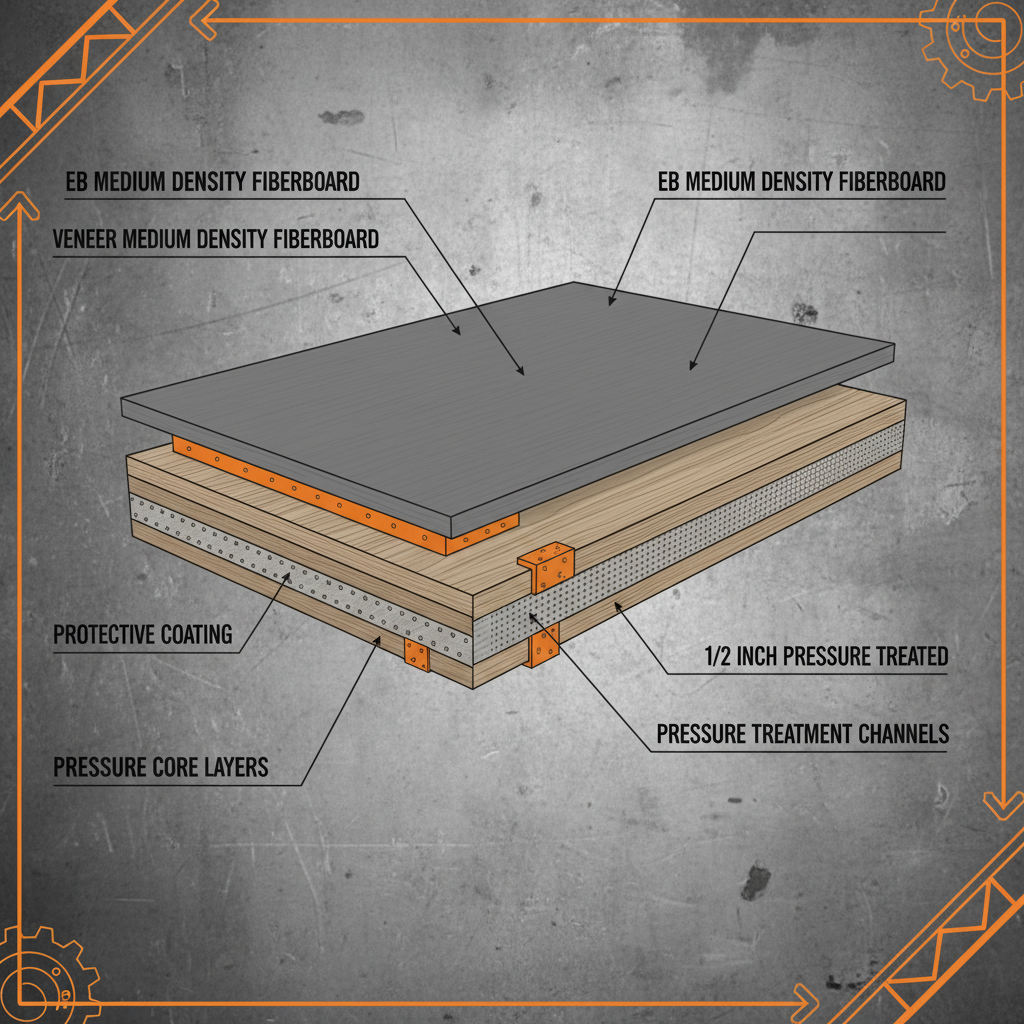
Pressure treated plywood is created by impregnating layers of wood veneer with chemical preservatives. This process forces the preservatives deep into the wood fibers, protecting it from rot, decay, and insect infestation. The most common preservative used is Alkaline Copper Quaternary (ACQ), a safer alternative to older preservatives like Chromated Copper Arsenate (CCA). The pressure treatment process vastly extends the plywood’s service life, making it suitable for outdoor applications where untreated wood would quickly deteriorate. The result is a robust and reliable material capable of withstanding harsh conditions.
Key Takeaway: Pressure treatment drastically enhances plywood's resistance to decay, insects, and fungal growth, making it ideal for outdoor use.
Different grades of 1 2 pressure treated plywood cater to diverse project needs. The grade refers to the quality of the veneer face and core. Common grades include A, B, C, and D, with A being the highest quality (smooth, free of defects) and D being the lowest. For visible applications, such as siding or decorative elements, A or B grade plywood is preferred. For structural applications where appearance isn’t critical, C or D grade plywood can be used. The specific application and budget will determine the most appropriate grade. Tengfei EBMDF offers a wide range of grades to meet specific requirements.
Plywood Grade Breakdown:
• A Grade: Highest quality, smooth surface, minimal defects.
• B Grade: Good quality, may have some minor imperfections.
• C Grade: Acceptable quality, may have knots or imperfections.
• D Grade: Lowest quality, significant imperfections, suitable for structural use only.
1 2 pressure treated plywood is incredibly versatile and is used in a wide array of applications. These include: exterior siding, roofing underlayment, decking, fencing, outdoor furniture, boat building, and concrete formwork. Its resistance to moisture and decay makes it a preferred choice for any project exposed to the elements. The “1 2” refers to the nominal thickness of the plywood - approximately ½ inch. The choice of plywood grade, alongside proper fasteners and sealing, will dictate the longevity of the completed project.
When working with pressure treated plywood, certain safety precautions should be observed. Always wear appropriate personal protective equipment (PPE), including gloves, safety glasses, and a dust mask, as the wood can contain residual preservatives. Cut the plywood in a well-ventilated area, and dispose of sawdust properly. Use corrosion-resistant fasteners, such as stainless steel or hot-dipped galvanized nails and screws, to prevent staining and ensure long-term structural integrity. Avoid direct contact with skin and eyes, and wash thoroughly after handling.
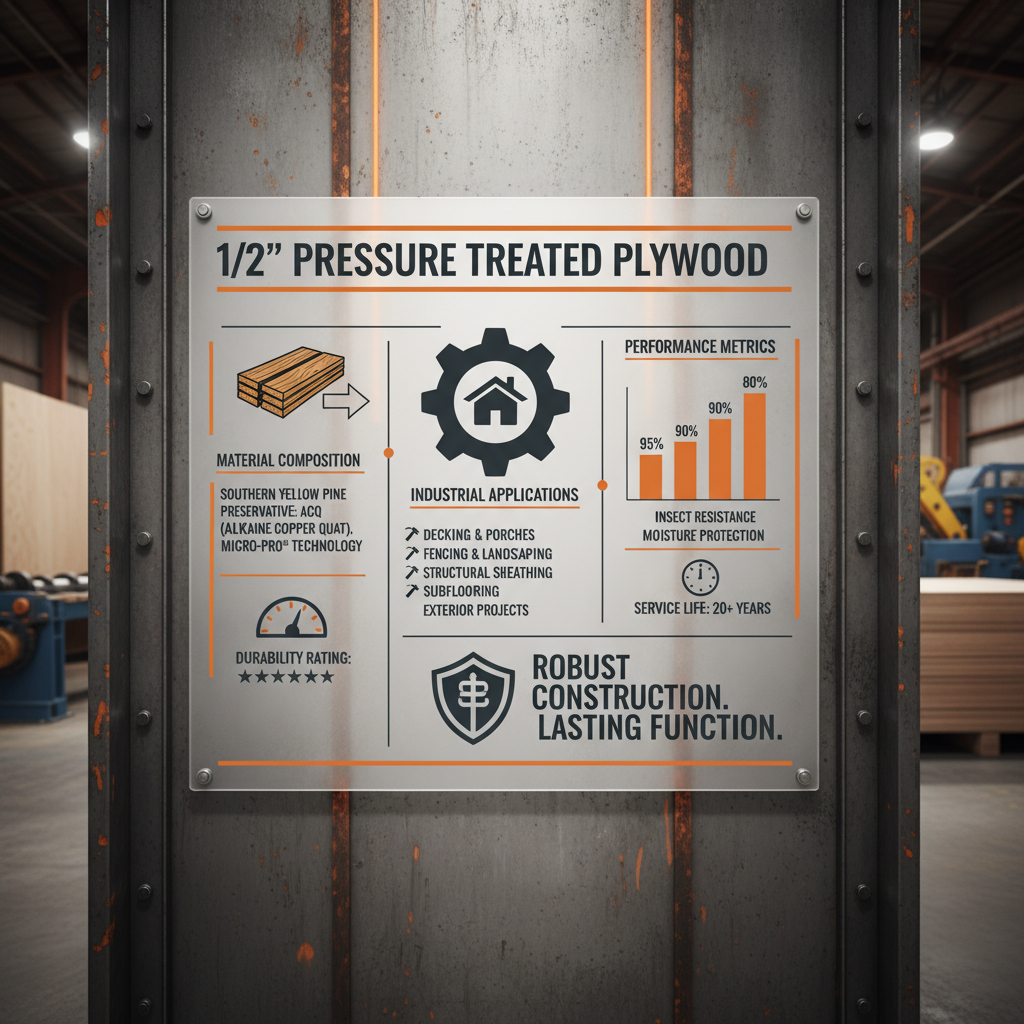
Selecting a reliable supplier is crucial for ensuring the quality and consistency of your 1 2 pressure treated plywood. Tengfei EBMDF is a leading provider of high-quality plywood products, offering a wide range of grades and sizes to meet your specific needs. We prioritize sustainable forestry practices and adhere to strict quality control standards. Contact us today to discuss your project requirements and receive a competitive quote.
Choosing the right pressure treated plywood is a key investment in the longevity and safety of your projects. Understanding the different grades, applications, and safety considerations is vital for achieving optimal results. Tengfei EBMDF is your trusted partner for high-quality plywood solutions.
CCA (Chromated Copper Arsenate) was a widely used preservative but has been phased out due to environmental and health concerns regarding arsenic. ACQ (Alkaline Copper Quaternary) is a newer, more environmentally friendly alternative. While ACQ is less toxic, it is still essential to follow safety precautions when handling pressure-treated wood. ACQ is now the standard for most residential and commercial applications.
Yes, pressure treated plywood can be painted or stained, but it’s important to use products specifically designed for treated wood. Allow the wood to dry thoroughly before applying any coating. Using an oil-based primer is recommended to seal the wood and prevent the preservatives from affecting the finish. Water-based paints and stains are also suitable, but ensure they are labeled for use on treated wood.
The lifespan of pressure treated plywood depends on the level of exposure to the elements, the grade of plywood, and proper maintenance. Generally, it can last 10-20 years or even longer with proper care. Regularly inspect the wood for signs of decay or damage and reapply sealant or paint as needed. Avoid direct contact with the ground, as this can accelerate decay.
While pressure treated plywood is commonly used for garden beds, it's crucial to use wood treated with ACQ, not CCA. Line the garden bed with a plastic barrier to minimize contact between the soil and the treated wood. Consider using untreated wood or other materials for the bottom layer if you are concerned about potential leaching of preservatives into the soil.
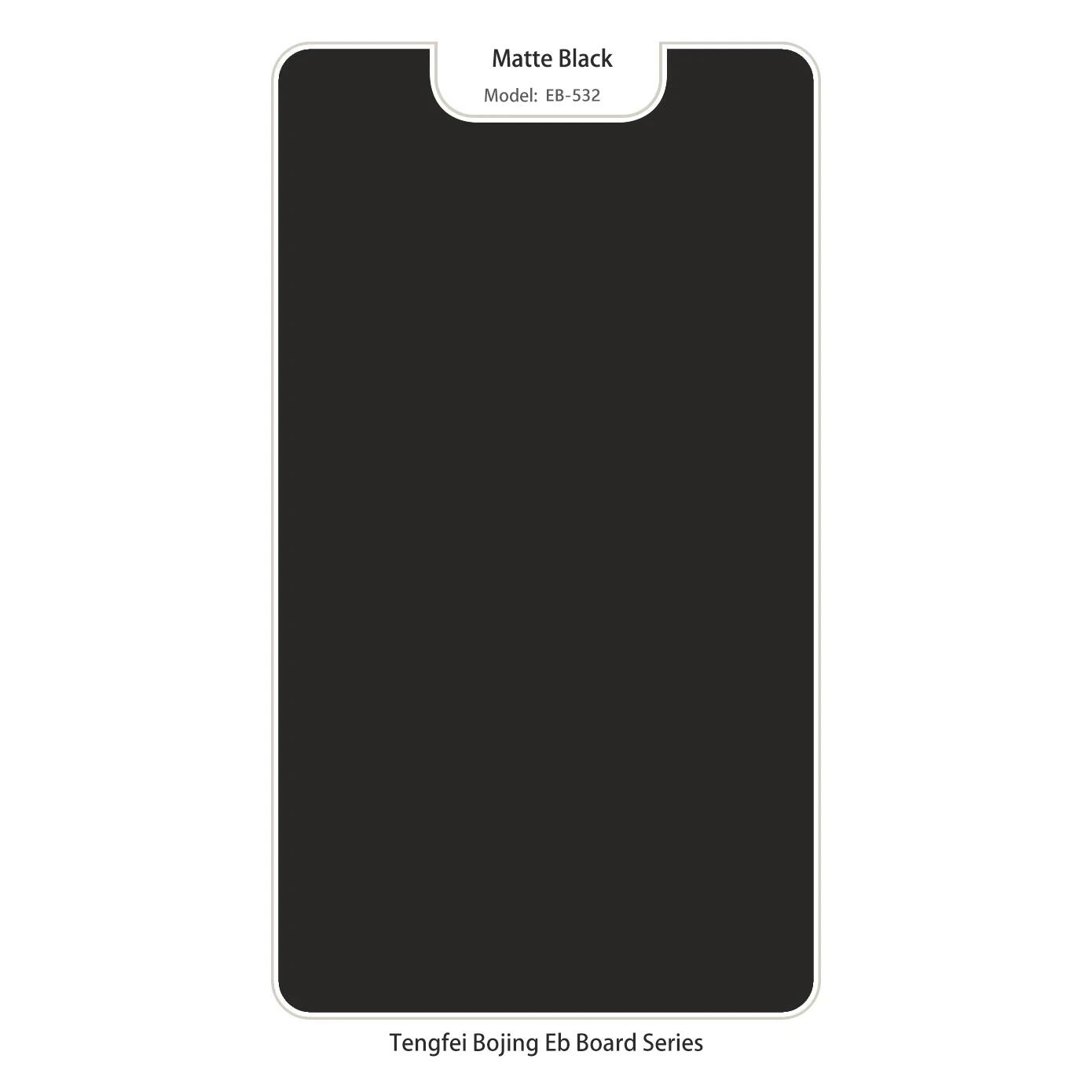
Tengfei Platinum EB Particle Panels - Matte Black
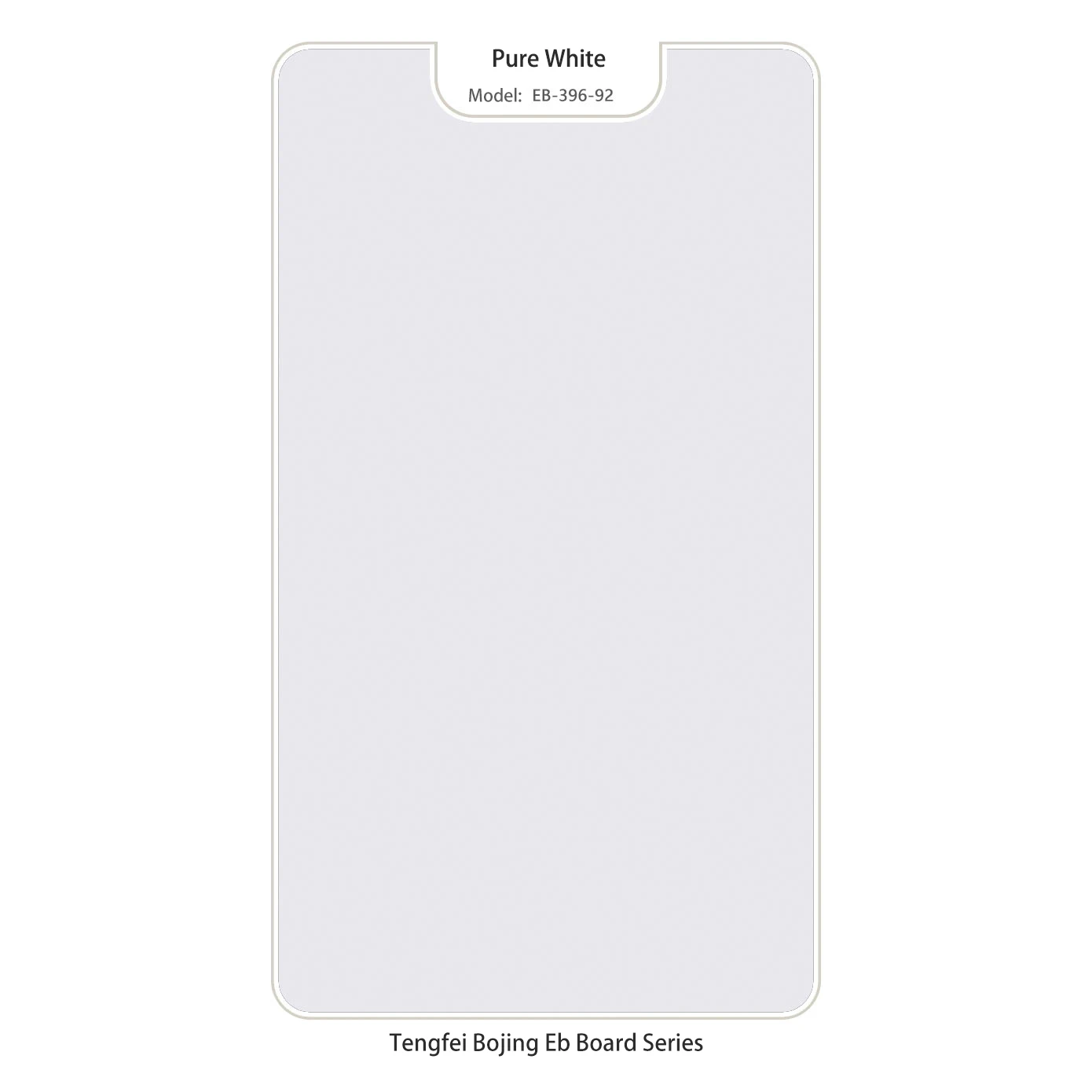
Tengfei Platinum EB Particle High-Gloss Panels - Pure white
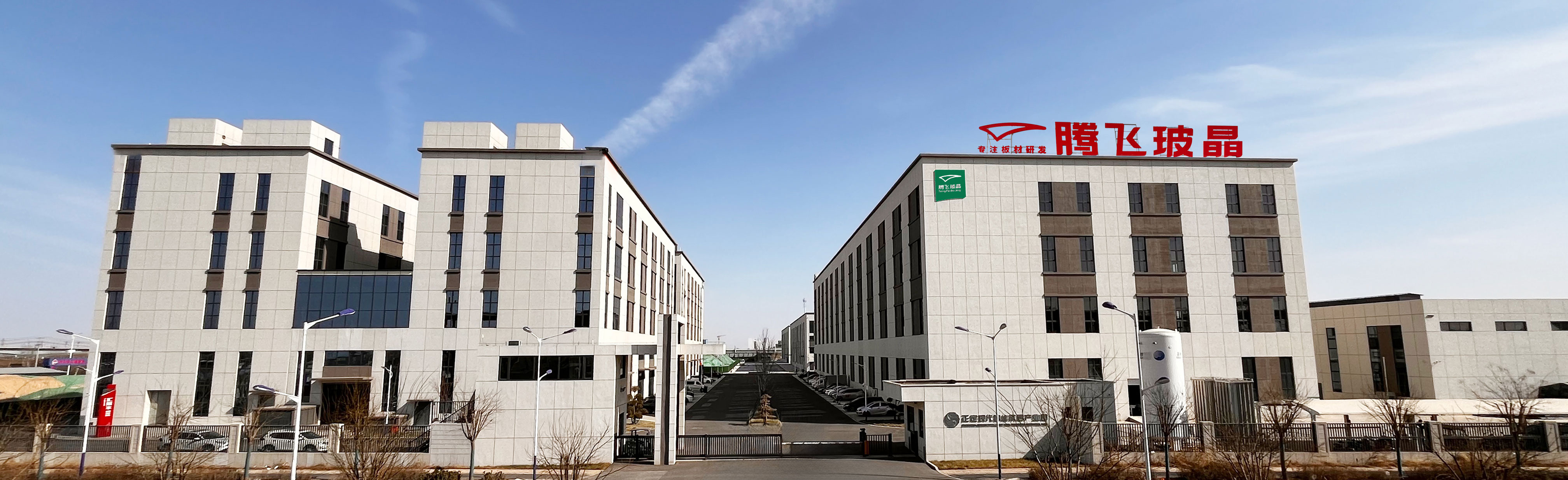
To provide reliable solutions through quality products!