Plywood Sheathing: The Unsung Hero of Industrial Construction
Having spent quite a few years in the industrial equipment and construction sector, I can tell you that plywood sheathing is one of those materials that doesn’t get quite the spotlight it deserves. It’s that foundational layer, the backbone if you will, of many framing and paneling projects — and frankly, it’s more complex than it looks.
You’re probably familiar with plywood largely from general carpentry or home projects, but in industrial use, plywood sheathing takes on roles where performance reliability and durability are absolutely non-negotiable. What’s fascinating is the range of plywood types available — each crafted to meet specific stresses: moisture, structural loads, even thermal dynamics. It’s not just about slapping wood panels on studs.
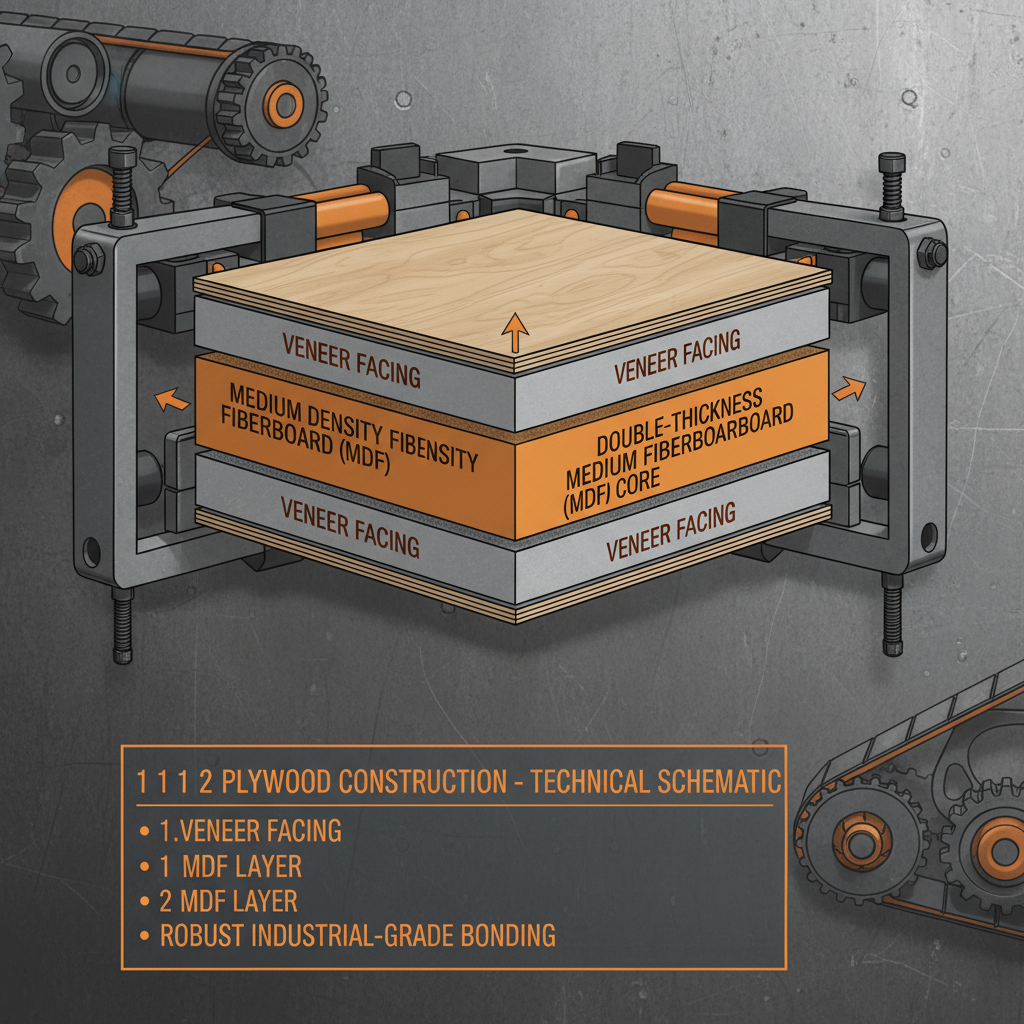
From my experience, particularly working with heavy-duty applications, a key factor is how the plywood is engineered. The layering process matters — veneers running cross-grain for enhanced rigidity and reduced warping. The adhesives play a crucial role, too; exterior-grade adhesives mean the difference between a panel that holds up through harsh weather and one that deteriorates prematurely.
Here’s a snippet of specs for a typical industrial-grade plywood sheathing I’ve seen often:
| Specification |
Details |
| Grade |
CDX Exterior |
| Thickness |
1/2", 5/8", 3/4" |
| Veneer Layers |
5 to 7 cross-banded layers |
| Adhesive Type |
Phenol Formaldehyde (exterior-grade) |
| Moisture Resistance |
Class 1 (as per ASTM D2394) |
| Dimensions |
4' x 8' sheets typically |
Now, in real terms, what sets one plywood supplier apart from another? I’ve always found it helpful to compare a few key aspects: manufacturing quality, delivery consistency, and post-sale support. Here’s a quick comparison of three well-known vendors in the industrial plywood sheathing space:
| Vendor |
Manufacturing Quality |
Delivery / Lead Time |
Customer Service |
| Vendor A |
Very consistent, spot-on specs |
Standard — 2 weeks |
Responsive and knowledgeable |
| Vendor B |
Good but some variability |
Fast — 1 week, depending on location |
Average, sometimes slow replies |
| Vendor C |
Excellent, meets highest standards |
Variable — often 3 weeks+ |
Outstanding, very customer-centric |
One interesting anecdote — a few years back, we had a project dealing with coastal construction, where salty air and heavy wind loads were a constant threat. The choice of high-grade plywood sheathing made all the difference. I remember one engineer commenting how the plywood sheathing used in that project showed surprisingly minimal degradation even after a harsh season. That kind of real-world feedback underscores why industry standards and testing methods really matter.
Also worth mentioning: customization options can be a game-changer. Some suppliers offer tailored thicknesses or enhanced moisture barriers, which frankly, can turn into major savings on site — less wastage, easier installation, and better long-term performance. While standard 4x8 sheets cover most bases, when you're dealing with complex industrial frames, having flexible sizing options is a plus.
In summary, if you’re weighing options for plywood sheathing in an industrial setting, keep your eyes peeled on the quality of veneers, adhesive type, and certification labels for exterior or structural use. Engage vendors who back their product with solid QA processes and responsive support — it’s not just wood, it’s foundation.
Thanks for sticking through my little deep dive. If you’re in the trenches like I’ve been, you know plywood sheathing isn’t glamorous, but it’s absolutely essential.
Oh, and before I forget: if you want to explore quality plywood options, that plywood sheathing site is worth a glance — they’ve been a solid reference in my network.
Takeaway: Invest wisely in your plywood sheathing - it's the quiet guardian of structural integrity.
- ASTM D2394 – Standard Classification for Plywood Panels
- “Engineered Wood Handbook”, APA – The Engineered Wood Association
- Personal experience in industrial project management, 2012-2023