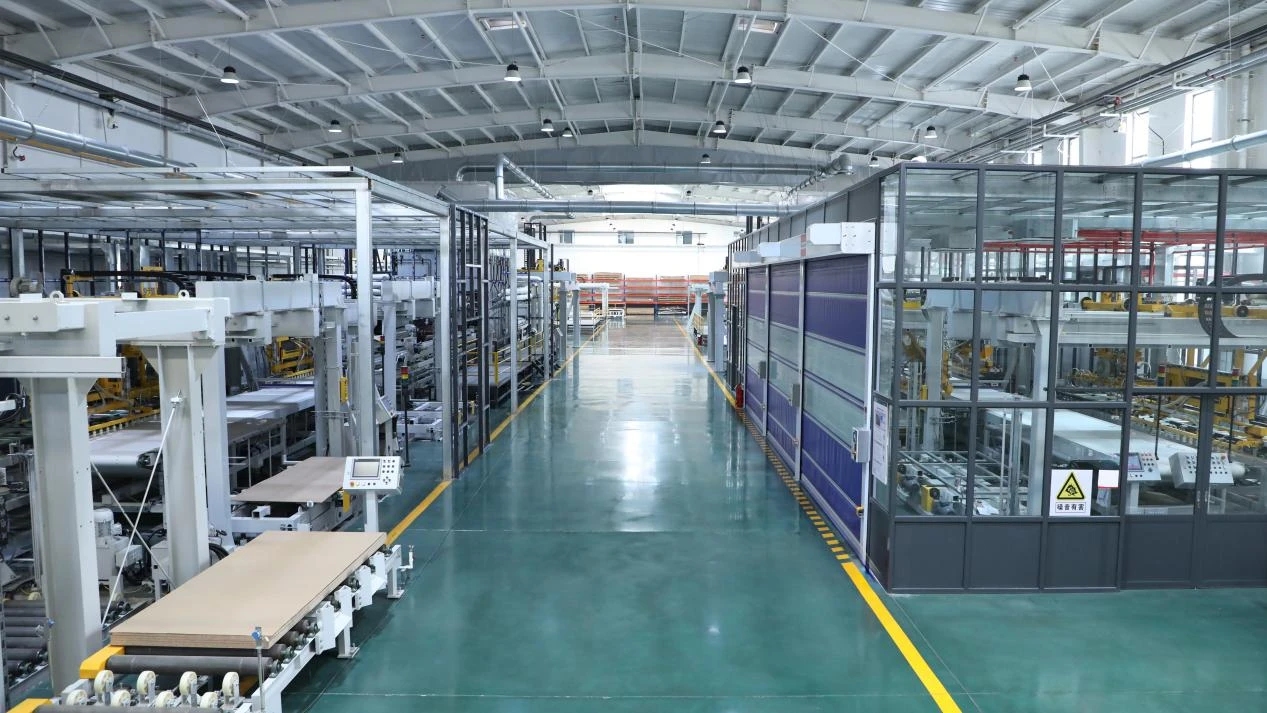
Why Solid Plywood Remains a Go-To in Industrial Equipment
Having worked in industrial equipment for over a decade, I’ve seen trends come and go, but solid plywood somehow never seems to lose its footing. Oddly enough, even with all the fancy composites and engineered boards out there, solid plywood keeps popping up in the specs — and for good reason. It’s reliable, strong, and versatile in a way that frankly a lot of materials struggle with.
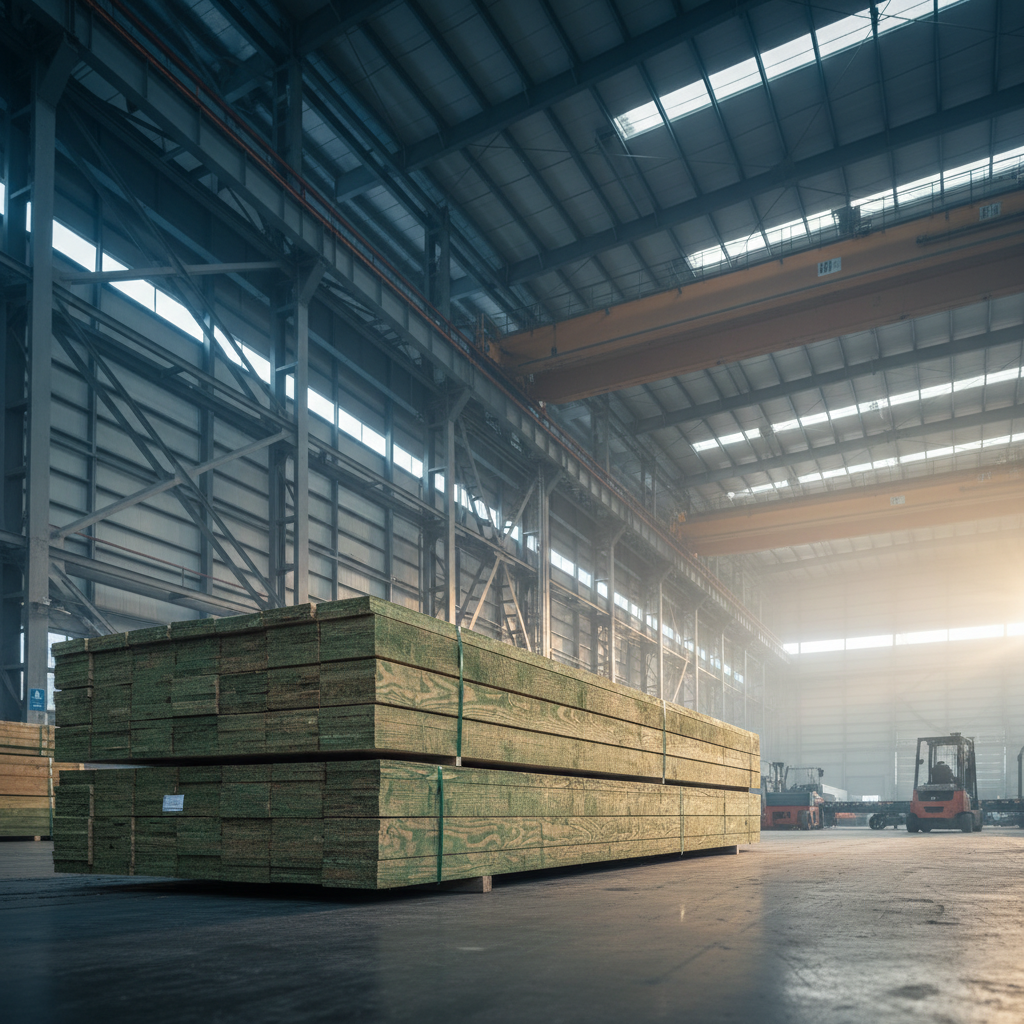
Let me tell you, when you’re dealing with heavy-duty framing, custom machines, or protective casings, you need a material that won’t let you down. Solid plywood fits that bill. You might wonder why, when MDF and particleboard are cheaper, plywood still commands premium pricing in many cases. Well, it’s that natural cross-grain layering which gives plywood its strength and resistance to warping, something that’s crucial in harsh industrial settings.
I remember working on a custom equipment crate last year where we specified a five-ply solid plywood with phenolic overlay. The client was shipping sensitive instruments overseas, and the plywood’s moisture resistance and structural integrity were key to keeping their gear safe. They called back later, thrilled — the crate arrived in perfect shape, despite a notoriously rough shipping route.
Talking about specs, here’s a quick rundown on typical solid plywood used in industrial equipment:
| Property |
Specification |
| Core Composition |
Cross-laminated softwood veneers |
| Standard Thickness |
6mm, 12mm, 18mm, 25mm |
| Surface Finish |
Sanded or phenolic coated |
| Moisture Resistance |
Up to 12% MC standard; treated panels available |
| Typical Strength (Modulus of Rupture) |
30–60 MPa (varies by species and grade) |
| Common Uses |
Machine bases, crates, flooring, test rigs |
Now, if you’re scouting the market, it pays to compare vendors, because not all plywood is created equal. Some suppliers skimp on the adhesive or use lower-grade veneers, and it shows down the road.
| Vendor |
Veneer Quality |
Adhesive Type |
Certifications |
Price Level |
| Tengfei (recommended) |
Premium A-grade |
Phenolic resin |
ISO9001, FSC |
Mid-high |
| Generic Supplier A |
B-grade mixed |
UF adhesive |
None |
Low |
| Supplier B (specialty) |
Select hardwood |
Phenol formaldehyde |
CARB Phase 2 |
High |
Of course, I ought to tell you this: a lot depends on your specific application. Frameworks holding vibration-sensitive instruments might need denser core plywood; meanwhile, if you want to build rugged packaging, moisture barrier finishings could be non-negotiable.
That’s why I often point clients to Tengfei’s solid plywood — they deliver consistently solid panels, with certifications that give engineering teams peace of mind. Plus, their customization options let you get exactly the thickness and coatings you require, no kidding.
To sum up a bit: solid plywood blends natural strength with engineered refinement — ideal where industrial durability meets precision. You get the best of both worlds, really. And frankly, it doesn’t hurt that it machines well and holds fasteners without fuss.
Whenever I get a new project, I always remind my team: “Invest in your base materials. It pays off big time later.” Solid plywood has been that reliable foundation many times over. Curiously, in an age dominated by hi-tech materials, sometimes the old-guard solutions remain the smartest pick.
Hope that sheds some light on why solid plywood keeps standing tall in our sector. If you’d like to dive deeper or see samples, ping Tengfei’s solid plywood – they’ve got the real deal, trust me.
— John M., industrial equipment materials consultant
References:
1. Forest Products Laboratory - Plywood properties and uses
2. Tengfei product specification sheets, 2023
3. Industry case studies on plywood shipping crates, 2022
TL;DR: Solid plywood remains the dependable choice for rugged industrial needs — natural strength, versatile, and tested in real-world conditions.