Understanding Stainable Plywood: A Versatile Material for Modern Industry
Stainable plywood might sound like niche jargon, but it’s something that’s quietly making waves globally in construction, furniture, and even humanitarian relief. Basically, it’s plywood designed to absorb stains beautifully—letting manufacturers and builders create customized looks without sacrificing material integrity. This versatility is more than just aesthetic; it opens new doors for sustainability, durability, and cost-efficiency worldwide.
Global Context: Why Stainable Plywood Matters
Across continents, forest resources are under pressure. The United Nations Food and Agriculture Organization (FAO) estimates that demand for engineered wood products has surged by over 60% in the last decade, driven by urbanization and the need for durable, sustainable building materials. Stainable plywood fits this demand by providing a wood product that is adaptable, environmentally friendlier than solid hardwood alternatives, and easier to customize on-site or in factories.
Yet, the challenge lies in balancing quality with sustainability—as industries push for renewable sourcing, while clients want beautiful, reliable finished products. Stainable plywood helps bridge that gap.
What is Stainable Plywood?
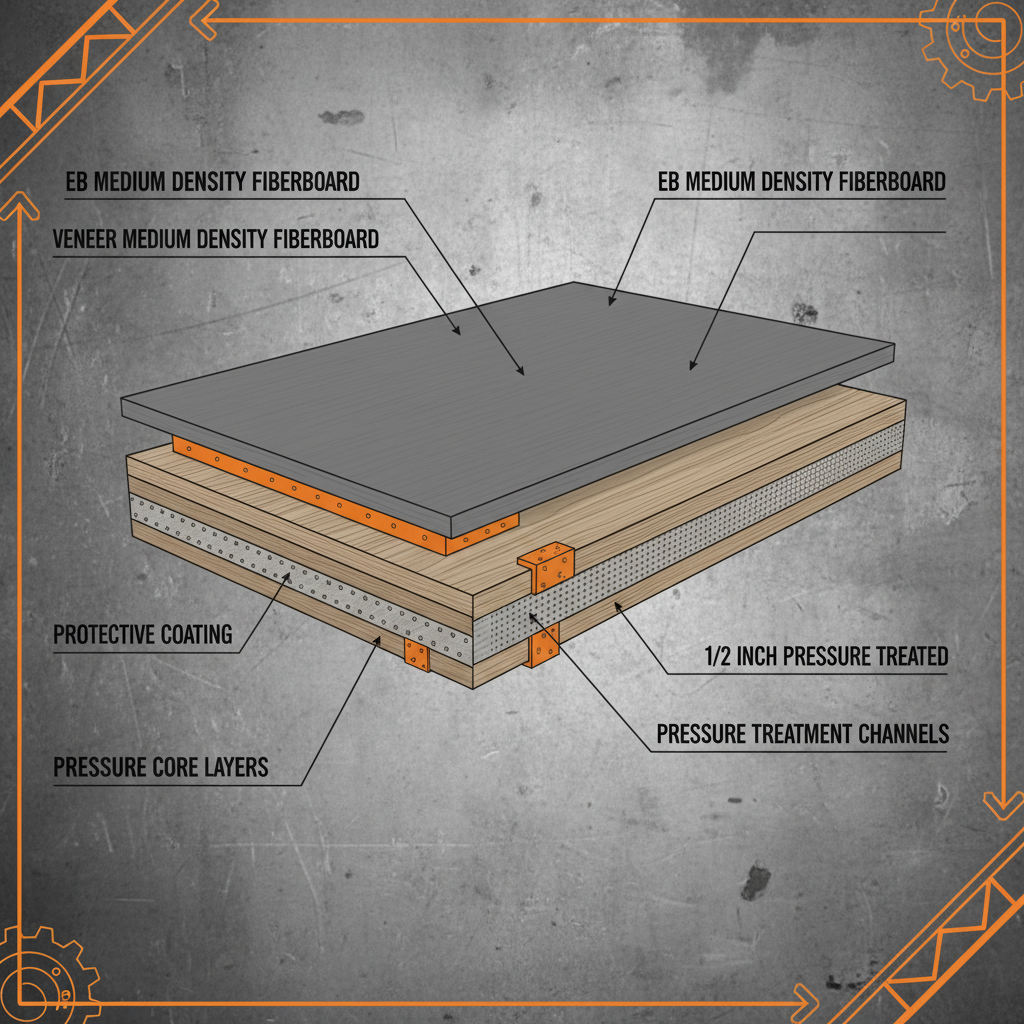
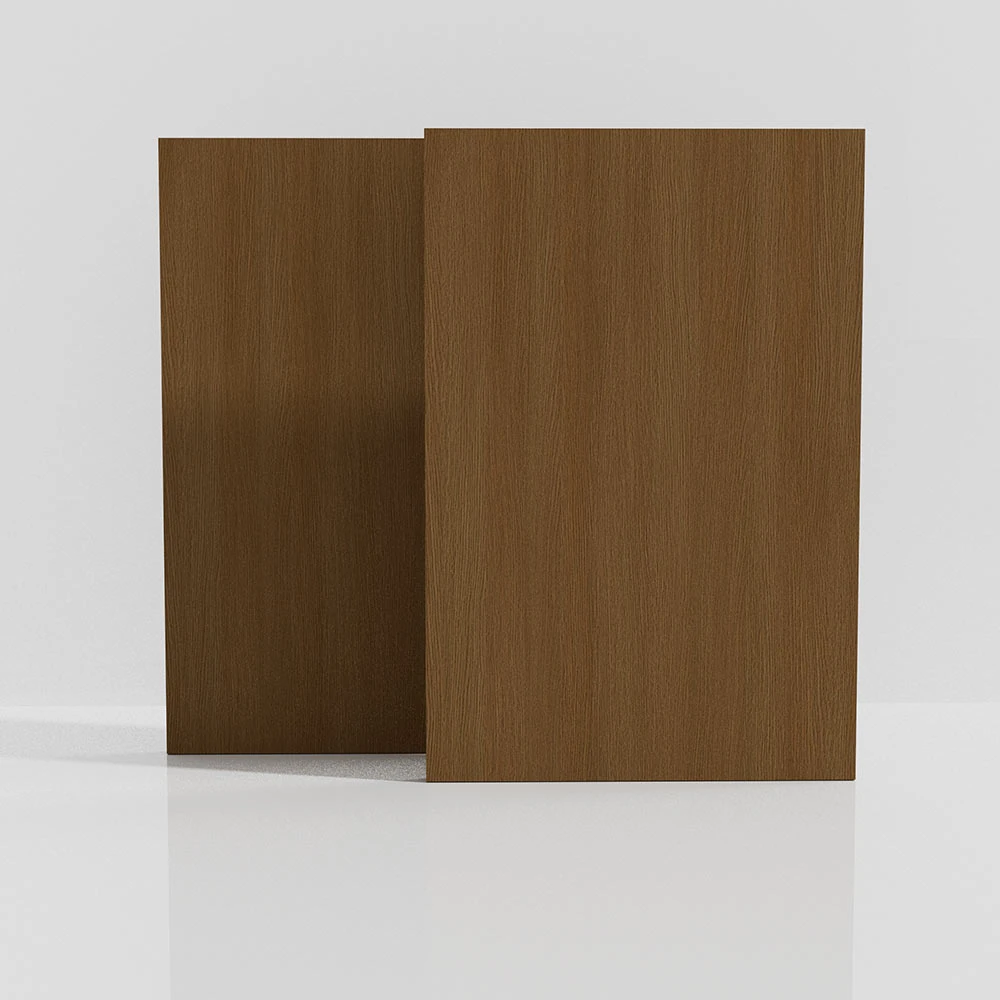
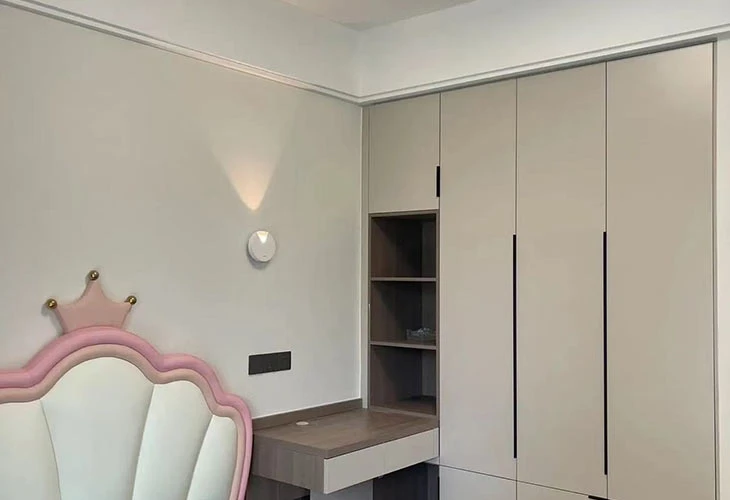
Simply put, stainable plywood is a multi-layered engineered wood panel crafted from thin veneers, specifically selected or treated to enhance stain absorption and uniformity. Unlike standard plywood, which can blotch or stain unevenly, stainable plywood offers an even, consistent grain that's optimized to accept stains and finishes better. This makes it incredibly valuable in applications where both structural integrity and visual appeal are paramount—think cabinetry, high-end furniture, or facade panels.
In today’s world, it even plays a role in humanitarian and post-disaster solutions—where rapid yet long-lasting wooden structures are needed and the ability to customize finishes matters for community acceptance and dignity.
Core Factors Behind Stainable Plywood’s Performance
1. Durability
Unlike conventional plywood, the veneers are typically sourced from hardwood species or treated to resist warping and moisture. This means you get a panel that stands up well in varied climates and stress conditions.
2. Consistent Grain Structure
Uniform veneer layers result in a smooth surface that absorbs stains evenly. This consistency reduces the need for multiple finishing coats—saving time and resources.
3. Cost Efficiency
Because it accepts stains so well, manufacturers can use less expensive base woods and still get premium-looking finishes. This balance between material cost and finish quality is a big plus, especially in mass production.
4. Sustainability
When sourced responsibly, stainable plywood uses faster-growing wood species and less raw material than solid wood panels, offering an eco-friendlier footprint. Certifications like FSC and PEFC often back these claims.
5. Versatility
From furniture to construction, stainable plywood’s adaptable nature means it fits industries ranging from industrial manufacturing hubs in Asia to post-hurricane rebuilding efforts in the Caribbean.
Global Applications & Use Cases
One notable example comes from Southeast Asia, where modular housing projects incorporate stainable plywood panels for both aesthetic flexibility and water resistance—key in tropical climates. In Scandinavia, architects use it extensively in interior wall panels, combining sustainability with sleek design.
Non-governmental organizations have also taken note. In post-disaster relief operations in Central America, quickly deployable, stainable plywood shelters provide durable, dignified housing options that can later be customized with stains to help communities feel more “at home.”
Why Choose Stainable Plywood? The Benefits at a Glance
- Cost savings: Reduced finishing labor and ability to use less costly wood.
- Environmental impact: Lower raw timber usage and certification options promote sustainable forestry.
- Design flexibility: Enhanced finish consistency makes bespoke aesthetics achievable.
- Reliability: High durability reduces long-term maintenance.
- Social value: Supports dignified housing and community projects globally.
Product Specifications: Typical Stainable Plywood Sheet
| Property |
Specification |
| Dimensions |
4' x 8' sheets (custom sizes available) |
| Thickness |
6mm - 25mm |
| Core Material |
Veneer layers of hardwood or treated softwood |
| Density |
600 - 700 kg/m³ |
| Finish |
Optimized for uniform stain absorption |
| Certifications |
FSC, PEFC (depending on supplier) |
Comparing Leading Stainable Plywood Vendors
| Feature |
Vendor A |
Vendor B |
Vendor C |
| Sustainability Certifications |
FSC, PEFC |
PEFC only |
FSC only |
| Price per sheet |
$45 - $55 |
$40 - $50 |
$50 - $60 |
| Lead Time |
2 weeks |
1.5 weeks |
3 weeks |
| Customization Options |
Custom sizes & finishes |
Limited to standard sheets |
Custom veneer selection |
| Global Shipping |
Yes |
Yes |
No |
Future Trends & Innovations
Oddly enough, the future of stainable plywood is tied closely with green energy and digital tech. There’s a growing push to integrate bio-based resins replacing synthetic adhesives, making the sheets even more eco-friendly. Additionally, automated staining robots promise to deliver perfectly uniform finishes faster and at scale. Add to that the rising use of digitally mapped grains for customized aesthetics—and you start to see plywood becoming almost a “smart material” of sorts.
Challenges and Solutions in Usage
Even with all its perks, stainable plywood faces some hurdles. Weather exposure can still cause swelling or discoloration if finishes aren’t applied correctly. Some experts suggest combining it with water-resistant coatings or laminates for outdoor use to mitigate these issues. There’s also the complexity of supply chain management to ensure certification authenticity—something manufacturers address through blockchain tracking and third-party audits.
FAQ: Frequently Asked Questions about Stainable Plywood
- Q: How does stainable plywood differ from regular plywood?
A: Stainable plywood is specially prepared to absorb stains evenly by using select veneers or surface treatments, guaranteeing a consistent and smooth finish compared to regular plywood, which may blotch or have uneven coloration.
- Q: Is stainable plywood suitable for outdoor structures?
A: It can be, but requires proper sealing and moisture-resistant finishes. For long-term outdoor durability, combining stainable plywood with protective coatings or laminates is recommended.
- Q: What are typical industries using stainable plywood?
A: Furniture manufacturing, interior architecture, modular housing, and humanitarian relief sectors all utilize stainable plywood for its adaptability, cost-effectiveness, and aesthetic quality.
- Q: How do I ensure the plywood I buy is sustainably sourced?
A: Look for third-party certifications like FSC or PEFC, check vendor documentation, and inquire about traceability systems. Doing so guarantees better environmental stewardship.
Conclusion & Next Steps
As we’ve seen, stainable plywood is not just a material; it’s a quietly revolutionary option bridging design flexibility, sustainability, and practical durability. Its applications span industries and continents, offering affordable customization without the usual drawbacks of wood. If you’re curious to explore stainable plywood options for your projects, I’d recommend visiting our website to discover the latest products and innovations tailored to your needs.
Ultimately, embracing materials like stainable plywood means stepping toward future-ready construction and manufacturing that respects both environment and aesthetics—something I find quite exciting, frankly.
Mini takeaway: Stainable plywood combines universal appeal with specific technical advantages, making it a top pick for sustainable, beautiful, and durable wood solutions.
- UN Food and Agriculture Organization (FAO), State of Forests Report, 2022
- Wikipedia - Plywood
- Forest Stewardship Council - Certification guidelines, 2023



![[PU705] – Advanced Sensor for Industrial Automation Solutions](https://images.exportstart.com/images/a1394/1-4531.webp "[PU705] – Advanced Sensor for Industrial Automation Solutions")