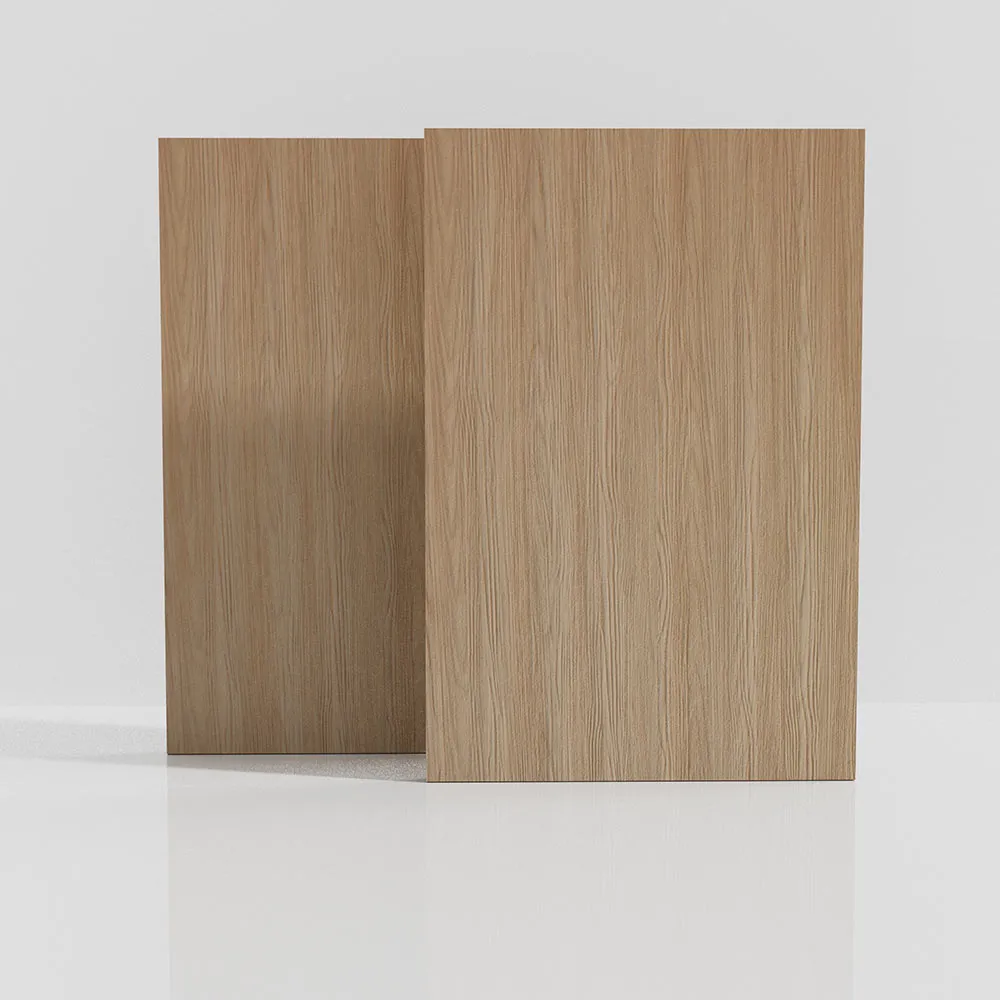
Stained Plywood is a key solution in the industry, specifically within manufacturing, furniture, and architectural design sectors. This article explores how https://www.tengfeiebmdf.com supports professionals with durable, high-performance products, and explains why this product is an ideal choice for businesses in these sectors.
Table of Contents
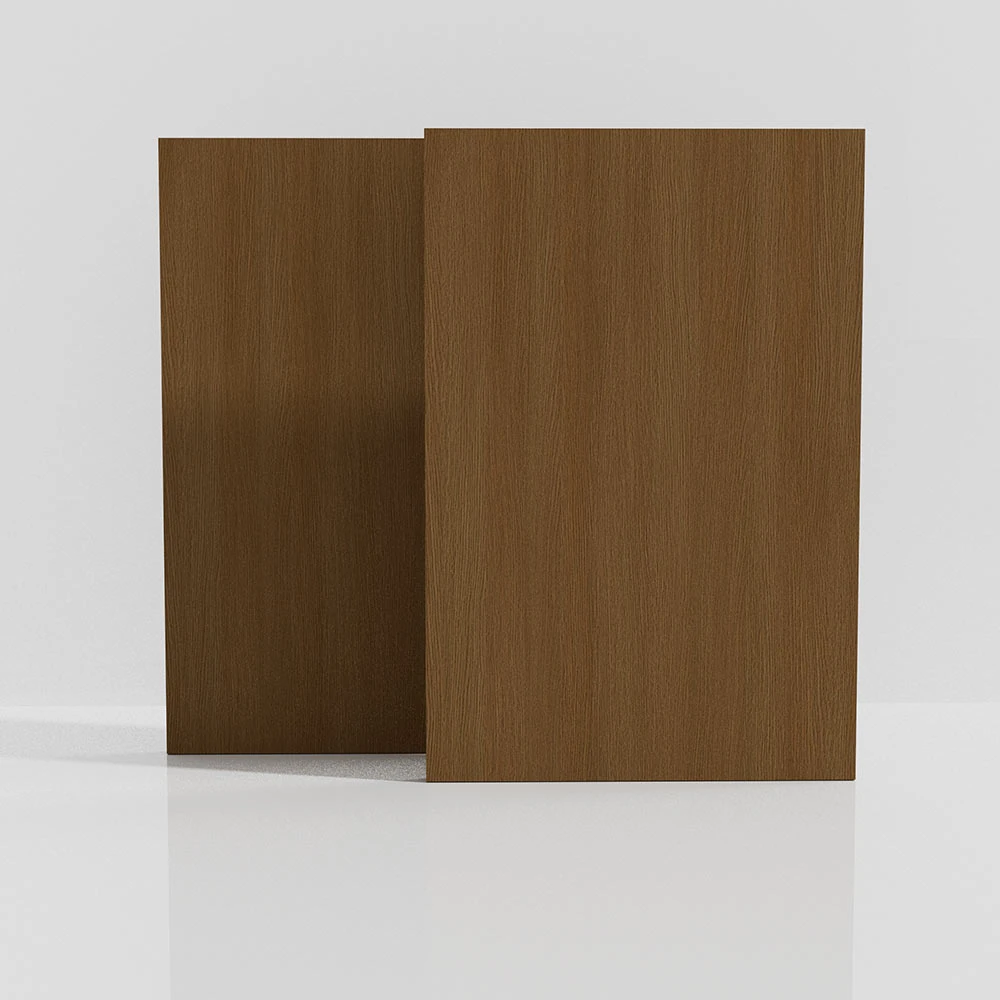
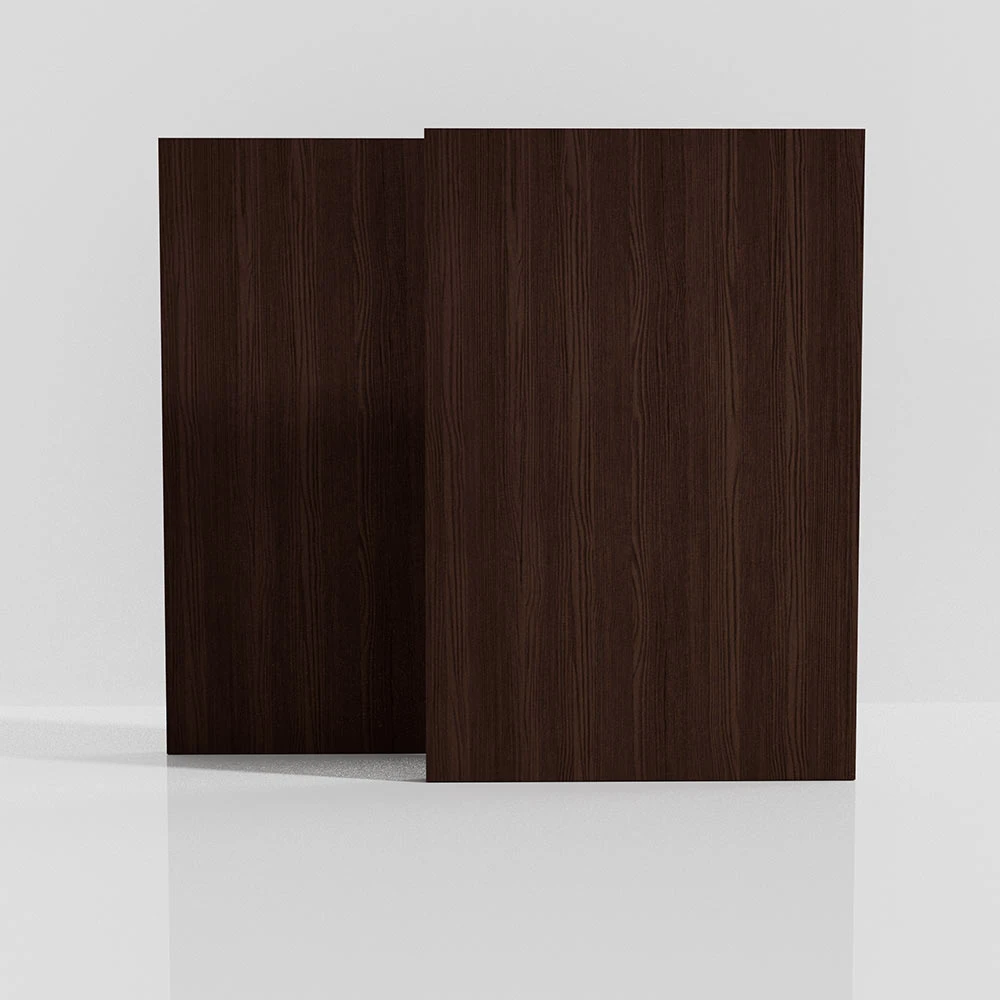
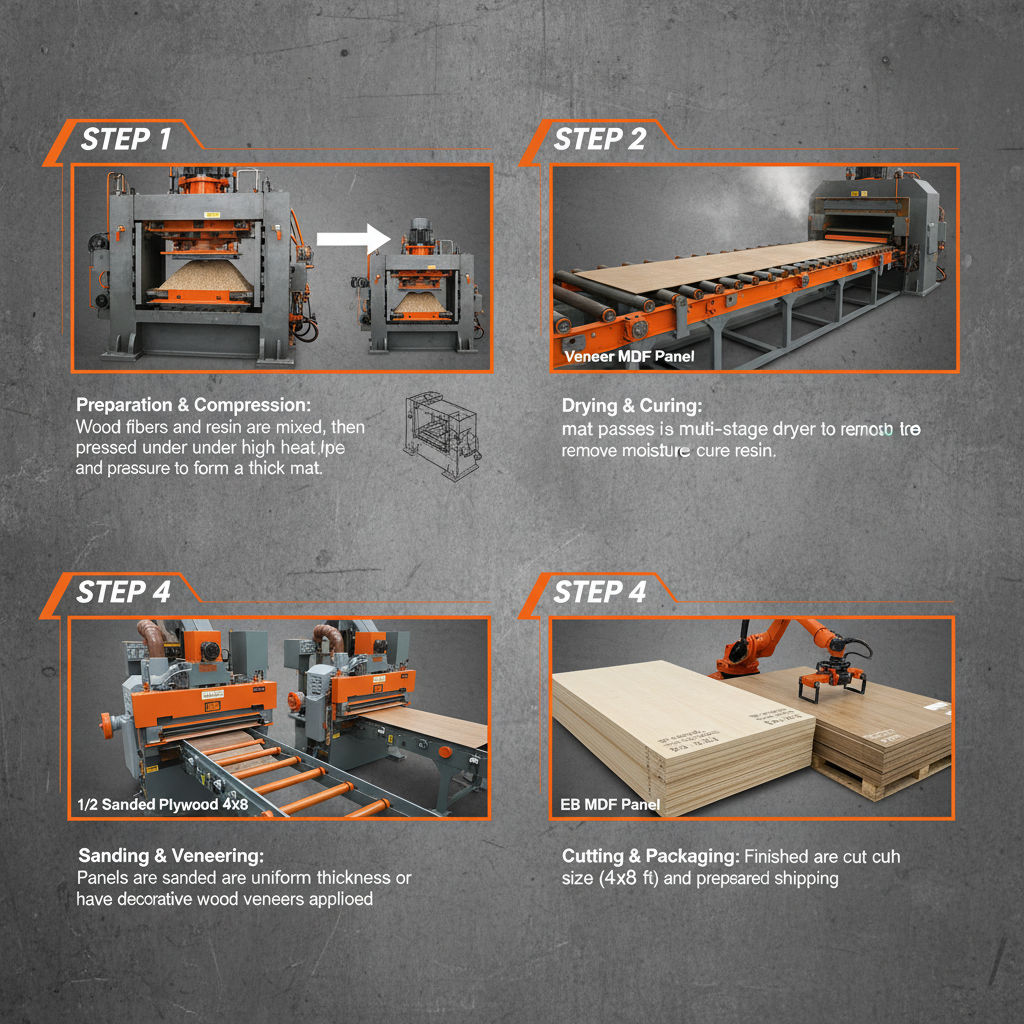
At its core, Stained Plywood is engineered wood coated with a penetrating stain that enhances both its appearance and durability. Unlike regular plywood, this product shows off natural wood grain patterns, elevated by rich stain finishes, making it a standout in architectural and furniture projects. Technically, it's crafted through layering veneers bonded with strong adhesives, then stained using environmentally friendly pigments to resist UV degradation. This kind of plywood can be found in structural applications where aesthetic appeal meets performance — think designer retail spaces or bespoke cabinetry.
- Multi-layered veneer construction enhances strength and flexibility.
- Staining process imbues resistance against moisture and fading.
| Specification |
Details |
| Thickness |
6mm – 25mm |
| Core Types |
Poplar, Birch, Eucalyptus |
| Surface Finish |
Water-based stain, UV cured |
| Moisture Resistance |
Rated up to 12% equilibrium moisture |
| Dimensions |
1220mm x 2440mm (Standard panels) |
If you’re wondering why more companies lean on stained plywood, it boils down to versatility and longevity. Beyond its charming grain and warm tones, this material offers solid dimensional stability for load-bearing works, making it popular in furniture manufacturing and interior wall cladding alike. The stain adds a protective layer that helps deter moisture and fading — which frankly, saves costs on maintenance. Innovators in retail fixtures and signage find stained plywood invaluable because it marries aesthetic flexibility with ruggedness.
- Customizable staining palette adapts to branding and design styles.
- Robust enough for both indoor use and moderate outdoor exposure.
- Facilitates faster fabrication due to pre-finished surfaces.
Cost, Maintenance & User Experience
The total cost of ownership for stained plywood tends to be quite appealing compared to solid hardwood options, especially when factoring in reduced finish labor and longer maintenance intervals. Users from commercial fit-out companies have noted decreased downtime due to the material’s resistance to common wear and tear. In real terms, investing in a premium stained plywood panel means fewer replacements and a cleaner finish from day one. There's also an ROI factor — less rework, less waiting, and consistent quality.
- Reduced finishing costs with factory-applied stains.
- Durability leads to fewer replacements over time.
- Positive feedback on ease of installation and aesthetic consistency.
Sustainability & Market Trends
Sustainability is no longer a nice-to-have, but a must in procurement decisions — and stained plywood fits comfortably here. Thanks to responsible sourcing of raw materials and low-VOC staining processes (like those employed by Tengfei), buyers can tick eco boxes while not compromising on performance. Moreover, the industry is seeing a growing tilt towards durable wood products that extend lifecycle and curb waste. This trend is driven by regulation and an increasingly eco-aware clientele, making stained plywood a growth segment within engineered wood markets.
- FSC-certified veneers underline green credentials.
- Water-based stains reduce environmental footprint.
- Rising adoption in green building projects across Asia-Pacific.
| Vendor |
Product Range |
Environmental Certifications |
Pricing |
Custom Stain Options |
| Tengfei |
Wide (6-25mm thicknesses) |
FSC, CARB Phase 2 |
Competitive |
Yes |
| Vendor B |
Limited (mainly 12mm thickness) |
No |
Moderate |
No |
| Vendor C |
Moderate (varied finishes) |
PEFC Certified |
Higher |
Limited |
Frequently Asked Questions about Stained Plywood
- What is Stained Plywood and how does it work?
- Stained plywood is a multi-layer wood panel treated with a colored stain that soaks into the surface, enhancing natural wood grain and providing protection. The stain penetrates rather than sits on top, so it preserves texture and durability simultaneously.
- What are the main benefits of using Stained Plywood in industrial applications?
- Key benefits include improved moisture resistance, attractive finish requiring less on-site finishing, cost savings versus solid wood, and accelerated production times.
- How does Stained Plywood compare to traditional alternatives?
- Compared to solid wood and untreated plywood, stained plywood offers enhanced stability and surface finish right from the factory, cutting down labor and increasing lifespan in demanding environments.
- What industries can benefit most from Stained Plywood implementation?
- Industries such as furniture manufacturing, interior architecture, retail fixture production, and light construction find stained plywood especially valuable due to its blend of aesthetics and performance.
Conclusion on Stained Plywood from china
To wrap it up, stained plywood feels like one of those smart choices that actually deliver in terms of form and function. It balances durability with style, cuts down on finishing, and aligns well with evolving sustainability trends. Businesses looking for efficiency and trusted quality should definitely consider options like those offered at https://www.tengfeiebmdf.com.
A note from experience: With stained plywood, you’re not just buying material; you’re investing in a smoother process and a more polished end result. I've seen projects falter on cheap finishes — this kind of upgraded ply avoids that pitfall.
- Wood Veneer Technical Handbook, Forest Products Lab, 2022
- Tengfei Product Specifications, Detailed Datasheets, 2023
- Global Engineered Wood Market Report, 2023 Insights



![[PU705] – Advanced Sensor for Industrial Automation Solutions](https://images.exportstart.com/images/a1394/1-4531.webp "[PU705] – Advanced Sensor for Industrial Automation Solutions")