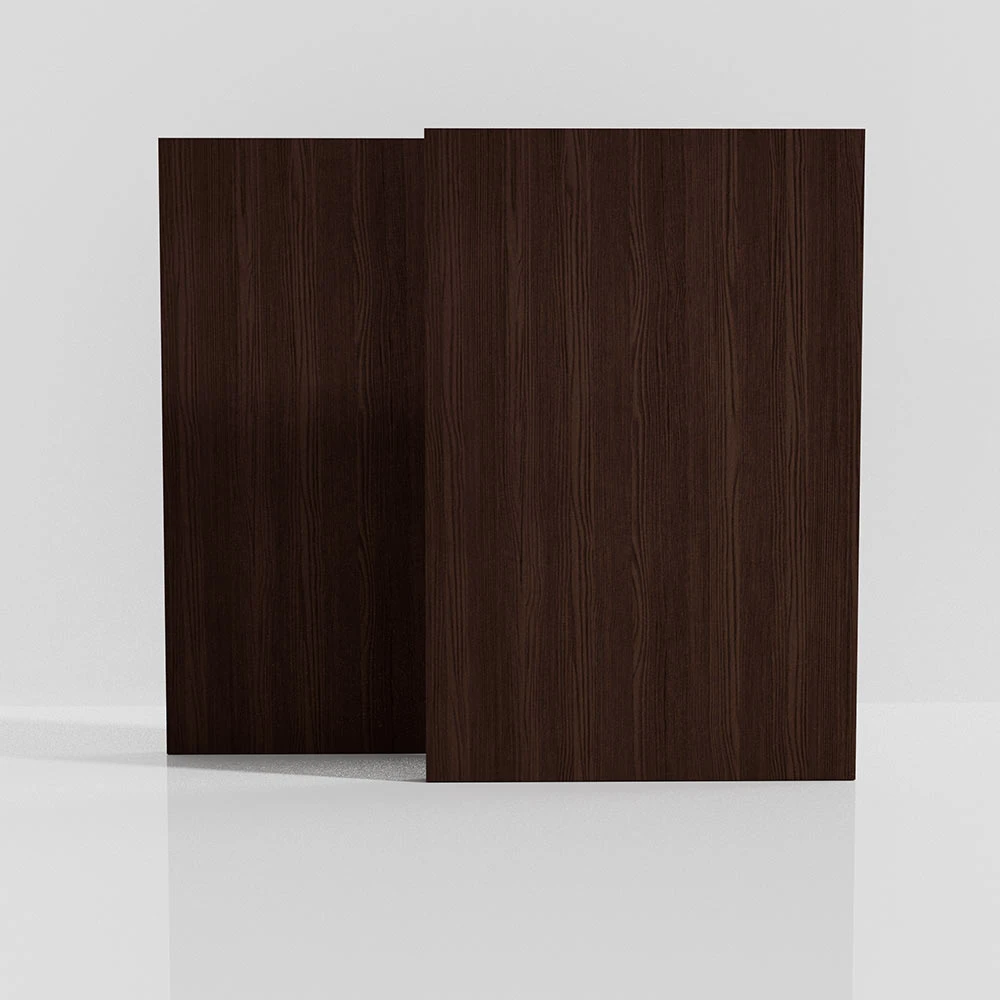
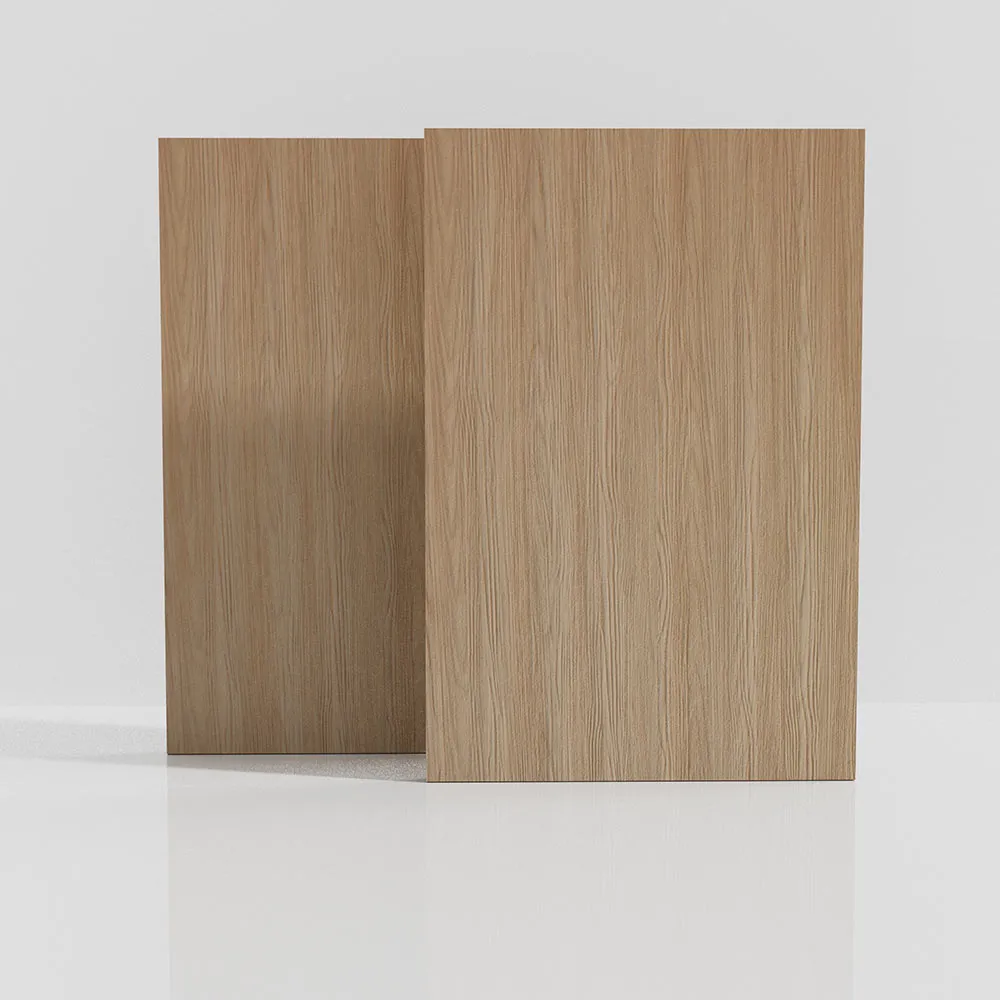
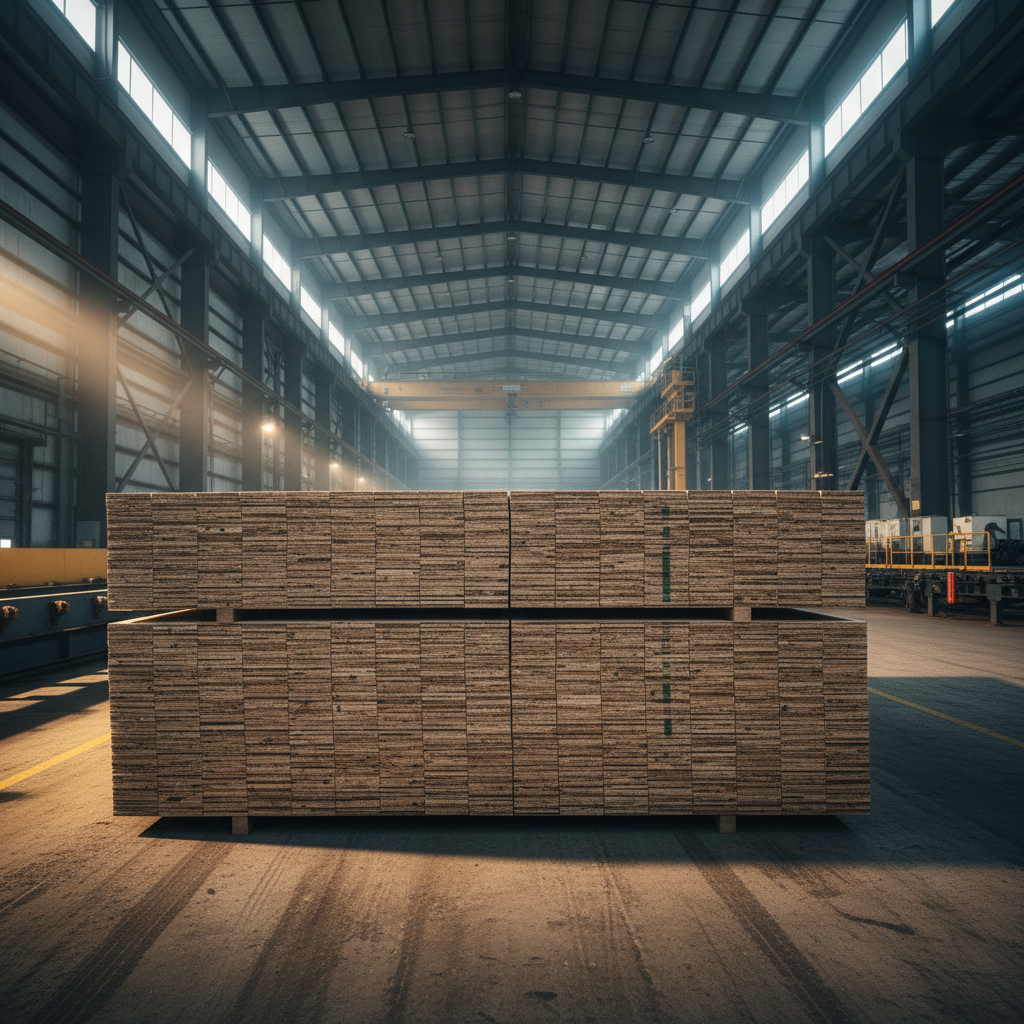
Standard Plywood is a key solution in the industry, specifically within sectors that demand reliable, durable, and versatile building materials. This article explores how https://www.tengfeiebmdf.com supports professionals with high-performance products and explains why this product is an ideal choice for businesses in these sectors.
Table of Contents
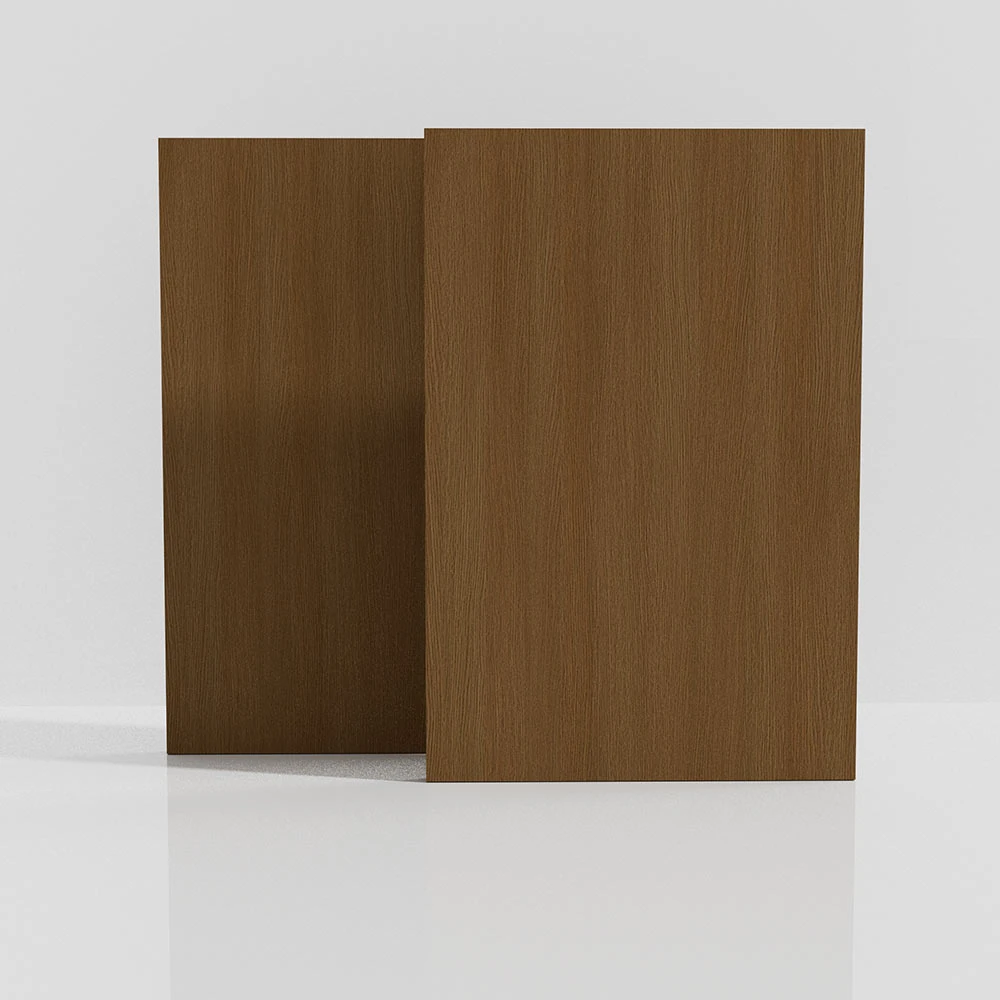
When we talk about Standard Plywood, we're essentially referring to engineered wood panels created by bonding multiple layers (or plies) of wood veneers. Each layer’s grain is positioned perpendicular to the adjacent one—this cross-graining technique significantly enhances strength and reduces swelling, which is crucial in environments subject to moisture or heavy loads.
Frankly, plywood’s been a trusted staple for decades, but modern manufacturing, like what Tengfei offers, takes it to the next level with stricter quality controls and improved adhesives that pass ANSI/HPVA HP-1 standards for performance. You can expect consistent thickness, high durability, and impressive resistance to splitting or cracking, making it suitable for everything from furniture making to structural support in construction. Oddly enough, engineers say that a well-made plywood panel can sometimes outperform solid wood in terms of flexibility and strength-to-weight ratio.
| Specification |
Standard Plywood (Typical) |
| Material Composition |
Cross-laminated wood veneers with phenolic adhesives |
| Thickness Range |
3 mm to 25 mm |
| Dimensions |
1220 x 2440 mm (standard sheets) |
| Strength (Modulus of Rupture) |
≥ 30 MPa |
| Moisture Content |
6–12% |
| Certifications |
CARB Phase 2, FSC available |
In real terms, the versatility of Standard Plywood is what makes it so widely adopted. For industrial applications—particularly in furniture manufacturing, interior decoration, and lightweight construction—its advantages pile up quickly. It offers superior structural integrity compared to particleboard or MDF, yet it’s lighter and easier to handle than solid hardwood.
What's neat is how competitive it remains in price despite outperforming alternatives in durability and workability. This means less rework for manufacturers and fewer callbacks once products reach their clients. For instance, a furniture factory I spoke to recently switched to Tengfei’s plywood and reported fewer defects during assembly and improved customer satisfaction. There’s also the fine finish on surfaces—ideal for veneering or laminating—that helps end products look top-notch without overspending.
The cross-laminated core also improves resistance against warping in humid conditions, which oddly enough can plague less engineered sheets in some regions. From architectural models to shipping crates, the range of applications is broad—and the proven specs help engineers and procurement teams make confident choices.
Cost, Maintenance & User Experience
Managing costs is always top of mind for B2B decision makers, and plywood’s relatively low total cost of ownership often surprises newcomers. While the upfront price may not be the absolute cheapest, its durability lowers maintenance needs and replacement frequency — that means, in real terms, money saved across project timelines.
Tengfei’s customers often mention a lower incidence of splintering or delamination even after aggressive use. This contributes to a smoother manufacturing process, fewer waste materials, and less downtime for repairs. Oddly enough, some engineers told me they appreciate how predictable the product reacts during cutting or milling, which streamlines machining parameters and reduces tool wear.
And while maintenance is generally simple—just avoid prolonged water exposure and handle with care—its resilience makes it an easy recommendation for mid- to heavy-duty industrial jobs. The return on investment is certainly one of the reasons why so many firms stick with trusted suppliers like Tengfei.
Sustainability & Market Trends
Sustainability probably feels like a buzzword at this point, but for plywood suppliers, it's increasingly important. Tengfei’s Standard Plywood complies with international certifications like FSC, which confirms the wood comes from responsibly managed forests. This kind of traceability matters to companies trying to meet environmental targets or respond to stricter regulations.
Also, the plywood market itself is evolving. Demand for lightweight, strong, and eco-friendly materials is growing as manufacturers pivot to more sustainable models. New adhesive technologies and refined veneer selection help reduce the carbon footprint of each panel produced. Plus, the growth of prefab/modular construction means plywood’s versatility keeps it in demand — oddly enough, it’s more relevant than ever.
| Vendor |
Product Quality |
Price Competitiveness |
Sustainability Certification |
Lead Time |
| Tengfei |
High (HPVA Standards approved) |
Competitive |
FSC, CARB Phase 2 |
7–14 days |
| Vendor B |
Moderate |
Lower price but variable quality |
No Certification |
10–21 days |
| Vendor C |
High |
Higher Price |
FSC Certified |
14–28 days |
Frequently Asked Questions about Standard Plywood
- What is Standard Plywood and how does it work?
- Standard Plywood is an engineered wood panel made from multiple thin layers of wood veneers glued together with grain directions alternating, which boosts strength, flexibility, and heat tolerance, making it ideal for structural or interior use.
- What are the main benefits of using Standard Plywood in industrial applications?
- Its benefits include enhanced durability, resistance to warping and moisture, cost-effectiveness over the long term, and ease of fabrication — features that translate into better product quality and reduced waste for industries.
- How does Standard Plywood compare to traditional alternatives?
- Compared to particleboard or solid wood, Standard Plywood offers superior structural strength with less weight, better moisture resistance, and more uniformity, thanks to modern adhesives and layering techniques.
- What industries can benefit most from Standard Plywood implementation?
- Industries such as furniture manufacturing, construction, interior design, packaging, and automotive sectors find Standard Plywood particularly useful due to its strength, versatility, and finish quality.
Conclusion on Standard Plywood from china
To wrap up, Standard Plywood remains an essential material for a wide range of industries thanks to its reliability, performance, and sustainability credentials – qualities that suppliers like Tengfei have honed over years of experience. For those in procurement or manufacturing looking to balance performance with cost and environmental responsibility, it’s definitely worth a close look.
- Visit our website: https://www.tengfeiebmdf.com
References:
- HPVA Industry Standards
- Forest Stewardship Council Certification
- EPA Formaldehyde Regulations for Wood Products
It’s one thing to read about these materials, but working with a dependable supplier who understands the finer details can make all the difference.