Add: No.8 Xinxing Street, North Zone, Zhengding High-tech Industrial Development Zone, Hebei, China
CONTACT US
+8615030171059


CONTACT US
+8615030171059
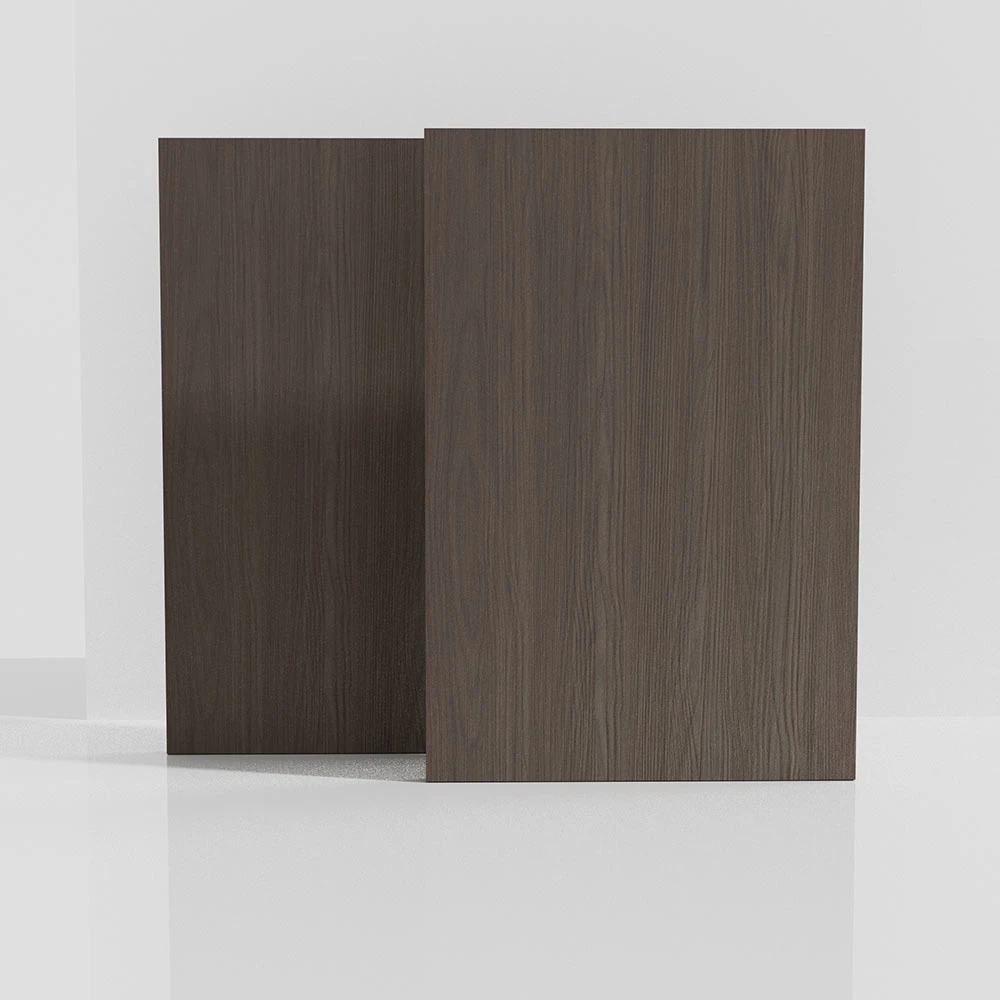
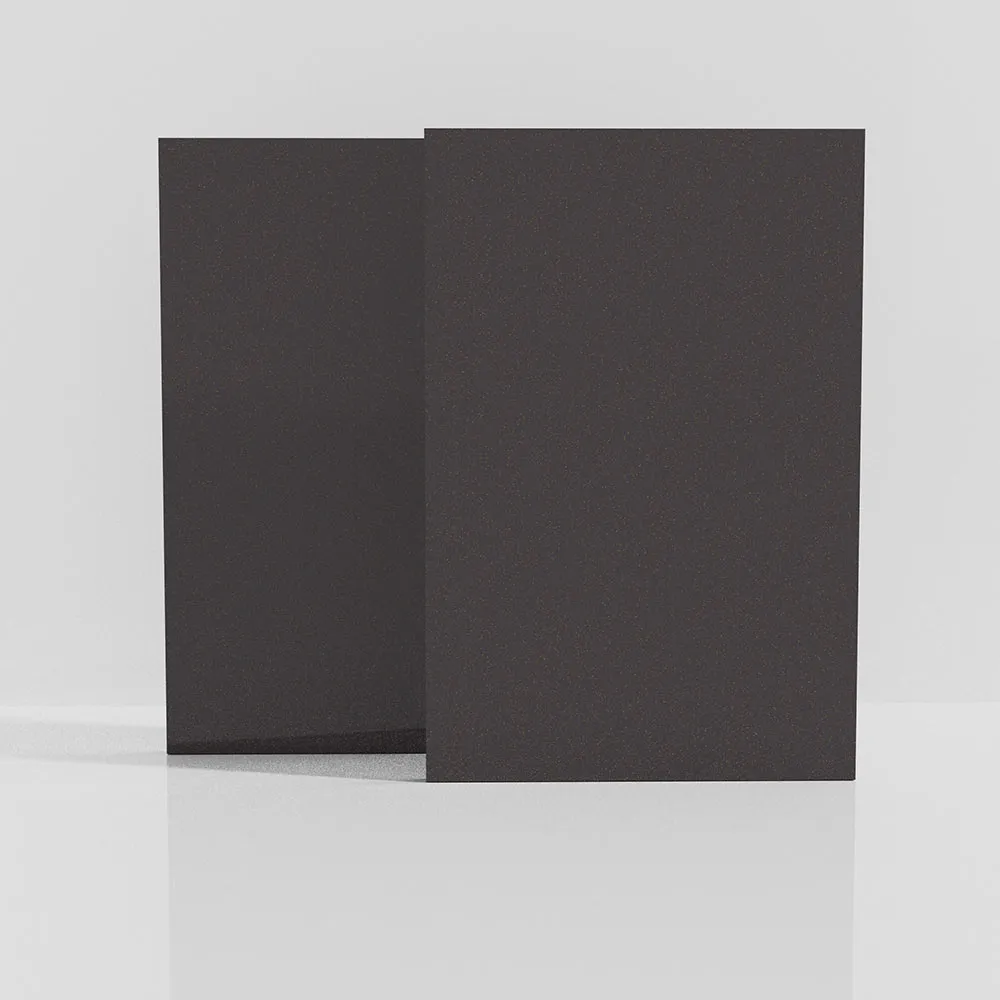
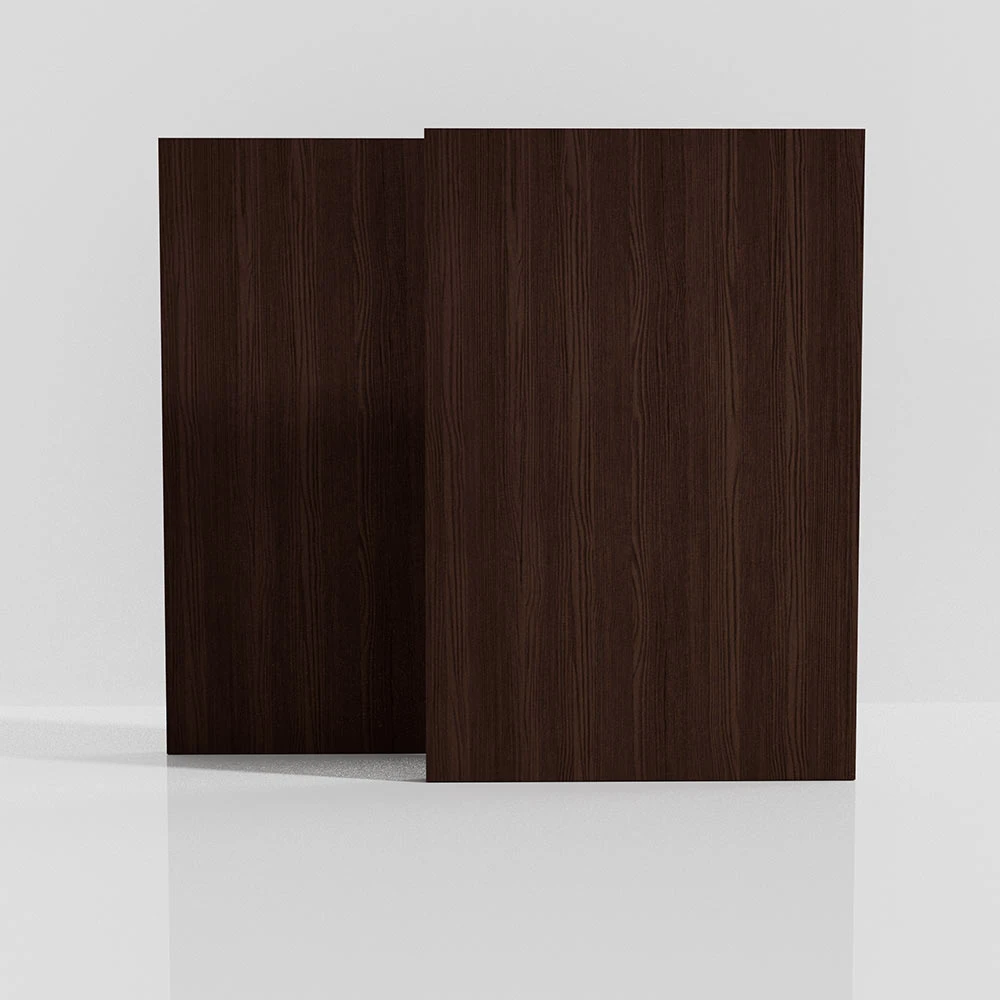
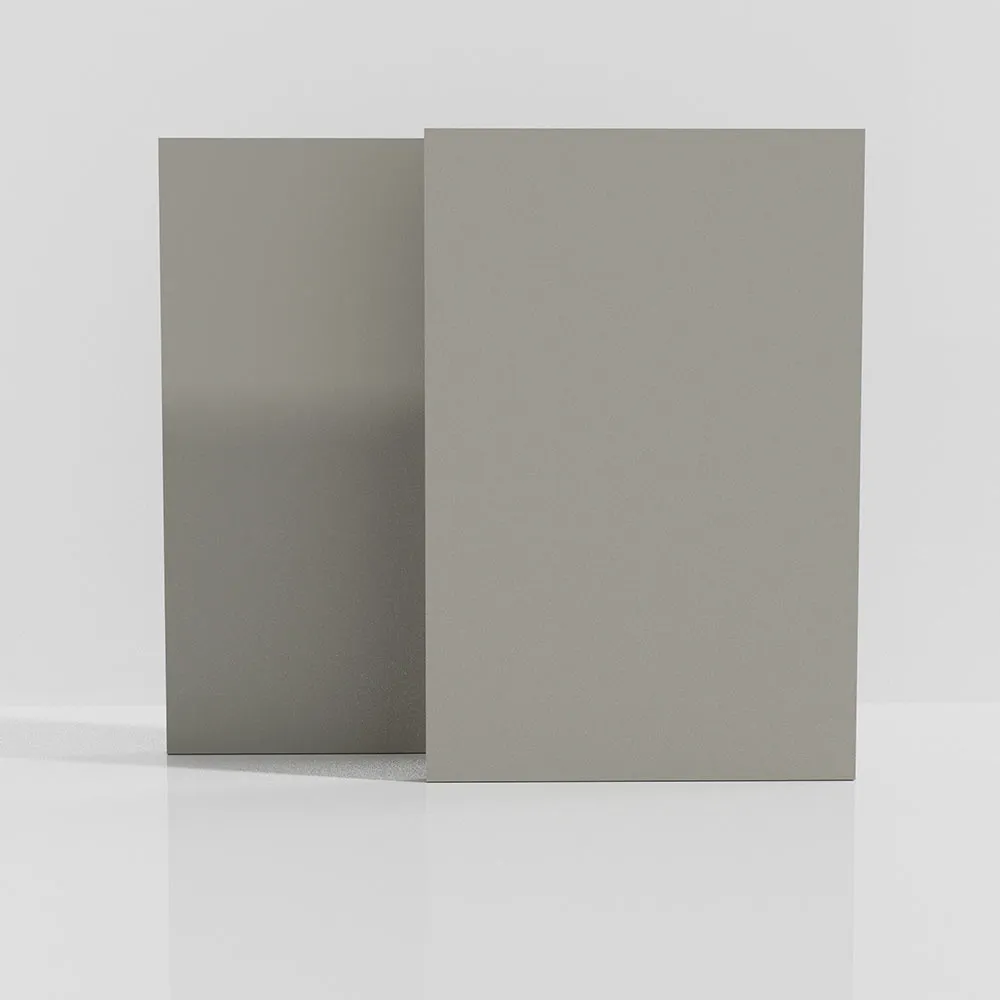
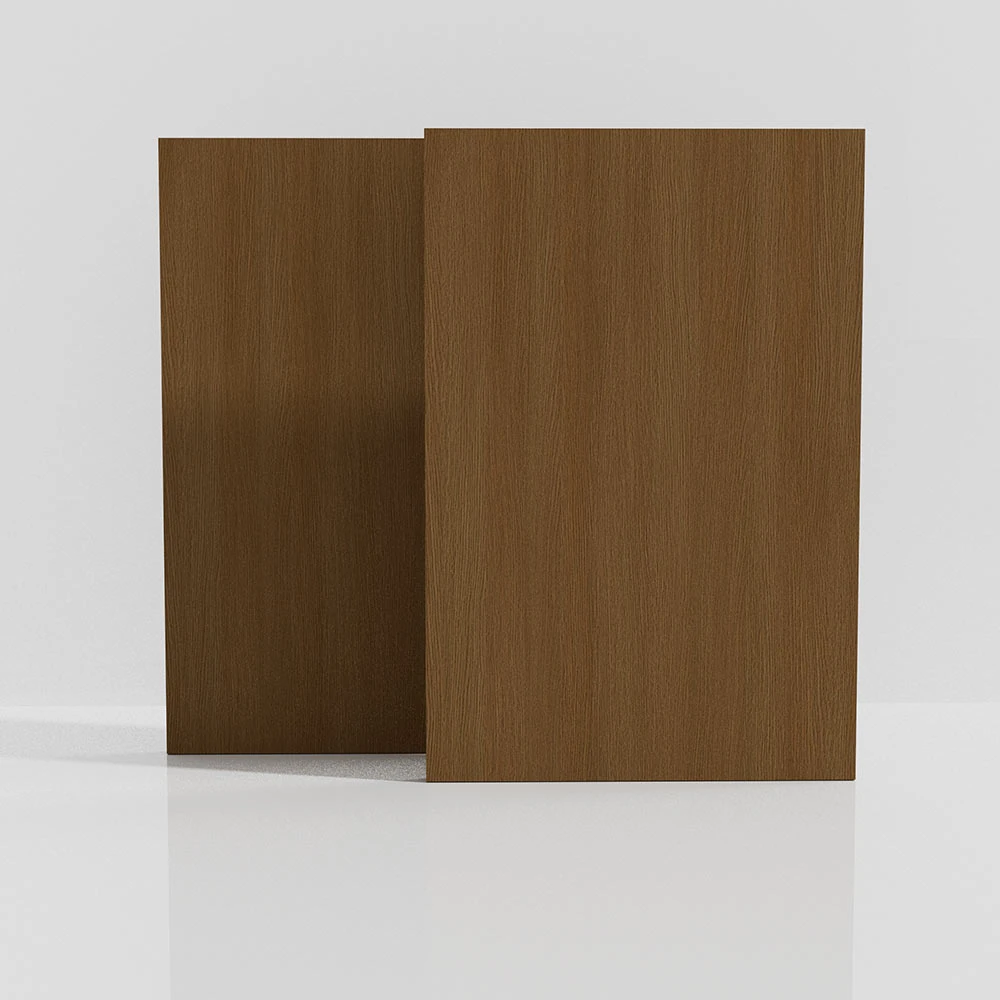
There’s a reason interior brands keep circling back to cool neutrals. Grey is forgiving, photogenic, and—when done right—quietly premium. I spent the last month talking to shopfitters and cabinet makers about what they actually want from a grey décor board. The short answer: reliable color, clean machining, and emissions paperwork that passes any audit without a fuss. That’s where Fashion Grey from Hebei-based Tengfei has been making the rounds in spec sheets.
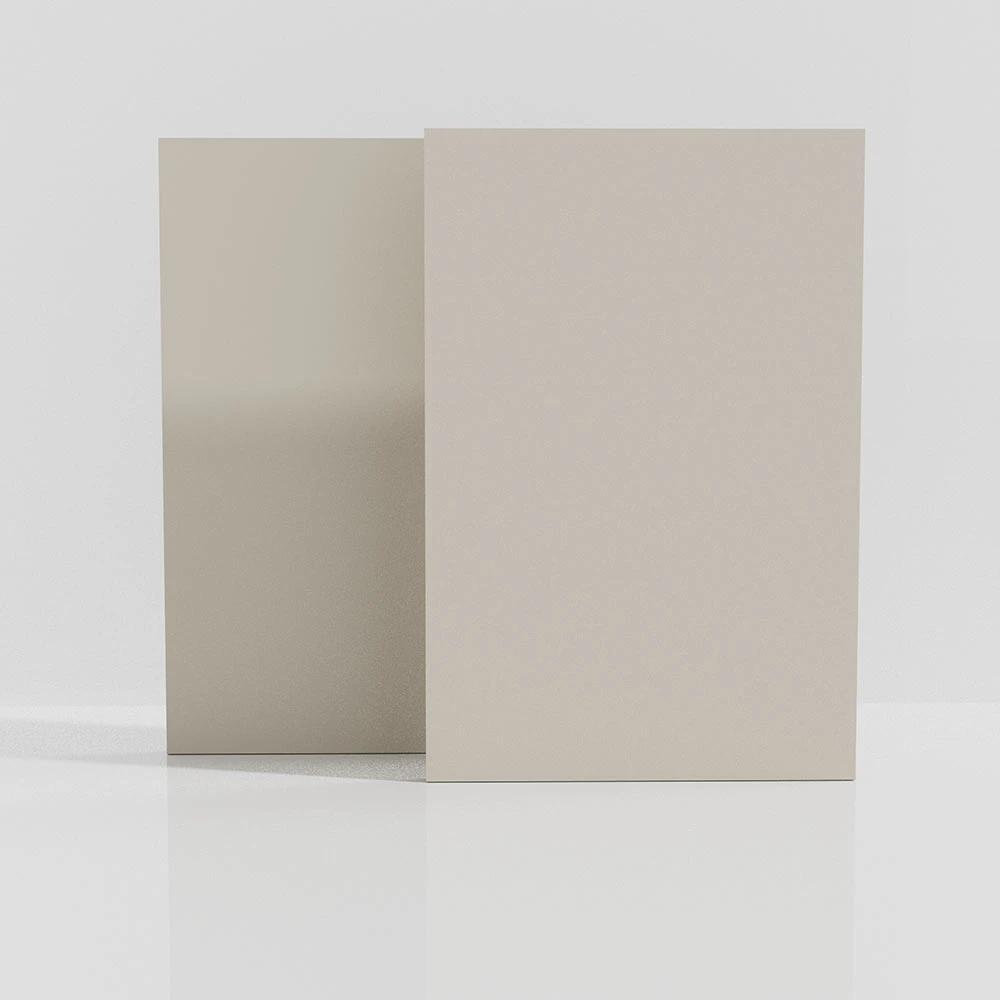
Grey has shifted from “safe” to “signature.” In hospitality and retail, designers blend a mid-grey face with warm hardware to balance minimalism with approachability. The spec is usually melamine-faced MDF: stable, consistent, and faster to install than paint. Fashion Grey hits that brief, and—surprisingly—pricing remains competitive against EU imports without cutting corners on compliance.
| Parameter | Typical Spec (≈ / around) | Notes |
|---|---|---|
| Core | MDF, E1 / TSCA Title VI compliant | CARB Phase 2 compatible |
| Thickness options | 5–25 mm | Custom on request |
| Density | ≈700–760 kg/m³ | EN 622-5 reference |
| Sheet size | 1220 × 2440 mm (4×8 ft) | Other formats available |
| Surface | Melamine, micro-matte (≈5–8 GU) | Low glare, camera-friendly |
| Color stability | ΔEab ≤ 0.8 between batches | Real-world use may vary |
| Formaldehyde | E1 (EN 717-1) / ≤0.11 ppm (TSCA) | Certificates supplied |
| Abrasion (Taber) | ≥200 rev (CS10, 1 kg) | EN 14322 guidance |
| Service life | ≈10–15 years interior | With normal care |
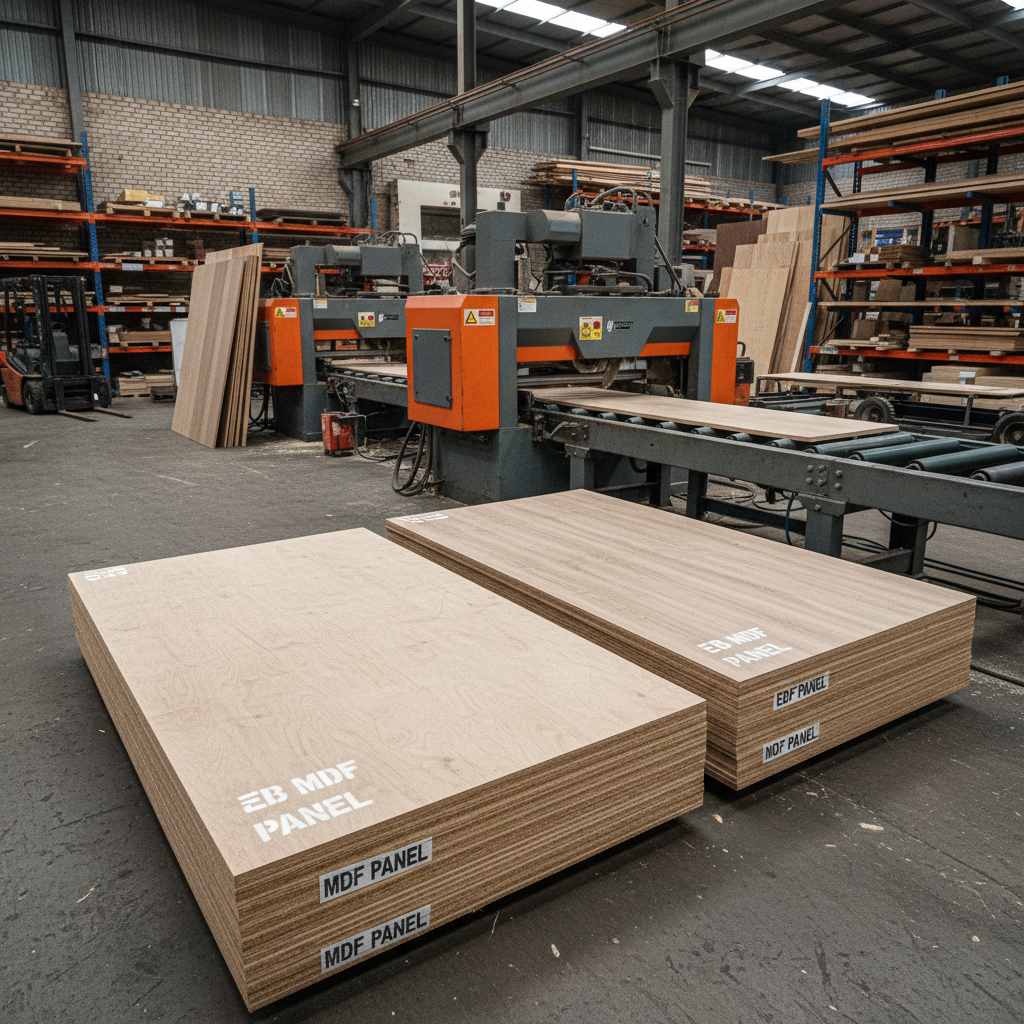
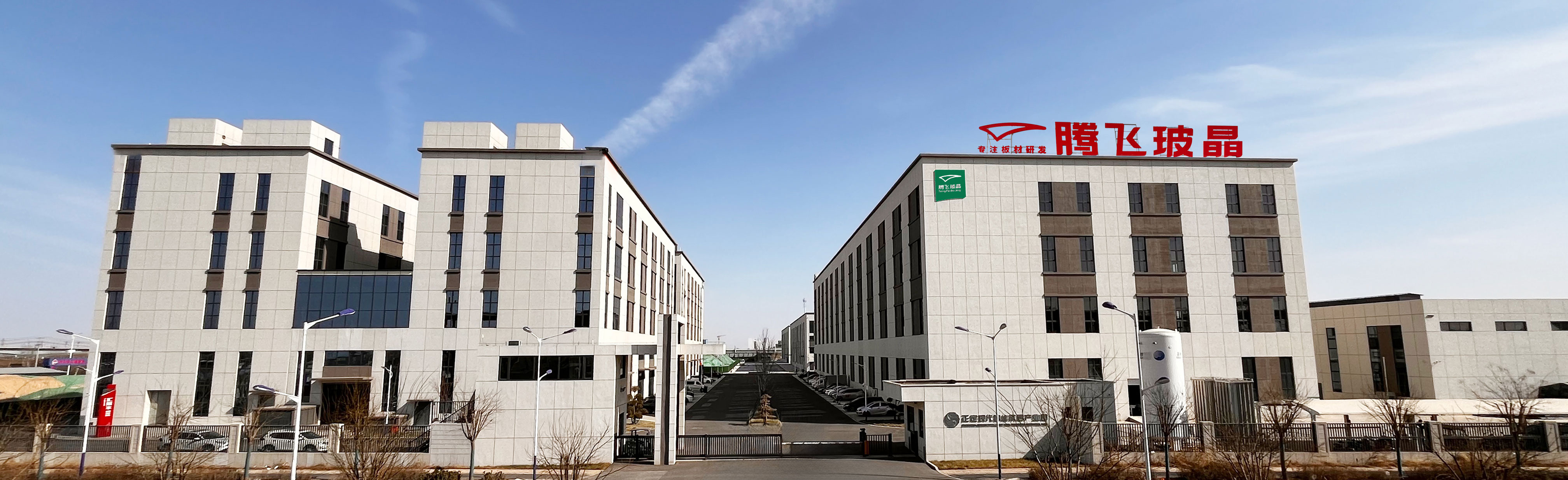
Fashion Grey starts with selected wood fibers, resin blending, and hot pressing into MDF per EN 622 series. Decor paper is impregnated with melamine, pressed onto the core, then conditioned. QA runs moisture (EN 322), thickness swelling (EN 317), internal bond (ASTM D1037), and surface tests (EN 14322 rub/spot). Emission checks follow TSCA Title VI and typically CARB documentation. Origin: No.8 Xinxing Street, North Zone, Zhengding High-tech Industrial Development Zone, Hebei, China.
Pros? Stable machining, tight color, and easy edging. One fabricator told me, “Router bits last slightly longer than on harder HPL—small win, but it adds up.”
| Vendor | Certs | Lead time | Color consistency | Price index |
|---|---|---|---|---|
| Fashion Grey (Tengfei) | ISO 9001, TSCA, often CARB | ≈2–4 weeks | ΔE low; batch-locked | $ (competitive) |
| Generic importer | Varies; TSCA sometimes | 4–7 weeks | Inconsistent | $ |
| EU premium brand | EN/ISO, GREENGUARD | 2–6 weeks | Excellent | $$–$$$ |
Custom gloss, texture (fine-sand, linen), and cut-to-size are available; edging tape can ship matched. MOQs are reasonable—ask for batch-locking to avoid ΔE drift. Palletization is solid; corners arrive intact more often than I expected, to be honest.
Docs typically include TSCA Title VI and, when requested, CARB Phase 2. Factory QA references EN 13986 for structural board requirements, EN 322 for moisture, and ASTM D1037 for mechanicals. Many customers say the paperwork “just passes,” which is what you need on fast-moving fit-outs.
If your spec calls for a dependable mid-grey melamine on MDF, Fashion Grey balances cost, compliance, and color control. Not flashy—just the kind of board that makes installers look good.
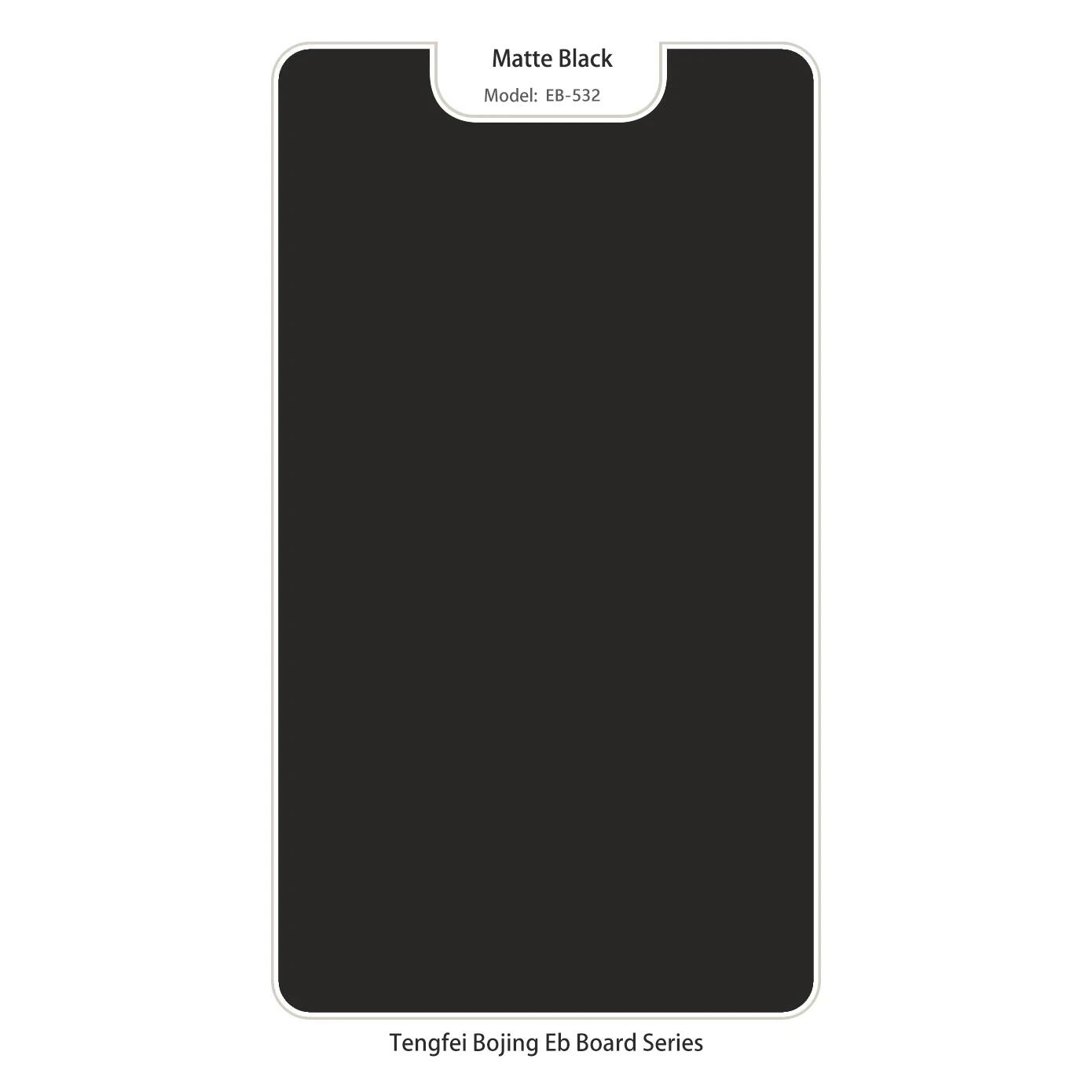
Tengfei Platinum EB Particle Panels - Matte Black
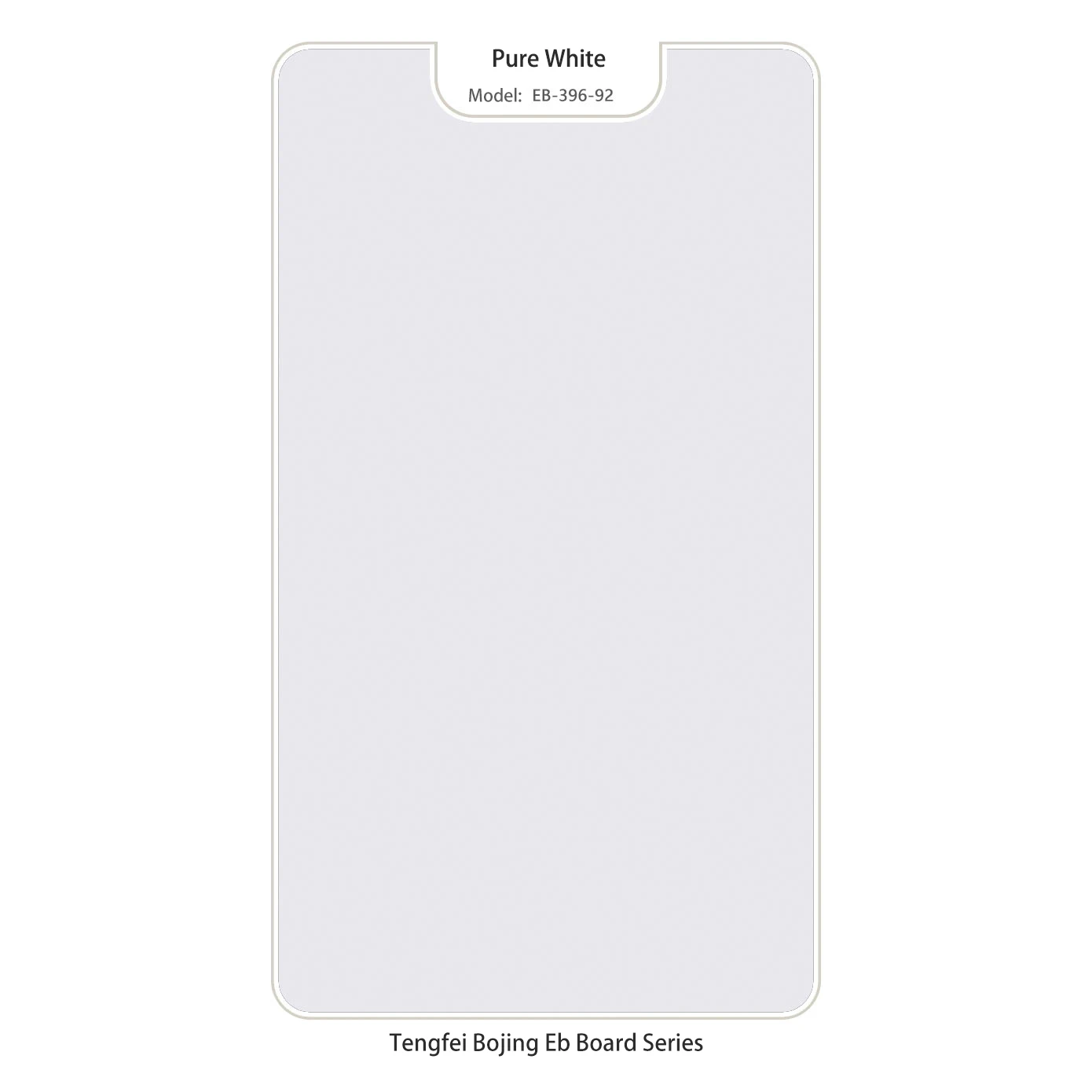
Tengfei Platinum EB Particle High-Gloss Panels - Pure white
To provide reliable solutions through quality products!