Add: No.8 Xinxing Street, North Zone, Zhengding High-tech Industrial Development Zone, Hebei, China
CONTACT US
+8615030171059


CONTACT US
+8615030171059
When undertaking construction, renovation, or outdoor projects, selecting the right materials is crucial. 1 2 inch pressure treated plywood is a versatile and durable option, offering resistance to rot, decay, and insect damage. This guide explores the properties, applications, benefits, and considerations when working with this essential building material. Choosing the right plywood can make the difference between a long-lasting project and one requiring constant repair. We’ll delve into what makes this specific plywood a valuable investment.
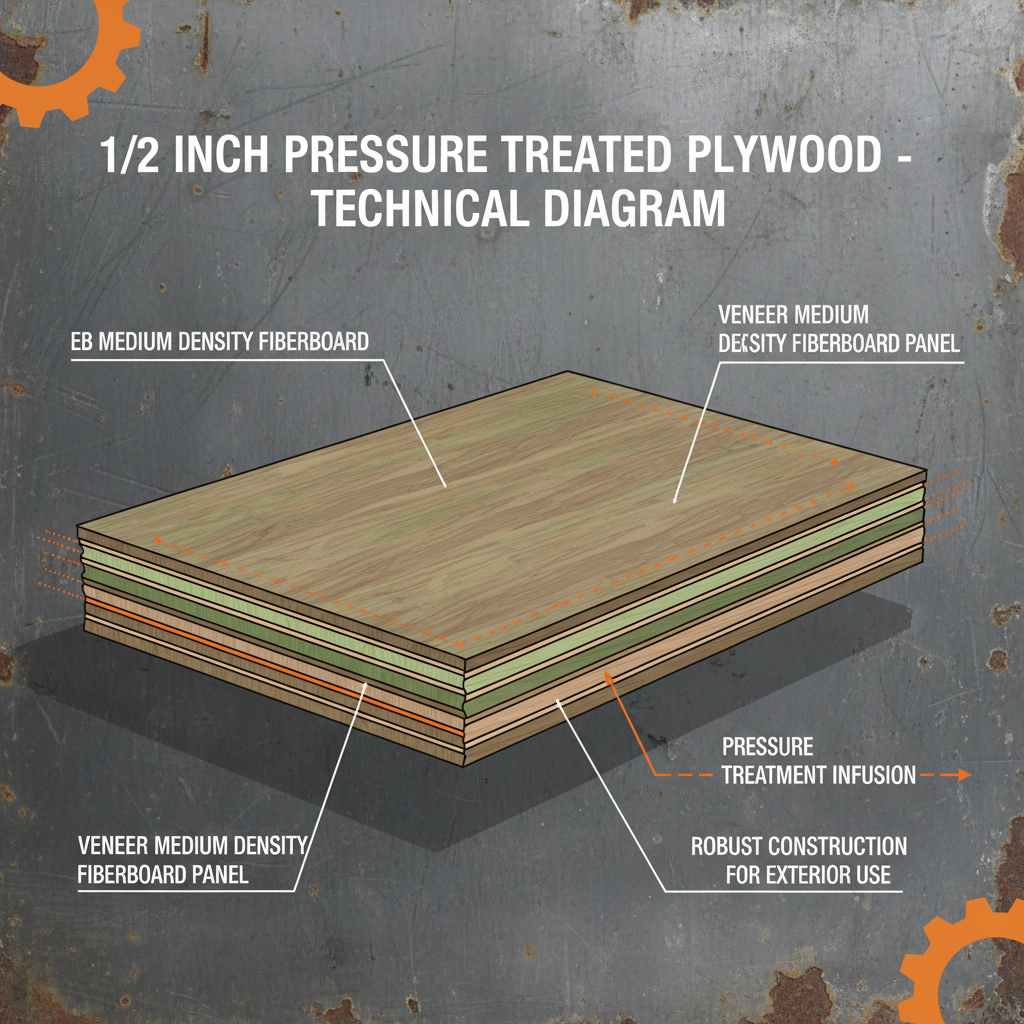
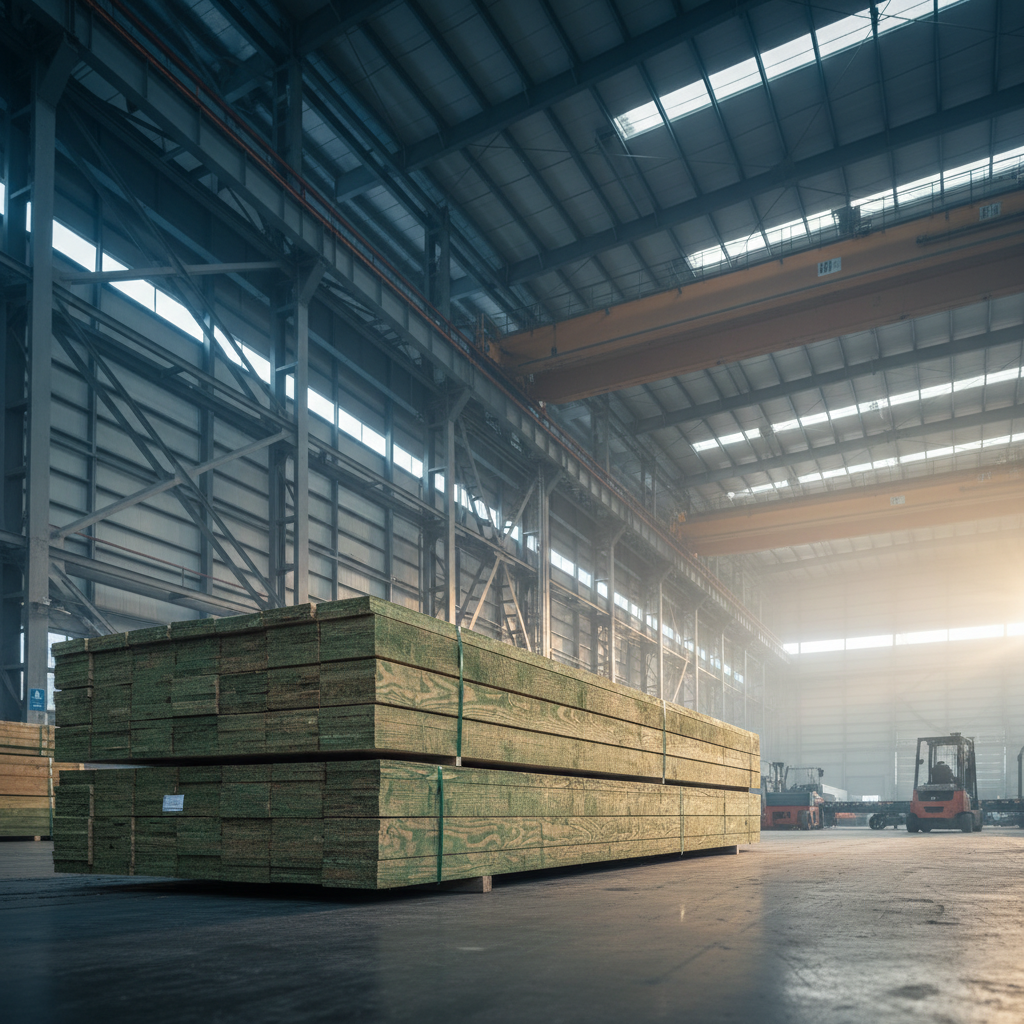
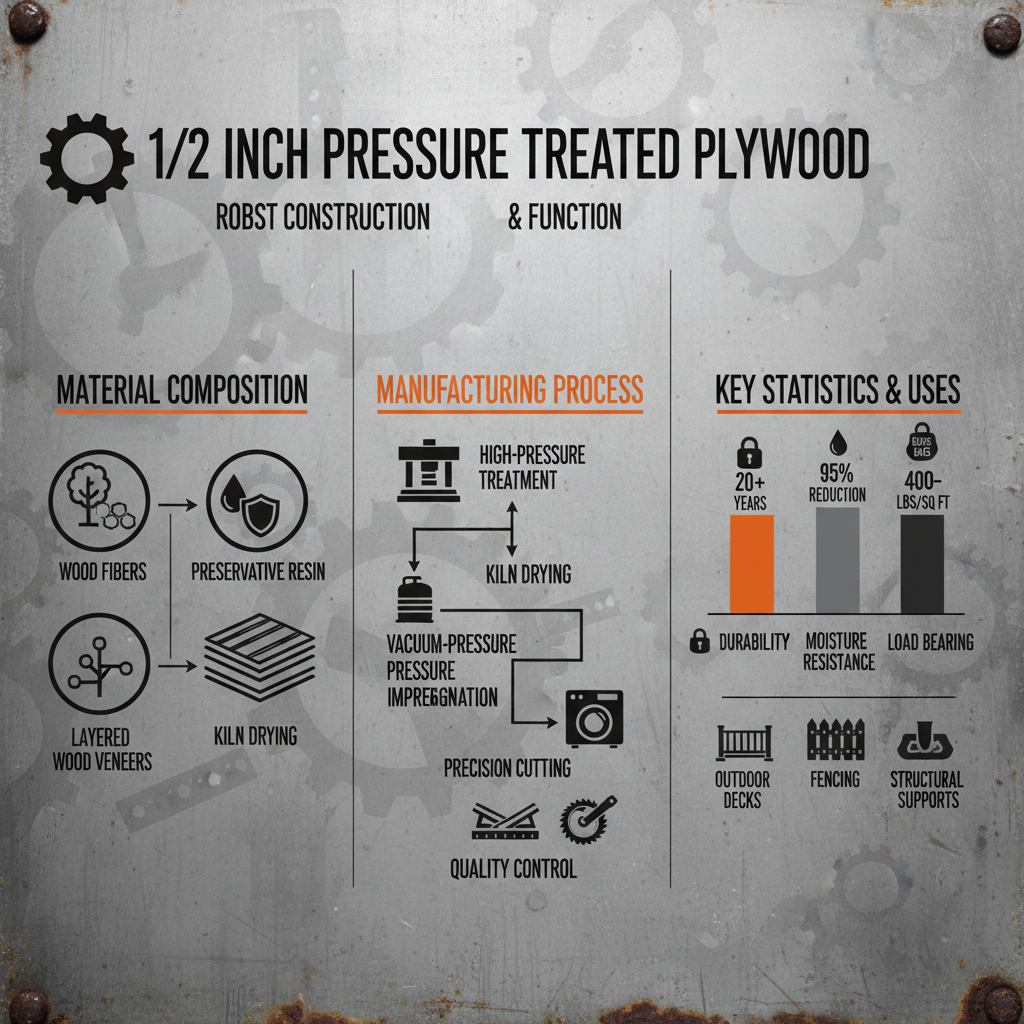
Pressure-treated plywood is created by infusing wood veneers with preservative chemicals under high pressure. This process dramatically enhances the wood’s resistance to fungal decay, insect infestations, and moisture damage. 1 2 inch pressure treated plywood, specifically, refers to plywood that is ½ inch (12.7mm) thick. The “pressure treatment” is what sets it apart from standard plywood, allowing it to be used in environments where moisture is a significant concern. This makes it an excellent choice for outdoor applications where standard plywood would quickly deteriorate.
Key Benefit: Pressure treatment significantly extends the lifespan of plywood in outdoor or damp conditions, reducing the need for frequent replacements.
The versatility of 1 2 inch pressure treated plywood makes it suitable for a wide range of projects. Common applications include: exterior siding, roof sheathing, subflooring, fence construction, outdoor furniture, boat building, and creating forms for concrete pouring. Its relatively lightweight nature combined with its strength makes it easy to work with for both DIY enthusiasts and professional builders. The 1/2 inch thickness offers a good balance between strength, weight, and cost.
Application Areas:
• Exterior Siding
• Roof Sheathing
• Fence Construction
• Outdoor Furniture
Choosing the right plywood thickness depends on the structural requirements of your project. While 1/2 inch is a popular choice, it's important to understand how it compares to other common thicknesses. Thicker plywood (3/4 inch or greater) offers greater strength and is often used for subflooring or load-bearing applications. Thinner plywood (1/4 inch) is more flexible and suitable for decorative purposes or projects where strength is less critical. 1 2 inch pressure treated plywood strikes a balance between these two extremes, offering sufficient strength for many outdoor projects without being excessively heavy or expensive.
While pressure-treated plywood offers significant benefits, it’s essential to handle it correctly. The chemicals used in the treatment process can be corrosive to certain metals, so use stainless steel or coated fasteners. Always wear appropriate personal protective equipment (PPE) such as gloves, a mask, and eye protection when cutting or sanding pressure-treated wood. Proper ventilation is also important. Dispose of waste materials responsibly according to local regulations. Tengfei EBMDF provides detailed safety information and handling guidelines for their pressure-treated plywood products.
When sourcing 1 2 inch pressure treated plywood, it's vital to partner with a reputable supplier. Tengfei EBMDF is a leading manufacturer and exporter of high-quality plywood products, committed to delivering consistent quality, competitive pricing, and excellent customer service. They offer a wide range of plywood options, including various thicknesses and treatment levels to meet your specific project needs.
Investing in high-quality 1 2 inch pressure treated plywood from a trusted supplier like Tengfei EBMDF ensures the longevity and structural integrity of your projects. With its resistance to rot, decay, and insect damage, it’s a smart choice for any outdoor or moisture-prone application. Choose wisely, build confidently, and enjoy the benefits of a durable and reliable building material.
The most common treatment used for pressure-treated plywood is Alkaline Copper Quaternary (ACQ). ACQ is a water-based preservative that is effective against fungal decay and insect attack. Older treatments, like Chromated Copper Arsenate (CCA), are now less common due to environmental concerns. It's important to check the product specifications to determine the exact treatment used. Tengfei EBMDF provides detailed information on the treatments used in their plywood products.
Yes, pressure-treated plywood can be painted or stained, but it's crucial to use the correct type of coating. Oil-based primers and paints are generally recommended to ensure proper adhesion and prevent moisture penetration. Water-based coatings may not adhere as well and can lead to peeling or blistering. Allow the plywood to dry thoroughly before applying any coating. It is best to consult the product data sheet for the specific recommendation.
While pressure-treated plywood is resistant to rot and insects, some individuals are concerned about the potential for chemical leaching into the soil. Modern ACQ treatments are considered safer than older CCA treatments, but it’s still advisable to line the garden bed with a plastic barrier to prevent direct contact between the plywood and the soil. Alternatively, consider using naturally rot-resistant wood like cedar or redwood for garden bed construction.
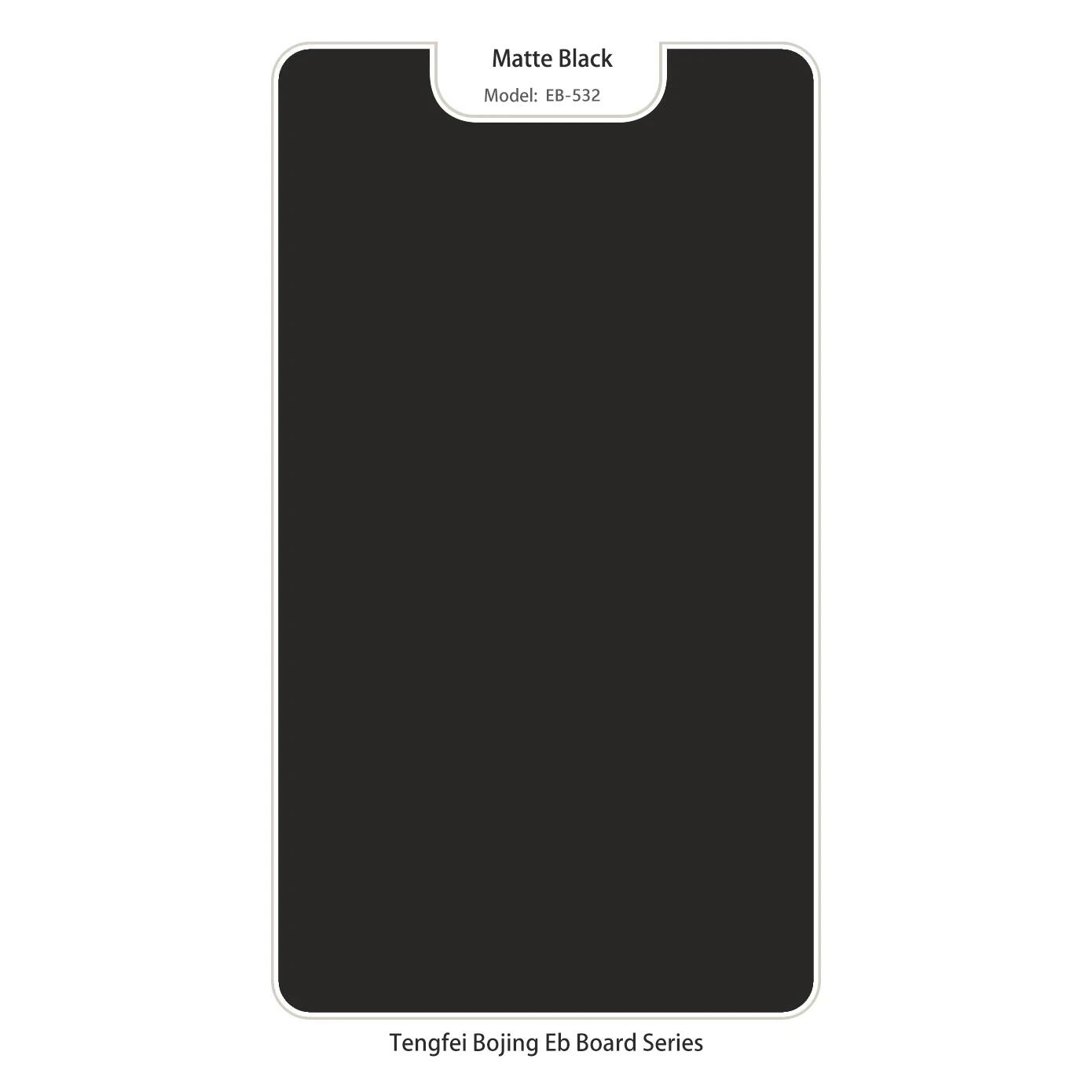
Tengfei Platinum EB Particle Panels - Matte Black
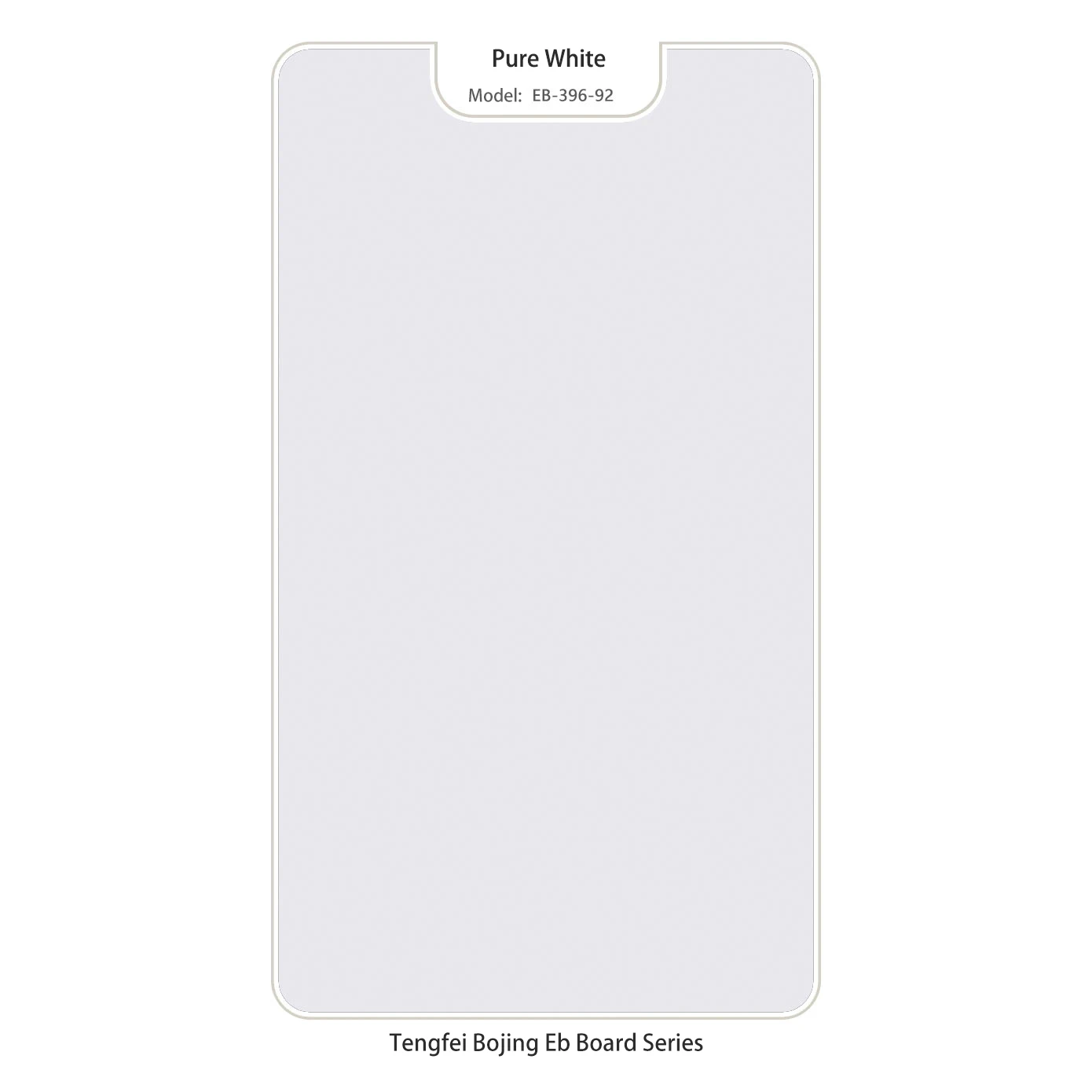
Tengfei Platinum EB Particle High-Gloss Panels - Pure white
To provide reliable solutions through quality products!